Slovenia packs Alpine peaks, a sliver of Adriatic coast and a limestone underworld into a country you can cross in a single afternoon, which is exactly why the right hotel depends entirely on the month you arrive. A lakefront room in Bled looks very different in July than in October, and the coastal hotels of Piran simply close their shutters in winter. Here is how the seasons shape where you sleep.
How Slovenia's Seasons Reshape the Hotel Map
Slovenia is small enough that you could theoretically sleep in the Alps and swim in the Adriatic on the same day, but the country's accommodation runs on sharply different clocks. The Julian Alps and the lakes of Bled and Bohinj peak in July and August, when Alpine spa hotels and village guesthouses are booked solid and prices climb accordingly. The 47 kilometres of coast around Piran, Portorož and Izola fills from late May to September, then largely empties — many seafront properties shut from November to March and reopen around Easter.
Meanwhile, Ljubljana hums year-round, its boutique hotels in the old town near Prešeren Square and the Triple Bridge busy with city breaks in spring and autumn, and with festive crowds during December. Thermal spa resorts in the east — Podčetrtek, Moravske Toplice, Radenci, Dolenjske Toplice — buck the trend entirely by staying popular in the coldest months, when soaking in warm mineral water while snow falls outside is the whole point.
The practical upshot: there is no single best time to visit Slovenia, only a best time for the Slovenia you want. Decide whether your trip is about mountain trails, wine cellars, cave systems or a coastal promenade, and the season chooses itself.
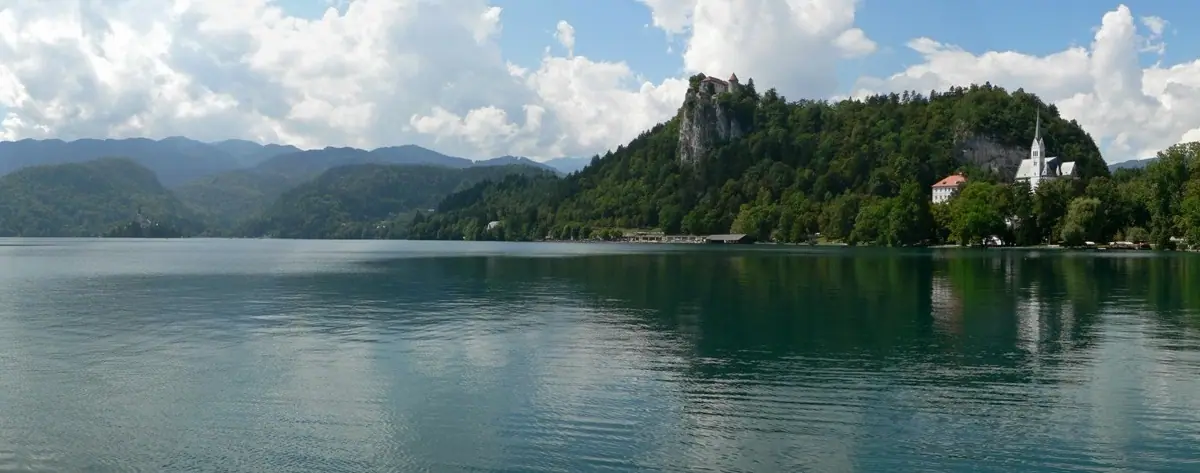
Spring: Gorges, Blossom and the Quiet Before the Rush
Late April to early June is the connoisseur's window. The Vintgar Gorge near Bled reopens once the winter boards are cleared, and walking its wooden walkways above the Radovna river before the summer crowds arrive is one of Slovenia's great small pleasures. Wildflowers carpet the meadows of Triglav National Park, the Soča river runs a startling turquoise, and vineyard villages in the Vipava Valley and Goriška Brda start greening up. Daytime temperatures hover around 15–22°C — hiking weather rather than sunbathing weather.
Hotel-wise, this is the sweet spot for value. Lakefront and lakeside properties in Bled and Bohinj, plus the boutique townhouses clustered around Ljubljana's Prešeren Square and Ljubljana Castle, still charge shoulder-season rates until roughly mid-June. Farm stays — the traditional tourist farms scattered across the countryside — are at their most pleasant, with orchards in bloom and home-cured meats on the breakfast table.
Expect rain, sometimes a lot of it, especially in the western hills. Pack layers and waterproof footwear, and treat the showers as an excuse to spend an afternoon underground at Postojna Cave or the UNESCO-listed Škocjan Caves, both of which stay a steady, cave-cool temperature whatever the sky is doing.
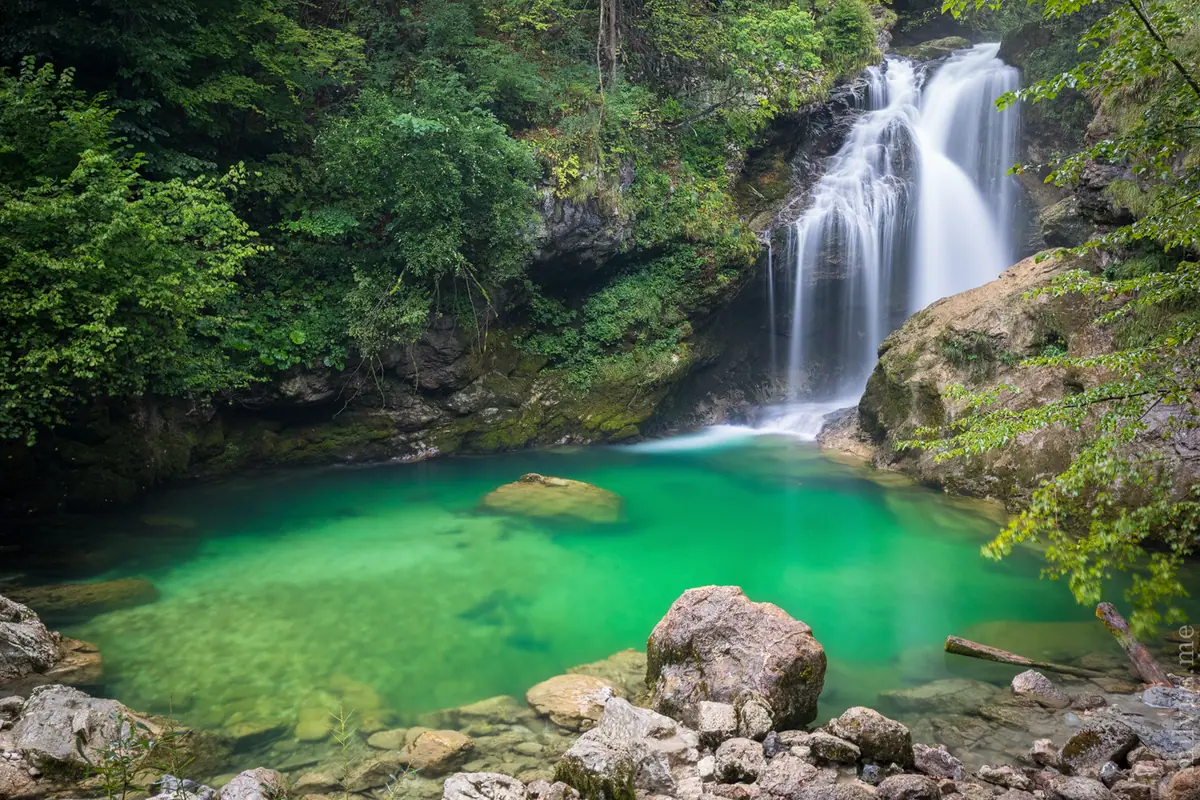
Summer: Peak Season on the Lakes, Coast and Caves
From late June to early September, Slovenia is at full throttle. Lake Bled's island church and clifftop Bled Castle draw day-trippers by the coachload, pletna boats ferry visitors across the water, and Lake Bohinj offers a wilder, quieter alternative within half an hour's drive. In the north-west, the Soča Valley around Bovec and Kobarid becomes Slovenia's adventure capital, with rafting, kayaking and via ferrata, while the Vršič Pass road winds up to 1,611 metres for panoramic views of the Julian Alps.
On the coast, Piran's Tartini Square and the Venetian-style lanes behind it fill with swimmers and seafood diners, and neighbouring Portorož handles the resort crowd. This is also the season when the Karst caves come into their own as a refuge from the heat — Postojna Cave and Predjama Castle, built into a cliff face, make a natural pairing on a hot afternoon.
Book early. For July and August in Bled, Bohinj or Piran, reserve three to five months ahead; the best lake-view rooms vanish first. Mountain huts inside Triglav National Park, including those on the Seven Lakes Valley route, operate roughly mid-June to late September and require booking well in advance of a hut-to-hut hike. Late August brings the first hint of relief in the evenings, and prices dip slightly in the final week of the month.
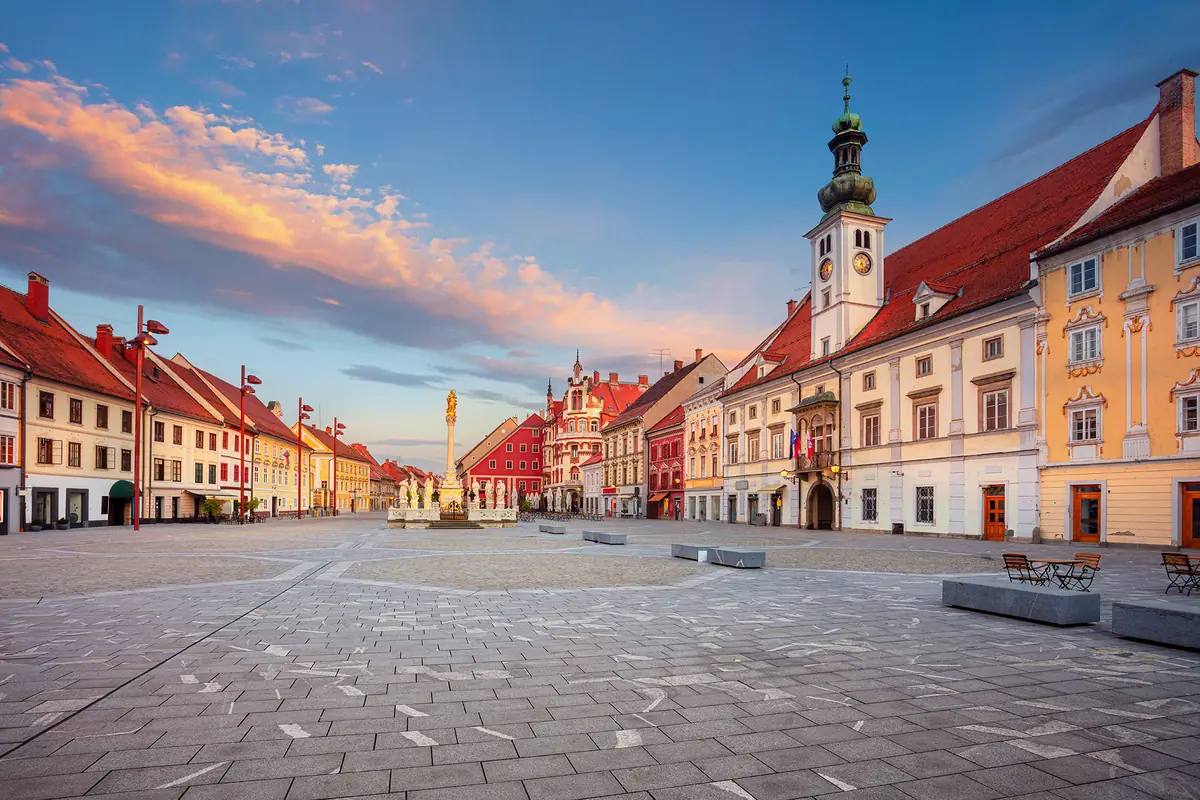
Autumn: Wine Harvest, Golden Larches and Falling Prices
September and October may be Slovenia's most rewarding months overall. The Adriatic stays warm enough for swimming into early September, the vineyards of Maribor, Ptuj and Jeruzalem are heavy with grapes, and the Stara trta — the centuries-old vine in Maribor's Old Vine House — anchors a harvest festival that turns the Drava riverbanks into one long celebration. Wine-road guesthouses and cellar stays in the Vipava Valley and Goriška Brda book out for harvest weekends, so plan ahead if that's your aim.
Later in October and into early November, the larches of the Julian Alps turn molten gold, and the light around Kranjska Gora and Lake Jasna is extraordinary. Alpine hotels drop their peak-season rates, hiking trails empty out, and you can often walk to waterfalls and viewpoints in near solitude.
This is also the moment for Slovenia's cities. Ljubljana in autumn is a café-and-museum city, with the castle funicular, the riverside market and the Triple Bridge all pleasantly uncrowded. Take a boutique room in the old town and use it as a base for day trips to Bled, Postojna or the coast — distances are short enough that nothing feels rushed.
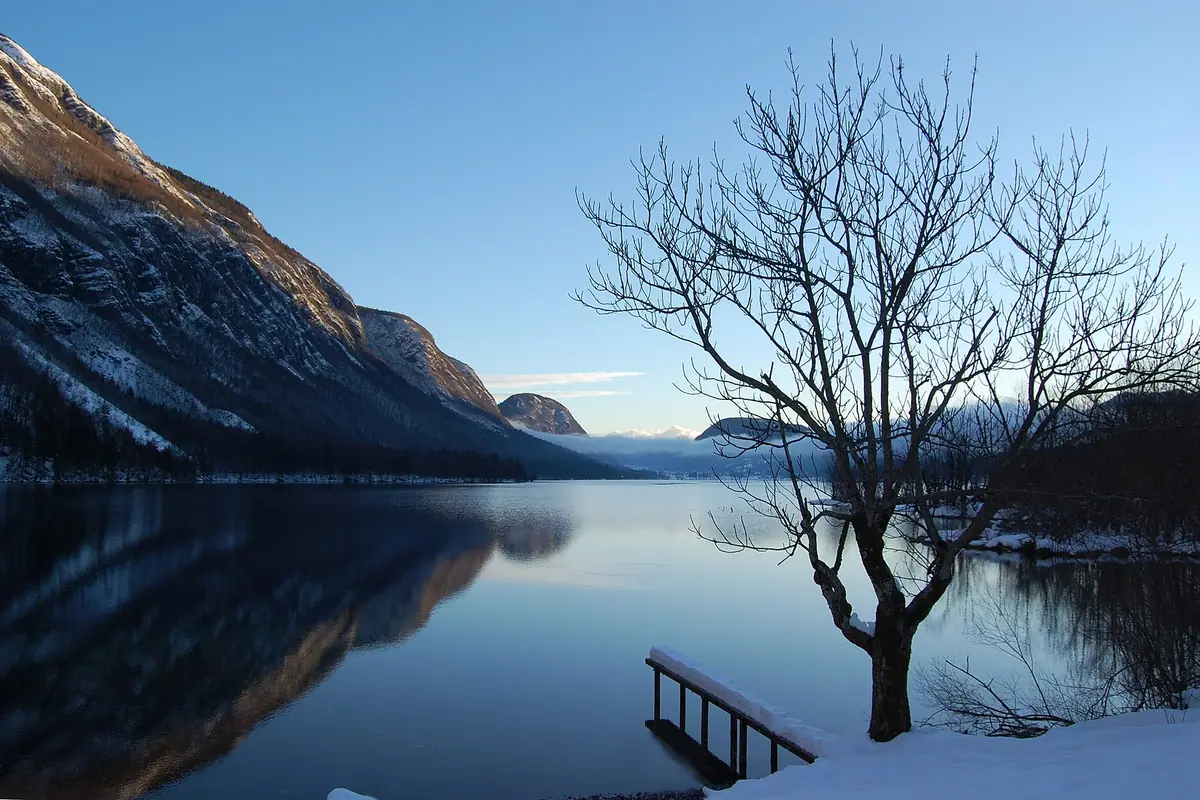
Winter: Ski Slopes, Thermal Spas and a Festive Capital
Winter splits Slovenia in two. In the Alps, December to March means skiing at Kranjska Gora, Krvavec and Vogel above Lake Bohinj, snowshoeing through Triglav National Park, and a frozen, photogenic Lake Bled with its island church dusted white. Mountain hotels and chalets in these areas run ski-season rates, and weekend availability tightens sharply during school holidays and around New Year.
Elsewhere, winter belongs to the spa resorts. The thermal regions of eastern and south-eastern Slovenia — Podčetrtek, Moravske Toplice, Radenci, Dolenjske Toplice — offer indoor mineral pools, saunas and wellness hotels that are busiest from November through February. It's a distinctly Central European way to spend a cold weekend, and the region's pumpkin-seed oil, buckwheat and slow-cooked stews are worth the detour on their own.
Cities shine too. Ljubljana's December markets spread along the Ljubljanica river beneath Ljubljana Castle, making a central hotel the best possible base for an evening of mulled wine and browsing. In February, the carnival of Kurentovanje in Ptuj fills the streets with shaggy-furred Kurent figures — one of Europe's strangest and most memorable folk traditions, and a fine excuse to stay a night in Slovenia's oldest town.
Practical Pointers for Timing Your Hotel Stay
If you want a single recommendation: aim for the second half of May or the first half of September. You get dependable weather, open attractions, functioning ferry and gorge schedules, and hotel rates roughly 20–30 percent below peak. Slovenia's biggest crowds arrive with European school holidays in July and August, plus long weekends around May Day and Easter.
On the coast, check opening dates before booking — many Piran and Portorož hotels operate from around Easter to late October and close entirely in winter. In the mountains, note that high-altitude huts have short seasons, while valley hotels in Bled and Bohinj stay open all year. In Ljubljana, town-centre hotels are often busiest at weekends, so a Sunday-to-Tuesday stay can be cheaper.
Finally, factor in transport. A car unlocks the wine roads, the Soča Valley and the smaller spa towns far more easily than buses or trains, and rental availability tightens in July and August. Slovenia is compact — Ljubljana to Bled is under an hour, Ljubljana to Piran around ninety minutes — so a single well-chosen base can cover a surprising amount of the country.
Frequently asked questions
What is the best month to visit Slovenia overall?
September is the strongest all-round month: warm seas for early swimming, wine harvest in Maribor and Vipava, stable weather and quieter hotels than July or August. May is the runner-up, with green landscapes, waterfalls in full flow and lower prices.
How far ahead should I book a hotel in Lake Bled?
For July and August, reserve three to five months ahead — lake-view rooms and lakeside spa hotels sell out first. For May, June, September and October, four to eight weeks is usually enough, though Bled Castle-view rooms still go early.
Are hotels on the Slovenian coast open in winter?
Mostly no. Many properties in Piran, Portorož and Izola close from November until around Easter, and some stay shut until May. If you want a winter seaside stay, confirm directly that the hotel is open before booking.
Is winter a good time to visit Slovenia?
Yes, for two very different trips: skiing at Kranjska Gora, Krvavec and Vogel, or a thermal spa break in Podčetrtek, Moravske Toplice and Radenci. Ljubljana's December markets and February's Kurentovanje carnival in Ptuj are winter highlights, and the Karst caves stay visitable all year.
How many days do I need in Slovenia?
Five to seven days covers Ljubljana, Lake Bled, Postojna Cave and a stretch of coast without rushing. Ten days lets you add the Soča Valley, the wine regions around Maribor and Ptuj, and a night or two in a thermal spa hotel.
Sort the rest of your trip
Everything for Slovenia, in one place
Transfer in Slovenia
Private driver waiting on arrival — no queues, no surprises.
Book a transfer
Things to do in Slovenia
Skip-the-line tickets, guided tours and standout experiences.
See experiences
Stay online in Slovenia
Travel eSIM — data the moment you land, no roaming bills.
Get an eSIM