Monaco is a sovereign state you can cross on foot in half an hour, yet it manages to hold a cliff-top palace, a Belle Époque casino, a Renaissance cathedral and a fishing-port market inside two square kilometres. Behind the superyachts and the race barriers is a genuinely Monegasque culture — a Mediterranean kitchen of chard pastries and chickpea pancakes, a festival calendar built around a martyred saint, and a language still taught in schools. This guide is about finding that version of the principality.
Monaco in Five Neighbourhoods: Where the Country Actually Happens
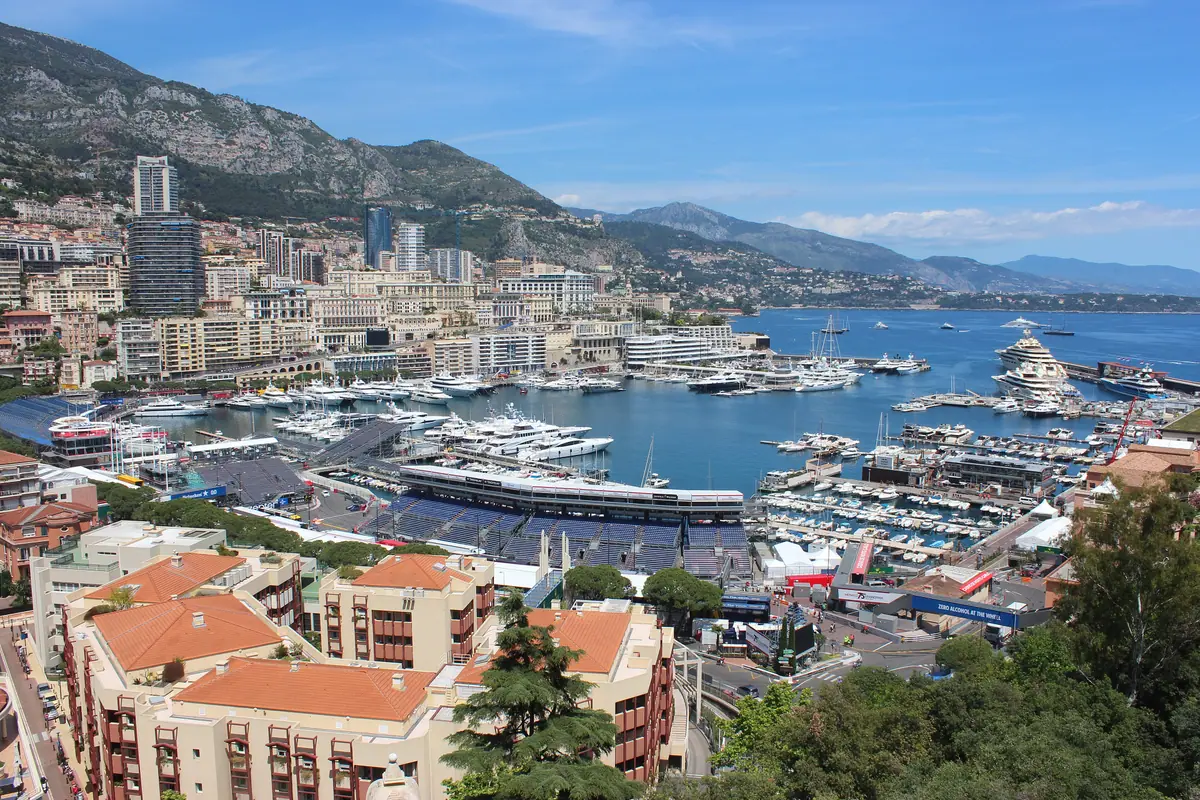
Monaco is not one city but a stack of districts glued to a limestone cliff. Monte-Carlo, on the eastern plateau, is the postcard: the casino, the opera house, the grand cafés spilling onto Place du Casino. La Condamine sits below it around Port Hercule, and this is the working heart of the place — the market hall, the pedestrian shopping street Rue Princesse Caroline, bakeries, hardware shops, the smell of coffee at 7am. Monaco-Ville, universally called Le Rocher, is the old fortified town on the headland, all ochre walls, narrow stepped lanes and lunch tables in the sun. Fontvieille, reclaimed from the sea in the 1970s, is the quiet modern quarter, with its own small harbour and rose garden. And Larvotto, east along the seafront, is where Monaco goes to swim.
Each district has its own altitude, and that shapes how you move. The principality is threaded with free public lifts and escalators that cut straight through the rock — from the port up to Le Rocher, from the lower streets of La Condamine up toward Monte-Carlo. Learn them and Monaco becomes a walking destination rather than a taxi one. A small electric shuttle boat also ferries passengers across Port Hercule, which is both the most pleasant and the cheapest crossing in the country.
The Must-See Landmarks of Monaco
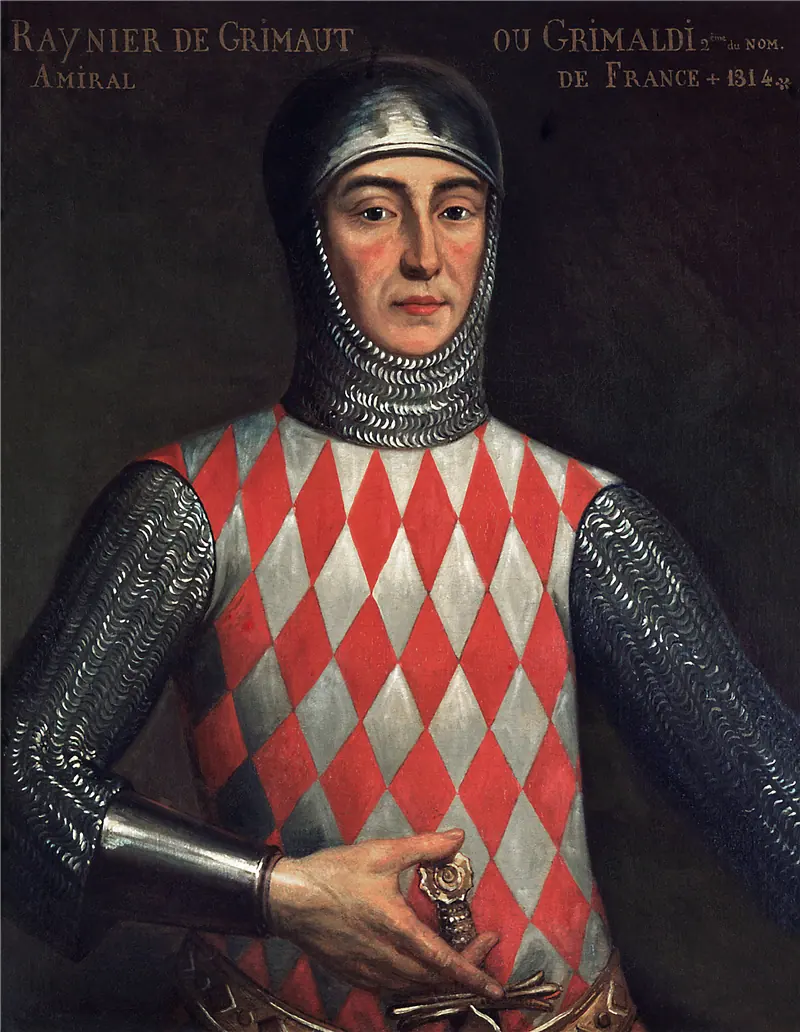
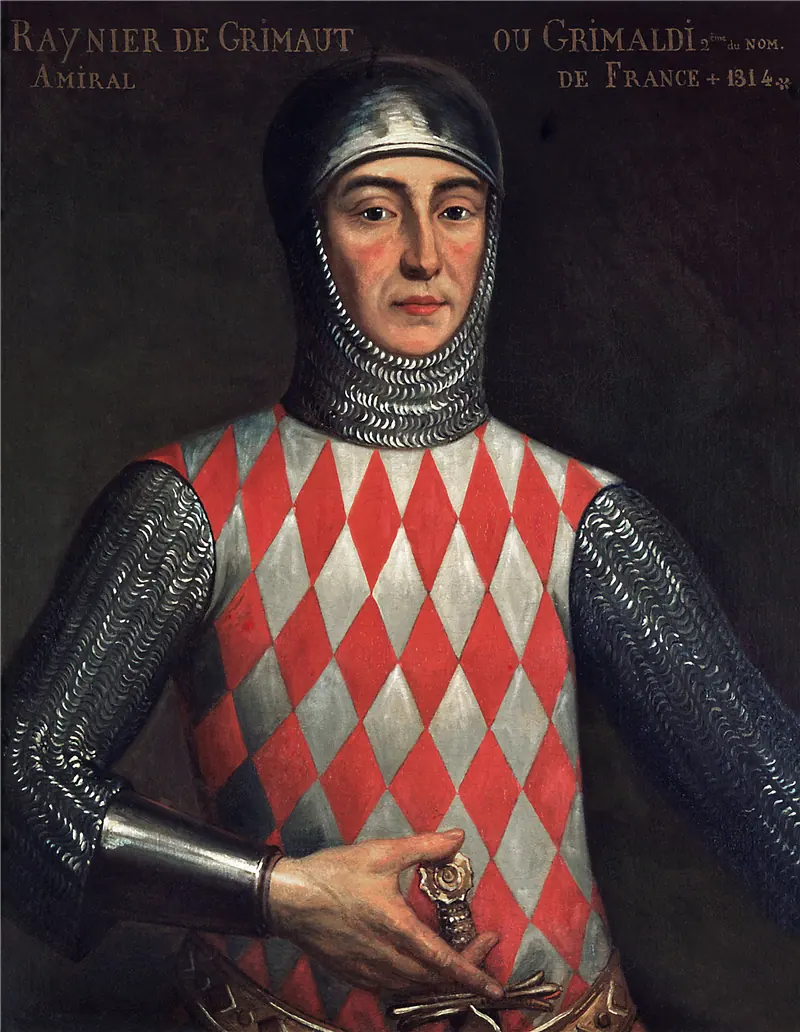
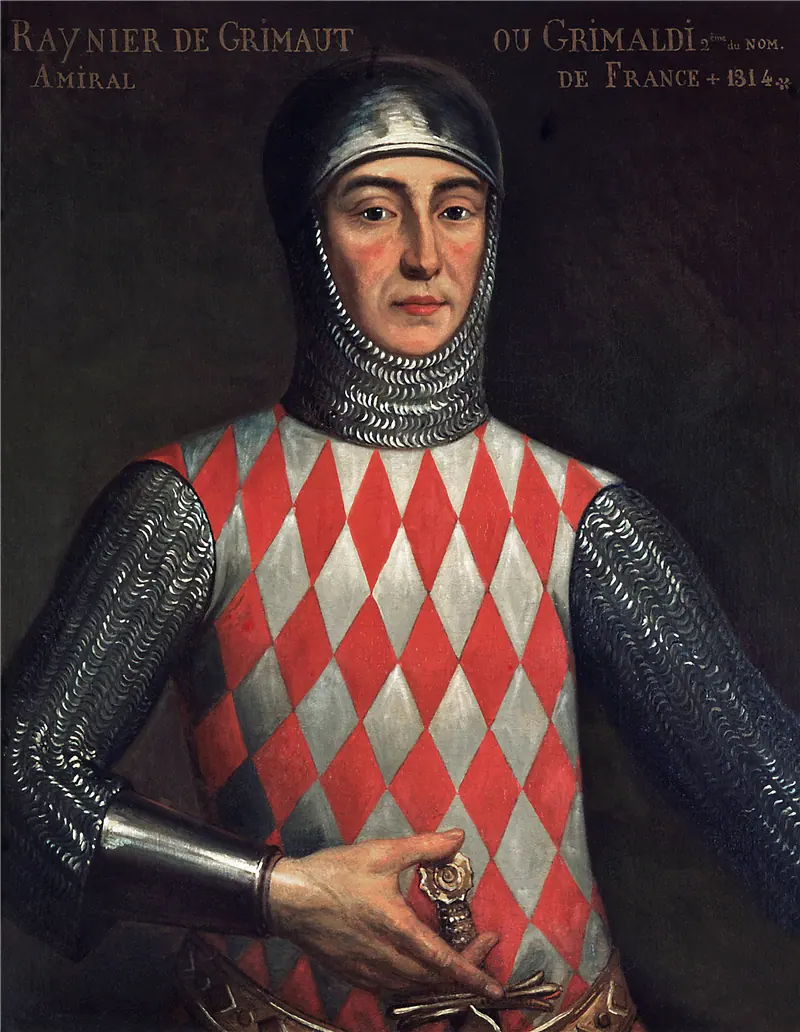
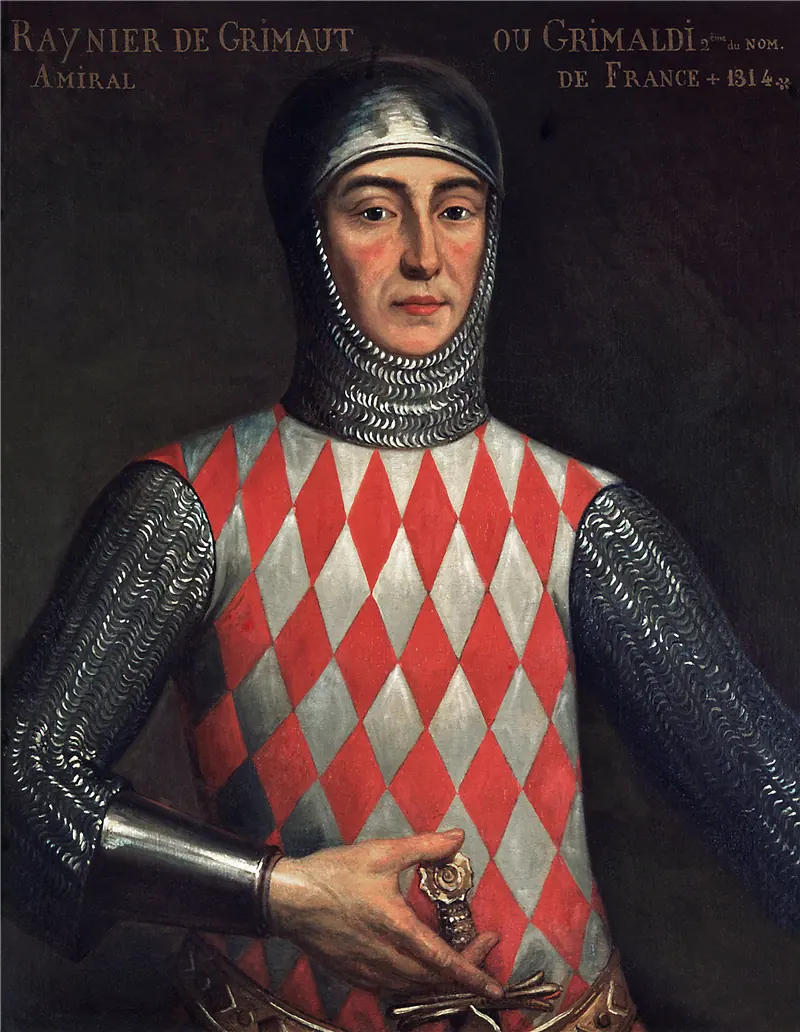
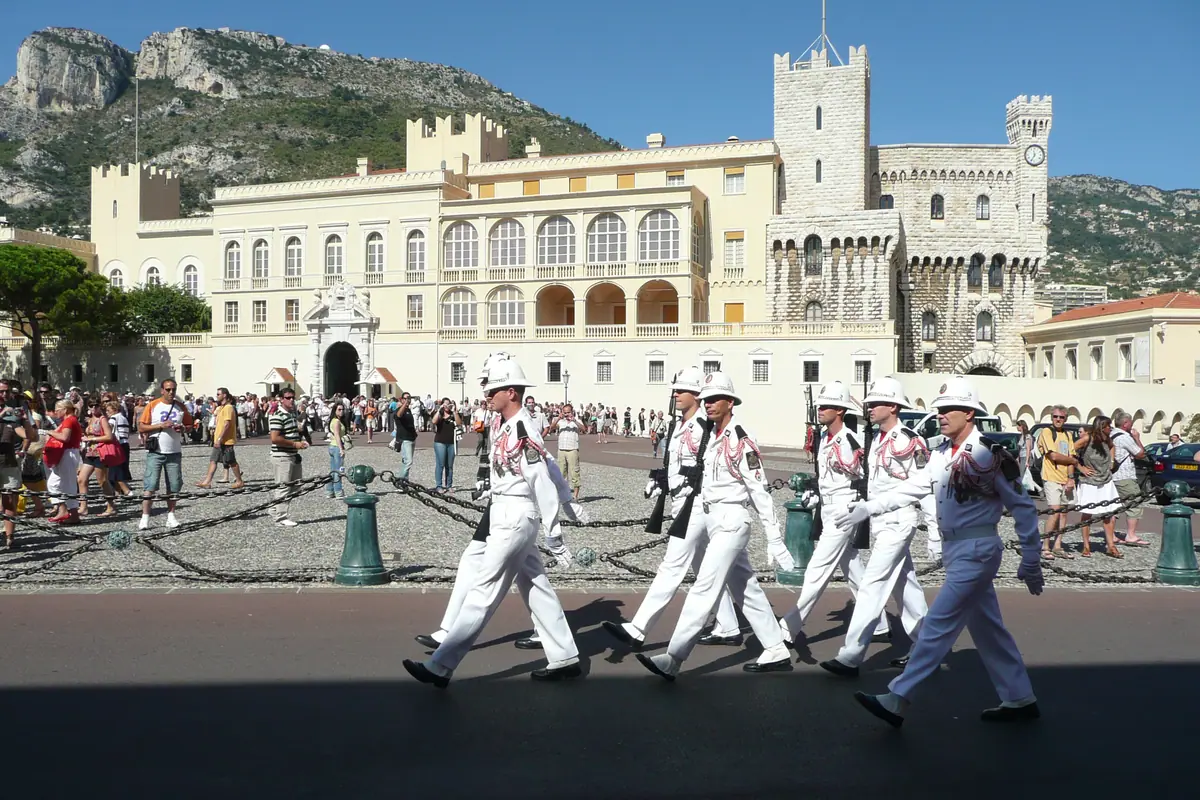
Start on Le Rocher at the Prince's Palace, the Grimaldi family's residence since the end of the 13th century. The state apartments open to visitors roughly from June to October, and the daily changing of the guard at the gate on Place du Palais takes place just before noon — arrive a few minutes early for a spot on the railing. A few steps away, the Cathedral of Our Lady Immaculate, better known as Saint Nicholas Cathedral, is a white-stone Romanesque-Byzantine building where Grace Kelly married Prince Rainier III in 1956; both are buried in the nave, and visitors are asked to cover shoulders and speak quietly. Beyond it, the Oceanographic Museum rears straight out of the cliff face — founded by Prince Albert I, it holds a shark lagoon, aquariums and a rooftop terrace with one of the best panoramas in the Mediterranean.
In Monte-Carlo, the Casino de Monte-Carlo and its adjoining opera house, the Salle Garnier, are the architectural set piece: marbled atrium, stained glass, chandeliers, and a marble-and-gold gaming hall that you can visit in the morning before the tables open. Even if you never place a bet, walk the terrace and the gardens of Place du Casino. West of town, the Jardin Exotique climbs a sheer slope with thousands of succulents and a natural cave, the Grotte de l'Observatoire, that you enter by descending a spiral staircase into the cliff. In Fontvieille, the Prince's collection of classic cars fills a hangar-sized museum, and the Roseraie Princesse Grace scents an entire corner of the district in spring. Along the seafront, the Japanese Garden with Princess Grace's rose beds — actually the Jardin Japonais on Avenue Princesse Grace — offers a meditative pause between beaches.
What Monegasque Food Really Tastes Like
Monegasque cooking is a coastal kitchen shared with Nice and Liguria, and it is far more rustic than the principality's reputation suggests. The national dish is barbagiuan: a crescent of thin dough stuffed with Swiss chard (or pumpkin in autumn), rice, ricotta and herbs, then deep-fried until blistered. Traditionally it appears on Saint Nicholas's Day in December, but you will find it year-round in market stalls and old-town restaurants. Alongside it come socca, the chickpea-flour pancake baked in a wide copper pan and eaten hot with black pepper; tourte de blettes, a sweet-savoury chard tart studded with raisins and pine nuts; and stocafi, dried cod slow-braised with tomatoes, olives, garlic and white wine, a dish that tastes of the port it came from.
The best place to eat this way is the Halle de la Condamine, the covered market on Place d'Armes. Go early for olives, anchovies, fresh pasta and cheese, and stay for a plate of socca cooked to order. In summer the fountain-side tables fill with locals on their lunch break; some of the food counters keep serving into the evening, when the same hall turns into a wonderfully unglamorous dinner spot. Bakeries around Rue Princesse Caroline sell pissaladière, fougasse studded with olives, and fried courgette flowers. For a sit-down meal, climb to Le Rocher: a long lunch in the old town, with a bottle of Provençal rosé, a plate of small fried fish and a view over the ramparts is the most Monegasque afternoon there is.
Saints, Superyachts and the Racing Calendar
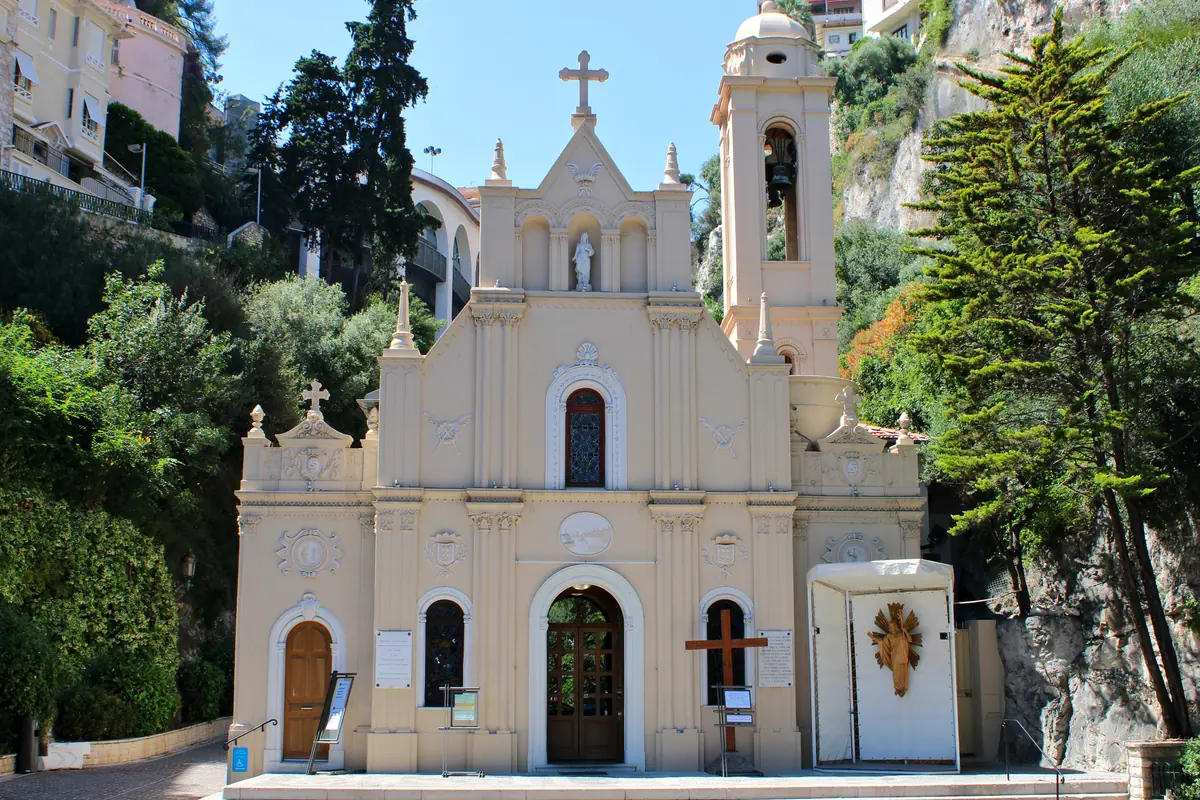
Monaco's year is built around a handful of dates. On the nights of 26 and 27 January the feast of Saint Devota, the principality's patron saint, is celebrated with a torchlit procession from the church of Sainte-Dévote in La Condamine, a blessing of the sea and the burning of a boat on the quay in front of the chapel — an old ritual that draws the princely family and half the town. January also brings the Monte-Carlo Rally, which sends cars up into the mountain passes behind the coast, and the international circus festival under the big top in Fontvieille. In November, National Day on the 19th fills Place du Palais with a military parade, a Te Deum mass in the cathedral and fireworks over Port Hercule.
Then comes the Grand Prix, held over four days in late May, when the streets themselves become the Circuit de Monaco — the tunnel, the tight hairpin near Monte-Carlo, the poolside sweep at Larvotto. Outside race week you can simply walk the loop; the road markings and barriers are gone, but the geography is unmistakable. September brings the yacht show to Port Hercule, and year-round the Salle Garnier stages opera and the Monte-Carlo Ballet and Philharmonic Orchestra perform in the Grimaldi Forum and the casino's theatre. Tickets are surprisingly accessible if you book ahead; the audience is a genuine mix of residents, French commuters and visitors.
Slow Experiences: Market Mornings, Cliff Paths and a Local Beach
The most local day in Monaco starts at the Condamine market around eight, with coffee and a warm pastry at a counter, then a walk along the port to watch the fishermen and the crews scrubbing decks. From there, climb to Le Rocher before the tour groups arrive, wander the lanes around Rue Basse and the ramparts, and sit on a bench above the Mediterranean at Fort Antoine, a small 18th-century fort used today as an open-air theatre. It is one of the few places in the principality where you hear almost nothing but gulls.
For a proper coastal walk, follow the seafront path east from Larvotto toward the French border and the path that leads on to Cap d'Ail — a thirty-to-forty-minute clifftop stretch of pines, rocky coves and views back at the Monaco skyline. Larvotto itself is Monaco's main beach: pebbly rather than sandy, with a long promenade, beach clubs and calm, clean water from May into October. Further west, the concrete sunbathing platform at the Solarium is where locals swim year-round, and the seawater is warm enough for a dip well into autumn.
Culture seekers should not miss the Nouveau Musée National de Monaco, spread across two villas — Villa Paloma in Fontvieille and Villa Sauber on Avenue Princesse Grace — which stages contemporary art in domestic-scale rooms. Combine either with the Princess Grace Rose Garden and the Fontvieille harbour, then take the lift back up the cliff for sunset over Port Hercule.
Practical Monaco: Timing, Dress, Money and Getting Around
Monaco has a mild Mediterranean climate, and the sweet spots are April to mid-June and late September to October, when the sea is warm, the light is long and the crowds thinner. May is spectacular but chaotic and expensive because of the Grand Prix. July and August are hot and busy with day-trippers, while December to February stays mild and green and suits museum-going, the circus festival and the rally. Whenever you come, note that parts of the principality, including the exotic garden and some palace rooms, occasionally close for renovation — check locally rather than assuming.
Dress is relaxed by day, but there are real rules. The historic gaming salons of the casino expect a jacket in the evening and refuse shorts, sportswear and beachwear at any hour, and you will need photo identification to enter. Churches, including the cathedral, ask for covered shoulders. Monaco uses the euro, French is the everyday language, and Monégasque appears on bilingual street signs — a nice detail to look out for on Le Rocher. Almost everything is walkable, but use the free lifts and escalators for the steep climbs, and the little port ferry to cross the harbour.
The principality is also an easy base for the wider coast. The underground station in Monte-Carlo puts you in Nice, Menton or the Italian border town of Ventimiglia in under an hour, so you can combine a Monaco morning with a Niçoise market afternoon or a Ligurian dinner. For a two- or three-day visit, plan one day for Le Rocher and the museums, one for the market, Monte-Carlo and the casino, and one for the coastal path and Larvotto — that is the rhythm most residents actually live by.
Frequently asked questions
How many days do you need in Monaco?
One full day covers the headline sights: Le Rocher, the Prince's Palace, Saint Nicholas Cathedral, the Oceanographic Museum and Monte-Carlo. Two or three days let you add the Condamine market, the exotic garden, the coastal walk toward Cap d'Ail, Larvotto beach and the art villas without rushing.
Do you need to dress up to visit the casino?
For the slots area, no — smart casual is fine. The historic salons in the evening expect a jacket for men and no shorts, sportswear or beachwear at any time. Bring photo identification, which is required for entry, and remember the salons are usually easiest to visit in the afternoon.
What is Monaco's signature dish?
Barbagiuan — a fried pastry filled with Swiss chard, rice and cheese, traditionally eaten around Saint Nicholas's Day. Pair it with socca, the chickpea pancake, and stocafi, dried cod braised with tomatoes and olives. The Condamine market and the old town on Le Rocher are the best places to try them.
When is the best time to visit Monaco?
April to mid-June and late September to October offer warm seas, long days and manageable crowds. May is dominated by the Grand Prix, and July and August are hot and busy. January suits the Saint Devota celebrations, the rally and the circus festival, while 19 November brings National Day.
Can you walk everywhere in Monaco?
Almost. The principality is about two square kilometres, and free public lifts and escalators remove most of the steep climbs between the port, Le Rocher, Monte-Carlo and Fontvieille. A small electric shuttle boat crosses Port Hercule, and short bus rides help on the hottest days.
Sort the rest of your trip
Everything for Monaco, in one place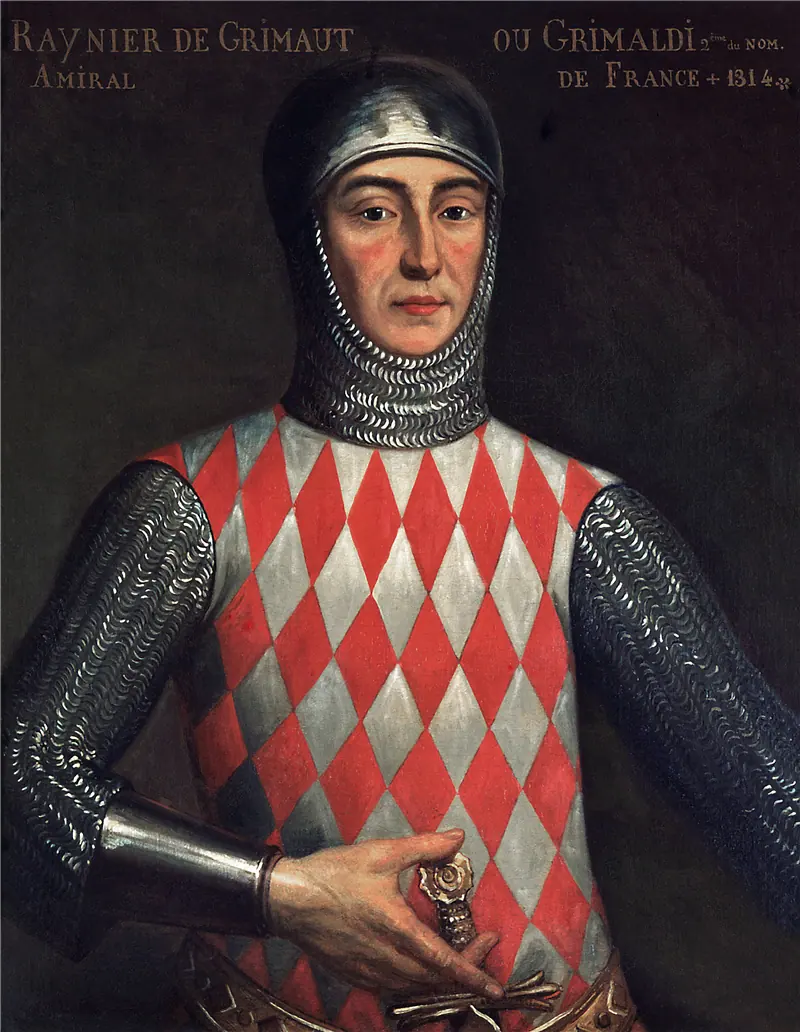
Stay in Monaco
Hotels, guesthouses and apartments — compared in one search.
Search hotels
Transfer in Monaco
Private driver waiting on arrival — no queues, no surprises.
Book a transfer
Stay online in Monaco
Travel eSIM — data the moment you land, no roaming bills.
Get an eSIM