Monaco compresses an entire country into a wedge of coastline the size of a city park, so its greatest hits sit within a brisk hour's walk of one another. The trick is knowing which corners reward a slow morning, which need a ticket bought in advance, and how the principality's calendar reshapes the streets entirely.
Monte-Carlo: The Square, the Casino and the Opera House
Everything begins at the Place du Casino, a small square that carries more grandeur per square metre than almost anywhere on the Mediterranean. The Casino de Monte-Carlo, designed by Charles Garnier and opened in the 1860s, is a wedding cake of domes, cupolas and gilded detail, with the Opéra de Monte-Carlo's Salle Garnier attached like a jewelled wing. Ranks of palm trees, belle-époque facades and the landscaped gardens behind the casino frame the whole ensemble, and the sea glitters somewhere below.
Even non-gamblers should step inside the marble atrium, which opens earlier in the day and is free to wander, before the gaming rooms swing into life in the early afternoon. The Belle Époque salons themselves are worth the modest entrance for the chandeliers, stained glass and painted ceilings alone. From around 7pm a smart dress code applies — no shorts, no beachwear, no trainers — so pack one collared shirt if the tables are on your list. Roulette, blackjack and poker are the staples, and the atmosphere sharpens noticeably after dark.
Time it right and Monte-Carlo is two different places. Come at 8am for empty pavements and photographs before the tour groups arrive, then return after sunset when the square is floodlit and the opera crowd drifts across in evening dress. Budget an hour for the square and gardens, plus two if you are combining the casino interiors with a performance at the Salle Garnier.

Le Rocher: The Prince's Palace and the Old Town of Monaco-Ville
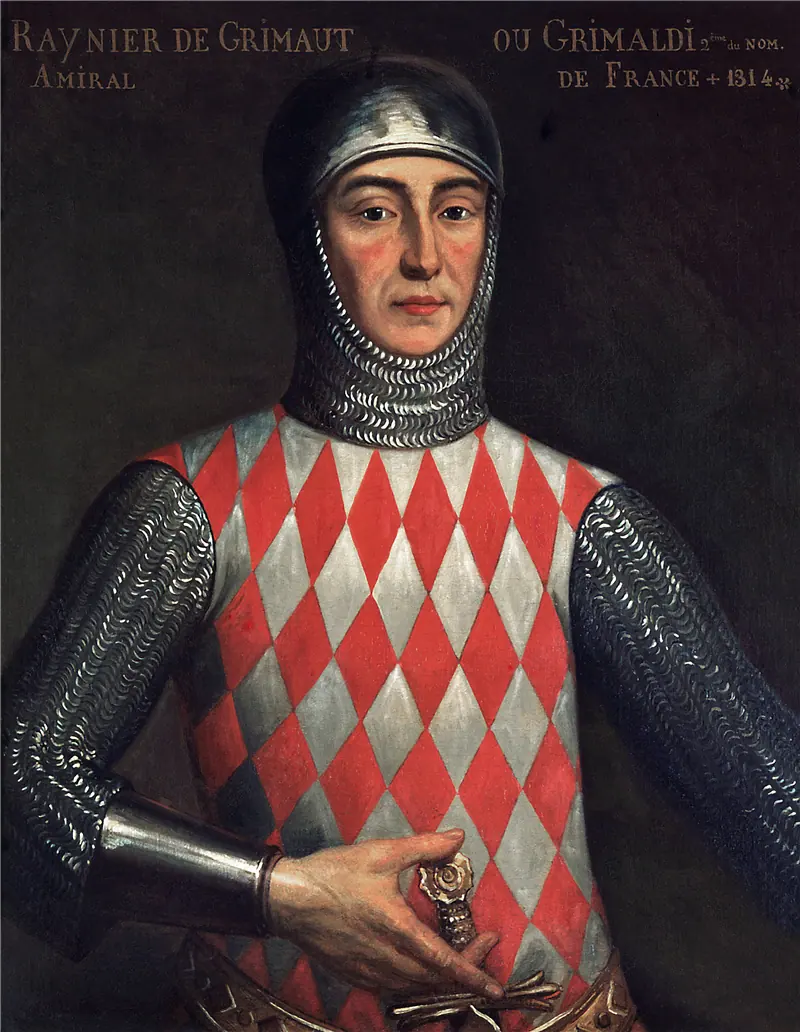
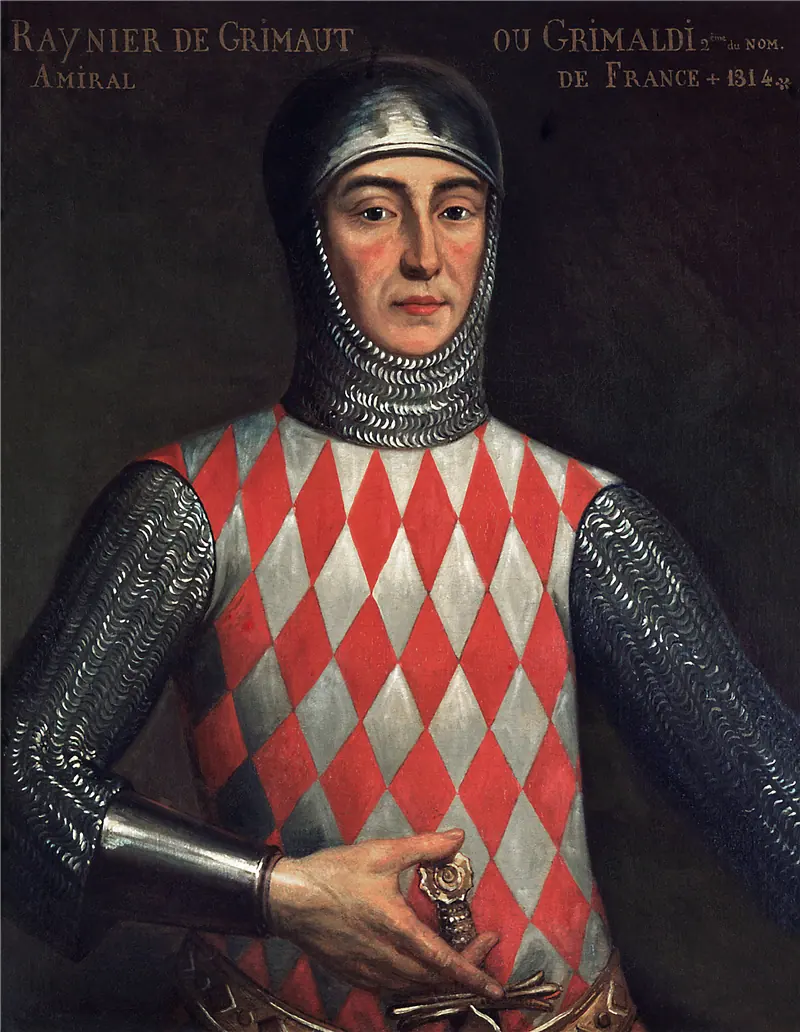
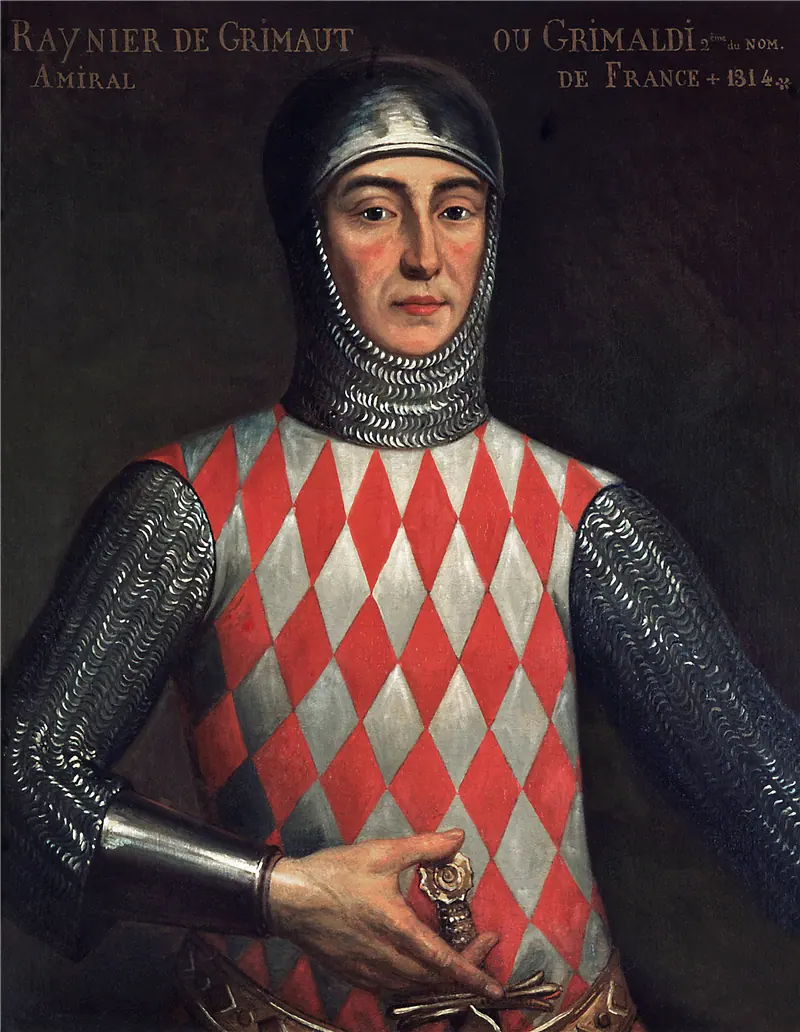
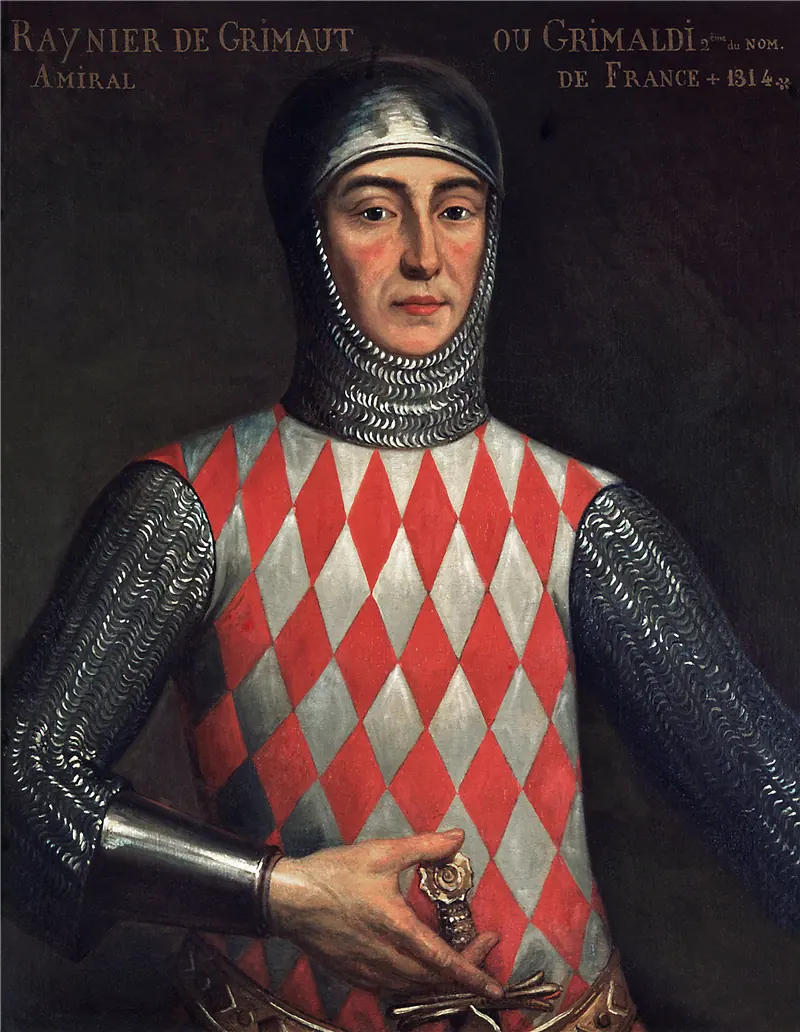
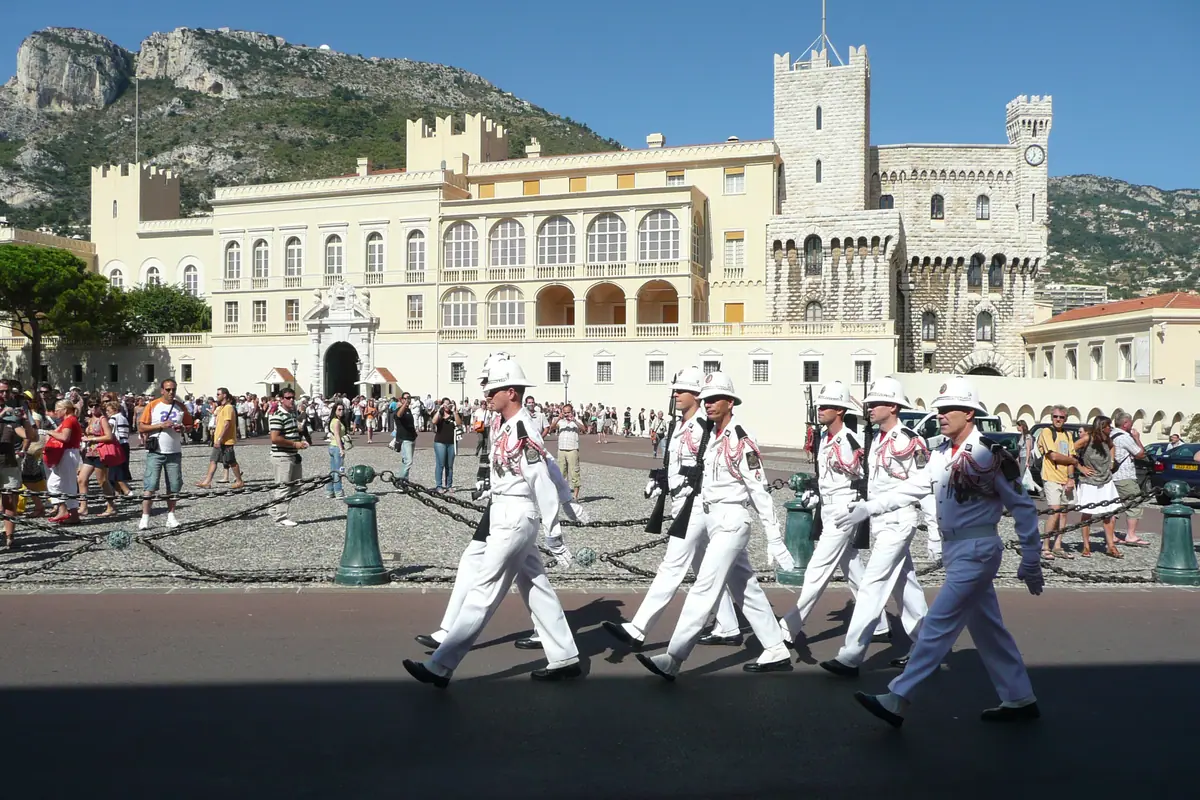
The historic heart of Monaco sits on Le Rocher, the limestone headland that juts into the sea and has been occupied by the Grimaldi family since the late 13th century. The Prince's Palace is the centrepiece: a Genoese-style fortress with a flag that tells you whether the prince is in residence. The State Apartments open to visitors for part of the year, typically spring through autumn, revealing frescoed salons and gilded reception rooms. Whatever the season, the Changing of the Guard draws a small crowd shortly before noon and takes only a few minutes.
Behind the palace, the narrow lanes of Monaco-Ville are the closest thing here to a village, lined with cafés, souvenir shops and pastel shutters. The Cathedral of Monaco, a white stone Romano-Byzantine building, holds the tombs of the princely family and is where Grace Kelly married in 1956 — a quiet, cool stop on a hot afternoon. Walk on to the Saint-Martin Gardens, a cliff-edge terrace of pines and cacti with benches facing the open sea; it is free, rarely crowded and arguably the loveliest spot in the principality.
At the far tip of the Rock stands the Oceanographic Museum, founded by Prince Albert I and perched roughly 85 metres above the water. Inside you will find aquariums, a shark lagoon and centuries of marine collections; on the roof terrace, turtles bask in a tiny pool with the Mediterranean spread out like a map. Allow two to three hours if you have children in tow, less if you simply want the view.
Port Hercule and La Condamine: The Racing Circuit and the Market
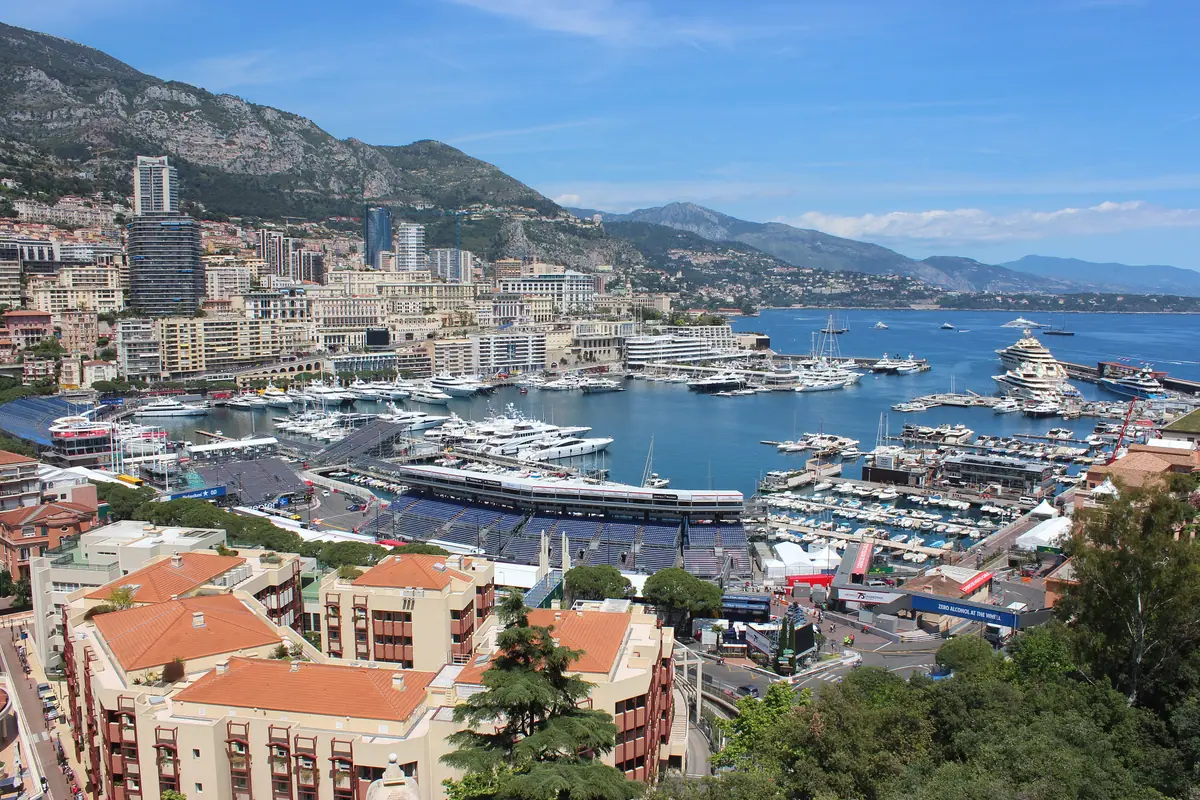
Port Hercule is Monaco's living room: a deep blue basin ringed by yachts, with the Rock on one side and Monte-Carlo climbing steeply on the other. For most of the year you can simply walk the racing line of the world's most famous street circuit — past the Fairmont Hairpin, which grinds up the hill at walking pace, through the tunnel where the noise is deafening once a year, and around the chicane by the seawater swimming pool. In race week the same streets fill with grandstands, barriers and a global television audience, and pedestrian access is heavily restricted.
Five minutes inland, La Condamine is where Monaco actually eats its lunch. The Marché de la Condamine on Place d'Armes runs through the morning with produce stalls, cheese, flowers and the smells of Niçoise cooking — chickpea socca baked on a copper griddle, fried barbagiuan pastries and onion pissaladière. Around Rue Princesse Caroline and Rue Grimaldi, small restaurants serve lunch for far less than the hotel terraces above, which makes this the sensible base for anyone travelling on a normal budget.
At the foot of the port, tucked in its own ravine, the Chapelle Sainte-Dévote honours Monaco's patron saint. On 27 January a symbolic boat is burned outside the chapel as part of a festival that mixes church ceremony with a street bonfire — one of the few genuinely Monégasque rituals a visitor can stumble into. The port is also the starting point for the network of free public lifts and escalators that make the hilltop districts reachable without exhausting yourself.
Jardin Exotique, Caves and Monaco's Terraced Gardens
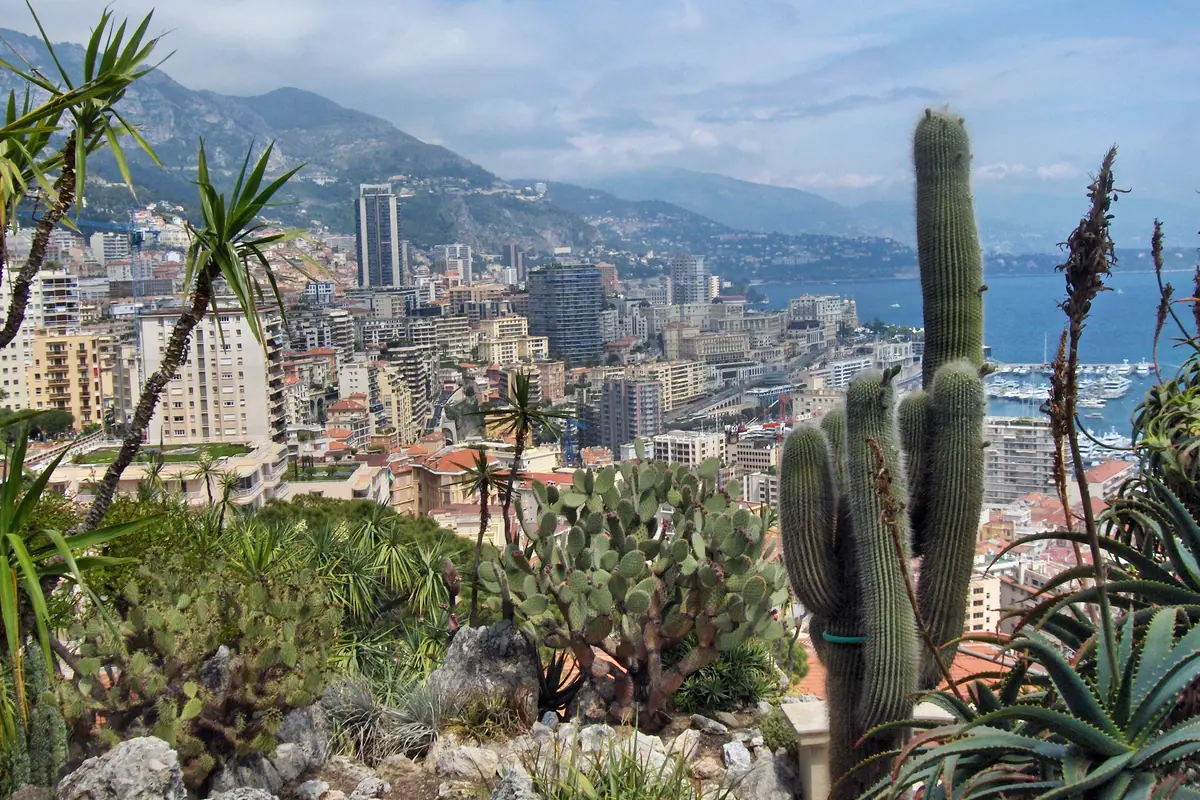
Hugging the steep cliff above Fontvieille, the Jardin Exotique de Monaco is a cactus and succulent collection planted on terraces that fall away toward the sea, with the Rock to one side and the French coast to the other. The views from the upper paths are among the best free-standing panoramas in the principality. Beneath the garden, the Observatory Cave is a limestone cavity dripping with stalactites; it is visited only on guided tours, so check the day's schedule at the entrance before you commit. Parts of the garden have been closed for long-running restoration in recent years, so confirm before making the climb.
Elsewhere, Monaco's greenery is deliberately scattered and easy to stitch into a walk. The Princess Grace Rose Garden in Fontvieille, planted with hundreds of rose varieties, is a sheltered, fragrant pause beside the Mediterranean — best in May when the first flush is at its peak. The Japanese Garden near Larvotto, designed by Yasuo Beppu and opened in 1990, uses stone, water and raked gravel to create a meditative pocket of calm just metres from the traffic; koi drift under the bridges and it costs nothing to sit awhile.
Spring and early summer are the garden months here, when the terraces are green and the heat has not yet turned the exposed cliffs to an oven. Bring water, wear shoes with grip for the stepped paths, and avoid the middle of the afternoon between July and August, when the Jardin Exotique's staircases become genuinely punishing.
Fontvieille, Larvotto and the Coastal Paths
Fontvieille is the newest face of Monaco, built on land reclaimed from the sea in the late 20th century and now holding the rose garden, a marina for smaller boats, the Stade Louis II football stadium and the heliport. It is also where you find the Prince of Monaco's private car collection, displayed in a hall of vintage and racing machines — a niche but genuinely entertaining hour for anyone who has ever watched the Grand Prix. This district is flat, unpretentious and easy walking, which comes as a relief after the vertical trek from the port.
East of the port, Larvotto is Monaco's beach address: a pebble-and-sand curve with free public stretches and paid beach clubs, a rebuilt pedestrian promenade lined with restaurants, and the Grimaldi Forum, where the biggest temporary exhibitions on the Riviera are staged. The Nouveau Musée National de Monaco runs across two villas — Villa Paloma, set in gardens above the port, and Villa Sauber near Larvotto — and both show contemporary art in spaces that are worth seeing in their own right.
Beyond Larvotto, the Sentier du Littoral picks its way along the shore toward Cap d'Ail and Plage Mala, crossing into France within a few minutes. Follow it early in the morning for empty coastline and clear water, and check that the path is open, as rockfalls occasionally force temporary closures. Closer in, the Chemin des Pêcheurs winds around the base of the Rock, giving you the palace from below at an angle most day-trippers never see.
When to Go: Monaco's Seasons and Event Calendar
April to June and September to October are the sweet spots: warm enough to swim, mild enough to walk, and with the terraces and gardens at their best. July and August bring temperatures around 30°C, heavy day-trip crowds off the cruise ships and packed beach clubs, so plan outdoor sightseeing for the early morning. Winter is mild, around 10 to 15°C, quiet and often sunny — a good time for museums and long lunches, with the Christmas village and lights filling Port Hercule through December.
Monaco's calendar reshapes the city in ways worth planning around. The Monte-Carlo Rally and the International Circus Festival both land in January, alongside the Sainte-Dévote celebrations on the 27th. The Grand Prix takes over late May: barriers, grandstands and enormous demand for accommodation, with hotel rates and restaurant bookings spiralling months in advance and many streets closed to pedestrians. September brings the yacht show to Port Hercule, and 19 November is Monaco's national day, marked with a solemn ceremony, fireworks over the port and a surprisingly strong sense of local pride.
Two practical notes shape any itinerary. Monaco has no airport of its own — most visitors arrive through Nice and cover the last stretch by road in about half an hour, or by helicopter shuttle in under ten. And the principality is genuinely walkable if you use it cleverly: public lifts, escalators and the underground station connect levels, while the bus network covers the long climb from Larvotto to Monte-Carlo. One full day covers the headline sights; two days lets you do the Rock, the casino and the coast without rushing.
Frequently asked questions
How many days do you need to see Monaco?
One well-planned day is enough for the Casino de Monte-Carlo, the Prince's Palace, the Oceanographic Museum and Larvotto Beach, though you will do a lot of walking. Two days lets you add the Jardin Exotique, one of the art villas and the coastal path toward Cap d'Ail without feeling rushed, or simply linger longer over lunch in La Condamine.
Is Monaco worth visiting if you are not interested in gambling?
Absolutely. The casino is only one building. The Rock's old town, the cathedral, the Saint-Martin Gardens, the Oceanographic Museum, the Japanese Garden, the Princess Grace Rose Garden and the port's race circuit walk are all open to everyone, and most of the outdoor sights are free. Gardening, architecture, marine life and motorsport each justify a visit on their own.
What should I wear to enter the Casino de Monte-Carlo?
During the day, casual clothing is fine for the atrium and most public areas. From around 7pm a stricter dress code applies in the gaming rooms: smart attire, no shorts, no beachwear, no sports shoes or flip-flops. A collared shirt and closed shoes are the safe minimum, and you will need photo identification to enter.
Can you walk everywhere in Monaco?
Mostly, yes — but the principality is built on a hillside, so distances are deceptive. The walk from Larvotto to the Rock takes roughly 40 to 50 minutes with steep sections. Use the free public lifts and escalators, which connect the port to the upper districts and the Rock, and hop on a bus for the long haul between Larvotto and Monte-Carlo.
When is the worst time to visit Monaco because of events?
Late May, when the Grand Prix closes the streets and drives up accommodation prices across the region, is the most disruptive. The September yacht show and the January rally and circus festival also fill hotels. If you want quiet pavements and easier access to the main attractions, aim for early June, late September or October.
Plan it — experiences in Monaco
Live search, booked directly with trusted providers.
Sort the rest of your trip
Everything for Monaco, in one place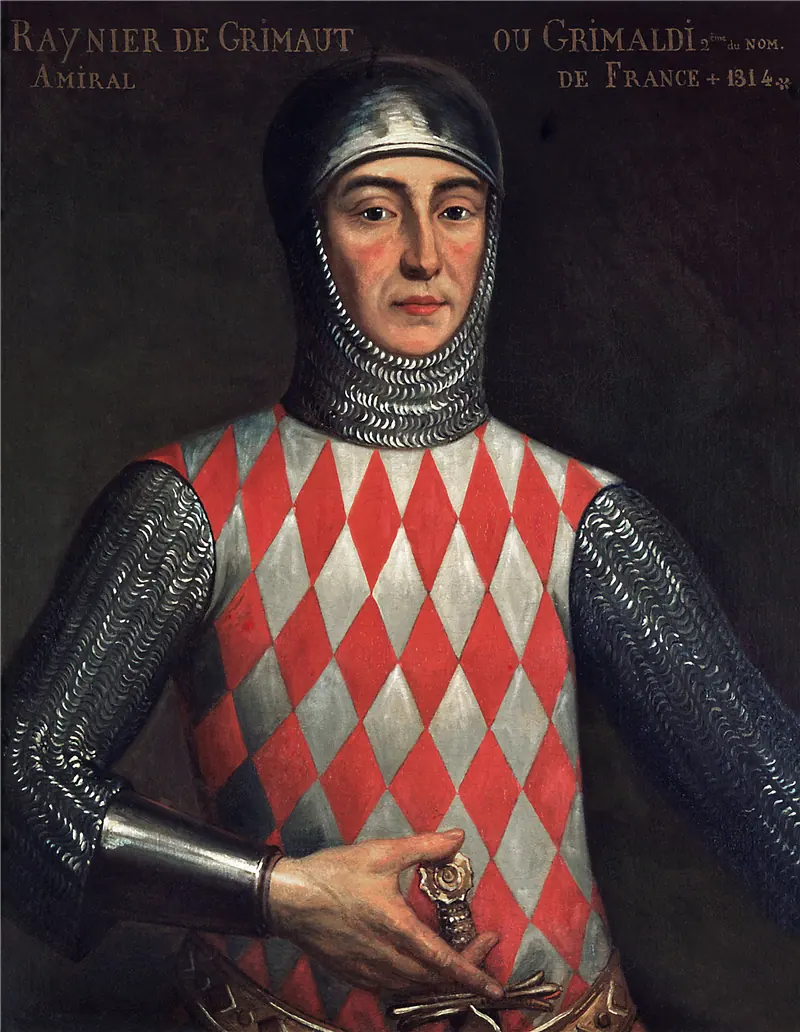
Stay in Monaco
Hotels, guesthouses and apartments — compared in one search.
Search hotels
Transfer in Monaco
Private driver waiting on arrival — no queues, no surprises.
Book a transfer
Stay online in Monaco
Travel eSIM — data the moment you land, no roaming bills.
Get an eSIM