Mauritius is usually sold as a honeymoon postcard: turquoise lagoon, white sand, a cocktail at sunset. Step away from the sun loungers for a few days and a far richer island appears, one where a spiced split-pea flatbread costs pocket change, where drums still carry the old sega rhythm, and where a climb up a basalt mountain tells the story of the people who shaped this place. This guide is about eating, listening and walking your way through the real Mauritius.
Eating Mauritius: Dholl Puri, Rougaille and the Creole Table
Mauritian cooking is a family tree with branches in India, China, Africa, Madagascar and France, and the quickest way to understand it is to eat standing up. Order a dholl puri — two thin flatbreads folded around a soft yellow split-pea filling, then rolled with bean rougaille, chilli paste and pickled achard — and you are holding the island's national street food. Beside it come gateau piment, split-pea fritters flecked with chilli, coriander and cumin; farata, flaky flatbread torn and dipped; boulettes bobbing in clear broth; and mine frite, wok-fried noodles with egg and vegetables, usually eaten with a spoon of fiery chilli sauce on the side.
Port Louis Central Market is the single best place to begin. Downstairs, stalls stack vanilla pods, cinnamon bark, turmeric, dried chillies and tiny bottled chilli pastes, while herbalists sell bundles of leaves for teas and tonics and explain what each one does. Upstairs, the food counters groan under mine frite, alouda — a cold milk drink with basil seeds and soft agar jelly — and slabs of gato patate. Further afield, the sprawling Flacq market on the east coast, held on Wednesdays and Sundays, is the biggest on the island, while Mahebourg's Monday market is smaller, saltier and full of fishermen's talk.
To taste where this food actually lives, look for a table d'hôte: guesthouses and family homes in the south and in Chamarel or Le Morne often serve a set Creole dinner for guests who ask in advance. Expect rougaille, a slow-cooked tomato, onion, garlic and thyme base that carries everything from sausage to salted fish; vindaye, fish or aubergine cured in mustard seed, turmeric and vinegar; a rich chicken or beef daube; and curry ourite, octopus simmered until tender. Finish with palm-heart salad, known locally as millionaire's salad, or a napolitaine biscuit sandwich, two biscuits glued with jam and capped in pink icing.
Port Louis: Chinatown, Aapravasi Ghat and a 200-Year-Old Racecourse
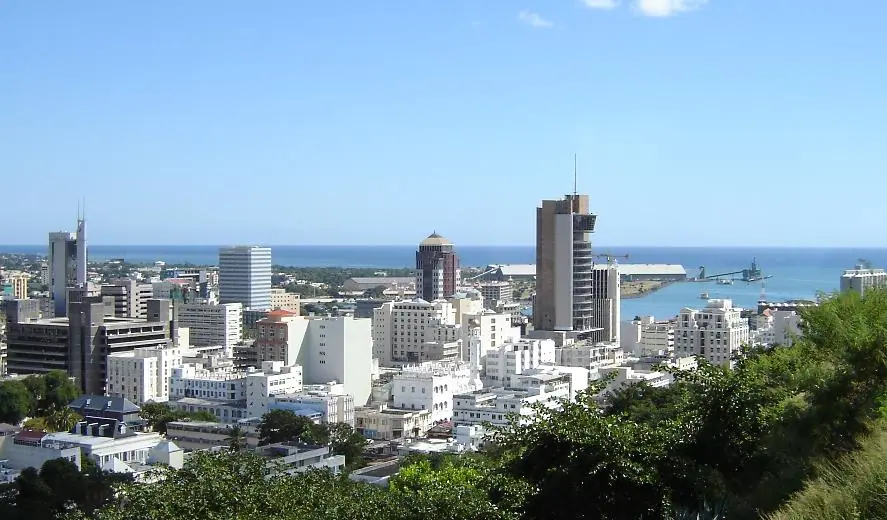
The capital rewards an early start, because by midday the heat and traffic are brutal. Work your way from the Central Market into Chinatown along Royal Street, where red lanterns hang over shopfronts, herbalists weigh out dried seahorses and ginseng, and small restaurants serve dim sum and noodle soups that taste nothing like the Creole food down the road. It is one of the oldest Chinese quarters in the southern hemisphere and still very much a working neighbourhood rather than a museum piece.
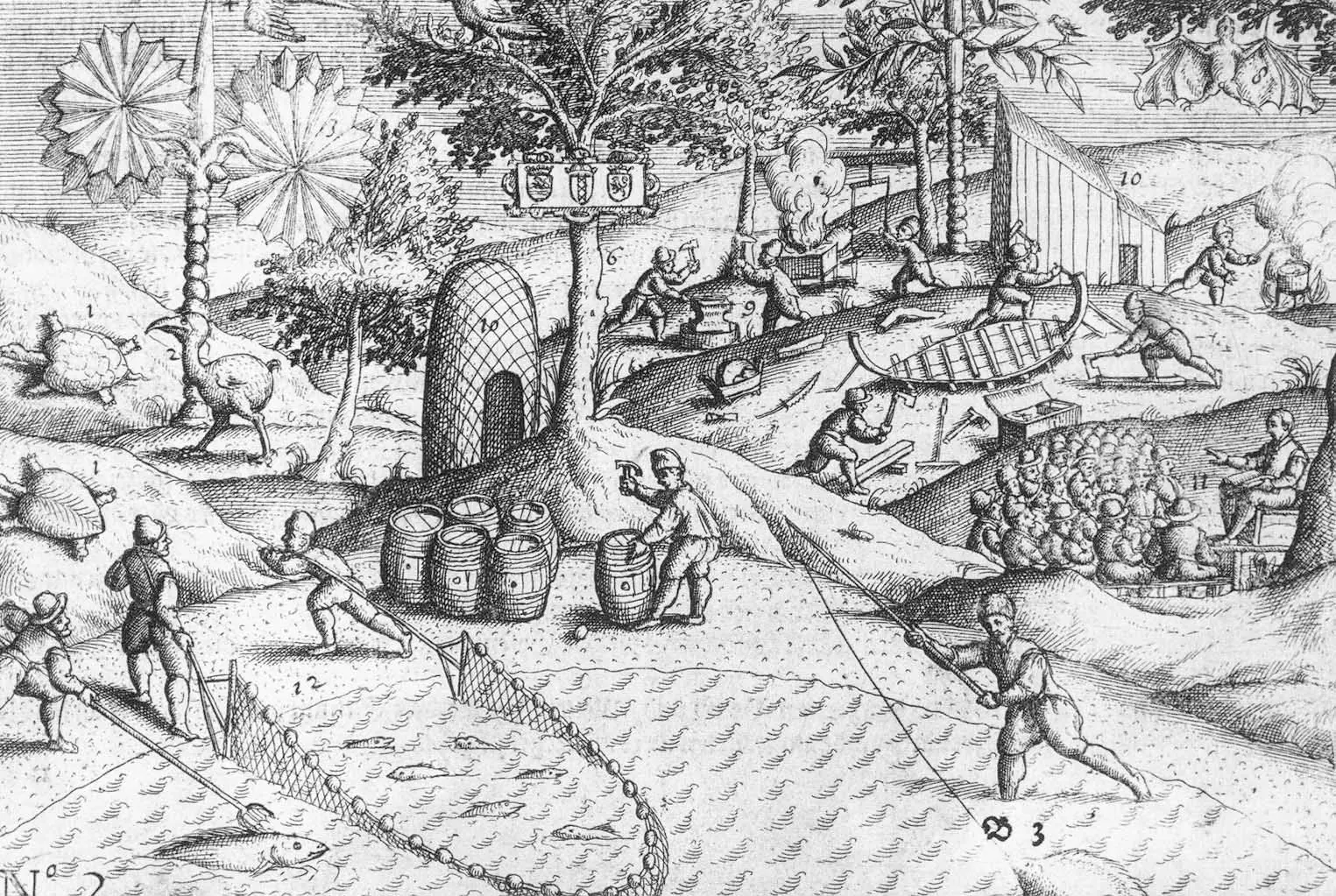
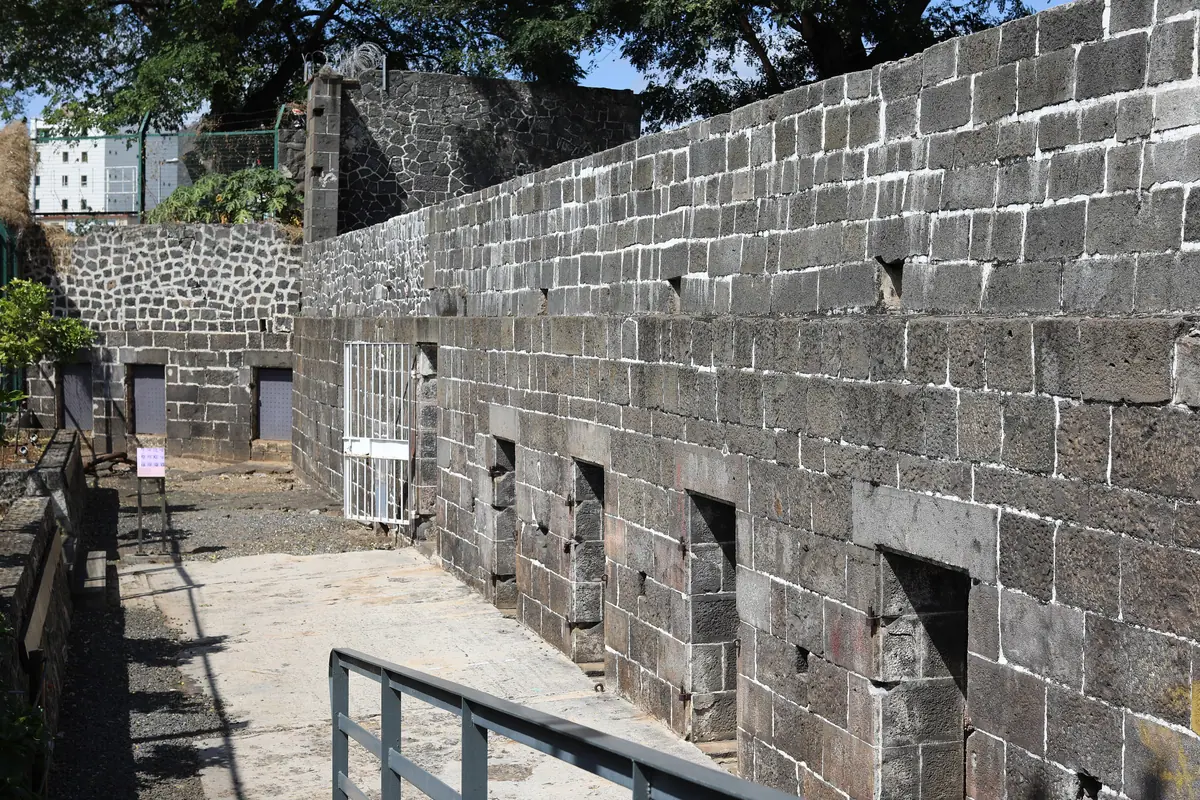
A short walk away, Aapravasi Ghat is a UNESCO World Heritage site and one of the most quietly moving places on the island. This is where hundreds of thousands of indentured labourers from India first set foot after slavery was abolished in the 1830s, and the surviving steps, depot buildings and small interpretation centre tell that story without sentimentality. Nearby, the Blue Penny Museum holds the famous 1847 Post Office stamps — among the rarest in the world — along with the island's original dodo artefacts and a good account of the colonial port. Climb afterwards to the Citadel, the stone fort on the hill above town, for the best views over the harbour and the mountains behind.
If your visit falls between roughly March and November, try to catch a Saturday race meeting at the Champ de Mars, a track laid out in 1812 and one of the oldest in the southern hemisphere. Locals dress up, argue over form and scream at the final furlong in a way no hotel evening comes close to. Combine it with a wander around the Caudan Waterfront and a cold drink in the shade. A day in Port Louis is easy on foot, but taxis are cheap for hopping between the fort, the waterfront and the museum quarter when your legs give out.
Sacred Lakes, Tea Slopes and Creole Colonial Houses
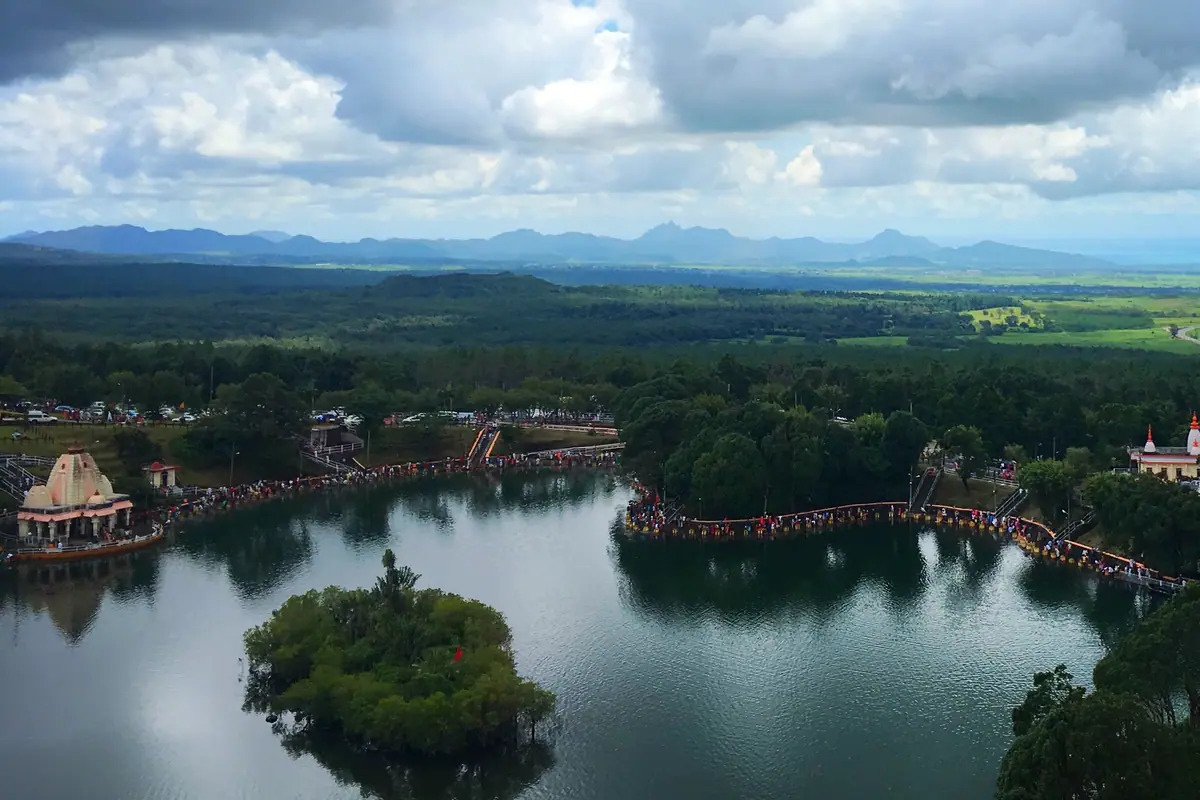
Inland, up in the hills of the south-west, Ganga Talao — also called Grand Bassin — is a crater lake that serves as the island's most important Hindu pilgrimage site. A towering statue of Shiva stands beside the water, smaller shrines ring the shore, and the atmosphere shifts completely at Maha Shivaratri in February or March, when hundreds of thousands of devotees walk from towns across the island, many carrying decorated kanwars, to make offerings. On ordinary days it is calm, cool and misty, with monkeys in the trees and priests blessing visitors who come respectfully.
The central plateau is also plantation country. The Bois Chéri tea estate near Curepipe gives guided walks through the bushes and tastings of vanilla and spiced blends in a setting that feels a century old. Nearby, the sugar museum at Pamplemousses explains how cane built modern Mauritius, from cane fields and mills to rum and molasses, and it is worth pairing with Sir Seewoosagur Ramgoolam Botanical Garden, where giant Amazonian water lilies float in black ponds, talipot palms tower overhead and a spice garden packs cinnamon, nutmeg and clove into a few fragrant metres.
For a glimpse of how the wealthy lived, Eureka House in Moka is a rambling 19th-century Creole mansion of dark wood, shuttered verandas and period furniture, with a garden that drops down to a river and waterfall. Château de Labourdonnais, in the north near Mapou, is the more polished cousin, a restored estate house with orchards, a distillery and a restaurant serving dishes built from its own produce. Both make excellent half-days, especially in the cooler months when walking between the buildings is a pleasure rather than a test of endurance.
Chamarel, Black River Gorges and the Climb up Le Morne Brabant
The south-west holds the island's most photographed landscapes and its most important history. At Chamarel you can walk a wooden boardwalk over the Seven Coloured Earths, dunes of volcanic ash whose iron and aluminium oxides separate into bands of ochre, rust, violet and grey that look almost artificial in the morning light. Ten minutes away, the Chamarel waterfall drops in a single long column down a fern-covered cliff, and the village around it is thick with small rum estates, vanilla growers and roadside fruit stalls selling pineapple dusted with chilli and salt.
Black River Gorges National Park protects the largest remaining slice of native forest, roughly 6,500 hectares of ebony, traveller's palm and rolling ridge lines where macaques and the occasional pink pigeon appear on the trails. Routes range from easy 45-minute loops to a half-day hike down to the Macchabée forest and back. Bring water, a hat and proper shoes; the paths are uneven and the humidity is real even in winter. Elsewhere in the highlands, Trou aux Cerfs near Curepipe is a dormant volcanic crater about 80 metres deep that you can drive right up to and circle on foot in twenty minutes.
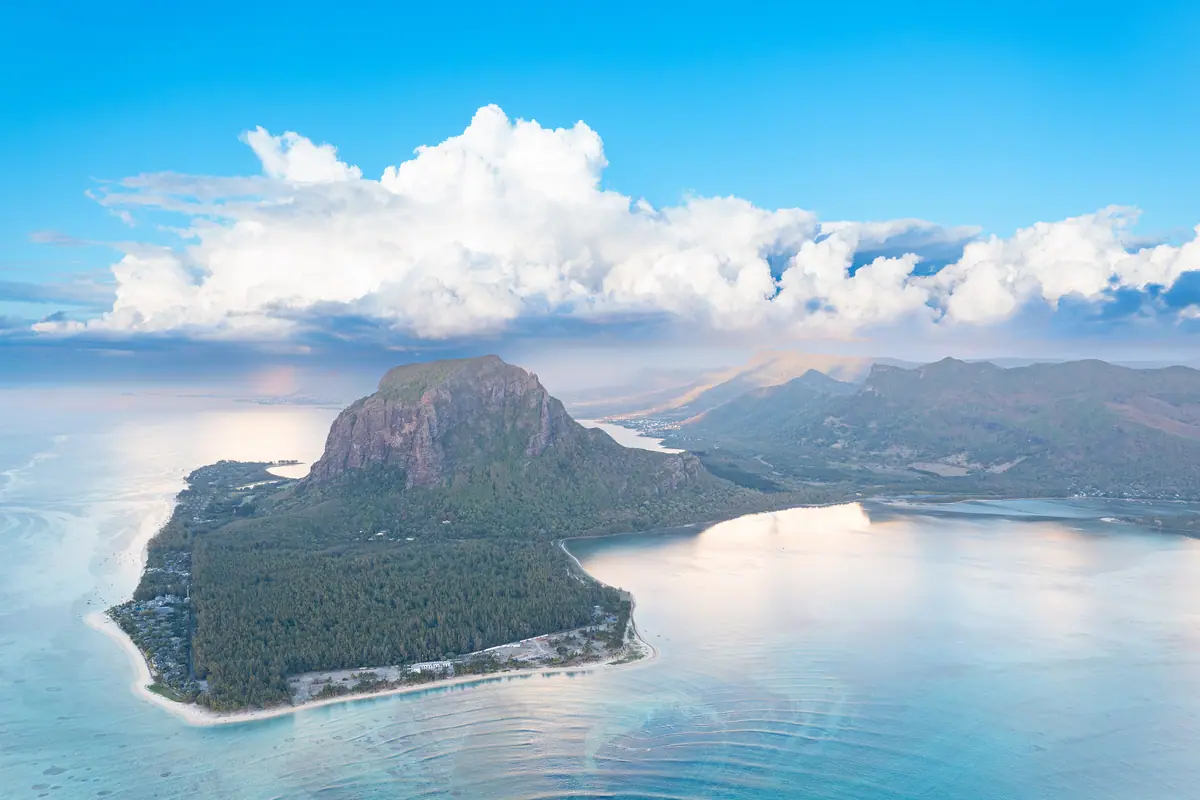
Then there is Le Morne Brabant, a 556-metre basalt peak that juts into the lagoon and a UNESCO World Heritage site because of what it means: escaped slaves once hid on its slopes, and sega music is said to have grown partly from that community. The hike to the viewpoint below the summit takes around two to three hours up and down, is steep and exposed at the top, and is best started before seven in the morning in the cooler months. If you only do one walk in Mauritius, this is it — the view over the underwater waterfall illusion and the long curve of the peninsula is unforgettable.
Sega Nights, Temple Festivals and the Island's Many Tongues
Sega is Mauritius's own music, recognised internationally as intangible cultural heritage, and it sounds like nothing else: a ravann frame drum, a maravann, a triangle, maybe a bobre musical bow, and lyrics in Mauritian Creole about fishing, love and hardship. Hotels put on polished sega shows for guests, but the real thing happens in beachside villages at Grand Baie, Flic-en-Flac and Trou d'Eau Douce, where bands play late and everyone dances barefoot. Ask locally which night a venue has live music rather than settling for a lobby performance.
The festival calendar is the fastest route into island life, and it is crowded. Cavadee, in January or February, sees Tamil devotees carry heavy wooden arches and pierce their skin in devotion, walking to temples in a spectacle that is startling if you have not seen it before. Maha Shivaratri brings pilgrims to Grand Bassin; Divali in October or November fills doorways and courtyards with oil lamps and trays of sweets; the Chinese Spring Festival transforms Port Louis's Chinatown with lions and firecrackers; and Holi, Eid, Assumption on 15 August and All Saints' Day on 1 November each light up different parts of the island.
Everyday language is part of the experience too. English is the language of administration, French dominates newspapers and menus, but Mauritian Creole is what people actually speak in markets and buses, sprinkled with Bhojpuri, Tamil, Telegu, Hakka and Mandarin depending on the family. Learning a few words — 'bonzour' for hello, 'mersi' for thanks — earns genuine warmth. Ask before photographing people at religious ceremonies, dress modestly when entering temples, and accept the offer of tea or alouda if a stallholder makes it. That is where the traveller's version of Mauritius ends and the real one begins.
Lagoon Days, Wildlife and the Best Time to Visit
Between the eating and the hiking, give the water its due. Blue Bay Marine Park near Mahébourg is the island's best snorkelling and glass-bottom boat area, with coral, clams and clouds of reef fish in shallow, sheltered water. The famous Île aux Cerfs, reached by boat from Trou d'Eau Douce on the east coast, is the postcard island of white sand and shallow turquoise, though it is busiest between ten and three, so go early or stay late. Off Mahebourg, Île aux Aigrettes is a small nature reserve where wardens lead walks past giant tortoises and reintroduced native birds.
On the west coast, boats leave Tamarin Bay at dawn to find spinner dolphins riding the swell, and from June to September you have a decent chance of seeing humpback whales on longer trips out of Black River and Tamarin. Le Morne and the surrounding lagoon are the island's kitesurfing heartland, while big-game fishing charters run from the west coast marinas, particularly around October and November. Sea temperatures stay swimmable year-round, roughly 24 to 28°C, which is why the beaches never really empty.
Timing matters. May to November brings the driest, coolest weather — daytime highs in the mid-twenties, low humidity and ideal conditions for hiking, cycling and long market days. December to April is hot, humid and wet, and the cyclone season runs roughly November to April, so travel insurance and flexible plans are wise. January to March is the steamiest stretch, when the interior is sticky but the lagoons are at their most inviting and accommodation prices soften. The island is small — about 65 kilometres long and 45 wide — but roads are slow; base yourself on one coast and take day trips rather than trying to see everything from a different hotel every night.
Frequently asked questions
What are the must-try foods in Mauritius?
Start with dholl puri, the split-pea flatbread rolled with rougaille and chilli, then work through gateau piment fritters, farata, boulettes in broth, mine frite and alouda. For sit-down meals, order rougaille, vindaye, daube, curry ourite (octopus) and palm-heart salad, and finish with a napolitaine biscuit or gato patate.
When is the best time to visit Mauritius?
May to November offers the driest, coolest conditions, with comfortable hiking weather and lower humidity. December to April is hot and wet, and the cyclone season runs roughly November to April. If you want to see Maha Shivaratri at Grand Bassin, plan for February or March.
Is Mauritius a good destination for vegetarians?
Yes, unusually so. The island's Hindu majority means vegetarian curries, dholl puri, farata, vegetable achard and lentil dishes are everywhere, including at street stalls and markets. Do check whether a dish is cooked with fish or shrimp paste, which appears in some chilli pastes and pickles.
Do I need to hire a car in Mauritius?
It is strongly recommended if you want to explore markets, Chamarel, Black River Gorges and Le Morne at your own pace. Buses are cheap but slow and infrequent on rural routes, while taxis can be hired for a full day by negotiation. Driving is on the left, and roads in the interior are narrow and winding.
How many days do you need to see the real Mauritius?
Aim for seven to ten days. That gives you two or three beach days plus time for Port Louis and its markets, Grand Bassin and the plantations, a Chamarel and Black River Gorges day, the Le Morne Brabant hike, a lagoon or island boat trip, and at least one night of live sega.
Sort the rest of your trip
Everything for Mauritius, in one place
Stay in Mauritius
Hotels, guesthouses and apartments — compared in one search.
Search hotels
Transfer in Mauritius
Private driver waiting on arrival — no queues, no surprises.
Book a transfer
Stay online in Mauritius
Travel eSIM — data the moment you land, no roaming bills.
Get an eSIM