Mauritius is small enough to drive across in a day, yet the weather you wake up to can differ wildly between a hotel garden in the north and a lagoon-view room on the east coast. Pick the right season and the right shore, and the island hands you warm seas, clear skies and unhurried days.
Mauritius' Two Seasons: What Each One Actually Feels Like
Mauritius runs on two broad seasons. The cooler, drier stretch from roughly May to October is the island's winter, when coastal temperatures sit in a comfortable 17–24°C, humidity drops and the south-east trade winds keep things fresh. The sea cools to about 23°C — still swimable for most people, especially inside the protected lagoons. This is the season when hiking is genuinely pleasant, the interior gorges are green, and evenings occasionally call for a light jumper on the central plateau around Curepipe.
From November to April the island swings into a hot, humid summer. Daytime temperatures climb to 25–33°C on the coast, the sea warms to 27–28°C, and rain arrives in short, heavy bursts rather than all-day drizzle. The official cyclone season overlaps this window, with the highest risk between January and March, when the island can be brushed by tropical systems. That said, most summer days still deliver long spells of sunshine, and hotel rates often soften outside the Christmas and New Year peak.
The practical takeaway: there is no single "bad" month, only months that suit different holidays. If your priority is dry weather, calm lagoons and long hikes, aim for June to September — and expect breezier conditions on the windward east coast. If warm water, lush green landscapes and lower prices matter more, the shoulder weeks of April, May, October and November are the sweet spot.
Peak Season, School Holidays and When Rooms Get Scarce
Demand for beds on this island is driven less by the calendar than by holidays elsewhere. Mid-December to mid-January is the tightest window of the year: northern-hemisphere Christmas breaks, New Year celebrations and Mauritian family holidays collide, and beachfront resorts fill months ahead. Many properties impose minimum-stay rules over that fortnight and stage set-price gala dinners on Christmas Eve and New Year's Eve. If that is when you want to travel, book early and accept that a sea-facing room will cost noticeably more than the same room in October.
The second busy patch runs through the northern-hemisphere summer school holidays, roughly July and August, when European families arrive for the dry, breezy season. Rates rise again, and the most popular family-friendly stretches — the sheltered lagoon at Trou aux Biches, the long sands of Flic-en-Flac, the resort strip at Belle Mare — book out first. Easter is a smaller but real spike, with European and South African visitors overlapping local school breaks.
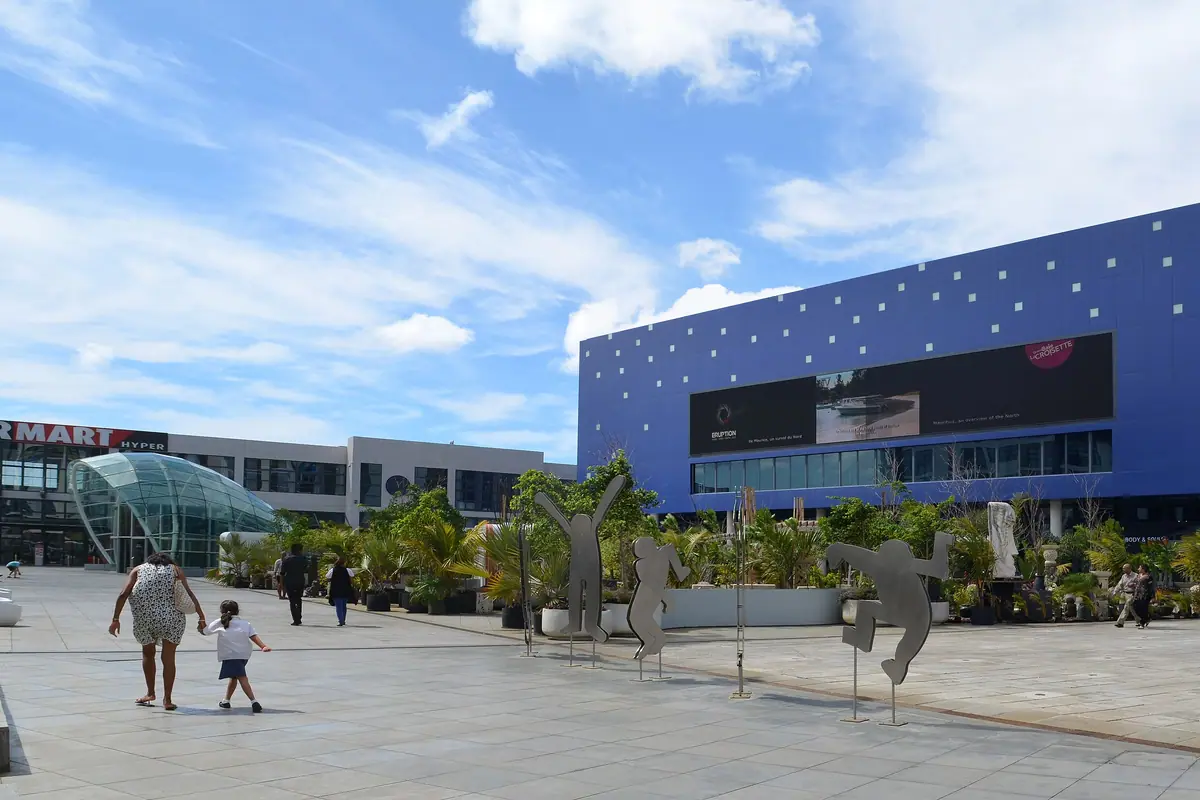
Your leverage sits in the gaps: late April and May, most of June, September, and the first two weeks of December before the festive rush. Room rates drop, restaurants in Grand Baie and Port Louis take walk-ins again, and you can often negotiate an upgrade or a late checkout. Note that a handful of resorts close for annual maintenance during the quietest weeks of the winter, so check opening dates before you build an itinerary around a specific property.
Coastal Microclimates: Why the West and North Stay Drier
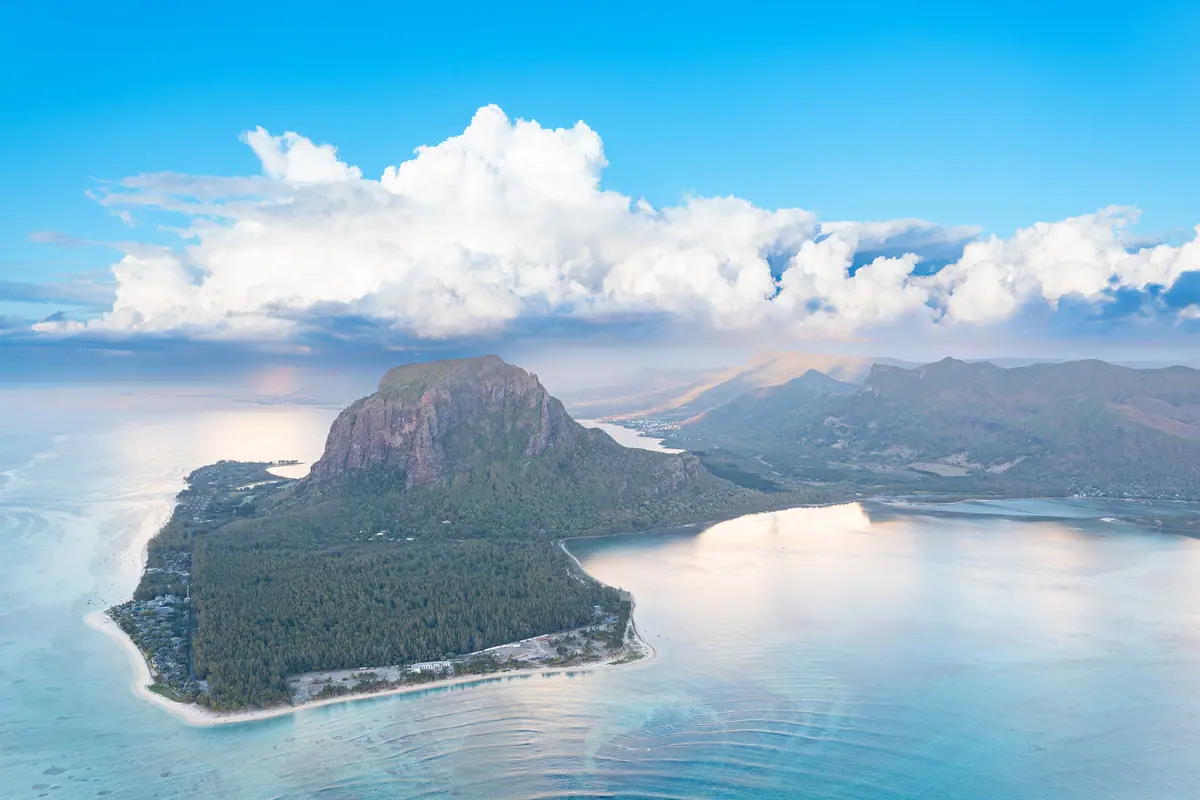
Mauritius has its own microclimates, and the coastline you choose matters as much as the month. The west and north-west — Le Morne, Tamarin, Flic-en-Flac and the Grand Baie peninsula — are the driest parts of the island, sheltered from the prevailing south-easterlies by the central plateau. The sea here is calm and shallow behind the reef, which is why so many families and swimmers gravitate to Flic-en-Flac's long beach and the lagoon at Le Morne.
The east coast, from Trou d'Eau Douce down past Belle Mare, takes the brunt of the trade winds and receives more rain between June and September. In exchange it offers some of the whitest sand and quietest mornings on the island, plus fast access to Île aux Cerfs. In the hot summer months the picture flips: the east becomes calmer and drier, while the west can turn muggy and still.
The south, around Souillac and the wilder stretches near Rochester Falls, is rougher, windier and far less developed — beautiful for a day trip, less practical as a base. And inland, the plateau towns sit noticeably cooler and wetter than the coast, which is fine for a night or two near Black River Gorges or the tea country but rarely what people imagine when they picture a Mauritian hotel.
Matching the Season to Mauritius' Must-See Sights
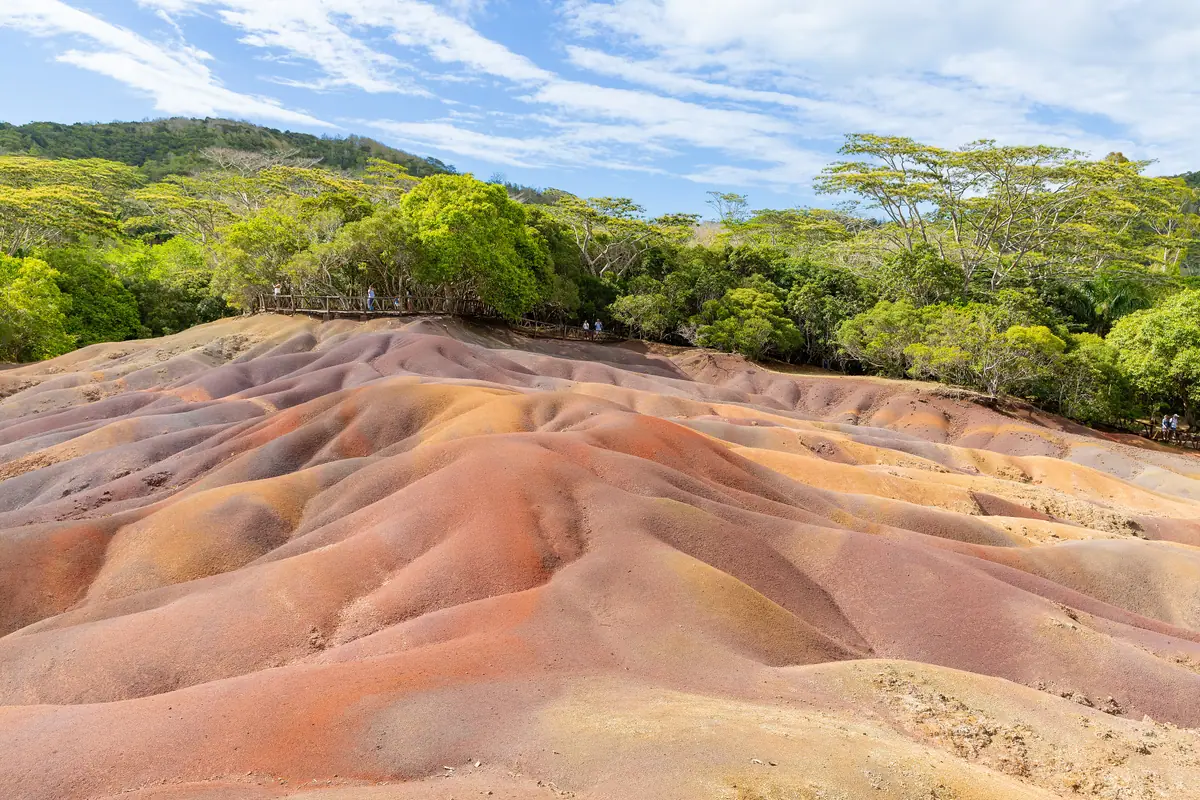
Some of the island's signature attractions are at their best in specific conditions. Le Morne Brabant, the basalt peak that dominates the south-west and carries UNESCO World Heritage status for its association with escaped slaves, is a steep three-to-four-hour return hike that becomes genuinely punishing in summer heat and humidity; tackle it between May and September, start before sunrise, and go with a guide for the upper section. Chamarel, with its Seven Coloured Earths and the waterfall plunging nearby, sits in the wetter south-west and looks richest after the summer rains, when the dunes' mineral bands contrast hardest against the greenery.
Grand Bassin, the crater lake also known as Ganga Talao, draws pilgrims by the tens of thousands for Maha Shivaratri in February or March, when the temple complex is at its most spectacular — and its most crowded. Port Louis rewards a cool-season morning: Aapravasi Ghat, the UNESCO-listed landing point of indentured labourers, the busy Central Market and the hilltop Citadel all sit within a short walk, but the city turns sticky by midday in summer. The Sir Seewoosagur Ramgoolam Botanical Garden at Pamplemousses, with its giant water lilies and towering palms, is pleasant year-round and mercifully shaded.
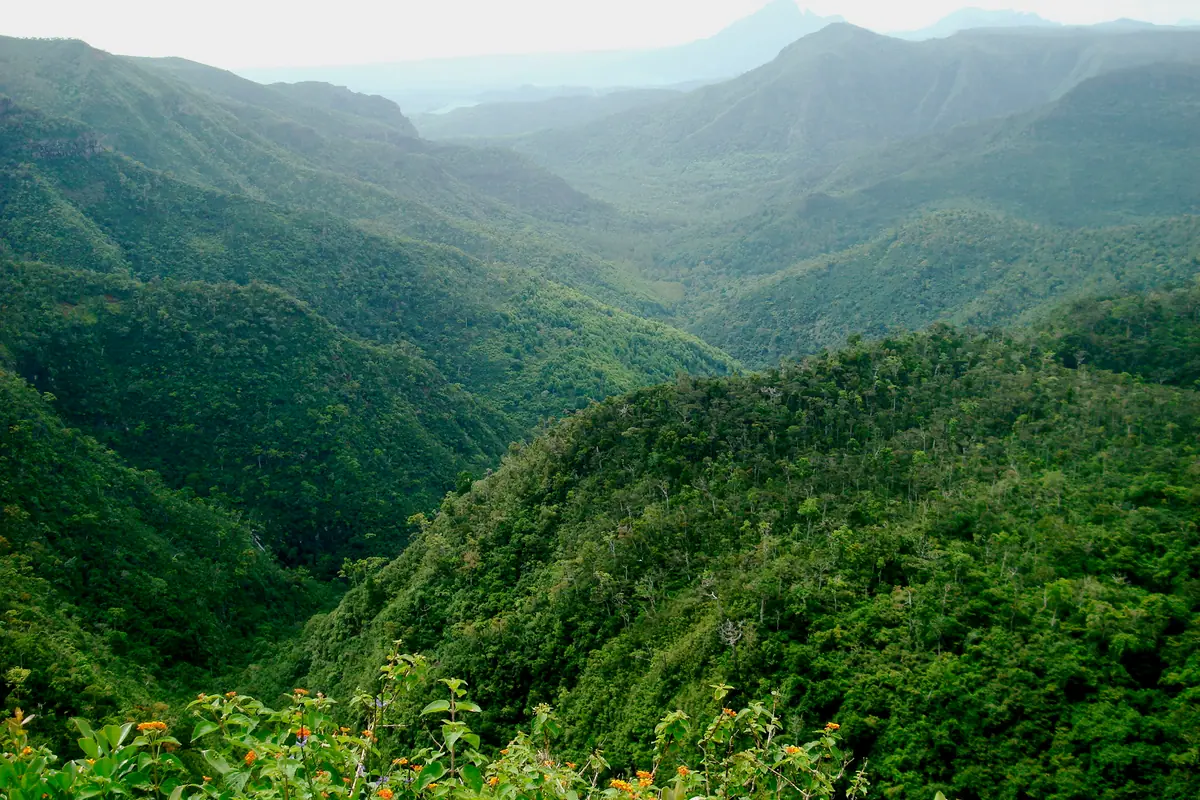
Beach-and-lagoon classics follow their own logic. Île aux Cerfs, reached by boat from Trou d'Eau Douce, is best on calm mornings outside the windy winter months. The Blue Bay Marine Park near Mahébourg offers the island's clearest snorkelling when the water settles, typically October to December and March to May. And the Black River Gorges National Park, home to pink pigeons and echo parakeets, is at its most walkable in the dry, cool months from June to September.
A Month-by-Month Guide to Water, Whales and Wind
For diving and snorkelling, visibility peaks in the transitional months: October through December and March through May, when the water is warm, the wind light and the lagoon at its most transparent. January to March brings the heaviest rain and the murkiest inshore conditions, though dive sites further out often remain workable. If you are chasing kite-surfing, the reliable south-east trades arrive from June to September, turning Le Morne's lagoon into one of the southern hemisphere's best flat-water kite spots — and its beaches into a busy, youthful scene.
Wildlife watchers should book between June and September for humpback whales, which migrate through the channel off the west coast; boats leave from Tamarin and Black River, and sightings of dolphins in Tamarin Bay are common year-round. On land, the cooler months are prime for birding in the gorges and for the walk across to Île aux Aigrettes, a restored islet off the south-east coast where endemic reptiles and birds are protected.
Festival dates are worth planning around too. Divali in October or November lights up homes across the island, Chinese Spring Festival falls in January or February, and Holi colours the streets in March. These are wonderful times to be here culturally, but they also coincide with domestic travel peaks — book accommodation well ahead if your dates line up with a long weekend.
Practical Hotel-Planning Wisdom for a Tropical Island
Distances look tiny on a map, which tempts people into booking a different coast every few nights. In practice, road transfers from the international airport in the south-east to northern resorts can take well over an hour, and the winding coastal routes are slower than they appear. Splitting a week between two bases — say the west for sunsets and lagoon swimming, the east for boat trips and quiet mornings — works well; three or more moves will leave you spending your holiday in a car.
Think about what your room type buys you. On the east coast, a sea-facing room in winter may mean wind and salt spray on the balcony; on the west, an inland-facing garden room can be shaded and cooler in the hot months. Half-board is popular on an island where resorts are often set back from village restaurants, but self-catering apartments in Grand Baie, Flic-en-Flac and Trou d'Eau Douce give you the freedom to eat locally.
Finally, treat cyclone season with respect rather than fear. Travel insurance that explicitly covers weather disruption is worth the extra cost if you visit between January and March, and flexible booking terms are more valuable than a slightly cheaper non-refundable rate. Pack light layers for cool winter evenings on the plateau, reef-safe sunscreen, mosquito repellent for the wetter inland areas, and a rain shell for the sudden summer downpours. Pack sensibly, choose your coast with the season, and Mauritius will deliver exactly the holiday you came for.
Frequently asked questions
What is the cheapest time to stay in a Mauritius hotel?
The quietest, most affordable windows are late April and May, most of June, September, and the first half of December before the festive peak. Rates can drop substantially compared with the Christmas and July–August high seasons, and upgrades or late checkouts are easier to arrange. Mid-January to March is also inexpensive, though you accept cyclone-season risk.
Is it worth visiting Mauritius during cyclone season?
Many travellers do, and most days are sunny with short, intense showers. The risk concentrates between January and March, so choose comprehensive travel insurance that covers weather disruption, favour flexible rates, and keep an eye on forecasts. Resorts are built for tropical weather and usually handle storms well.
Which coast is best for weather in a Mauritius hotel?
The west and north-west — Le Morne, Tamarin, Flic-en-Flac, Grand Baie — are driest and calmest from May to October. The east coast, around Belle Mare and Trou d'Eau Douce, is windier and wetter in the winter but often calmer and drier during the hot summer months.
How many nights should I book in Mauritius?
Seven to ten nights suits most visitors: enough for relaxed lagoon days plus day trips to Le Morne Brabant, Chamarel, Black River Gorges, Pamplemousses and Île aux Cerfs. Shorter stays of four or five nights work if you stay put on one coast and skip the longer inland drives.
What should I pack for a Mauritius hotel stay?
Light cotton clothing, swimwear, reef-safe sunscreen and mosquito repellent cover most trips. Add a light jumper or wrap for cool winter evenings on the central plateau, a rain shell for summer downpours, and sturdy shoes if you plan to hike Le Morne Brabant or the Black River Gorges trails.
Sort the rest of your trip
Everything for Mauritius, in one place
Transfer in Mauritius
Private driver waiting on arrival — no queues, no surprises.
Book a transfer
Things to do in Mauritius
Skip-the-line tickets, guided tours and standout experiences.
See experiences
Stay online in Mauritius
Travel eSIM — data the moment you land, no roaming bills.
Get an eSIM