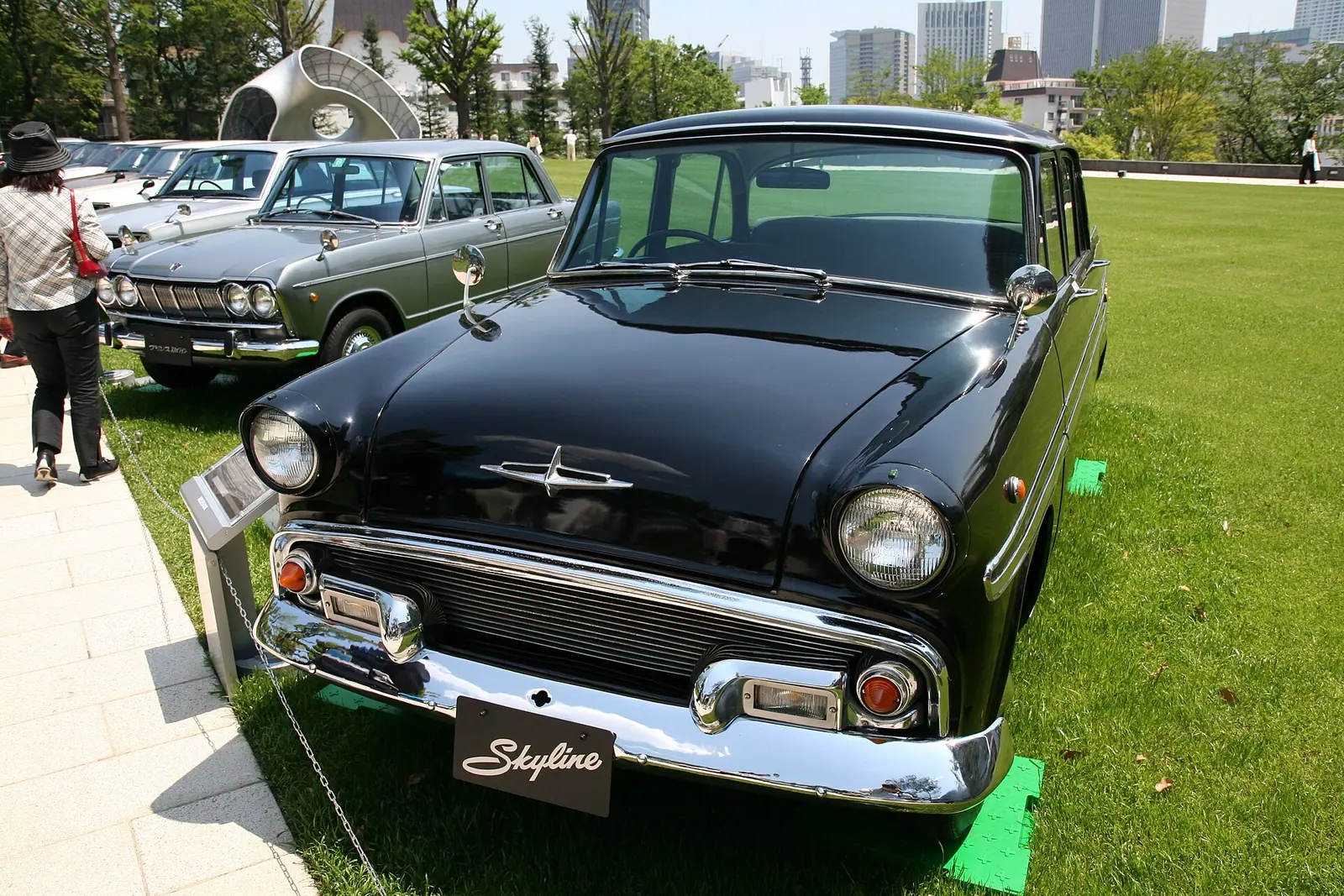
Japan rewards the curious eater more than almost any country on earth: a single day can move from a dawn fish market to a silent temple garden, then end at a six-seat counter where the chef hands you each piece of sushi by hand. This guide maps the food, culture and local experiences worth building a trip around, from the neon of Osaka to the lacquer counters of Kanazawa.
Why Food Is the Fastest Route Into Japanese Culture
In Japan, eating is not a side activity — it is the main way locals mark seasons, celebrate, mourn and socialise. A spring kaiseki dinner is built around bamboo shoots and cherry-blossom motifs; autumn brings chestnuts, persimmons and sanma. Once you start noticing that rhythm, a tour stops feeling like sightseeing and starts feeling like a conversation with the country.
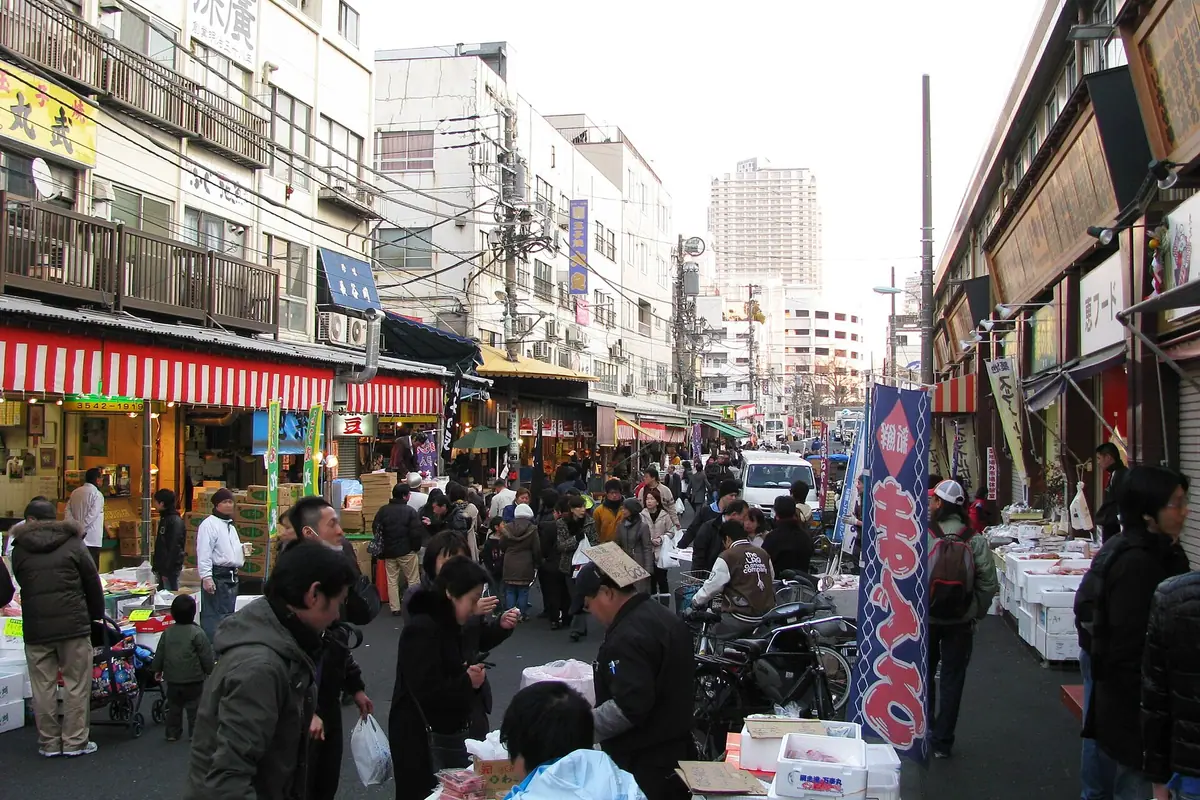
Start with the great covered and open-air markets, because they compress centuries of regional food identity into a few blocks. Tokyo's Tsukiji Outer Market still hums from early morning with tamagoyaki skewers, uni and knife shops. Kyoto's Nishiki Market runs narrow and centuries old, selling pickles, yuba and soy-milk doughnuts. Osaka's Kuromon Ichiba is the loud, grilled-seafood heart of the city, and Kanazawa's Omicho Market is famous for snow crab and winter yellowtail.
Local experiences come cheaply here. Stand at a counter rather than a table, order one thing, watch the hands. Buy an ekiben — a station bento designed to match the landscape you are about to travel through — and eat it on the train. None of this requires a booking; it requires curiosity and a willingness to point at what looks good.
Tokyo: Neon Alleys, Temple Streets and Late-Night Counters
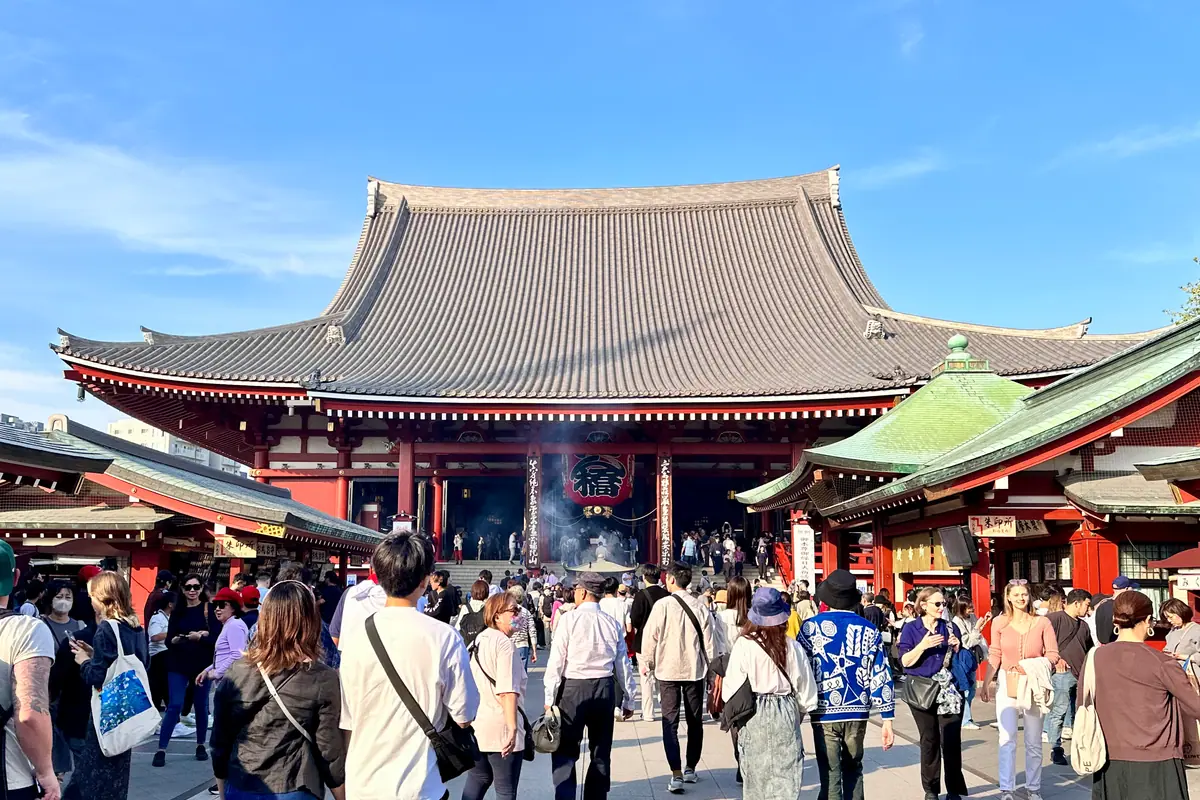
Tokyo works best when you alternate sacred and profane. Begin in Asakusa at Senso-ji, the city's oldest temple, then walk the Nakamise shopping street for kaminari-okoshi and fresh senbei. Cross the city to Shibuya Crossing at dusk, where the world's busiest pedestrian scramble turns into a nightly spectacle, and finish nearby in Omoide Yokocho or Golden Gai — alleys of six-seat yakitori bars and tiny izakaya where a beer and three skewers cost less than a taxi ride.
For a formal splurge, Tokyo is the world's deep end: sushi counters where the rice is served at body temperature, tempura counters where each piece is fried to order, unagi houses that have been grilling eel over binchotan charcoal for generations. Book the serious ones months ahead; walk into the neighbourhood ones. Either way, eat what the chef gives you in the order given — the sequence is the recipe.
Culture slots in everywhere. Meiji Jingu's forested approach is a ten-minute walk from the fashion towers of Harajuku, and the Tokyo National Museum in Ueno gives you the ceramics and lacquerware context for everything you'll eat off later. Give the city four or five days minimum; it rewards repeat visits to the same market or ramen shop far more than racing between ten of them.
Kyoto: Kaiseki, Temple Vegetarian Food and a Thousand Shrines
Kyoto is where Japanese food becomes an art form. Kaiseki — the multi-course seasonal meal that underpins modern fine dining here — was shaped by temple and tea-culture traditions, and you can taste the older, meat-free version as shojin ryori at vegetarian temple kitchens. A tea ceremony in the old capital, ideally in Uji among the matcha fields south of the city, explains why a bowl of whisked green tea is treated like a small ceremony.
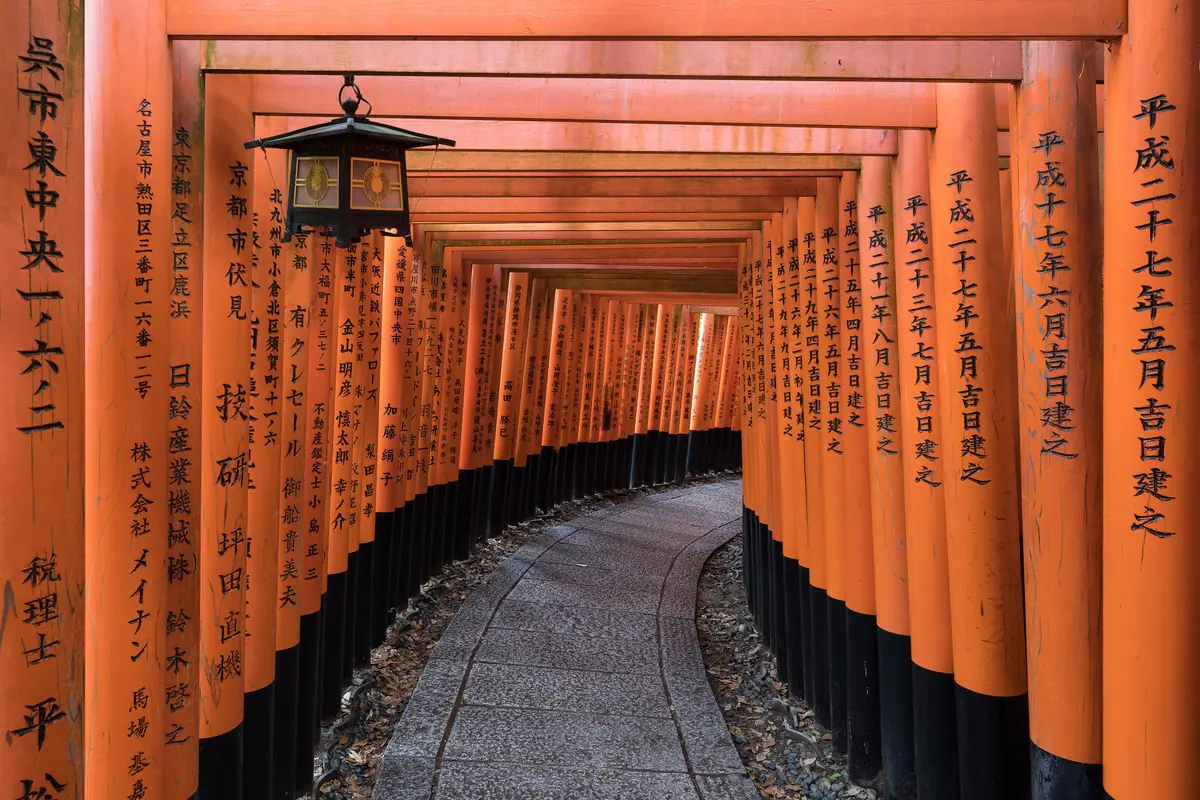
The landmarks double as food trails. Fushimi Inari Taisha's thousands of vermilion torii gates can be walked at dawn before the crowds, then followed by a bowl of kitsune udon. Kinkaku-ji, the gold-leaf pavilion, pairs with a stroll through Nishiki Market. Arashiyama's bamboo grove and the Togetsukyo bridge sit beside soba and yudofu restaurants, and Gion's wooden machiya lanes hide counter restaurants that feel like someone's dining room.
Etiquette matters more in Kyoto than anywhere else: don't eat while walking through historic lanes, don't photograph geiko and maiko without permission, and always ask before entering a private alley. Slow down. Two or three temple visits and one long meal is a fuller day here than six checklist stops.
Osaka, Nara and Kobe: Street Food and Ancient Deer Parks
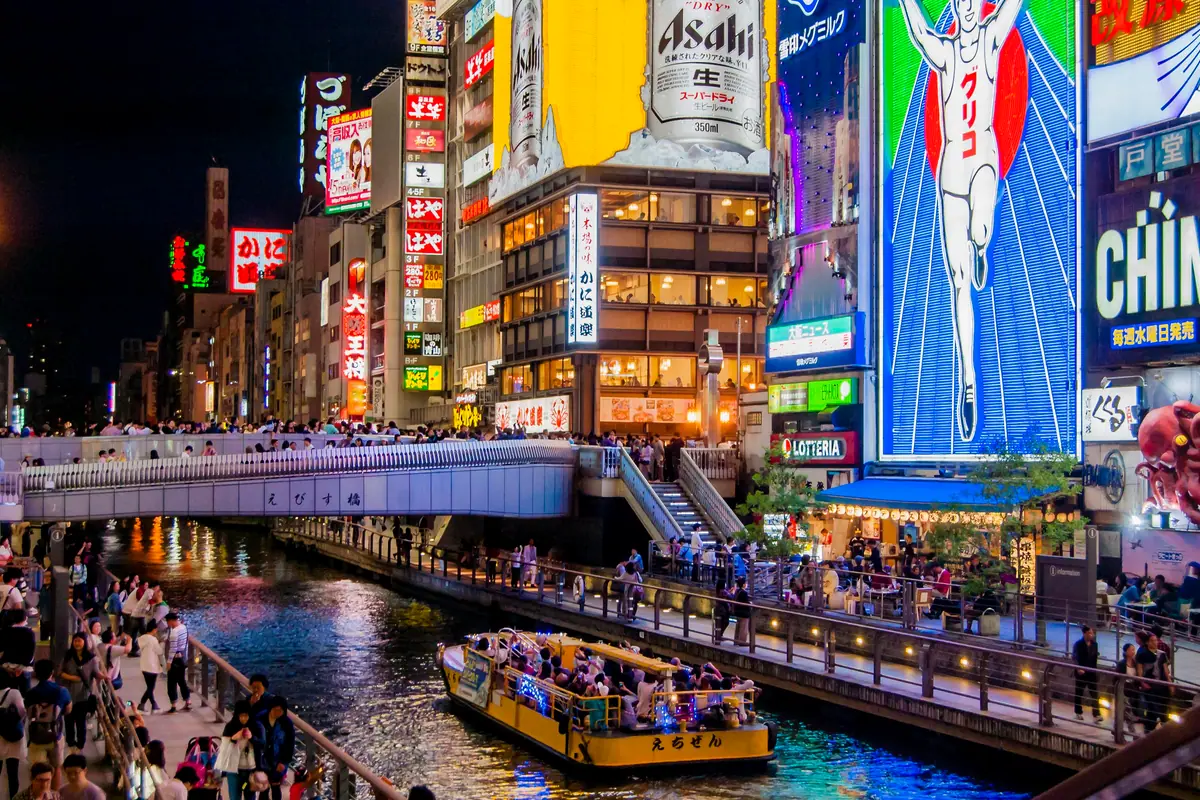
Osaka calls itself the nation's kitchen, and Dotonbori is its stage: canal reflections, mechanical signs, takoyaki griddles, kushikatsu counters and okonomiyaki fried at your table. The rule in kushikatsu shops is famously simple — no double-dipping in the communal sauce. Above it all sits Osaka Castle, worth the climb for the view and a reminder that this was a merchant city with a warrior's skyline.
Day trips from Osaka are unusually rewarding. Nara Park, an easy train ride east, is home to hundreds of free-roaming sika deer and Todai-ji, a vast wooden temple hall housing a colossal bronze Buddha. Street vendors sell shika senbei crackers to feed the deer and mochi pounded fresh with a wooden mallet. South-west instead sits Kobe, where teppanyaki counters grill the famously marbled beef in front of you, and the Kitano hillside preserves old foreign residences and their bakeries.
Evenings here are built for grazing: one dish at one counter, then move on. Budget two nights in Osaka and at least one full day in Nara. Eat before seven if you want the best vendors — many close once the trays empty.
Beyond the Golden Route: Kanazawa, Hiroshima and Koyasan
Japan's best food towns are often the ones people skip. Kanazawa pairs Kenroku-en, one of the country's most celebrated landscape gardens, with the wooden teahouses of the Higashi Chaya district and a market culture built on snow crab, sweet shrimp and gold leaf. Hiroshima, a short bullet train ride west, adds its Peace Memorial Park and a style of okonomiyaki layered with noodles, cooked at the griddle in front of you; a ferry hop to Miyajima and the floating torii gate of Itsukushima Shrine is one of the country's great half-days, best followed by grilled oysters.
For a night that stays with you, travel to Koyasan, the mountain temple complex south of Osaka, and stay in a shukubo — a temple lodging serving shojin ryori, entirely plant-based and exquisitely seasonal. Guests often join dawn prayers and walk the Okunoin cemetery by lantern light. Book well ahead; rooms are few and fill in autumn.
Further afield, Nikko's Toshogu Shrine and Hokkaido's Sapporo — home of miso ramen, grilled lamb and a February snow festival — show how dramatically food shifts with climate. Adding any one of these to the standard Tokyo-Kyoto-Osaka loop makes the trip feel twice as deep.
Seasons, Etiquette and How to Shape Your Japan Tour
Timing shapes everything you eat. Cherry blossom season, usually late March into early April, fills parks with hanami picnics and shops with sakura-flavoured everything. June is rainy, July and August hot and humid but packed with festivals — Kyoto's Gion Matsuri, and the huge illuminated floats of Aomori's Nebuta. Autumn, from late October to late November, is many travellers' favourite: crisp air, red maples, and the best persimmons, mushrooms and rice of the year. Winter suits hot springs, crab and snowy onsen towns.
A few practicalities save a lot of awkwardness. Tipping is not practised and can cause confusion. Cash still matters in small counters and rural towns, though cards are widely accepted in cities. Slurping noodles is fine, even complimentary. At a ryokan, dinner is usually included and served early — arrive by late afternoon to use the baths first. Tattoos may restrict some public baths, and soap and rinsing happen before you enter the water, never in it.
Build your itinerary in single-city blocks rather than long daily hops, and leave one meal a day unplanned. The most memorable experiences — a stallholder handing you an extra bite, a chef explaining a fish you've never seen — happen in the gaps. Three to four days each in Tokyo and Kyoto, two in Osaka, plus one regional detour, is a realistic two-week rhythm.
Frequently asked questions
What is the best time of year to visit Japan for food and culture?
Late March to early April for cherry blossom season, and late October to late November for autumn colour and the year's best produce. Summer is hot, humid and festival-heavy; winter is quieter, cheaper and ideal for hot springs, crab and Hokkaido's snow.
Do I need to speak Japanese to enjoy local food experiences?
Not really. Menus often have pictures or plastic models, and pointing works well. Learning a few phrases — sumimasen (excuse me), onegaishimasu (please) and gochisousama deshita (thank you for the meal) — goes a long way with small shop owners.
How do I handle dietary restrictions like vegetarian, vegan or gluten-free eating?
Modern city restaurants increasingly label options, and shojin ryori temple cuisine is naturally plant-based. Outside big cities, choices narrow, so carry a written explanation in Japanese and plan ahead. Always ask — dashi broth, made from fish, hides in many otherwise vegetable dishes.
Is tipping expected in Japan?
No. Tipping is not part of the culture and can cause awkwardness. Good service is standard. If you want to show appreciation, a small wrapped gift or a simple thank you is more appropriate than cash.
Are rail passes worth it for a food-focused trip?
For a loop between Tokyo, Kyoto, Osaka and one regional detour such as Kanazawa or Hiroshima, a national rail pass often pays for itself, and it makes spontaneous market-day detours easy. For a two-city trip, individual tickets are usually cheaper.