Japan compresses an entire continent's worth of contrast into a chain of islands: neon canyons and mossy temple gardens, powder snow and coral reefs, conveyor-belt sushi counters and 400-year-old tea houses. The hard part isn't deciding whether to go, it's choosing which version of the country you want first. This guide maps the places worth building a trip around.
Tokyo: Where the First-Timer's Japan Begins
Most journeys start in the capital, and Tokyo rewards at least three full days. Begin in Asakusa at Senso-ji, the city's oldest temple, where a lantern-lined shopping street funnels crowds toward a five-storey pagoda and an incense cauldron said to bring good health. Come before 8am to have the courtyard nearly to yourself. From there, the contrast is deliberate: Meiji Jingu, a forested Shinto shrine in the middle of Shibuya ward, sits a short train ride from the Shibuya Scramble Crossing, where several thousand pedestrians cross at once every time the lights change.
For views, Tokyo Skytree in the east and the Metropolitan Government Building observatory in Shinjuku both deliver, the latter for free on clear days. Food is its own itinerary: Tsukiji Outer Market still hums with tamagoyaki skewers, uni bowls and knife shops even though the wholesale auctions moved on, while Shinjuku's Omoide Yokocho packs yakitori counters into alleys barely wide enough for two people. Ueno Park bundles together the Tokyo National Museum, a zoo and a lake of lotus in one stroll, and Shinjuku Gyoen is the city's best cherry-blossom picnic spot in late March and early April. Budget three to four nights, and buy a reloadable transit card on arrival — it works on subways, buses and convenience stores alike.
Kyoto: Shrines, Bamboo and the Old Capital's Slow Hours
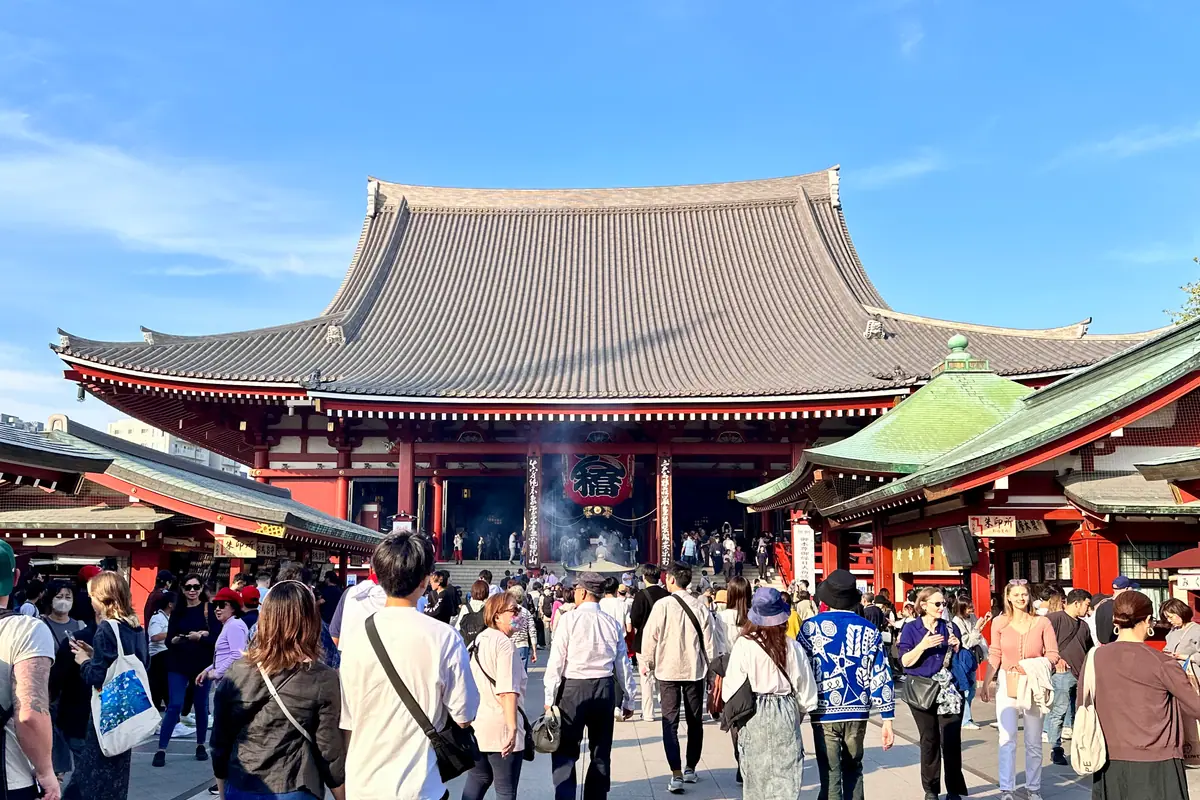
Kyoto is where Japan's mental postcard lives. Fushimi Inari Taisha sends roughly 10,000 vermilion torii gates up the wooded slopes of Mount Inari; walk the full loop and it takes two to three hours, but even 40 minutes past the first crowded stretch thins the crowds dramatically. Kinkaku-ji, the Golden Pavilion, shimmers above a reflecting pond and is best seen in morning light, while Kiyomizu-dera's vast wooden stage juts over a hillside of maples that turn scarlet in the second half of November. Between them, the lanes of Higashiyama and the geisha district of Gion reward aimless wandering in the evening.
Arashiyama, on the western edge of the city, pairs the famous bamboo grove with the Togetsukyo Bridge and the monkey park across the river; arrive by 7am or accept that you'll be sharing the path. Nishiki Market, a narrow covered lane running parallel to Shijo Street, is the place to graze on pickles, yuba and skewered squid. Kyoto's grid makes buses and the two subway lines easy to use, but the most rewarding days involve walking between clusters of sights rather than chasing them.
One practical note: Kyoto's most famous sights are spread out, and the city is at its most suffocating during cherry-blossom season and the November foliage peak. Two or three nights is a reasonable minimum; four lets you add a half-day trip to Nara or Uji without rushing.
Osaka, Nara and Himeji: The Kansai Loop
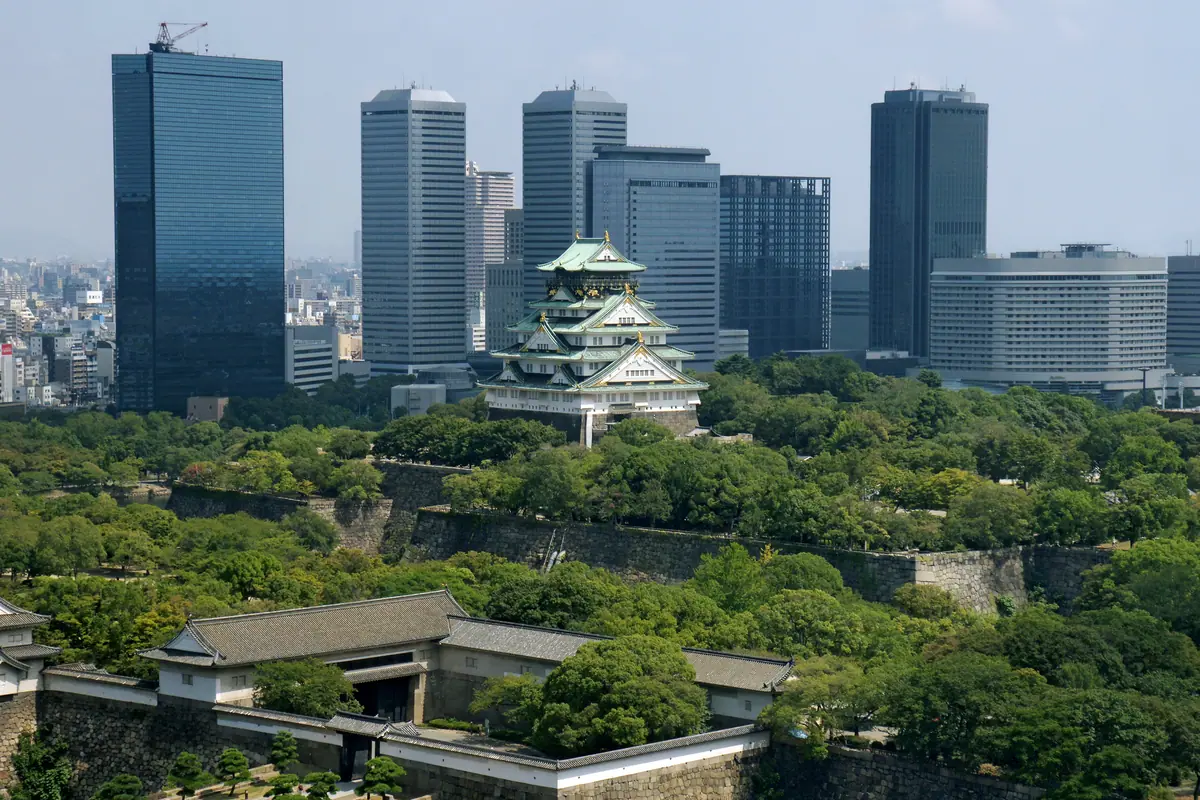
Osaka is Kyoto's loud, funny, hungry sibling, and it's the best base in the region for food. Dotonbori's canal-side strip is a wall of neon signs and street stalls selling takoyaki, kushikatsu and crab legs, and the surrounding Namba district stays lively long after midnight. Osaka Castle, rebuilt in concrete but ringed by a genuinely lovely moat and park, gives the city its skyline anchor, while Kuromon Ichiba Market is the spot for a graze-and-go breakfast. Allow two nights, and consider a day trip rather than a stay in neighbouring Kobe if you're short on time.
Nara, 45 minutes away by train, is worth a full day for Todai-ji alone — a wooden hall so large it holds a 15-metre bronze Buddha — plus the free-roaming sika deer in Nara Park that bow for crackers. Farther west, Himeji Castle is the country's finest surviving feudal fortress, an elegant white complex nicknamed the White Heron, and it's easily combined with a stop in Kobe on the same rail line. A seven-day Kansai itinerary covering Osaka, Nara, Himeji and Kyoto is one of the most efficient trips in Japan, and a regional rail pass usually pays for itself within three or four long-distance hops.
Mount Fuji and Hakone: Volcano Views and Onsen Towns
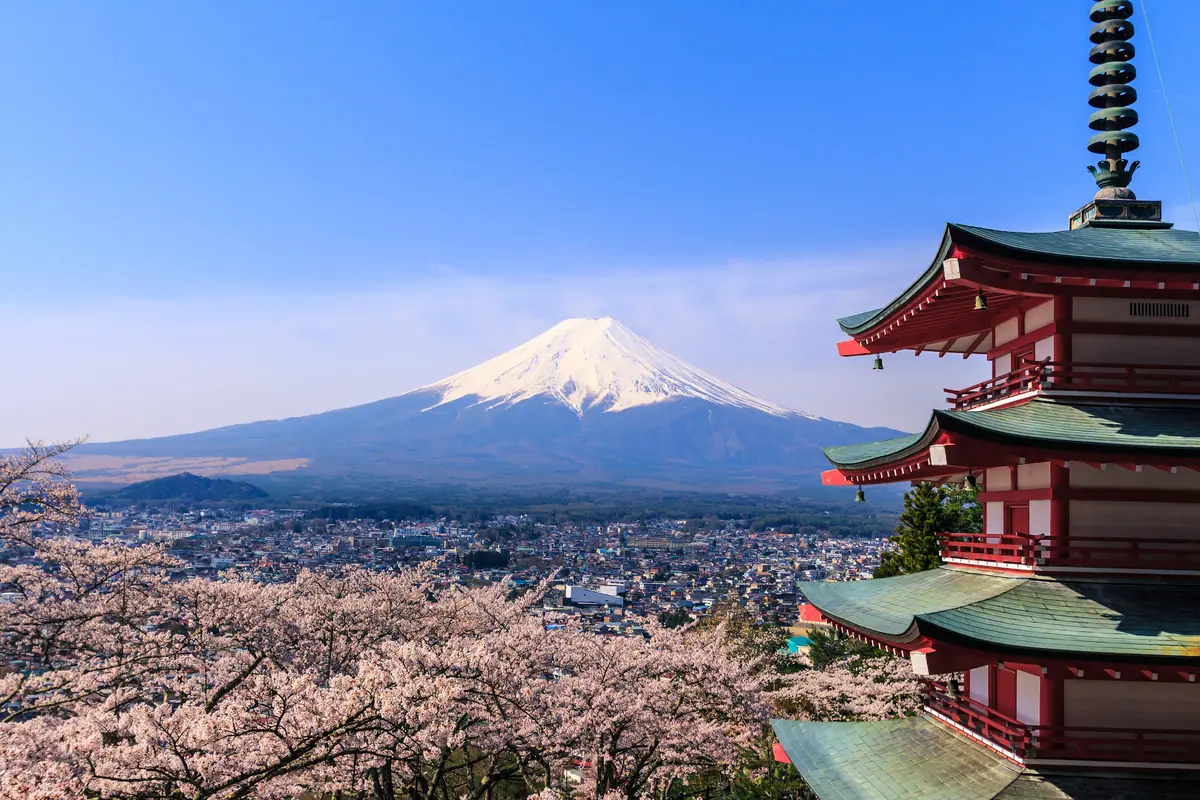
Mount Fuji is famously shy, hiding behind cloud for much of the summer. Your odds improve in the cooler months, especially from November to February, when the air is clearest. The classic photograph is taken from the Chureito Pagoda in Arakurayama Sengen Park above Fujiyoshida, a five-storey tower framing the symmetrical cone — and yes, it's worth the 400-step climb. Around Lake Kawaguchiko, the Fuji Five Lakes region offers bike paths, the Kubota Itchiku Art Museum and lakeside views that turn the mountain pink at sunrise.
Hakone, an hour and a half from Tokyo by train, packages the mountain into a single loop: a pirate ship across Lake Ashi, a cable car over the sulphur vents of Owakudani, and the Hakone Open-Air Museum's sculpture park. It's also onsen country, with hot-spring inns ranging from simple bathhouses to ryokan with kaiseki dinners and private open-air tubs. If you only have one night outside Tokyo, spend it here.
Climbing Fuji itself is a different trip. The official season runs roughly July to early September, huts along the Yoshida Trail fill up months ahead, and the standard plan is an overnight ascent to catch sunrise from the summit — a genuine 10 to 12 hours of walking for the average, reasonably fit hiker.
Hiroshima, Miyajima and the Inland Sea
Hiroshima carries weight that no other stop on a Japan itinerary does. The Peace Memorial Park, the preserved A-Bomb Dome and the Peace Memorial Museum are sobering, meticulously presented, and worth half a day of unhurried attention. The city itself is far more welcoming than its history suggests — its version of okonomiyaki, layered with noodles and griddled at a counter in front of you, is the local obsession, and the covered arcade around Hondori is good for an evening wander.
From Hiroshima, a short ferry ride reaches Miyajima, where Itsukushima Shrine's giant orange torii appears to float on the water at high tide and stands in mudflats at low tide — check the tide tables before you go, because the two versions feel like different places. The island also has wild deer, the hilltop Daisho-in temple, and the Mount Misen ropeway for views across the Inland Sea. Stay overnight if you can; day-trippers leave by late afternoon and the shrine becomes almost silent.
If you have a spare day in the region, Kanazawa is the natural extension: Kenroku-en is counted among Japan's most beautiful landscape gardens, and the Higashi Chaya district preserves wooden teahouses where you can drink matcha in a room that has barely changed in two centuries. Farther into the mountains, Shirakawa-go's steep-roofed gassho-zukuri farmhouses look magical under deep winter snow.
Seasons, Snow and Islands: When Japan Changes Shape
Japan's four seasons don't just alter the scenery; they redraw the map. Cherry blossoms sweep north from Kyushu in late March to Tokyo and Kyoto in early April and Hokkaido in early May, and the entire country plans picnics around them. Autumn is arguably better — cooler, less crowded, and running from Hokkaido in October down to Kyoto in mid-to-late November. Avoid Golden Week, the string of public holidays in late April and early May, when domestic travel peaks and trains and hotels sell out months in advance. The rainy season drenches most of the country from mid-June to mid-July, and August is brutally hot and humid in the cities.
Winter is northern Japan's moment. Sapporo's Snow Festival in early February fills Odori Park with enormous ice and snow sculptures, and the powder snow around Niseko and Furano draws skiers from around the world. In summer, Furano's lavender fields bloom in July, and the rolling hills of Biei turn into patchwork farmland that photographers plan whole trips around.
At the other extreme, Okinawa is a subtropical island chain with its own cuisine and dialect, best visited in spring and autumn when the beaches are swimmable and the humidity hasn't peaked. Shuri Castle, the restored palace of the Ryukyu Kingdom, sits above Naha, and the Kerama Islands offer some of the clearest water in the country. Add Japan's festival calendar — Kyoto's Gion Matsuri in July, Tokushima's Awa Odori dance in August, the lantern-filled Obon season — and it becomes clear that timing matters as much as destination.
Frequently asked questions
How many days do you need in Japan?
Seven to ten days covers the classic Tokyo–Kyoto–Osaka route comfortably with a side trip to Nara or Himeji. Two weeks lets you add Hiroshima, Miyajima and Kanazawa without sprinting, and three weeks opens up Hokkaido in winter or Okinawa in spring.
When is the best time to visit Japan?
Late March to early April for cherry blossoms and mid-October to late November for autumn colour are the two peak windows, and both come with big crowds and higher hotel rates. May, June and October are quieter shoulder months. Avoid late April to early May (Golden Week), and expect extreme heat and humidity in August.
What are the unmissable sights for a first trip?
At minimum: Senso-ji and the Shibuya Scramble Crossing in Tokyo; Fushimi Inari Taisha, Kinkaku-ji and Arashiyama in Kyoto; Dotonbori and Osaka Castle in Osaka; Todai-ji and Nara Park; and Miyajima's Itsukushima Shrine. If the weather cooperates, add the Chureito Pagoda for a Mount Fuji view.
Is Japan expensive to travel?
It can be, but it doesn't have to be. Capsule hotels, hostels and business hotels keep accommodation costs down, convenience-store and standing noodle-bar meals are cheap and good, and regional rail passes cut long-distance travel significantly. Mid-range travellers typically find Japan comparable to Western Europe.
Do I need to speak Japanese?
No, but a few phrases go a long way. Major train stations have English signage, translation apps handle menus and directions, and most people are patient and helpful. Learning basic greetings and thank-you will noticeably warm interactions, especially in smaller towns and family-run inns.
Plan it — experiences in Japan
Live search, booked directly with trusted providers.
Sort the rest of your trip
Everything for Japan, in one place

More guides in Japan
Best Time to Visit Japan: A Season-by-Season Guide to Weather, Sights and Hotel Timing
Best Things to Do in Japan: Must-See Landmarks and Unforgettable Experiences
A One-Week Japan Itinerary by Flight: Tokyo, Osaka, Kyoto and Hiroshima