Japan rewards travellers who plan around its seasons, because the same country can feel like four different destinations depending on the month. Get the timing right and you'll catch cherry petals drifting over Kyoto canals, snow monkeys soaking in mountain onsen or golden ginkgo lining Tokyo's avenues — with a hotel bed that doesn't cost a fortune. Here's how the year actually unfolds, from Hokkaido's powder snow to Okinawa's subtropical beaches.
Why the Japanese Calendar Decides Everything
Japan stretches roughly 3,000 kilometres from subarctic Hokkaido to subtropical Okinawa, so there is no single national climate. The same week in March can mean blizzards in Sapporo, drizzle in Tokyo and 24°C sunshine in Naha. That latitude spread is your best planning tool: if you miss the cherry blossoms in one region, the bloom simply moves north with you, opening in Kyushu around late March, reaching Tokyo and Kyoto in the first days of April, climbing to Tohoku by mid-April and finally touching Hokkaido in early May.
What shapes hotel prices even more than weather is Japan's domestic holiday rhythm. Golden Week (roughly 29 April to 5 May) sends millions of residents onto trains and into ryokan, Obon in mid-August fills family graves and highway hotels alike, and the New Year period around 1 January books out mountain resorts months ahead. Travelling during those windows is perfectly possible, but you'll pay peak rates and should reserve accommodation three to six months out rather than weeks.
Outside those crunch periods, Japan is surprisingly forgiving. Business hotels in Osaka, Fukuoka and Nagoya often release rooms 30 to 60 days before arrival, and rural guesthouses in places like Takayama or the Kii Peninsula rarely sell out except during festival weekends.
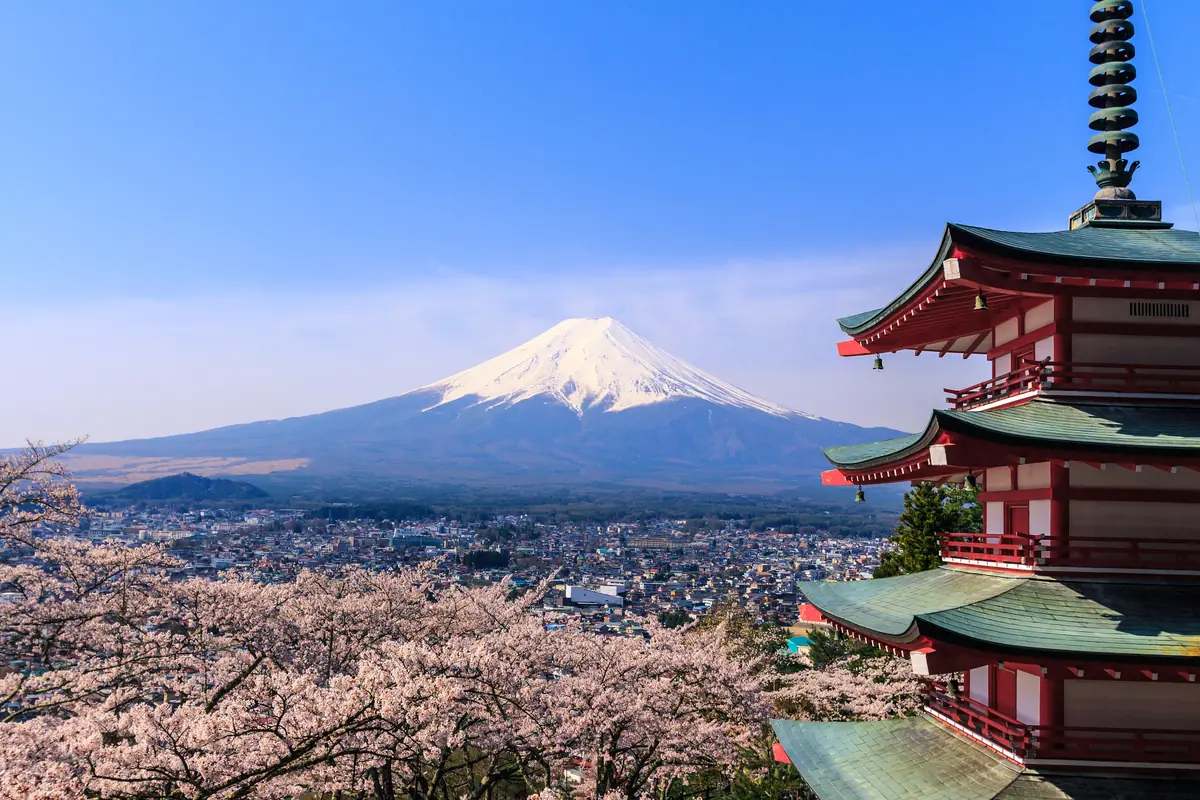
Spring: Cherry Blossoms and the Year's Earliest Bookings
Sakura season is the single most sought-after travel window in the country, and for good reason. In Tokyo, the classic spots are Ueno Park, where thousands of trees line the main promenade, and Chidorigafuchi, where you can row a boat beneath blossoms hanging over the moat. Kyoto's Philosopher's Path becomes a pink tunnel beside a canal, while Maruyama Park and the approach to Kiyomizu-dera draw evening crowds for illuminated night viewing. West of Osaka, Himeji Castle is arguably the finest place in Japan to see white blossom against white castle walls.
Weather in late March and early April is mild and dry — typically 10–18°C — which makes long days of walking genuinely pleasant. The catch is demand: hotels in Kyoto, Tokyo and Osaka can be sold out six to nine months in advance for the first two weeks of April, and prices for the same room can double. If you're set on sakura, book accommodation and any Ryokan stay as soon as dates open, and consider basing yourself in a secondary city such as Nagoya, Kanazawa or Okayama and day-tripping in.
Late April and May are the quiet secret of spring. The crowds thin after Golden Week, wisteria drapes over the Ashikaga Flower Park trellises, and Kawachi Fuji Garden in Kyushu turns into a pastel tunnel. Temperatures sit in the comfortable low twenties, hotel rates fall sharply, and you can visit somewhere like Nikko's Toshogu Shrine or the thatched village of Shirakawa-go without queuing for every photograph.
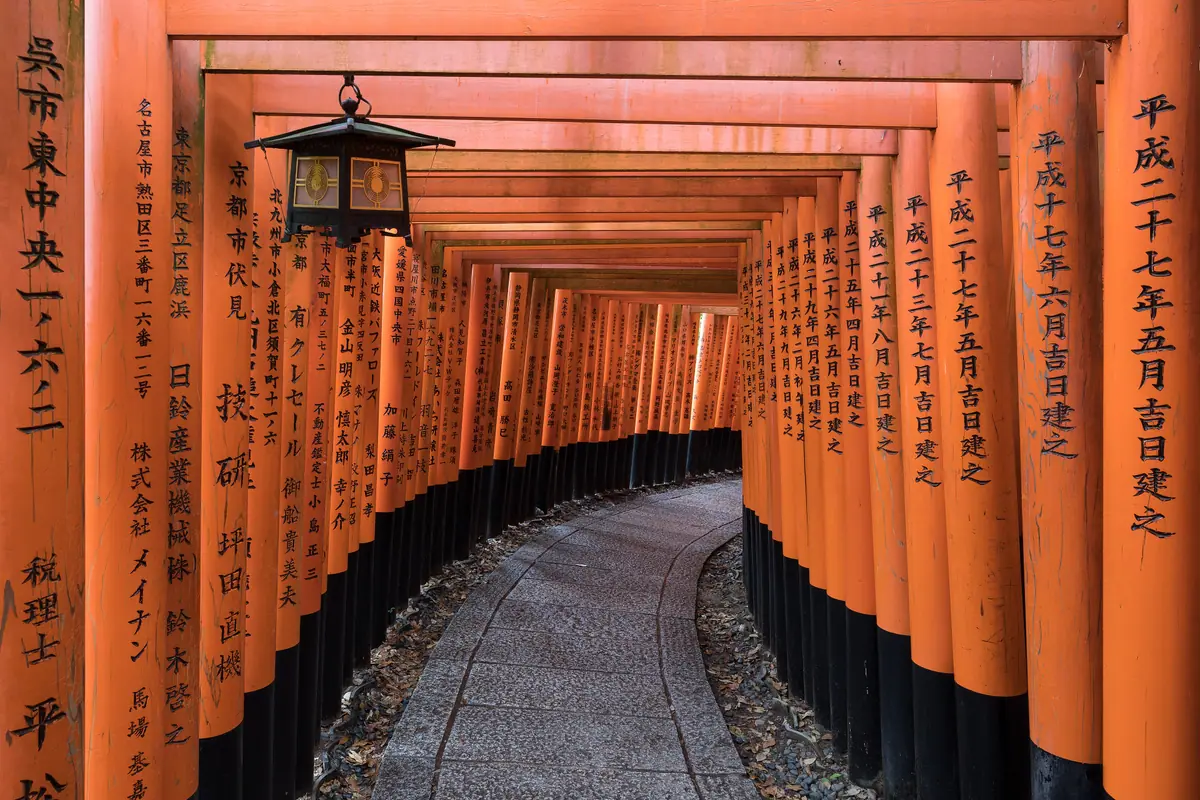
Summer: Mountain Air, Fireworks and Serious Humidity
Summer in Japan is hot and humid almost everywhere below 1,000 metres, with Tokyo and Osaka often hitting 33–36°C in August. The rainy season, known as tsuyu, soaks most of the country from mid-June to mid-July, though Hokkaido escapes it entirely — which is why Sapporo and the lavender fields of Furano are so appealing in July. If you accept the heat, you're rewarded with the country's most spectacular festivals: Kyoto's Gion Matsuri in July, with its processions of towering decorated floats, the Nebuta lantern floats of Aomori in early August, and the joyous street dancing of Awa Odori in Tokushima.
This is also the only window to climb Mount Fuji, when the official trails open from early July to early September and mountain huts along the Yoshida route sell simple meals and bunk beds. Further inland, Kamikochi in the Northern Alps offers cool riverside walking at around 1,500 metres, and Nikko's cedar avenues and Lake Chuzenji provide relief a couple of hours from the capital.
Hotel-wise, early July and late August are the value pockets; mid-August during Obon is not. Coastal resorts in Okinawa and Izu peak hard, and typhoon season runs roughly August to September, so travel insurance and a flexible itinerary are worth more here than anywhere else in the year.
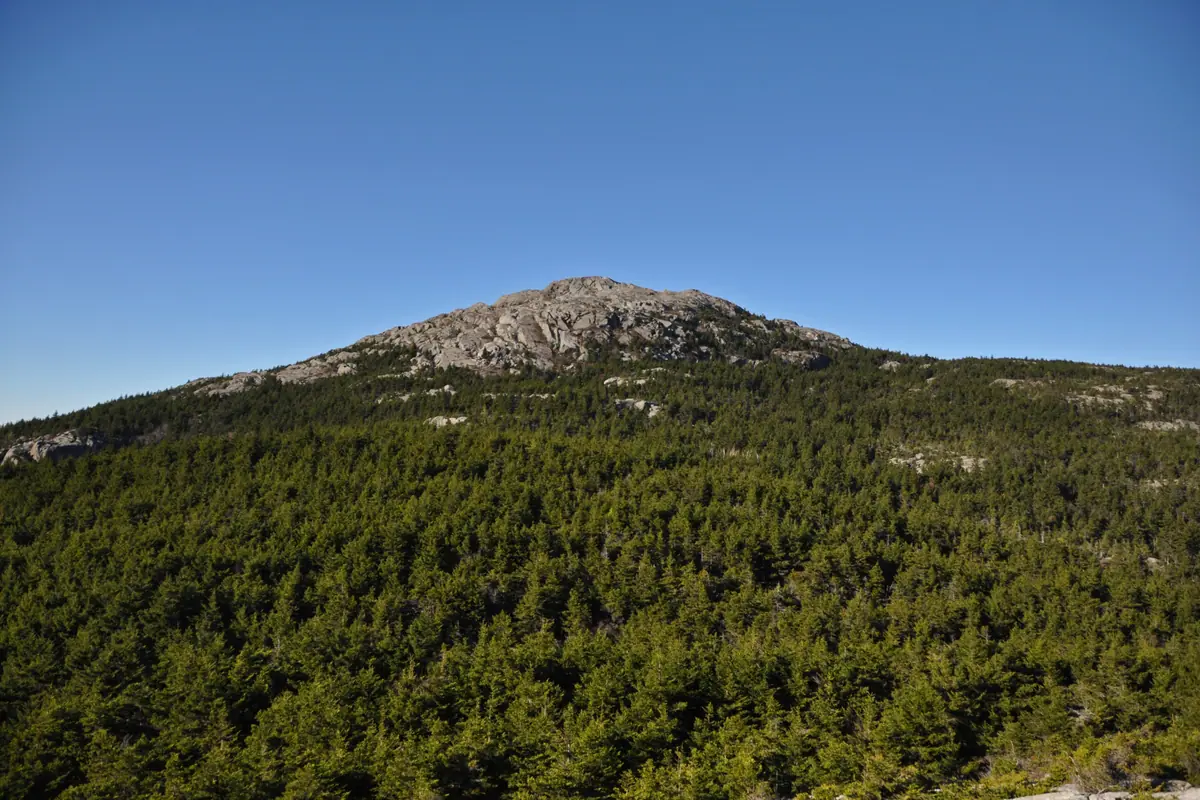
Autumn: The Best All-Round Window for First-Timers
If you want one answer, take autumn. From mid-October in Hokkaido and the Japanese Alps, colours roll south to reach Tokyo, Kyoto and Nara between mid-November and early December. Temperatures hover between 10 and 20°C, skies are reliably clear, and the humidity of summer has vanished. Kyoto's temple gardens reach their peak in the last two weeks of November — Tofuku-ji's raked gravel and maple valleys, Eikan-do's mossy terraces and the bamboo groves of Arashiyama are all at their finest, usually with evening illuminations extending opening hours.
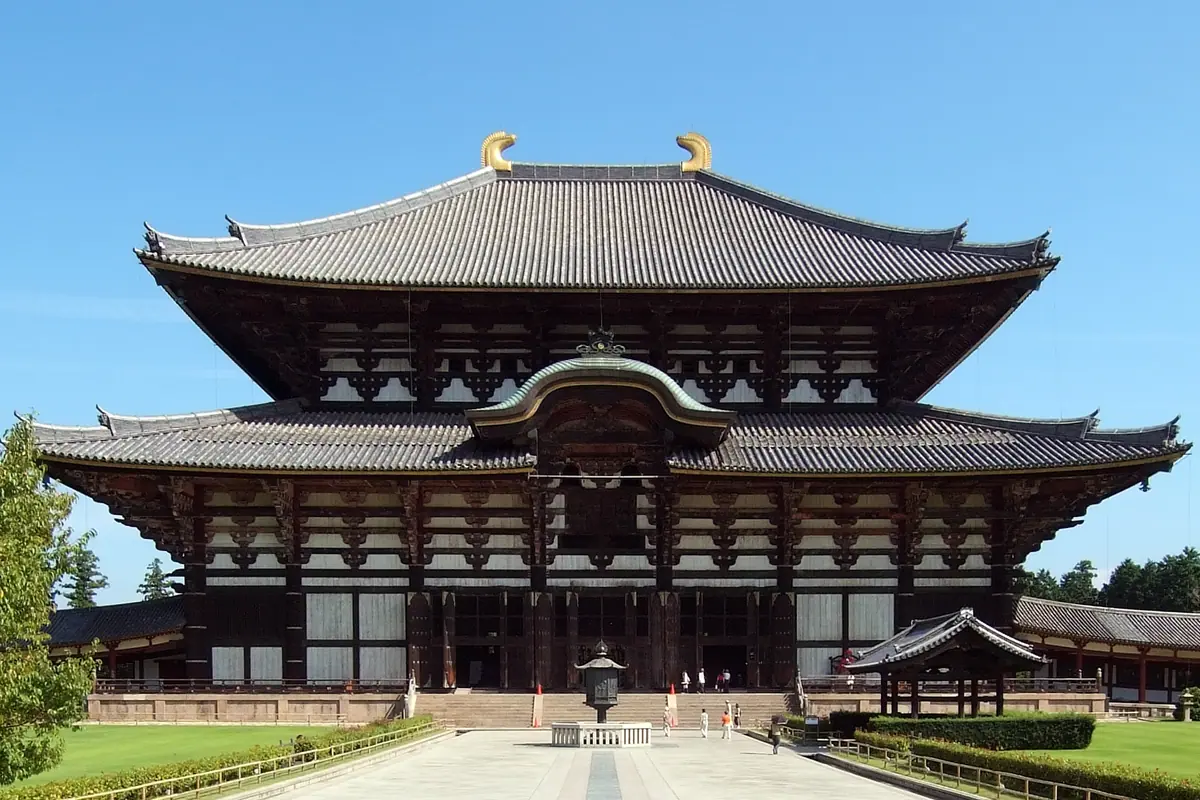
Autumn is also the ideal season for ticking off the headline sights. In Tokyo that means the lantern-lined approach to Senso-ji in Asakusa, the forested calm of Meiji Jingu, the organised chaos of Shibuya Crossing and the view from Tokyo Skytree. In Kansai, plan for the vermilion torii tunnel of Fushimi Inari Taisha, the gold-leafed pavilion of Kinkaku-ji, Nara's Todai-ji with its vast bronze Buddha and the bowing deer of Nara Park, plus Osaka Castle and the neon canal-side food stalls of Dotonbori.
Fewer travellers make it as far as the classics outside the golden route, which is exactly why they feel special in autumn: the floating torii of Itsukushima Shrine on Miyajima, the sculpted pines of Kenroku-en in Kanazawa, and the pilgrim paths of the Kumano Kodo. Book autumn accommodation early, though less frantically than spring — four to six months ahead is usually enough, five to seven for a traditional ryokan with a garden view.
Winter: Snow Festivals, Onsen and Empty Temples
Winter is Japan's most underrated season and its cheapest for city hotels, outside the New Year week. Tokyo and Kyoto stay mostly dry and bright, hovering around 3–10°C, and famous sites such as Kinkaku-ji dusted with snow or the stone lanterns of Kyoto's temples become far quieter than in spring or autumn. Sapporo hosts its enormous snow and ice sculpture festival in early February, while the historic village of Shirakawa-go holds winter light-up evenings when its steep thatched gassho-zukuri houses glow beneath snow.
For many travellers, winter is entirely about onsen. The snow monkeys of Jigokudani near Nagano bathe in steaming outdoor pools, and hot-spring towns such as Hakone, Kinosaki, Nozawa and Kusatsu offer outdoor baths with mountain views, often combined with a multi-course kaiseki dinner. Accommodation in these villages is limited and winter weekends sell out, so reserve one to three months ahead.
Further north, Hokkaido and the Japan Alps deliver reliable powder snow for skiing through February and into March, while Okinawa sits at a mild 17–20°C and remains swimmable with a wetsuit. Pack layers, expect early sunsets around 4.30pm, and take advantage of low-season rates in Osaka, Hiroshima and Fukuoka.
Shoulder Seasons and How to Time Your Hotel Booking
The two shoulder windows — late May to mid-June, and October — offer a sweet spot of pleasant weather, thinner crowds and noticeably softer room rates. October is especially good for northern Honshu and Hokkaido, where Nikko, Aomori and the Towada-Hachimantai area turn red and gold a full month before Kyoto. Late May brings fresh green maple to temples, long daylight hours and the start of hydrangea season, best seen in the temples of Kamakura and at Hakone's mountain gardens.
When it comes to securing a room, work backwards from the season rather than the price. For cherry blossom or late-November foliage in Kyoto and Tokyo, aim for six to nine months ahead, and expect to pay a premium for anything with a view or a traditional garden. For a ryokan with private open-air bath, book even earlier. For ordinary city hotels in shoulder months, 60 to 90 days is a comfortable lead time, and last-minute deals do appear in business districts on weekends when domestic travellers go home.
Two final timing tips save real money and stress. First, avoid arriving on a Friday or Saturday night in cities such as Kanazawa, Hakone or Sapporo, when domestic weekend demand spikes rates; Sunday to Thursday stays are usually cheaper. Second, remember that Japanese holiday dates cluster — Golden Week from late April, Obon in mid-August and New Year — so if your dates overlap, lock everything in early and treat dining reservations at popular restaurants as equally essential.
Frequently asked questions
When is the cheapest time to visit Japan?
Late January to February (excluding the New Year week and Sapporo's snow festival), mid-June during the rainy season, and September outside typhoon peaks tend to be cheapest, with city hotel rates well below spring and autumn levels. Rural onsen towns and ski resorts have their own high seasons, so check locally.
How far in advance should I book hotels in Japan?
For cherry blossom in Tokyo, Kyoto or Osaka, book six to nine months ahead, and even earlier for traditional ryokan. Autumn foliage dates need four to six months. Shoulder-season city hotels are usually fine at 60 to 90 days, and business hotels occasionally release last-minute rooms on weekends.
Is cherry blossom season really the best time to visit?
It's beautiful but the busiest and most expensive window. If you're flexible, late April to May or the whole of November give you similar scenery, mild weather and much better availability. The bloom also moves north, so early May works in Tohoku and Hokkaido if you miss it in the south.
What should I pack for Japan's rainy season and typhoon season?
The rainy season runs mid-June to mid-July across most of the country, so bring a compact umbrella, quick-drying layers and waterproof shoes; Hokkaido stays dry. Typhoons are most likely from August to September, when flexible bookings and travel insurance matter more than any packing list.
Which season is best for Mount Fuji and the Japanese Alps?
The official Mount Fuji climbing trails open from early July to early September, with huts operating along the main routes. For the Japanese Alps and Kamikochi, July to October offers the most reliable walking weather, while mid-October brings the region's finest autumn colours.
Sort the rest of your trip
Everything for Japan, in one place
Transfer in Japan
Private driver waiting on arrival — no queues, no surprises.
Book a transfer
Things to do in Japan
Skip-the-line tickets, guided tours and standout experiences.
See experiences
Stay online in Japan
Travel eSIM — data the moment you land, no roaming bills.
Get an eSIM