Georgia is a country you don't simply visit — you sit down to it. Between the sulphur steam rising off Tbilisi's old baths and the vine-wrapped terraces of Kakheti, every road seems to end at a table, a toast, and a plate of something folded by hand. Come for the Caucasus scenery; stay for the ritual of being fed.
Tbilisi: Sulphur Baths, Fortress Walls and a Table That Never Ends
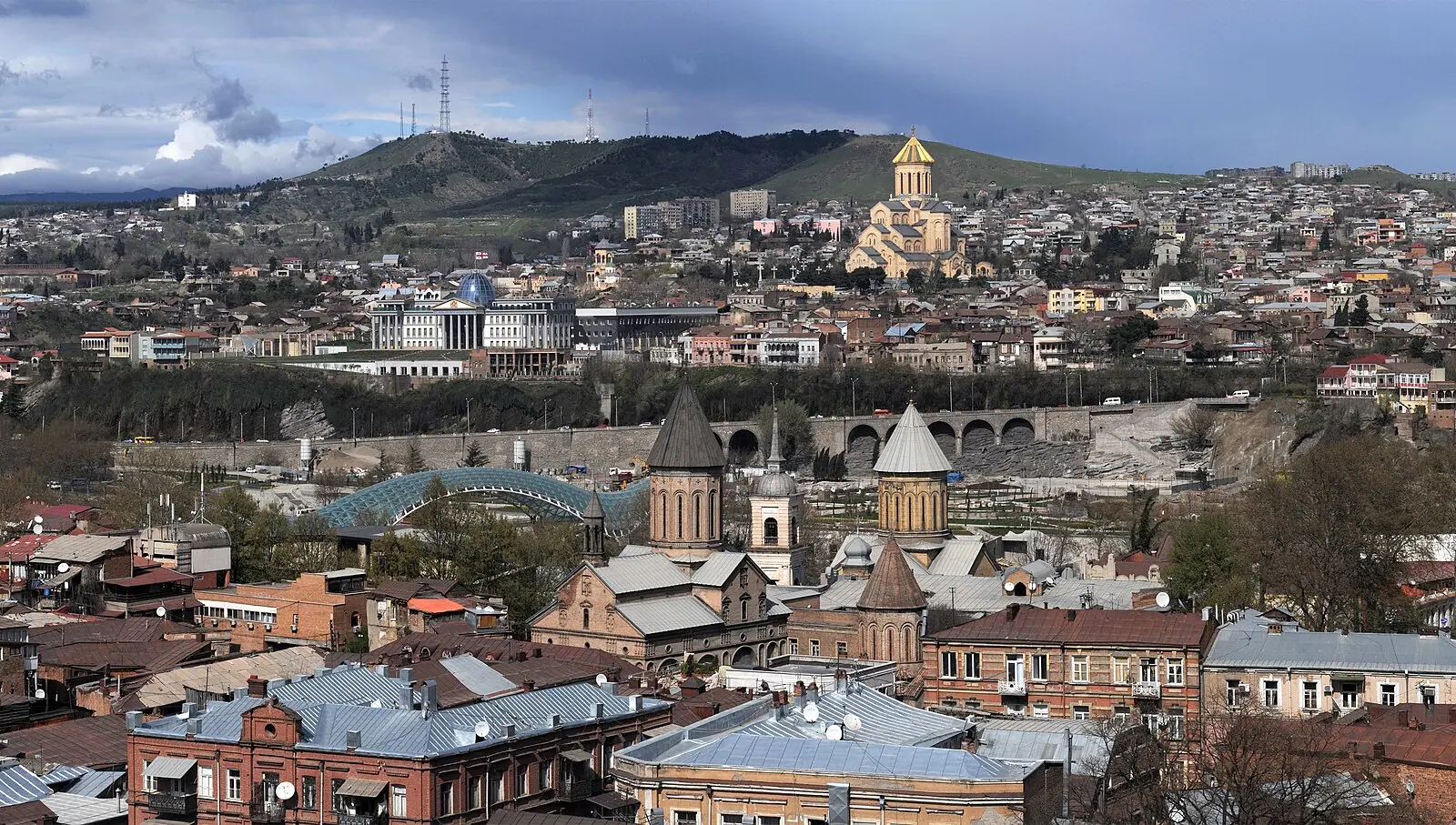
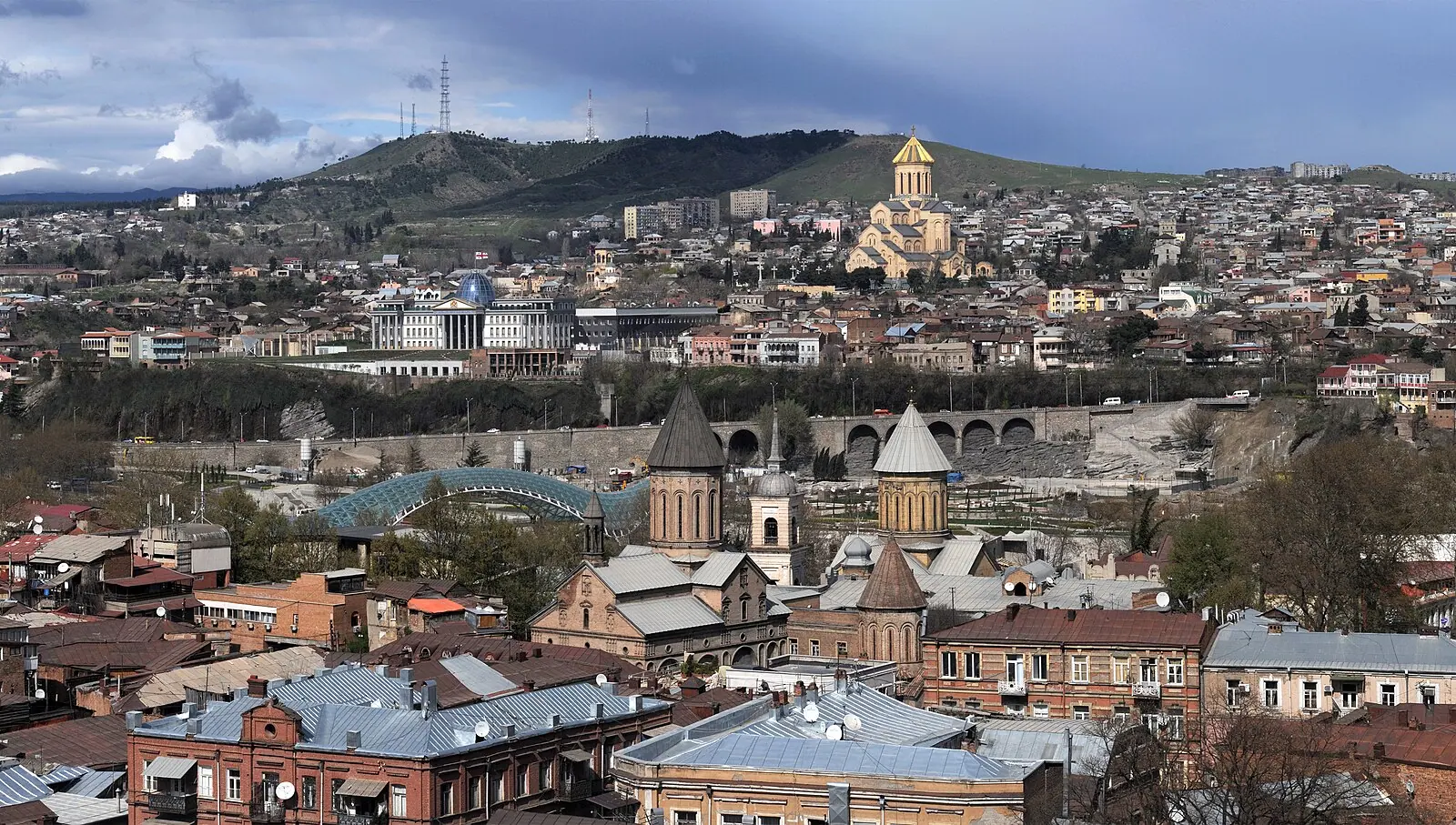
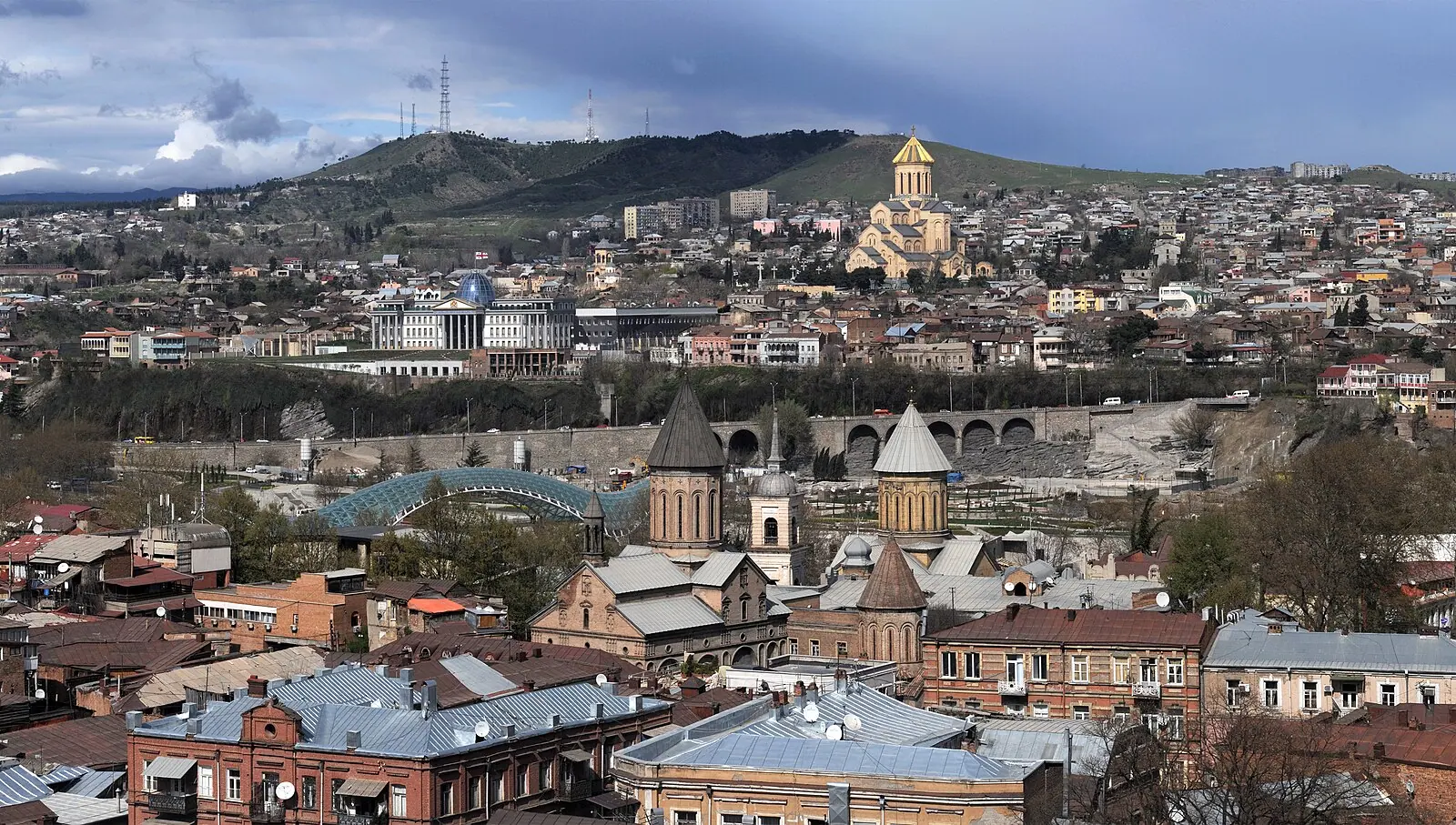
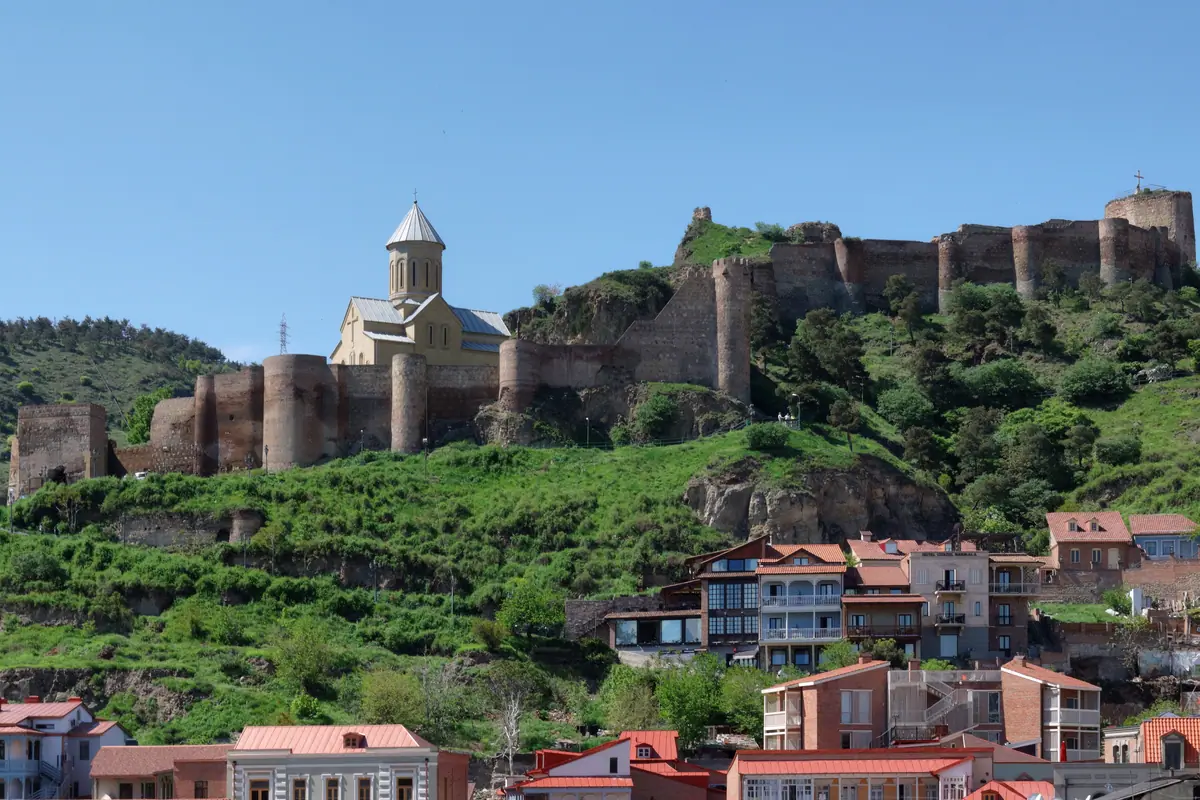
Almost every Georgian journey begins in Tbilisi, and the city rewards a slow first day rather than a checklist sprint. Start in the Old Town, where the domed brick roofs of Abanotubani — the sulphur bath district — puff steam into the street and the smell of warm mineral water follows you down the stairs. Above it all sits Narikala Fortress, reachable on foot past the Mother of Georgia statue or by a short cable car ride from Rike Park that gives you the whole bowl of the city in one sweep. Cross the glass-and-steel Bridge of Peace over the Mtkvari River at dusk and you'll see the point where old Tbilisi and new Tbilisi deliberately, theatrically disagree.
Beyond the postcard views, the city's real texture lives in its markets and avenues. Dezerter Bazaar is the loud, honest heart of it: pyramids of dried marigold, strings of churchkhela, sulguni cheese sold from buckets, tkemali plum sauce ladled into jars, and vendors who will insist you taste before you buy. Walk Rustaveli Avenue for the grand 19th-century facades and the Holy Trinity Cathedral, whose gold dome dominates the skyline from across the river. On weekends, the Dry Bridge market spills Soviet-era cameras, medals and enamel pins across the pavement.
Give Tbilisi at least two or three nights, and spend one of them in the Sololaki or Vera neighbourhoods, where a courtyard restaurant with twelve tables will feed you better than any hotel dining room. Evenings here start late — around nine, often later — and nobody minds if you linger until midnight. The city is also the easiest place to arrange a driver or a small-group departure into the regions, which matters because the best of Georgia lies outside it.
The Supra: Georgia's Great Improvised Theatre
Georgian food is inseparable from the supra, the feast that shapes family life, weddings, funerals and Tuesday nights with equal seriousness. A tamada — the toastmaster — runs the table, and the toasts are not decoration: they move through family, friends, the departed, peace, and whoever happens to be sitting beside you. You will be expected to drink, at least a little, and to say something when your turn comes. If you don't drink alcohol, say so early and cheerfully; nobody will force you, but everyone will notice.
The dishes arrive in waves. Khinkali, the twisted soup dumplings from the mountain regions, are eaten with your hands: hold the topknot, bite, slurp the broth, and leave the doughy knot on your plate as a tally of how many you've managed. Khachapuri comes in regional dialects — the boat-shaped Adjarian version with a molten egg yolk and butter stirred in at the table, the round Imeretian and Megrelian ones heavy with cheese. Alongside come pkhali, walnut-and-vegetable pâtés rolled into balls; badrijani, fried aubergine wrapped around garlicky walnut paste; mtsvadi, skewers of pork or lamb grilled over vine cuttings; and lobio, a clay-pot bean stew eaten with pickles and cornbread.
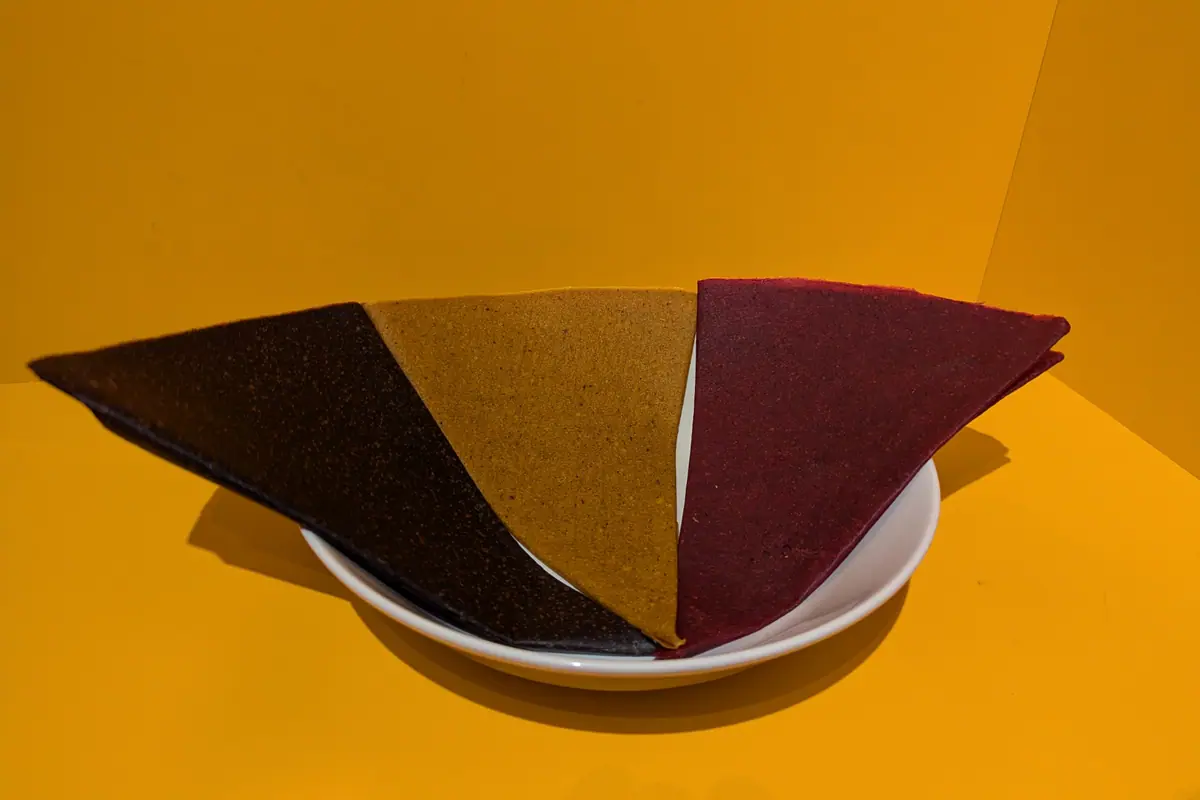
Vegetarians eat exceptionally well here — the walnut, aubergine, bean and herb repertoire is deep and old, and most kitchens will happily build a meat-free table. Finish with tklapi, a sour fruit leather, or a glass of matsoni, the yoghurt drink, and then chacha, the clear grape brandy that appears the moment someone decides the evening isn't over.
Kakheti: Qvevri Wine, Sighnaghi's Walls and the Alazani Valley
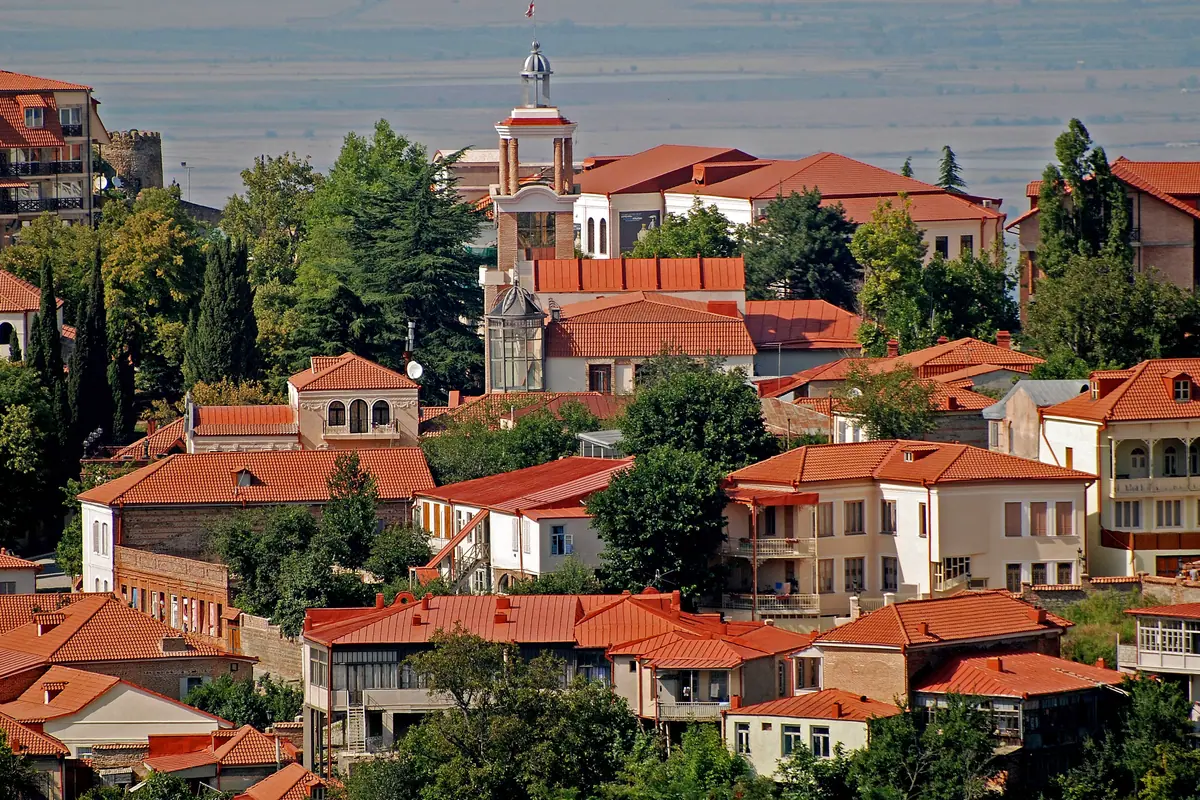
East of Tbilisi, the road drops into Kakheti, Georgia's wine country, where vine rows run to the horizon and the Caucasus frames everything. The town of Sighnaghi sits on a ridge above the Alazani Valley with a complete circuit of defensive walls you can walk, complete with towers and long views into Azerbaijan on a clear day. Just below town, Bodbe Monastery is one of the country's most visited religious sites, its gardens terraced down the hillside and its atmosphere genuinely quiet despite the coach traffic.
Kakheti's wine is made the old way, in qvevri — enormous clay vessels buried up to their necks in the earth, sealed with beeswax and stone, where white grapes ferment on their skins for months. The result is amber wine: tannic, honeyed, sometimes startling if you're used to crisp whites. Family cellars around Telavi, Tsinandali and the villages off the main road will pour for you without ceremony, usually alongside walnuts, cheese and whatever was picked that morning. Harvest, known as rtveli, falls in late August through October, and if you time a trip around it you'll be handed a bucket and expected to help.
This is also the region for long lunches. Many family wineries serve set meals that stretch over three hours — bread straight from the tone oven, grilled meats, herb-stuffed pastries and endless top-ups. Book ahead in September and October, when Kakheti is at its busiest and its most beautiful.
North Along the Military Highway: Ananuri, Gudauri and Gergeti Trinity
The Georgian Military Highway is the country's great scenic drive, climbing from Tbilisi past the turquoise reservoir at Zhinvali to Ananuri Fortress, a 17th-century complex of towers and crenellated walls that sits above the water like something from a legend. Further up, the road hairpins over the Jvari Pass at around 2,400 metres, where snow lingers into June and the air turns sharp. In winter, Gudauri's slopes draw skiers; in summer, the same ridge becomes a base for paragliding and day hikes through wildflower meadows.
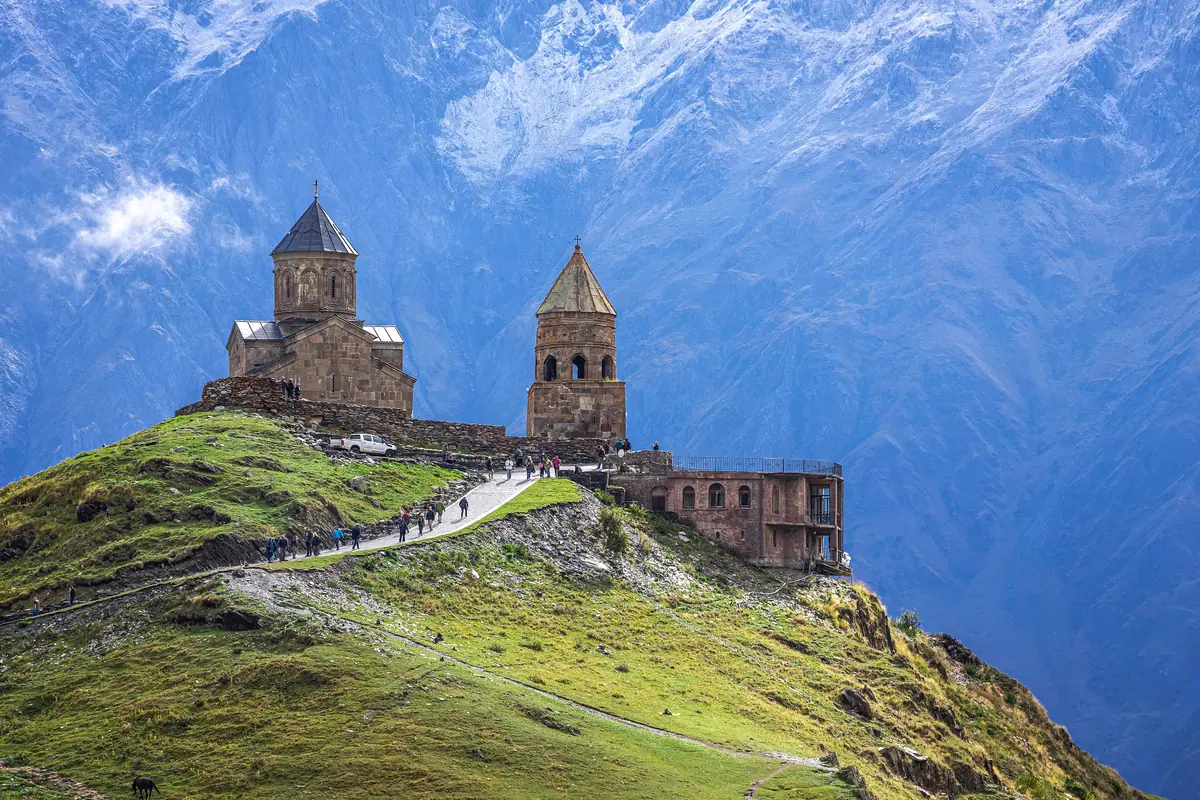
The payoff is Stepantsminda, better known as Kazbegi, a small town beneath the permanently glaciated cone of Mount Kazbek. From here you walk — roughly an hour and a half uphill, or twenty minutes by a local 4x4 — to Gergeti Trinity Church, the loneliest-looking church in the Caucasus, perched on a ridge with the mountain behind it and the whole valley below. Go early; by mid-morning the path is busy and the light has flattened out. Hardy walkers continue to the Gergeti Glacier, a full day's outing that requires proper boots and a very early start.
Use Kazbegi as a two-night stop rather than a day trip. The Sno Valley and Truso Valley are quieter alternatives with abandoned villages and mineral springs, and the family guesthouses in town serve some of the most generous home cooking on the circuit — usually khabizgina, the Ossetian cheese-and-potato flatbread, alongside thick yoghurt and pickled everything.
Svaneti and the Black Sea: Stone Towers, Mestia and Batumi
Northwest of the country, Svaneti is Georgia at its most vertical and most self-contained. Mestia, the regional hub, is ringed by medieval stone towers built as family strongholds and watchtowers, and the Svan language, food and singing traditions here survived centuries of isolation. The highlight is Ushguli, a cluster of hamlets at around 2,100 metres that claims to be among the highest permanently inhabited settlements in Europe — a place of mud lanes, cattle, and towers silhouetted against the Shkhara glacier. Getting there takes a long, bumpy drive or an unforgettable multi-day trek from Mestia via Zhabeshi and Adishi.
Svan food is its own thing: kubdari, a dense meat-stuffed bread; chvishtari, cornbread with cheese; and Svan salt, a pungent blend of salt, garlic, fenugreek and dried herbs you'll want to bring home. Guesthouses here are simple, warm and often heated by wood stove — bring cash, since card machines are unreliable above Mestia.
If you want contrast, head down to the Black Sea coast. Batumi is a subtropical port city of palm trees, pebble beaches, a promenade that runs for kilometres and a fountain that performs to music at night. Inland from the coast lie Prometheus Cave, with its illuminated halls and underground boat ride, and the green gorge at Martvili. Kutaisi, the country's second city, makes a good stop between the mountains and the sea, with the rebuilt Bagrati Cathedral and the frescoed Gelati Monastery nearby.
Vardzia, David Gareja and the Practical Rhythm of a Georgian Trip
The south of Georgia holds two of its most extraordinary sites. Vardzia is a cave monastery complex carved into a cliff face above the Mtkvari River, with hundreds of chambers, a church whose wall paintings have survived since the 12th century, and tunnels that once sheltered thousands. Combine it with the spa town of Borjomi, whose mineral water is sold everywhere in the country, and the pine-forested national park around it. Farther east, David Gareja is a monastic complex cut into a bare, striped hillside, with cave chapels and faded frescoes — a stark, silent place best visited in the cooler hours, as there is no shade.
For timing, aim for late April to June or September to October. Spring brings wildflowers and full rivers; autumn brings the grape harvest, golden beech forests and stable weather. July and August are hot in Tbilisi and Kakheti and crowded on the coast, while December to March suits skiers and city breaks but closes many mountain roads, including some passes into Svaneti. A comfortable first tour runs eight to ten days: three in Tbilisi, two in Kakheti, two around Kazbegi, and the remainder split between the south or the west. Trying to cover Svaneti, Kakheti, Vardzia and the Black Sea in one week means spending most of it in a car.
Distances look short on a map but rarely are — mountain roads are slow and winding. Minibuses, known locally as marshrutkas, connect most towns cheaply and leave when full; intercity trains are comfortable on the Tbilisi–Batumi and Tbilisi–Kutaisi routes, and Kutaisi also handles a large share of budget flights. To reach villages off the main lines, a private driver for the day is often the best value, and guesthouse hosts will arrange one for you. Finally, pack modest clothing for churches — shoulders and knees covered, and women should carry a scarf for head covering — and learn a few words of Georgian. A well-placed gamarjoba opens more doors here than any booking confirmation.
Frequently asked questions
How many days do you need to tour Georgia properly?
Eight to ten days is the sweet spot. That allows three nights in Tbilisi, a couple of nights in Kakheti wine country, two around Kazbegi, and a taste of either the southern caves or the Black Sea coast. Two weeks lets you add Svaneti or Batumi without spending every day in transit.
When is the best time to visit Georgia?
Late April to June and September to October offer the best combination of mild weather, open mountain roads and long daylight. September and October overlap with the grape harvest in Kakheti, which is spectacular but busy. July and August are hot and humid in the lowlands, while winter is for skiing at Gudauri and city time in Tbilisi.
Is Georgian food good for vegetarians and vegans?
Yes, unusually so. Walnut-based pkhali, badrijani (aubergine with walnut paste), lobio bean stew, mushroom dishes, ajapsandali and fresh herb salads are staples rather than afterthoughts, and most kitchens will build a meat-free table on request. Vegans should watch for butter and matsoni, which appear more often than expected.
Do I need a car to get around Georgia?
Not necessarily. Minibuses link most towns, trains run comfortably between Tbilisi, Kutaisi and Batumi, and organised day tours cover the standard sights from Tbilisi. For mountain villages or winery-hopping in Kakheti, hiring a driver for the day is usually cheaper and far less stressful than renting a car.
What should I know about Georgian hospitality and drinking culture?
Expect to be fed constantly. At a supra, the tamada leads the toasts and you may be asked to speak — keep it short and warm. Non-drinkers should say so early; nobody will push, but the table will find you something else. Bring a small gift such as chocolate or something from home if you're staying with a family, and always cover shoulders and knees in churches.
Sort the rest of your trip
Everything for Georgia, in one place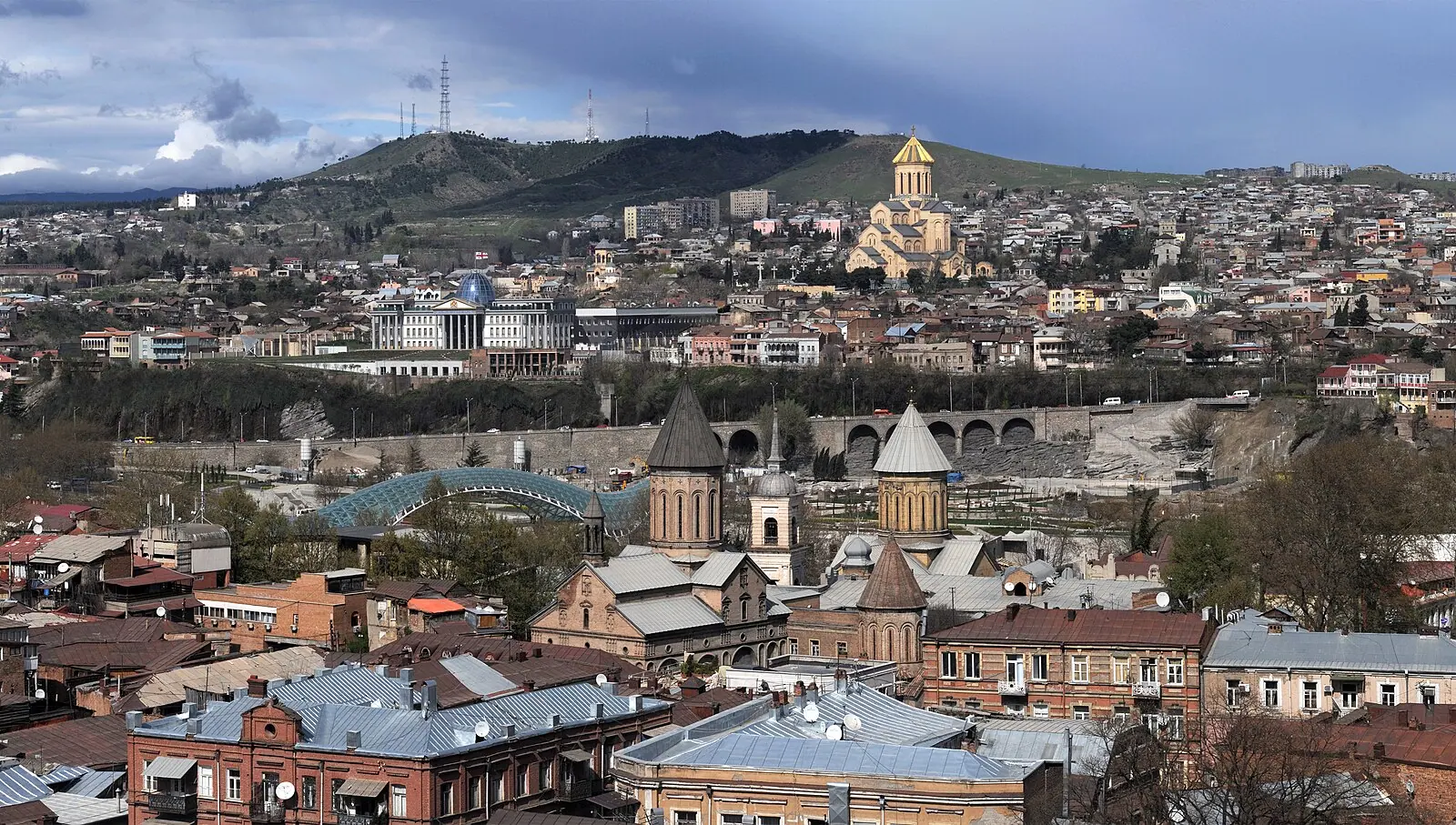
Stay in Georgia
Hotels, guesthouses and apartments — compared in one search.
Search hotels
Transfer in Georgia
Private driver waiting on arrival — no queues, no surprises.
Book a transfer
Stay online in Georgia
Travel eSIM — data the moment you land, no roaming bills.
Get an eSIM