Georgia packs snow-capped Caucasus peaks, cave monasteries, Black Sea subtropics and 8,000 years of winemaking into a country you can cross in a day. The hard part isn't finding somewhere worth going — it's choosing which ridgeline, fortress or stone tower to leave for next time. Here's where to point your boots first.
Tbilisi: Sulphur Baths, Fortress Walls and a Very Good Dinner
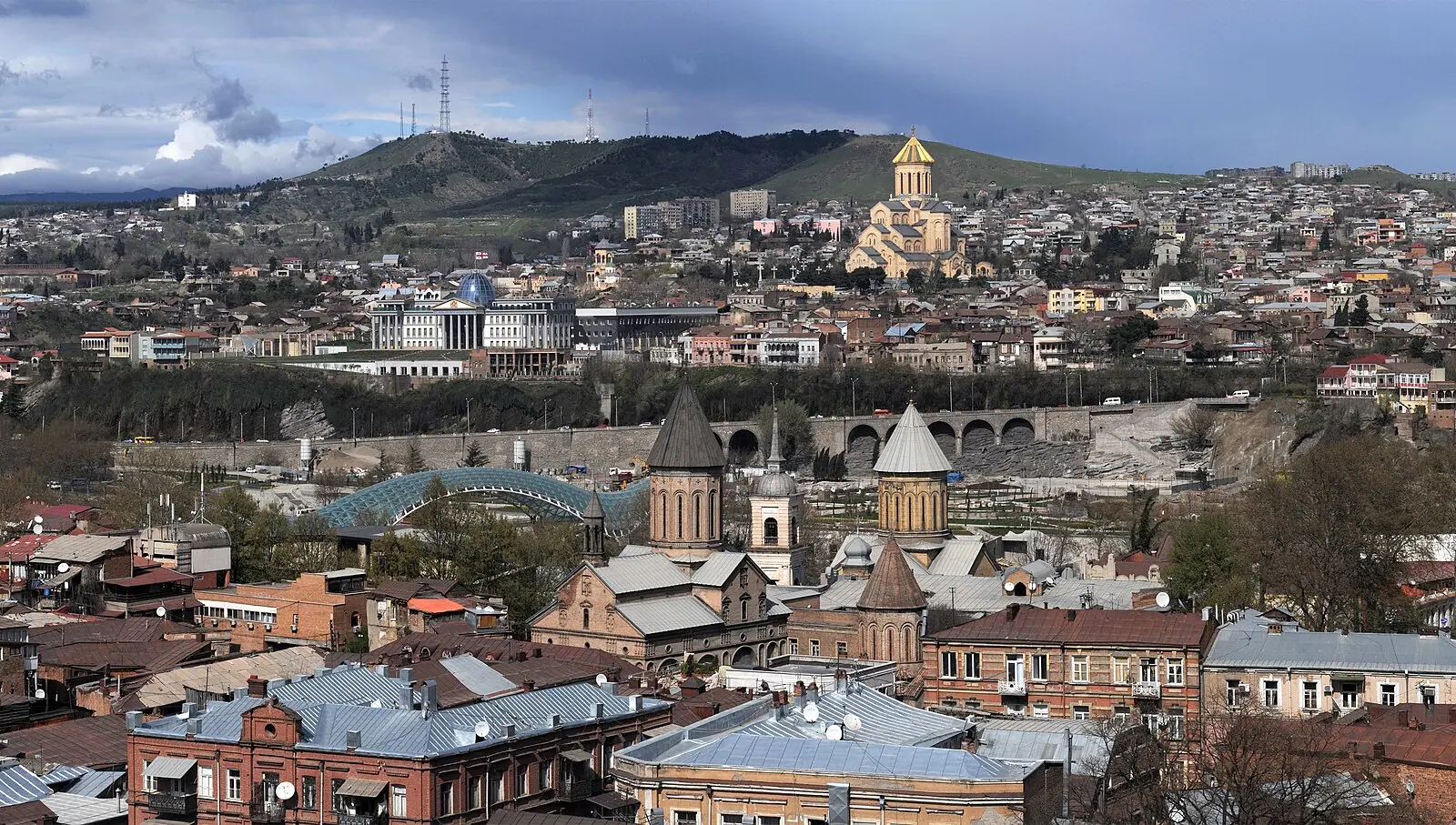
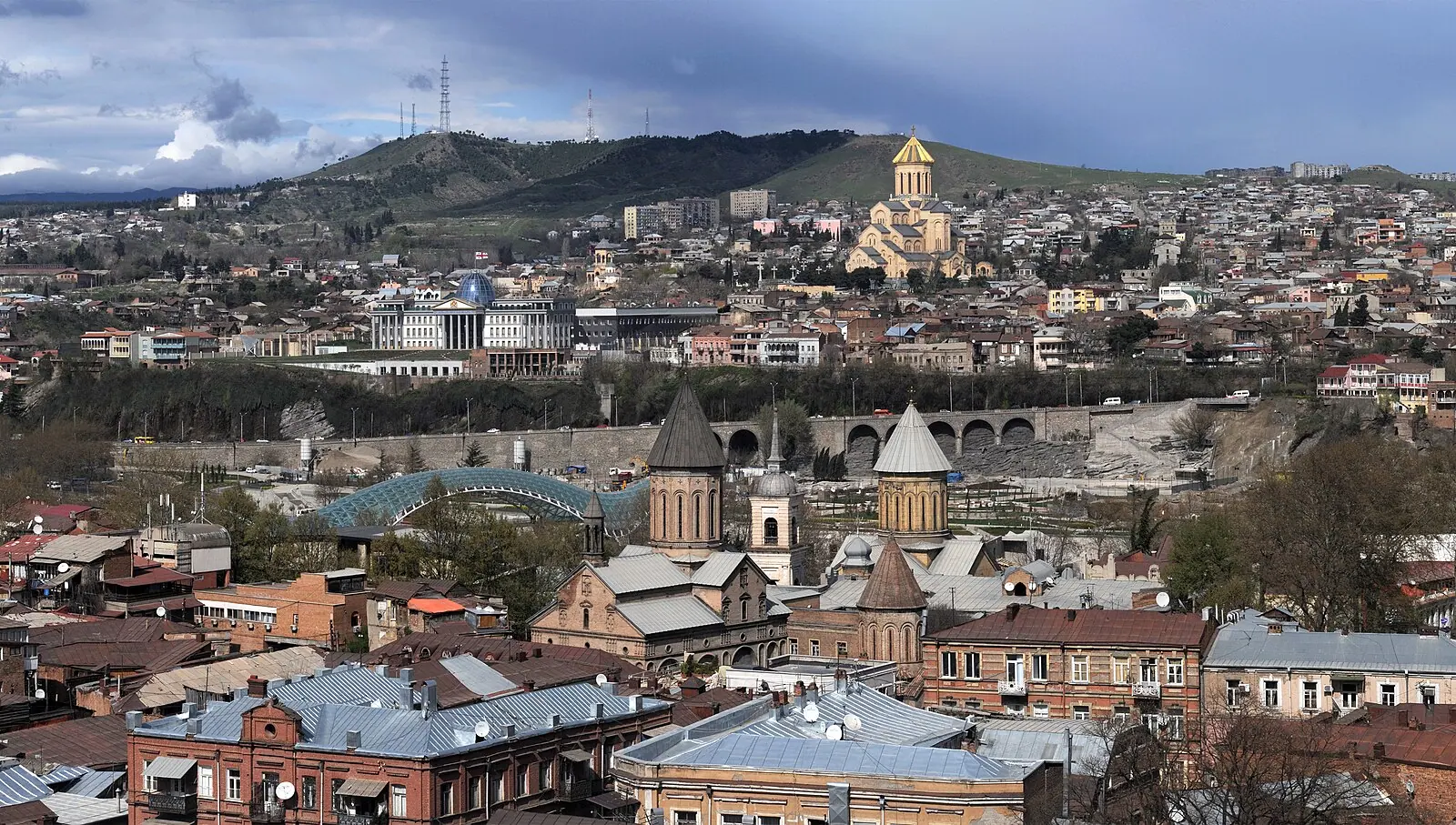
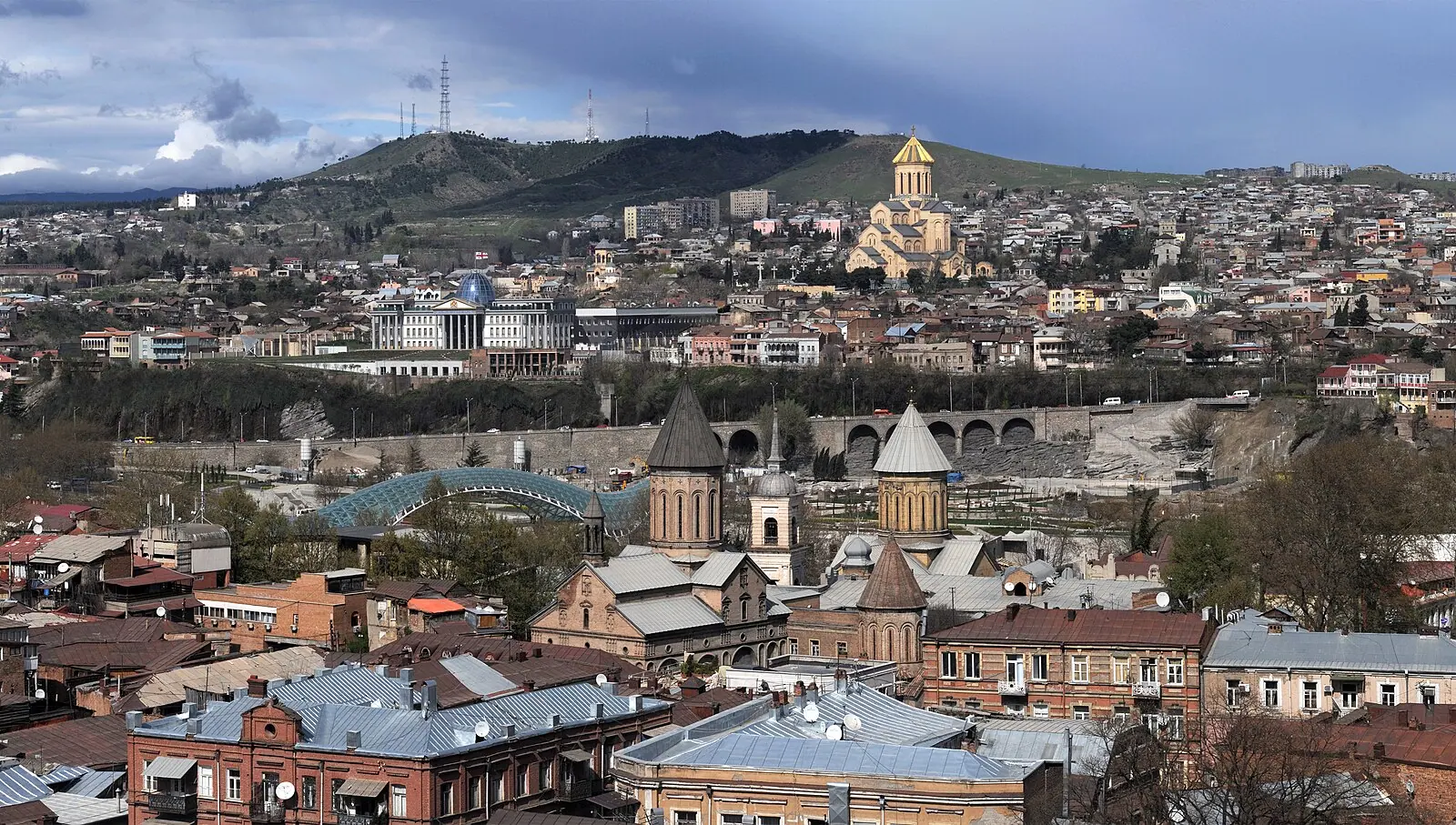
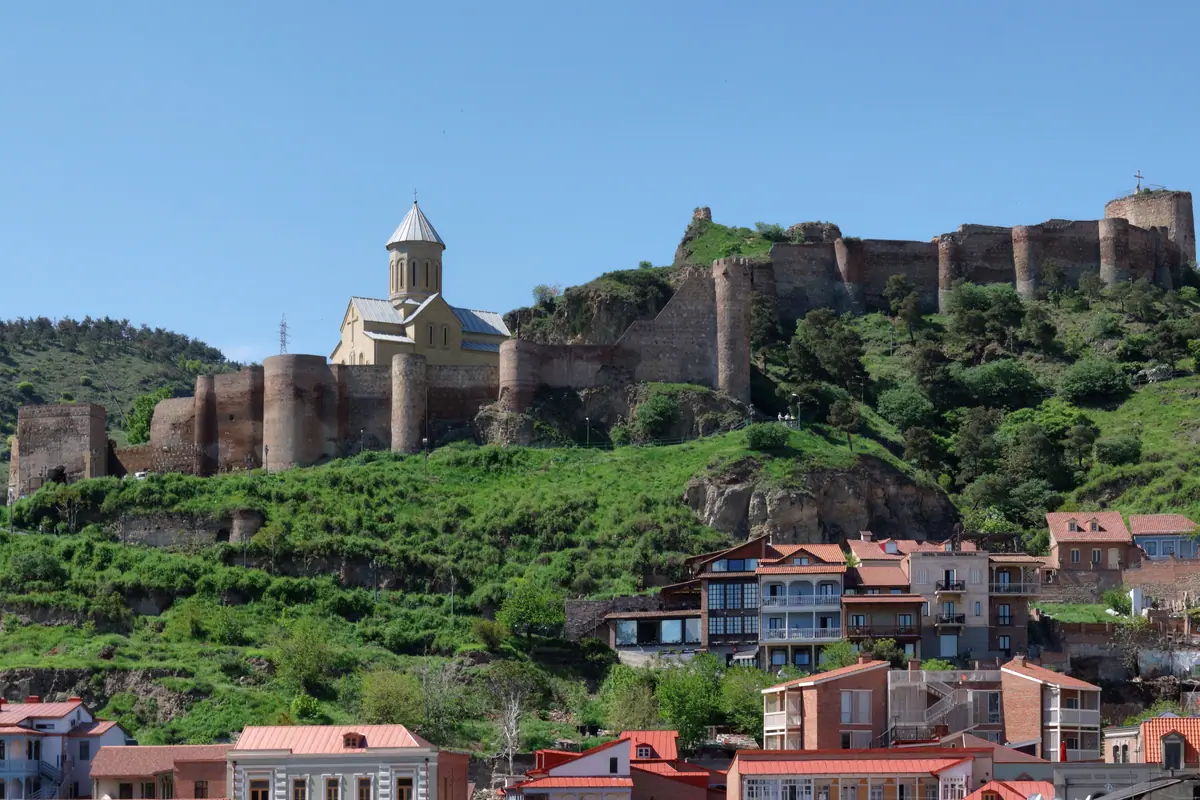
Start in the capital, where the Old Town tumbles down to the Mtkvari River in a jumble of carved wooden balconies, vine-shaded courtyards and church domes. The natural entry point is Abanotubani, the sulphur-bath district, where brick domes rise out of the ground and warm mineral water has been drawn for centuries — book a private room or brave the public bath and scrub-down. Above it all sits Narikala Fortress, reached on foot from the Old Town or by cable car from Rike Park; the ramparts give you the classic postcard view over the city, with the glassy Bridge of Peace and the bow-shaped Rike Concert Hall below.
From Narikala, wander down through the narrow lanes of Shardeni and the Anchiskhati Basilica area, then cross to the west bank for Rustaveli Avenue, the grand 19th-century thoroughfare of museums, theatres and the golden-domed Sameba (Holy Trinity) Cathedral. Ride the funicular up Mount Mtatsminda at dusk for the panorama, or climb to the Kartlis Deda statue. Two or three full days is the right amount for a first visit — long enough for the baths, the fortress, the National Museum and at least one long, loud supra feast of khinkali and khachapuri.
Tbilisi rewards slow wandering more than checklist ticking. The courtyards off Leselidze Street hide craft studios and tiny wine bars pouring amber qvevri wine, and the old Armenian and Georgian quarters around Sioni Cathedral are best explored with no plan at all.
The Georgian Military Highway to Kazbegi
North of Tbilisi, the Georgian Military Highway climbs toward the Russian border through some of the most dramatic scenery in the Caucasus. Break the journey at the Zhinvali Reservoir, where the 17th-century Ananuri Fortress sits on a promontory above turquoise water, its crenellated walls and two churches making it one of the country's most photographed spots. Further up, at the Jvari Pass (2,379 metres), the landscape turns to bare alpine ridges and summer pastures dotted with sheep.
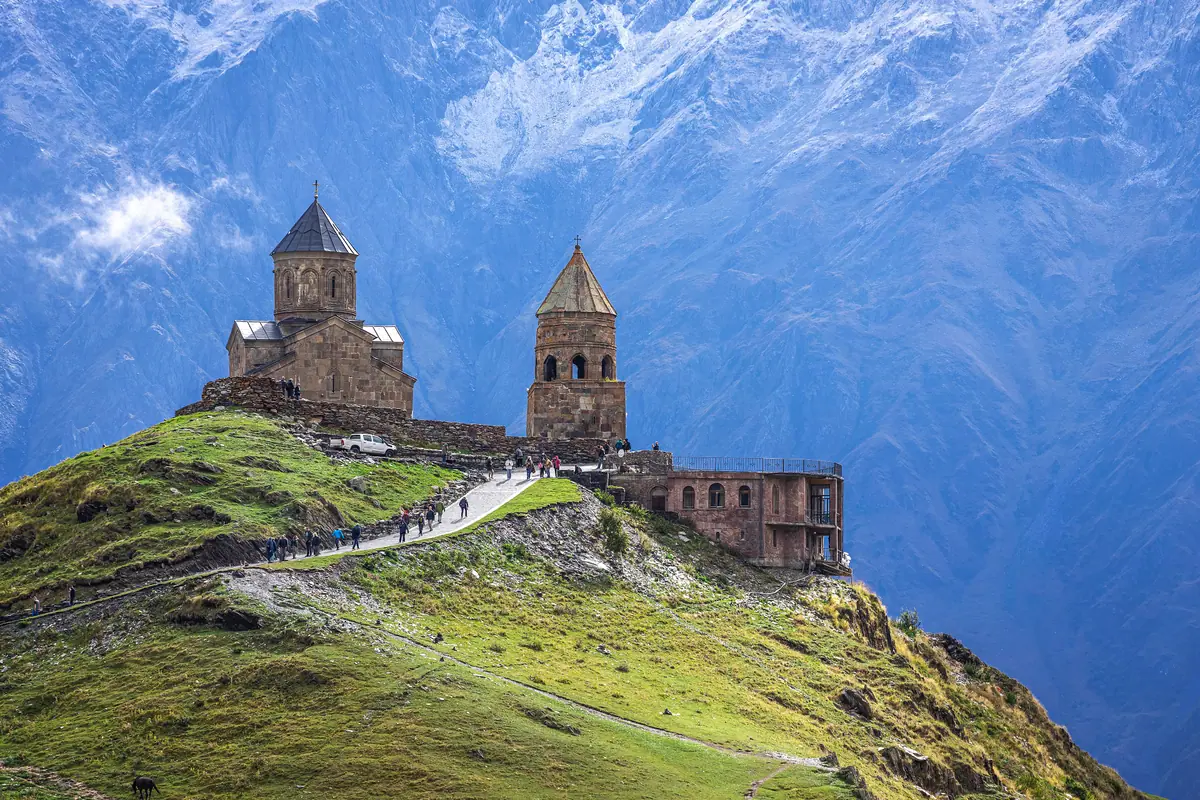
The road ends at Stepantsminda, better known as Kazbegi, a small town beneath the permanently snow-streaked cone of Mount Kazbek (5,054 metres). The must-do walk is up to Gergeti Trinity Church, a lone 14th-century chapel perched at 2,170 metres on a ridge above the valley — roughly 1.5 to 2 hours uphill on foot, or a short but bumpy 4x4 ride. Go early; clouds swallow the peak by mid-morning in summer. Nearby, Gveleti Waterfall and the Sno Valley make good half-day add-ons.
Winter transforms the area: Gudauri, on the pass, is Georgia's biggest ski resort, with long, wide runs and reliable snow from December through March. The highway is generally kept open, though heavy snowfall can close the pass for hours — build slack into any winter travel plan. Best months for hiking are June to September, when the wildflowers are out and the guesthouses in Kazbegi are full of walkers.
Svaneti: Stone Towers and Glaciers in the High Caucasus
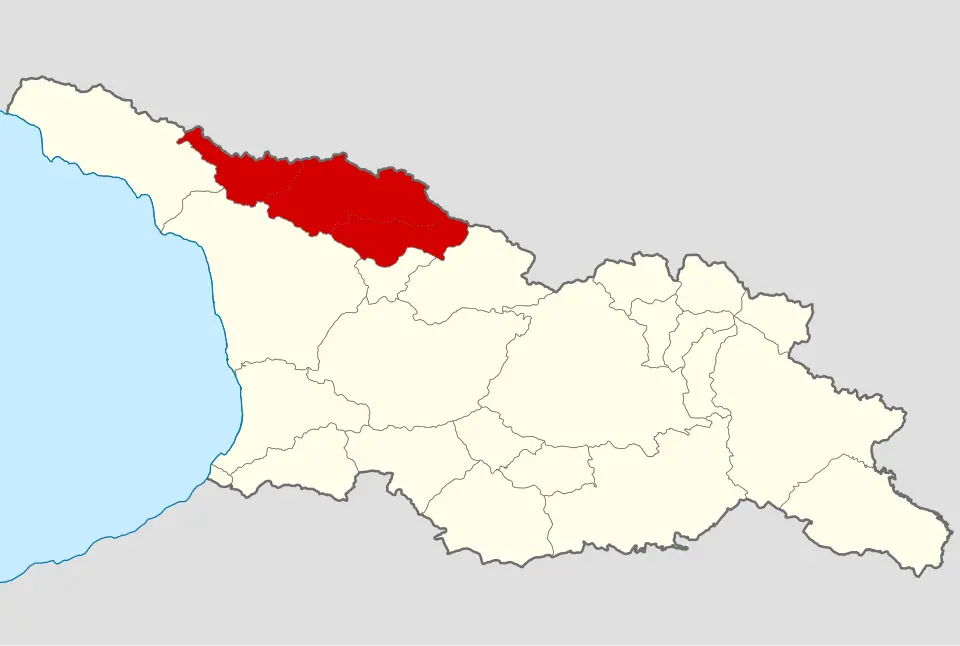
If you only go one place beyond the capital, make it Svaneti, the remote mountain province in Georgia's northwest. Mestia, the main town, is a maze of medieval koshki — defensive stone towers that families built to shelter from feuds and avalanches — now mixed with guesthouses, a small museum and the Hatsvali cable car, which runs up to a viewpoint over the glaciers in summer. From Mestia, day walks reach the Chalaadi Glacier and the twin waterfalls above the village of Becho.
Further up the Enguri Valley lies Ushguli, a UNESCO-listed cluster of villages at around 2,100 metres and one of the highest permanently inhabited settlements in Europe. The drive from Mestia takes two to three hours on rough road, and the reward is a landscape of towers, dung-scented lanes and Mount Shkhara, Georgia's highest peak, looming at the end of the valley. Serious trekkers walk the four-day Mestia-to-Ushguli route, sleeping in village guesthouses along the way.
The season here is short and sharp: late June to early October for hiking, with July and August the warmest and busiest. Outside those months, snow and landslides can shut the Zugdidi road, so plan a buffer day before flying out of Tbilisi or Kutaisi.
Mtskheta and Kakheti: Monasteries and Qvevri Wine Country
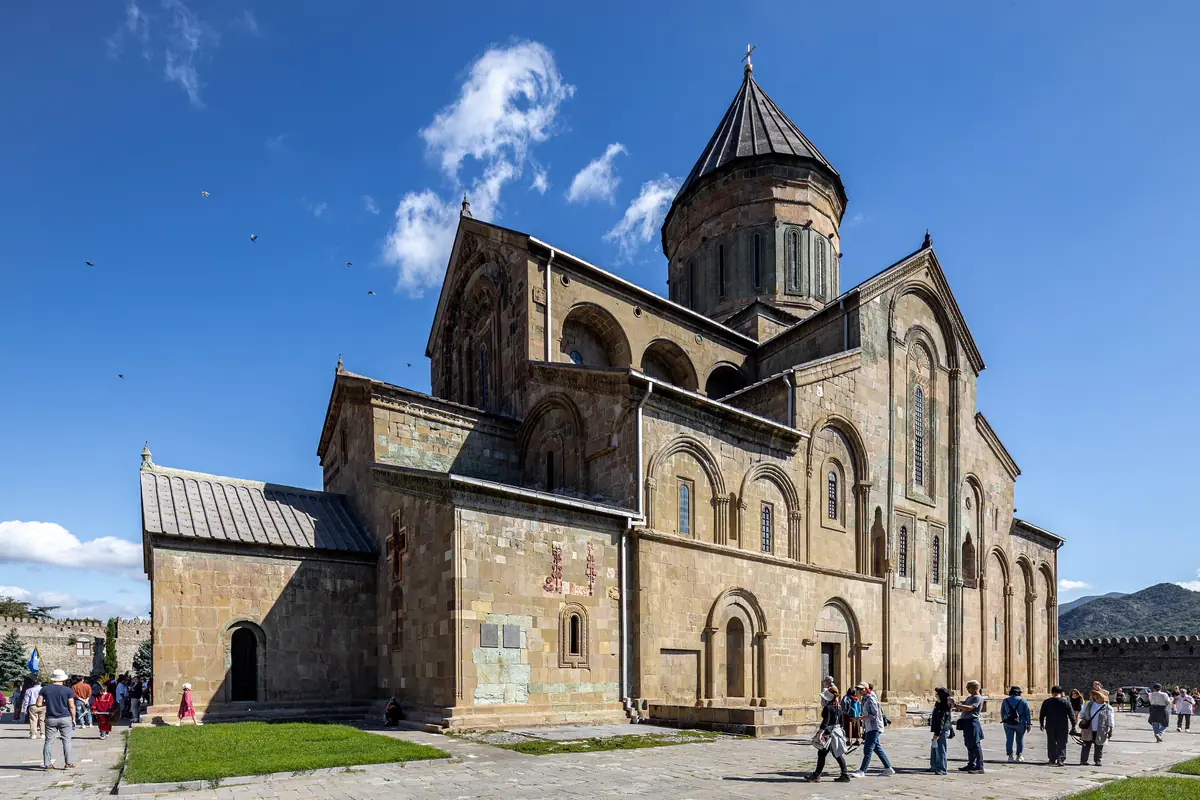
Half an hour from Tbilisi, the old capital of Mtskheta is a UNESCO World Heritage site and the spiritual heart of the country. Svetitskhoveli Cathedral, a vast 11th-century church said to hold the robe of Christ, dominates the town, while the hilltop Jvari Monastery — a simple 6th-century cross-in-square church — offers the definitive view over the confluence of the Aragvi and Mtkvari rivers. Samtavro Convent, where the monk Gabriel still draws pilgrims, is a five-minute walk from the cathedral.
East of Tbilisi, Kakheti is Georgia's wine heartland, a dry, sun-baked plain of vineyards backed by the Greater Caucasus. Base yourself in Sighnaghi, a walled hill town with pastel houses and views across the Alazani Valley toward Azerbaijan, and visit the Bodbe Monastery just below it. In Telavi, the regional capital, you can tour the Alaverdi Cathedral and the Tsinandali estate gardens, but the real draw is the wineries — family cellars where wine ferments in buried clay qvevri jars, poured alongside tomatoes, cheese and churchkhela.
Time your visit for rtveli, the grape harvest in late September and early October, when villages run on pressed juice, grilled meat and song. Otherwise, May and June are lovely, and Kakheti is warm and dry enough to visit comfortably into November.
Cave Towns of the South: Vardzia and Uplistsikhe
Georgia's most astonishing archaeological sites are carved straight into the rock. Uplistsikhe, an hour from Tbilisi near Gori, is a pagan cave city inhabited from the early Iron Age, with halls, wine presses, a pharmacy and a secret tunnel hewn from the sandstone cliff above the Mtkvari. It takes an hour or two to explore, and pairs naturally with a stop at the Stalin Museum in Gori or the ancient Ateni Sioni church.
Further south, near the Turkish border, Vardzia is the showstopper: a 12th-century cave monastery complex of some 6,000 rooms hollowed from a volcanic cliff face, founded under Queen Tamar. The Church of the Dormition still holds faded frescoes of the queen herself, and monks live on site today. It's a two-hour drive from Borjomi, so most people stay in Akhaltsikhe and combine it with the restored Rabati Fortress.
In the far southeast, David Gareja monastery sits on a bare, striped hillside right on the Azerbaijani border — check access in advance, as the border area has occasionally been restricted. Any of these sites works as a day trip from Tbilisi, though Vardzia deserves an overnight.
Batumi and the Black Sea Coast
Georgia's second city is a subtropical resort of palm trees, pebbles and slightly surreal architecture. The seven-kilometre Batumi Boulevard runs the length of the seafront, lined with cyclists, cafes and the moving sculptures of Ali and Nino, while the Alphabet Tower and the Piazza square give the centre its odd, playful skyline. The Batumi Botanical Garden, planted on a headland north of town, holds thousands of species across 100 hectares, and the Adjaran food — buttery adjaruli khachapuri, cornbread, walnut-stuffed vegetables — is worth the trip alone.
South of the city, Gonio Fortress is a Roman-era walled garrison with a beach beside it, and the village of Sarpi marks the Turkish border. The swimming season runs roughly June to September, when the sea is warm and the evenings humid and balmy.
On the way west from Tbilisi, the Imereti region around Kutaisi is an easy stop: the Gelati Monastery and Bagrati Cathedral are both UNESCO-listed, and the Prometheus Cave and Martvili Canyon offer boat rides through underground rivers and green gorges. Kutaisi's airport also makes a convenient alternative arrival point for the coast.
Frequently asked questions
When is the best time to visit Georgia?
May, June, September and October are the sweet spots: mild weather, open mountain roads and vineyards in leaf. July and August are hot and humid in Tbilisi and Batumi but ideal for high-altitude hiking in Svaneti and Kazbegi. December to March is ski season at Gudauri and Bakuriani, though some mountain roads close.
How many days do you need in Georgia?
Seven to ten days covers Tbilisi, Mtskheta, Kazbegi and Kakheti comfortably. Add four or five more days for Svaneti, or for the southern cave sites and Batumi. Trying to do the whole country in a week means spending most of it in a car.
Can you get around Georgia without a car?
Yes, up to a point. Shared minibuses (marshrutkas) link most towns from Tbilisi's bus stations, and there are comfortable daytime trains to Batumi and Kutaisi. For mountain destinations like Kazbegi and Mestia, group tours or a hired driver are far easier, and the final stretch to Ushguli really needs a 4x4.
What should I not miss on a first trip?
The sulphur baths and Narikala Fortress in Tbilisi, Gergeti Trinity Church above Kazbegi, Svetitskhoveli Cathedral and Jvari Monastery at Mtskheta, the stone towers of Ushguli in Svaneti, Vardzia's cave monastery, and a long evening of qvevri wine in Kakheti.
What food and drink should I try in Georgia?
Khinkali (twisted dumplings eaten by hand), adjaruli khachapuri (boat-shaped bread filled with molten cheese and egg), chakapuli (herb-and-plum lamb stew in spring), and walnut-and-aubergine rolls. Drink amber qvevri wine, the ferociously strong chacha, and the mineral waters of Borjomi. Vegetarians fare better here than almost anywhere in the region.
Plan it — experiences in Georgia
Live search, booked directly with trusted providers.
Sort the rest of your trip
Everything for Georgia, in one place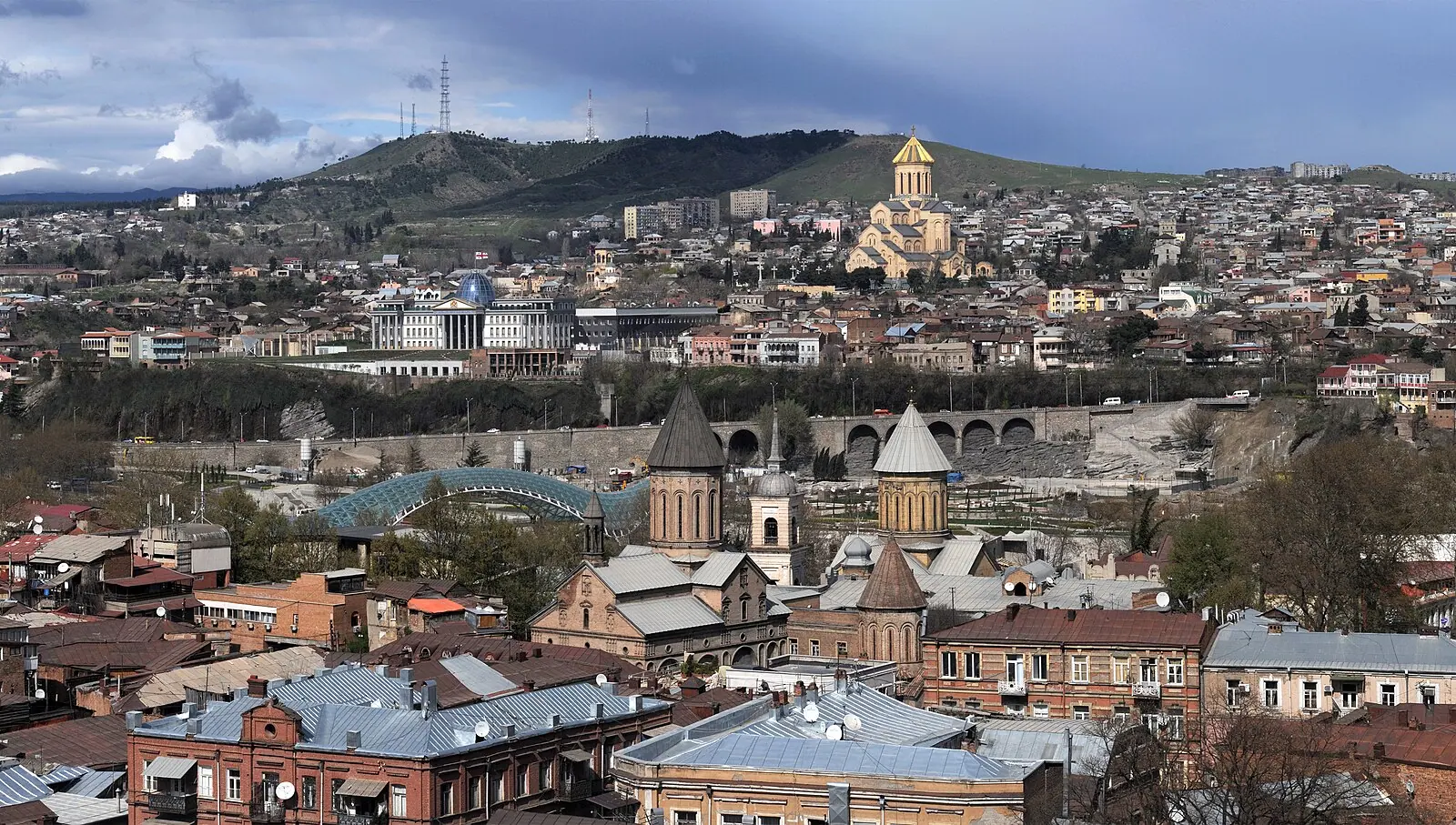
Stay in Georgia
Hotels, guesthouses and apartments — compared in one search.
Search hotels
Transfer in Georgia
Private driver waiting on arrival — no queues, no surprises.
Book a transfer
Stay online in Georgia
Travel eSIM — data the moment you land, no roaming bills.
Get an eSIM