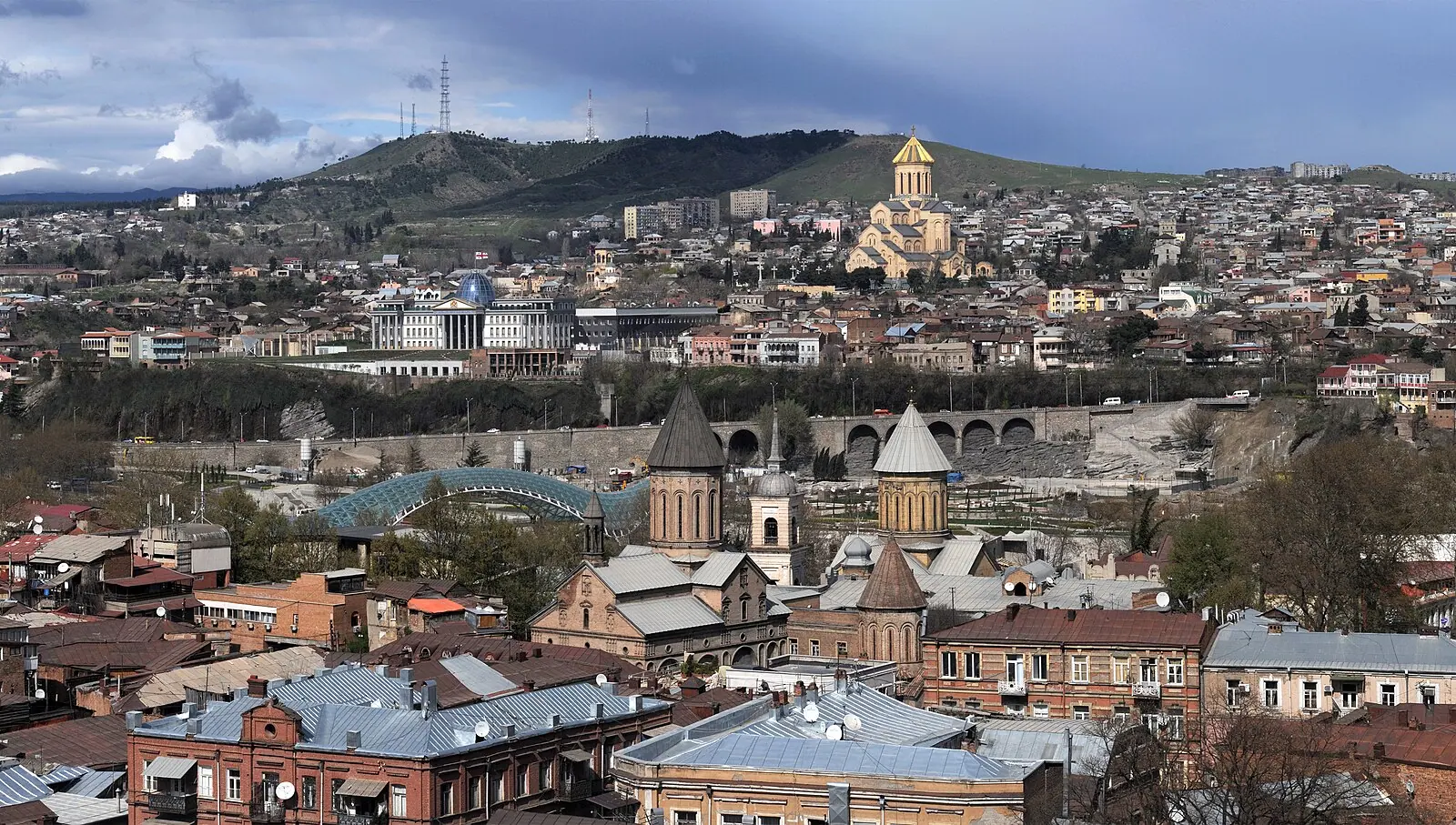
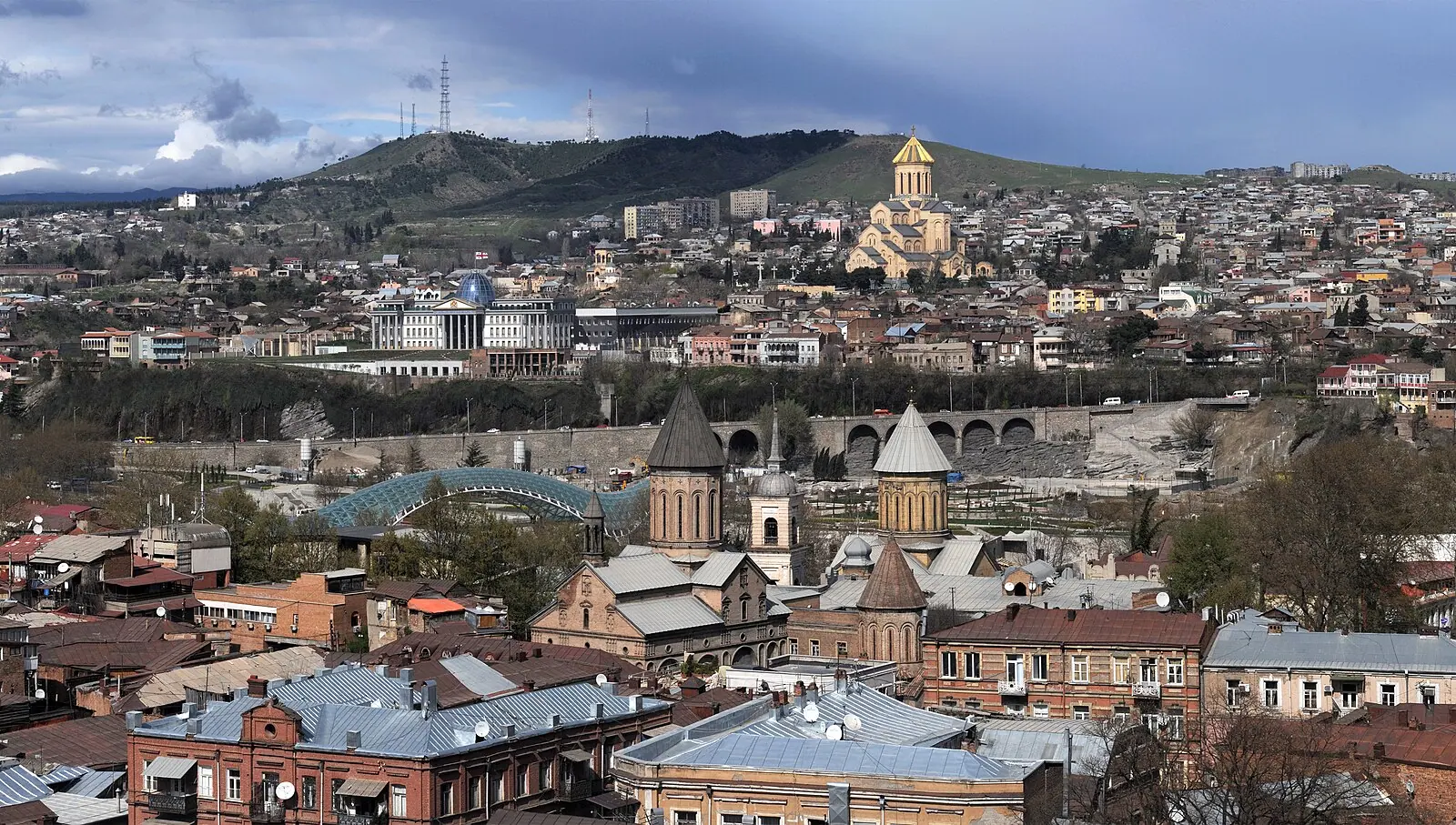
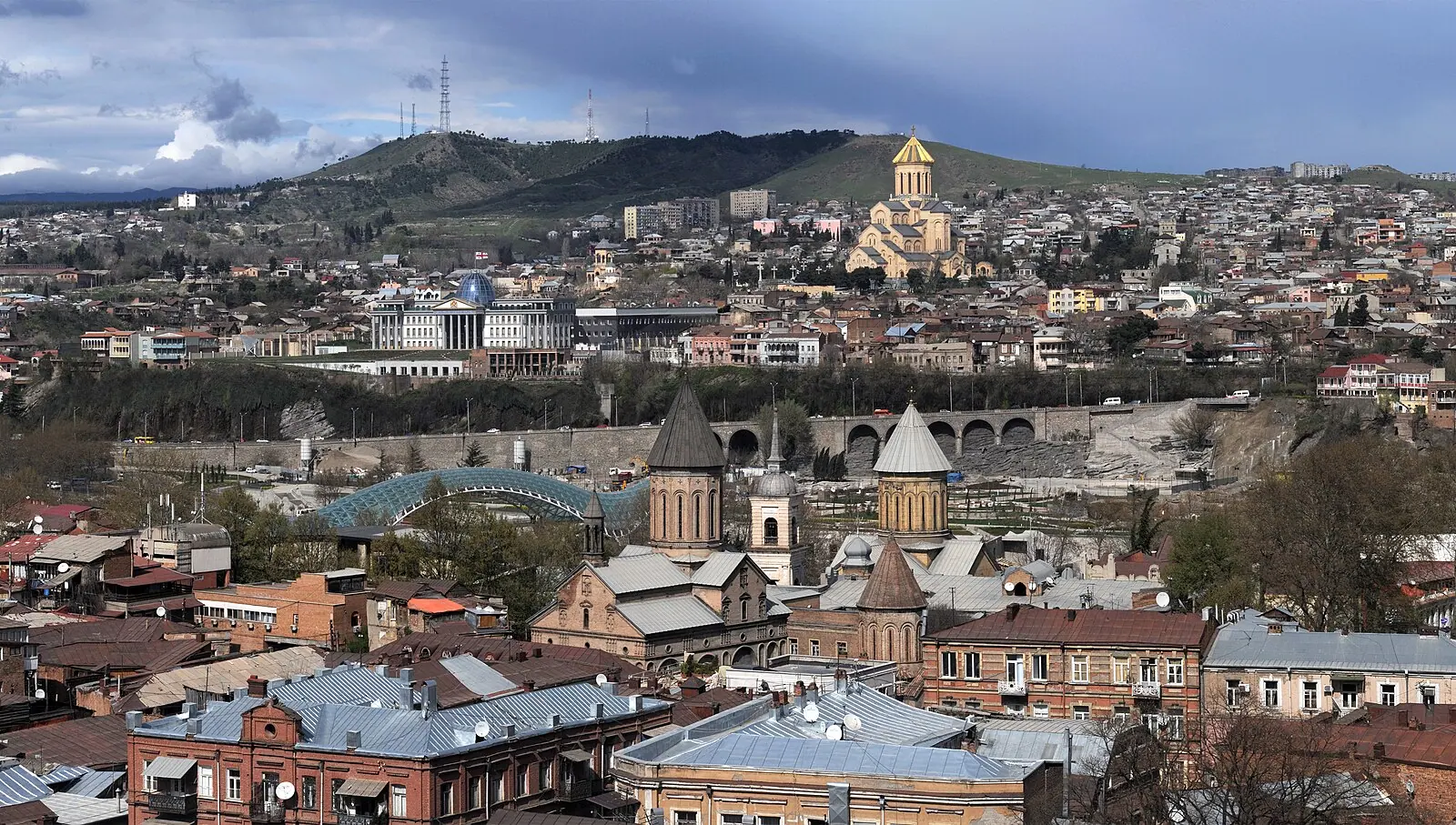
Georgia changes character with the calendar more than almost any destination its size: one month it is wine cellars and wildflower meadows, the next it is a Black Sea beach strip or a snowbound valley of stone towers. Choosing your dates well decides whether you spend your days hiking to a mountaintop church, swimming off Batumi, or soaking in Tbilisi's sulfur baths while snow settles on the old town roofs.
Why Timing Matters More in Georgia Than Almost Anywhere
Georgia is small enough to drive across in a day, yet it stacks several climates on top of each other. The Black Sea coast around Batumi is humid and subtropical, with palm trees and heavy rainfall; Tbilisi and the eastern valleys are continental, with baking summers and mild, mostly snow-free winters; and the high Caucasus valleys of Svaneti, Khevi and Tusheti vanish under snow for roughly half the year. A single trip can put you on a pebble beach in the morning and beside a glacier-fed river in the afternoon, but only if the season cooperates.
That is why the honest answer to "when should I go?" depends on what you want to do. Most first-time visitors spend five to seven days combining Tbilisi, the cathedral town of Mtskheta, the mountain village of Stepantsminda below Kazbegi, and the wine country of Kakheti. Add ten to fourteen days and you can fold in Svaneti's Mestia and Ushguli, the cave monastery of Vardzia, Kutaisi's Imereti caves and the Batumi seafront. Late May to June and September to October give you the widest choice of open roads and comfortable temperatures; late July and August belong to the coast; January and February belong to the ski slopes.
Spring (March to May): Blossoms, Budding Vines and Quiet Old Towns
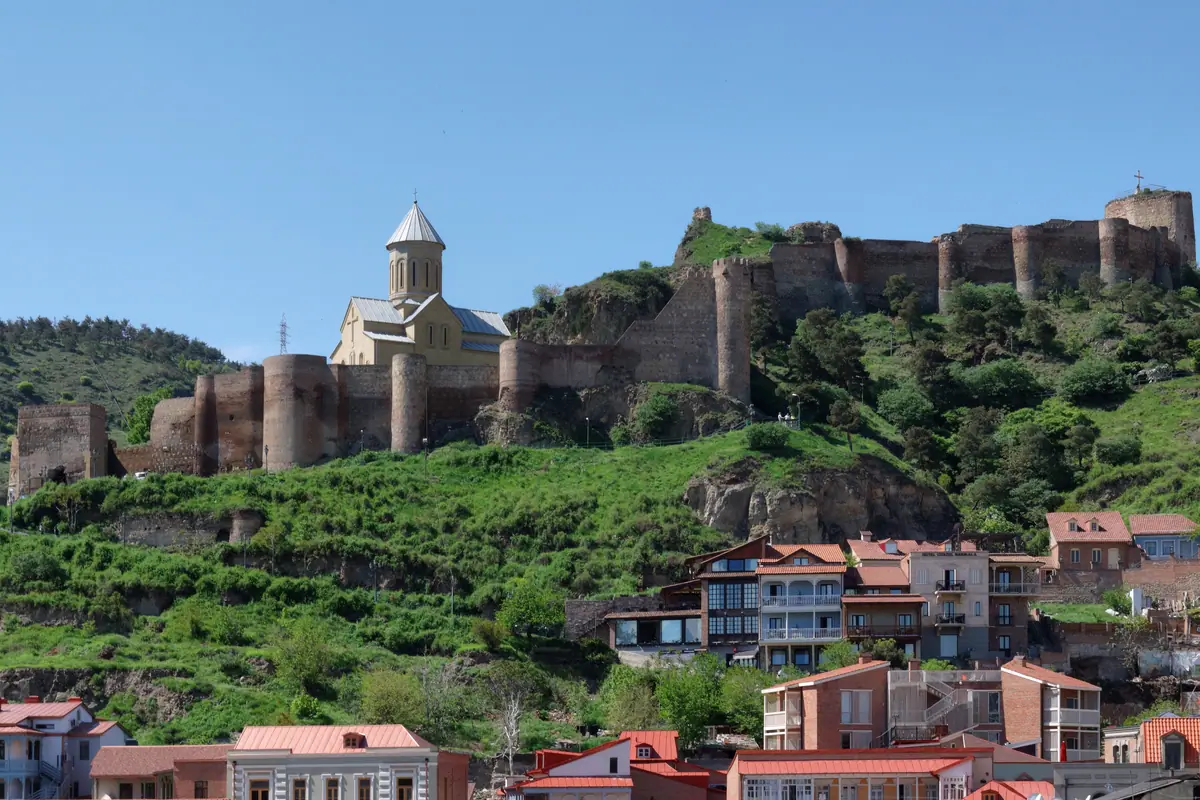
March still feels like winter in the mountains, but by April Tbilisi turns pleasant and cafe terraces along Rustaveli Avenue fill up again. May is the sweet spot: the city is green and warm without the summer heat, and crowds are a fraction of their August size. This is the season for wandering the Old Town's crooked lanes, riding the cable car up to Narikala Fortress for the classic view over the river, descending into the steam of the Abanotubani sulfur baths, and taking the funicular to Mtatsminda Park for sunset. Hotel rates sit comfortably below their summer peak, and you can often decide on a room a week or two before arrival.
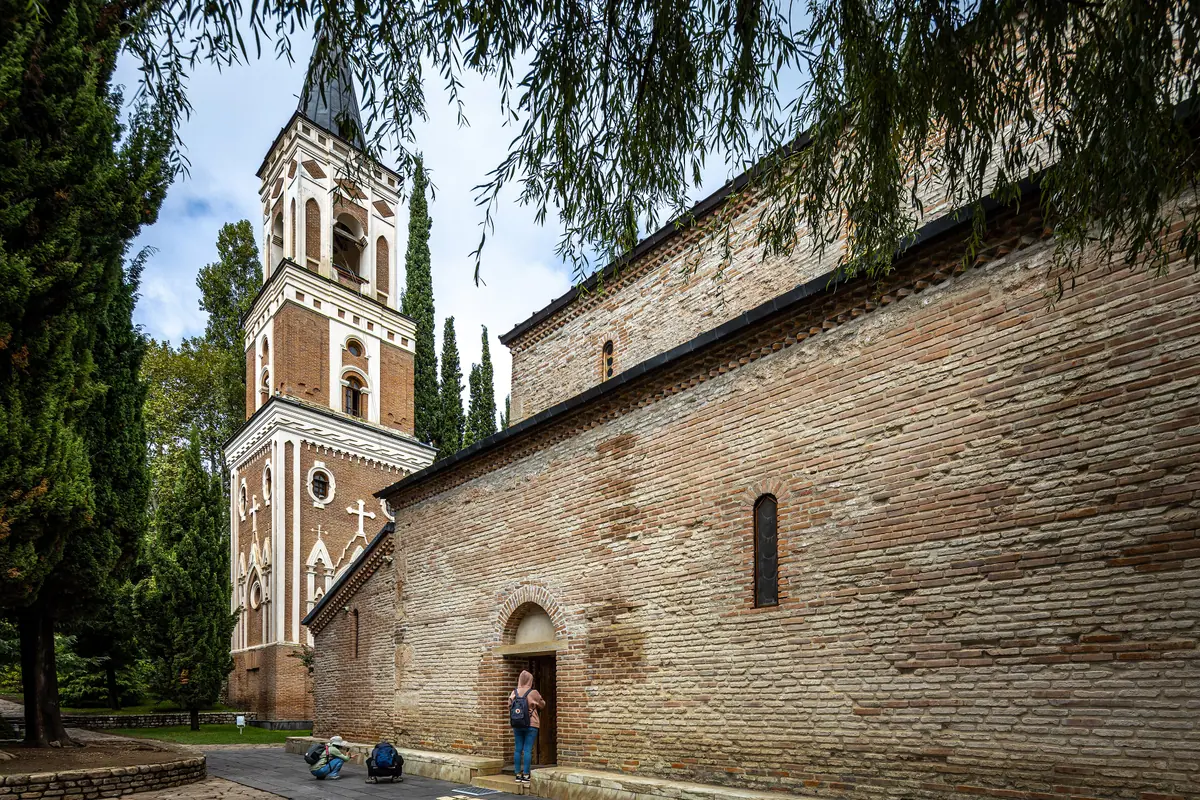
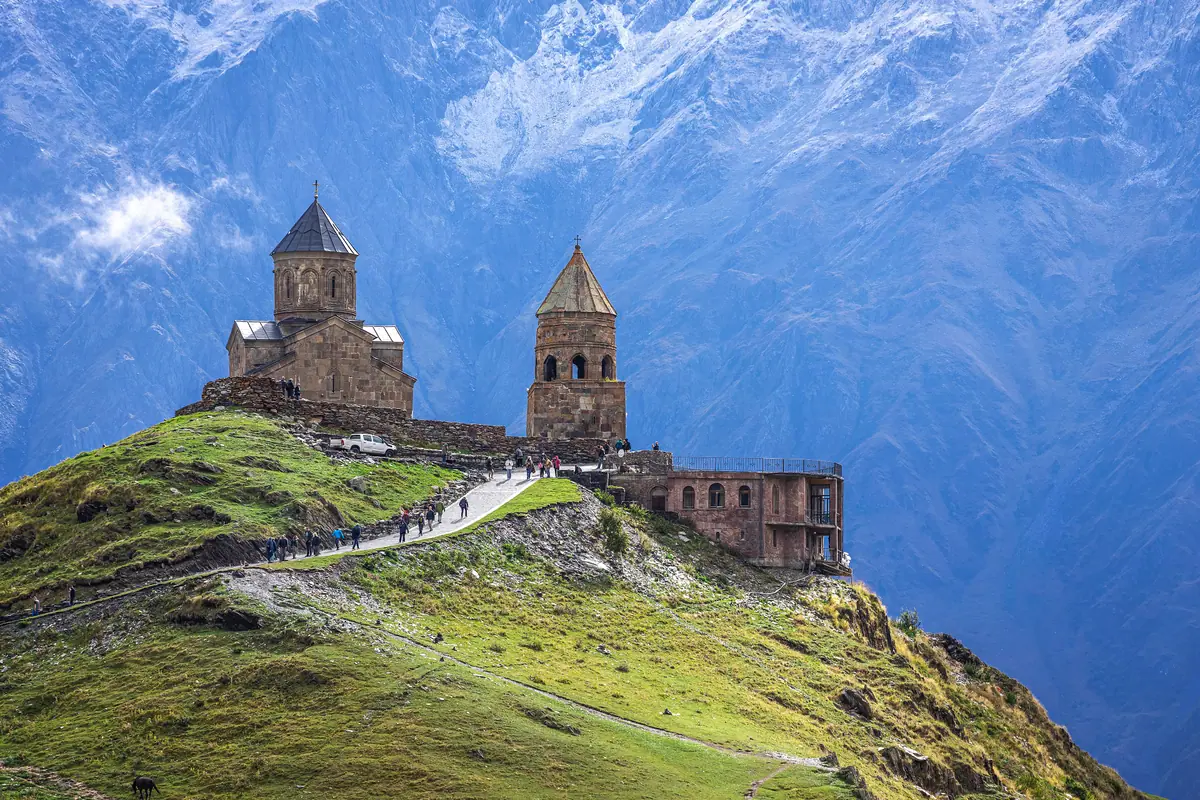
Spring is also the time to push out into the countryside before the heat arrives. In Kakheti, the vines are leafing out around Telavi, Sighnaghi and the Alaverdi Cathedral, and family wineries are happy to pour a tasting without a reservation. The rock-hewn town of Uplistsikhe and the cliff-carved monastery of Vardzia are far more enjoyable in mild April and May weather than in high summer. Do keep in mind that the high passes wake up late: the Abano Pass into Tusheti usually opens only in late June, and while the Georgian Military Highway to Stepantsminda and the Gergeti Trinity Church is reachable year-round, snow can linger on the upper trails into May.
Summer (June to August): Black Sea Beaches and High Mountain Trails
Summer splits the country in two. On the coast, Batumi becomes a full-blown resort: the long seafront promenade of Batumi Boulevard fills with cyclists and families, the Botanical Garden spills down toward the water, and the moving sculpture of Ali and Nino draws a crowd every evening. The beaches are pebbly rather than sandy, the sea is warm from June onward, and August is the busiest and priciest month of the year here — seafront hotels in Batumi are best reserved two to three months ahead, and rooms with a view command a serious premium.
Inland, the heat pushes people upward. July to September is the prime window for the mountains: hiking from Stepantsminda up to the Gergeti Trinity Church beneath Mount Kazbek, trekking between the stone tower villages of Svaneti around Mestia and Ushguli, or crossing into remote Tusheti once the pass is clear. Tbilisi itself can climb into the mid-thirties, so smart travellers sightsee early, retreat during the hottest hours, and re-emerge for long dinners and the illuminated Bridge of Peace after dark. Even in midsummer, mountain evenings turn cold enough for a jacket.
Autumn (September to November): Harvest Season and Golden Light
Autumn is the connoisseur's choice. September and October bring warm, stable days, cool nights and the grape harvest known as rtveli, when Kakheti's cellars — around Telavi, Sighnaghi and the monastery wineries of Alaverdi — fill with pickers and the smell of fermenting saperavi. This is the best stretch of the year for combining city, wine country and mountains in one trip, and the light turns gold in a way that flatters every photograph of Svaneti's towers or the churches of Mtskheta.
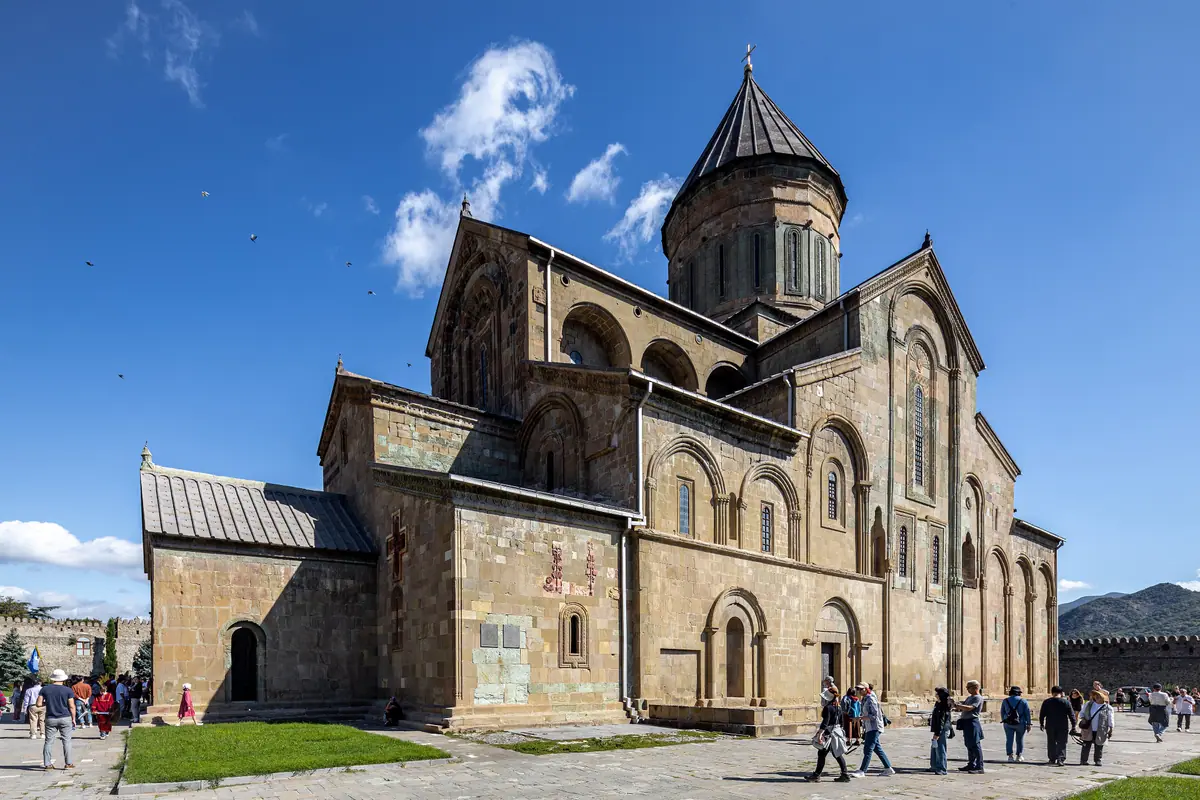
October is when Svaneti's slopes glow with turning birch and the snow line creeps down behind Ushguli, while Mtskheta's Svetitskhoveli Cathedral and the hilltop Jvari Monastery remain easy, uncrowded day trips from Tbilisi. Further west, Gelati Monastery outside Kutaisi, the caverns of Prometheus Cave and the green gorge of Martvili Canyon are all comfortable to visit before the rains set in. By November the Black Sea coast turns wet and quiet, prices drop across the board, and the capital settles into its cozy, wine-bar-and-bathhouse mode — a bargain month if you don't mind carrying an umbrella.
Winter (December to February): Ski Slopes, Sulfur Baths and City Comfort
Georgia's ski season runs roughly from December into March, sometimes April on the higher slopes. Gudauri, perched high on the Georgian Military Highway, offers open, above-the-tree-line terrain and reliable snow; Bakuriani, further south, is lower, gentler and better suited to families and beginners. Mestia in Svaneti has its own small ski area, which pairs brilliantly with a day of tower-spotting and cold mountain air. The two weeks around New Year and Orthodox Christmas on 7 January are the busiest of the entire winter — mountain lodges and Tbilisi boutique hotels fill weeks in advance, so book those dates early.
Winter is also Tbilisi's most atmospheric season. Snow on the carved wooden balconies of the Old Town, steam rising off the Abanotubani baths, long lunches of khachapuri and khinkali, and low hotel rates outside the holidays make the capital a genuinely pleasant cold-weather city. The trade-offs are in the mountains: the highway north to Stepantsminda can close during heavy snowfall, Svaneti's road from Mestia to Ushguli is frequently impassable, and Tusheti is cut off entirely until the pass reopens in early summer. Check road conditions before committing to a winter mountain plan, and keep a flexible day in Tbilisi as a backup.
Where to Base Yourself, Season by Season
In Tbilisi, the Old Town around Abanotubani and Sololaki puts you within walking distance of the baths, Narikala Fortress and the best wine bars, while Vake and Vera suit travellers who want quiet, leafy streets and easy access to the museums. Batumi's seafront towers are the obvious summer choice, but the older streets behind the boulevard hide smaller guesthouses that cost less and feel more local — just book early for July and August. In the mountains, Stepantsminda runs on guesthouses with balconies facing the Gergeti Trinity Church, and Svaneti's Mestia is full of family-run stays that serve enormous home-cooked dinners.
Kakheti rewards anyone who stays overnight rather than day-tripping: wine-estate guesthouses in Telavi and Sighnaghi let you taste without watching the clock. Kutaisi works well as a winter or autumn base for Gelati Monastery and the Imereti caves, and it is often the cheapest place to sleep in the country. As a rule of thumb, reserve two to three months ahead for the Batumi coast in July and August, the New Year and Christmas holidays, and February ski weekends; in the shoulder months of May, September and October you can usually book a week or two out and still find something characterful. January and February, outside the holidays, are the quietest and most affordable weeks for city hotels.
Frequently asked questions
What is the best month to visit Georgia overall?
For a trip that mixes cities, wine country and mountains, late May to mid-June and September to October are the strongest windows: mild temperatures, open roads and manageable crowds. Choose August if you want the Black Sea coast at its warmest, and January or February if skiing in Gudauri or Bakuriani is the priority.
How far ahead should I book hotels in Georgia?
Reserve two to three months ahead for Batumi seafront rooms in July and August, for the New Year and Orthodox Christmas period, and for ski lodges in Gudauri and Bakuriani during February weekends. In the shoulder months of May, September and October, booking a week or two in advance usually still leaves plenty of good options.
Is winter a good time to visit the Georgian mountains?
It depends where. Gudauri and Bakuriani are at their best, with reliable snow from December into March. Stepantsminda and Kazbegi are reachable but the highway can close in heavy snowfall, and Svaneti's upper road to Ushguli is often blocked. Tusheti is inaccessible from roughly October until the pass opens again in late June.
How many days do I need in Georgia?
Five to seven days covers Tbilisi, Mtskheta, Kazbegi and a night in Kakheti's wine country at a comfortable pace. Allow ten to fourteen days if you want to add Svaneti, Vardzia, Kutaisi's caves and the Batumi coast without spending most of your trip in a car.
What should I pack for Georgia?
Layers are essential in every season: mountain evenings stay cold even in July, while Tbilisi in summer is genuinely hot. Bring a waterproof jacket for Batumi, which is the wettest part of the country, sturdy shoes for cobbled old towns and rocky trails, and modest clothing if you plan to enter monasteries and churches, where shoulders and knees should be covered.
Sort the rest of your trip
Everything for Georgia, in one place
Transfer in Georgia
Private driver waiting on arrival — no queues, no surprises.
Book a transfer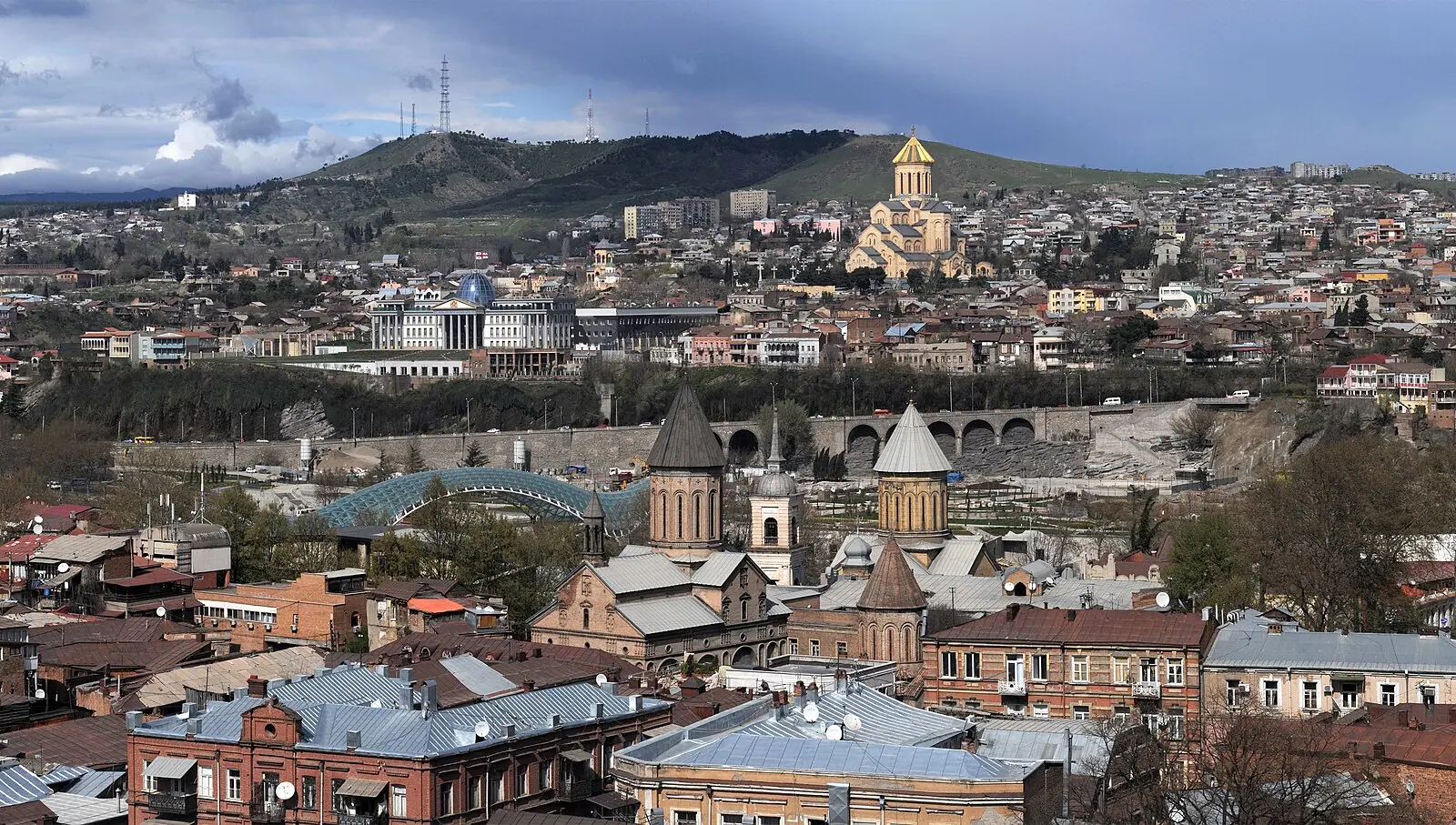
Things to do in Georgia
Skip-the-line tickets, guided tours and standout experiences.
See experiences
Stay online in Georgia
Travel eSIM — data the moment you land, no roaming bills.
Get an eSIM