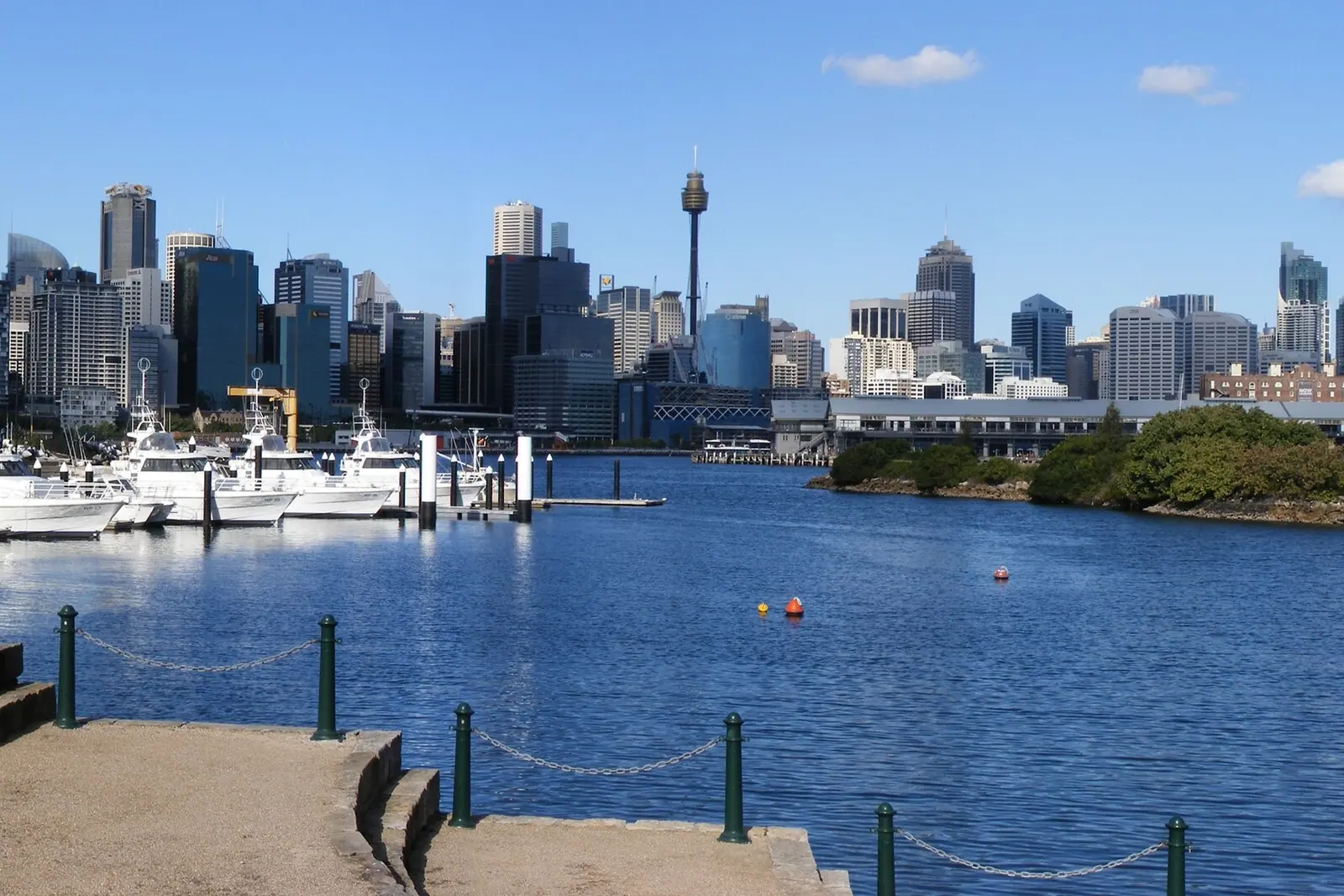
Fiji is not one place but a web of them: more than 330 islands where a Sunday lovo smokes underground, a kava bowl goes round a thatched bure, and the reef outside your door is louder than any road. Travel it well and you'll eat your way through two culinary traditions, learn to clap before you drink, and find that the most memorable attractions are usually the people sitting opposite you.
What Fiji Tastes Like: Lovo, Kokoda and Indo-Fijian Curry
The defining Fijian meal is the lovo, an earth oven lined with volcanic stones fired until they glow. Pork, chicken, taro, cassava and palusami — bundles of taro leaf packed with coconut cream, onion and chilli — are wrapped in banana leaves, lowered in and buried for two to three hours. The result is smoky, faintly sweet and impossible to fake in a hotel kitchen. Lovos happen on Sundays, at weddings and village fundraisers, and weekly at many resorts, usually announced by a lali drum.
Then there is kokoda: cubes of fresh walu or mahi-mahi cured in lime juice and folded through thick coconut cream with red onion, tomato and chilli, served chilled in a coconut shell. Eat it within an hour of it being made. Fiji's other great kitchen is Indo-Fijian — roti, dhal, goat curry, tamarind, fenugreek and mustard seed — sharing menus with Chinese-Fijian dishes like chop suey and topoi dumplings. Snack on babakau fried dough, samosas and roti parcels, and finish with vakalolo, a cassava and coconut pudding steamed in banana leaf.
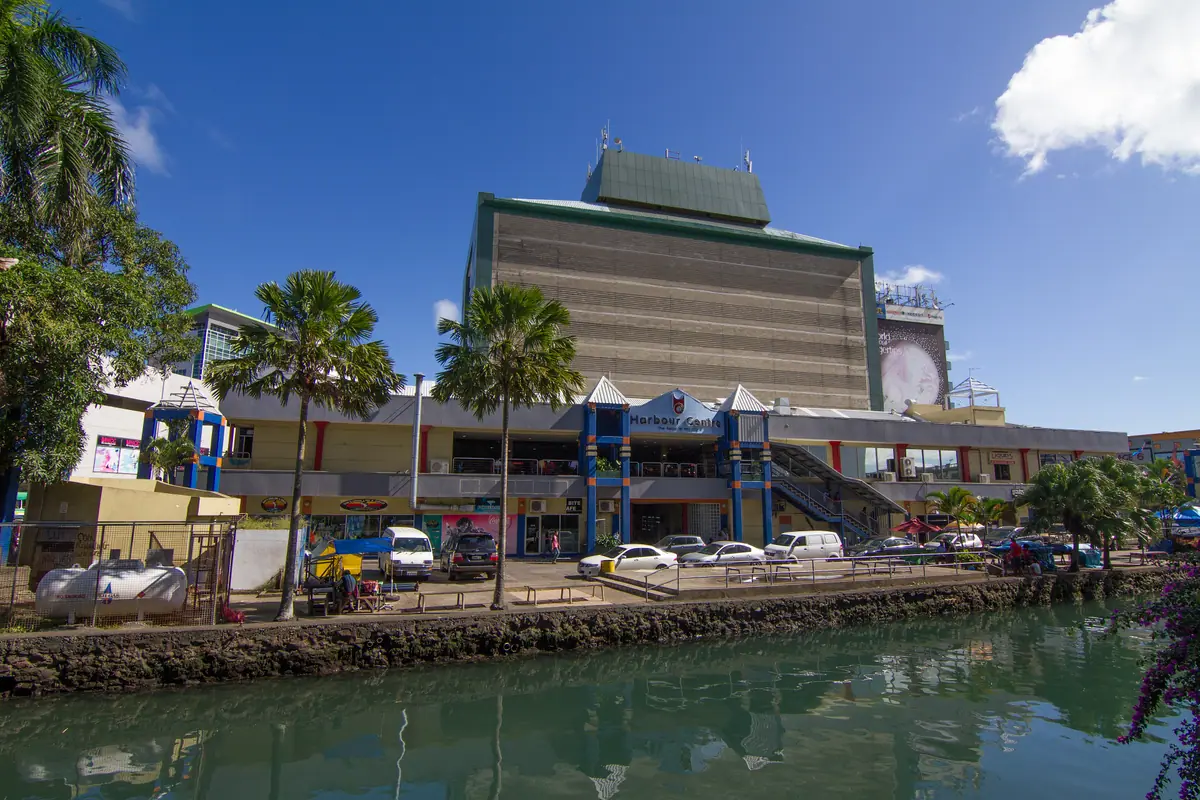
Kava, Meke and Village Etiquette: How to Be a Good Guest
A village visit traditionally begins with sevusevu: you present a bundle of waka, dried pounded kava root, to the village headman. It is mixed in a huge wooden tanoa, strained, and served in a bilo, half a coconut shell. Clap once, say "bula", drink it in one, hand the cup back and clap three times. The taste is earthy and peppery and it numbs your tongue; it is not alcohol, but a dozen bowls will soften your legs. The high-pitched "taki" cry you hear is a mark of respect.
Meke is Fiji's dance tradition — the lali slit drum, women's seasea fan dances, men's club dances, songs about fishing, war and the sea. On Beqa Island the Sawau clan performs vilavilairevo, walking barefoot across stones heated for hours; it is a hereditary practice rather than a floorshow, and worth seeking out at a village fundraiser or church event instead of a resort stage.
Cover shoulders and knees, remove hats and sunglasses, never touch anyone's hair, and take your shoes off before entering a bure. Ask before photographing people, don't stand over those seated, and expect Sunday to be quiet — church singing here is extraordinary, and visitors dressed modestly are usually welcome. Learn bula and vinaka. In Nadi and Suva, a large Indo-Fijian community means Hindu temples, Diwali lights in October or November, and excellent roti shops.
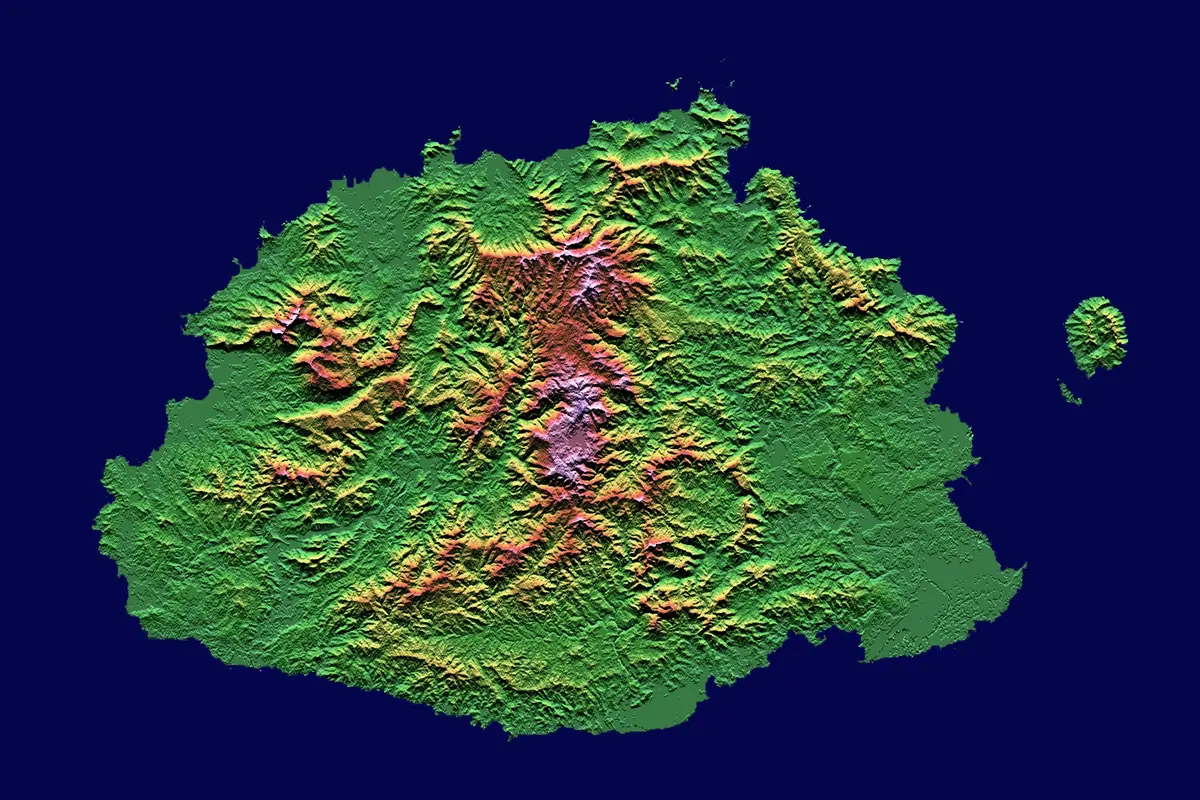
Suva, the Coral Coast and Beqa: The Big Island's Greatest Hits
Start in Suva, the hilly capital, at the Fiji Museum in Thurston Gardens — the finest collection of Fijian artefacts anywhere, from great war canoes and whale-tooth tambua necklaces to missionary-era objects. Nearby are the old colonial waterfront hotel, Albert Park, Ratu Sukuna Park, the Presidential Palace and the two-storey Suva Municipal Market. Half an hour out of town, Colo-i-Suva Forest Park offers walking trails, cold swimming holes and birdsong.
The Coral Coast road runs between Nadi and Suva with Sigatoka as its gateway. Sigatoka Sand Dunes National Park is a one to two hour walk across dunes scattered with ancient pottery shards and burial sites; Natadola Beach, further along, is the best white sand on Viti Levu, with horses, gentle surf and reef offshore. A jet-boat trip up the Sigatoka River, past gorge walls and sugarcane, ends at a village where lunch is usually included.
At Pacific Harbour, boats run out to Beqa Lagoon for baited dives among bull and tiger sharks and spectacular soft coral, while the Navua River offers rafting through rainforest. Beqa itself is the home of the firewalkers — a small island with a very large reputation.
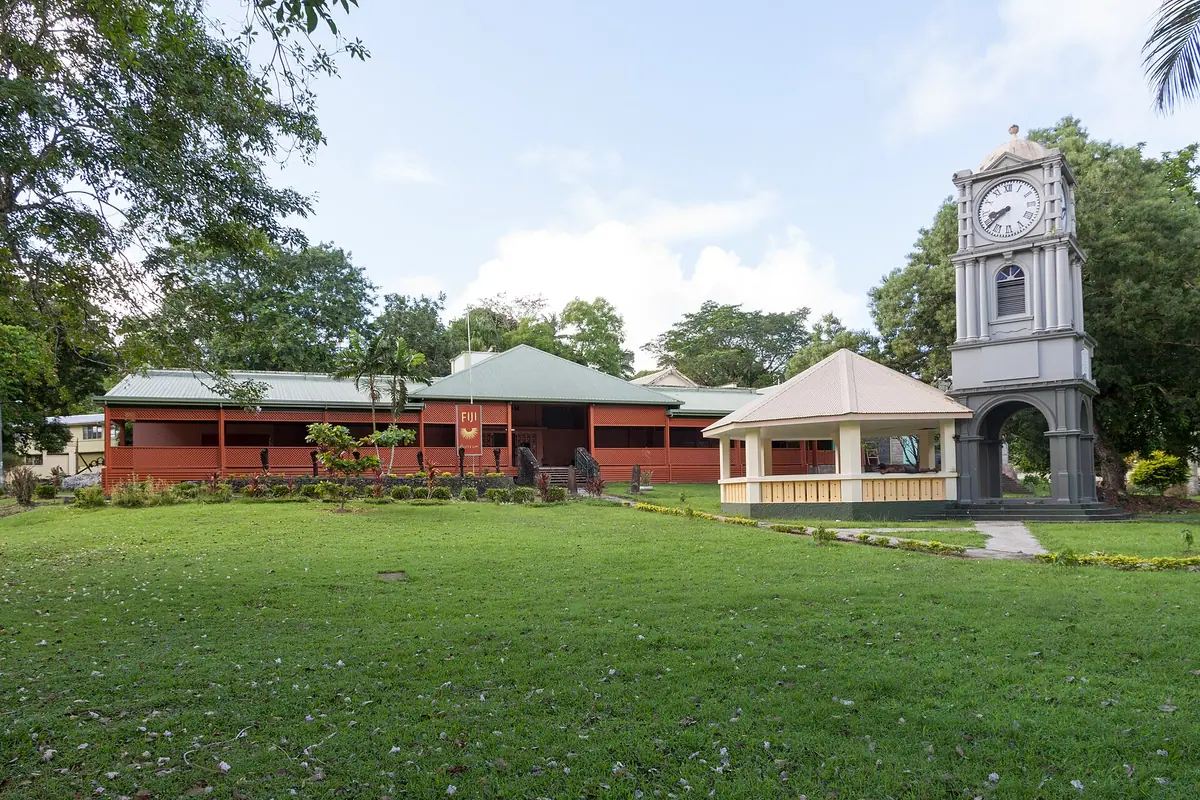
Nadi, Denarau and the Sleeping Giant: Gateway Sights Worth More Than a Transit Stop
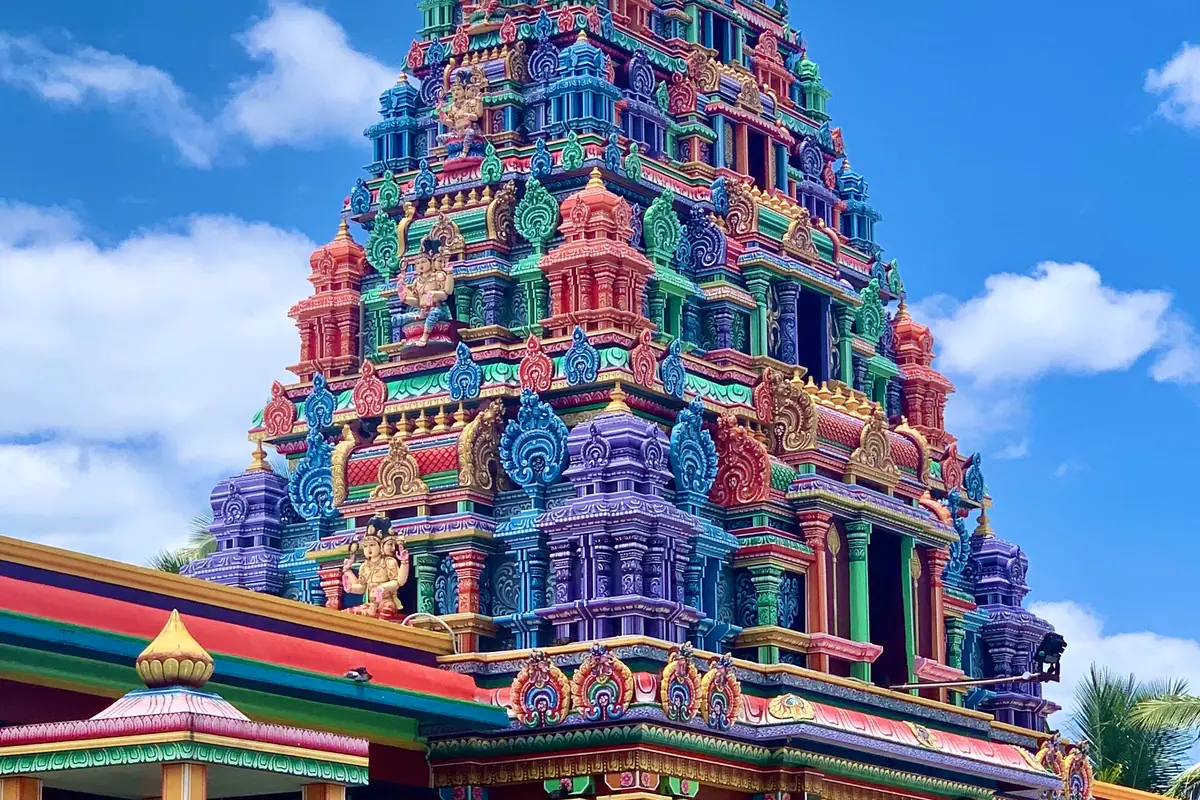
Nadi's showpiece is the Sri Siva Subramaniya Swami Temple, the most colourful Hindu temple in the southern hemisphere, with a carved Dravidian gopuram and ceiling frescoes painted by craftsmen brought from India. Dress modestly, remove shoes, and leave the camera outside. Ten minutes away, the Nadi Produce Market and adjoining handicraft stalls are the cheapest, friendliest introduction to Fijian fruit you'll get.
Inland, the Garden of the Sleeping Giant sits at the foot of the Sabeto range, begun as a private orchid collection by a Hollywood actor in the 1970s and now holding more than 2,000 orchid species along shaded boardwalks and lily ponds — allow 45 minutes to an hour. Just down the road, the Sabeto Hot Springs and Mud Pool lets you paint yourself in volcanic mud before soaking in geothermal pools.
North of the airport, Viseisei Village is traditionally the landing place of Fiji's first ancestors, with a monument and a handsome church worth a 20-minute stop; the Vuda Lookout nearby frames Nadi Bay and the Mamanuca islands. Denarau Island, ten minutes from the airport, is resort territory and, more usefully, the departure point for almost every island ferry.
The Mamanucas and Yasawas: Reefs, Blue Lagoons and a Cave You Swim Into
The Mamanucas are around 20 small islands reached by catamaran from Port Denarau in 30 to 60 minutes. Fringing reefs make them ideal for first-time snorkellers, and day trips, three-night resort stays and sandbar picnics are all easy to arrange. Surfers come for the long left-hand reef break off Tavarua, and the uninhabited island of Monuriki — used as a Hollywood castaway location — is a popular stop.
Further out, the Yasawas stretch north in a chain of about 30 volcanic islands. The Blue Lagoon at Nacula is the postcard, but the real highlight is Sawa-i-Lau, where you swim through a submerged tunnel into a dark inner chamber that glows faintly as your eyes adjust. Village homestays, guided ridge walks and snorkelling with reef sharks off Kuata fill the days.
Conditions matter here. The dry season, roughly May to October, brings clearer water, often 30 metres of visibility, and sea temperatures of 24 to 28°C. Multi-day ferry passes let you hop off at an island and catch the next boat a few days later; humpback whales pass through from June to September. Book island transfers well ahead for July, August and the Christmas period.
Taveuni, Savusavu and Levuka: The Quieter, Older Fiji
Taveuni, the Garden Island, is where Fijians go on holiday. Bouma National Heritage Park protects rainforest and the Tavoro Falls, three waterfalls with swimmable pools reached by a 30-minute forest walk, while the Lavena Coastal Walk follows the shore for about five kilometres to a hidden cascade. Inland, Lake Tagimaucia fills an old crater and the rare tagimaucia flower blooms roughly between October and December. Offshore, the Rainbow Reef and the Great White Wall are among the country's finest dives.
Across on Vanua Levu, Savusavu is a slow copra town with geothermal springs steaming at the waterline and a market full of whatever the boats brought in that morning; the Namena Marine Reserve offshore is another world-class dive area. On Ovalau, Levuka was Fiji's first colonial capital and is UNESCO World Heritage listed for its single street of 19th-century timber buildings, reached by a short domestic flight or an inter-island ferry.
Finally, in the Ba highlands of Viti Levu, Navala is one of the last villages where rows of thatched bures are still lived in — a rare chance to see traditional Fijian architecture doing its everyday job rather than standing behind a rope.
Frequently asked questions
When is the best time to visit Fiji?
May to October is the dry season: cooler evenings, less rain, calmer seas and the clearest diving visibility. November to April is hotter, wetter and inside cyclone season, but it is quieter and greener, with excellent deals. Sea temperatures stay warm year-round, roughly 24–28°C, so swimming is always on the table.
What should a first-time visitor not miss?
At minimum: a lovo feast and a kava ceremony, the Fiji Museum and Suva Municipal Market in the capital, the Sri Siva Subramaniya Swami Temple and Sabeto mud pools near Nadi, a day or three in the Mamanucas or Yasawas, and — if you have time — the Tavoro Falls on Taveuni. Sigatoka Sand Dunes and Natadola Beach round out a Viti Levu circuit.
How do I behave at a kava ceremony?
Clap once, say "bula", drink the whole cup in one go, return it and clap three times. Sit cross-legged or with legs to one side, never with feet pointed at anyone. Dress with shoulders and knees covered, remove hats and sunglasses, and ask before taking photographs. Kava is mild and social rather than intoxicating.
How do I travel between the islands?
Catamaran ferries from Port Denarau serve the Mamanucas and Yasawas, with multi-day passes that let you hop off and rejoin a later sailing. Larger islands such as Taveuni and Vanua Levu are reached by short domestic flights or overnight ferries from Suva. On Viti Levu, local buses and shared taxis are cheap and frequent, though the Nadi–Suva road takes about three to four hours.
What food should I try first in Fiji?
Kokoda, the lime-cured raw fish in coconut cream, is the quickest introduction. After that: palusami, taro and cassava from a lovo; a roti and goat curry from an Indo-Fijian kitchen; babakau or a samosa from a roadside stall; and vakalolo for dessert. Drink straight from a young coconut and finish the day with a bowl of kava.