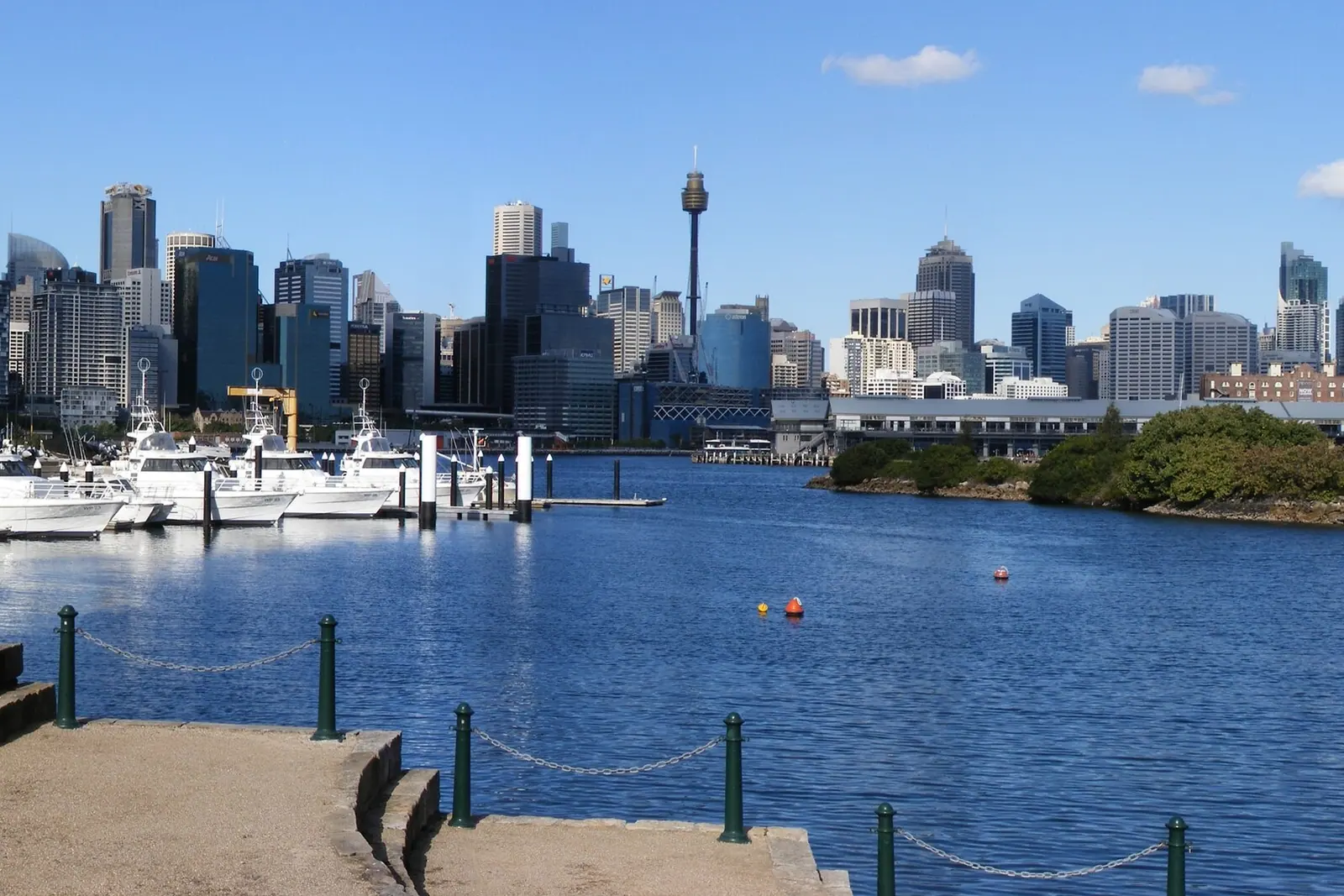
Fiji is not one island but an archipelago of more than 300, and a single week is enough to taste the best of it if you plan your hops carefully. This route stitches together the volcanic west coast, the picture-perfect Mamanucas, the limestone caves and manta channels of the Yasawas, the Coral Coast's dunes, the colonial capital, and — if you have one more flight in you — the waterfalls of Taveuni.
Days 1–2: Land in Nadi and Settle Into the Sabeto Valley
Almost every long-haul flight into Fiji touches down at Nadi International Airport on the dry western side of Viti Levu, usually in the early morning after an overnight crossing from North America or late evening from Australia and New Zealand. The airport sits about fifteen minutes from the small guesthouses and beach bars of Wailoaloa Beach and twenty-five minutes from Denarau, where the big resorts and the marina cluster. If you land after dark, resist the urge to push straight onto an island — stay one night near Nadi, sleep off the flight, and let the heat and the humid air do their work on you.
Day two is for the west coast's odd and wonderful mix of sights. Start in Nadi town at the Sri Siva Subramaniya Temple, a Dravidian-style tower of orange, blue and lime that is among the most striking Hindu temples in the South Pacific — shoulders and knees covered, shoes off, and cameras away inside. Then head inland to the Sabeto Valley, where the Garden of the Sleeping Giant hides a shaded boardwalk of orchids and lily ponds beneath the ridgeline that really does look like a reclining figure. Finish at the Sabeto mud pools and hot springs, where you paint yourself grey in volcanic clay and bake dry in the sun before rinsing off.
If you have time, drive north to Viseisei Village, traditionally held to be the landing place of the first Melanesian settlers in Fiji. Dress modestly, ask before photographing anything or anyone, and if you are invited to present a bundle of kava root as a sevusevu, accept — it is the polite key to almost every village door in the country. Sleeping options run from backpacker dorms in Wailoaloa to polished resorts on Denarau, and a rental car for these two days costs less than a string of taxis.
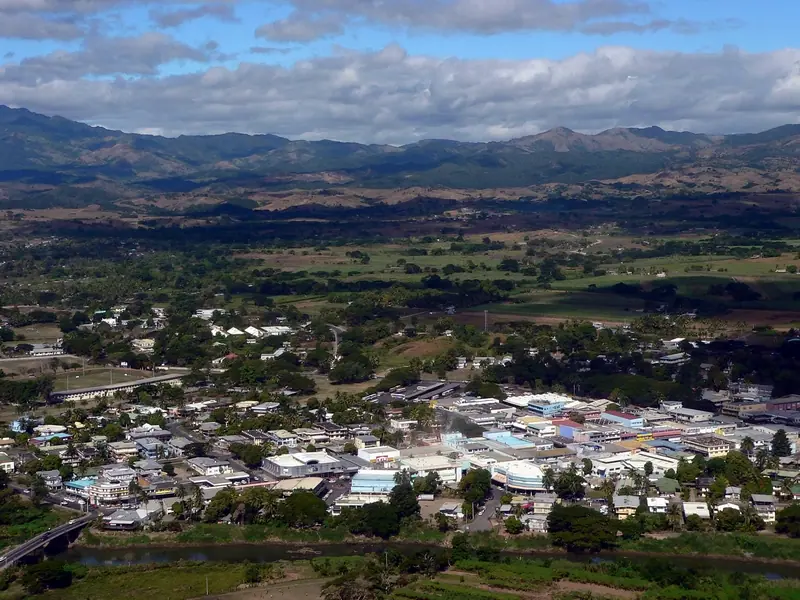
Day 3: Hop Out to the Mamanuca Islands
The Mamanucas are the postcard Fiji: twenty-odd islands scattered an hour west of Nadi, ringed by turquoise lagoons and shallow coral gardens. Most travellers reach them by high-speed catamaran from Denarau Marina, a run of thirty to ninety minutes depending on which island you're heading for, or by a short light-aircraft, seaplane or helicopter transfer of ten to twenty minutes. Note the weight limits on small aircraft — usually 15 to 20 kilograms in a soft bag — and pack accordingly, because hard-shell suitcases are awkward cargo on a six-seater.
A day trip is enough for a taster, but a night or two is what makes the Mamanucas worthwhile. Monuriki, the uninhabited island made famous by a certain castaway film, has a wild, empty beach and a steep little summit scramble with a view across the whole chain. Malolo, Mana and Modriki offer snorkelling straight off the sand, and the sandbars around Monu and the Malolo passage appear and disappear with the tide, so ask locally when the water is at its lowest. Turtles are common on the outer reefs, and the boat ride out is often accompanied by spinner dolphins.
Base yourself on one island rather than island-hopping every night — inter-island transfers eat hours you could spend in the water. Bring reef-safe sunscreen, a rash guard and more cash than you think you need, since card machines on the smaller islands are unreliable at best.
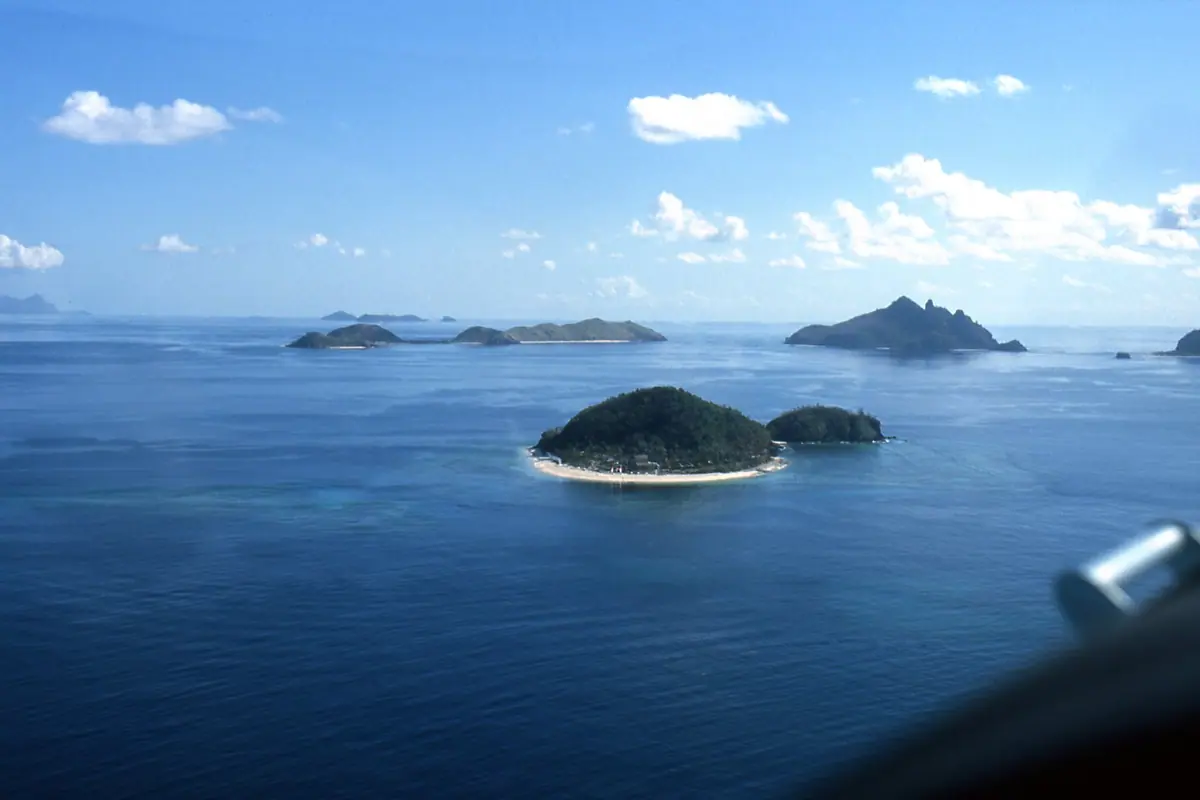
Day 4: Deeper Into the Yasawas — Caves and Manta Rays
North of the Mamanucas, the Yasawa chain stretches for nearly ninety kilometres: spiky volcanic ridges, no real roads on many islands, and villages that still run on island time. The main link is the high-speed catamaran from Denarau, which takes around four to five hours to reach the far end of the chain, with seaplanes cutting that to half an hour and some resorts running their own speedboat pickups. The Yasawas are the best argument in Fiji for slowing down: pick two islands maximum and let the boat do the rest.
The signature stop is the Sawa-i-Lau Caves, a limestone cavern on the edge of a lagoon where you swim through a submerged entrance into a second, torchlit chamber — a genuinely eerie, beautiful experience and one of Fiji's great natural landmarks. Nearby, the channel off Drawaqa Island is a known cleaning station for reef manta rays, which glide through from roughly May to October; snorkellers hang onto a rope line in the current and simply watch. At Nanuya Lailai, the Blue Lagoon lives up to the name, and a forty-minute hike to the ridge above it delivers the view you came for.
Two things to remember on the islands: Sunday is widely observed, so village shops and boat services may stop, and many Yasawa resorts have no ATMs, so carry enough cash for the whole stay. A sulu or sarong is useful for village visits, and a quiet, low-key manner will get you much further than any tip.
Day 5: The Coral Coast — Sand Dunes, Sigatoka and Natadola Beach
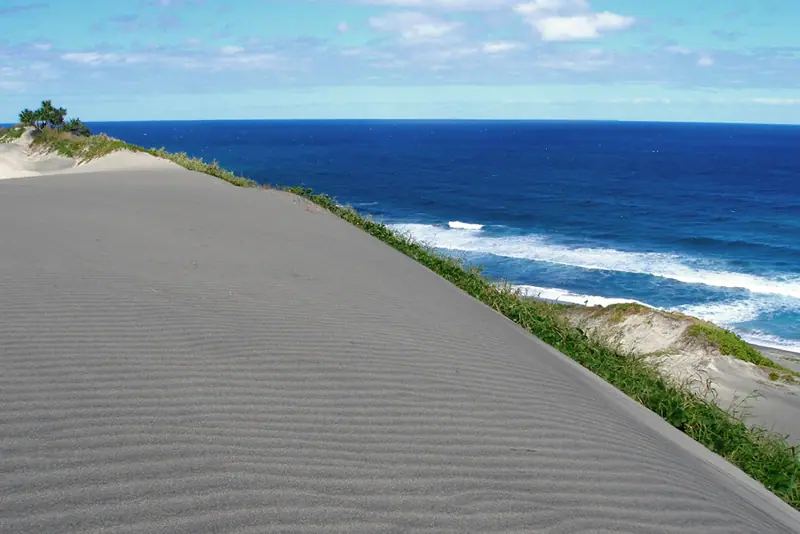
Back on Viti Levu, follow the Queens Road south from Nadi for about an hour to Sigatoka, the gateway to the Coral Coast. The Sigatoka Sand Dunes National Park, Fiji's first national park, is a strange, wind-sculpted landscape of dunes up to sixty metres high, with a one- to two-hour loop trail that passes ancient pottery shards and burial sites eroding out of the sand. It's hot and exposed, so go early, take water, and wear shoes you don't mind filling with sand.
Further along, Tavuni Hill Fort is a terraced Tongan-era stronghold above the Sigatoka River with sweeping valley views, and the pottery village of Lawai still shapes and fires clay by hand in a tradition centuries old. The Sigatoka River itself is best seen from a jet-boat safari that runs up through the gorge to a riverside village, or from a quieter kayak if you prefer to paddle yourself. End the day at Natadola Beach, a long white crescent on the southwest coast and arguably the finest beach on the main island, with horses at the water's edge and a reliable reef break offshore.
Base yourself in Korotogo, Sigatoka or one of the Coral Coast resorts, and factor in that this stretch of coast is cooler and greener than Nadi — showers roll in off the hills in the afternoon.
Day 6: Suva, the Museum and Pacific Harbour
From Sigatoka, the drive east to Suva takes around two and a half hours, and the capital feels like a different country: humid, busy, rain-fed green, with colonial-era government buildings and a working market culture that the resorts never show you. The Fiji Museum in Thurston Gardens is the essential stop, holding chiefly regalia, weapons, mission-era artefacts and a great double-hulled sailing canoe that fills an entire hall. Walk the gardens' avenue of rain trees, browse the Suva Municipal Market for kava, tropical fruit and seafood, and if the heat is getting to you, escape twenty minutes out of town to Colo-i-Suva Forest Park for waterfall pools and rainforest trails.
Half an hour west, Pacific Harbour is Fiji's adventure base. Its most famous draw is the shark dive in Beqa Lagoon, where a short boat ride takes divers twenty-odd metres down to a feeding site where bull sharks, reef sharks and the occasional tiger shark cruise past within metres — a serious, guided operation, not a casual snorkel. If diving isn't your thing, the Navua River is run by raft and canoe through a steep gorge past waterfalls and villages, and there are zip-line and off-road options in the hills behind town.
Suva is noticeably wetter than the west coast, so keep a light rain shell handy year-round. Many shops and restaurants close on Sundays, and evenings quieten down early.
Day 7 (and a Spare Day): Fly to Taveuni for Waterfalls and the Rainbow Reef
If your week has any slack, spend it on a domestic flight rather than another resort. Small twin-prop planes connect Nadi with Savusavu in about fifty minutes and with Taveuni's Matei airstrip in roughly an hour and a quarter, and the views over the reefs and volcanic peaks on the way are worth the fare alone. Book early for the June-to-September and December-to-January peaks, keep your bag under 15 to 20 kilograms, and favour morning departures — afternoon build-up in the wet season is the main cause of weather delays. The alternative is a long, slow ferry crossing of twelve hours or more.
On Taveuni, Bouma National Heritage Park is the headline: Tavoro Falls tumbles in three tiers, the first a ten-minute stroll from the road and the upper two a steep forty-five-minute climb beyond. The Lavena Coastal Walk follows the shoreline for about five kilometres each way to a hidden waterfall and a river crossing, and the natural rock chute at Waitavala makes a slippery, thrilling waterslide when the stream is running.
Divers come for the Rainbow Reef and its famous soft-coral sites, including the Great White Wall, where the reef drops away in a curtain of pale coral. Give Taveuni two or three nights minimum — a day trip from Nadi wastes the best of it. If you're staying on the main island instead, use the last day for the cool Nausori Highlands, or the cane fields and markets around Lautoka before heading back to Nadi for your flight home.
Frequently asked questions
How do you get between the islands in Fiji?
Fiji's domestic network is a mix of small twin-prop flights, high-speed catamarans and seaplanes. Light aircraft link Nadi with Savusavu, Taveuni and Labasa in under 90 minutes; catamarans run from Denarau Marina to the Mamanucas and Yasawas, taking 30 minutes to five hours depending on the island. Small planes usually cap baggage at 15–20 kilograms in soft bags, and all inter-island transport fills up in the June-to-September and December-to-January peaks, so reserve well ahead.
What is the best time of year for a one-week Fiji itinerary?
May to October is the dry season, with lower humidity, clearer water and daytime temperatures in the mid-20s to high 20s Celsius — ideal for island-hopping and diving. November to April is the wet and cyclone season: cheaper, greener and quieter, but expect heavy afternoon downpours, occasional flight delays and some resorts closing for maintenance, particularly in February.
Do you fly into Suva or Nadi?
Nearly all international flights land at Nadi on the west coast of Viti Levu, which is the practical start and end point for a week-long trip. Nausori, near Suva, handles only a limited number of regional services. Plan your route as a loop from Nadi, and leave at least three hours before an international departure if you're driving back from the Coral Coast or Suva.
How long does it take to drive around Viti Levu's highlights?
Nadi to Sigatoka and the Coral Coast is about an hour, Sigatoka to Suva roughly two and a half hours, and Suva back to Nadi around three to four hours on the northern Kings Road. Road conditions are generally good but slow, with livestock, buses and potholes to watch for, and driving after dark on rural stretches is best avoided.
Is one week enough time in Fiji?
Yes, if you keep it to one region. A satisfying week combines two nights near Nadi, a night or two in the Mamanucas or Yasawas, and a couple of days on the Coral Coast or in Suva. Taveuni and the Rainbow Reef deserve two to three nights of their own, so add them only if you can stretch the trip or skip the Yasawas.