Fiji changes character with the calendar — the dry months deliver glassy lagoons and postcard skies, while the wet season trades a little rain for lower rates, empty beaches and an interior so green it glows. Knowing which Fiji you're flying into, and which island's microclimate you're booking, is the difference between a good hotel stay and a perfect one.
Fiji's Two Seasons: Trade Winds, Downpours and Cyclone Watch
From roughly May to October, the southeast trade winds sweep across the archipelago and bring the coolest, driest, most reliable weather of the year. Daytime temperatures on Viti Levu sit around 24–28°C, humidity eases, and the sea stays a swimmable 25–27°C. On the Coral Coast and around Nadi, nights can slip to 18–20°C — worth remembering if you've booked an open-air bure with a ceiling fan rather than air conditioning.
November to April is the wet season: hotter at 26–31°C, stickier, and prone to heavy showers that usually arrive mid-afternoon and clear within an hour or two. This is also cyclone season, with the highest risk between January and March. Systems are tracked closely and resorts run practised procedures, but it's the reason many travellers choose flexible fares or comprehensive insurance for first-quarter trips.
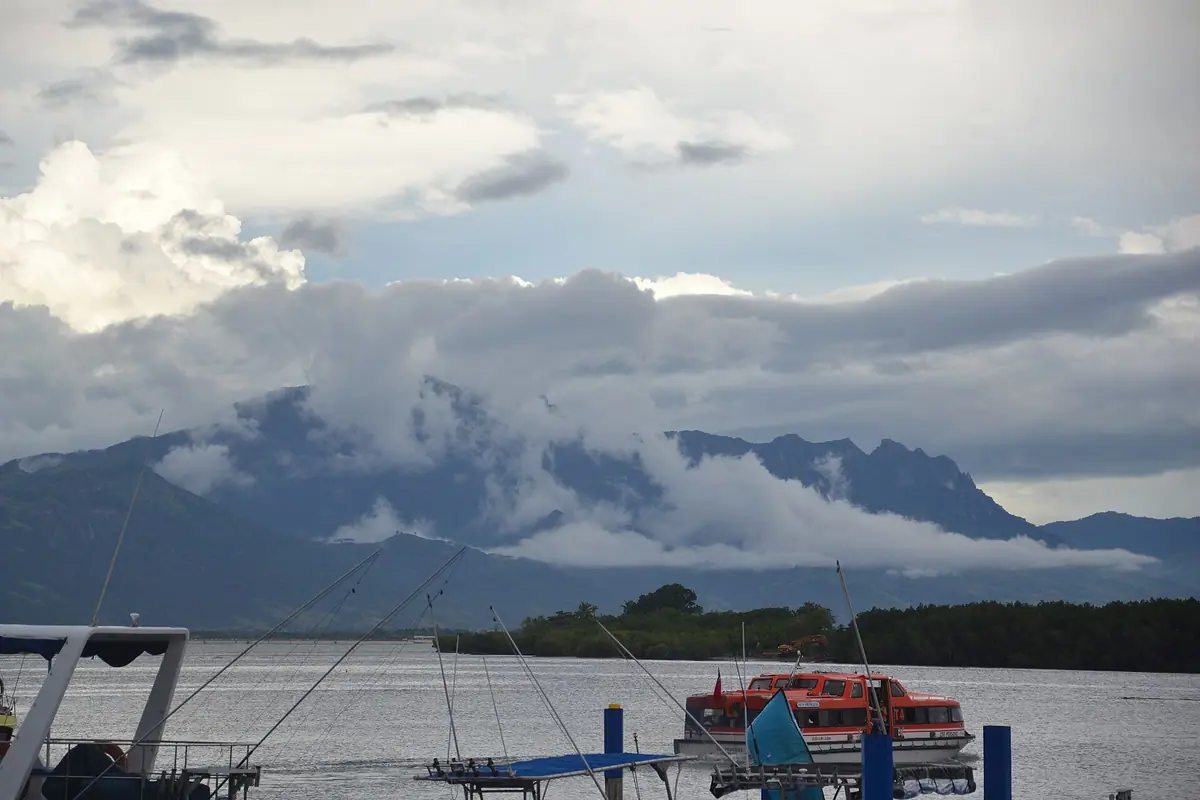
Two things stay constant. Seawater rarely drops below 25°C, so diving, snorkelling and swimming work all year. And Fiji's rainfall is wildly uneven from island to island — western Viti Levu (Nadi, Denarau, Lautoka, the Coral Coast) is noticeably drier than Suva on the windward southeast coast, while the Mamanuca and Yasawa groups sit in a rain shadow that keeps them sunny when the mainland is grey.
Month by Month: When the Islands Are at Their Best
June, July and August are the classic window: clear skies, calm seas and ideal conditions for the Yasawas' Sawa-i-Lau Caves and the Blue Lagoon at Nanuya Lailai. They're also the busiest and priciest months, coinciding with Australian and New Zealand school holidays and the peak for family resorts around Denarau and in the Mamanucas — book months ahead. May and September to October are the sweet spot: dry-season weather without peak crowds, warm water, and humpback whales still moving through the Bligh Water in early September.
Surfers aim for the southern swell season, roughly March to October, when Cloudbreak and Restaurants off Tavarua and Namotu fire on the right swells. Divers are spoiled year-round: the Rainbow Reef in the Somosomo Strait off Taveuni and the Great Astrolabe Reef off Kadavu are always diveable, the soft corals of the Great White Wall look their best in the cooler months, manta rays gather in the Yasawas between May and October, and the shark dives off Beqa Lagoon run in every season. Turtle nesting happens from November to March along Coral Coast beaches.
Where to Base Yourself: Temples, Reefs and Waterfalls
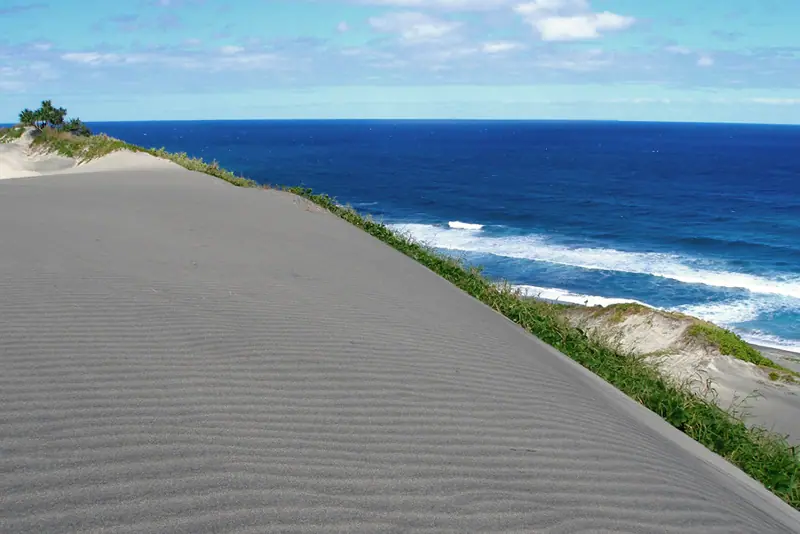
Almost every trip begins at Nadi. A short hop to Denarau puts you near the Sri Siva Subramaniya Temple, the orchid-filled Garden of the Sleeping Giant and the Sabeto Hot Springs and Mud Pools. Further along the Coral Coast, base yourself close to the Sigatoka Sand Dunes, the terraced remains of Tavuni Hill Fort and the Sigatoka River, or at Pacific Harbour for the Beqa Lagoon shark dives and Navua River excursions.
Island resorts divide neatly between the Mamanucas, an hour or so by catamaran from Port Denarau, and the wilder Yasawas to the north. Monuriki, the uninhabited island made famous by a castaway film, sits in the Mamanucas; the Yasawas hold the Sawa-i-Lau Caves, the Blue Lagoon and long empty beaches backed by coconut palms. Both groups are at their driest and brightest from May to October.
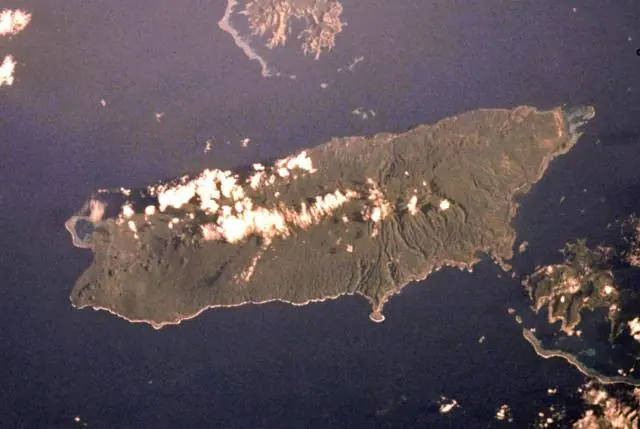
For something greener and cooler, Taveuni's Bouma National Heritage Park shelters the Tavoro Falls and the Lavena Coastal Walk, with the Rainbow Reef offshore and the international date line running across the island. Kadavu is quieter still, wrapped by the Great Astrolabe Reef, while Savusavu on Vanua Levu offers hot springs and a slow harbour-town rhythm. In Suva you'll find the Fiji Museum, Thurston Gardens and the Colo-i-Suva Forest Park, with the UNESCO-listed old capital of Levuka on Ovalau an easy side trip.
Rates, Crowds and How Far Ahead to Book
Peak pricing lands in the June–August window and again over Christmas and New Year, when minimum stays of five to seven nights are common and private-island resorts sell out up to a year ahead. Expect the widest choice and softest rates between February and April and in November, with May and October usually delivering the best balance of weather and value. Shoulder-season deals often include meal credits or free transfers rather than headline discounts.
Hotel style matters as much as timing. Mainland resorts on Denarau and the Coral Coast offer air-conditioned rooms, several restaurants and pool complexes that shrug off a rainy afternoon, making them the safest bet in cyclone season. Island stays range from barefoot bures with outdoor showers to adults-only retreats and all-inclusive private islands, plus dive lodges on Taveuni and Kadavu where packages bundle tanks and boat dives.
Book six months or more ahead for July, August and the Christmas period; two to four weeks is usually enough in the shoulder months. Transfers need planning too — catamarans leave Port Denarau for the Mamanucas and Yasawas daily, small planes and seaplanes reach the outer islands, and seats to Taveuni and Savusavu fill fast in peak season.
Microclimates: Why the Same Week Feels Different on Each Island
Fiji's weather is regional to a degree that surprises first-timers. Nadi, Denarau and the Coral Coast receive far less rain than Suva, one of the wettest cities in the South Pacific, which can be drenched while the west coast basks. The Yasawas and Mamanucas are drier again, which is why their beaches bleach white in the dry season, while Taveuni and Vanua Levu stay rainforest-green and their waterfalls run full even in the drier months.
For hotels, that shapes what to look for. On the wetter islands, favour covered verandas, indoor dining and good drying space, and treat a downpour as an invitation to a spa afternoon or a kava session. On the dry western side, shade and air conditioning matter more than rain-proofing. A handful of small island properties close for annual maintenance between January and March, so check dates before building a trip around one resort.
Festivals, Packing and Local Rhythms
Timing a stay around a festival adds colour to any trip: the Bula Festival in Nadi in July, the Hibiscus Festival in Suva later in the year, Diwali celebrations in October or November, and Fiji Day on 10 October. Sundays remain quiet in many towns and villages, with shops shut and a gentler pace everywhere — plan a beach day rather than a shopping day.
Pack light cotton and quick-dry clothing, reef-safe sunscreen, insect repellent, reef shoes for coral, a light rain shell if you're travelling between November and April, and a sarong or sulu for village visits. If you're invited into a village, a sevusevu gift of kava is the traditional courtesy, shoulders and knees should be covered, and hats are usually removed.
Frequently asked questions
What is the best month to visit Fiji?
July and August offer the most reliable dry weather, calm seas and clear skies, but they're also the busiest and most expensive. Late September and October give you similar conditions with fewer crowds, while May is a strong value pick.
When is cyclone season in Fiji?
Officially November to April, with the greatest risk from January to March. Resorts have established procedures and storms are tracked well in advance, but flexible bookings and comprehensive insurance are wise for travel in that window.
Is Fiji worth visiting in the wet season?
Yes, if you accept humidity and short, heavy afternoon showers. You'll find the lowest hotel rates, thinner crowds and a spectacularly green landscape — though some small island resorts close for maintenance between January and March.
Which part of Fiji has the best weather?
The western side of Viti Levu — Nadi, Denarau and the Coral Coast — plus the Mamanuca and Yasawa islands are driest and sunniest. Suva, Taveuni and Vanua Levu are noticeably wetter and lusher, so choose your base to match the conditions you want.
How far in advance should I book a Fiji hotel?
Six months or more for June to August and the Christmas period, when minimum-night stays apply and private islands sell out. In shoulder months like May, October and November, two to four weeks is often enough — but book domestic flights early year-round.
Sort the rest of your trip
Everything for Fiji, in one place
Transfer in Fiji
Private driver waiting on arrival — no queues, no surprises.
Book a transfer
Things to do in Fiji
Skip-the-line tickets, guided tours and standout experiences.
See experiences
Stay online in Fiji
Travel eSIM — data the moment you land, no roaming bills.
Get an eSIM