Ethiopia is not a country you tick off — it is one you sit down with, share a plate with and get happily lost inside. From the rock-hewn churches of Lalibela to a jebena of coffee poured three times in a Addis Ababa courtyard, every day folds food, faith and landscape into the same conversation.
Addis Ababa: Coffee, Merkato and Your First Taste of Ethiopia
Most journeys begin in the capital, sitting at around 2,355 metres, which is high enough that a slow first afternoon genuinely matters. Ease in with the National Museum of Ethiopia, where the 3.2-million-year-old hominid skeleton known as Dinkinesh — Lucy to most of the world — anchors a collection that traces the country's deep human story. Nearby, Holy Trinity Cathedral glitters with stained glass and imperial tombs, while the Entoto hills above the city offer eucalyptus-scented trails and long views over a skyline of half-built towers and tin roofs.
Then surrender to Merkato, the vast open-air market where sacks of berbere, cumin and dried chillies bleed colour into the air and traders call out in Amharic and Oromiffa. This is the right place to buy coffee beans, woven baskets and shawls, though it helps to go with someone local, both for navigation and for fair prices.
For lunch, order shiro or firfir in a neighbourhood restaurant and watch how quickly the room fills at midday. In the evening, an azmari bet — a traditional music house — pairs live masenqo fiddle and krar lyre with tej, a golden honey wine served in a flask-shaped glass. You will very likely be pulled up to dance the eskista, a shoulder-shimmying move that looks easy and is not.
The Northern Historic Circuit: Lalibela, Gondar, Axum and Bahir Dar
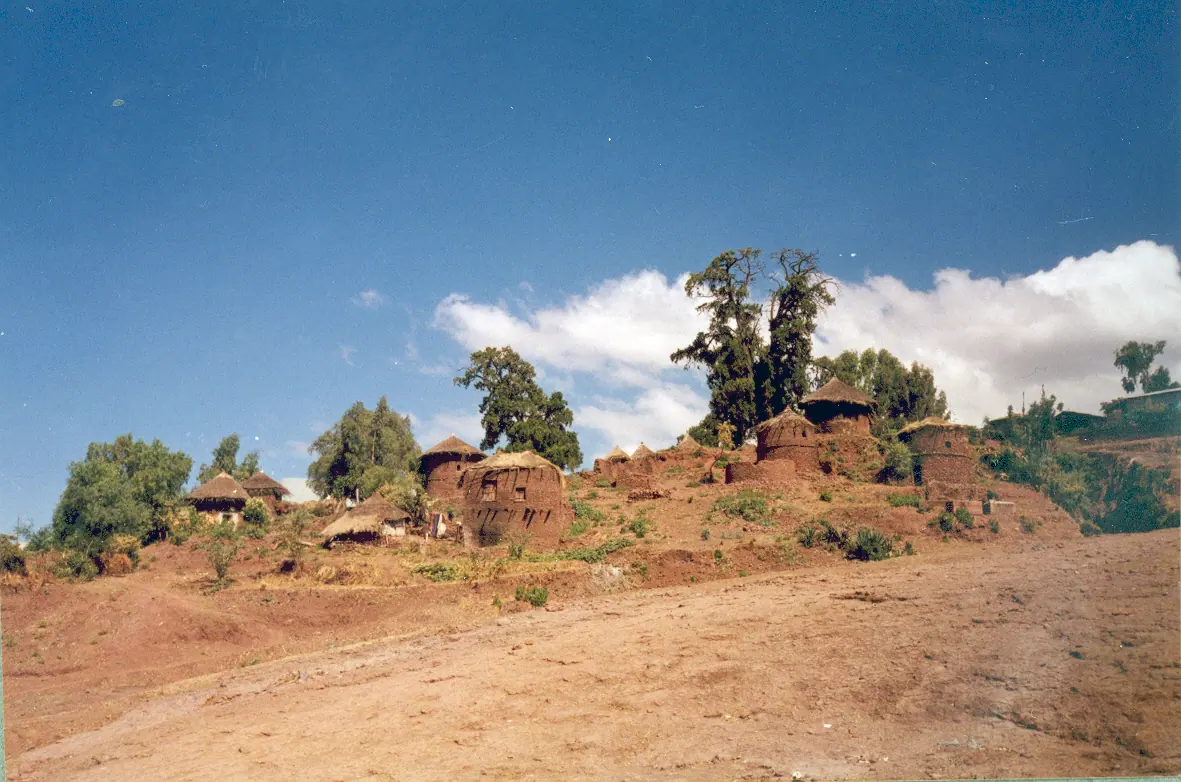
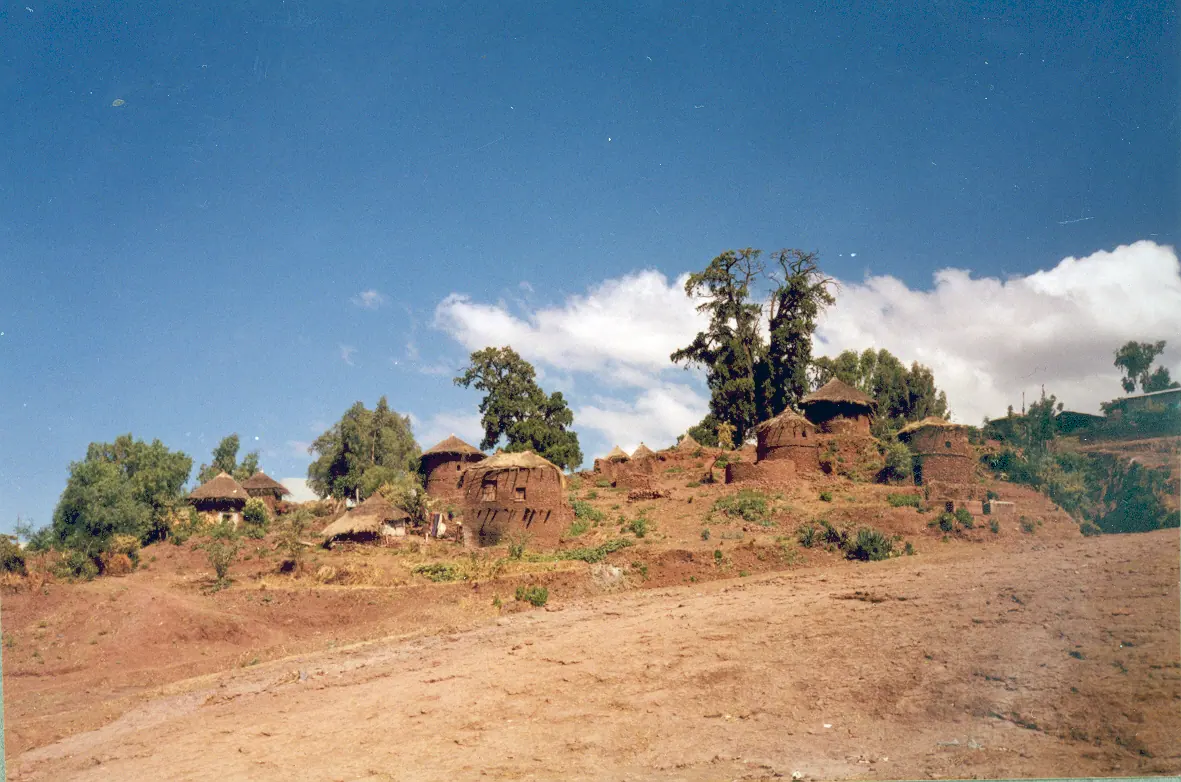
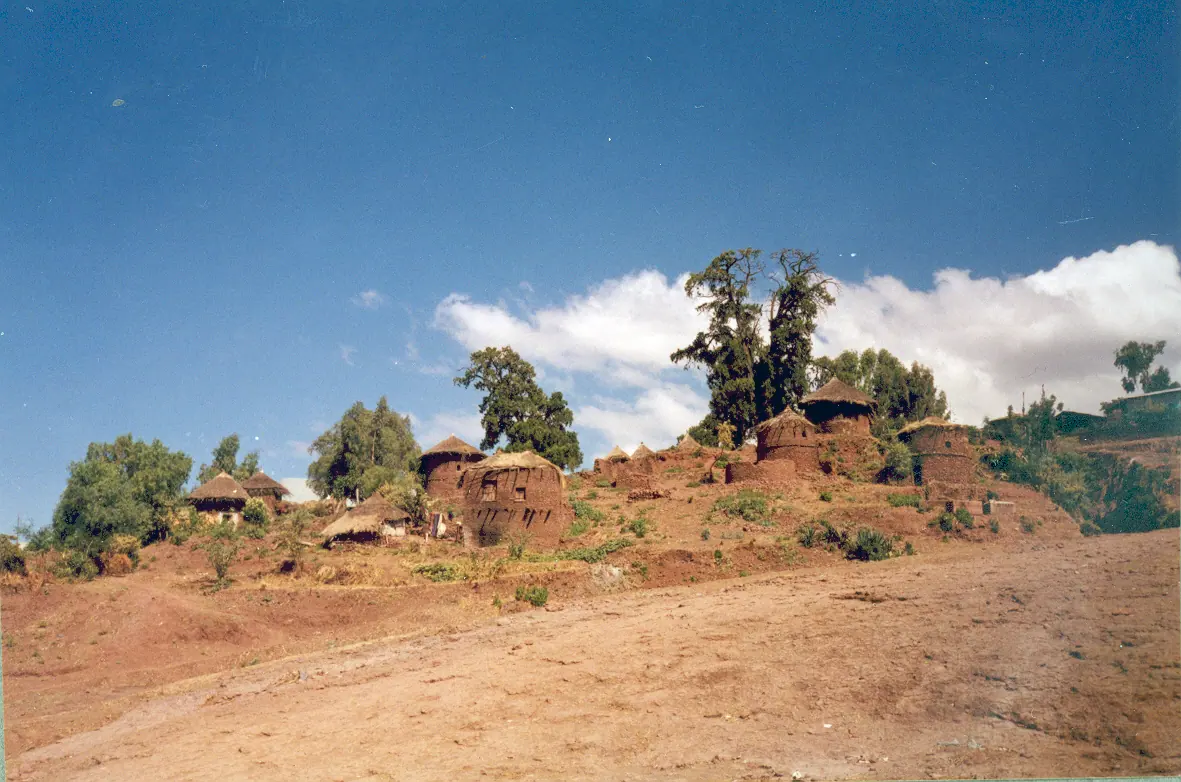
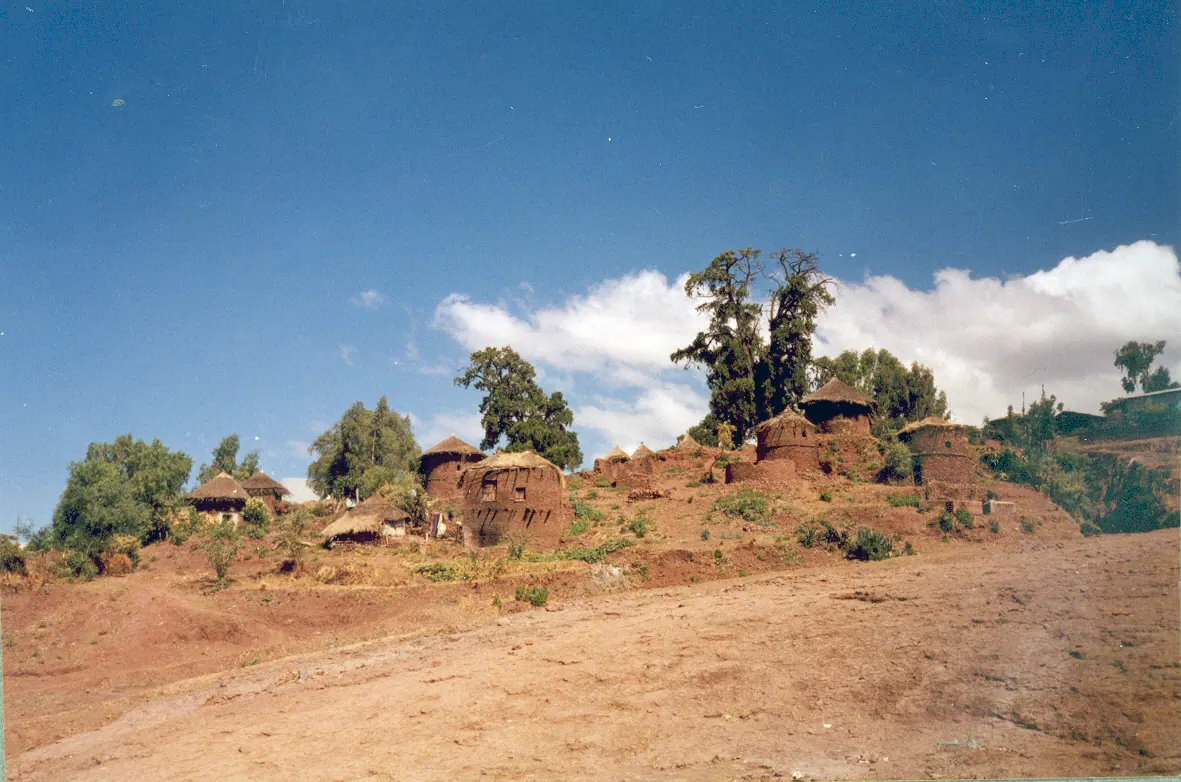
The classic northern loop is where Ethiopia's headline landmarks sit. Lalibela is the showstopper: eleven medieval churches carved downward into volcanic rock, connected by trenches and tunnels, with Bete Giyorgis — the cross-shaped Church of St. George — the most photographed of them all. Arrive at dawn when white-robed worshippers file in, chanting and candle-lit, and the whole complex feels less like a monument than a working sanctuary. Two days is the comfortable minimum.
Gondar brings a different register entirely. The Royal Enclosure, Fasil Ghebbi, gathers castles and banqueting halls behind stone walls, while Debre Berhan Selassie church is famous for a ceiling crowded with winged angel faces. In Axum, the ancient stelae field holds towering granite obelisks carved a thousand years and more ago, with the Church of St. Mary of Zion and its legends of the Queen of Sheba close by.
Bahir Dar, on the southern shore of Lake Tana, is the base for boat trips to island monasteries such as Ura Kidane Mehret, painted wall to wall with saints and demons. Then head to the Blue Nile Falls, known locally as Tis Abay, especially after the rains when the spray soaks everyone on the footpath. Further north in Tigray, the Gheralta cliffs hide churches like Abuna Yemata Guh, reached by a genuinely exposed rock climb — go with a local guide and a head for heights.
What Ethiopia Eats: Injera, Wat and the Fasting Feast
Ethiopian food is built on injera, a wide, spongy sourdough flatbread made from teff, a tiny grain fermented for two or three days before it hits the mitad, the clay griddle. It arrives as both plate and cutlery: stews are spooned on top, and you tear off pieces with your right hand to scoop up whatever you fancy. If someone rolls a bite and places it in your mouth, that is gursha — a gesture of affection, not a test.
The classics are worth seeking out deliberately. Doro wat is a slow-cooked chicken stew thick with berbere and onions, often served with a hard-boiled egg, while kitfo is finely minced raw or lightly warmed beef folded through spiced butter. Shiro, a silky chickpea stew, is the reliable everyday favourite, and tibs — sautéed meat with onions and green chilli — arrives sizzling in a small pan.
Because Orthodox Christians fast from animal products on Wednesdays and Fridays, plus long stretches such as Lent, Ethiopia is unexpectedly generous to vegetarian and vegan travellers. A beyaynetu platter can carry six or eight different lentil, pea and vegetable dishes, all cooled by ayib, a mild fresh cheese. Drink with tej, tella or a cold local beer, and finish with a coffee ceremony: green beans roasted over coals, ground by hand, brewed in a jebena and poured in three rounds — abol, tona and bereka — with popcorn and incense drifting through the room.
Festivals and Living Culture: Timkat, Meskel and the Azmari
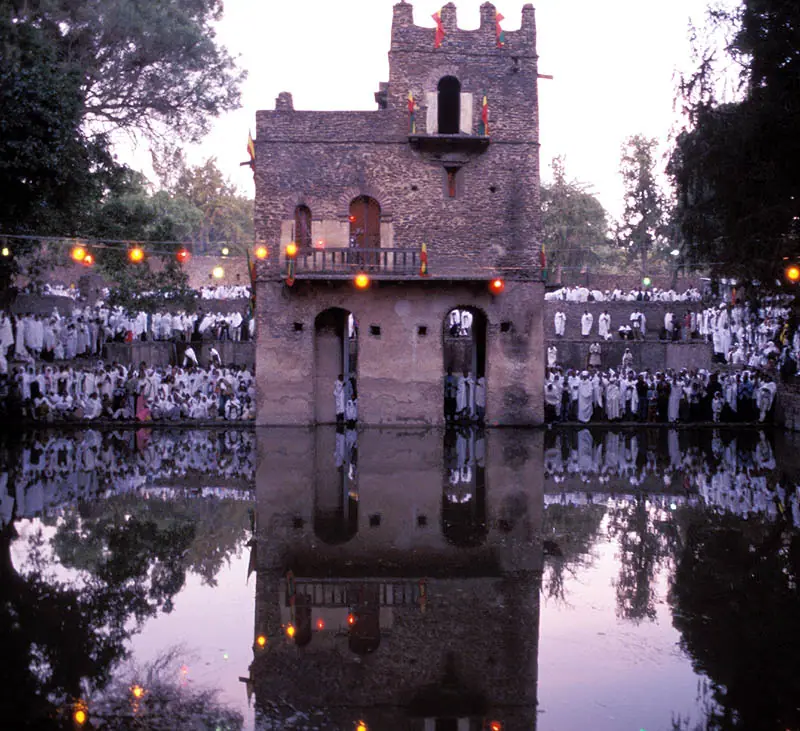
If your dates can bend, bend them toward a festival. Timkat, held on 19 and 20 January, celebrates Epiphany with processions of richly decorated tents called tabots, white-shawled crowds and, at Gondar's Fasilides' Bath, a plunge into a pool blessed by priests. The atmosphere is part carnival, part cathedral, and hotels along the northern circuit book out weeks ahead.
Meskel, around 27 September, marks the Finding of the True Cross with a towering demera bonfire built from long poles, lit at dusk as crowds circle it singing. Enkutatash, the Ethiopian New Year, falls on 11 September when the rains end and fields turn gold with the yellow meskel daisy; Gena (Christmas) arrives on 7 January and Fasika (Easter) follows the Orthodox calendar. Ethiopia runs its own 13-month calendar, roughly seven to eight years behind the Gregorian one, so check dates rather than assume.
Music threads through all of it. In Addis and regional towns, azmari performers improvise verses with the masenqo and krar, and a washint flute can turn a courtyard into a concert. Guests are expected to clap, dance badly and accept a second cup of coffee. Hospitality here is not a service industry — it is a social obligation, and it is the most memorable part of any Ethiopian tour.
Wild Landscapes: Simien, Bale, Danakil and the Omo Valley
Ethiopia's geography swings hard between extremes. The Simien Mountains National Park, a UNESCO-listed massif north of Gondar, offers multi-day treks past gelada monkeys grazing in troops of dozens, lammergeier vultures riding the thermals, and Ras Dashen, the country's highest peak at around 4,550 metres. Walia ibex cling to the escarpment edges; nights are cold at altitude, so pack layers even in the dry season.
In the south-east, Bale Mountains National Park protects the Sanetti Plateau, the best place on earth to spot the rare Ethiopian wolf, and the mossy Harenna Forest below it. Far to the north-east, the Danakil Depression is a different planet: neon-yellow sulphur fields at Dallol, salt flats worked by camel caravans, and the glowing lava lake of Erta Ale. It is one of the hottest inhabited places on the planet, and it should only be attempted with an organised convoy, plenty of water and a good 4WD.
The lower Omo Valley, near the Kenyan border, is home to a remarkable patchwork of communities whose body art, markets and ceremonies draw photographers from everywhere. Travel here is sensitive — go with licensed local guides, ask before photographing, and remember that these are living villages, not exhibits. The Konso cultural landscape with its dry-stone terraces, the Sof Omar cave system and Awash National Park round out a wilder itinerary.
Harar and the Eastern Loop: Hyenas, Coffee and 82 Mosques
Harar Jugol, a walled UNESCO city in the east, is the counterweight to the Christian north. Inside its 16th-century ramparts lie dozens of mosques and hundreds of narrow lanes painted in every shade of blue, green and ochre, with markets selling baskets, spices and the mild stimulant leaf known as chat. The house where the French poet Arthur Rimbaud lived for a spell is now a small museum, and the old town's traditional Harari houses, lined with woven baskets, are worth an hour of slow wandering.
At dusk, just outside the walls, the hyena men call wild spotted hyenas down from the hills and feed them scraps — a peculiar, centuries-old ritual that is safe to watch with care. Harar is also a food town: try camel meat, sweet halwa and some of the best coffee in a country that gave the drink to the world.
Practically, Harar pairs neatly with Awash National Park or with a long drive from Addis Ababa, though flying to Dire Dawa and driving in takes a fraction of the time. Give it two nights. Best months run October through March, when the kiremt rains have passed, the highlands are green and the roads, mostly, behave.
Frequently asked questions
When is the best time to visit Ethiopia?
The dry season from October to March is the sweet spot for the northern circuit, the Simien Mountains and Harar, with clear skies and manageable roads. June to September brings the kiremt rains, especially heavy in the highlands, though the Omo Valley and parts of the east stay drier. If you want festivals, aim for Timkat in mid-January or Meskel in late September, and book accommodation early.
How long do I need for an Ethiopia tour?
Ten to fourteen days covers the northern historic route properly: Addis Ababa, Bahir Dar, Gondar, Axum and Lalibela, with a Simien trek squeezed in. Add a week for Harar or the Bale Mountains, and at least another for the Omo Valley or Danakil Depression. Addis itself deserves one or two nights to adjust to the altitude before moving on.
Is Ethiopia safe for tourists?
Guided travel along the main historic and wildlife circuits is generally trouble-free, and Ethiopians are famously welcoming. That said, some border regions and parts of the north-east can be unstable, so check current advice before you go, avoid travelling at night on rural roads, and use reputable local operators for Danakil, Omo Valley and trekking trips. Keep valuables out of sight in crowded markets.
What should I eat and drink in Ethiopia?
Start with injera and doro wat, then work through kitfo, shiro, tibs and a beyaynetu fasting platter. Ethiopia is a joy for vegetarians because Orthodox fasting days produce superb lentil and vegetable dishes. Stick to bottled or filtered water, eat food that is freshly cooked and hot, and always say yes to a coffee ceremony. Tej honey wine and tella are worth trying, but they are stronger than they taste.
Do I need a guide or tour to visit Ethiopia?
You can explore Addis Ababa and some northern towns independently, but a local guide transforms the experience — translating Amharic, explaining Orthodox iconography and arranging permits. For Danakil, the Omo Valley, Gheralta church climbs and multi-day treks, organised trips are effectively essential. Most nationalities can apply for an e-visa online before arrival, and altitude at 2,000 to 3,000 metres means pacing your first days.
Sort the rest of your trip
Everything for Ethiopia, in one place
Stay in Ethiopia
Hotels, guesthouses and apartments — compared in one search.
Search hotels
Transfer in Ethiopia
Private driver waiting on arrival — no queues, no surprises.
Book a transfer
Stay online in Ethiopia
Travel eSIM — data the moment you land, no roaming bills.
Get an eSIM