Ethiopia is not a country you visit in a single sweep — it is a highland empire of rock-cut churches, castle enclosures, stelae fields and lava lakes, stitched together by short domestic hops and long, spectacular drives. Where you sleep shapes how much of it you actually see, because the best bases sit within walking distance of the sights rather than an hour's drive away. This guide walks through the country's key stops and the kind of hotel, guesthouse or lodge to expect in each.
Addis Ababa: The Capital Where Almost Every Journey Begins
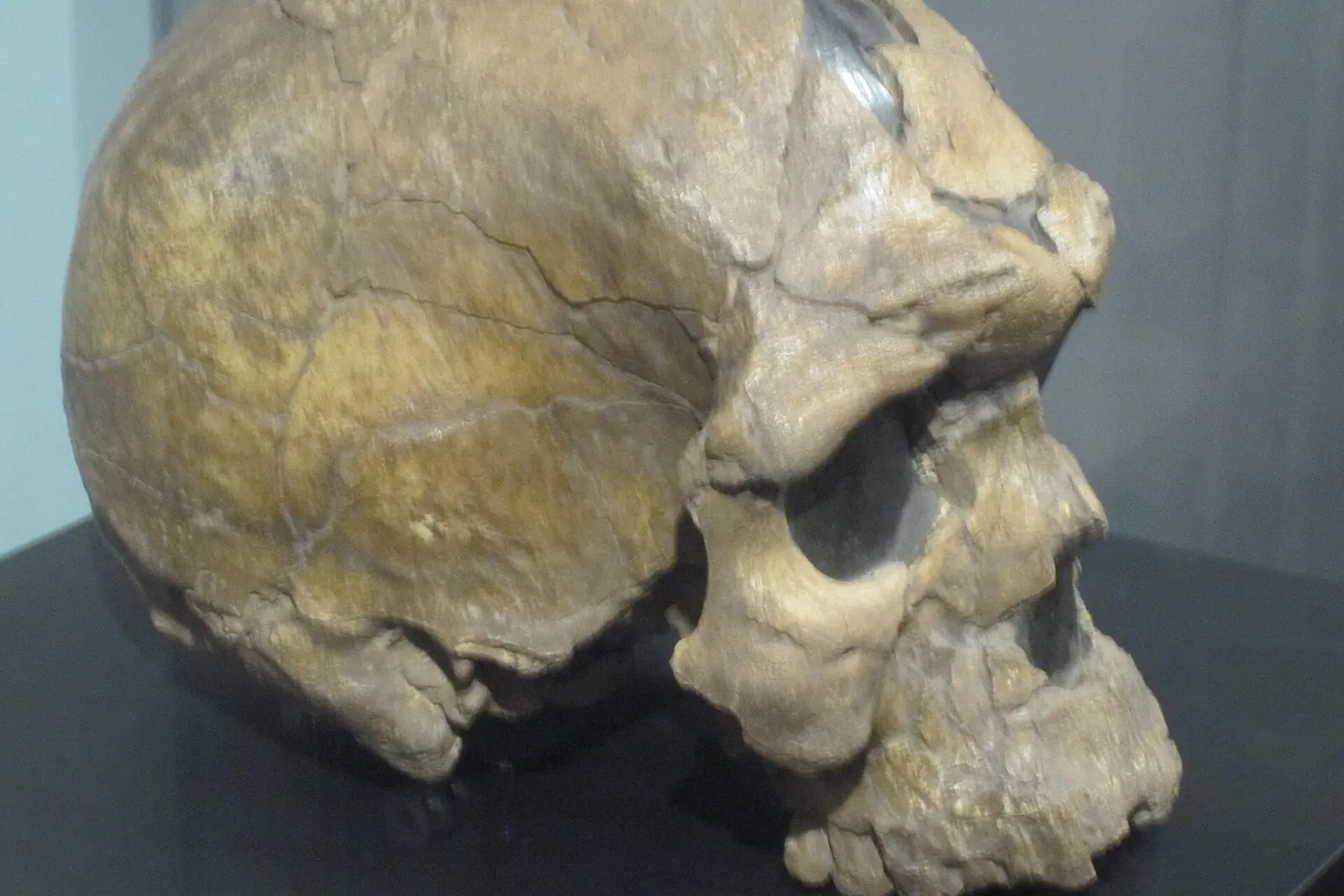
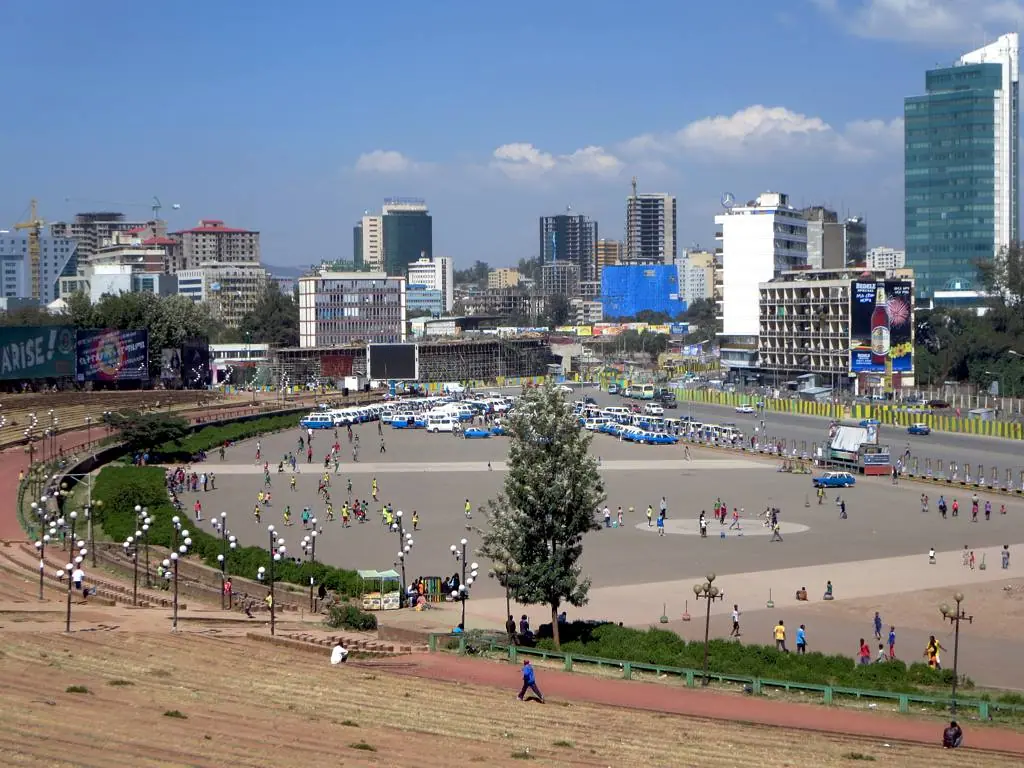
Almost every Ethiopia trip starts in Addis Ababa, a sprawling capital sitting at around 2,350 metres on the Entoto plateau. Give yourself at least one full day here rather than treating it as a transit lounge: the National Museum of Ethiopia houses the famous hominid fossil known as Lucy, the Holy Trinity Cathedral holds imperial tombs and vivid stained glass, and St George's Cathedral, shaped like a drum and dedicated to the patron saint of the 1896 victory at Adwa, anchors the northern edge of the city centre. The vast open expanse of Meskel Square is where the enormous Meskel bonfire is lit each September, and the Entoto hills above the city offer eucalyptus forest, cool air and long views down over the roofs.
Most visitors stay in the Bole district near the airport, where glass-fronted business hotels, rooftop bars and international restaurants cluster within a few blocks, and where you are ten minutes from the terminal for an early flight north. The historic Piazza and Kazanchis areas suit slower travellers: faded Italian-era buildings, cheap pensions and cafes where the coffee ceremony — green beans roasted over charcoal, then poured from a jebena — takes a good half hour and is worth every minute.
Budget half a day for the Mercato, one of the largest open-air markets in Africa, and note that while Addis has the country's widest choice of accommodation, from boutique stays to plainly functional rooms, standards vary wildly between properties at the same price. Check recent guest reviews, confirm airport transfers and don't judge the city on your first jet-lagged afternoon at altitude.
Lalibela: Sleeping Beside the Rock-Hewn Churches
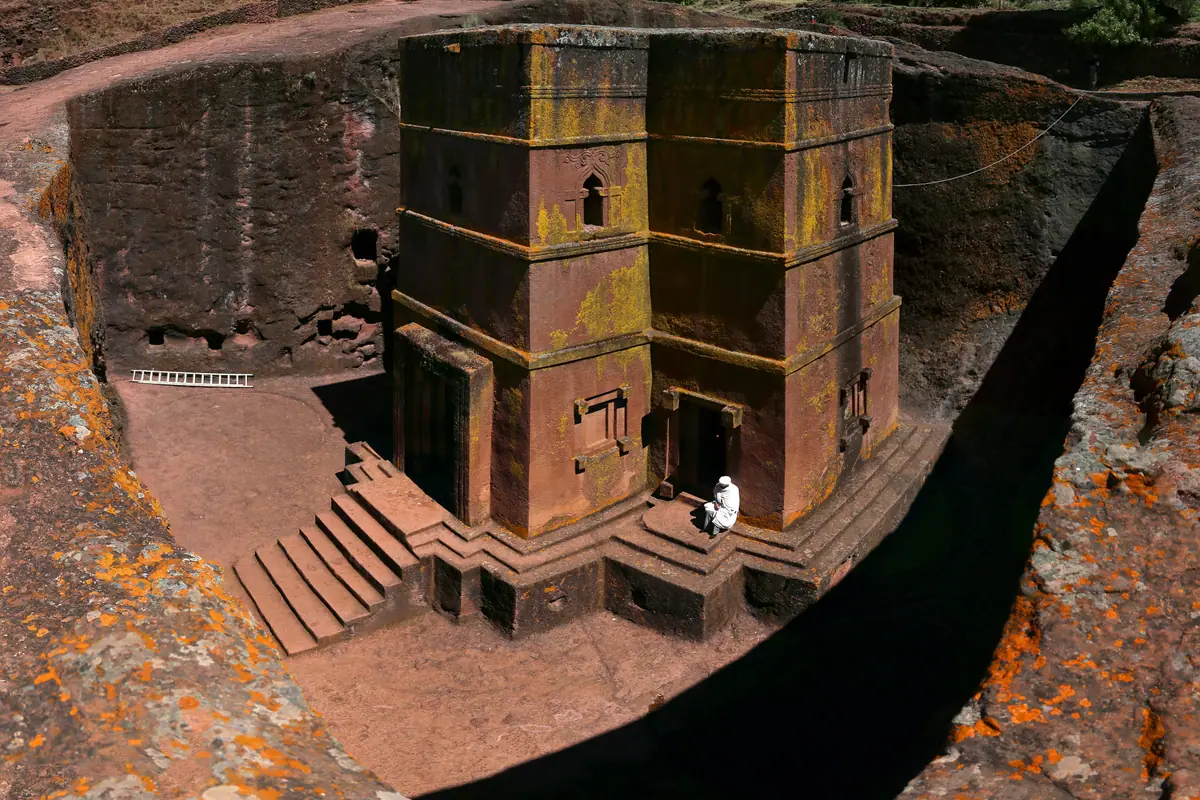
Lalibela is the reason many people come to Ethiopia at all. Eleven medieval churches were carved downward into volcanic rock here in the 12th and 13th centuries, connected by trenches, tunnels and a symbolic River Jordan. Bete Giyorgis, the free-standing cross-shaped church of St George, is the most photographed; Bete Medhane Alem is the largest monolithic church in the world; Bete Mariam and Bete Amanuel hold faded frescoes and carved capitals that reward slow looking. Most hotels and guesthouses sit on the ridge above the church cluster, which means you can walk down to the ticket office in ten minutes and be inside Bete Giyorgis while the morning light is still slanting across the rock.
Accommodation ranges from simple family guesthouses with cold showers to well-run lodges with stone bungalows, gardens and views over the valleys. Hot water and Wi-Fi can be intermittent, and evenings at 2,500 metres are genuinely chilly, so pack a warm layer even in the dry season. Rooms are limited and fill fast around Genna on 7 January and Timkat on 19–20 January, when white-shawled pilgrims flood the churches and the town becomes one long procession of chanting and drums.
If you have an extra day, climb or ride a mule up to the Asheten Maryam monastery, roughly three hours on foot, for a view back over the whole church complex. Otherwise, use the time to return to the churches at dusk, when the tour groups have gone and the priests, deacons and local worshippers reclaim the courtyards.
Gondar, Bahir Dar and the Simien Mountains
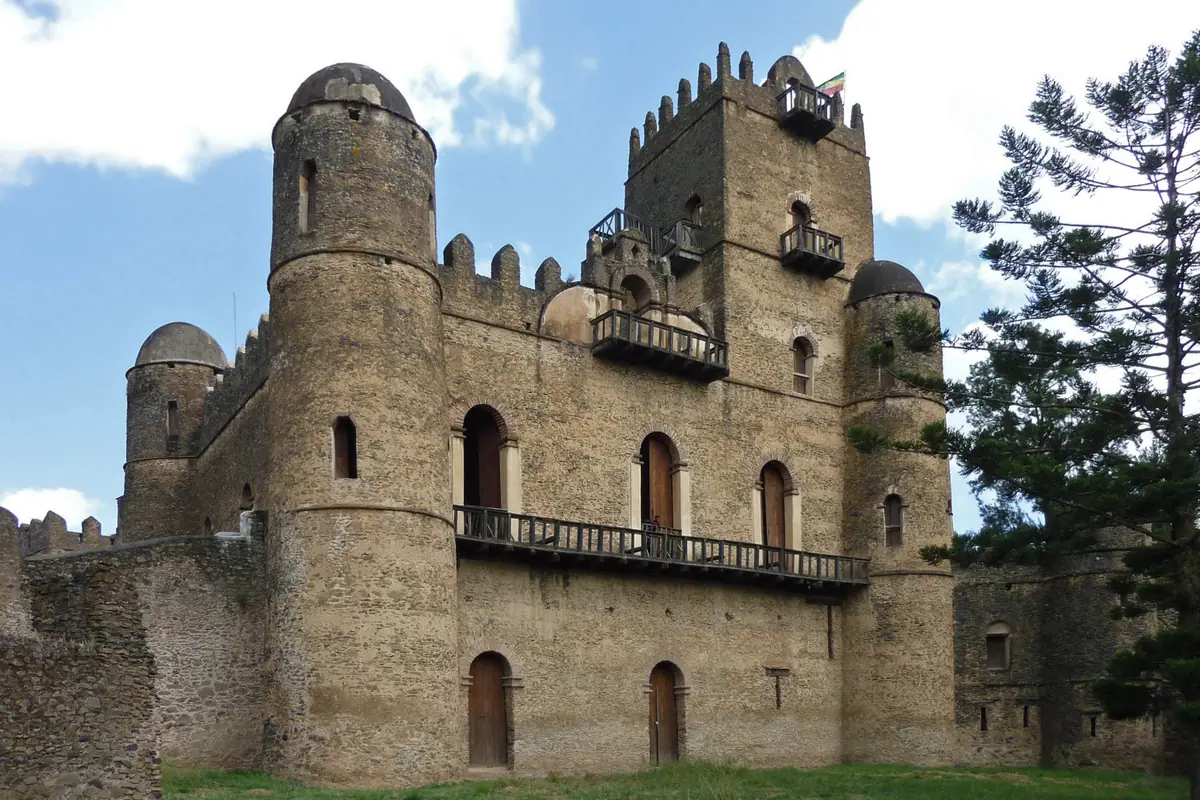
The northern historic circuit continues to Gondar, the 17th-century royal capital, where the Fasil Ghebbi enclosure gathers castles built by Emperor Fasiladas and his successors behind a single ticket gate — ramparts, banqueting halls and a library that still smells of old leather. A short drive away, Debre Berhan Selassie church is famous for its ceiling of painted winged faces, and Fasiladas' Bath, a sunken pool ringed by stone walls and fig trees, hosts one of the country's most atmospheric Timkat ceremonies. Hotels in Gondar are mostly mid-range town properties within walking distance of the piazza; expect comfortable but unfussy rooms, and book ahead in festival weeks.
From Bahir Dar, on the southern shore of Lake Tana, boat trips reach the peninsula monasteries — Ura Kidane Mehret with its circular painted sanctuary, and Azwa Maryam among them — while the Blue Nile Falls, known locally as Tis Abay, tumble roughly 45 metres just downstream and are at their fullest in the months after the rains. Lakeside resorts and garden guesthouses make a relaxed base for two nights.
The Simien Mountains are the highland highlight: a vast escarpment of jagged peaks, gelada monkey troops grazing on the grasslands, and the rare Walia ibex on the cliffs. The highest point, Ras Dashen, reaches around 4,550 metres. Lodges and simple bandas sit near the park entrances, with wood fires but no heating in the rooms and nights that drop close to freezing — bring thermals and a headlamp. Treks of two to four days are standard, guided and with mules for luggage, and altitude sickness is a real concern on the higher passes.
Aksum, Gheralta and the Danakil Depression
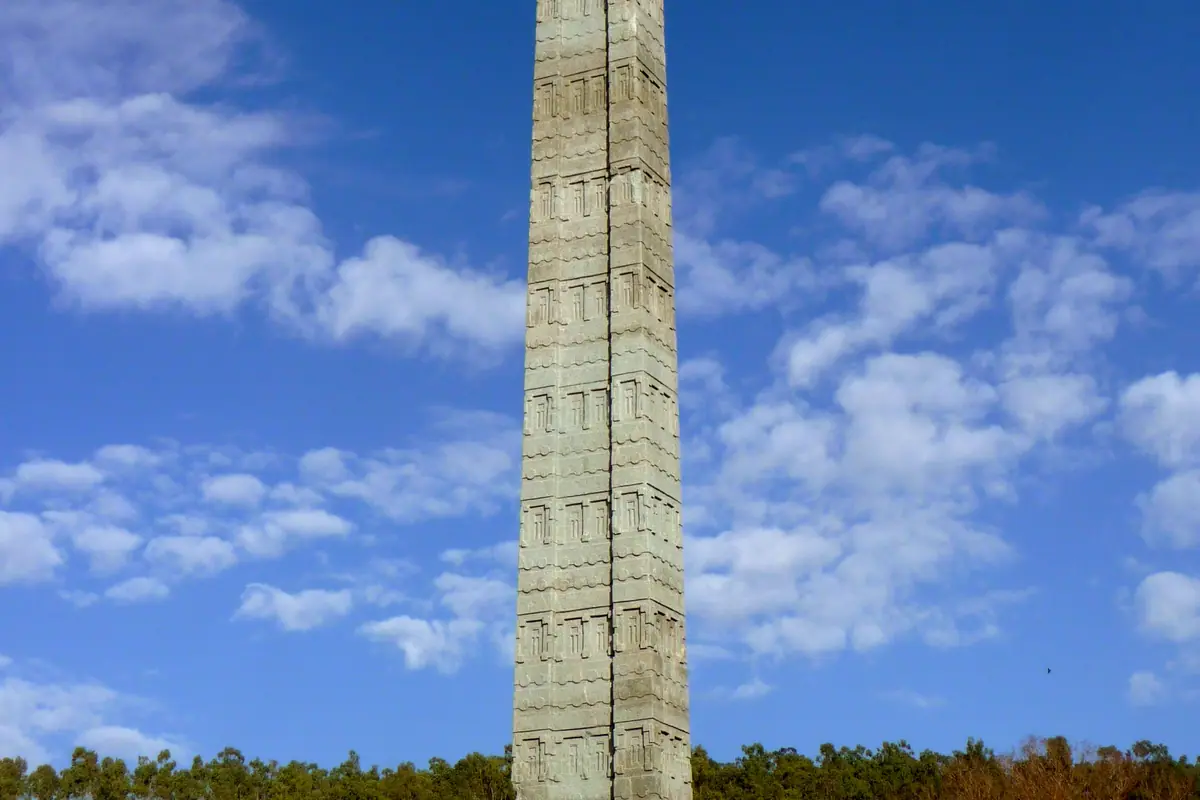
Aksum, in the far north, was the capital of an ancient trading empire and its stelae field still bristles with granite obelisks, the tallest standing close to 24 metres. Nearby you can see the Church of Our Lady Mary of Zion and the chapel said to guard the Ark of the Covenant, plus the underground tombs and the bath attributed to the Queen of Sheba. Accommodation in town is functional rather than luxurious, and power cuts are common — charge devices whenever you can.
East of Aksum, the Gheralta escarpment near Hawzien hides churches cut into sheer sandstone. Abuna Yemata Guh is reached by a hand-and-foot climb up a narrow ledge, rewarded with vivid 5th-century frescoes and a vertiginous view; Maryam Korkor and Daniel Korkor are easier but still involve scrambling. Guesthouses in Hawzien and a handful of cliff-facing lodges make a comfortable base between hikes.
The Danakil Depression is Ethiopia's raw edge: the neon yellow and green sulphur springs of Dallol, the salt flats where camel caravans still cut blocks by hand, and the lava lake of Erta Ale, reached on a night hike. Trips run three to four days with a 4x4 and escort, camping in basic shelters in temperatures that climb past 45°C. Go between November and February, carry far more water than you think you need, and treat this as an expedition rather than a comfortable holiday.
Harar, the Rift Valley and the Omo Valley
In the east, Harar Jugol is a walled city of 82 mosques and hundreds of narrow alleys painted in soft blues and ochres, with carved wooden doors and shuttered houses that once belonged to merchants. The poet Arthur Rimbaud lived here in the 1880s, and his house is now a small museum. At dusk, crowds gather outside Fallana Gate to watch the famous hyena feeding, where animals take meat from a stick held in a handler's mouth. Renovated merchant houses inside the walls make characterful guesthouses; rooms are small, ceilings low and atmosphere unmatched.
To the south, the Rift Valley opens up into a chain of lakes. Lake Ziway has hippos and extraordinary birdlife, while Lake Langano is one of the few lakes safe for swimming. Hawassa offers lakeside resorts with pools and lawns, plus an early-morning fish market that draws pelicans and marabou storks. Arba Minch, set above the Rift Valley escarpment, is the gateway to Nechisar National Park and boat trips on Lake Chamo, where crocodiles bask in serious numbers.
Further south, the Omo Valley is a patchwork of cultures — the Hamar around Turmi, the Mursi near Mago National Park, the Konso with their stone terraces, and the Dorze with their tall elephant-shaped huts. Community lodges, simple hotels and fly-camps dot the towns of Jinka, Turmi and Konso. Always travel with a local guide, ask before photographing anyone, and buy crafts directly rather than through an intermediary.
When to Go and How to Choose a Hotel in Ethiopia
The dry season from October to March is the most comfortable time to travel, with clear highland skies, warm days and cold nights. The long rains fall from roughly June to September and turn tracks to mud, though the landscape is greener and rates softer. February to May is hottest in the lowlands, and the Danakil and Omo regions are punishing then. If you want festival colour, plan around Timkat in mid-January, Genna on 7 January, Meskel at the end of September and Fasika in spring — and book accommodation three to six months out, because rooms in Lalibela, Gondar and Aksum sell out entirely.
Ethiopian hotels fall into a few recognisable tiers: international-standard properties with gyms and reliable power in Addis Ababa and a handful of large towns; solid mid-range hotels with en-suite rooms elsewhere; and community-run lodges, eco-camps and family guesthouses in the parks, mountains and southern valleys. Outside the capital, expect occasional power cuts, solar hot water that is warm rather than hot, patchy Wi-Fi and little or no heating. Cash in local currency matters — cards work in big city hotels but not in small towns — so carry enough for a few days at a time.
Build in a rest day at the start, because Addis, Lalibela and the Simien highlands all sit above 2,300 metres and altitude is no joke. Travelling by short domestic flights between Addis, Bahir Dar, Gondar, Lalibela and Aksum saves days of driving on winding mountain roads. And wherever you stay, accept the invitation to a coffee ceremony, try the fasting platters of lentils and vegetables served on Wednesdays and Fridays, and tip generously — it is part of how tourism works here.
Frequently asked questions
What is the best time of year to visit Ethiopia?
October to March is the sweet spot, with dry, clear weather across the highlands and easier conditions for trekking in the Simien Mountains. June to September brings heavy rain, and February to May is uncomfortably hot in the lowlands such as the Danakil Depression and the Omo Valley.
How much time do I need in Ethiopia?
Ten to fourteen days covers the northern historic circuit comfortably — Addis Ababa, Bahir Dar, Gondar, the Simien Mountains, Aksum and Lalibela. Add at least a week if you also want Harar, the Rift Valley lakes or the Omo Valley, ideally flying between hubs rather than driving the whole way.
Do I need a guide to visit the Danakil Depression?
Yes. The area is remote, extremely hot and requires permits and local escorts, so everyone travels on organised expeditions with 4x4 vehicles and camp equipment. Trips last three to four days and are best between November and February.
Is altitude a problem in Addis Ababa and Lalibela?
Both sit above 2,300 metres, so mild breathlessness, headaches and poor sleep are common in the first day or two. Take it easy on arrival, drink plenty of water, skip alcohol on the first night, and save strenuous hikes for later in the trip.
What should I expect from hotels outside Addis Ababa?
Rooms are usually clean but simple, with en-suite bathrooms, occasional power cuts, warm rather than hot water and unreliable Wi-Fi. In the Simien Mountains and southern valleys, lodges and community camps can be basic and cold at night. Pack layers, a headlamp and a power bank, and carry cash for smaller properties.
Sort the rest of your trip
Everything for Ethiopia, in one place
Transfer in Ethiopia
Private driver waiting on arrival — no queues, no surprises.
Book a transfer
Things to do in Ethiopia
Skip-the-line tickets, guided tours and standout experiences.
See experiences
Stay online in Ethiopia
Travel eSIM — data the moment you land, no roaming bills.
Get an eSIM