Ethiopia runs on its own calendar, its own clock and two rainy seasons that reshape every road, trek and hotel rate in the country. Get the timing right and you will walk into the rock-hewn churches of Lalibela under a clear sky, watch Timkat's processions at dawn in Gondar, and pay shoulder-season prices for a room with a view of the Simien escarpment.
The Short Answer: The Dry Season, October to March
If you are choosing a single window for a first trip, aim for October through March. This is the Bega, Ethiopia's main dry season, when the highlands are sunlit by day, the night sky is enormous and the dirt tracks that connect the historic northern circuit are at their most reliable. Addis Ababa sits at around 2,350 metres, so a January afternoon can feel like a mild spring day while the same evening demands a jacket; rooms with thick blankets, hot water and a working heater are worth paying extra for in Gondar, Axum and the Simien foothills.
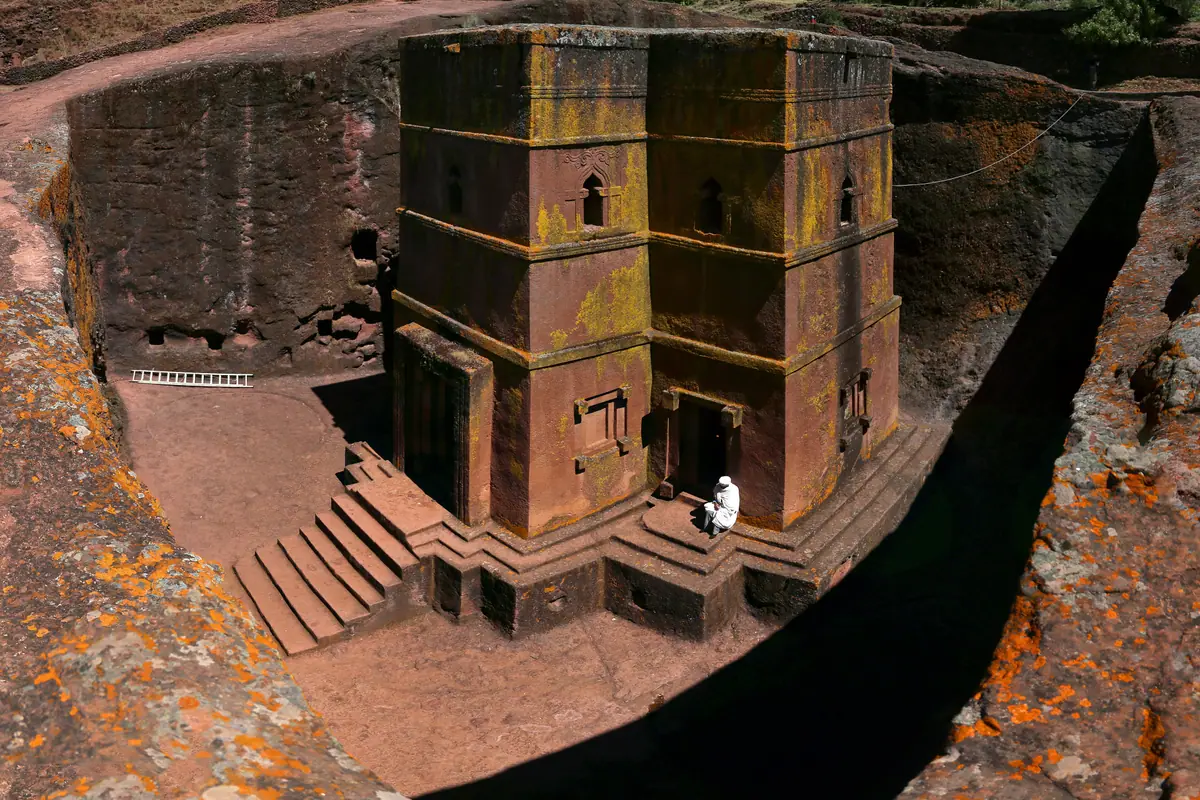
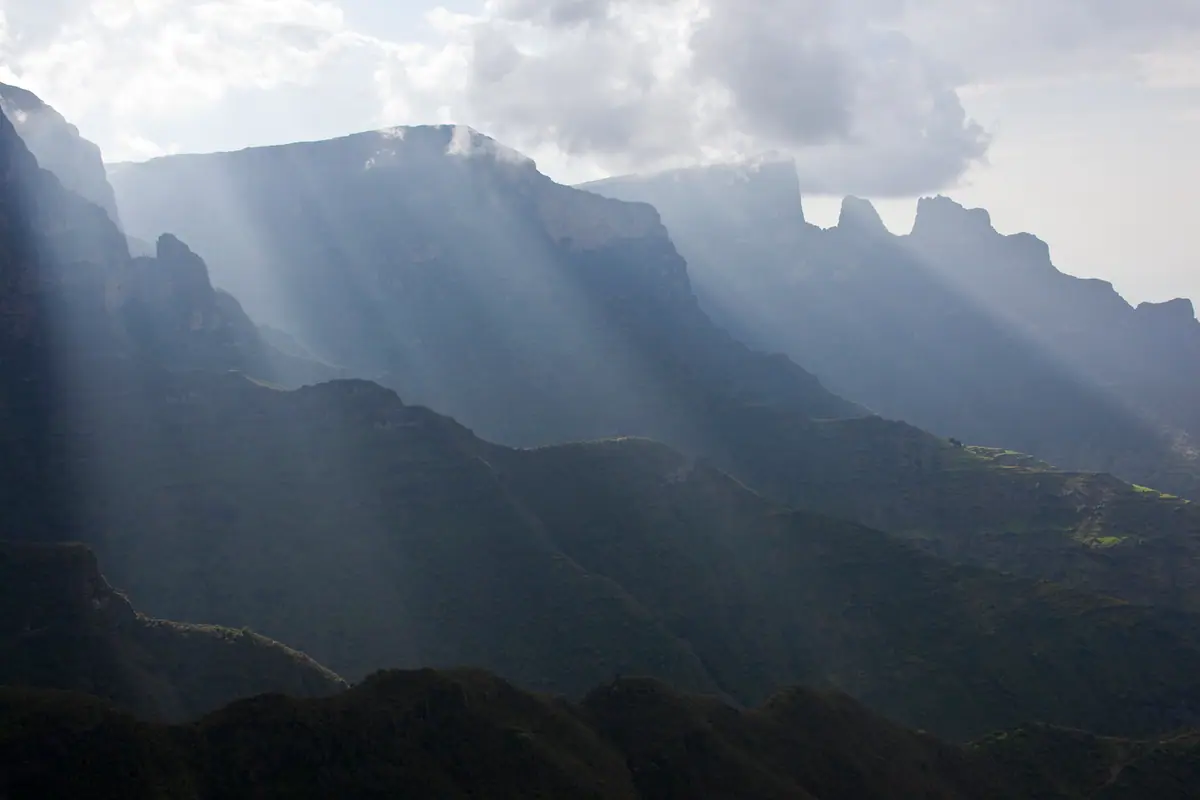
This is also when the classic sights are at their best. The rock-hewn churches of Lalibela are carved into soft volcanic tuff, and dry-season paths mean you can move between Bete Giyorgis, Bete Medhane Alem and the rest of the cluster without skidding on wet stone. Treks in the Simien Mountains National Park toward Ras Dashen run November to March, and the drive out to the Blue Nile Falls near Bahir Dar is at its clearest before the rains swell the river.
Expect the tightest availability from late December through mid-January, when the Ethiopian Christmas and Timkat holidays pull travellers and diaspora families back home at once. Book Lalibela, Gondar and Axum accommodation two to four months ahead for those dates, and be flexible about which side of town you stay on rather than chasing one specific property.
Kiremt: The Long Rains, June to September
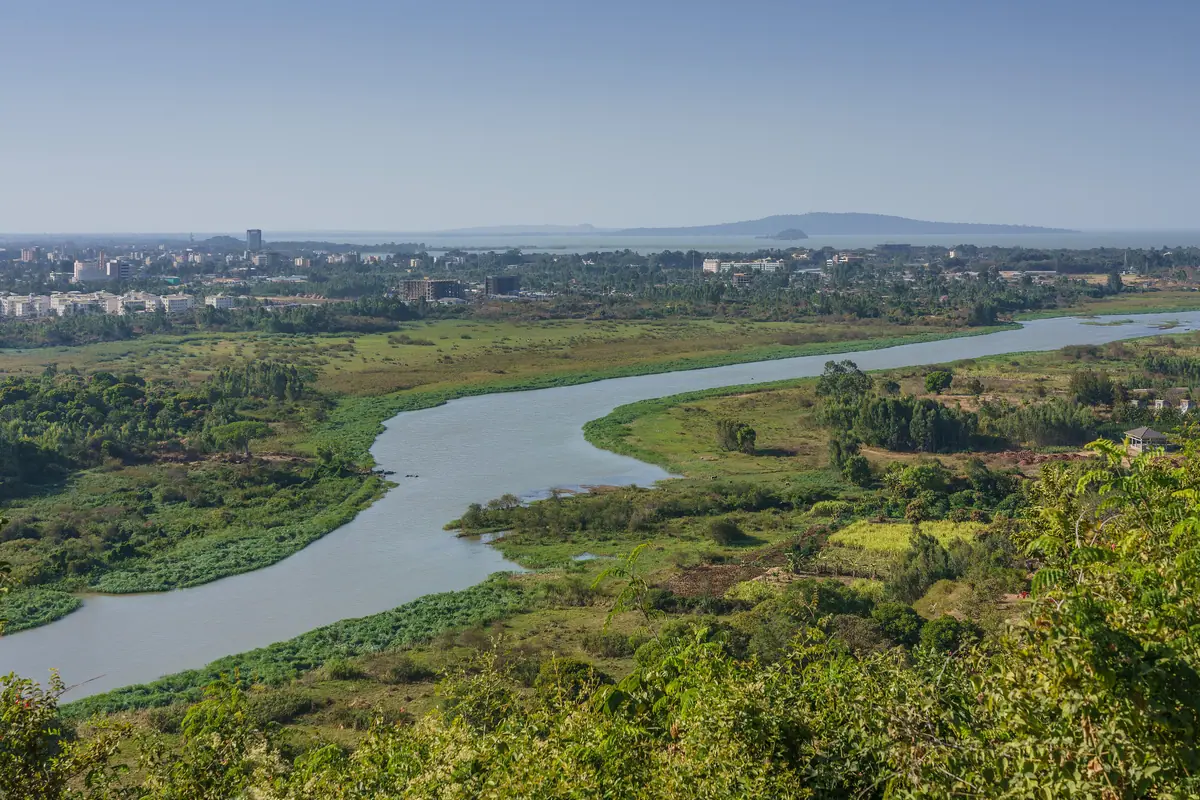
Kiremt is the heavy rainy season, and it is not the disaster many travellers assume. Rain usually arrives in assertive afternoon and evening bursts rather than all-day drizzle, mornings are often bright, and the highlands turn a vivid green that photographs badly but lives long in the memory. Hotel rates drop noticeably, guides are less rushed, and you can have the rock churches of Tigray or the monasteries of Lake Tana almost to yourself.
The trade-offs are real. Unpaved roads in the Omo Valley and around the Bale Mountains can become slick or briefly impassable, some remote lodges close altogether, and leeches appear on trails in the wetter forests. The Blue Nile Falls, however, are at their thundering peak around August and September, when the full width of the falls is flowing and the spray soaks everyone on the viewing paths.
September is the sweet spot of this season. The rains taper, Ethiopian New Year arrives on 11 September with meskel daisies blooming across the fields, and Meskel itself follows on 27 September, celebrated with bonfires and processions in Addis Ababa's Meskel Square and in towns nationwide. Rooms fill again for those few days, so treat late September as a festival date rather than a quiet-season bargain.
The Shoulder Months: February to May
The Belg, Ethiopia's shorter rainy season, generally settles over the southern and eastern highlands between roughly March and May. In practice this means warm days, sudden showers and the year's best wildflower displays in the Bale Mountains National Park, where you can walk among giant lobelia and look for Ethiopian wolves on the Sanetti Plateau without the crowds of the main trekking window.
February and early March often behave like a continuation of the dry season, making them excellent for the northern historic circuit at slightly softer prices than December and January. Nights are still cold at altitude, so a hotel with reliable hot water matters more than a swimming pool. By April and May the lowlands, particularly around the Omo Valley and the Danakil Depression, become genuinely hot, and midday sightseeing at Dallol or around the Erta Ale lava lake shifts to early mornings.
This is also a moving-target period because Ethiopian Easter, Fasika, can fall in April or May. It is the country's most important fasting and feasting festival, with long church services and family gatherings, so expect full guesthouses in Lalibela, Gondar and Axum and a few restaurants closed for the fast in the weeks beforehand.
Festival Windows That Fill Every Hotel
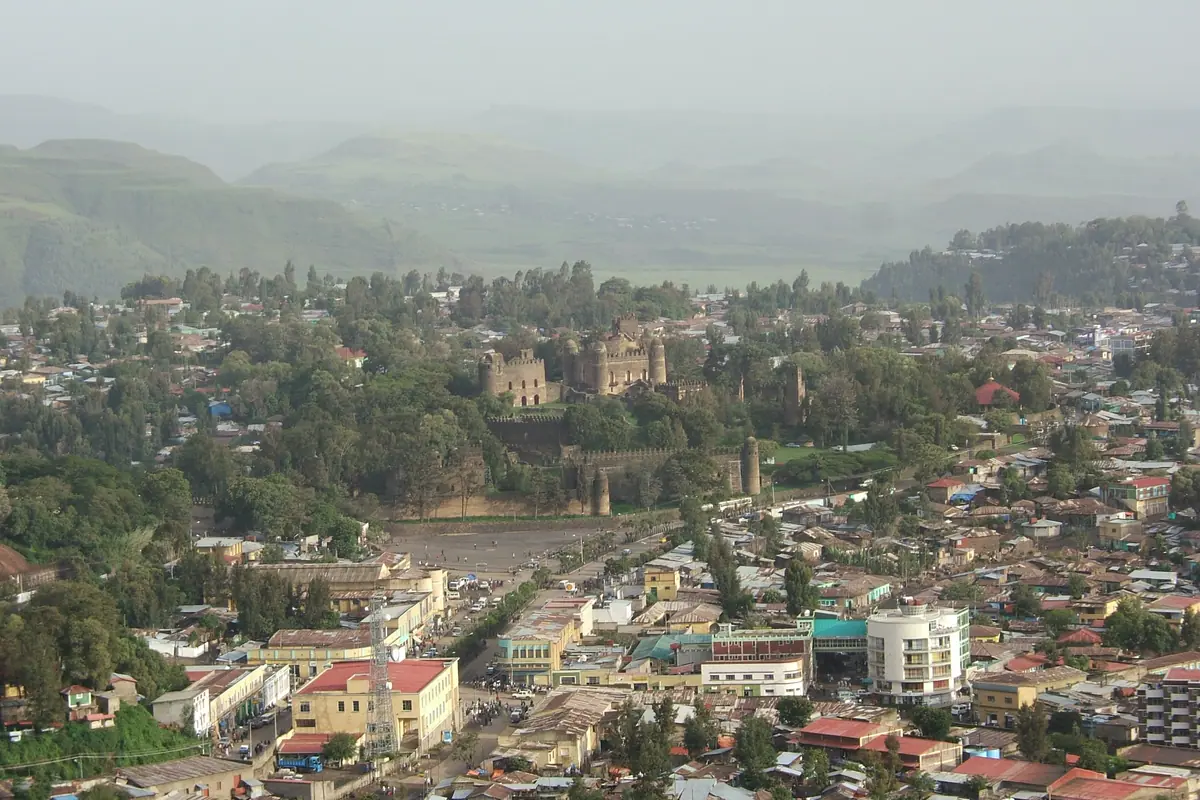
Ethiopia's calendar of celebrations drives hotel demand more than the weather does. Timkat, on 19 and 20 January, is the biggest: ark replicas are carried in colourful procession, water is blessed, and white-shawled crowds gather at dawn. In Gondar the ceremony centres on the Fasilides Bath, a sunken stone pool beside the Royal Enclosure, and the town's hotels sell out months in advance. Addis Ababa holds huge gatherings at Jan Meda, and Lalibela adds its own solemn, unforgettable version around the churches.
Genna, Ethiopian Christmas on 7 January, brings pilgrims and choirs to Lalibela and Axum, where the ancient stelae field and St Mary of Zion churches draw the faithful. Meskel in late September, and Fasika in spring, do the same for Addis Ababa and the northern towns. If any of these dates matter to you, reserve directly with the property, confirm the booking in writing and accept a strict cancellation policy.
Outside festivals, the practical rule for the historic north is simple: October to March for clear skies and easy roads, July and August for dramatic green landscapes and low rates, and the shoulder weeks of February and September as a compromise. The Danakil Depression is a separate calculation altogether — it is usually visited between November and February, when the salt flats at Dallol and the camps near Hamedela are merely extremely hot rather than unbearable.
Where You Sleep, and How the Seasons Change It
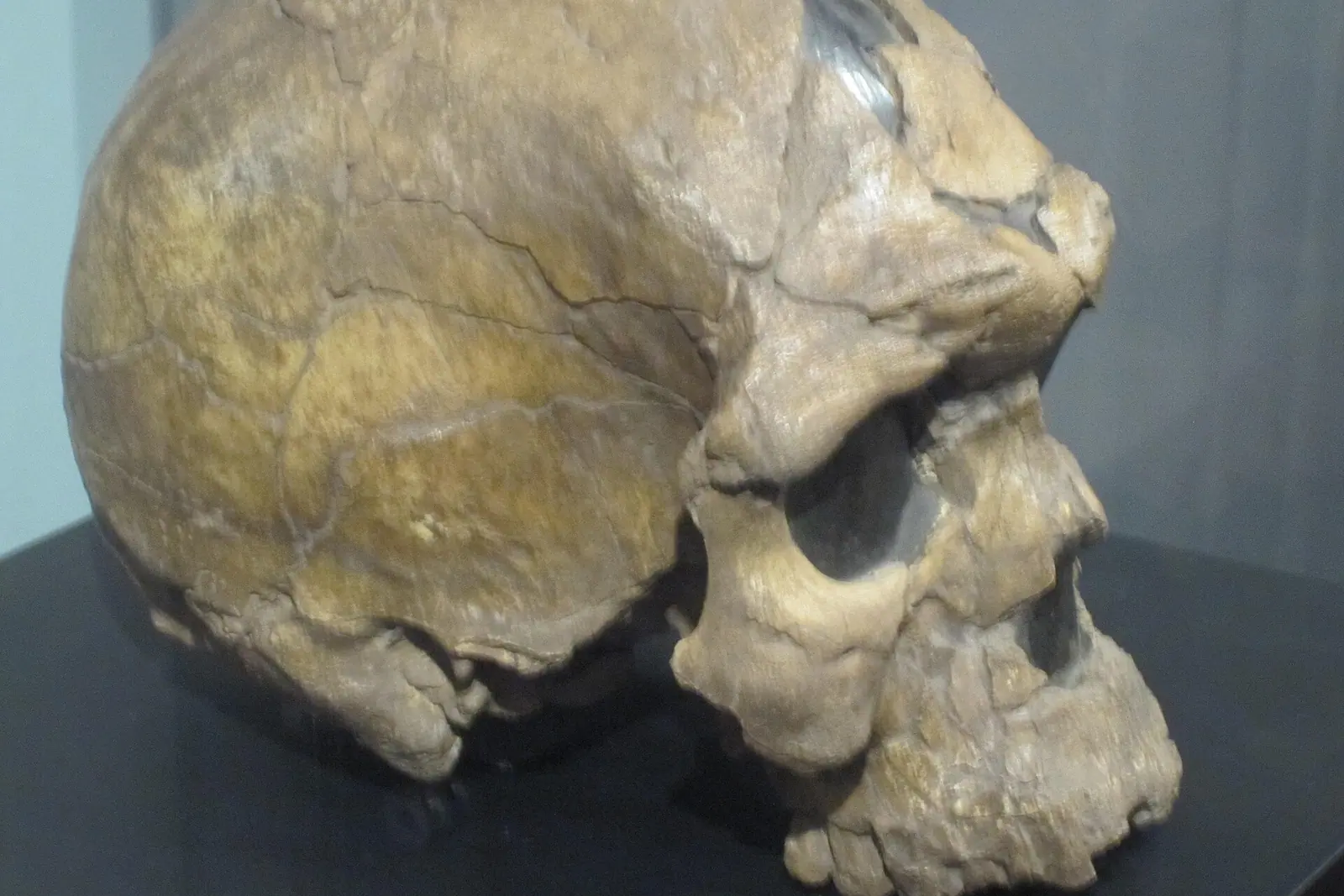
Ethiopian accommodation varies enormously by region, and the best time to visit partly depends on what kind of room you want. Addis Ababa offers the widest choice: polished international-style hotels around Bole and Kazanchis, mid-range places near the National Museum of Ethiopia, where the famous hominid fossil Lucy is displayed, and characterful old guesthouses in the Piazza district. Elsewhere you are choosing between a handful of well-run lodges and simple local guesthouses.
In Lalibela, lodges cluster on the ridge a short walk from the churches, with views over the tukul-roofed village; the smartest options sit closest to the site and command the highest festival rates. Gondar's hotels ring the Fasil Ghebbi royal enclosure and the Fasilides Bath. Axum lodgings are mostly a short drive from the stelae field, the Queen of Sheba's Bath and the archaeological museum. For the Simien Mountains, most travellers overnight in Debark or in community trekking huts along the escarpment, where a sleeping bag is not optional.
Further afield, Harar's guesthouses sit inside the walls of Jugol, the old walled city, close to the markets and the hyena-feeding grounds just outside the gates. In the Omo Valley, lodges in Jinka and Turmi serve as bases for visiting Konso villages and the markets of the southern nations, while Danakil trips involve basic camp beds and long, dusty drives. In each case, the dry months mean better access and higher demand; the wet months mean lower rates and occasional closures.
Booking Timing, Packing and Altitude Realities
For the northern circuit, reserve accommodation as soon as your flights are confirmed if you are travelling between December and March, and three to four months ahead for Timkat, Genna or Meskel. For Omo Valley and Bale trips, two months is usually enough outside festival periods. Shoulder-season travellers can often book a few weeks out and still find something good, but always ask whether hot water runs on a schedule — many smaller hotels heat it only in the morning and evening.
Pack for two climates in one trip. Highland mornings and nights from October to February call for a fleece, hat and gloves, particularly in the Simien Mountains and around Lalibela, while the Danakil and the Omo lowlands demand loose, light clothing and serious sun protection. A rain shell earns its place from June to September, and again in the Belg showers of March to May. Sturdy shoes matter more than you expect: the approaches to the rock churches, the stelae field and the Blue Nile Falls viewpoints are uneven and often steep.
Altitude is the quiet variable. Arriving in Addis Ababa or Gondar from sea level can leave you breathless on the first day, so keep the first night easy, drink more water than feels necessary and save the steepest church climbs for later in the trip. Build rest days into any itinerary that jumps between highland towns and the lowland deserts; the contrast is part of Ethiopia's drama, and the right season makes all of it far more comfortable.
Frequently asked questions
What is the best month to visit Ethiopia for a first trip?
October and November are hard to beat. The long rains have ended, the highlands are green, roads to Lalibela, Gondar and Axum are firm, and hotel rates have not yet climbed to the December and January holiday peak. February and March are a close second.
Is the rainy season a bad time to visit Ethiopia?
Not necessarily. June to September brings short, heavy downpours rather than constant rain, dramatically lower hotel rates and thundering waterfalls at the Blue Nile Falls. Roads in the Omo Valley and Bale Mountains can deteriorate and some remote lodges close, so plan a more flexible northern itinerary.
How far in advance should I book hotels for Timkat?
Three to four months ahead for Gondar, Lalibela, Axum and Addis Ababa. Timkat on 19 and 20 January is Ethiopia's busiest festival, and the best-located rooms near the Fasilides Bath or the rock churches sell out earliest. Confirm directly with the property and note the strict cancellation terms.
Do Ethiopian hotels have heating, and how cold do the highlands get?
Nights in Addis Ababa, Gondar, Lalibela and the Simien Mountains can drop close to freezing between November and February. Some mid-range and upper-range hotels provide heaters and thick blankets; smaller guesthouses may offer only extra quilts, so ask before booking and pack a warm layer.
When can I visit the Danakil Depression and Dallol?
The Danakil is usually travelled between November and February, when daytime heat is at its least brutal and the tracks to Dallol, Lake Assale and the Erta Ale area are passable. Between March and October, temperatures and road conditions make it a much harder proposition.
Sort the rest of your trip
Everything for Ethiopia, in one place
Transfer in Ethiopia
Private driver waiting on arrival — no queues, no surprises.
Book a transfer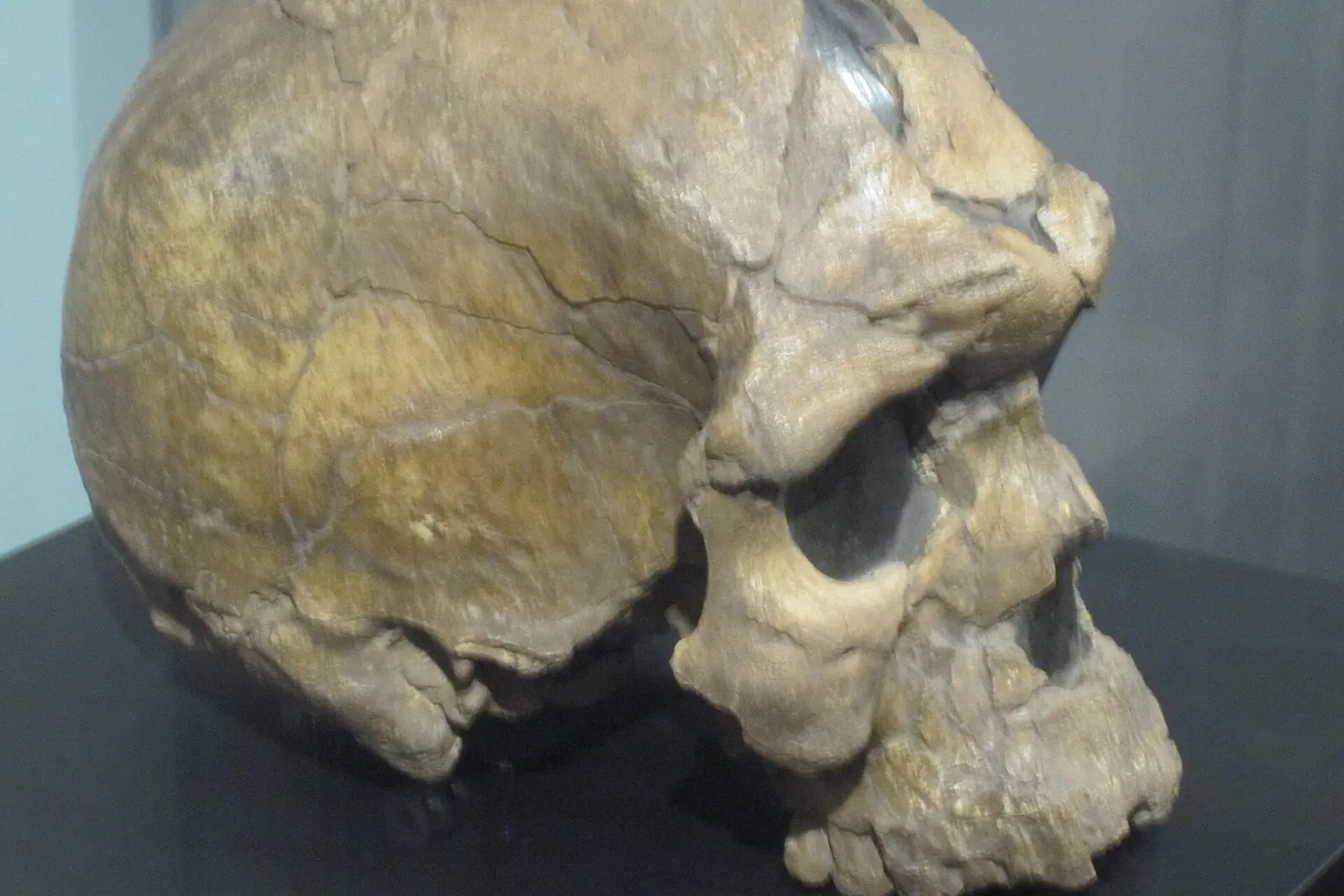
Things to do in Ethiopia
Skip-the-line tickets, guided tours and standout experiences.
See experiences
Stay online in Ethiopia
Travel eSIM — data the moment you land, no roaming bills.
Get an eSIM