Ethiopia packs an absurd amount of drama into one country: churches chiselled downward into volcanic rock, a mountain escarpment where gelada monkeys graze like sheep, sulphur pools glowing neon below sea level, and walled towns where hyenas are called to dinner. It rewards travellers who plan properly, travel with patience, and accept that the roads are slow and the rewards enormous.
Lalibela: The Rock-Hewn Churches Cut Down Into the Earth
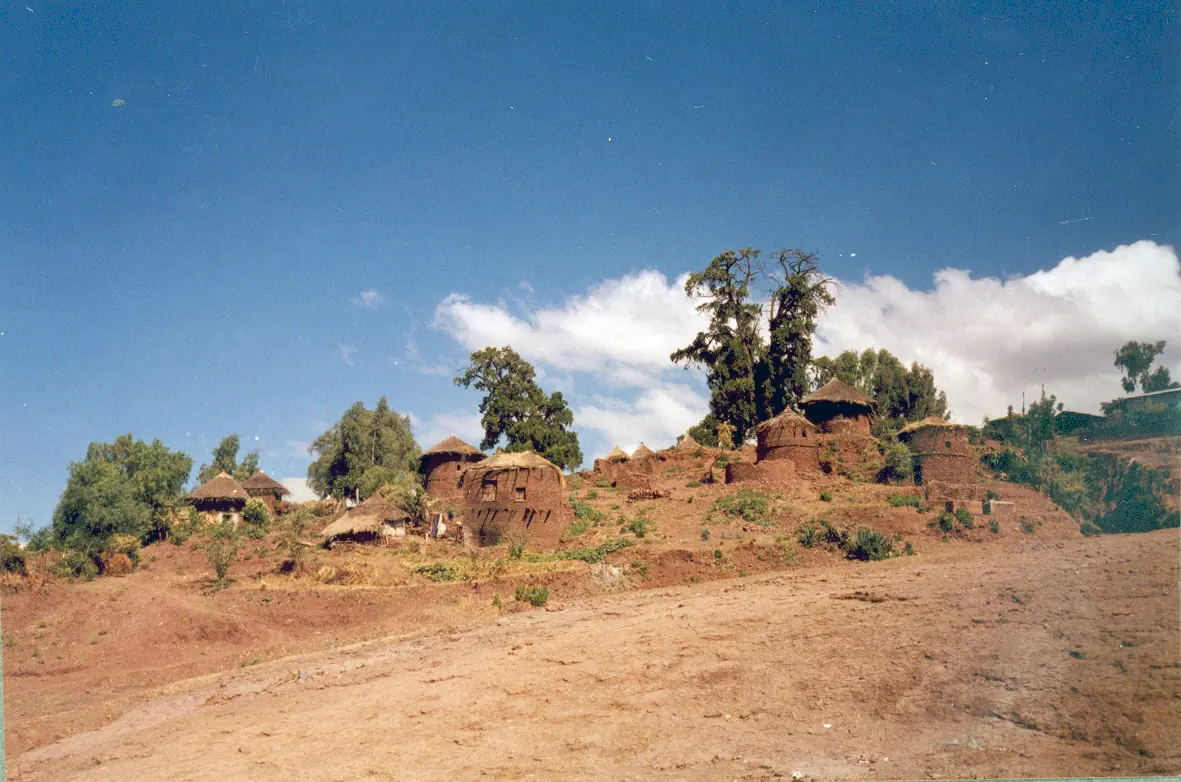
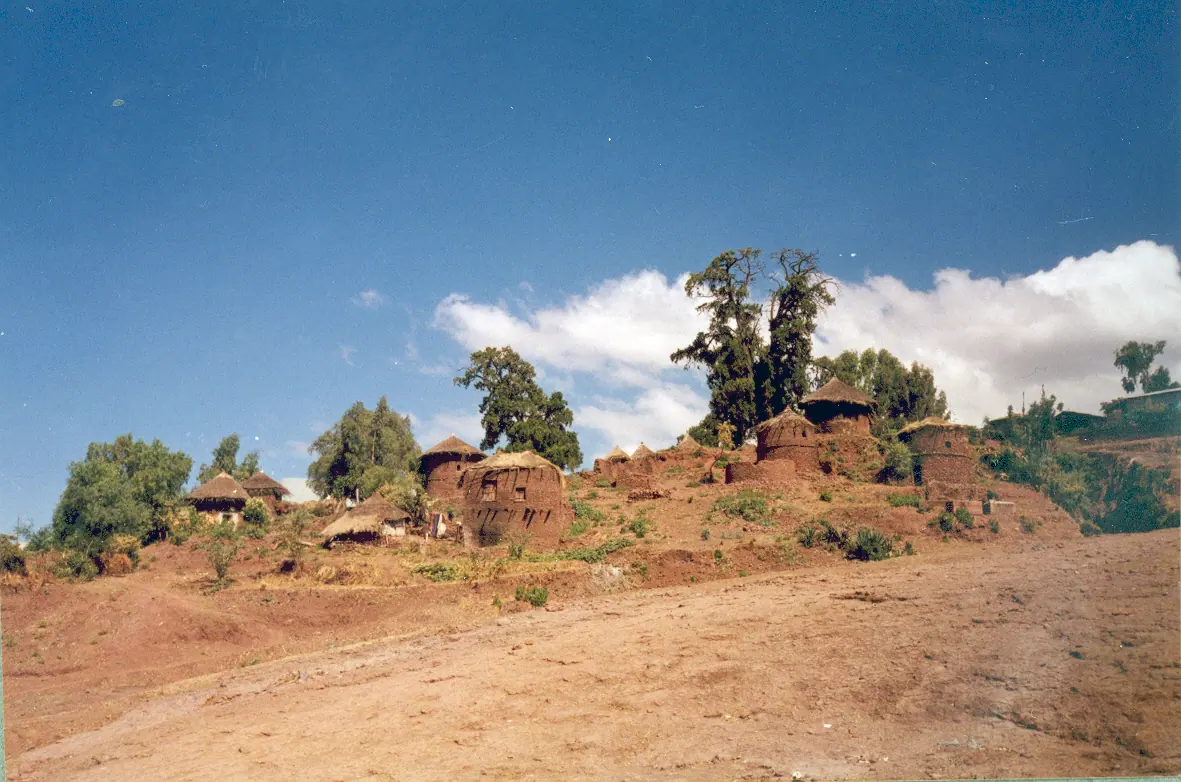
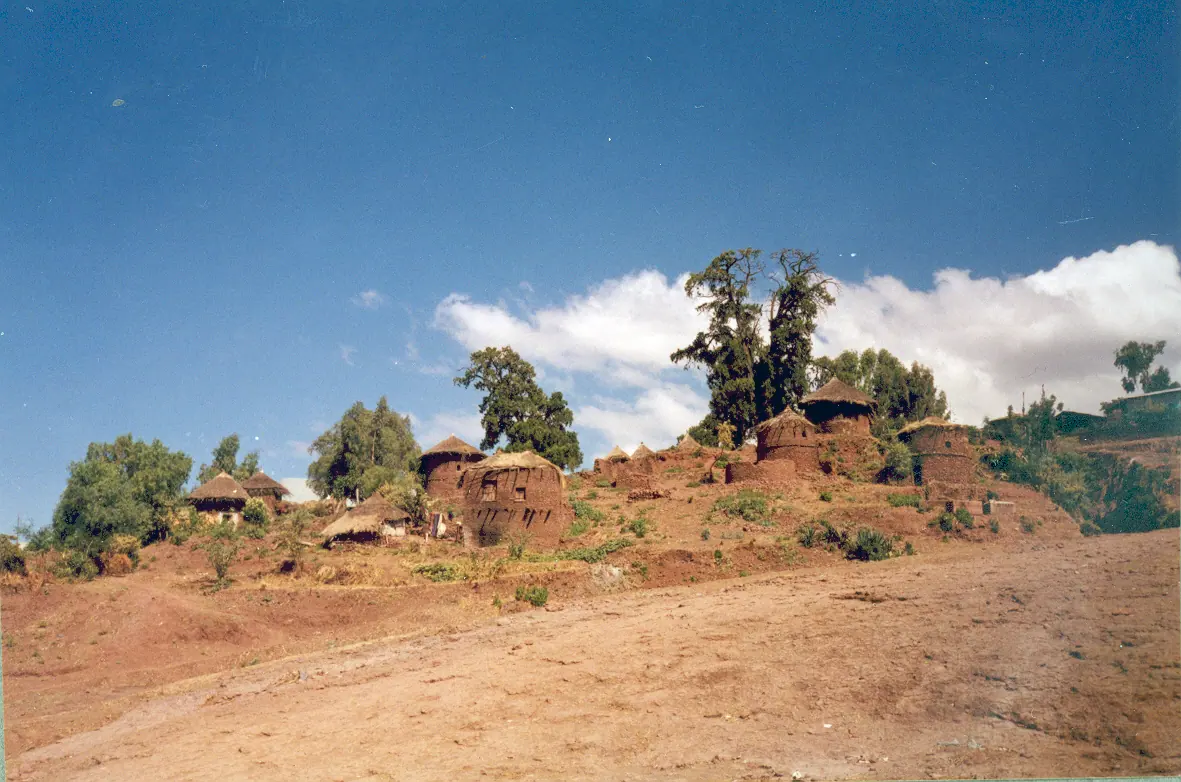
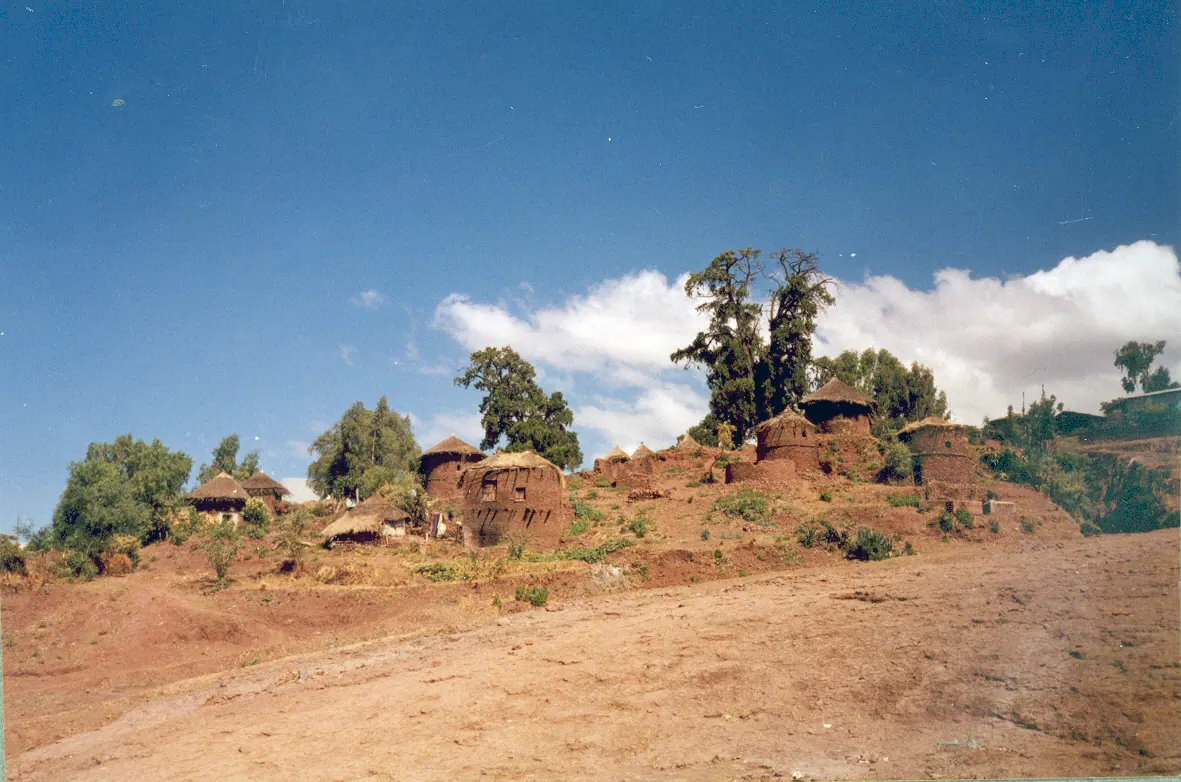
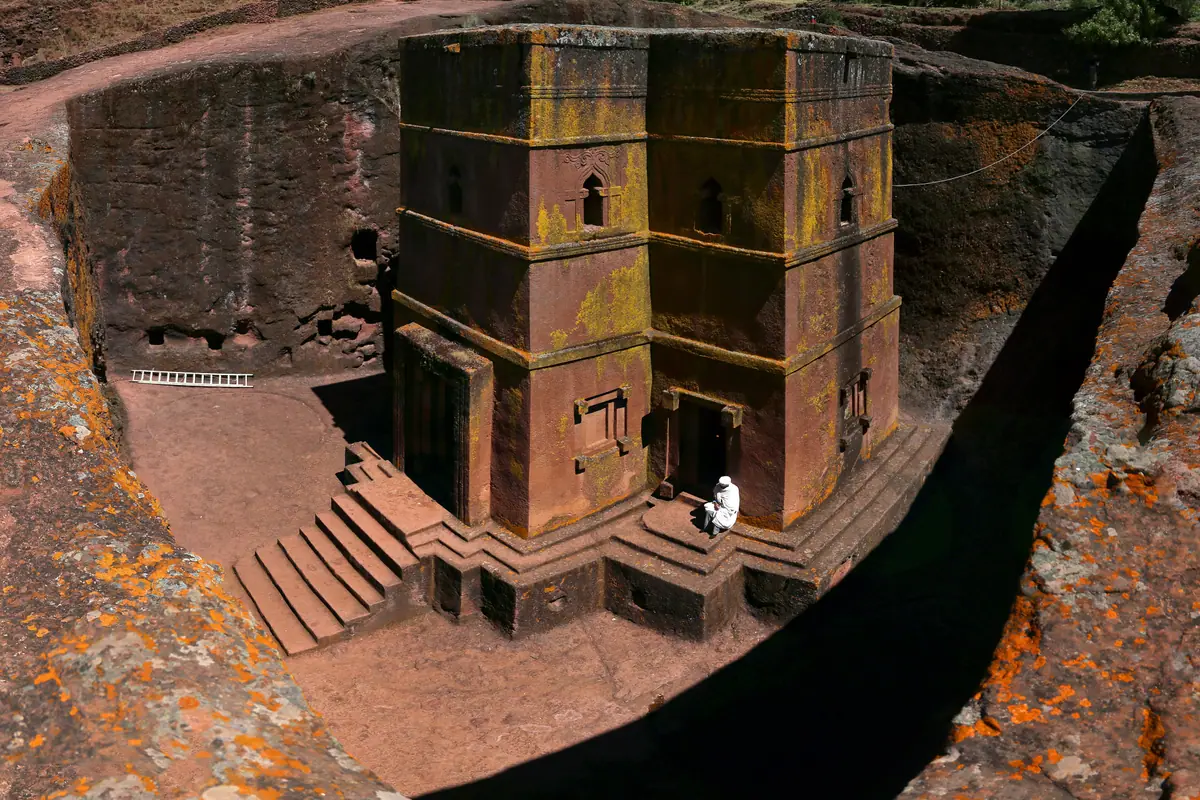
Lalibela is the image most people carry of Ethiopia before they arrive, and it still overwhelms in person. Eleven medieval churches were carved downward into soft volcanic tuff, then linked by trenches, tunnels and a symbolic river rechristened the Jordan. Bete Giyorgis, the cross-shaped monolith of St George, sits at the end of a dramatic trench and may be the single most beautiful piece of architecture in the country. Bete Medhane Alem is the largest monolithic church in the world, and Bete Maryam's interior columns and faded frescoes reward lingering.
Come at dawn, when white-shawled worshippers move along the rock paths and the light rakes across the chiselled roofs, and again in the late afternoon when the coach groups have thinned out. Two full days is the realistic minimum; three lets you add the nearby cave church of Yemrehana Krestos or the walk to Asheten Maryam's hilltop monastery. Plan around the big Orthodox festivals if you can: Timkat in mid-January and Genna, Ethiopian Christmas in early January, turn the site into a living ceremony rather than a monument. The town sits above 2,500 metres, so expect thin air and cold nights.
Gondar and Bahir Dar: Castles, Painted Angels and the Blue Nile Falls
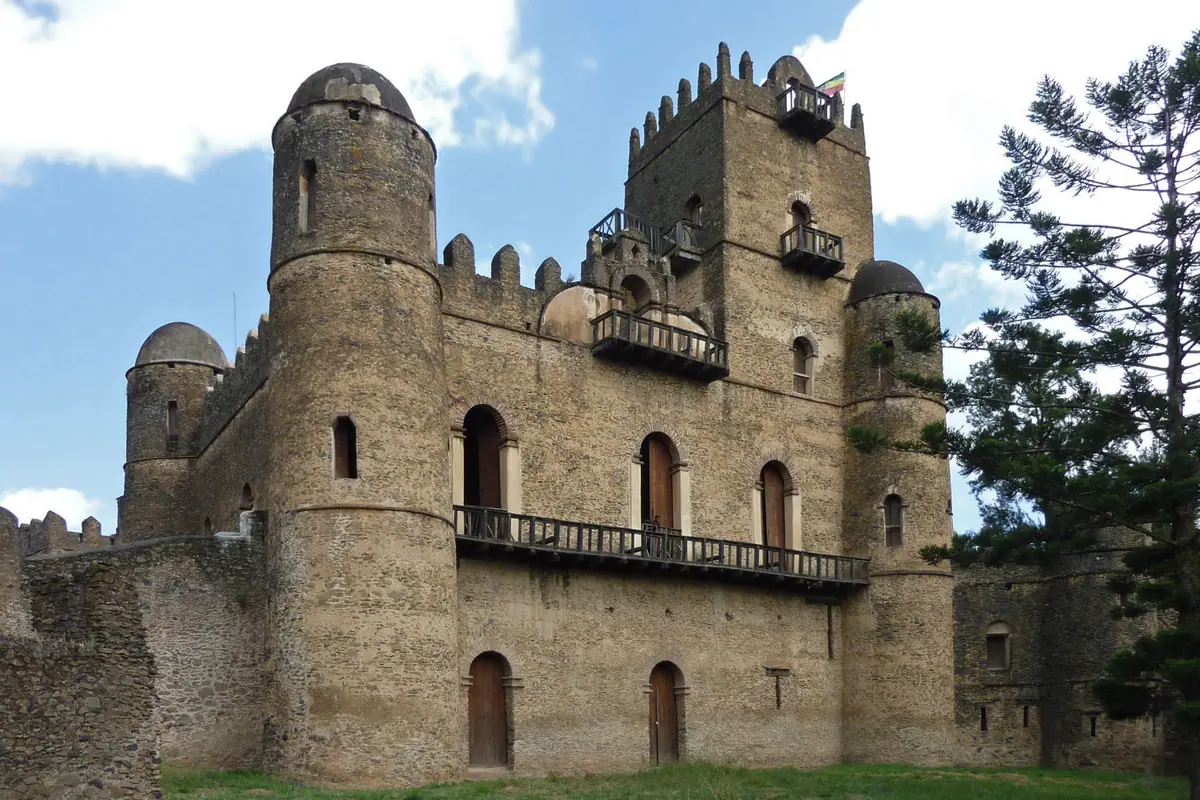
Gondar was the capital of an empire and still looks like it. The Fasil Ghebbi royal enclosure holds a cluster of 17th-century castles built by Emperor Fasiladas and his successors, with battlemented towers, arches and dark stone walls that feel more European Crusader than African highland. A short drive away, Fasiladas' Bath becomes a sacred pool during Timkat, its water blessed while crowds watch in white. Do not leave without stepping into Debre Berhan Selassie, whose ceiling is covered with rows of painted winged faces — one of Ethiopia's great art experiences.
Bahir Dar, on the southern shore of Lake Tana, is the natural companion stop. The lake's Zege Peninsula hides forest monasteries reached by boat, with Ura Kidane Mehret the most visited thanks to its vivid circular murals. Boatmen still pole papyrus-style tankwa craft between the reed beds, and the birdlife is excellent for anyone with binoculars. Forty-five minutes out of town, the Blue Nile Falls, known locally as Tis Abay, thunders over a wide basalt ledge; the flow is strongest at the end of the rains in September and October, and the walk down can be muddy. Give Gondar a full day and Bahir Dar at least two.
The Simien Mountains and Bale: Ethiopia's High-Altitude Trekking
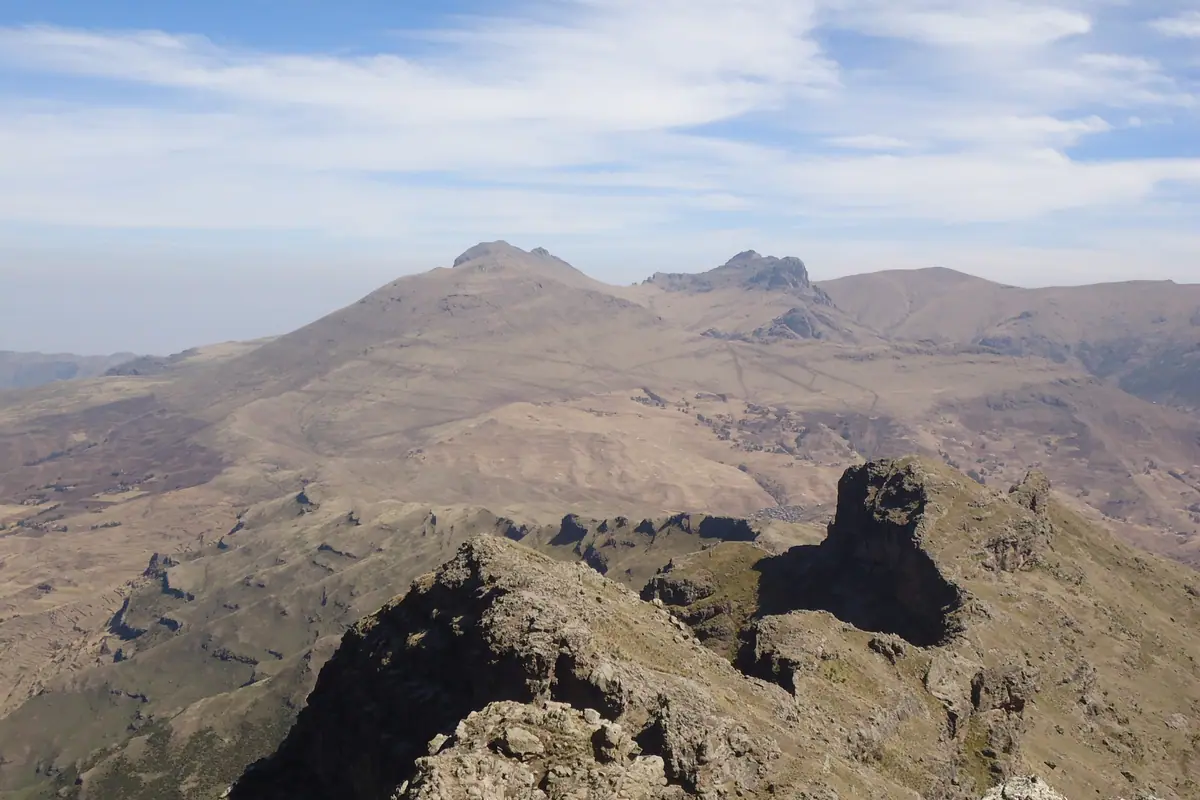
The Simien Mountains are a UNESCO-listed escarpment that drops in sheer cliffs and jagged spires, topping out at Ras Dashen, Ethiopia's highest peak at around 4,550 metres. You do not need to summit anything to love it. Most travellers walk the classic route around Sankaber, Geech and Chenek over three to five days, sleeping in lodges or camping, with gelada monkeys feeding in herds at your feet, walia ibex balancing on ledges, and bearded vultures riding the thermals. A licensed park scout accompanies every group, and permits and camping fees are arranged in Gondar or Debark.
In the south, Bale Mountains National Park offers a completely different highland experience. The Sanetti Plateau is a vast, treeless Afro-alpine moor above 4,000 metres where Ethiopian wolves trot across the road at dawn, and the road descends into the dripping Harenna Forest, one of the last great cloud forests in the Horn of Africa. Walks range from easy half-day loops near Dinsho to multi-day treks linking the plateau with the forest, and endemic bird species turn up constantly. The dry months from October to March are the most comfortable for both parks; the kiremt rains from June to September make trails slippery and views unreliable.
The Danakil Depression: Sulphur, Salt and a Lava Lake
The Danakil Depression is one of the lowest and hottest inhabited places on the planet, a geological wound where the African continent is slowly tearing apart. Dallol's hydrothermal field throws up acid pools in acid yellow, copper and lime green against white salt crusts, fuming and utterly alien. Nearby, the salt flats of Lake Asale stretch to the horizon, worked by Afar and Tigrayan salt cutters who load camel caravans for the long haul to market. At Erta Ale, a broad shield volcano, travellers who make the night ascent may be rewarded with the glare of a lava lake glowing red beneath the rim.
This is not a region to explore independently. Visits run as escorted convoys of 4x4s with a cook, local Afar guides and a security escort, typically three or four days on a loop out of Mekele, with basic camp beds under the stars. Daytime temperatures routinely climb past 40 degrees Celsius and can be far worse between March and October, which is why sensible trips run only from November to February. Bring far more water than you think you need, a head torch, sun protection that covers everything, and a willingness to sleep badly. The heat and dust are real; so is the sense of standing somewhere genuinely otherworldly.
Aksum and the Gheralta Churches of Tigray
Aksum was the capital of a trading empire that once controlled the Red Sea routes and minted its own coinage. The stelae field is its signature: towering granite obelisks carved to resemble multi-storey buildings, the tallest still standing, King Ezana's stele, rising roughly 24 metres, with underground tombs beneath. Beside it stands the Church of St Mary of Zion, the holiest church in Ethiopia and home to a chapel said to guard the Ark of the Covenant, which no visitor may enter. Add the Ezana stone with its trilingual inscription, the bath complex associated with the Queen of Sheba, and the small but excellent museum, and you have a compact day of world history.
West of Aksum, the Tigray highlands hide some of Christianity's most astonishing churches, hewn into sandstone cliffs and spires around Hawzien and the Gheralta massif. Abuna Yemata Guh demands a scramble up a rock face and a shuffle along a narrow ledge to reach a chamber of 5th-century frescoes with a view that makes your knees wobble. Maryam Korkor and Daniel Korkor are easier but still steep, while dozens of lesser-known chapels sit in valleys that see only a handful of walkers a week. Local guides and, in some cases, village scouts are essential, and October to March gives the clearest skies and safest footing on those slick rock steps.
Harar, the Omo Valley and Addis Ababa
Harar Jugol is a walled Islamic city of narrow lanes, five historic gates and more than eighty mosques, and it feels like a different country from the Orthodox highlands. In the late afternoon, the famous hyena feeding takes place just outside the walls, where a handler calls the animals by name and visitors watch from a low bench; it is a strange, tense ritual and wholly Harari. Wander the markets for basketry, coffee and spices, step into a 19th-century merchant house preserved as a small museum, and stay overnight inside the walls rather than in the newer town, so you catch the early-morning quiet.
The Omo Valley in the far southwest is the country's cultural deep end: the Karo villages above the Omo River at Korcho, the Hamar around Turmi with their bull-jumping ceremonies, and the markets at Key Afer and Dimeka where dozens of groups trade and talk. Access is via Jinka and Arba Minch, with rough roads and long drives, and any visit should be guided and slow, arranged with communities rather than staged around them. On the way, do not skip the Konso terraced hillsides and the rows of carved wooden grave markers, or the ancient stelae at Tiya further north.
Addis Ababa is where every trip begins and ends, and it deserves a day rather than a transit. The National Museum of Ethiopia holds the fossil skeleton known as Dinkinesh, or Lucy, along with early hominid treasures that changed how we understand our own origins. Holy Trinity Cathedral, with its stained glass and imperial tombs, and the Ethnographic Museum in a former imperial palace are both worthwhile, while the sprawling Merkato is a sensory overload best tackled with a local friend. Finish with a coffee ceremony in the Entoto hills, overlooking a city of eucalyptus and altitude, before your flight out.
Frequently asked questions
When is the best time to visit Ethiopia?
The dry season from October to March is the most reliable window, with clear skies, good road conditions and comfortable trekking in the Simien and Bale mountains. June to September brings the heavy kiremt rains, which turn tracks to mud and can make the Blue Nile Falls dramatic but the highlands soggy. March to May is the lighter belg rain period. The Danakil Depression is only sensible from November to February, when daytime temperatures dip below punishing. Festival dates matter too: Timkat in mid-January and Meskel at the end of September are spectacular, so book accommodation well ahead.
How long do I need to see the main highlights?
A comfortable northern historic circuit — Addis Ababa, Bahir Dar, Gondar, the Simien Mountains, Aksum, the Gheralta churches and Lalibela — takes around twelve to fourteen days, partly because overland distances are long and slow. Add three to four days for the Danakil Depression and four to five for the Omo Valley in the south. If you have only a week, pick two destinations, such as Lalibela plus Gondar and Bahir Dar, and use domestic flights rather than attempting everything by road.
Is Ethiopia suitable for first-time visitors to Africa?
Yes, with realistic expectations. Ethiopia is generally hospitable and tourist areas are accustomed to visitors, but infrastructure is basic outside the main towns: expect long bumpy drives, occasional power cuts and simple guesthouses as well as comfortable hotels. Altitude affects many travellers, particularly in Lalibela, Gondar and the Simien Mountains, so allow a day to acclimatise and drink plenty of water before trekking. The Danakil Depression requires an escorted convoy, and remote regions are best visited with an organised local operator rather than alone.
What should I pack for Ethiopia?
Layers are essential because highland mornings and nights are cold while lowlands can be brutally hot. Bring sturdy, grippy footwear for rock steps at Lalibela and the Gheralta churches, a wide-brimmed hat, high-factor sunscreen, insect repellent for lowland areas, a head torch for camping and power cuts, and a reusable water bottle. Modest clothing covering shoulders and knees is respectful at churches and monasteries, and you may be asked to remove shoes before entering. Cash in local currency is useful outside the cities, since card acceptance is limited.
Do I need permits or guides for trekking and remote areas?
Yes in most cases. The Simien Mountains and Bale Mountains national parks require entry permits, and a licensed scout must accompany trekking groups, usually arranged in Debark or Dinsho. The Danakil Depression is only visited as an escorted convoy with local Afar guides and a security escort, arranged in Mekele. In Tigray, churches such as Abuna Yemata Guh need a local guide and sometimes a village scout for the climbing sections. For the Omo Valley, travelling with a reputable local guide is not just practical but is the most respectful way to visit communities.
Plan it — experiences in Ethiopia
Live search, booked directly with trusted providers.
Sort the rest of your trip
Everything for Ethiopia, in one place
Stay in Ethiopia
Hotels, guesthouses and apartments — compared in one search.
Search hotels
Transfer in Ethiopia
Private driver waiting on arrival — no queues, no surprises.
Book a transfer
Stay online in Ethiopia
Travel eSIM — data the moment you land, no roaming bills.
Get an eSIM