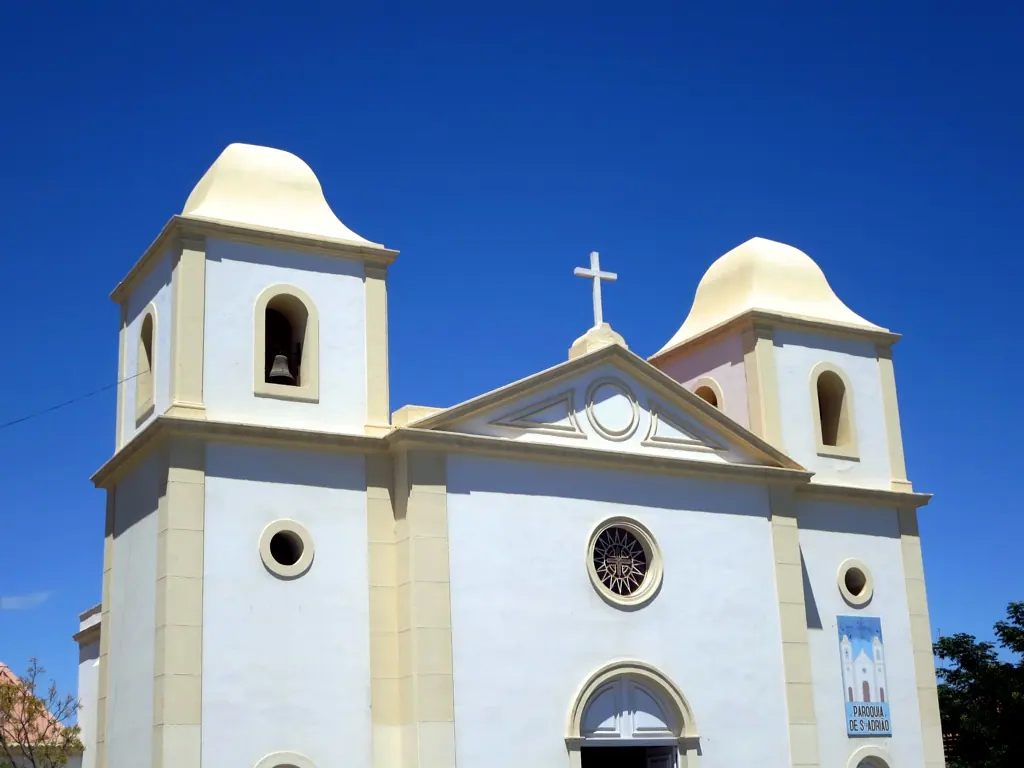
Angola is one of Africa's least-visited tables: a country where palm-oil stews simmer within earshot of the Atlantic surf, where semba drums still steer the dance floor, and where a smooth highway can dissolve into red desert dunes. Travel here is less about ticking off monuments than about eating, dancing and moving at local pace — from the bayside forts of Luanda to the misty escarpment of Huíla.
Luanda: Where an Angola Tour Begins
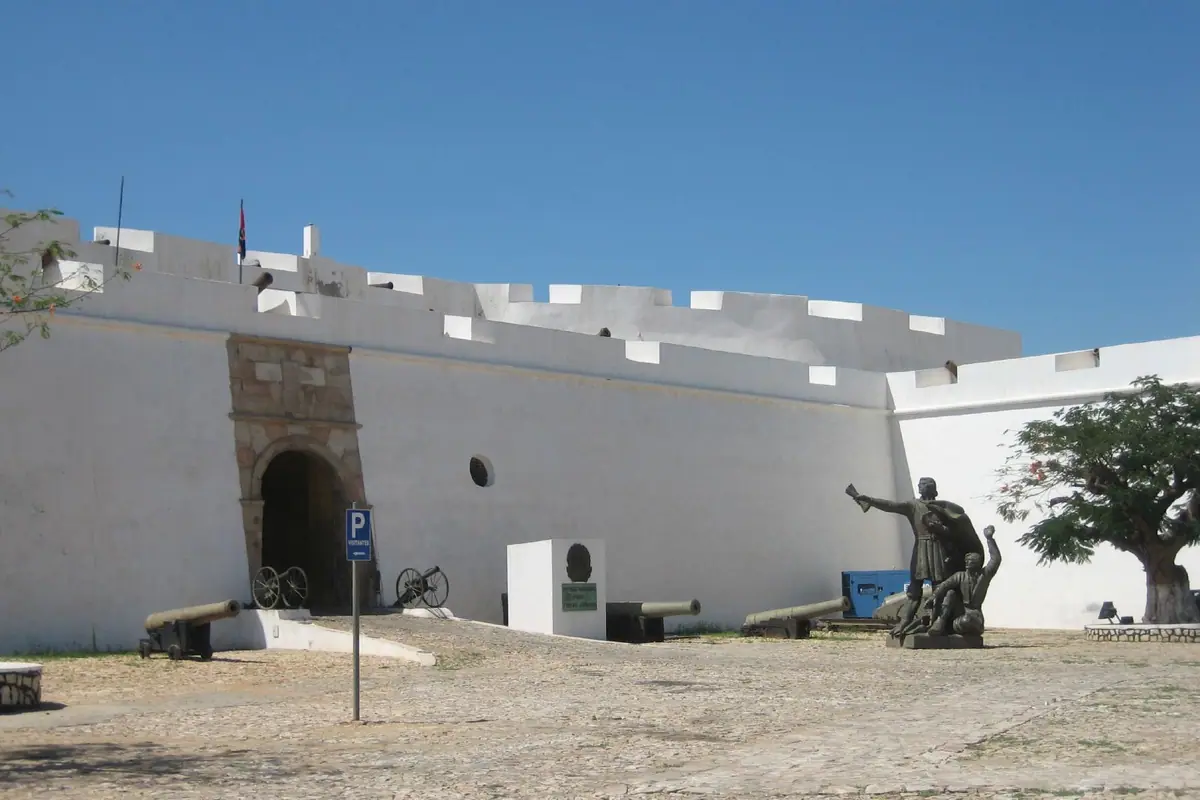
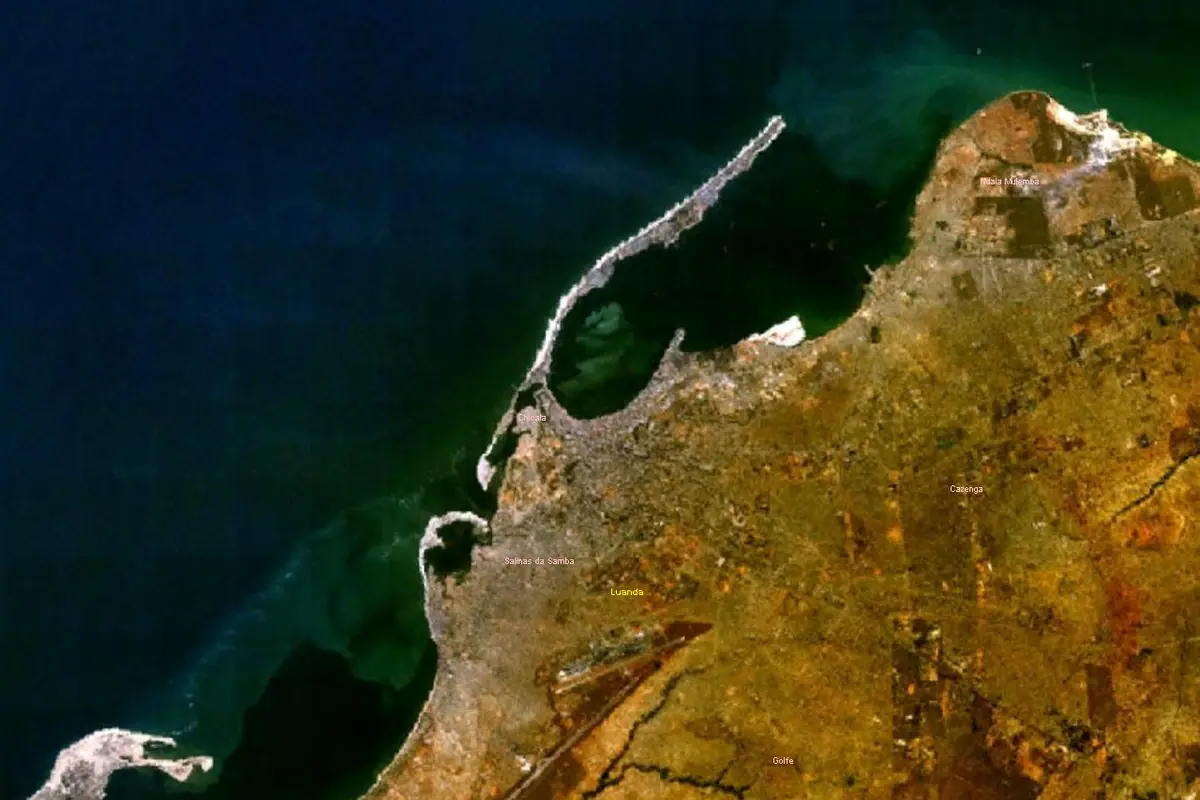
Almost every journey starts in the capital, and Luanda rewards a slow first day. Walk the Marginal, the curving waterfront avenue, where the Mausoléu Agostinho Neto rises like a concrete rocket and fishing boats bob beside container cranes. Above it stands the Fortaleza de São Miguel, a 16th-century fortress turned military museum with the best free panorama over the bay; a few minutes away, the Museu Nacional de Antropologia gathers masks, drums and hunting gear from Angola's many peoples, with an impressive room devoted to the warrior queen Njinga Mbandi. Further south along the coast, the Museu Nacional da Escravatura and its white 17th-century chapel on the Morro da Cruz are a sobering, essential stop.
Then head for the Ilha de Luanda, the sand spit that curves out past the bay. On Sundays it becomes one long open-air restaurant: plastic chairs in the sand, grills smoking, and plates of mufete arriving — grilled cacusso or tilapia with boiled beans, raw onion, tomato and a slick of red palm oil, plus a mound of funge to scoop it with. Service is unhurried, so order a drink, accept that lunch will take two hours, and watch the kite surfers and the families who have claimed the same stretch of beach for generations.
Luanda is hot, humid and expensive, so time your walking for the cacimbo, the dry, hazy, mercifully cooler season from May to September. The rains from November to April usually arrive in short, violent afternoon bursts. On the drive south toward Cabo Ledo, stop at the Miradouro da Lua, a cliff of eroded gullies that genuinely looks like a lunar landscape.
What to Eat: The Angolan Table
Angolan cooking is built on two ideas: a starch to scoop with, and a slow-simmered stew to scoop from. The starch is funge (also spelled funji), a stiff porridge of cassava or maize flour stirred over fire until it pulls cleanly from the pot; it replaces cutlery and soaks up sauce. The most famous stew is muamba de galinha — chicken braised in dendém, the thick red palm oil, with okra, garlic, chilli and sometimes squash. It is the dish every Angolan family argues about, and every version is claimed to be the correct one. Calulu, a fish or dried-meat stew with greens, okra and aubergine, is its gentler coastal cousin, cooked best in Benguela and along the southern coast.
Beyond the classics, look for bagre grelhado, whole grilled catfish sold from roadside braziers, and caldeirada de cabrito, a robust goat stew popular in the south. Finish with cocada amarela, a dense yellow coconut custard, or pé de moleque, the peanut brittle sold in paper twists at markets. Fruit is a highlight: mangoes, maboque and papaya appear in season almost for free. To drink, try kissangua, a lightly fermented maize or millet brew sold in recycled bottles, a cold local lager, or Angolan robusta coffee from the highlands of Kwanza Sul, a reminder that this was once one of the world's great coffee producers.
Eat where the crowds eat. Market grills, the fish markets of Namibe and Lobito, and the humble mufete shacks on the Ilha will beat any hotel buffet. If you are invited to share a communal bowl, eat with your right hand, take from the section nearest you, and never refuse a first plate — hospitality here is generous and genuinely meant.
Semba, Kizomba and Kuduro: Angola's Rhythm
Angola's cultural export is its music. Semba, the fast, playful partner dance with roots in Luanda's old neighbourhoods, is the ancestor of Brazilian samba and still the heartbeat of any celebration. Kizomba came later, slower and closer, and has circled the world as a social dance; kuduro, born in the musseques in the 1990s, is frantic electronic rhythm built for stadiums. You will hear all three in the same night, and no one will mind if your first attempt is clumsy.
The best time to see this culture in full voice is Carnival, held in February or March in the days before Lent. Luanda's Marginal fills with costumed groups, drum sections and competing dance troupes, while Benguela hosts its own, gentler version with the rebita dance and its accordion-driven melodies. Outside Carnival, look for live music in the bars and terraces around the Marginal and on the Ilha at weekends, and ask at your guesthouse about local teachers if you want a kizomba lesson — an hour with a patient instructor is one of the cheapest, warmest introductions to the country.
Further north and east, traditional ngoma drumming still marks funerals, harvests and ceremonies in the provinces around M'banza Kongo and the Lundas. Watching a drum ensemble perform is not a show put on for visitors; it is community life, and a small gift or a contribution to the organisers is the polite way to take part.

The Southern Loop: Namibe, Lubango and the Desert Coast
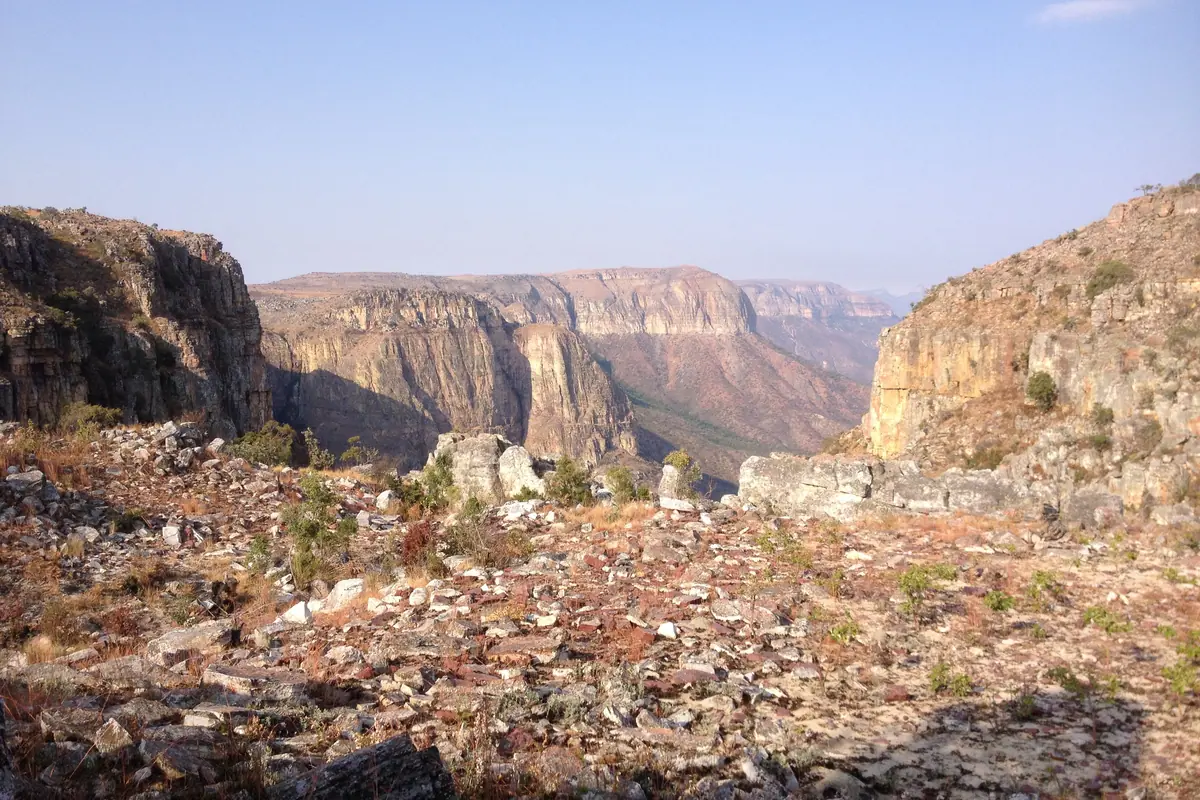
The south is Angola's showpiece. Fly or drive to Lubango, the cool highland capital of Huíla, where the Cristo Rei do Lubango statue gazes over the town and the Serra da Leba pass drops away in a famous series of hairpin bends. An hour further out, the Fenda da Tundavala slices a 2,000-metre escarpment out of the plateau — on a clear morning you can see 100 kilometres to the coast. Go between May and September; in the wet months the viewpoint is often swallowed by cloud.
From there, descend to Namibe and the Deserto do Namibe, one of the oldest deserts on earth. Near Tômbwa and Lucira you can find welwitschia mirabilis, a gnarled plant that lives for centuries and looks like nothing else on the planet. The coast is also a migration corridor: humpback whales pass offshore roughly between July and October, and the abandoned, sand-choked settlement of Baía dos Tigres is the stuff of expedition photography. Iona National Park, Angola's largest protected area, is strictly 4x4 territory, a two-day drive from Namibe through dunes and dry riverbeds.
Come back via the Namibe fish market, where your catch is grilled within minutes of leaving the ice, and book a night in a coastal guesthouse rather than rushing back to the capital. This loop deserves four to five days minimum; anything less and you'll spend it all in the car.
Northern Heights: Kalandula, Pungo Andongo and M'banza Kongo
In Malanje province, the Kalandula Falls thunder over a 400-metre-wide ledge, dropping about 105 metres into the Lucala River gorge. The rainy season, roughly February to April, is when the volume is at its most spectacular; in the dry months the flow is thinner but the trails and viewpoints are easier to reach, including a steep staircase down toward the spray. Combine it with the Pedras Negras de Pungo Andongo, immense black boulders scattered across country that was the heartland of the Ndongo kingdom and the resistance led by Njinga Mbandi.
Closer to the capital, Parque Nacional da Quiçama is an easy two-hour run south of Luanda and the most practical place for a first wildlife fix: elephants, giraffes, zebras and antelope roam the miombo and riverine woodland, often with the Kwanza River glinting in the background. Surfers should continue to Cabo Ledo, where long Atlantic swells break on a broad beach that stays almost empty on weekdays.
Far to the north, M'banza Kongo is Angola's UNESCO-listed spiritual capital, the seat of the old Kingdom of Kongo. The royal court ruins, the sacred tree and the remains of an early cathedral give the town a quiet, weighty atmosphere, and the route there — by road or via a flight to the far north — is a genuine journey into another Angola.
Practical Local Travel: Trains, Markets and Timing
For a slower, sociable crossing of the country, ride the restored Benguela Railway between Lobito and Luena. It is a long, unhurried day of villages, level crossings and passengers loading sacks of maize, and it shows you an Angola that flights never will. Markets are the other great local institution: the Kinaxixi market in Luanda for produce and household goods, the highland markets around Lubango for baskets and dried fruit, and the coastal fish markets for the country's best cheap meal.
Practicalities matter here more than in most destinations. Portuguese is the language of daily life, though you'll hear Umbundu, Kimbundu, Kikongo and many others. The currency is the kwanza, and it is still very much a cash economy outside Luanda's hotels — carry enough notes for fuel, meals and market purchases. Visas are straightforward for many nationalities through visa-free entry or an online application, but check your own status before booking.
Give Angola ten days to two weeks: three days in and around Luanda, four to five in the southern loop, and three in the north or Malanje. Avoid long night drives outside the cities, use a 4x4 with a local driver if you are travelling between November and April, and build slack into any itinerary — distances look modest on the map and rarely behave that way on the ground.
Frequently asked questions
When is the best time to visit Angola?
May to September is the dry cacimbo season: cooler, hazier and far better for road travel, hiking in Huíla and the southern desert. The rains arrive from November to April, usually in short afternoon downpours. If Kalandula Falls is your priority, aim for February to April, when the water volume peaks.
What food should I try in Angola?
Start with muamba de galinha, chicken stewed in red palm oil with okra, served with funge. Then try calulu, a fish or meat and greens stew, mufete — grilled fish with beans and palm oil, best eaten on the Ilha de Luanda — and bagre grelhado, roadside grilled catfish. Finish with cocada amarela coconut custard.
How many days do I need for an Angola tour?
Ten days to two weeks is realistic. A typical plan gives three days to Luanda, the forts and the Ilha, four to five days to the southern loop of Lubango, the Serra da Leba, Tundavala and Namibe, and three days to either Kalandula Falls and Pungo Andongo or M'banza Kongo in the north.
Do I need a visa to travel to Angola?
Many nationalities can enter visa-free or apply through Angola's online visa system, but rules change and depend on your passport. Confirm your status directly with an official Angolan consulate or embassy before booking flights, and carry printed confirmation of any approval.
Is Angola expensive and is it easy to get around?
Luanda is one of the pricier cities in Africa, especially for hotels, while the provinces are cheaper but simpler. Outside the capital, cash is king, roads vary from excellent to rough, and the restored Benguela Railway is a rewarding alternative. A local driver-guide plus a 4x4 is the most comfortable way to link the southern and northern highlights.
Sort the rest of your trip
Everything for Angola, in one place
Stay in Angola
Hotels, guesthouses and apartments — compared in one search.
Search hotels
Transfer in Angola
Private driver waiting on arrival — no queues, no surprises.
Book a transfer
Stay online in Angola
Travel eSIM — data the moment you land, no roaming bills.
Get an eSIMMore guides in Angola
Flying Into Angola: A One-Week Itinerary from Luanda to the Kalandula Falls
Best Things to Do in Angola: Waterfalls, Desert Coast and Highland Escarpments
The Best Time to Visit Angola: Seasons, Hotel Timing and Must-See Sights