Angola is the rare African destination that still feels genuinely unhurried — a country of Atlantic surf beaches, colonial-era fortresses, thundering waterfalls and one of the oldest deserts on earth. It rewards travellers who are willing to cover real distance, and it hands out landscapes that few people back home have ever seen.
Luanda: Fortresses, the Marginal and the Atlantic Edge
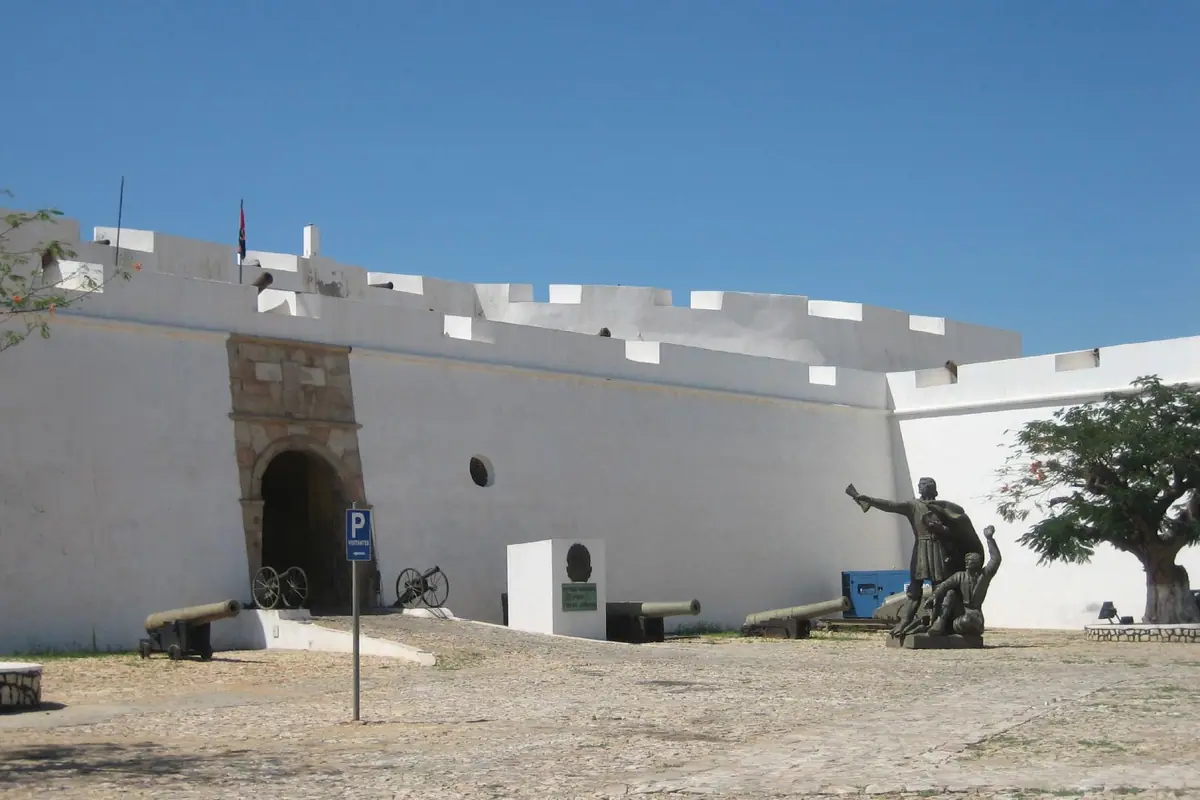
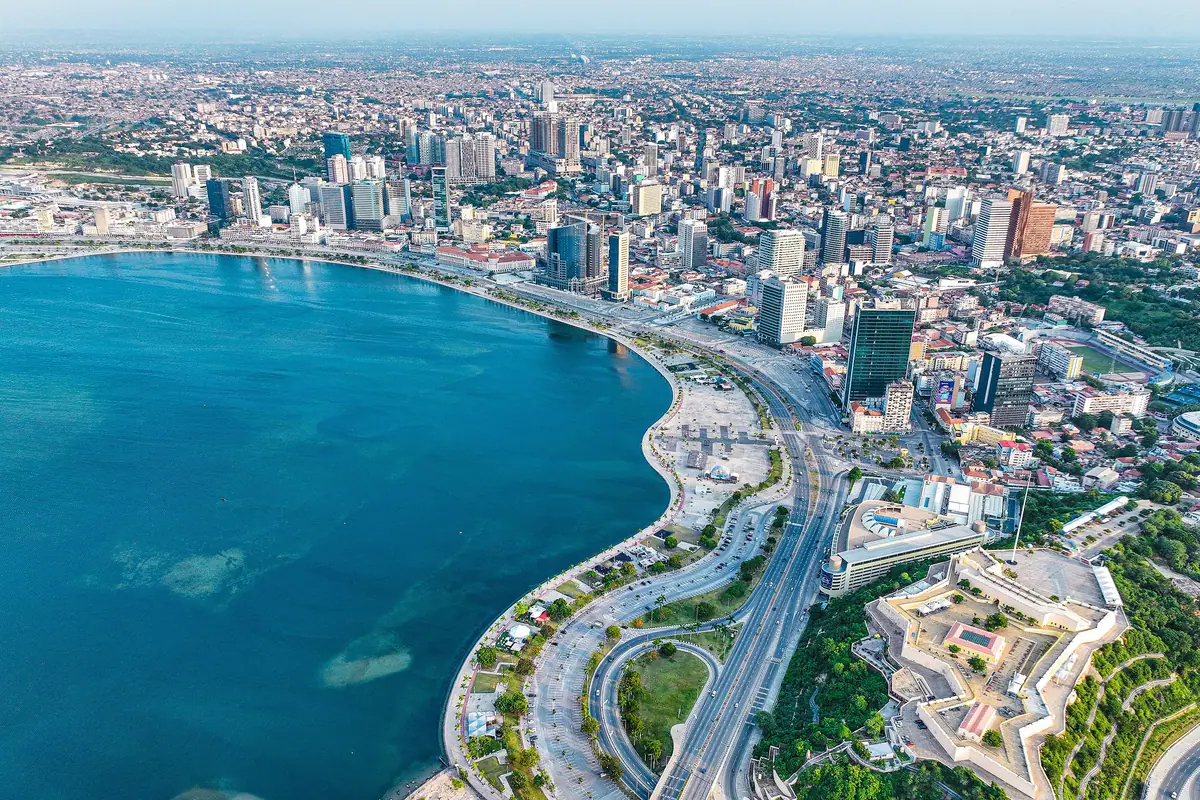
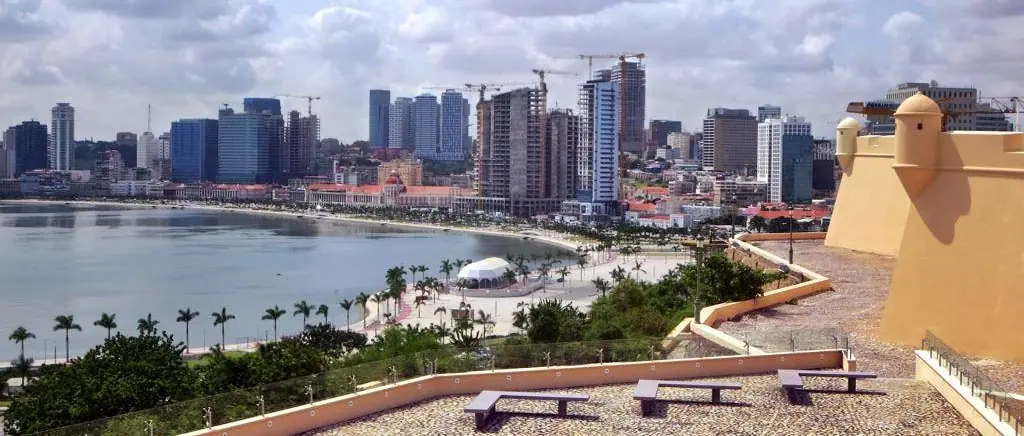
Almost every Angola trip begins in the capital, and the city's shape is best understood from its seafront. Avenida 4 de Fevereiro, known to everyone as the Marginal, curves around the bay in a long arc of palms and pastel buildings; in the late afternoon it turns into a promenade of joggers, families and couples watching the sun drop behind the curve of the bay. Rising above it is the Fortaleza de São Miguel, a stone fortress begun in the sixteenth century and now home to a military history museum whose walls are lined with Portuguese tiles and old cannons. The view from its ramparts takes in the whole bay, the port cranes and the city's restless skyline.
Behind the waterfront, Luanda's cultural sights are compact and easy to link on foot or in a short taxi hop. The Mausoleum of Agostinho Neto stands out as a rocket-shaped monument on the skyline, while the National Museum of Anthropology gathers masks, instruments and textiles from across the country's many peoples. Further along the coast at Morro da Cruz, a small chapel above the water has been turned into the National Museum of Slavery, a sobering but essential stop that explains Angola's central place in the transatlantic trade. For music and grilled fish, head out along the Ilha de Luanda, the narrow spit that shelters the bay — it fills with kizomba and semba on weekend evenings.
If your itinerary has room for one more northern detour, the town of Mbanza Kongo, roughly a day's drive north of the capital, was the capital of the Kingdom of Kongo and is recognised as a World Heritage site for its royal ruins and sacred tree. It is a quiet, spiritual place that adds a completely different layer to a Luanda-based trip.
Day Trips from Luanda: Miradouro da Lua, Cabo Ledo and Mussulo
The best of Angola's accessible scenery sits within a couple of hours of the capital. Heading south towards the Kwanza River, the Miradouro da Lua — the Moon Viewpoint — is a stretch of eroded cliffs and gullies that genuinely looks like a lunar surface, carved into shapes by wind and rain. It is at its most photogenic in the last hour of daylight, when the ridges turn gold and the shadows deepen. Continue a little further and you reach Barra do Kwanza, where the river meets the ocean in a wide delta of sandbanks, fishing boats and shallow channels that are perfect for a slow afternoon.
Cabo Ledo, about two hours south of the city, is Angola's best-known surf beach: a long sweep of pale sand where Atlantic swell rolls in consistently, particularly through the dry months from May to September. Board rentals and simple beach bars cluster at the access points, and even non-surfers will find the empty coastline and cold, bright water worth the drive. Closer in, the Mussulo peninsula is a thin strip of sand and palm groves reached by boat across the bay; its sheltered lagoon is glassy and warm, which makes it a favourite for kitesurfing, kayaking and long lunches of grilled fish.
Quiçama National Park and the Kwanza River
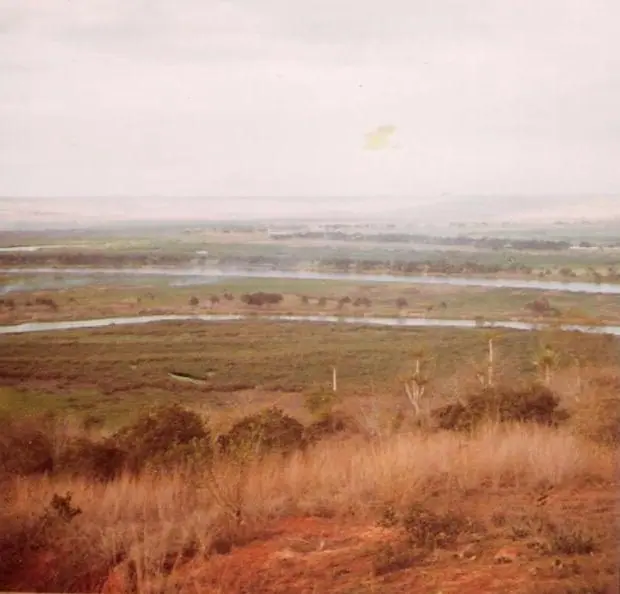
Quiçama National Park, spread across thousands of square kilometres south of Luanda, is the country's most visited wildlife reserve and the easiest place to see large animals. Elephants were reintroduced here after the long civil war, and today herds of them move through the acacia and mopane woodland alongside giraffes, zebras, buffalo, warthogs and a rich cast of antelope. The park runs down to a coastline of mangroves and empty beaches, and a full day of game driving can end with your feet in the surf. Because the sandy tracks are soft and the signposting sparse, most visitors go with a local guide and a sturdy four-wheel-drive vehicle.
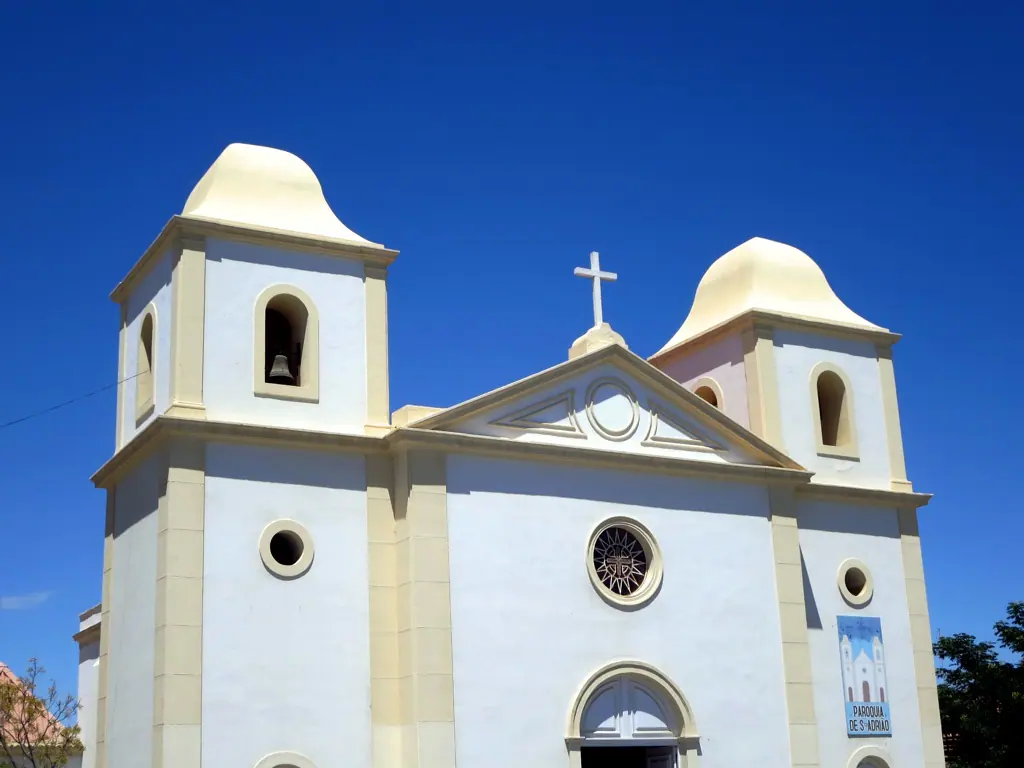
The classic route in crosses the Kwanza River at Muxima, a small town dominated by the Church of Nossa Senhora da Muxima, one of the most important pilgrimage sites in the country. Every September, thousands of worshippers arrive from across Angola to walk to the shrine, and the town takes on a festival atmosphere with music, food stalls and night-long vigils. Outside pilgrimage season, the river crossing and the village are peaceful, and the drive itself — past palm groves, fishing camps and flooded grasslands — is half the experience. The dry season from May to September offers the easiest driving and the best game visibility, though the green months bring spectacular birdlife.
Kalandula Falls and the Malanje Highlands
Kalandula Falls, on the Lucala River in Malanje province, is the sight most travellers picture when they think of Angola. Water drops roughly a hundred metres over a wide basalt ledge, and in the rainy months the falls stretch hundreds of metres across, throwing up clouds of spray that soak the viewpoint paths and produce rainbows almost every afternoon. The flow is at its most powerful between March and May, at the end of the rains; during the drier months the volume drops but access and walking are far easier. Paths lead down towards the base of the falls, and the rocks are slippery even in the dry season, so grippy shoes matter.
Malanje itself makes a good base, and two other natural landmarks are within reach. The Pedras Negras de Pungo Andongo are towering black rock formations rising out of the plains, once the seat of the Ndongo kingdom and associated with Queen Nzinga; a short, steep climb rewards you with views across the whole plateau. Nearby, Cangandala National Park protects the giant sable antelope, a rare and elegant animal that serves as a national symbol and survives in only a handful of places. Seeing one requires patience, a guide and a bit of luck, but the park's woodlands and waterholes are worth the journey on their own. Malanje is reached by road from Luanda or by occasional domestic flights, so build in a buffer day either way.
Lubango, the Serra da Leba and the Tundavala Gap
In the southern highlands, Lubango sits at around 1,700 metres, which means cool air, pine trees and a climate that feels nothing like the coast — bring a jacket even in the dry season. The city's landmark is the Cristo Rei statue on a hill above town, a sweeping view point over the valley that is best visited in the late afternoon. The surrounding Huíla province is cattle country, and the markets, Portuguese-era buildings and wide avenues give Lubango a distinctly different character from the capital.
South of the city, the Serra da Leba pass is one of Angola's most photographed roads: it descends the escarpment in a series of tight hairpin bends with the plain dropping away below. Stop at the top for the panorama before driving down, and allow extra time because the weather can turn misty without warning. Further south again, the Tundavala Gap is a sheer cliff edge at roughly 2,200 metres where the plateau simply ends, offering an immense view out over the coastal plain towards Namibe. The wind is strong and the drop is real, so keep a safe distance from the rim. Hikers with extra days can aim for Mount Moco, the country's highest peak, in the highlands north of Huambo.
The Namibe Desert, Iona and the Far South
Angola's southwestern corner is desert country where dunes meet the Atlantic, and it holds some of the country's most otherworldly experiences. Around Namibe and the coastal town of Tombwa, the Welwitschia mirabilis grows — a plant that looks like a sprawl of shredded ribbons and can live for more than a thousand years, surviving on coastal fog in one of the oldest deserts on the planet. Local guides know the most accessible specimens, and seeing one in the flesh, on gravel plains that shimmer with heat, is a genuine bucket-list moment.
Further south, Iona National Park is the largest protected area in Angola, a landscape of shifting dunes, rocky massifs and dry riverbeds that supports oryx, springbok, ostriches, reptiles and remarkable desert-adapted plants. Facilities are minimal to non-existent, so this is a self-sufficient, fully guided, four-wheel-drive trip with fuel, water and spares arranged in advance. The ghost town of Baía dos Tigres, cut off from the mainland by shifting sand, and the Cunene River mouth at the far southern border are add-ons for travellers with real expedition appetites. The desert can be visited year-round, but the coolest, most comfortable months run from May to September; midsummer heat inland is punishing.
Frequently asked questions
When is the best time to visit Angola?
The dry season from May to September is the most comfortable, with cooler temperatures, clearer skies and firmer roads — the coastal mist known locally as cacimbo can hang over Luanda in the mornings but usually burns off. The rainy months from November to April turn the interior lush and fill the waterfalls, with Kalandula at its most dramatic between March and May, though some dirt roads become difficult.
How do you get around Angola?
Distances are large and road conditions vary, so most itineraries combine short domestic flights between the main hubs with guided four-wheel-drive transfers for parks and desert areas. Allow generous buffers: a drive that looks short on a map can take considerably longer, especially after rain or on sandy tracks.
What do I need before entering Angola?
Most visitors must arrange a visa in advance, either online or through an embassy, although some nationalities can enter visa-free — check the current rules well ahead of travel. A yellow fever vaccination certificate is normally required for entry, and malaria prophylaxis is strongly advised for most regions. Travel insurance covering evacuation is a sensible addition.
Can you actually see the giant sable antelope?
Yes, but only in a few places and only with a guide. Cangandala National Park near Malanje and the wider Luando Reserve are the strongholds of the species. Sightings are never guaranteed, and the dry season from May to September gives the best odds because vegetation is thinner and animals concentrate around water.
Is Angola good for surfing and beach time?
Very. Cabo Ledo, south of Luanda, has consistent Atlantic swell and works best from roughly May to September, while the sheltered lagoon of the Mussulo peninsula is calm enough for kitesurfing and swimming. The southern coast around Namibe and Tombwa offers wilder, colder water and near-empty beaches for travellers who don't mind the isolation.
Plan it — experiences in Angola
Live search, booked directly with trusted providers.
Sort the rest of your trip
Everything for Angola, in one place
Stay in Angola
Hotels, guesthouses and apartments — compared in one search.
Search hotels
Transfer in Angola
Private driver waiting on arrival — no queues, no surprises.
Book a transfer
Stay online in Angola
Travel eSIM — data the moment you land, no roaming bills.
Get an eSIMMore guides in Angola
Flying Into Angola: A One-Week Itinerary from Luanda to the Kalandula Falls
Best Things to Do in Angola: Waterfalls, Desert Coast and Highland Escarpments
The Best Time to Visit Angola: Seasons, Hotel Timing and Must-See Sights