Costa Rica packs a volcano, a cloud forest, two coastlines and one of the planet's wildest rainforests into a country the size of West Virginia — and its little network of bush-plane hops is what makes a single week feel generous rather than rushed. This itinerary strings together the must-see landmarks by air, so your days go to hiking, snorkeling and hot springs instead of highway miles.
Days 1–2: Land in San José and Learn to Think in Flight Times
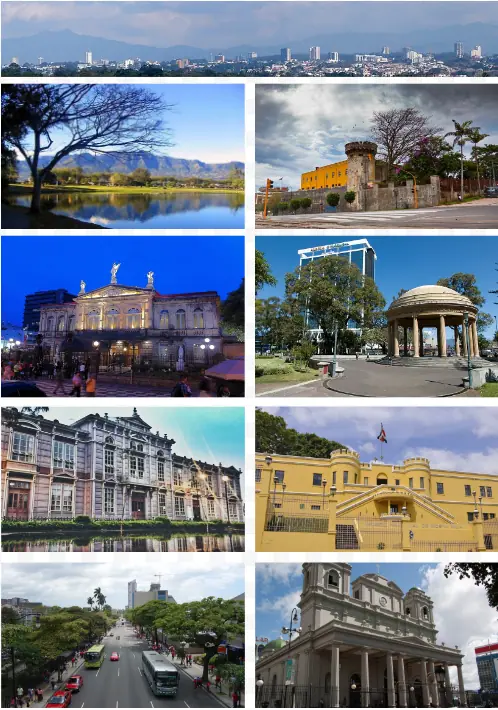
Almost every trip begins at Juan Santamaría International Airport outside Alajuela, at roughly 900 metres of altitude — a detail you'll notice as a mild coolness in the evening air after a long flight. Use your first afternoon gently. Downtown San José rewards a slow walk: the Teatro Nacional, an 1897 neoclassical jewel with a marble staircase and a ceiling fresco worth craning your neck for, sits beside the Plaza de la Cultura, and directly beneath that square is the Pre-Columbian Gold Museum, whose hammered animal figures are among the finest in the Americas. Wander from there to the Mercado Central for a plate of casado and a cup of locally grown coffee, then loop through the crumbling mansions of Barrio Amón and the murals and wine bars of Barrio Escalante.
Give day two to the volcanoes ringing the Central Valley. Poás Volcano is the classic choice — a main crater holding one of the world's most acidic crater lakes, reached by a paved path at around 2,700 metres. Arrive before nine in the morning, when cloud is least likely to swallow the view, and reserve a timed entry in advance since daily numbers are capped. Irazú, higher and drier, offers a moonscape summit where, on clear days, you can see both oceans at once. On the way back, stop at a coffee estate around Dota or Tarrazú to see why the Central Valley's volcanic soil is so prized.
Tonight, sort out your flight map. Costa Rica's domestic network radiates from the capital, with short hops to Quepos, Drake Bay, Puerto Jiménez, Tambor, Liberia and the airstrip that serves Tortuguero. Flights are on small single- and twin-engine aircraft, so pack a soft duffel and accept that your itinerary will bend with the weather.
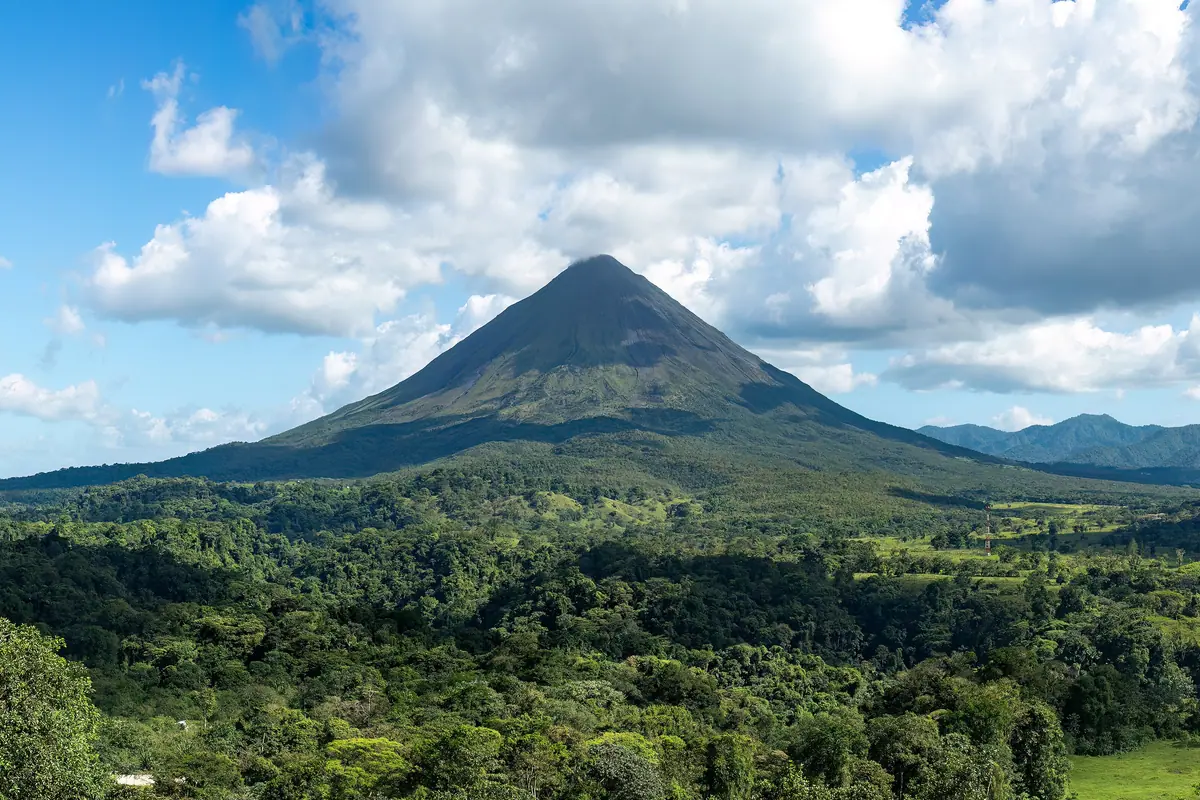
Days 2–3: Arenal Volcano — North to Volcano Country
Arenal is the postcard everyone pictures: a near-perfect cone rising above the plains of La Fortuna. There is no scheduled flight into the town itself, so most travellers either drive the three hours from San José or fly into Liberia and drive across; either way, the reward is a landscape of steam, jungle and hot water. In Arenal Volcano National Park, the 1968 Trail crosses old lava fields still raw from the eruption that buried a village, and the Peninsula sector delivers the classic view of the cone across Lake Arenal. Give yourself an early start — clouds usually build by late morning and the summit plays hide-and-seek for the rest of the day.
Below the volcano, La Fortuna Waterfall drops about seventy metres into a green pool reached by a long staircase of several hundred steps; the swim at the bottom is cold, loud and unforgettable. Half a day goes happily to the Místico Arenal Hanging Bridges, a 3-kilometre loop over fifteen bridges through primary rainforest where you may spot howler monkeys, coatis and, with luck, a brightly coloured motmot. For a quieter thrill, add a night walk to look for red-eyed tree frogs and glass frogs.
Evenings belong to the hot springs, heated by the magma chamber beneath your feet. The thermal rivers around Tabacón and the smaller eco-resorts along the road to El Castillo let you soak under falling water while the volcano looms above. If you have a spare half-day, drive to Río Celeste in Tenorio Volcano National Park, where minerals give the river an implausible milky-blue colour, or take a boat safari in Caño Negro Wildlife Refuge for caimans, basilisk lizards and jabiru storks.
Days 3–4: The Osa Peninsula — A Short Flight Into the Wild
This is the leg where flying stops being a luxury and becomes the whole point. Drake Bay, on the Osa Peninsula, is a two-day drive or a forty-five-minute hop from the capital's domestic terminal, and the approach alone — over the Talamanca mountains, then down the coast with the Pacific glittering below — is worth the fare. Other flights serve Puerto Jiménez farther south, which suits travellers heading to the Golfo Dulce side and the ridge-top lodges above the water.
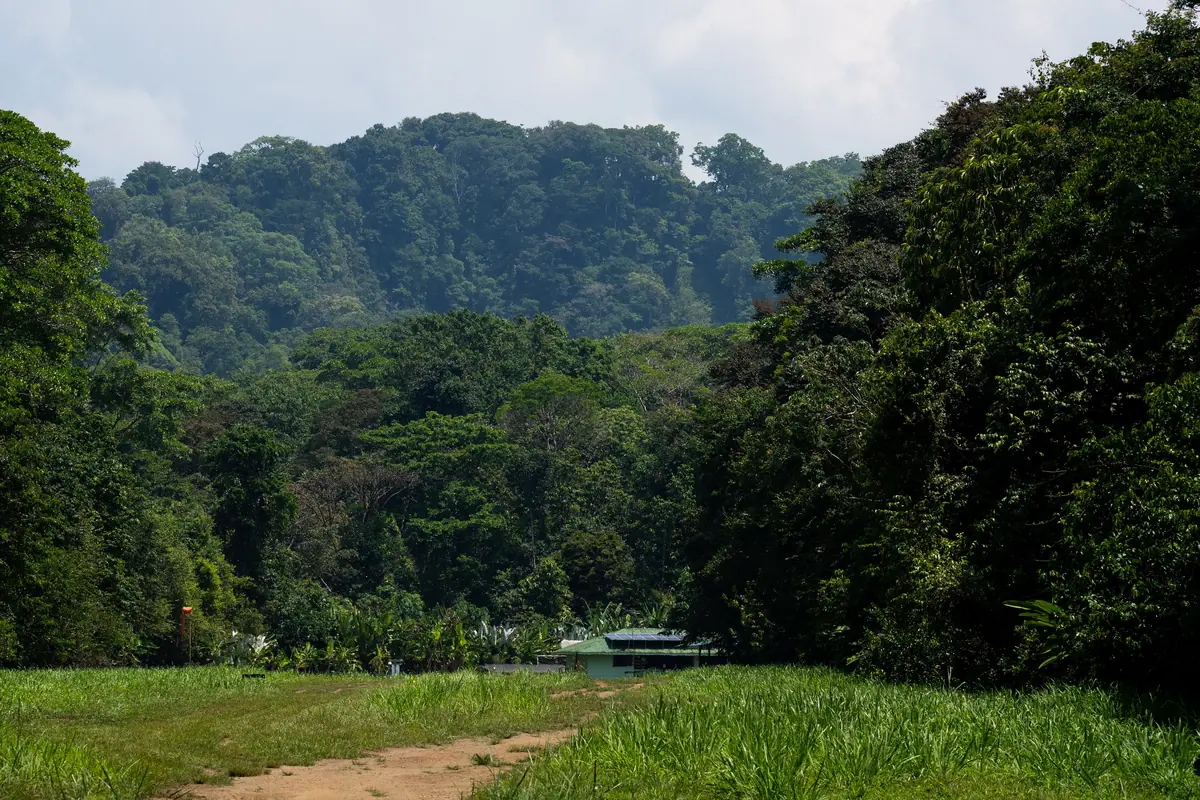
Corcovado National Park is the reason you came. It protects a vast tract of primary rainforest and is widely regarded as one of the most biologically intense places in the Americas: four species of monkey, tapirs, peccaries, scarlet macaws and hundreds of bird species. The Sirena Ranger Station, reached by boat or a long guided hike, is the heart of it, with trails radiating into the forest and a clearing where wildlife often wanders past. Entries are limited and a licensed guide is required for most routes, so arrange permits before you fly.
Round out the Osa with a boat trip to Caño Island Biological Reserve, where coral gardens and clear water make for the best snorkeling on this coast, and pre-Columbian stone spheres still rest where they were carved. Humpback whales pass offshore in two seasons — roughly December to April and again from July to November — and dolphins are a near-certainty on the crossing. Stay in a beachfront eco-lodge with no air conditioning and no road access, and let the jungle's night chorus do the rest.
Days 4–6: Quepos, Manuel Antonio and the Central Pacific
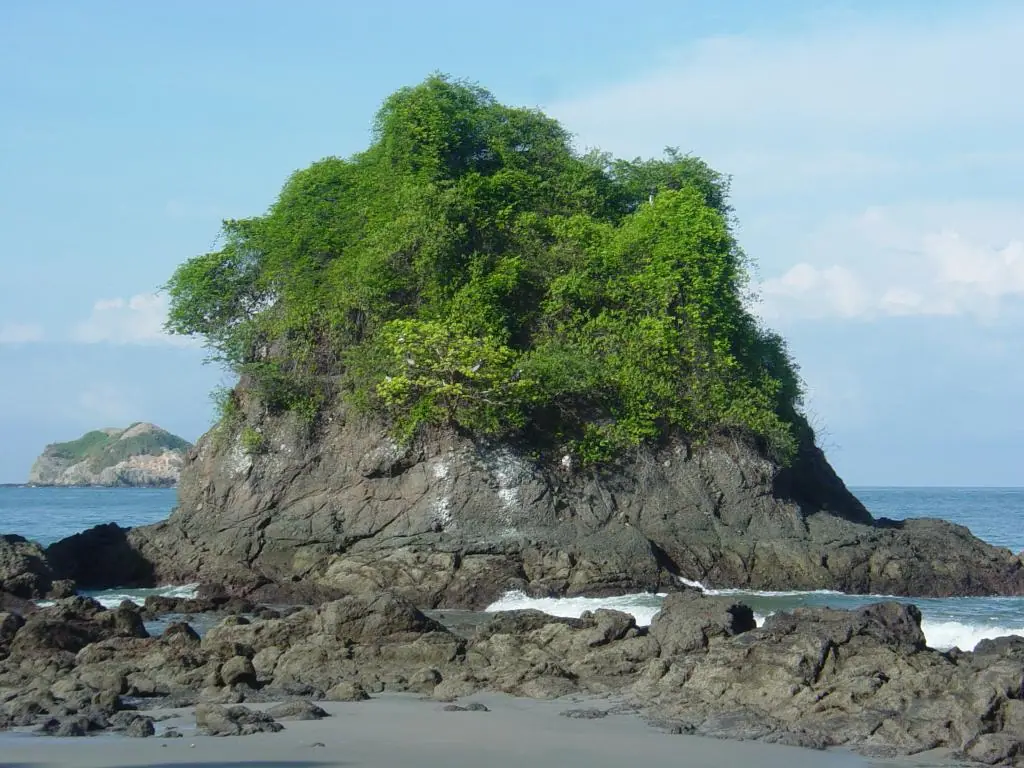
From the capital, a twenty-five-minute flight lands you at Quepos, a former banana port turned sportfishing hub, and fifteen minutes later you are in Manuel Antonio. The national park here is Costa Rica's smallest and most visited, and it earns both labels: a tangled forest spills onto white-sand coves, and the wildlife is almost comically easy to see. Sloths hang in the cecropias along the main trail, white-faced capuchins patrol the beach looking for unattended snacks, and squirrel monkeys leap through the canopy above Cathedral Point, the tombolo headland that gives the park its signature photo. Note that the park closes on Mondays and caps daily visitors, so buy your entry online and arrive at opening.
Spend the rest of your time between Playa Espadilla, the long grey-sand beach outside the park gates, and Playa Biesanz, a sheltered cove a short walk and scramble from the road where the water is calm enough for easy swimming. Kayaking the mangroves of the Damas Island estuary is a fine half-day, and surfers can take a lesson on the beach breaks at Jacó an hour north.
If you are driving or have a car arranged, work in two stops on the way. Carara National Park, at the transition between dry and wet forest, is one of the most reliable places anywhere to see wild scarlet macaws, and the Tárcoles River bridge nearby is famous for its basking crocodiles. Farther south, Marino Ballena National Park at Uvita protects a sandbar shaped like a whale's tail that appears at low tide, and the Nauyaca Waterfalls near Dominical are worth the bumpy access road.
Days 6–7: Guanacaste and the Cloud Forest via Liberia
A forty-five-minute flight to Liberia opens the dry northwest, a completely different Costa Rica of golden savannah, cattle ranches and sabanero culture. Base yourself around Tamarindo for surf lessons and sunsets, or Playa Conchal, where the sand is made of crushed shell and the snorkeling is the best on this coast. Playa Grande, just north, is part of Las Baulas National Marine Park and one of the most important leatherback turtle nesting beaches in the eastern Pacific — nesting runs roughly October to March, and guided night walks are the only way to see it.
Inland, Rincón de la Vieja Volcano National Park delivers steaming fumaroles, bubbling mud pots and a swimmable waterfall in a single half-day hike, while Santa Rosa National Park preserves a remnant of tropical dry forest and the historic hacienda at its centre. Birders should make for Palo Verde, where boat safaris drift past herons, kingfishers and the occasional crocodile in the wetlands of the Tempisque basin.
If you would rather trade heat for mist, drive three hours from Liberia up into the Tilarán mountains to Monteverde. The Cloud Forest Reserve is the classic place to look for the resplendent quetzal, especially between December and April, and the network of hanging bridges in the neighbouring Santa Elena reserve puts you at eye level with orchids, ferns and moss-draped trees. Bring a rain shell — this is a cloud forest, and the cloud is not a metaphor. From here it is a straightforward drive back to the capital for your flight home, or a shorter run down to Liberia if you are departing from there.
Add Tortuguero, Then Fly Home: Practical Flight Tips
If you can stretch to a sixth flying day, Tortuguero is the most distinctive add-on in the country. A thirty-minute flight from the capital lands at a grass airstrip at Barra de Colorado, and from there you continue by boat through a maze of canals to a village with no cars at all. Tortuguero National Park is a rainforest delta of waterways where you glide past howler monkeys, river turtles, caimans and anhingas, and between roughly July and October it hosts one of the world's great green sea turtle nestings; leatherbacks arrive earlier in the year. Book a guided canal tour at dawn, when the water is glassy and the wildlife is most active.
Domestic flying in Costa Rica has its own rhythm. Baggage is usually limited to around twelve to fifteen kilos and must be soft-sided so it can be squeezed into a small hold, so leave hard cases at a San José hotel if you are looping back. Aircraft are unpressurised and seating is often assigned by weight, which means your travelling companion may end up in the co-pilot's seat — a perk, not an insult. Arrive at least forty-five minutes before departure, and try to book morning flights: afternoon thunderstorms during the green season, which runs roughly May to November, are the main cause of delays and cancellations.
The dry season, December through April, brings the clearest skies and the most reliable flying on the Pacific side, though it is also the busiest and most expensive window. The green season rewards you with empty trails, lush landscapes and lower rates, provided you build a buffer day before any international connection. Book domestic seats well ahead for Christmas, New Year and the Easter week holidays, when locals travel en masse, and keep one contingency plan in your pocket: almost every destination on this route is reachable by road, just with considerably more time and considerably less drama in the air.
Frequently asked questions
Can I fly between regions in Costa Rica, or does everything go through San José?
Almost all scheduled domestic services depart from the capital's domestic terminal, so the practical approach is to build a loop that starts and ends in San José. A few routes connect the regions indirectly — for example, flying into Liberia for Guanacaste and Arenal rather than driving the whole way from the capital — and charter aircraft can link specific lodges, but these cost far more and need booking well in advance.
What are the baggage limits on Costa Rica's small domestic flights?
Expect a limit of roughly twelve to fifteen kilograms per person, sometimes less on the tiniest aircraft, and soft-sided bags only. Hard-shell suitcases often cannot fit the baggage compartments. Most travellers leave larger luggage at a hotel or storage facility in San José or Alajuela and travel the domestic legs with a duffel containing a week's clothing, a rain shell, swimwear, insect repellent and hiking shoes.
When is the best time of year to do this itinerary?
December through April is the dry season, with clear skies, firm trails and the most dependable flying, especially on the Pacific coast and in Guanacaste. May to November is the green season: landscapes are at their lushest, rates drop and crowds thin, but afternoon downpours can delay small aircraft, so schedule morning flights and leave a buffer day before flying home. September and October are the wettest months on the Pacific but the driest on the Caribbean side, which makes them ideal for Tortuguero.
How far in advance should I book domestic flights?
In the green season, a few days to a couple of weeks is usually enough for the main routes to Quepos, Drake Bay, Puerto Jiménez and Liberia. In the dry season, and especially around Christmas, New Year and Easter week, seats on small aircraft sell out weeks or even months ahead — book as soon as your dates are fixed, and try to fly in the morning when weather is least likely to interfere.
Is flying worth it compared with driving or shuttle buses?
For the Osa Peninsula and Tortuguero, absolutely. Reaching Drake Bay overland from San José takes the better part of a day plus a boat crossing, while the flight takes under an hour. Quepos and Liberia are also much faster by air. Driving makes sense for the Central Valley, Arenal and Monteverde, where roads are good and a car gives you flexibility — but for a one-week trip that includes the remote corners, a couple of short flights are what make the whole thing possible.
Plan it — flights in Costa Rica
Live search, booked directly with trusted providers.
Sort the rest of your trip
Everything for Costa Rica, in one place
Stay in Costa Rica
Hotels, guesthouses and apartments — compared in one search.
Search hotels
Transfer in Costa Rica
Private driver waiting on arrival — no queues, no surprises.
Book a transfer
Travel insurance
Medical cover, delays and lost baggage — sorted before you go.
Get covered


