Costa Rica rewards travelers who move with its rhythms rather than against them. Time your hotel around the dry-season sun, the green-season swells or the turtle-nesting calendar, and the country hands you the trip you imagined.
Costa Rica's Two Seasons, Decoded
Costa Rica runs on two broad seasons: the dry season, or verano, and the green season, or invierno. On the Pacific side, verano stretches roughly from December through April, bringing blue skies and clear volcano views, while the green season takes over from May to November. That simple split hides a country of microclimates, though — the Caribbean coast, the cloud forest highlands and the Osa Peninsula all keep their own weather clocks.
For hotel planning, this matters more than any forecast. A beachfront property in Guanacaste and a cloud-forest lodge near Monteverde sit only a few hours apart yet can experience the same week completely differently. The Caribbean side around Puerto Viejo and Cahuita often dries out in February and March and again in September and October, precisely when the Pacific is at its wettest.
The calendar has pressure points. Christmas and New Year, the Easter week known as Semana Santa, and the July–August school holidays are the busiest and priciest windows, when coastal hotels often require multi-night minimum stays. Book months ahead for those dates — domestic flights and shuttle seats fill just as fast as rooms.
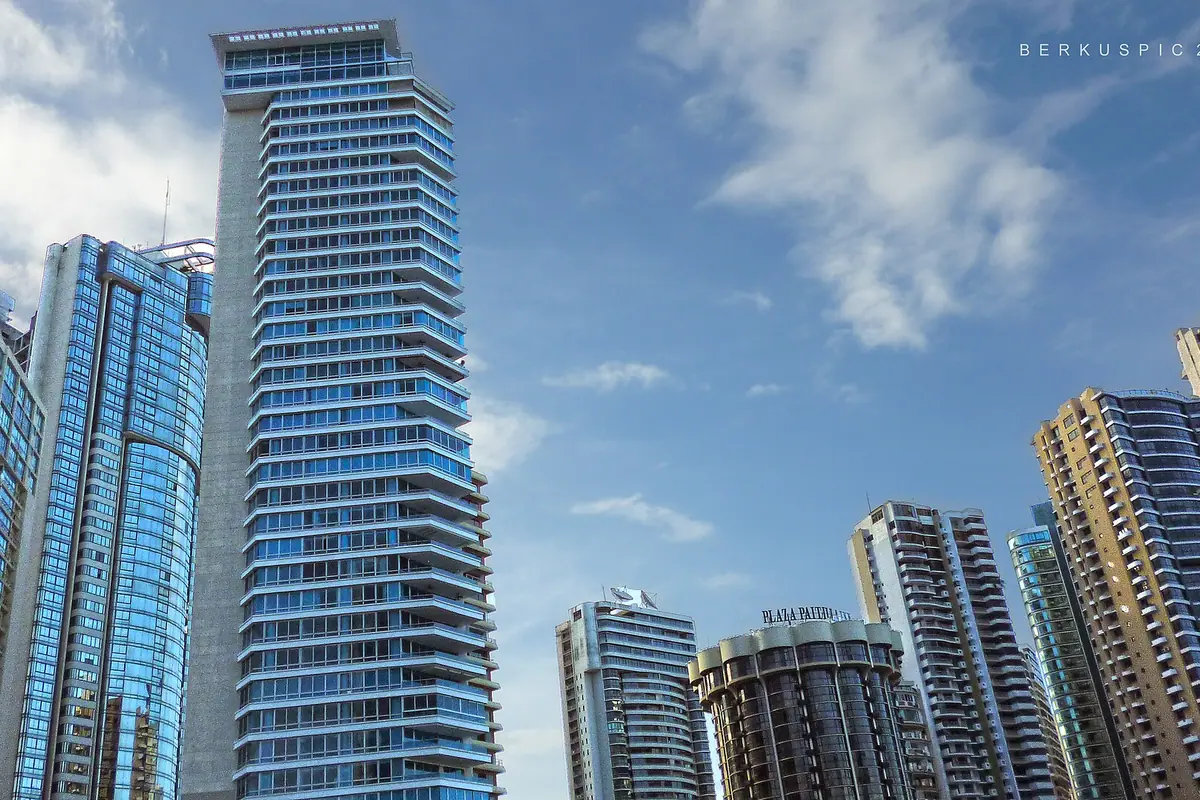
December to April: Dry-Season Beach Hotels on the Pacific
This is the stretch most travelers picture: uninterrupted Pacific sunshine, warm water and dry roads that make beach-hopping easy. Guanacaste in the northwest is the classic base — Tamarindo for surf and nightlife, Nosara for yoga and long sandy coves, the Papagayo Peninsula for polished resorts. Further south, Manuel Antonio National Park pairs rainforest with white-sand beaches, while the Nicoya Peninsula's Santa Teresa and Montezuma draw a slower, bohemian crowd.
Expect wind as well as sun. From roughly January through March, the Papagayo winds sweep across Guanacaste — a gift for kitesurfers, though it means breezy afternoons on exposed beaches. Humidity feels lower and the sea stays inviting, and highland parks tend to be at their clearest, so a morning at Poás Volcano or Irazú Volcano is most likely to reward you with an unobstructed crater.
December to April is peak season on the Pacific, with the highest rates and the best beachfront rooms and eco-lodges reserved well in advance. If your dates are fixed around the holidays, book as early as you can; if they are flexible, the first half of December and the final week of April deliver similar weather with thinner crowds.
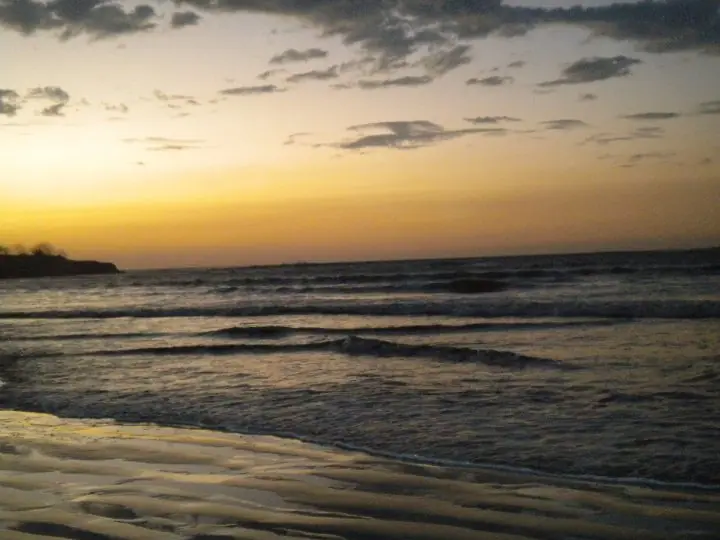
May to November: Green Season, Lush Volcanoes and the Veranillo
The green season is no washout. Across most of the Pacific, mornings often start clear, rain arrives in the afternoon or evening, and the sun returns. La Fortuna Waterfall and the trails around Arenal Volcano run full and photogenic, while Monteverde Cloud Forest Reserve and Tenorio Volcano National Park — home to the startlingly blue Río Celeste — look their most alive. Rates fall, lodges feel quieter, and the country seems to exhale.
Watch for the veranillo, a short dry spell that typically settles over the Pacific in July and August. It is a local favorite for Guanacaste and the Nicoya Peninsula, and it coincides with North American school holidays, so book ahead. The wettest Pacific months are usually September and October — exactly when the Caribbean coast around Puerto Viejo, Cahuita and Tortuguero tends to be driest.
Green season is also whitewater season: the Pacuare and Sarapiquí rivers swell with runoff and draw rafters from around the world. One caution for hikers — heavy rain can turn Río Celeste muddy brown rather than sky blue, so check conditions locally. Near La Fortuna, rain only adds drama to a hot spring soak beneath the slopes of Arenal Volcano.
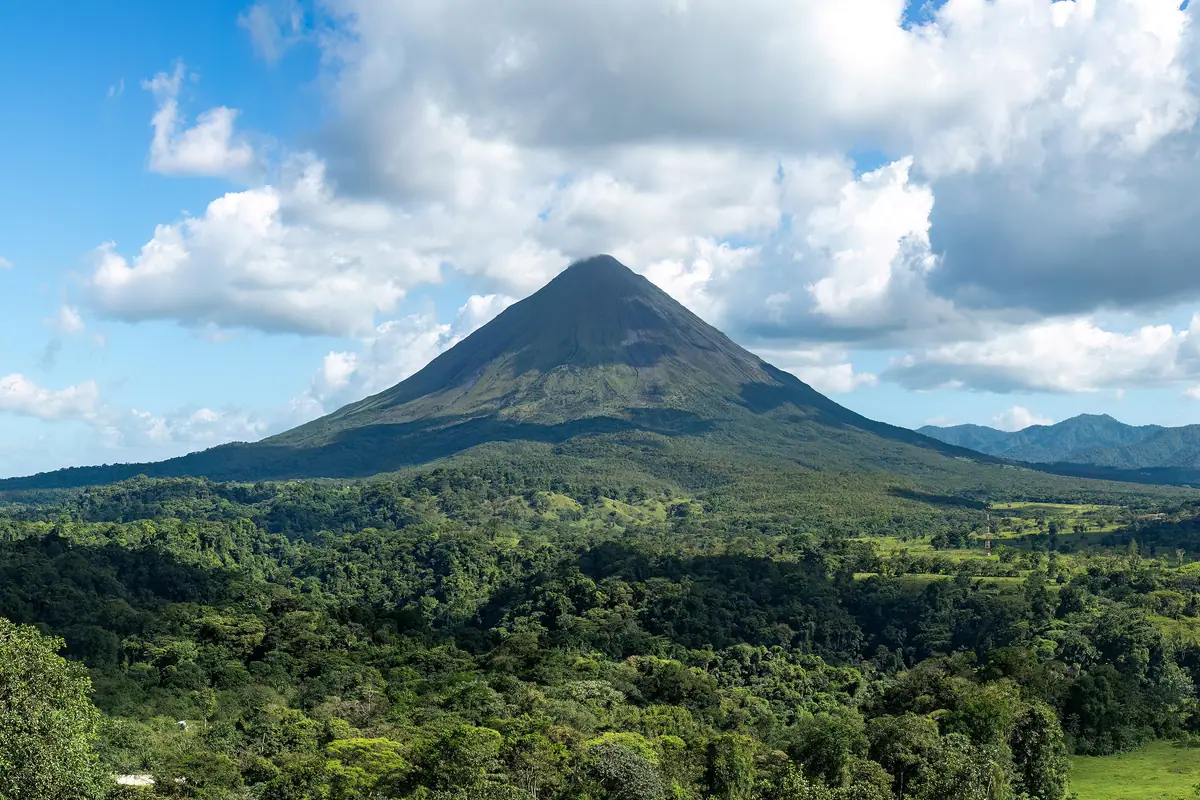
Wildlife Calendars That Should Shape Your Booking
Some of Costa Rica's biggest draws are seasonal animals, and timing a hotel around them is half the fun. Tortuguero National Park, reachable only by boat or small plane, hosts green sea turtle nesting roughly from July through October, often peaking in August and September; lodges there usually sell full-board packages, so plan well ahead. On the Pacific, Playa Grande near Tamarindo is a key leatherback nesting beach, roughly October through March.
In the highlands, the resplendent quetzal is the prize. Forests around Monteverde Cloud Forest Reserve and San Gerardo de Dota offer the best odds from December through April, when clearer skies and fruiting trees bring the birds lower. Down south, Marino Ballena National Park off Uvita is a marine playground: one humpback population passes roughly December to March and another from July to November, so whale-watching is possible much of the year.
For serious rainforest hiking, Corcovado National Park on the Osa Peninsula and nearby Drake Bay are most accessible from January to April, when trails are less muddy and wildlife gathers near water. If a specific species is your reason for coming, build the itinerary around its season first, then choose the hotel.
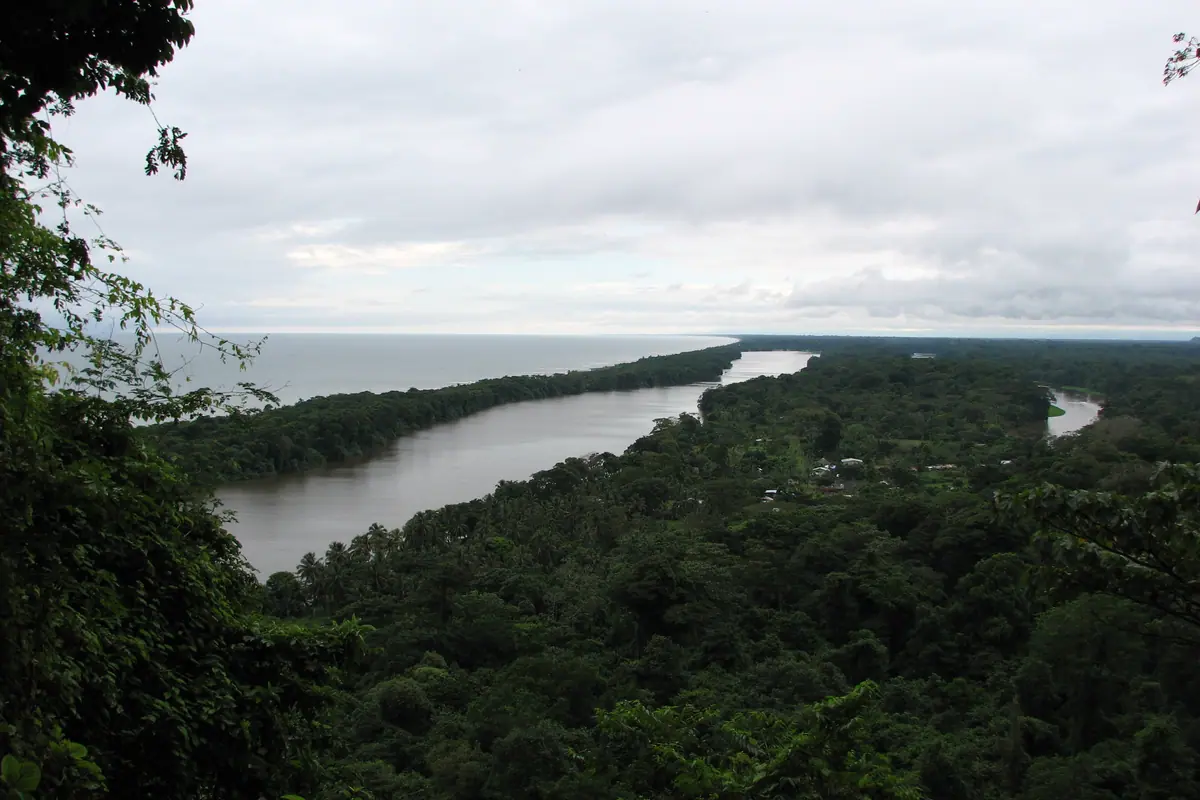
City, Cloud Forest and Volcano Hotels: Where Microclimates Rule
San José rarely tops a beach lover's list, but it earns a night or two for the Teatro Nacional, the pre-Columbian gold collection and the soda stalls of the Mercado Central. The dry months from December to April make exploring the capital easiest, and the Central Valley's altitude keeps temperatures mild year-round. It is also the launch point for day trips to Poás Volcano and Irazú Volcano, both best visited early before clouds build.
Around Arenal Volcano, rain falls in every month, but dry-season evenings from December to April give the best chance of a clear view of the cone from a hot-spring hotel. Monteverde Cloud Forest Reserve is misty by design; the dry season brings more visibility but also strong wind on the continental divide. Pack layers — highland nights can be surprisingly cool.
On the Osa Peninsula the seasons differ starkly. January to April is the practical window for pairing a Corcovado hike with a stay in Drake Bay or Puerto Jiménez; the rest of the year suits travelers who accept mud, humidity and spectacular solitude. Wherever you base yourself, remember that Costa Rican distances take longer than they look on a map.
Shoulder Seasons, Holidays and Choosing Your Week
The sweet spots for balancing weather, crowds and value are the shoulders: late April into May, and November into early December. Late April often still delivers dry Pacific weather while rates soften; November can be damp but brings deep discounts and fresh green landscapes before the holiday rush. These windows suit flexible travelers rather than those chasing a guaranteed suntan.
September and October are the cheapest and rainiest months on the Pacific, which makes them ideal for the Caribbean instead — Puerto Viejo, Cahuita and the canals of Tortuguero — or for inland rafting trips. Conversely, Christmas, New Year and Semana Santa are the priciest and most restrictive, with minimum-night requirements common at beach hotels.
A typical first trip runs seven to ten days, split between a volcano or cloud forest base and a coast. Two bases are usually plenty; cramming Arenal, Monteverde, Manuel Antonio and Guanacaste into one week means spending most of it in transit. Match your hotel to the season you actually book, and Costa Rica tends to deliver the trip you came for.
Frequently asked questions
What is the best month to visit Costa Rica for dry weather?
December through April is the most reliable dry window on the Pacific, with February, March and April usually the sunniest. For dry weather plus softer hotel rates, aim for late April or early May.
Is the green season a bad time to visit Costa Rica?
Not at all. From May to November, mornings on the Pacific are frequently clear, rain tends to arrive in the afternoon, and forests, rivers and waterfalls are at their most dramatic. Hotels cost less and popular sights are quieter.
When is the best time to see sea turtles in Costa Rica?
Green sea turtles nest at Tortuguero National Park roughly from July to October, while leatherbacks nest at Playa Grande on the Pacific coast roughly from October to March.
Which coast should I choose in September and October?
Head to the Caribbean side. Puerto Viejo, Cahuita and Tortuguero often enjoy their driest conditions in September and October, while much of the Pacific is in its wettest period.
How far ahead should I book a hotel in Costa Rica?
For Christmas, New Year, Semana Santa and the July–August holidays, book three to six months ahead, since coastal hotels often require minimum stays. In the quieter green-season months you can usually book much closer to your travel dates.
Plan it — hotels in Costa Rica
Live search, booked directly with trusted providers.
Sort the rest of your trip
Everything for Costa Rica, in one place
Transfer in Costa Rica
Private driver waiting on arrival — no queues, no surprises.
Book a transfer
Things to do in Costa Rica
Skip-the-line tickets, guided tours and standout experiences.
See experiences
Stay online in Costa Rica
Travel eSIM — data the moment you land, no roaming bills.
Get an eSIM


