Bolivia asks you to think about your bed almost as carefully as your itinerary: the country stacks 4,000-metre colonial cities, salt-brick lodges on a blinding white plain and hammock-strung jungle camps into a single trip. Choose the right base in each region and the altitude, the cold and the long bus rides all become part of the adventure instead of obstacles.
Bolivia's Sleeping Options: Hostales, Casonas, Salt Lodges and Jungle Camps
Accommodation in Bolivia runs from simple family-run hostales and residenciales, where a clean room and a shared bathroom cost very little, to restored colonial casonas with carved wooden balconies and courtyards full of bougainvillea. On the Altiplano you can sleep in walls made of cut salt bricks; on Lake Titicaca in a whitewashed guesthouse with no road access; and in the Amazon basin in an ecolodge reached only by boat. The spread is enormous, and so is the price gap between a dorm bed and a boutique suite in La Paz's Zona Sur.
Altitude shapes what a room feels like. La Paz sits at roughly 3,600 metres, Potosí higher still, and Uyuni around 3,700 — so ask specifically about heating, not just 'hot water'. Many budget places run solar or tankless electric shower heads that deliver a warm three-minute burst, and pile on thick alpaca blankets instead of radiators. In Santa Cruz and the eastern lowlands the priorities flip entirely: air-conditioning, mosquito nets and a pool matter far more than a fireplace.
Book ahead around the dates that empty every town: Oruro's Carnaval in February, Semana Santa processions, the June solstice ceremonies at Tiwanaku, and the New Year rush in Uyuni. Outside those peaks you can usually arrive and negotiate, but carry cash in bolivianos — small highland towns, the salt flats and Isla del Sol often take nothing else. Mid-range and upmarket hotels in La Paz, Sucre and Santa Cruz generally accept cards.
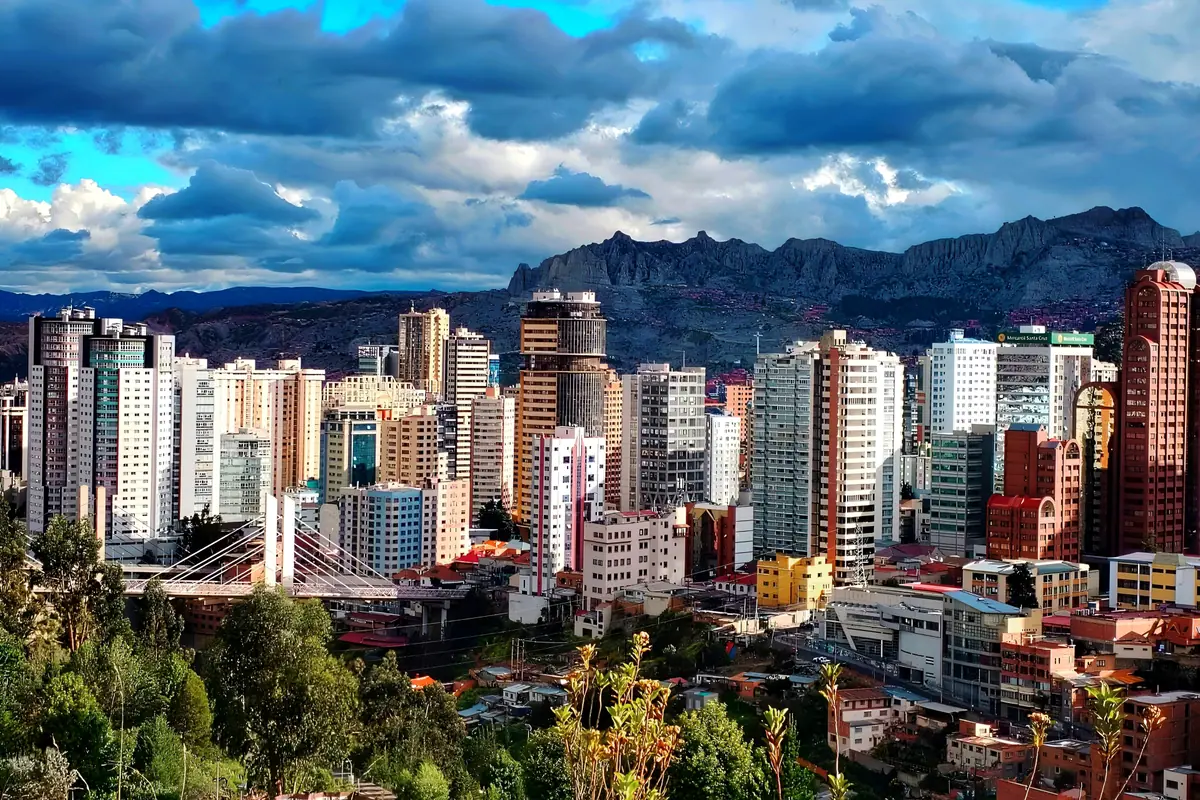
La Paz: Choosing the Right Altitude and Neighbourhood
La Paz is the world's highest administrative capital, and where you sleep changes how you feel on day one. The historic centre puts you steps from Plaza Murillo, the presidential palace and the baroque Basílica de San Francisco, with the Mercado de las Brujas — the Witches' Market, hung with dried herbs and amulets — a few blocks uphill. Sopocachi is the bohemian middle ground, packed with cafés and small design hotels, while the Zona Sur (Calacoto, San Miguel) lies several hundred metres lower and noticeably warmer, at the cost of a cable-car ride to the sights.
The city's must-see list is best tackled from a base near the centre: the Mirador Killi Killi for the bowl-of-light city view at dusk, the Museo Nacional de Arte, and the glass-walled teleférico cable-car network that doubles as the best sightseeing in town. Allow a half-day for the eroded clay spires of Valle de la Luna on the southern edge, and a full day for the pre-Inca ruins of Tiwanaku to the west, whose Puerta del Sol and Kalasasaya temple predate the Inca by centuries.
Take the first 24 hours seriously. Drink coca tea, eat lightly, skip alcohol and plan nothing strenuous the day you land at El Alto. Hotels that cater to arriving travellers often keep oxygen canisters or coca leaves at reception, and rooms on lower floors with proper heating make the nights far kinder — temperatures drop sharply after dark all year. Long-distance night buses leave from the main terminal, so a hotel within a short taxi ride of it saves a bleary 5 a.m. scramble.
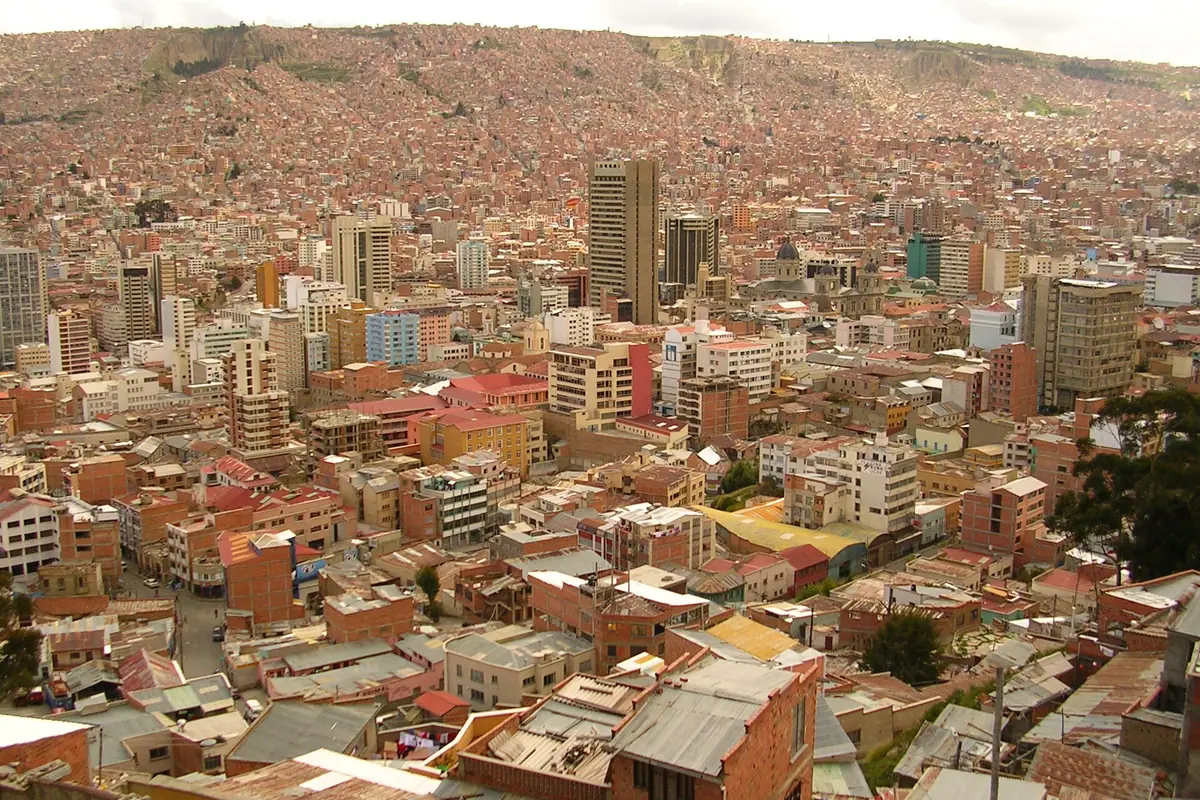
Sucre and Potosí: Colonial Courtyards in the Southern Highlands
Sucre is the gentlest introduction to Bolivia: whitewashed, low-rise and a comfortable 2,800 metres, with a UNESCO-listed centre you can cross on foot. Stay near Plaza 25 de Mayo to be walking distance from the Casa de la Libertad, where the country's independence was signed, the cathedral, and the Convento de San Felipe de Neri, whose rooftop terrace gives the classic tile-and-bell-tower panorama. Converted casonas around the plaza are the romantic choice; the streets near the Mercado Central are where the budget hostales cluster.
Plan a day for Parque Cretácico, home to the Cal Orck'o cliff face and its thousands of dinosaur footprints, and another for the hilltop Recoleta viewpoint and monastery. If your visit includes a Sunday, the Tarabuco market, about two hours away by road, fills with textile sellers from surrounding villages in distinctive woven hats. Sucre's mild climate means you rarely need heating — but bring a layer for evenings.
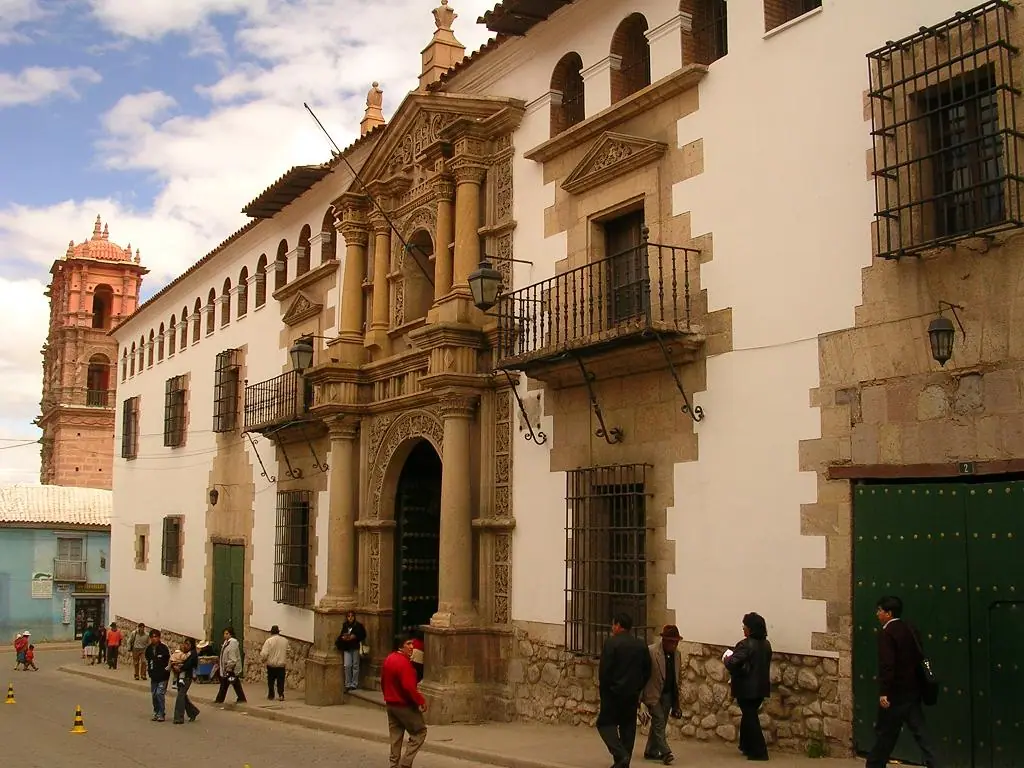
Potosí is the opposite: a silver-mining city at around 4,090 metres, colder, steeper and utterly compelling. Its fortunes were built on Cerro Rico, the mountain that still looms over every street, and the best hotels occupy old merchant houses with thick walls and internal courtyards that hold the warmth. Give yourself time for the Casa de la Moneda, the colonial mint that is now one of South America's finest museums, the Convento de Santa Teresa, and the Torre de la Compañía. A soak at the thermal pools near Tarapaya makes a fine recovery afternoon before the cold sets in.
Uyuni and the Salar: Sleeping on the World's Largest Salt Flat
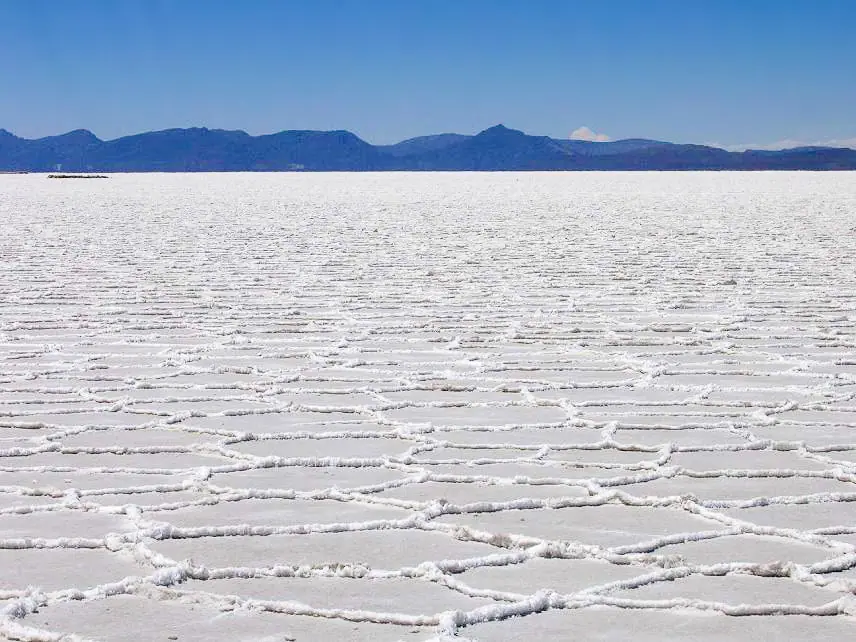
Everyone comes to Uyuni for the Salar, the vast salt expanse that turns into a perfect mirror when the wet season floods its surface, and the accommodation follows that logic. The town itself has the widest choice — simple hostales, heated mid-range hotels and a few comfortable places where you can leave luggage and take a hot shower before an early departure. Out on the flats, at Colchani and along the edges, lodges built from blocks of salt offer beds, chairs and walls of the same white material, with shared bathrooms and little in the way of insulation.
Multi-day expeditions push further south into the Eduardo Avaroa Reserve, past Isla Incahuasi — the cactus-covered island in the middle of the salt — and on to Laguna Colorada, Laguna Verde, the Árbol de Piedra rock formation and the steaming Sol de Mañana geysers. Night stops on these routes are basic refugios: dormitory bunks, no reliable hot water and temperatures that can fall below freezing between June and August. Bring a headlamp, a sleeping bag liner and layers you can wear in bed.
Timing decides everything. December to April brings rain, the mirror effect and dramatic skies, but some routes reroute when the salt floods. May to November is dry, with crisp visibility and bone-cold nights. Book your tour at least a night or two before you want to leave — you need to be in Uyuni town the evening prior — and carry cash, since the train cemetery at the town's edge is about the only free attraction in the region. Sunscreen and sunglasses are not optional on the white salt.
Lake Titicaca, Tiwanaku and the Amazon Lowlands
Copacabana, on the shores of Lake Titicaca, is a natural overnight stop between La Paz and Peru. The town's white-and-blue Basílica de la Virgen de Copacabana anchors the plaza, and a steep climb up Cerro Calvario rewards you with a sunset over the water that is worth the breathlessness. From the pier, boats run to Isla del Sol, the legendary birthplace of the Inca sun, where you can sleep in Yumani or Challapampa in basic guesthouses with no cars, no ATMs and breathtaking lake views.
On Isla del Sol, walk the Inca Steps down to the water and the Pilko Kaina ruins, and continue to the Chincana labyrinth on the northern side if you have the legs for it; Isla de la Luna, a short hop away, holds the Temple of the Moon. For the archaeological story before the Inca, Tiwanaku's Akapana pyramid, Kalasasaya temple and monolithic statues deserve a proper half-day — many travellers visit it as a day trip from La Paz or break the journey at the village itself.
Far to the east, Rurrenabaque is the jumping-off point for the Madidi National Park and the flooded grasslands of the pampas, and its lodges range from hammock-hung jungle camps to polished ecolodges with solar power and guided night walks. Flights from La Paz take under an hour; the overland route is long and famously rough. Expect heat, humidity and mosquitoes year-round, with the wetter months bringing higher water, more wildlife on the rivers and, occasionally, cancelled flights.
Santa Cruz, the Chiquitos Missions and When to Go
Santa Cruz de la Sierra is Bolivia's lowland counterweight — hot, tropical and relaxed around Plaza 24 de Septiembre, where the cathedral and the city's café life concentrate. It makes a comfortable base for trips into Parque Nacional Amboró's cloud forest and for the colonial village of Samaipata, whose hillside El Fuerte ceremonial site, a UNESCO-listed carved rock outcrop, is one of the country's strangest and most rewarding monuments. Further east, the Jesuit mission towns of the Chiquitos region — Concepción, San Javier and San José de Chiquitos — pair painted wooden churches with a living musical tradition.
The seasons here are the mirror image of the highlands. The dry highland winter from May to October delivers clear skies over the Altiplano and the salt flats, alongside freezing nights and gusty afternoons; that is the classic window for La Paz, Sucre, Potosí and Uyuni. From December to March the rains arrive, greening the Amazon, filling the pampas and creating the Salar's famous reflective sheet, while highland roads can turn muddy and some Uyuni routes are adjusted.
Whichever season you choose, build in a slow first day at altitude, keep a stash of small boliviano notes for guesthouses and market meals, and confirm hot-water hours when you check in — many places switch the boiler on for a few hours in the morning and evening only. Tipping is modest and appreciated, and if your trip overlaps Carnaval, Semana Santa or the June solstice at Tiwanaku, reserve your room weeks out rather than days.
Frequently asked questions
What is the best time of year to visit Bolivia?
May to October is the dry season and the most reliable window for the highlands: La Paz, Sucre, Potosí and the Uyuni salt flats enjoy clear skies, though nights can drop below freezing, especially in June and August. December to March brings rain — ideal for the salt flat's mirror effect and for Amazon wildlife, but harder on highland roads.
How should I handle altitude when booking a hotel in La Paz or Potosí?
Choose a room with real heating, take the first day very slowly, drink plenty of water and coca tea, and avoid alcohol on arrival. In La Paz, the lower Zona Sur neighbourhoods are noticeably gentler than the historic centre; in Potosí, old courtyard houses stay warmer than modern blocks. Some hotels keep oxygen or coca leaves at reception for guests.
Can you actually stay in a hotel made of salt?
Yes. Around Colchani and along the edges of the Salar de Uyuni, several lodges are built from cut salt blocks — walls, bed frames, tables and chairs included. They are usually simple, with shared bathrooms and limited hot water, so bring layers, a headlamp and cash, as card payments are rarely possible out on the flats.
How far ahead should I book accommodation in Uyuni?
For the wet-season mirror months from December to March, and especially over New Year, reserve several weeks ahead — tours and beds fill quickly. You also need to be in Uyuni town the night before a multi-day salt flat departure, so book that first night before you arrive rather than after.
Do hotels and guesthouses in Bolivia accept credit cards?
Mid-range and upmarket hotels in La Paz, Santa Cruz, Sucre and Cochabamba generally do, but small highland towns, the salt flats, Isla del Sol and jungle lodges usually expect cash in bolivianos. Withdraw in the cities, keep small notes for markets and tips, and treat US dollars as a backup rather than a default.
Sort the rest of your trip
Everything for Bolivia, in one place
Transfer in Bolivia
Private driver waiting on arrival — no queues, no surprises.
Book a transfer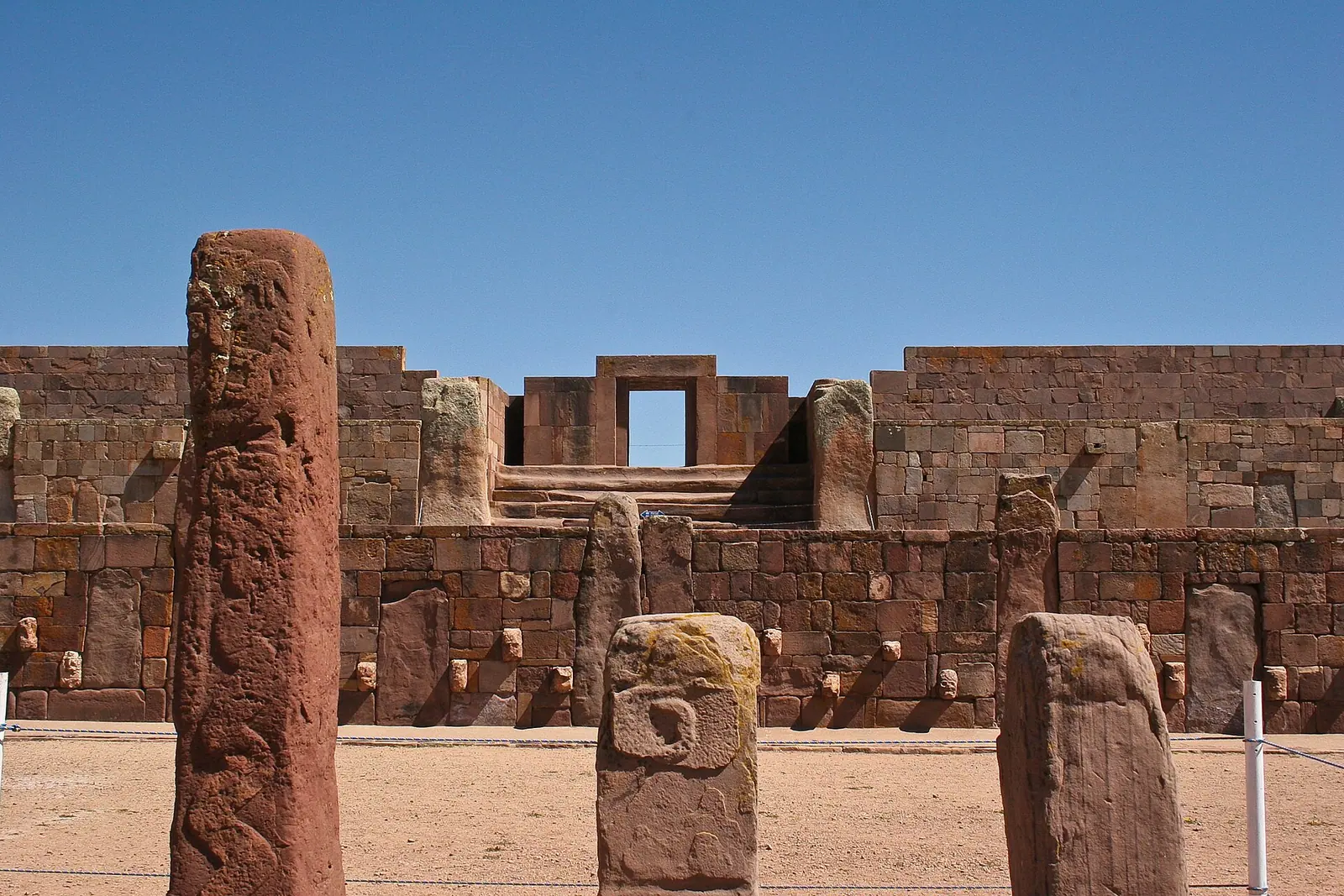
Things to do in Bolivia
Skip-the-line tickets, guided tours and standout experiences.
See experiences
Stay online in Bolivia
Travel eSIM — data the moment you land, no roaming bills.
Get an eSIM