Vanuatu runs as a thin chain of some 80 islands down the South Pacific, and the difference between a washed-out week and a flawless one usually comes down to two things: which season you pick and how early you reserve a room. Get the timing right and you'll be swimming in warm, glass-clear water by day, watching a volcano glow after dark, and sleeping somewhere with the trade winds moving the air.
Two Seasons, Eighty Islands: How Vanuatu's Weather Actually Works
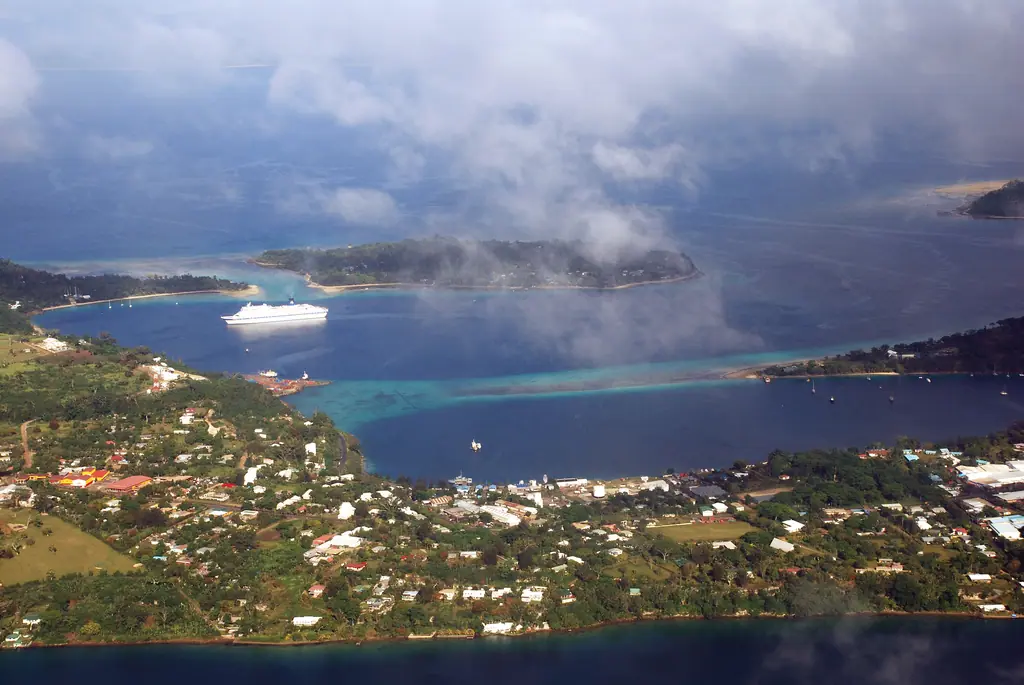
Vanuatu stretches roughly 1,300 kilometres from the Torres Islands in the north down to Aneityum in the far south, sitting between the Solomons and New Caledonia. That north-to-south span matters more than most travellers expect. Port Vila, the capital, sits on Efate in the middle of the chain, where temperatures hover comfortably between 23°C and 30°C almost every month of the year. Push further south to Tanna or Aneityum and the dry-season evenings turn genuinely cool, sometimes dropping into the mid-teens, which is why a light jacket earns its place in your bag even in the tropics.
The country runs on two seasons rather than four. From May to October, southeast trade winds push cooler, drier air across the islands, bringing the clearest skies and the lowest humidity. From November to April, the winds shift and the archipelago turns hot, sticky and much wetter, with heavy but often short-lived downpours. Sea temperatures stay swimmable year-round, ranging from around 24°C in the coolest weeks of August and September to a bath-like 28°C or more in the wet season.
The critical variable for planning is cyclone season, which officially spans November to April and peaks between January and March. Serious storms are not an annual certainty, but the risk is real, and it shapes how sensible travellers book. Policies that specifically cover weather disruption, plus accommodation that allows date changes, are worth far more in Vanuatu than in most destinations.
The Dry Season (May to October): The Most Reliable Window
If you want the highest odds of clear skies and calm seas, aim for the stretch between May and October, with June through September being the driest months. This is when underwater visibility around Espiritu Santo can stretch past 30 metres, making it the prime window to dive the wreck of the SS President Coolidge, a vast liner-turned-troopship resting in the Segond Channel off Luganville. The same conditions make Champagne Beach near Hog Harbour at its most postcard-perfect, and the guided trek through Millennium Cave, with its river crossings and underground swim, far more enjoyable than in the muddy wet season.
July and August are the coolest and busiest weeks, coinciding with southern-hemisphere school holidays, so beachfront bungalows and lagoon-side resorts fill early. The trade winds that keep the air fresh also chop up the sea a little, which can make some windward boat crossings bumpier. On the plus side, humpback whales move through Vanuatu waters between roughly July and October to calve and breed, and boat-based sightings are a genuine highlight of a late dry-season trip.
The sweet spots on either edge of this season are late May and October. You still get dry-season weather, greenery left over from the rains, and noticeably thinner crowds, with room rates easing outside the holiday peaks. If your itinerary depends on inter-island flights, these shoulder weeks also bring fewer weather delays than the height of the wet season.
The Wet Season (November to April): Green, Quiet and Cheaper
The wet season gets a bad reputation it only partly deserves. Yes, humidity climbs, yes, the rain arrives in dramatic bursts, and yes, January to March carries cyclone risk. But outside those storm months, the rain is typically intense and brief rather than all-day, and the payoff is a landscape at its most lush. The Mele Cascades outside Port Vila thunder with water, the Matevulu and Riri Blue Holes on Santo run deep and vivid, and the islands empty out to the point where you can have a whole lagoon to yourself.
This is also the season when accommodation prices fall hardest, sometimes by a third or more compared with the July peak, and when you can book a good room a week out rather than months. Divers still head out, though visibility is more variable, and village-based cultural experiences continue as normal, with kastom ceremonies tied to the yam harvest rather than the tourist calendar.
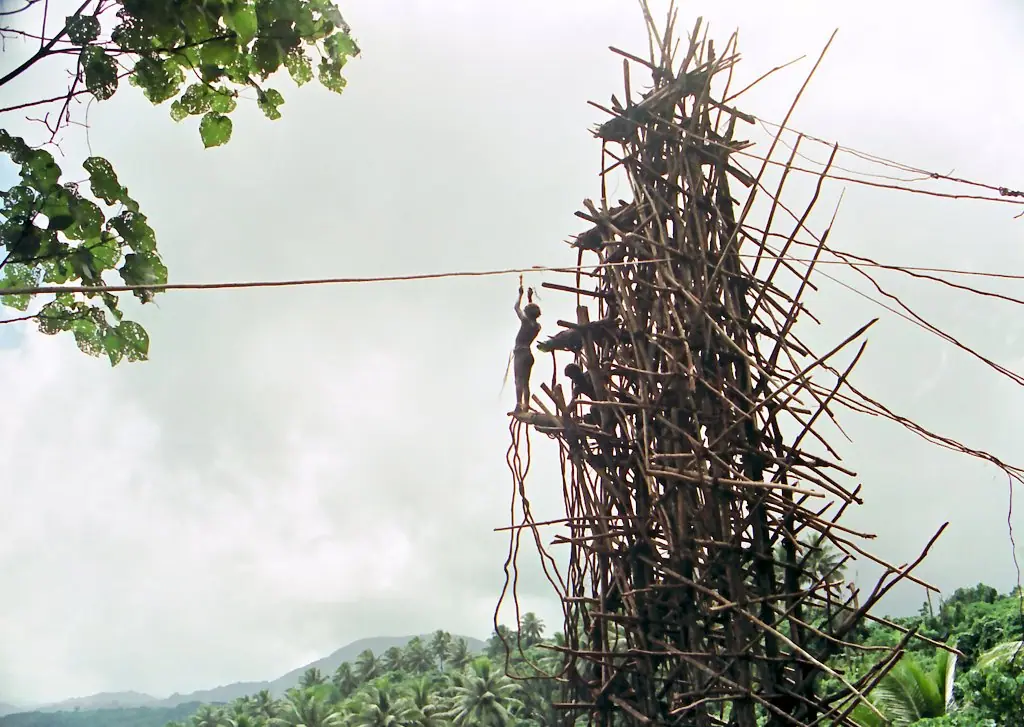
The most compelling reason to brave the shoulder of the wet season is the Nagol land diving on Pentecost, staged on Saturdays from around April into June after the yam harvest. Men leap from towering wooden towers with only vines tied to their ankles, a ritual that predates bungee jumping by centuries. Access is by small aircraft or boat, so build in buffer days rather than a tight connection.
Festivals and the Cultural Calendar: Timing a Trip Around Events
Vanuatu's event calendar is built around harvests and custom rather than tourism, which is exactly what makes it worth planning around. Alongside the Pentecost land diving, the biggest fixed date is 30 July, Independence Day, when Port Vila fills with parades, music and food stalls, and the whole country slows down for a nationwide celebration. A few days earlier, the Fest'Napuan music festival brings string bands and contemporary acts together in the capital, usually in mid-to-late July.
On Tanna, the Toka dance festival is a spectacular gathering of neighbouring villages exchanging dances, pigs and kava, traditionally held after the yam harvest and not on a fixed annual schedule. If a ceremony is on while you're there, local guides and guesthouse owners will know. Cultural shows also run in the kastom villages of Malekula, home to the Small Nambas and Big Nambas communities, though visiting these requires a local guide and an invitation-based arrangement.
Because these events follow garden cycles and village decisions rather than a published calendar, treat any date you hear as approximate. Booking a flexible stay of at least three nights on the island hosting the event gives you room to move if the timing shifts by a day or two.
Island by Island: Matching the Season to the Sights
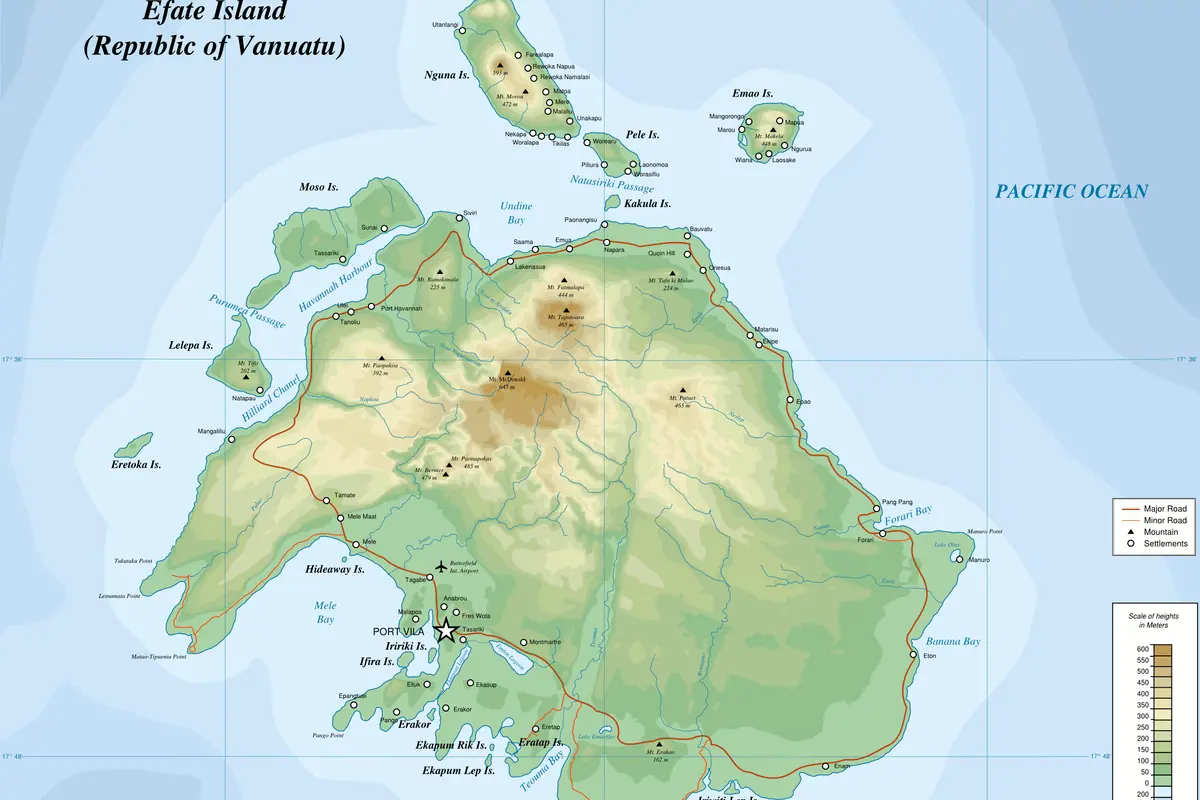
Efate, home to Port Vila, is the easiest island to visit year-round. The Mele Cascades, the underwater post office at Hideaway Island's marine reserve, the calm water of Erakor Lagoon, the Eton Blue Lagoon and the UNESCO-listed Chief Roi Mata's Domain on neighbouring Lelepa are all reachable as day trips in any month. In the wet season, waterfalls and rivers run fuller; in the dry season, the lagoon swims and snorkelling are at their clearest.
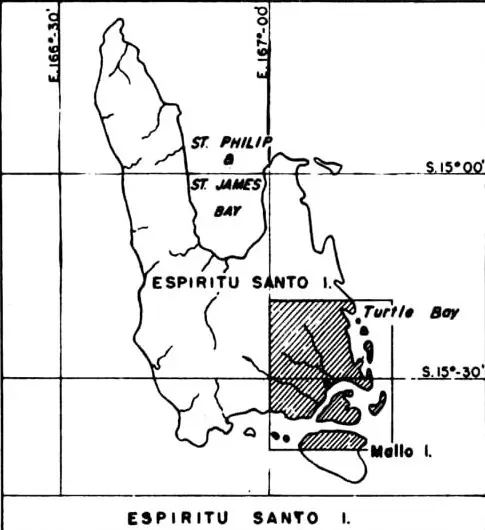
Espiritu Santo rewards dry-season travel most. Champagne Beach, the Matevulu and Riri Blue Holes, and the wreck of the SS President Coolidge all sit around Luganville, and the diving is at its sharpest from May to October. Tanna, with the near-continuous glow of Mount Yasur, works all year, but the 4WD tracks up to the crater rim and out to Port Resolution and the kastom village of Yakel get genuinely rough after heavy rain, so the drier months make for easier and safer excursions.
For something wilder, Ambrym's twin volcanoes, Marum and Benbow, are for serious trekkers and are best attempted in the dry season. Most visitors combine two or three islands in a fortnight: Efate for ease, Santo for beaches and wrecks, Tanna for the volcano. Tightening that into a week usually means cutting an island rather than rushing, since domestic flights are small, baggage limits are strict and delays happen.
Booking Smart: Rooms, Rates and Rainy-Day Plans
Vanuatu's room stock is small, so timing your reservation matters as much as timing your trip. For July, August and the Christmas-to-New-Year stretch, book beachfront bungalows and lagoon-side resorts four to six months ahead, especially on Santo and Tanna where good properties number in the dozens, not the hundreds. For late May and October, a few weeks' notice is usually enough. In February and April, you can often decide late and negotiate, provided you accept the cyclone risk and buy cover for it.
Choose your base with the season in mind. In the wet months, a Port Vila resort with a pool, restaurants and easy access to town is a smarter bet than a remote bungalow reached by boat, since you'll have something to do when the sky opens. In the dry months, splurge on the remote options: garden bungalows on Tanna with volcano views, beachfront rooms along Santo's Champagne Coast, or a small private-island stay off Efate.
A few practicalities smooth everything out. Carry cash in vatu, as ATMs are scarce outside Port Vila and Luganville, and many guesthouses prefer it. Keep a spare day unplanned for weather delays on inter-island flights. And build in a wet-day backup list: the produce market in Port Vila, a hot spring soak, a waterfall walk or a kava session at a local nakamal in the early evening, when the bars fill with conversation rather than crowds.
Frequently asked questions
What is the best month to visit Vanuatu?
Late May, June, September and October offer the best balance: dry-season weather, lower humidity, clear diving conditions and fewer crowds than the July-August school-holiday peak. July and August have the most dependable weather but the highest rates and the busiest resorts.
Is the wet season worth visiting?
Yes, if you avoid the cyclone peak. From November to December and again in March and April, rain usually arrives in short heavy bursts, waterfalls and blue holes are at their most dramatic, and room rates drop significantly. Just keep your itinerary flexible and consider travel cover that includes weather disruption.
When is cyclone season in Vanuatu?
Officially November to April, with the highest risk between January and March. Storms don't hit every year, but if you travel in that window, choose accommodation with flexible cancellation terms and avoid itineraries that depend on a single inter-island flight.
How far in advance should I book a hotel in Vanuatu?
For July, August and the Christmas and New Year period, book four to six months ahead, particularly on Espiritu Santo and Tanna where good rooms are limited. For late May or October, a few weeks is normally sufficient, and in the quieter wet-season months you can often book a week before arrival.
Which islands should a first-time visitor combine?
A two-week trip works well as Efate for beaches, markets and the Mele Cascades, Espiritu Santo for Champagne Beach, the blue holes and the SS President Coolidge wreck, and Tanna for Mount Yasur and kastom village life. Give each island at least three nights to allow for flight delays.
Sort the rest of your trip
Everything for Vanuatu, in one place
Transfer in Vanuatu
Private driver waiting on arrival — no queues, no surprises.
Book a transfer
Things to do in Vanuatu
Skip-the-line tickets, guided tours and standout experiences.
See experiences
Stay online in Vanuatu
Travel eSIM — data the moment you land, no roaming bills.
Get an eSIM