Ukraine is a country of enormous skies, chestnut-lined boulevards and mountain ridges that turn gold in October, and the season you choose shapes everything — from whether you swim off the Odesa coast or skate past a Lviv Christmas market. This guide walks through each season's weather, crowds and hotel rhythms, and points you toward the landmarks worth building a trip around.
Why the Seasons Decide Everything in Ukraine
Ukraine is a big country, and the climate shifts noticeably as you move across it. The west, around Lviv and the Carpathians, is milder and wetter, with cool mountain air even in high summer. The centre, including Kyiv, runs to proper continental extremes — warm, green and stormy in July, properly cold and often snowy from December to February. The south, along the Black Sea around Odesa and Mykolaiv, is the warmest corner, with a longer swimming season but also the heaviest summer crowds.
That spread means hotel demand is anything but uniform. Coastal properties in the south fill weeks ahead for July and August, while the Carpathian ski villages around Bukovel and Dragobrat are booked out over New Year and the January school holidays. Conversely, late April, early June and the whole of September and October bring softer rates in the cities, when a room that costs a premium in midsummer becomes genuinely affordable.
Build your itinerary around two golden windows: mid-May to early June, and mid-September to mid-October. Both give you mild, mostly dry weather, long daylight and room to move in the museums and old towns without queuing behind coach groups.
Spring: Chestnut Blossom and Affordable City Hotels (Late April to May)
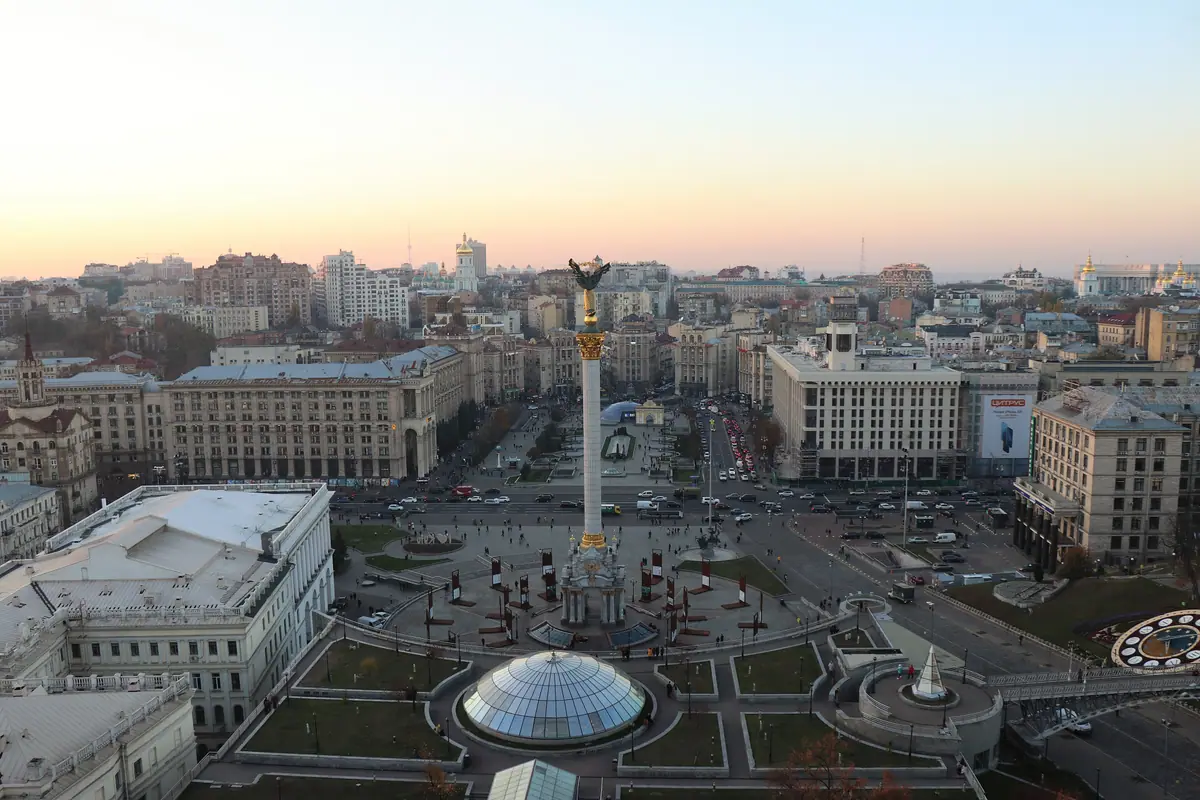
Spring arrives late here — March can still bite, with grey skies and mud underfoot — but by the second half of April the chestnut trees lining Kyiv's Khreshchatyk are candled with white blossom and café terraces spill onto the pavement. Daytime temperatures settle around 15 to 22°C, ideal for walking the long, steep sweep of Andriivskyi Descent, with its art stalls and the baroque flourish of Saint Andrew's Church at the bottom.
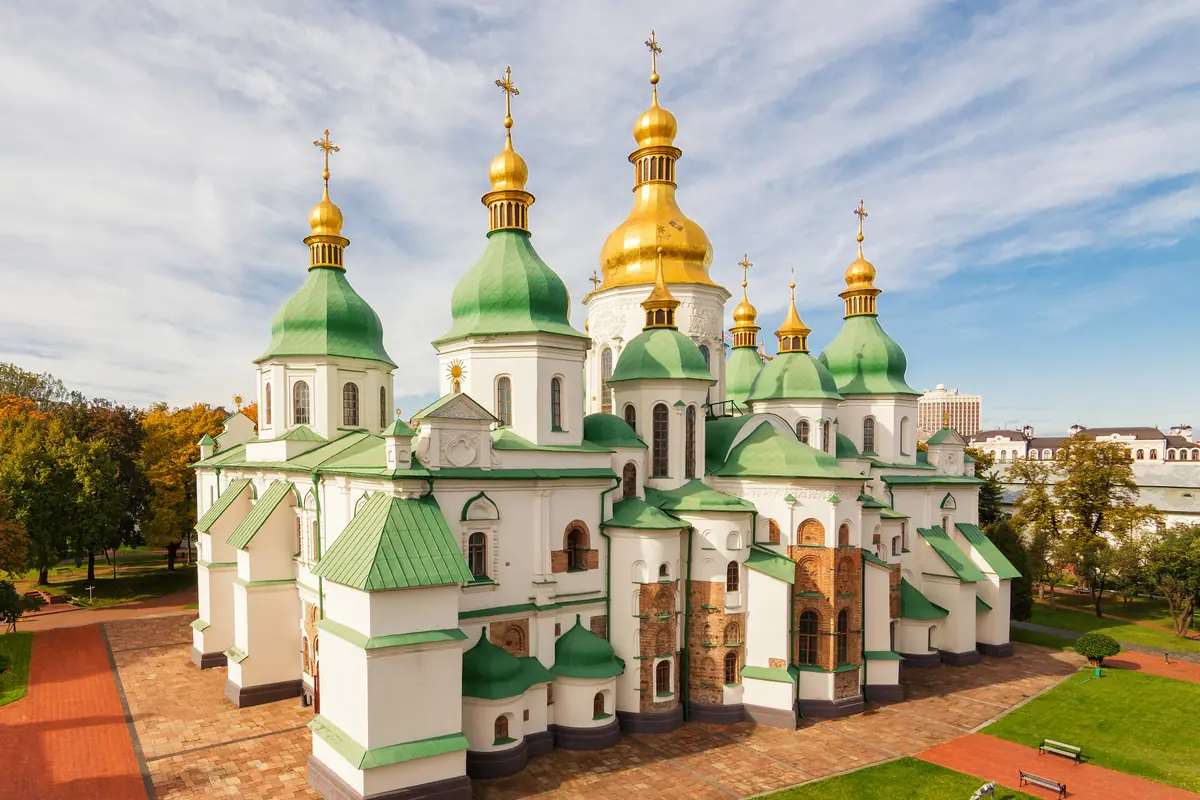
This is when Kyiv's headline sights are at their most comfortable. The gold-and-green domes of Saint Sophia's Cathedral and the cave complex and bell tower of Kyiv Pechersk Lavra are both far more pleasant to explore before the summer heat sets in, and the crowds at Maidan Nezalezhnosti and the Golden Gate are still light. Hotel rates in the capital sit well below their June peak, and you can generally book a fortnight ahead without panic.
Lviv, in the west, wakes up a touch earlier and rewards an early-season visit enormously: Rynok Square's cobbles, the opera house, and the atmospheric Lychakiv Cemetery are all at their best before the tour buses arrive. Late spring is also the moment for the green Tunnel of Love near Klevan, when the railway cutting closes over into a leafy arc.
Summer: Black Sea Beaches and Carpathian Trails (June to August)
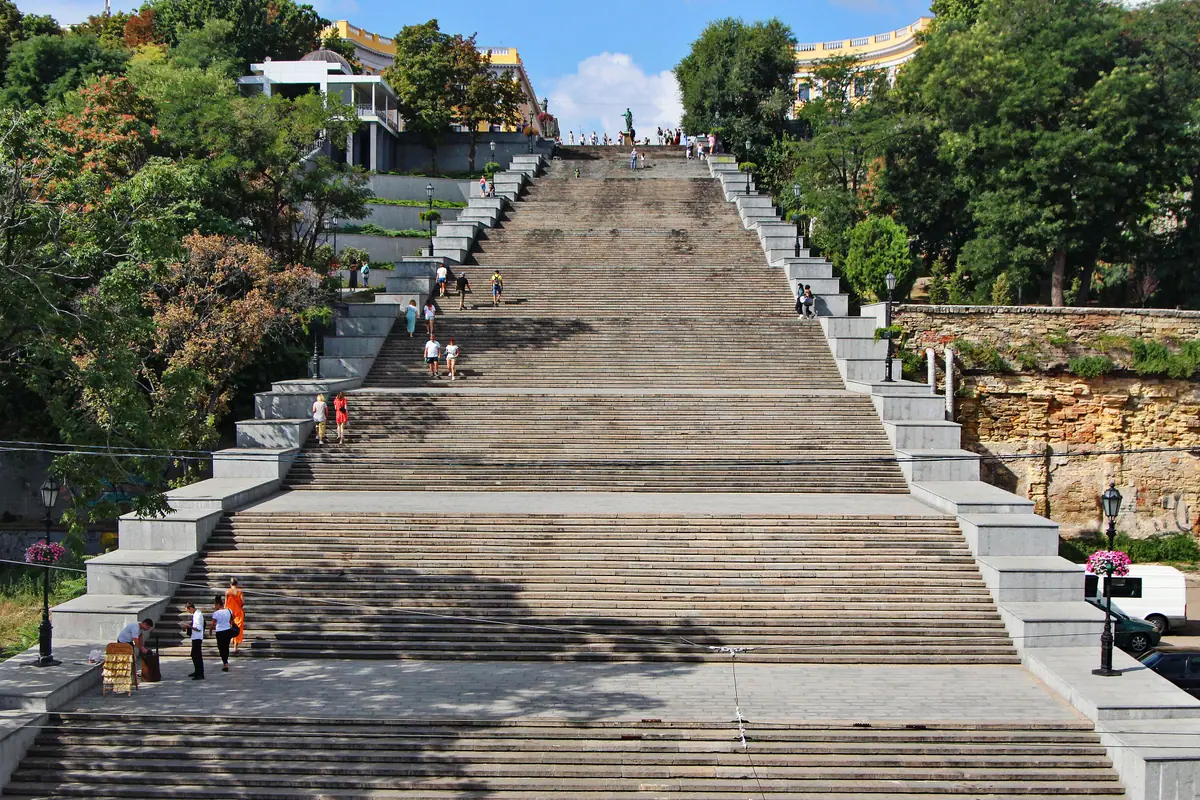
Summer is peak season, and it is easy to see why. Odesa turns into a full-scale resort, with the giant Potemkin Stairs cascading down toward the port, Deribasivska Street buzzing late into the night, and the beaches of Arcadia packed from morning to dusk. Sea temperatures usually climb to a comfortable 20 to 24°C in July and August, and the city's cafés, courtyards and seafood grills run at full tilt.
Inland, this is hiking weather in the Carpathians. Mount Hoverla, Ukraine's highest peak, draws steady streams of walkers from July through September, while the Carpathian National Nature Park offers gentler valley routes through beech forest and Hutsul villages. If skiing is not your priority, Bukovel and Dragobrat in summer offer cable cars, mountain biking and cool nights that make a welcome change from the heat of the plains.
Book early. Odesa's sea-view rooms and the better guesthouses inside Lviv's pedestrian old town are typically gone four to six weeks out for July and August, and prices can double compared with May. Expect hot, sometimes humid days of 28 to 33°C in the south, and afternoon thunderstorms in the centre. Air conditioning is not universal in older buildings, so confirm it before you commit.
Autumn: Golden Foliage and the Year's Best Value (September to October)
Autumn is quietly the finest season for a wide-ranging Ukraine trip. The heat breaks in early September, the light turns long and amber, and the Carpathian beech forests flare into copper and gold through the first half of October. Hotel prices drop sharply once the school holidays end, yet almost everything stays open and the weather is often more reliable than in spring.
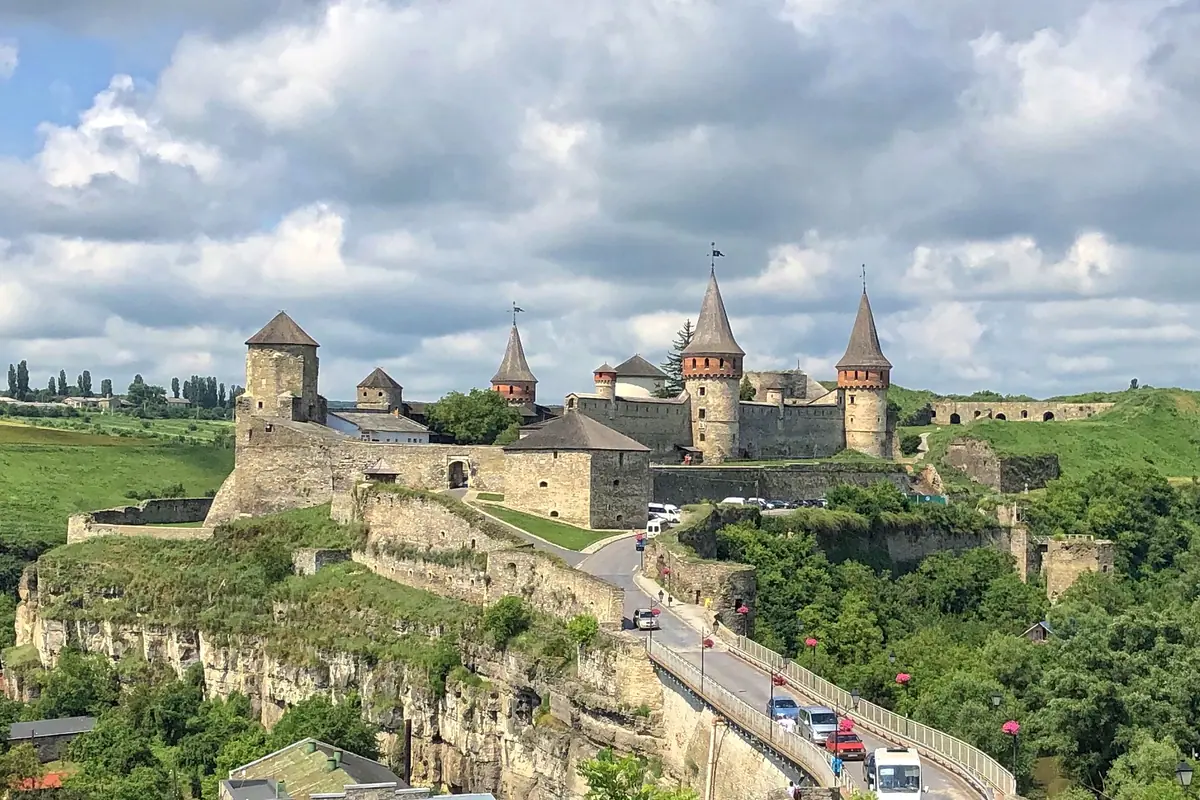
It is also the season for the country's grand set-piece sights. In Uman, the landscaped ravines, grottoes and lakes of Sofiyivka Park are at their most photogenic when the trees turn. Further west, the dramatic basalt gorge of Kamianets-Podilskyi Fortress and the riverside walls of Khotyn Fortress are far more enjoyable to wander without midsummer heat, and the ornate ensemble of Chernivtsi National University looks superb against a clear autumn sky.
Lviv suits this season perfectly — a coffee-house city made for cool, bright days. Book a room inside the old town if you can, and use the mild evenings to explore Rynok Square after the day-trippers leave. Expect highs of 12 to 20°C, with the first genuinely cold nights arriving by late October.
Winter: Christmas Markets and Carpathian Snow (November to March)
Ukrainian winters are serious, and in Kyiv and the north you should count on sub-zero spells, snow and short daylight from December through February. But the season has real magic if you dress for it. Lviv's Rynok Square hosts one of the region's most charming Christmas markets, with wooden stalls, mulled drinks and carols, all framed by the Renaissance townhouses and the glow of the Lviv Opera and Ballet Theatre nearby.
For snow sports, head to the Carpathians. Bukovel is the country's largest resort, with a wide spread of groomed runs and resort-style lodging, while Dragobrat is higher, wilder and beloved for its deep natural snow. The season generally runs from mid-December to late March, and the Christmas and New Year weeks are the single busiest period of the entire year — book two to three months ahead if you want a slope-side room.
City hotels are a different story in winter: outside the holidays, November and late January are among the cheapest times to stay in Kyiv or Kharkiv-facing business districts, and you will often have museums such as the National Art Museum or the Andriivskyi Descent galleries almost to yourself. Check that your room has proper heating, and pack layers, waterproof boots and a warm hat.
Choosing Where and How to Book, Season by Season
Where you base yourself matters as much as when you go. In Kyiv, the hillside Podil district offers characterful boutique stays near the river and the funicular, while the area around Khreshchatyk and Maidan Nezalezhnosti puts you within walking distance of Saint Sophia's Cathedral and the main metro lines. In Lviv, anything inside the old town ring means you can walk to Rynok Square, the opera and the Armenian quarter without touching public transport.
In Odesa, sea-view apartments near the coast command the biggest summer premiums; staying a few streets inland in the centre cuts costs significantly and keeps you close to Deribasivska Street and the Potemkin Stairs. For the Carpathians, choose between hotel-style resorts at Bukovel and family-run guesthouses in villages such as Yaremche, where home cooking and wood-fired warmth are part of the experience.
A few practical notes apply year-round. Lift access is rare in older buildings, so ask about stairs if you have heavy luggage. Confirm air conditioning for summer and reliable heating for winter. And before booking anything, check current official travel advice for the regions you plan to visit — air travel into Ukraine has been suspended, most arrivals come overland from neighbouring countries, and conditions can change, so flexible, refundable bookings are worth the small extra cost.
Frequently asked questions
What is the best month to visit Ukraine overall?
For most travellers, mid-May and September are the sweet spots. Both offer mild, mostly dry weather, long days and manageable crowds, with hotel rates noticeably lower than in July and August. Late September into early October adds spectacular autumn colour in the Carpathians.
When are hotels in Ukraine cheapest?
Late March to mid-April, November, and the stretch between the New Year holidays and mid-February are generally the quietest and most affordable. The most expensive windows are July and August on the Black Sea coast, and the Christmas and New Year weeks in Lviv and the Carpathian ski resorts.
Is it warm enough to swim in Odesa?
Yes, from roughly late June to early September. Sea temperatures typically reach 20 to 24°C in July and August, when the city's beaches are at their busiest. June and September can still be pleasant for swimming, though the water is cooler and the weather less predictable.
How far ahead should I book for a Carpathian ski trip?
For the Christmas and New Year period, book two to three months in advance — this is the single busiest week of the year in Bukovel and Dragobrat. For ordinary January and February weeks, four to six weeks is usually enough, though weekend rooms in popular villages sell out faster.
Do I need to check travel conditions before visiting Ukraine?
Always. Travel advice and regional security situations can change quickly, air travel into the country is currently suspended, and most visitors arrive overland via neighbouring countries. Check official government guidance before booking, favour flexible or refundable reservations, and confirm directly with your accommodation that it is open and operating normally.
Sort the rest of your trip
Everything for Ukraine, in one place
Transfer in Ukraine
Private driver waiting on arrival — no queues, no surprises.
Book a transfer
Things to do in Ukraine
Skip-the-line tickets, guided tours and standout experiences.
See experiences
Stay online in Ukraine
Travel eSIM — data the moment you land, no roaming bills.
Get an eSIM