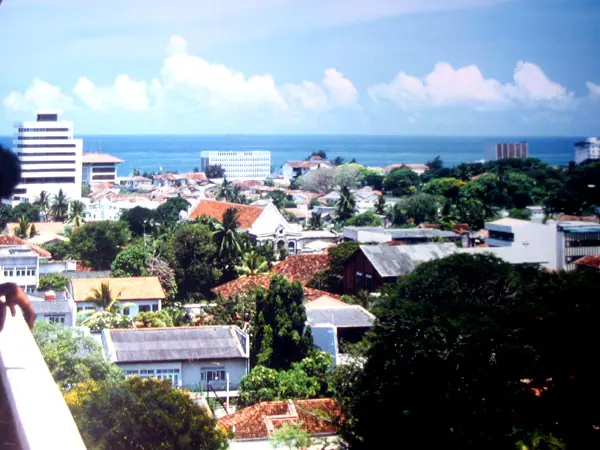
Sri Lanka is small enough to cross in a day, yet its weather runs on two separate clocks — which means there is almost never a month when some part of the island is not at its shimmering best. Get the timing right and you pair sun-drenched beaches with cool tea-country mornings, cheap boutique rooms and the island's great festivals. Get it wrong and you spend a fortnight watching rain sheet across a hotel balcony.
How Sri Lanka's Two Monsoons Decide Your Trip
Sri Lanka does not have one rainy season; it has two, arriving from opposite directions at opposite times of year. The south-west monsoon (often called the Yala monsoon) sweeps in from roughly May to September, soaking the west and south coasts — Colombo, Bentota, Galle, Mirissa — and pushing damp air up into the hill country around Nuwara Eliya and Ella. At the same time, the east coast and the northern peninsula around Jaffna are entering their dry, bright, breezy season.
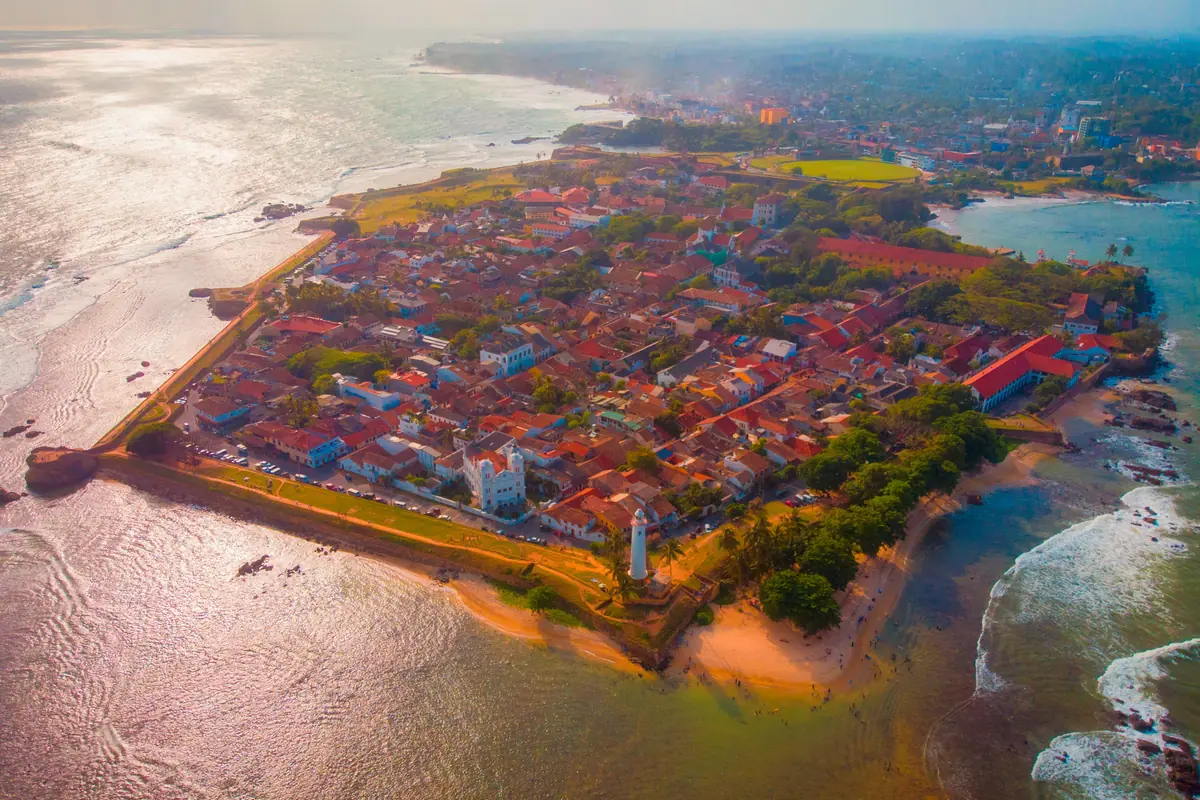
Then the pattern flips. From around October to January the north-east monsoon (Maha) dumps rain on Trincomalee, Arugam Bay, Pasikuda and the Cultural Triangle, while the south and west coasts dry out and settle into the classic tropical postcard weather that made places like Unawatuna and Galle Fort famous.
Between the two lies the inter-monsoon: late March to mid-April and October to mid-November, when thunderstorms can rumble almost anywhere in the late afternoon. These months are humid, unpredictable and — crucially for anyone booking accommodation — significantly cheaper. Rain rarely falls all day; mornings often dawn clear, with the clouds building after lunch.
December to March: The Classic Dry-Season Window
For most first-time visitors, this is the sweet spot. The west and south coasts — Negombo, Colombo, Bentota, Hikkaduwa, Mirissa, Tangalle — enjoy their driest, sunniest stretch, with temperatures hovering around 28–32°C and sea calm enough for swimming. Off the southern tip, the whale-watching season off Mirissa runs from November to April, peaking between December and March, when blue whales and sperm whales are most reliably sighted on early-morning boats.
Inland, January to March delivers the clearest skies of the year over the hill country, which matters enormously if you want to actually see anything. This is when the view from Ella Rock opens up, when the Nine Arches Bridge emerges from mist rather than vanishing into it, and when the pre-dawn hike to World's End in Horton Plains National Park — a 9km loop best started before 6am, since cloud often closes in by 9am — is most likely to reward you. Nights in Nuwara Eliya, perched at around 1,900m, can drop to 8–10°C, so pack a fleece.
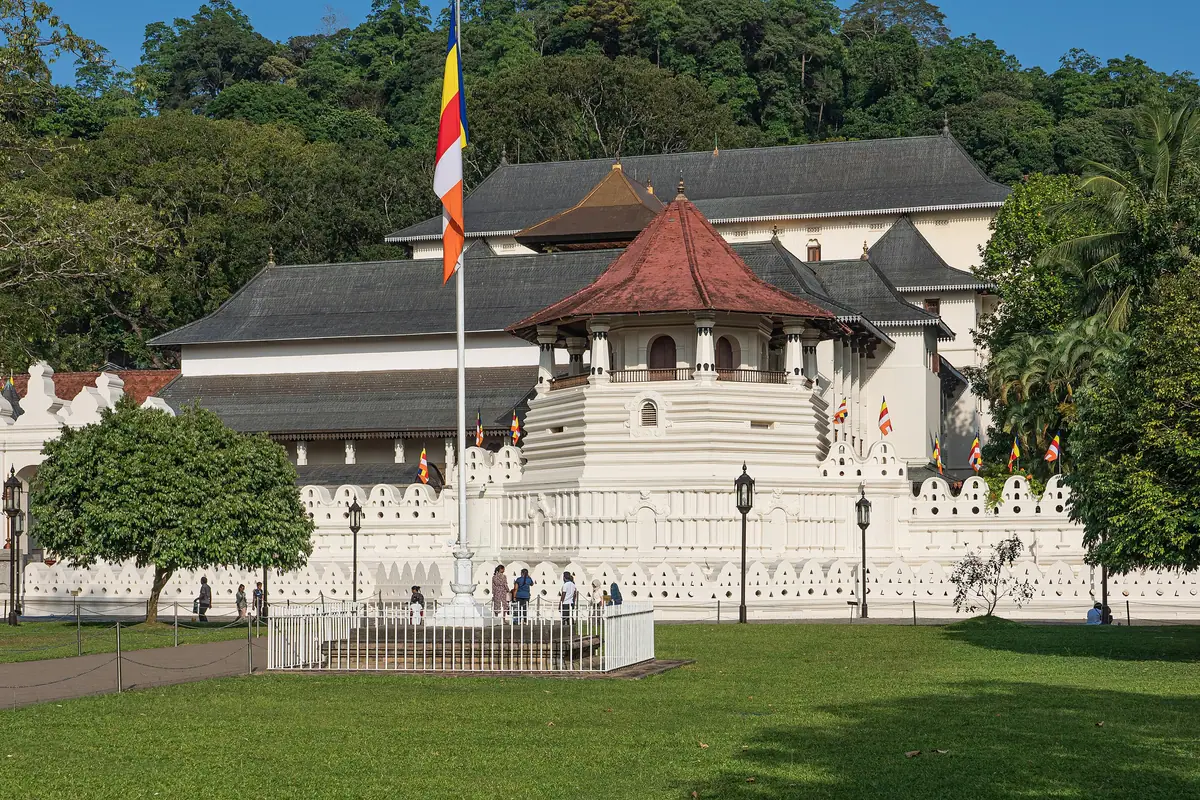
The catch is demand. Mid-December to mid-January is the island's absolute peak, followed by a busy January–March stretch as European winter tourists arrive. Expect the best boutique villas inside Galle Fort, tea bungalows in the hills and beachfront rooms in Mirissa to sell out two to four months ahead, with rates at their annual high. Kandy's Temple of the Sacred Tooth Relic and the Dambulla Cave Temple are also at their most crowded.
April to September: East Coast, Surf and the Cultural Triangle
As the south-west coast turns grey, the east becomes the island's summer playground. Trincomalee, with its deep natural harbour and the beaches of Nilaveli and Uppuveli nearby, is at its best from around May to September, as is quiet Pasikuda further south. Arugam Bay, one of Asia's most celebrated right-hand point breaks, comes alive from roughly April–May through September–October, filling with surfers and low-key beach bungalows.
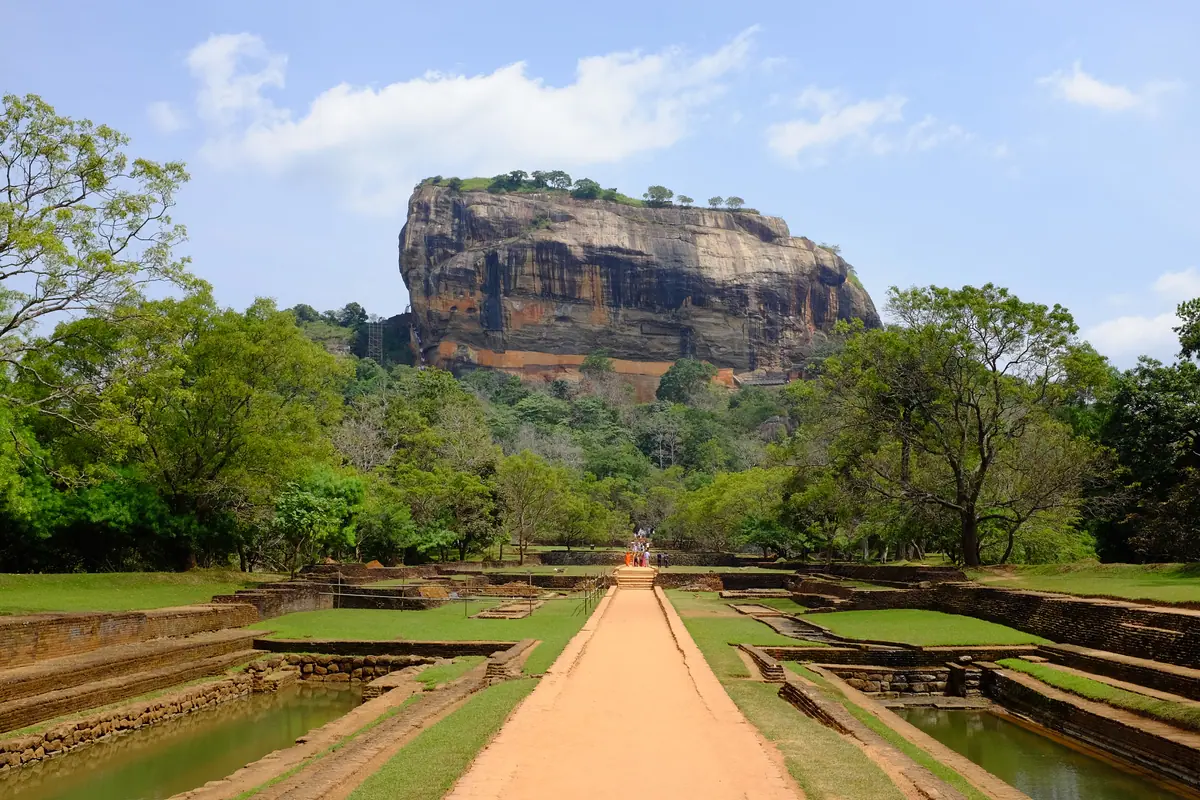
This is also an excellent window for the Cultural Triangle, which sits in the island's dry north-central zone. Sigiriya Rock Fortress — allow two hours for the climb and the frescoes, and start at 7am when gates open to beat both heat and crowds — plus the ruined cities of Polonnaruwa and Anuradhapura, and the cave paintings at Dambulla, are all comfortably visitable. From August to September, herds of elephants gather around the Minneriya and Kaudulla tanks in what is known locally as 'The Gathering' — one of the largest seasonal concentrations of Asian elephants anywhere.
Rates drop noticeably from May onward on the south and west coasts, even though mornings are frequently fine there. If you are willing to dodge a few afternoon downpours, you can stay in the same Galle or Bentota hotels that cost twice as much in February.
Shoulder Months, Pilgrimage Season and Wildlife Timing
Late April to May and September to early November are the island's value months. Rain is a real possibility anywhere, but hotel prices soften, roads are quieter and the light is dramatic. September in particular is a flat, transitional lull — the south-west monsoon is fading, the north-east has not yet begun, and the south coast often enjoys hot, still days between showers.
Wildlife has its own calendar. Yala National Park, the island's most famous leopard territory, is at its best in the dry months from February to July, when animals concentrate around shrinking waterholes and vegetation thins out. Sections of the park typically close on rotation around September for maintenance, so check before planning a safari. Wilpattu, further north-west, is usually most productive from February through October.
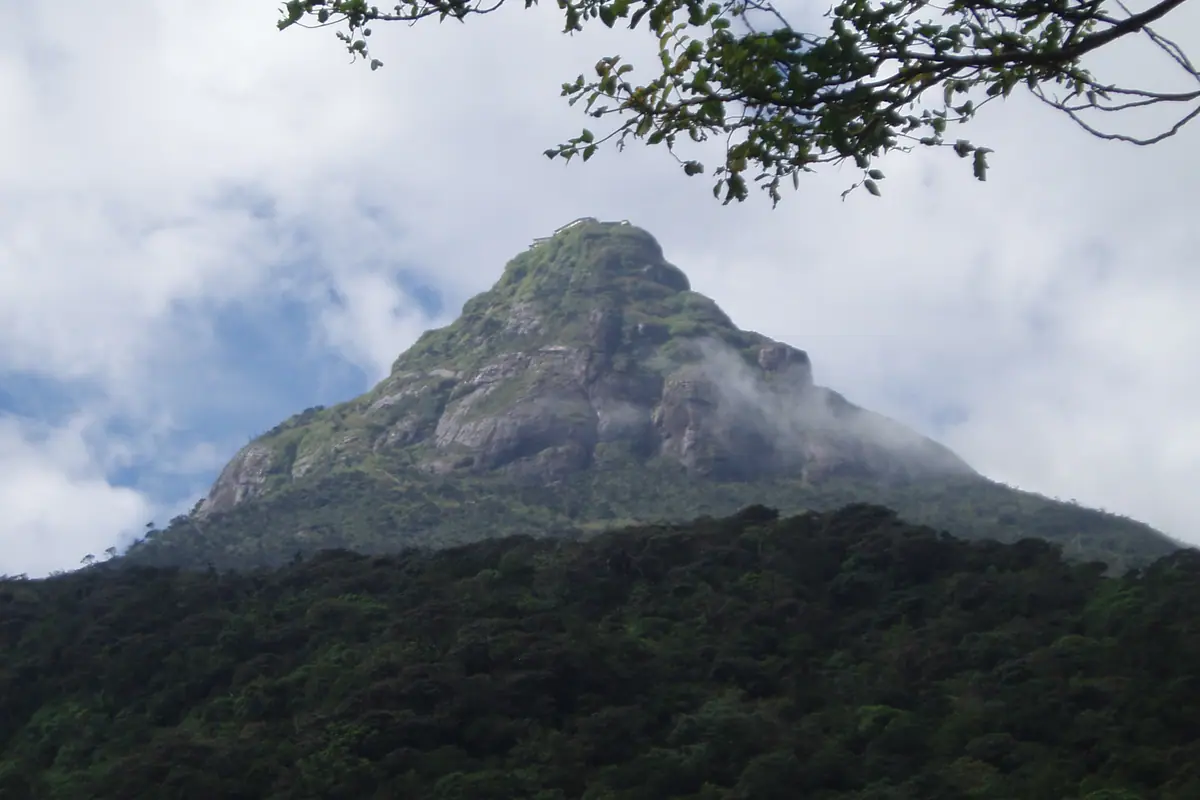
The pilgrimage season for Adam's Peak (Sri Pada) runs from around the December full moon to the Vesak full moon in May, with January and February the busiest. Pilgrims climb through the night to reach the summit for sunrise — a 5,500-step ascent taking three to five hours up. Outside the season the trails are unlit and facilities shut, so this is genuinely a seasonal experience rather than a year-round hike.
Matching Your Base — and Your Hotel — to the Season
The single biggest planning decision is choosing where to sleep first, because Sri Lanka's regions do not share a climate. A simple rule: December to March, base yourself on the west or south coast and add the hill country; May to September, head east and north, and use the Cultural Triangle as your inland anchor. Colombo works year-round, though May and October–November bring short, sharp evening storms.
Accommodation style varies as much as the weather. Colonial-era guesthouses and boutique villas inside the walls of Galle Fort suit the December–March window, when you can walk the ramparts at sunset in dry heat. Tea-planter bungalows around Nuwara Eliya and Bandarawela are made for the cool, clear January–March mornings, complete with fireplaces and blankets. Safari camps near Yala or Wilpattu are best booked for the dry wildlife months, and simple beach bungalows in Arugam Bay only really make sense during the east-coast surf season.
Book well ahead for the peak: three to four months for December–February, and six to eight weeks even in the shoulder. Two dates to avoid if you dislike crowds and closed kitchens are the Sinhala and Tamil New Year around 13–14 April, when domestic tourism surges and many family-run places shut, and the Christmas–New Year week, which is the most expensive of the year.
Festivals, Packing and Practical Timing
Sri Lanka's festival calendar is lunar, so dates shift each year, but the broad pattern holds. Vesak, in May, is the most atmospheric — lanterns, illuminated pandals and free food stalls across the island. Poson in June fills Mihintale and Anuradhapura with pilgrims. The Esala Perahera in Kandy, usually late July or August, is a spectacular procession of caparisoned elephants, drummers and fire dancers; accommodation in Kandy sells out weeks in advance for the final nights.
Packing is easier than the monsoon map suggests. Bring light cottons and strong sun protection for the coasts, a waterproof shell for inter-monsoon afternoons, and a warm layer plus socks for the hill country, where mornings can be genuinely cold. Temple visits — the Temple of the Sacred Tooth Relic, Dambulla, Mihintale — require covered shoulders and knees, and shoes come off at the entrance.
Give yourself 10 to 14 days to link the Cultural Triangle, Kandy, the hill country and one coast without rushing. Start sightseeing early: Sigiriya opens at 7am, Horton Plains at 6am, and most major sites are far more pleasant before 10am. The famous hill-country train from Kandy toward Ella takes roughly six to seven hours and is best booked as far ahead as possible — although in truth there is no bad month to ride it, only crowded ones.
Frequently asked questions
What is the single best month to visit Sri Lanka?
For the west and south coasts plus the hill country, January to March offers the most reliable sunshine, calm seas and clear mountain views. If your trip focuses on Trincomalee, Pasikuda or Arugam Bay, aim for July to September instead, when the east coast is dry and the south-west monsoon is elsewhere.
Is it worth visiting during the monsoon?
Often yes. Rain usually arrives in intense afternoon bursts rather than all-day drizzle, mornings are frequently bright, and hotel rates fall sharply. The trade-offs are humidity, occasional washed-out beach days and the risk of disrupted hill-country walks or whale-watching sailings.
How far in advance should I book hotels?
Three to four months for the December–February peak, especially for villas in Galle Fort, tea bungalows around Nuwara Eliya and safari camps near Yala. In shoulder months such as May, September and November, six to eight weeks is usually plenty, and last-minute deals are common.
When is the best time for leopard spotting in Yala National Park?
The dry months from February to July give you the best odds, as wildlife gathers around shrinking water sources and the undergrowth thins. Be aware that sections of the park commonly close on rotation around September, and safaris run at dawn and late afternoon.
What is the best time to climb Adam's Peak?
The official pilgrimage season runs from roughly the December full moon to the May full moon, with January and February busiest and best supported. Climbers set off around 2–3am to reach the summit for sunrise; outside the season the route is unlit and the tea stalls and shelters are closed.
Sort the rest of your trip
Everything for Sri Lanka, in one place
Transfer in Sri Lanka
Private driver waiting on arrival — no queues, no surprises.
Book a transfer
Things to do in Sri Lanka
Skip-the-line tickets, guided tours and standout experiences.
See experiences
Stay online in Sri Lanka
Travel eSIM — data the moment you land, no roaming bills.
Get an eSIMMore guides in Sri Lanka
Hotels in Sri Lanka: Where to Stay for Beaches, Tea Country and Ancient Cities
Sri Lanka Tours: A Food, Culture and Local Experiences Guide
Best Places to Visit in Sri Lanka: Must-See Sights and Unmissable Activities
Sri Lanka in One Week: A 7-Day Itinerary from Airport to Coast
Where to Stay in Colombo: The Best Neighborhoods for Every Kind of Trip