Sri Lanka packs an entire continent's worth of landscapes into an island you can cross in a day: cloud-forest peaks, leopards in the dry-zone scrub, a 1,500-year-old rock fortress rising straight out of the jungle, and reef-fringed beaches on two separate coasts. The trick is knowing which corners to string together, and when.
Sigiriya, Dambulla and the Cultural Triangle
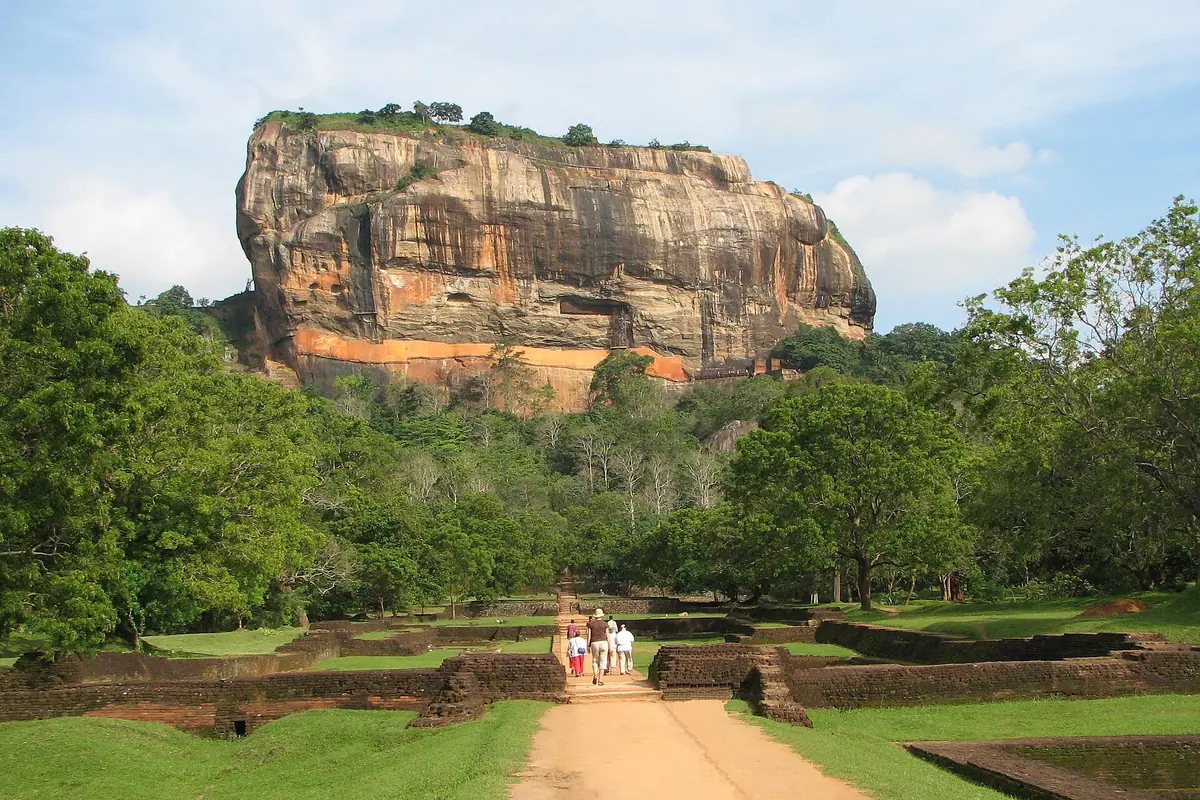
Almost every Sri Lankan itinerary begins in the so-called Cultural Triangle, the dry-zone heartland between Anuradhapura, Polonnaruwa and Kandy. Its headline act is Sigiriya, a sheer granite monolith topped by the ruins of a 5th-century royal citadel. You climb roughly 1,200 steps, past the famous mirror wall and the frescoes of female figures painted into a sheltered rock pocket, to reach the lion's paw terrace and the summit plateau. Go at 6.30am when the gates open — by 9am the staircase becomes a slow-moving queue and the exposed rock turns genuinely punishing.
Budget another half-day for Pidurangala, the boulder-strewn hill opposite, which gives you the postcard view back towards Sigiriya itself rather than from it. Nearby, the Dambulla Cave Temple holds five painted caves crammed with more than 150 statues and ceiling murals that have survived since the 1st century BC, and the ruined city of Polonnaruwa, best explored by bicycle, spreads royal palaces, bathing pools and the serene Gal Vihara reclining Buddha across a shaded archaeological park.
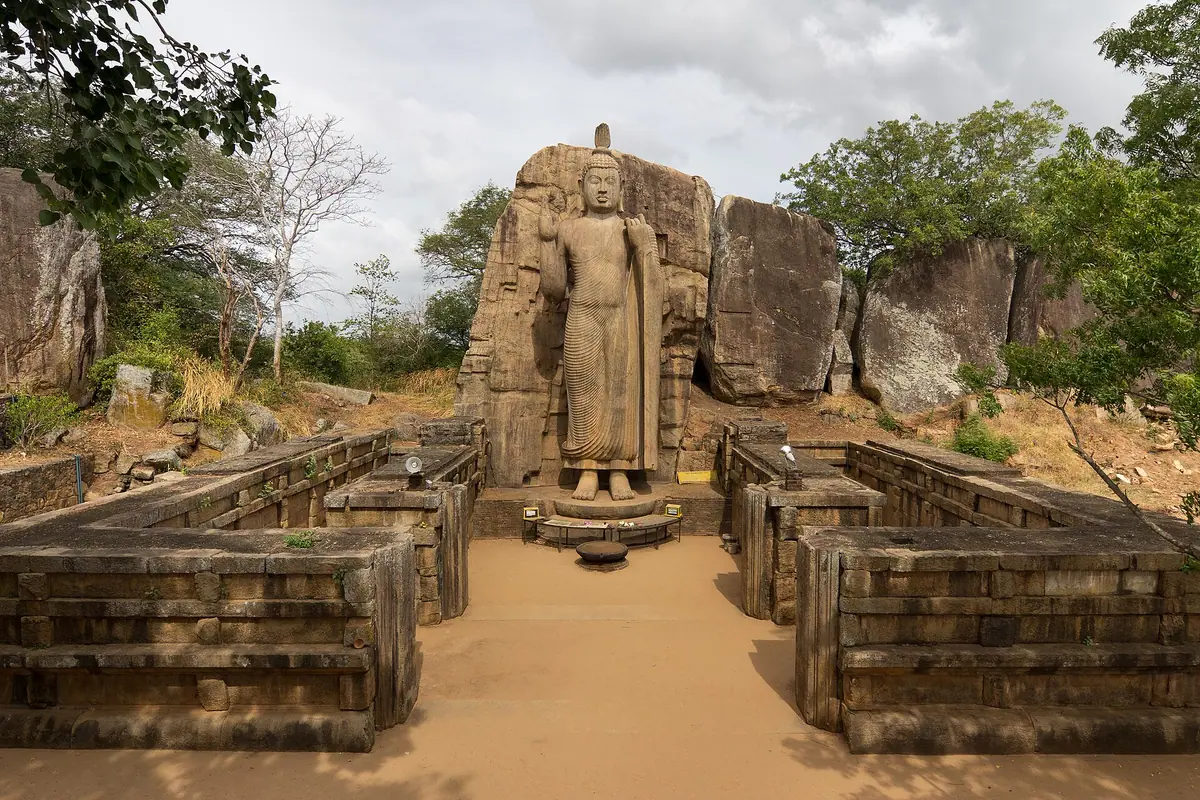
Anuradhapura, the island's first great capital, is older and larger still, with stupas the size of small hills and the sacred Bodhi tree. Distances are longer here, so pick two or three sites rather than trying to see everything — and carry socks, since you will be barefoot on hot stone more often than you expect.
Kandy, Ella and the Hill Country by Rail
The hill country is where Sri Lanka becomes genuinely cool, green and misty. Kandy, the last royal capital, centres on the Temple of the Sacred Tooth Relic, a lakeside shrine complex where drumming ceremonies take place three times daily and pilgrims queue with lotus flowers. Combine it with the Royal Botanical Gardens at Peradeniya, an easy half-day of orchid houses, giant Javan fig trees and long palm avenues.
From Kandy, the train line to Ella is the single most rewarding journey on the island — seven hours of tea terraces, tunnels and viaducts if you take the full stretch, or a shorter, equally scenic hop from Nanu Oya if you are based in Nuwara Eliya. Book reserved seats weeks ahead in high season; otherwise turn up early for unreserved carriages and stand by the open doors. Around Ella, walk to the Nine Arches Bridge for late-afternoon light, climb Little Adam's Peak for sunrise in about 45 minutes, and set aside a full day for the tougher Ella Rock trail.
In Nuwara Eliya, known locally as Little England, the colonial-era bungalows and racecourse sit at around 1,900 metres, so bring a fleece. Horton Plains National Park, an hour away, opens before dawn; the nine-kilometre loop to World's End and Baker's Falls is best walked before 9am, before cloud rolls in and erases the 800-metre drop entirely.
Leopards, Elephants and Rainforest Safaris
Sri Lanka has one of the highest leopard densities in the world, and Yala National Park's Block 1 is where most visitors go looking for them. Dawn and late-afternoon game drives in a shared jeep last three to four hours; sightings are never guaranteed, but the park also delivers sloth bears, crocodiles, peacocks and spotted deer in numbers. Udawalawe, further inland, is the more reliable choice for elephants — herds are almost always visible around the reservoir — and it pairs neatly with a stop at its elephant transit home.
Between roughly July and September, the receding waters of Minneriya and Kaudulla tanks draw hundreds of elephants into the open grassland in what is often called the gathering, one of the largest seasonal concentrations of Asian elephants anywhere. For something completely different, Sinharaja is Sri Lanka's last substantial lowland rainforest, a UNESCO-listed reserve of endemic birds, lizards and butterflies where you walk with a licensed local guide and the canopy closes overhead.
Practical notes: park entry is by jeep only, drivers are assigned locally, and you will want a buff or scarf against dust. Wilpattu, in the north-west, is quieter and lake-studded, with far fewer vehicles than Yala — a good swap if you dislike convoy-style safaris.
Galle Fort and the Southern Beaches
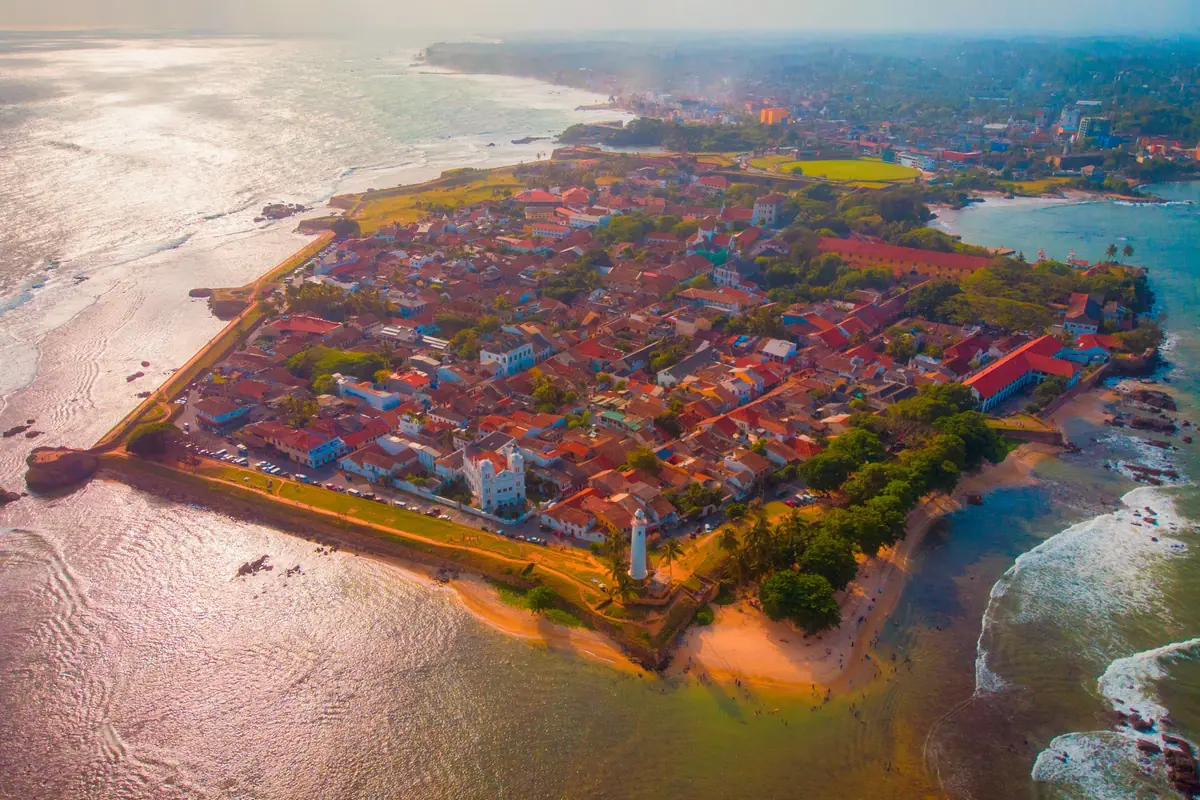
The south coast begins with Galle, whose 17th-century Dutch fort is the island's most atmospheric place to wander. Ramparts curve around a walled town of cobbled lanes, shuttered villas, boutique shops and the whitewashed Meeran Jumma Mosque, with the lighthouse at the southern tip catching the sunset. Climb the walls at about 5.30pm, when locals fly kites and the heat finally breaks.
East of Galle, Unawatuna and Mirissa offer swimmable bays, coconut-tree headlands and, from November to April, blue-whale and dolphin trips that leave the harbour before dawn — choose a boat with a responsible operator and expect a half-day at sea. Further along, Tangalle and Hiriketiya are slower, sandier and better suited to reading than partying.
Up the west coast, Hikkaduwa's coral sanctuary makes for easy snorkelling, while Bentota is the calm, family-friendly option with lagoon watersports. On the opposite side of the island, Arugam Bay is the surf capital, with a long right-hand point break that works best from April to October, and the quieter beaches at Nilaveli and Uppuveli near Trincomalee come into their own during the east-coast season.
Colombo and the West Coast
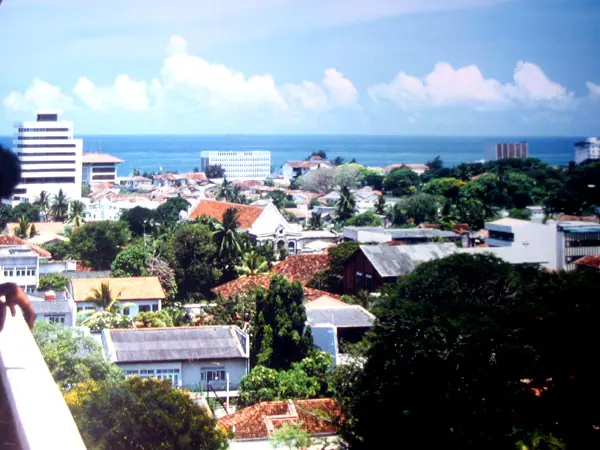
Most travellers treat Colombo as a transit stop, which is a mistake. The Fort district holds the old Parliament and colonial-era facades, while the Gangaramaya Temple, near Beira Lake, is a dense, slightly chaotic collection of bronze Buddhas, ivory carvings and vintage cars that tells you more about modern Sri Lankan Buddhism than any quiet shrine. The National Museum, a short walk away, holds royal regalia and the island's finest collection of ancient art.
Wander Pettah's market streets for spices, textiles and gold, then decompress on Galle Face Green, a seafront promenade where families, kite-sellers and street-food carts converge each evening. Mount Lavinia, 20 minutes south, has a sandy curve of beach and a good sunset view back towards the city skyline.
Colombo is also where you fly in and out of, so it is worth allocating one full day at the start or end rather than racing straight to the cultural triangle. Note that the city is hot and humid year-round, with the heaviest rain arriving in May and again in October and November.
When to Go and How to Move Around
Sri Lanka has two monsoons and therefore two peak seasons, which is the single most useful thing to understand before you book. The south and west coasts, plus Colombo and the Cultural Triangle, are driest from December to March. The east coast, including Trincomalee and Arugam Bay, is at its best from May to September. The hill country is visitable all year but clearest from January to April, and the inter-monsoon downpours of late October and November can soak almost anywhere.
Distances look tiny on a map and take far longer than you expect. A comfortable daily rhythm is two to three hours of driving between bases, with one major sight per day rather than three. Trains beat buses for comfort on the Kandy–Ella line and the coastal route south of Colombo, and tuk-tuks are ideal for short hops and full-day local sightseeing, usually arranged through your guesthouse the night before.
Budget at least ten days for a loop covering the Cultural Triangle, Kandy, the hill country and the south coast; two weeks lets you add a safari park and a few beach days without feeling rushed. Carry cash for small towns and park fees, dress modestly at temples — shoulders and knees covered, shoes off — and remember that the most memorable moments here are rarely the ones you scheduled.
Frequently asked questions
How many days do you need to see the best places in Sri Lanka?
Ten days is the practical minimum for a loop taking in Sigiriya and the Cultural Triangle, Kandy, the hill country around Ella and the southern beaches. Two weeks lets you add a leopard safari at Yala or Wilpattu and still have time to slow down on the coast.
What is the best month to visit Sri Lanka?
There is no single answer, because the island has two monsoon systems. December to March suits the west and south coasts, Colombo and the Cultural Triangle. May to September suits the east coast around Trincomalee and Arugam Bay. The hill country is best from January to April, and late October to November is the wettest, least predictable window almost everywhere.
Do I need a guide or can I visit Sri Lanka independently?
Independent travel is straightforward, with good trains, buses and tuk-tuks, and guesthouses that will arrange drivers for the day. A licensed local guide is genuinely worth hiring for Sinharaja rainforest walks, where trails are unmarked, and for archaeological sites like Polonnaruwa and Anuradhapura if you want the history to make sense.
Is climbing Sigiriya difficult?
It is about 1,200 steps up a mix of staircases, metal walkways and bare rock, taking 45 to 90 minutes return depending on fitness and crowds. Start at 6.30am, carry at least a litre of water, and skip it if you have a serious fear of heights, because some sections are steep and exposed. Pidurangala is a rougher scramble but shorter, and gives the better photograph.
What should I pack for Sri Lanka?
Light cotton clothing for the lowlands, a fleece and rain shell for Nuwara Eliya and Horton Plains, reef-safe sunscreen, insect repellent, and quick-dry shoes. Add socks you do not mind losing, since temple visits require walking barefoot on hot stone, plus a scarf or sarong for covering shoulders and knees at religious sites.
Plan it — experiences in Sri Lanka
Live search, booked directly with trusted providers.
Sort the rest of your trip
Everything for Sri Lanka, in one place
Stay in Sri Lanka
Hotels, guesthouses and apartments — compared in one search.
Search hotels
Transfer in Sri Lanka
Private driver waiting on arrival — no queues, no surprises.
Book a transfer
Stay online in Sri Lanka
Travel eSIM — data the moment you land, no roaming bills.
Get an eSIMMore guides in Sri Lanka
Hotels in Sri Lanka: Where to Stay for Beaches, Tea Country and Ancient Cities
Sri Lanka Tours: A Food, Culture and Local Experiences Guide
Sri Lanka in One Week: A 7-Day Itinerary from Airport to Coast
Best Time to Visit Sri Lanka: Seasons, Hotels and When to Book
Where to Stay in Colombo: The Best Neighborhoods for Every Kind of Trip