The Seychelles is a year-round destination where the calendar changes the sea more than the sky: trade winds decide which shore is glassy and which is churned, and that in turn decides which hotel balcony you should be sitting on. Get the timing right and you get flat turquoise water, empty granite coves and better room rates on the same island.
The Two Sweet Spots: April–May and October–November
The Seychelles sits just south of the equator and swings between two monsoons. Between them lie two short windows — roughly April to May and October to November — when the wind drops to almost nothing, the sea turns to plate glass and visibility under water stretches to its best of the year. Air temperatures hover around 28–30°C, the water sits near 28°C, and humidity is at its mildest. This is the classic honeymoon and diving window, and it is also the best time to actually swim off the famous beaches rather than admire them from a distance.
Because these months are so desirable, they are also the first to sell out. Beachfront resorts on Mahé and Praslin, and the small collection of guesthouses on La Digue, can be fully committed six to nine months ahead, particularly the last week of April and the first fortnight of October. If your dates are fixed by school holidays, book the room before you book the flight — inter-island ferries and short-hop flights are easier to shuffle than a seafront villa.
A small detail worth knowing: the calm spells rarely last the entire month. Expect a day or two of heavy, brief rain even in the best weeks, usually in the late afternoon, after which the islands steam gently and everything smells of frangipani. Build one flexible day into a seven-night stay and you will barely notice it.
The Northwest Monsoon (November–March): Heat, Rain and Lush Green Hills
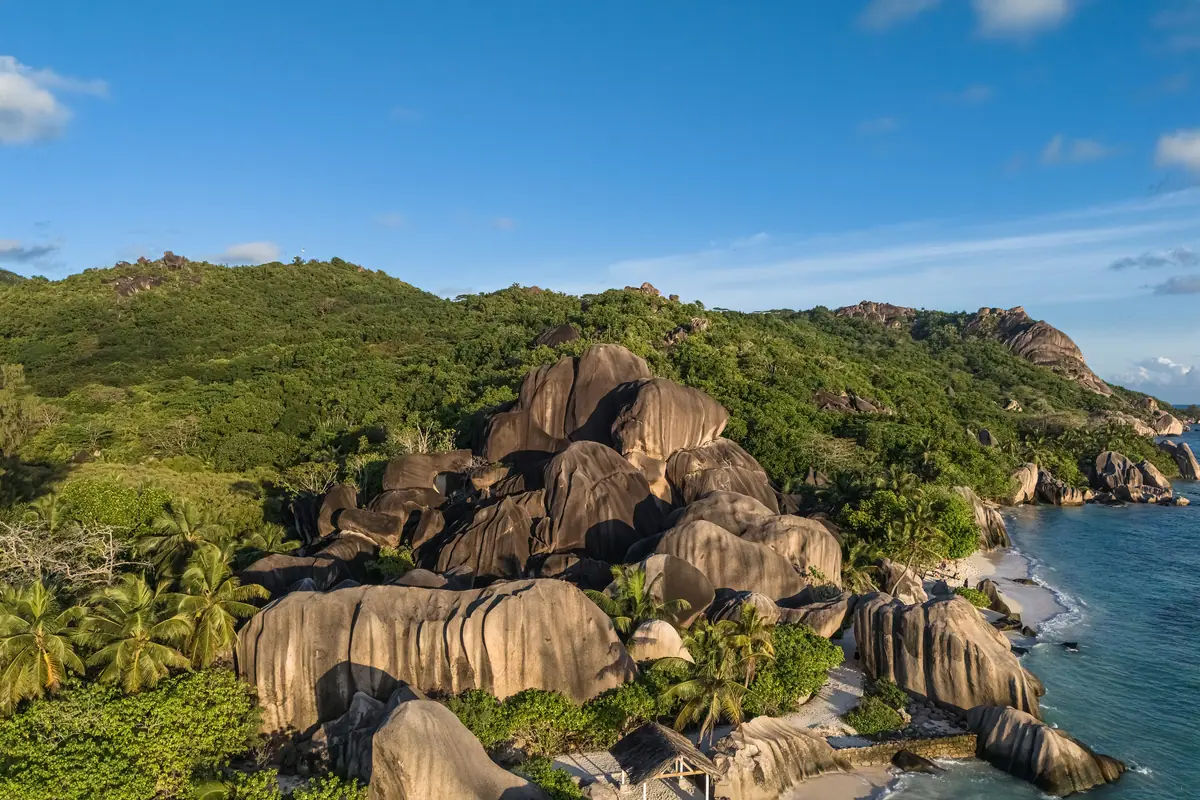
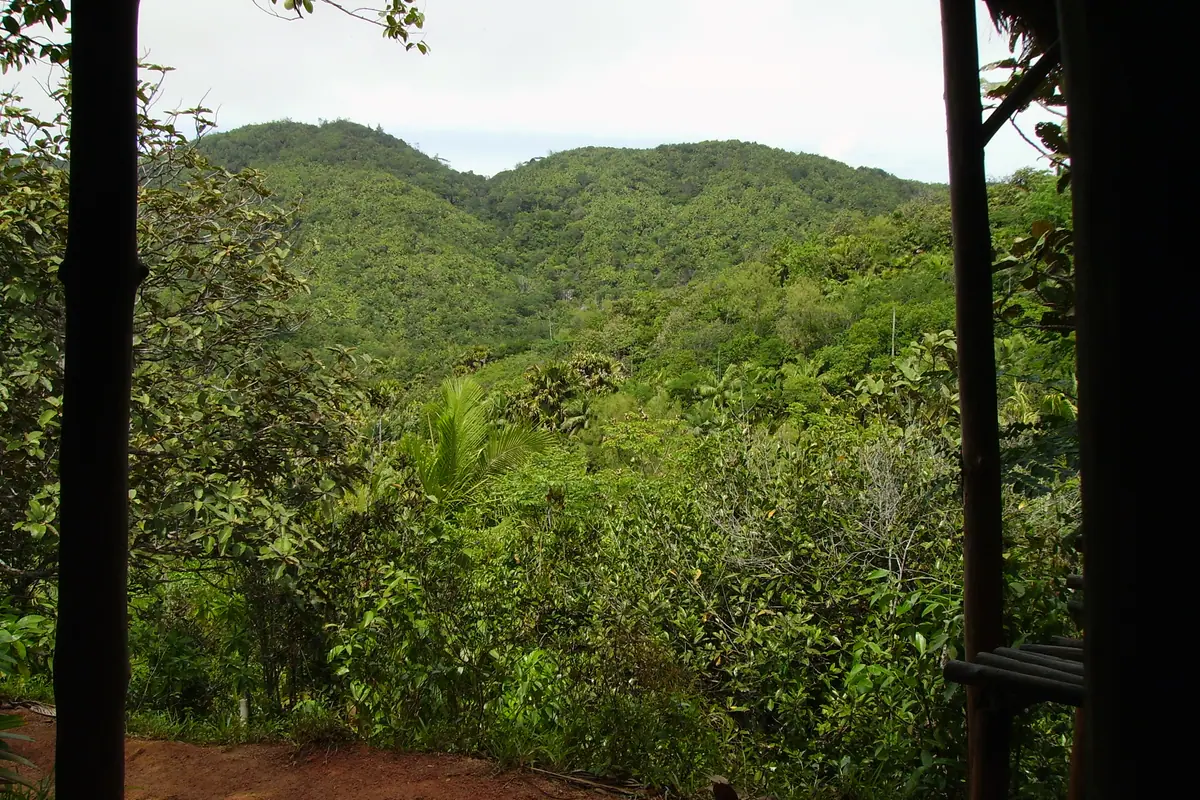
From November through March the northwest monsoon arrives, bringing the warmest and most humid conditions of the year — often 30–32°C with a heavy, tropical thickness in the air. Rain tends to fall in short, dramatic bursts rather than all-day drizzle, and December and January are the wettest months. The reward is a landscape at its most extravagantly green: the granite boulders of the interior are furred with moss, and the forest canopy of Morne Seychellois National Park on Mahé is at its most photogenic.
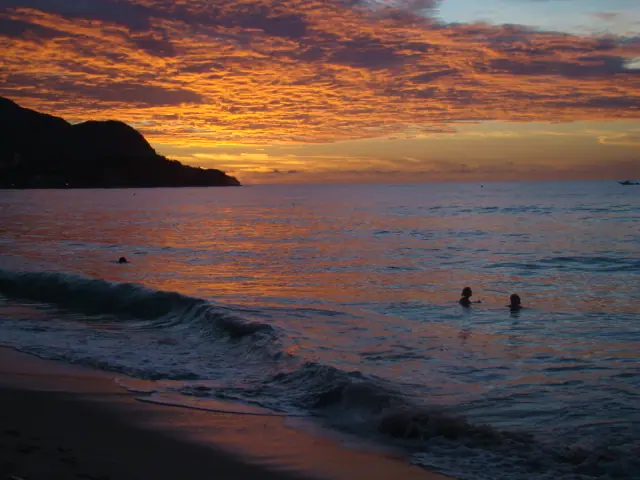
Crucially, this is when the west-facing beaches come into their own. Beau Vallon, the broad curve of sand on Mahé's northwest coast, is calm and swimmable, as are Anse Soleil and the bays around Port Glaud. The east and southeast coasts, meanwhile, can be rougher and cloudier, so a hotel choice that looks identical on a map can feel completely different in the middle of January. If you are coming for swimming and sunbathing rather than hiking, plant yourself on the western side.
Hotel rates are at their most forgiving in mid-January and February, once the festive crowd has gone home and before Easter bookings begin. The trade-off is humidity and occasional squalls, plus slippery trails if you plan to climb to the Morne Blanc viewpoint. Turtle watchers, though, should note that green turtles nest on Mahé's beaches through these months, and guided night walks are often available.
The Southeast Trade Winds (May–September): Dry Days, Breezy Beaches
From May to September the southeast trade winds take over, and with them comes the driest, coolest and most comfortable weather of the Seychelles year. Daytime temperatures settle around 25–28°C, rain becomes rare, and the air is noticeably fresher. It is superb walking, hiking and sailing weather — the Morne Blanc trail, the forest paths through the Vallée de Mai on Praslin, and the coastal route to Anse Major all feel far kinder in July than in January.
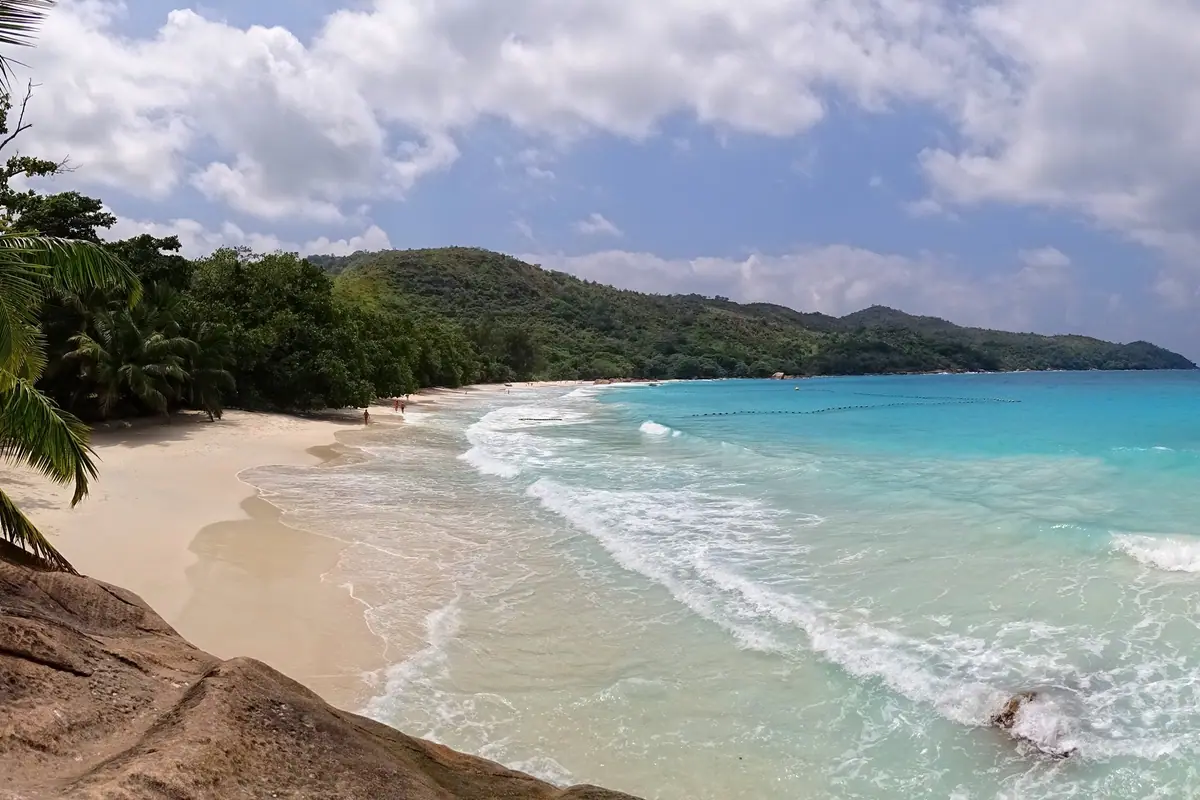
The catch is the sea. Sustained winds whip up waves and push seaweed onto south- and east-facing shores, so beaches such as Anse Source d'Argent on La Digue and parts of Mahé's east coast can look less like the postcard between June and August. The solution is simply to switch coasts: sheltered west and north-facing bays like Anse Lazio on Praslin and Anse Intendance on Mahé stay calmer, and diving visibility dips slightly because of plankton in the water but brings larger pelagic life in return.
This is also the season of lower hotel rates outside the European school holidays in July and August. Late May, June and September are quietly excellent value: you get dry days, breezy but comfortable evenings, and far more space on the sand. Ferry crossings between the islands can be bouncy in these months, so if you are prone to seasickness, consider the short inter-island flights for the Mahé–Praslin leg and take the boat only for the short Praslin–La Digue hop.
Choosing Your Island and Hotel Style Around the Seasons
Mahé is the gateway island, home to the capital Victoria and its cheerful Clock Tower, the bustling Sir Selwyn Selwyn-Clarke Market, and the country's widest choice of accommodation — from large beach resorts at Beau Vallon and Anse Royale to self-catering apartments tucked into the hills at Takamaka. It has the most reliable year-round swimming because you can always find a sheltered coast, and it is the sensible base for a first visit or a short stay.
Praslin, a short flight or ferry away, pairs Anse Lazio and Anse Georgette with the UNESCO-listed Vallée de Mai, a palm forest where the extraordinary coco de mer grows wild. Hotels here are quieter and more spread out, mostly along Côte d'Or and around the bays of the northwest — the right side of the island to be on when the southeast trades blow.
La Digue is the slow one: bicycles instead of hire cars, ox-cart tracks, and the granite cathedral of Anse Source d'Argent. There are almost no large resorts, so the accommodation is guesthouses, small villas and family-run lodges — which means it fills fastest of all in peak months. Beyond the big three, Silhouette, Aride, Cousin and Bird Island are reachable on day trips or exclusive stays, while Aldabra Atoll remains a strictly protected research reserve that ordinary visitors cannot enter.
Landmarks and Sights Worth Timing Your Trip Around
Some of the Seychelles' greatest sights are seasonal. Bird Island hosts tens of thousands of nesting sooty terns between May and September, an overwhelming spectacle of noise and wings. Aride Island, one of the most important seabird sanctuaries in the Indian Ocean, is best in the same window but opens only on limited days, so plan around its schedule. Cousin Island, a short boat ride from Praslin, closes at weekends and is worth reserving in advance.
Whale sharks drift through the inner islands between roughly August and November, most often sighted off Mahé's west coast, making those months the pick for anyone hoping to snorkel alongside something enormous. Green turtles nest from October into February, and hatchlings scramble to the sea a couple of months later. Curieuse Island, just off Praslin, is home to free-roaming giant tortoises and the old leper colony buildings at Anse Petit Cour, and it is comfortable to visit year-round.
The year-round icons need no timing at all: the soaring granite of Anse Source d'Argent, the vanilla-scented shade of the Vallée de Mai, the view from Morne Blanc over Mahé's west coast, the Mission Lodge ruins above Victoria, and the lively morning market in the capital. Pair these with a day on the water in the Sainte Anne Marine National Park, where the lagoon stays manageable in most conditions.
Rates, Festivals and How to Book Your Hotel Wisely
Seychelles hotel pricing follows three peaks: the Christmas and New Year fortnight, Easter, and the European summer holidays in July and August. Over the festive season many properties impose minimum stays of five to seven nights and charge their highest rates of the year, so book by late spring if that is your plan. The sweet spots for value are mid-January to February, late May to mid-June, and September to early October — dry or drying weather, fewer people, and rates that can be meaningfully lower.
Festivals can be a reason to choose a date, or a reason to avoid one. The Creole Festival in October fills Victoria and Mahé's hotels with music, dance and Creole cooking, while the island's ocean-focused festival in spring celebrates diving and marine conservation. La Digue's Assumption Day procession on 15 August is one of the most atmospheric days in the country, and Seychelles National Day on 29 June brings parades to the capital.
A practical note on hotel type: half-board is common and often good value on Praslin and La Digue, where restaurants are few and spread out, whereas Mahé's self-catering apartments suit travellers who want to eat local. Budget for a tourist accommodation levy added to most bills, and remember that many small guesthouses take payment by bank transfer rather than card. Finally, pack for the season you have chosen: reef-safe sunscreen and light rain shells for the northwest monsoon, a light windbreaker and sea-sickness tablets for the trades.
Frequently asked questions
What is the best month to visit the Seychelles for calm seas and clear water?
April, May, October and November are the standout months. The monsoon winds fall light, the sea flattens, underwater visibility peaks and swimming is easy off almost any beach. These are also the busiest and priciest weeks, so book several months ahead.
When is the cheapest time to stay in a Seychelles hotel?
Mid-January to February and September to early October generally offer the lowest room rates outside festive periods. Late May and June are also good value with dry weather, though July and August prices rise again during European school holidays.
Does the rainy season ruin a Seychelles holiday?
Not usually. The wetter months from November to March bring short, heavy showers rather than constant rain, often overnight or in the late afternoon, with plenty of sunshine between. Choose a west-facing beach such as Beau Vallon during this period and you will rarely be troubled.
Which island should I base myself on for a first trip?
Split your stay: Mahé for its beaches, Victoria's market and the Morne Seychellois trails, then Praslin for the Vallée de Mai and Anse Lazio, with a day or two on La Digue for Anse Source d'Argent. Ferries and short flights link all three.
When can I see whale sharks and nesting turtles in the Seychelles?
Whale sharks are most often encountered between August and November, particularly off Mahé's western coast, while green turtles nest from October through February and hatchlings emerge roughly two months later. Guided trips give the best chance of sightings without disturbing the animals.
Plan it — hotels in Seychelles
Live search, booked directly with trusted providers.
Sort the rest of your trip
Everything for Seychelles, in one place
Transfer in Seychelles
Private driver waiting on arrival — no queues, no surprises.
Book a transfer
Things to do in Seychelles
Skip-the-line tickets, guided tours and standout experiences.
See experiences
Stay online in Seychelles
Travel eSIM — data the moment you land, no roaming bills.
Get an eSIM