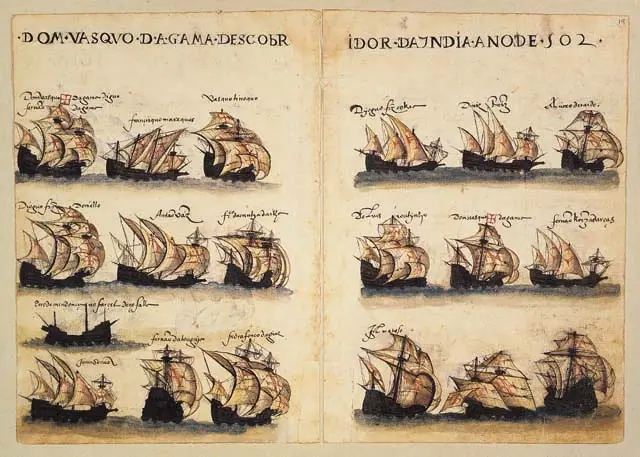
Seychelles is that rare archipelago where the postcard is understated: granite boulders the size of houses leaning over water so clear it looks filtered, and palm forests that have been quietly evolving for millions of years. Spread across 115 islands in the Indian Ocean, it rewards travellers who move slowly — one island, one beach, one trail at a time. Here is where to go, and when.
Mahé: Victoria's Market, Cloud-Forest Trails and the Green Heart of the Archipelago
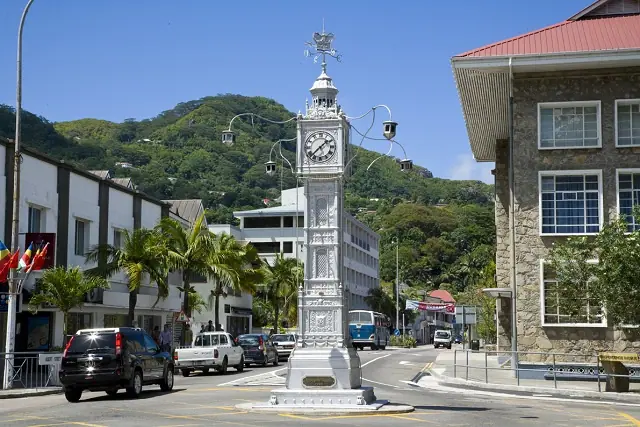
Almost every trip begins on Mahé, the largest island and home to the capital, Victoria — one of the smallest capital cities on earth. Its silver cast-iron clock tower, a modest Victorian-era landmark at the top of the main street, is the traditional meeting point, and a few steps away the Sir Selwyn Selwyn-Clarke Market fills its halls with slabs of fresh tuna, breadfruit, vanilla pods, cinnamon bark and bundles of curry leaves. Allow half a day to wander between the market, the colourful Hindu temple, the Immaculate Conception Cathedral and the waterfront, where fishing boats and, in season, cruise ships share the harbour.
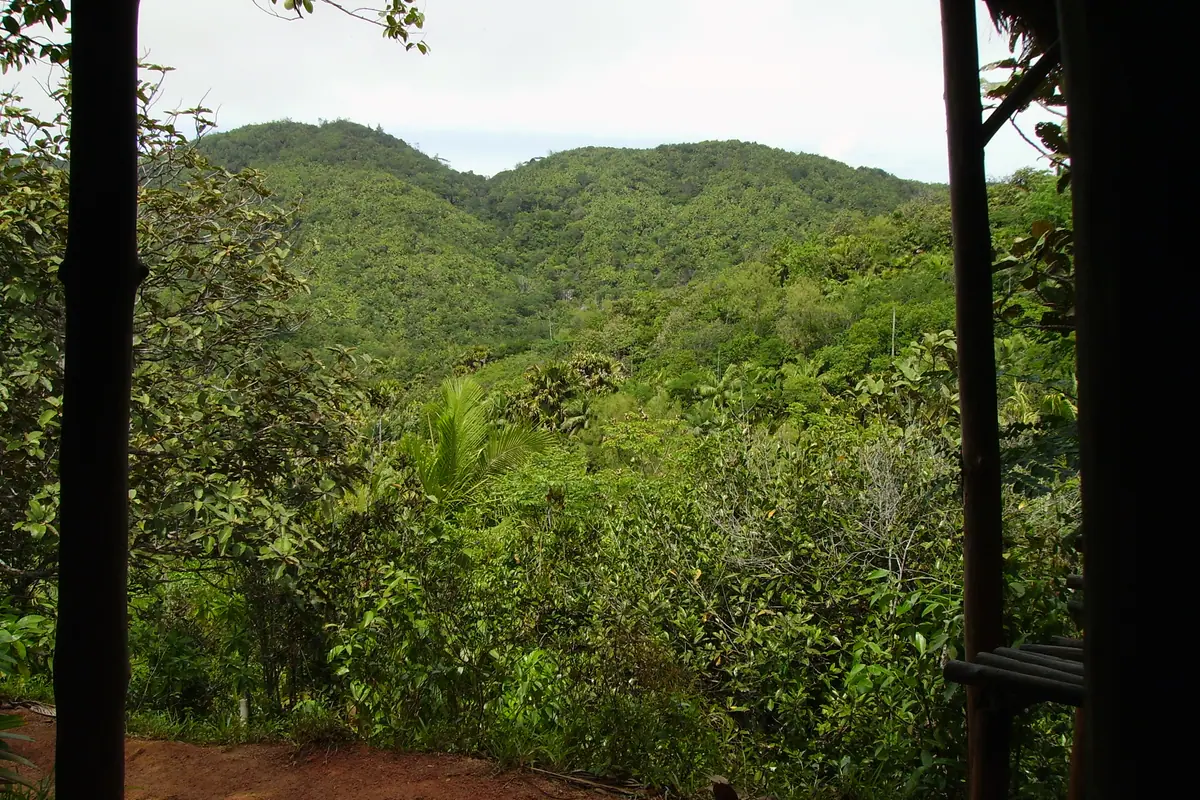
Inland, Morne Seychellois National Park swallows roughly a fifth of the island in mist forest, cinnamon thickets and granite outcrops. The Copolia Trail is the classic half-day walk — an hour or so uphill on a well-marked path to a bare granite slab with a sweeping view down over Victoria, the harbour and the offshore islands of Sainte Anne and Île au Cerf. Further south, the Trois Frères trail climbs to a viewpoint above the capital, while the old tea plantation at Sans Souci offers cooler air and ridge-line panoramas.
Closer to town, the Mont Fleuri Botanical Garden is a gentle introduction to island botany: coco de mer palms, endemic species, fruit bats crashing through the canopy and a pen of giant Aldabra tortoises that visitors can watch being fed. Beau Vallon, on the northwest coast, is Mahé's longest and busiest beach, with calm water from November through April, a string of casual restaurants and the best sunset on the island.
The Beaches of Mahé: Reef Lagoons, Surf Bays and the Anse Major Hike
Mahé's coastline is a study in contrasts. On the sheltered west and southwest, Anse Takamaka, Anse Royale and Anse Marie-Louise lie behind coral reefs that create shallow, warm lagoons — ideal for snorkelling at low tide, when the coral heads sit just below the surface. Anse Royale in particular has a long curve of white sand backed by takamaka trees, a couple of beach cafés and water calm enough for children. Further south, Anse Intendance is the wild one: no protecting reef, a steep beach that drops away quickly, and surf that makes it a favourite with bodyboarders and photographers rather than swimmers, especially when the southeast trades are blowing.
One of the most rewarding experiences on the island is the coastal hike to Anse Major. Starting near Bel Ombre in the north, the path winds for roughly an hour and a half through granite boulders, takamaka woodland and views over Baie Ternay, ending at a small, almost empty beach where the only other arrivals tend to be yachts. Take water, start early, and avoid the middle of the day.
The far south is the most dramatic. Around Baie Lazare and the southern tip at Pointe Police, huge weathered granite formations tumble into the sea, and the road narrows into a landscape of small villages, fishing boats and plantation ruins. Petite Anse and Anse Soleil, tucked below steep hillsides, are among the prettiest swimming spots on Mahé, though access involves a walk and a bit of patience.
Praslin: The Vallée de Mai, Anse Lazio and Anse Georgette
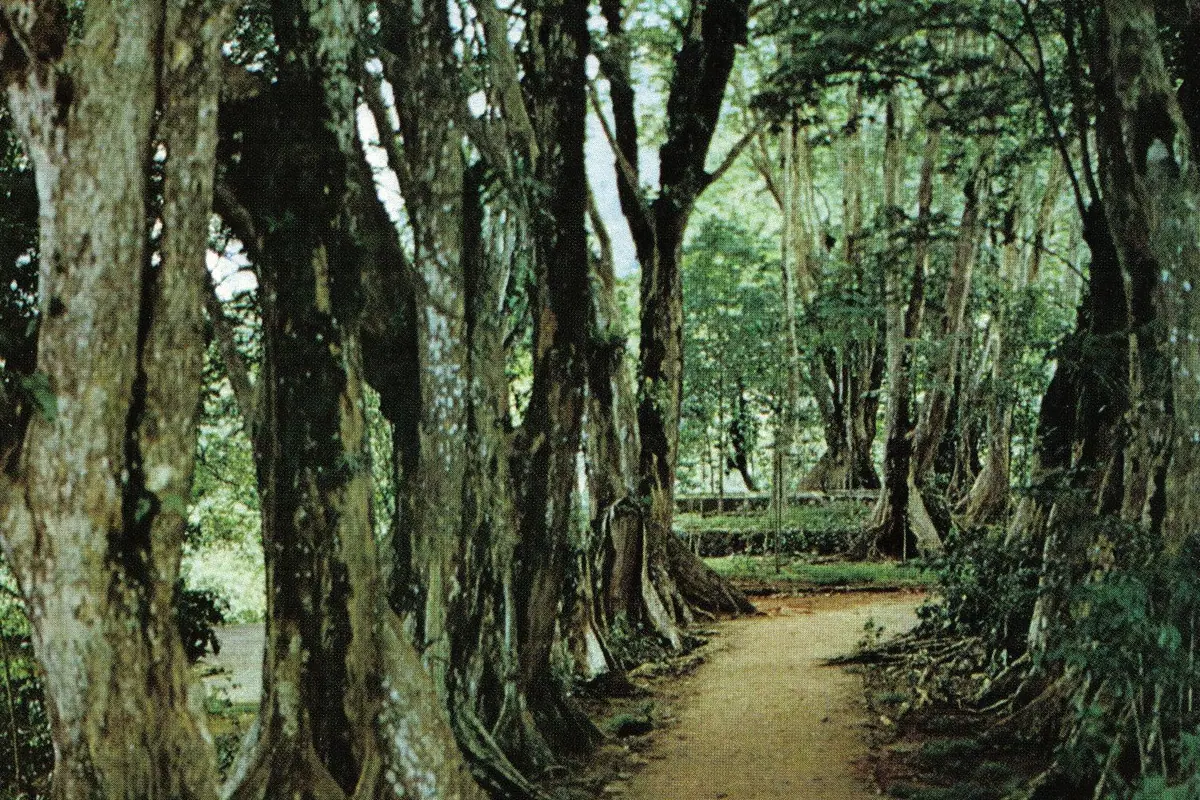
A short ferry hop or domestic flight from Mahé, Praslin is where the archipelago's most famous natural site sits. The Vallée de Mai is a palm forest unlike anywhere else on earth — a shaded, cathedral-like valley of endemic palms, including the coco de mer, which produces the largest and heaviest seed in the plant kingdom. A boardwalk loop takes about an hour to ninety minutes, and if you walk quietly in the early morning you have a decent chance of spotting the endemic black parrot. It is a World Heritage-listed reserve, and it justifies the entry fee many times over.
Anse Lazio, on the northwest coast, is Praslin's headline beach: a broad crescent of pale sand framed by dark granite boulders, with clear water and good snorkelling around Chevalier Point at the northern end. It gets busy, so arrive before mid-morning or come late in the afternoon for the best light. Quieter and arguably more beautiful is Anse Georgette on the opposite coast, reached either by boat or by a steep footpath across a golf course — access is limited and often needs to be arranged in advance, which keeps numbers low.
Praslin is also the launching point for the smaller islands: boat trips to Curieuse and Cousin Island leave from Baie Sainte Anne and Côte d'Or, where the long, shallow lagoon at Anse Volbert is perfect for a lazy swim. Base yourself on the island for three or four nights and you can combine the forest, the beaches and at least one offshore excursion without ever feeling rushed.
La Digue: Anse Source d'Argent, L'Union Estate and the East-Coast Trails
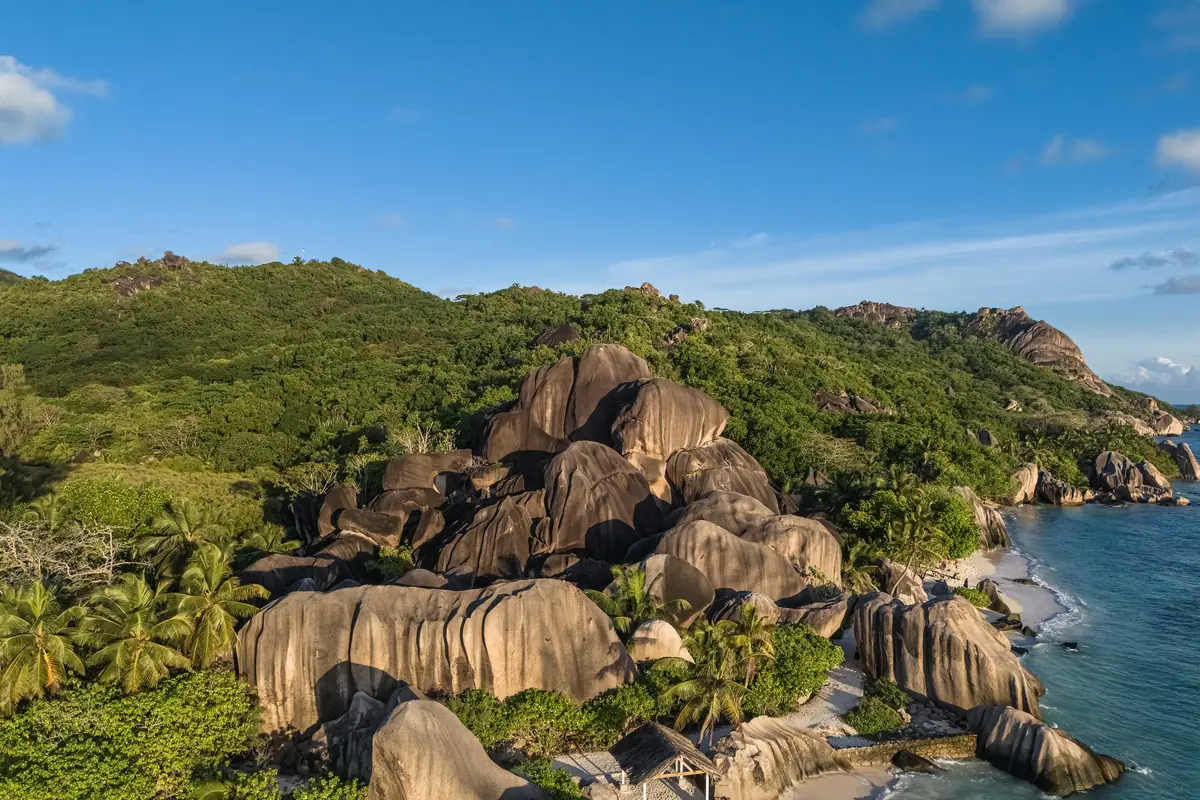
La Digue is small, flat and almost car-free, which is precisely its charm. Bicycles are the standard transport, and the island's most photographed beach, Anse Source d'Argent, is reached through the L'Union Estate plantation. The beach itself is a maze of sculpted pink-grey granite boulders rising straight out of knee-deep turquoise water — a place to visit at low tide and early in the morning, before the day-trippers arrive. The estate entry also covers a working copra mill, a vanilla plantation, an old plantation house and a pen of giant tortoises, making it more than just a gate to a beach.
On the wilder east coast, Grand Anse, Petite Anse and Anse Cocos offer bigger surf, stronger currents and rougher beauty. Anse Cocos is reached on foot from Grand Anse past Petite Anse, on a trail of about 20 to 30 minutes through scrub and granite; there are no facilities, so carry water. During the southeast trade winds from May to September, seaweed can pile up on these eastern beaches and swimming becomes genuinely risky — check conditions before committing.
Away from the sand, the Veuve Reserve protects one of the world's rarest birds, the Seychelles black paradise flycatcher, and the short trail to Nid d'Aigle rewards a sweaty climb with a view over the whole island, its surrounding reefs and the islands beyond. La Digue works beautifully for two or three nights, but most visitors wish they had booked longer.
Island-Hopping: Marine Parks, Tortoise Sanctuaries and Seabird Colonies
Just a short boat ride from Mahé, the Sainte Anne Marine National Park shelters half a dozen small islands inside a protected lagoon. Moyenne Island is the best known — a privately cared-for islet where giant tortoises roam free, paths wind past old pirate-era graves, and the surrounding reef makes for easy snorkelling. Many day trips combine snorkelling stops with a Creole lunch on board, and glass-bottom boats are a good option for non-swimmers.
Further north, Cousin Island is one of the Indian Ocean's great conservation success stories, with dense seabird colonies, endemic land birds and hawksbill turtles nesting on its beaches between roughly October and February. Landings are limited and there are no facilities, so visits are short and tightly managed — which is exactly why the wildlife is so abundant. Nearby Curieuse Island is famous for its free-roaming population of Aldabra giant tortoises, plus mangrove boardwalks and the ruins of an old leper settlement; most boat trips here include a beach barbecue and an hour or two to walk the island.
For a more remote feel, Aride, Bird Island, Denis Island and Silhouette offer seabird cliffs, empty beaches and small-scale lodging well away from the main circuits. Île Cocos and the islets off La Digue are the pick for snorkelling on a half-day trip. Because island excursions depend on sea conditions, book them locally a day or two ahead rather than locking everything in months in advance.
When to Go, How to Get Around and What to Expect
Seychelles sits between two monsoons, and the calendar genuinely changes the trip. The northwest monsoon, from November to March, brings warmer, more humid air, short heavy showers and calmer seas — for divers, these months often deliver the clearest underwater visibility, particularly on Mahé's west coast. The southeast trades from May to September are drier, breezier and slightly cooler, but they stir up the sea and wash seaweed onto east and southeast-facing beaches, including Grand Anse and parts of Anse Source d'Argent. The sweet spots are April to May and October to November, when the wind drops, the water flattens and the light is at its best; October and November are also when whale sharks and manta rays are most often seen around the inner islands.
Getting between the main islands is simple: fast ferries link Mahé and Praslin in about an hour, and Praslin to La Digue in around fifteen minutes, with short domestic flights as a faster alternative if the sea is rough. On La Digue, hire a bicycle; on Mahé and Praslin, a small hire car is the most flexible option, though the roads are narrow, winding and left-hand drive. On Mahé, the public buses are cheap and reach most of the main beaches and villages.
Expect to pay in Seychellois rupees, with cards accepted almost everywhere. Entry formalities require a travel authorisation before departure, proof of accommodation and onward travel, and a conservation levy collected on arrival. English, French and Seychellois Creole are all widely spoken. Book guesthouses, ferries and boats well ahead for the December–January festive period and the July–August European holidays, when the popular beaches and inter-island crossings fill up fast.
Frequently asked questions
How many days do you need in Seychelles?
Aim for seven to ten nights to cover Mahé, Praslin and La Digue without rushing. Three nights on Mahé, three on Praslin and two or three on La Digue is a classic first-timer split, leaving room for a day of island-hopping. If you want to add remote islands such as Silhouette, Bird or Denis, add at least two more nights.
What is the best time of year to visit Seychelles?
April to May and October to November offer the calmest seas, warm water and the best light for beaches and snorkelling. November to March is hotter and more humid with short downpours but often the clearest diving conditions, while May to September is drier and breezier, with seaweed and rougher water on east-facing beaches.
Do you need a car in Seychelles?
Not on La Digue, where bicycles are the norm and the island is tiny. On Mahé and Praslin a hire car gives you the most freedom to reach beaches like Anse Intendance, Anse Takamaka and Anse Lazio at quiet times, though roads are narrow and you drive on the left. Mahé also has a useful and inexpensive public bus network on the main routes.
How do you travel between the islands?
Fast ferries connect Mahé and Praslin in roughly an hour, and Praslin to La Digue in about fifteen minutes. Short domestic flights between Mahé and Praslin are quicker but pricier, and are a good fallback when the sea is choppy. Book crossings in advance for the December–January and July–August peaks.
Is Seychelles expensive to visit?
It can be, particularly for resort stays, but it does not have to be. Self-catering guesthouses on Mahé, Praslin and La Digue, markets and takeaway Creole food, public buses and hike-and-swim itineraries keep costs down considerably. Budget extra for entry requirements, the arrival conservation levy, island excursions and ferries.
Plan it — experiences in Seychelles
Live search, booked directly with trusted providers.
Sort the rest of your trip
Everything for Seychelles, in one place
Stay in Seychelles
Hotels, guesthouses and apartments — compared in one search.
Search hotels
Transfer in Seychelles
Private driver waiting on arrival — no queues, no surprises.
Book a transfer
Stay online in Seychelles
Travel eSIM — data the moment you land, no roaming bills.
Get an eSIM