Romania rewards whoever times it right: a country where you can ski powder in the morning, stand in a Saxon citadel by lunchtime, and watch pelicans lift off a Danube lagoon before dusk. The trick is knowing which Romania you want — Black Sea beaches, Carpathian forest, Christmas-market squares — because each has its own window, and its own hotel maths.
Romania's Four Seasons at a Glance
Romania sits in a temperate zone with a strong continental streak, but the country's geography splits it into several different travel years at once. Bucharest and the southern plains bake from late June to August, often pushing past 32°C, while the Carpathian arc stays several degrees cooler and the Black Sea coast runs on its own calendar, with water temperatures peaking only in the second half of July and the first half of August. Winter arrives hard in the mountains, where the Făgăraș and Bucegi ranges hold snow from December into April, and mild in the capital, where snow is a gift rather than a guarantee.
That spread is exactly why the shoulder months are so valuable. May, June, September and early October deliver long daylight, dry walking weather and open roads, without the coastal crush or the Christmas-market crowds. It is also when hotel choice is at its widest: seaside hotels on the coast around Mamaia and Constanța typically shut for the winter and reopen around late May, so out of season your options shift inland to spa towns, city boutique hotels and rural guesthouses.
The single most useful thing to understand before booking is that Romania's high seasons are not one season but three: the Black Sea coast in July and August, the ski resorts around Poiana Brașov and Sinaia from late December to February, and the Christmas markets in Bucharest, Sibiu, Brașov and Cluj-Napoca through December. Everything outside those windows is quietly excellent value.
Spring: Blossom, Easter Processions and Easy Hotel Rates
Spring creeps in unevenly. In Bucharest and the south, March can already mean terrace weather; in the mountains, snow lingers on high trails into May, and the Transfăgărășan road stays firmly closed under drifts until early summer. April and May are the reward: orchards flowering across Maramureș, wild daffodil meadows in the Apuseni Mountains, and forest floors carpeted with hellebores and cyclamen along the Carpathian trails. This is prime hiking time for anyone who wants solitude rather than a summit queue.
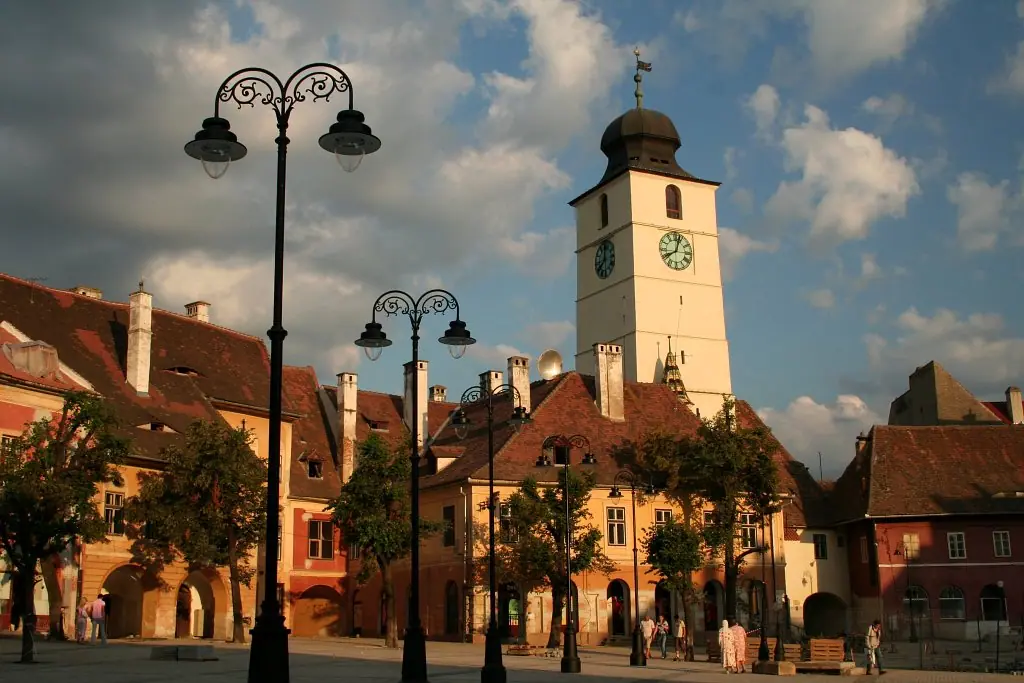
Orthodox Easter, which often falls a week or more after the Western date, is one of the most atmospheric moments to be in the country. Towns such as Sibiu — its Large Square and Small Square linked by the iron Bridge of Lies — and Timișoara, with its pastel Union Square and surrounding piațas, fill with candlelit midnight services, painted eggs and long family meals. In the villages of Bukovina, the painted monasteries at Voroneț, Moldovița and Sucevița are at their most photogenic in soft spring light, with far fewer visitors than in high summer.
Hotel-wise, spring is the sweet spot. City boutique hotels in Bucharest's Lipscani old town, Saxon guesthouses around Brașov and Sighișoara, and hillside pensions in Sinaia all sit below their summer rates, and you can often decide a few days ahead rather than weeks. The Danube Delta is also superb from April into early June, when migrating birds pass through and the reeds are still low enough to see across the channels.
Summer: Coast, Carpathians and the Busiest Booking Window
From mid-June to late August, Romania does full summer. The Black Sea coast from Mamaia down to Constanța and the bohemian southern village of Vama Veche turns into the country's holiday engine, with the warmest sea and the loudest beach clubs. Constanța's ornate Art Nouveau casino, perched dramatically on the seafront, is the coast's most photographed landmark, and it is worth a day even if you are staying further north. Book coastal rooms two to three months ahead for a July or August trip; the best seafront properties sell out first, and weekend demand from Bucharest is fierce.
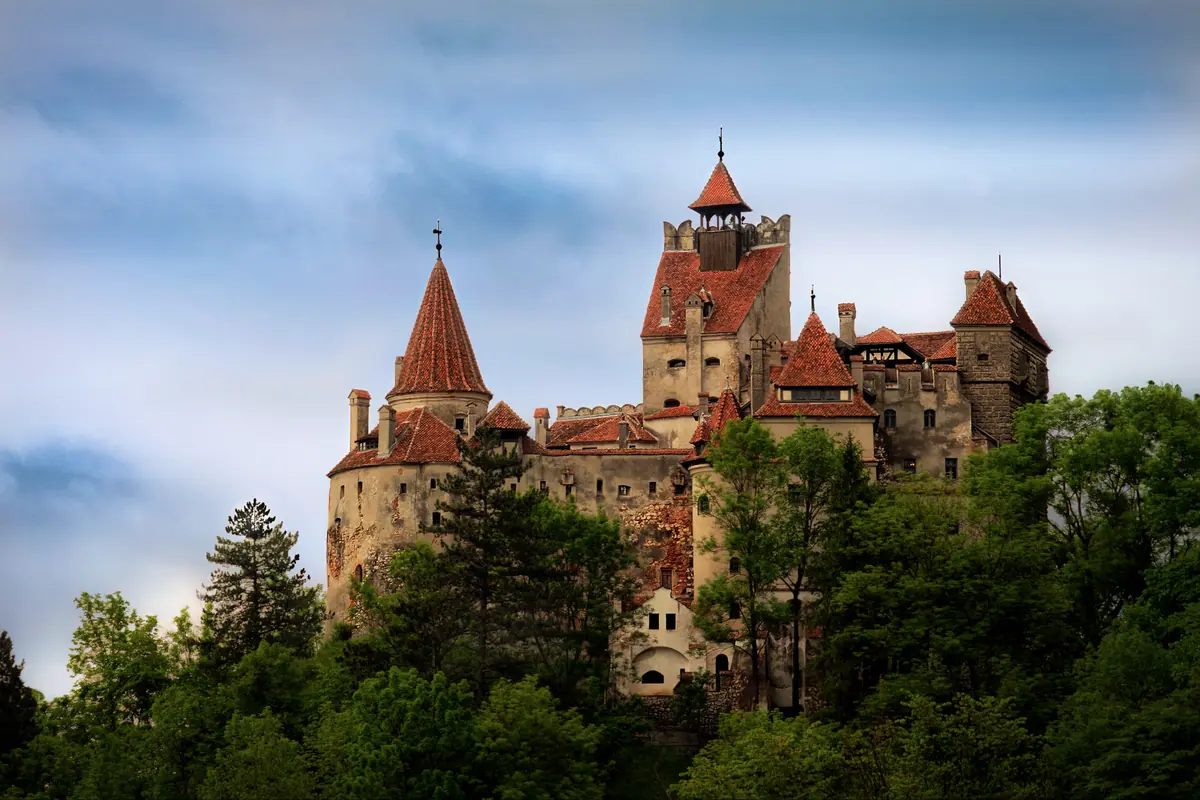
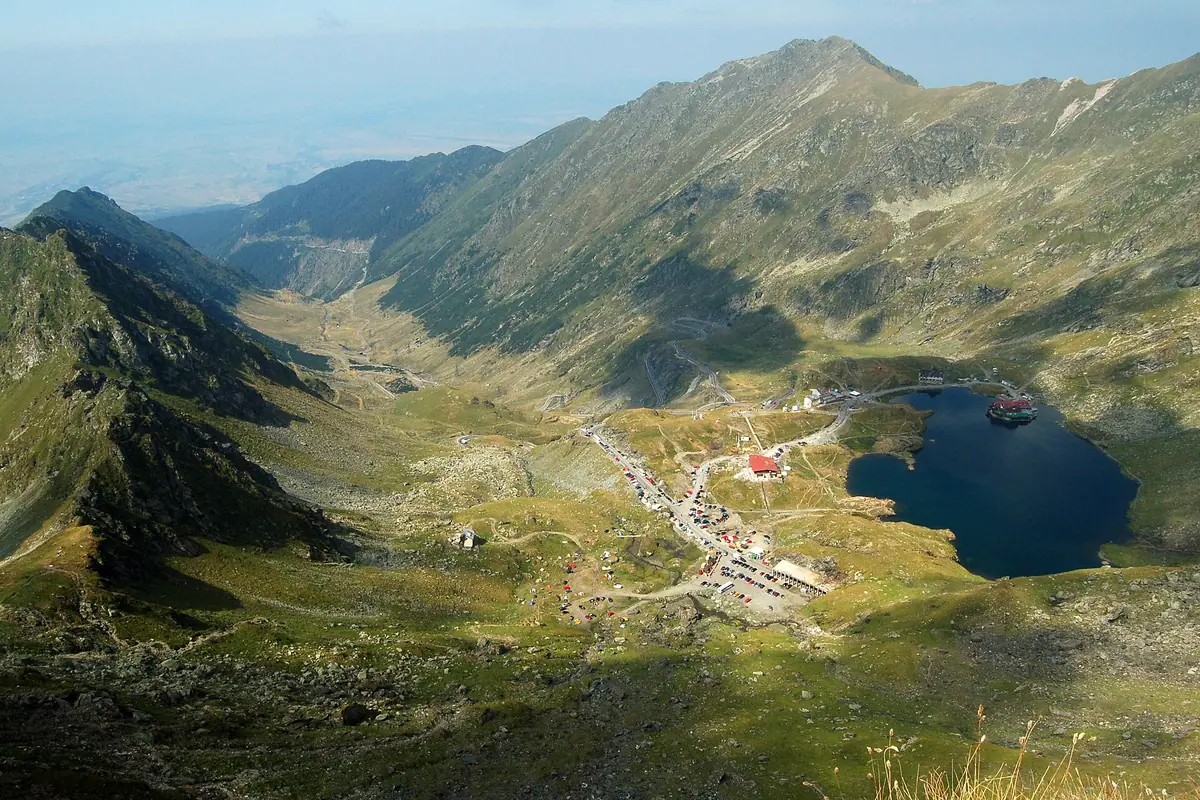
Inland, the season belongs to the mountains and the castles. The Transfăgărășan, the serpentine road that climbs over the Făgăraș range past Bâlea Lake, usually opens between late June and early July depending on snow clearance and stays open into late October. Further east, Peleș Castle in Sinaia and Bran Castle near Brașov, along with the hilltop fortress of Râșnov, absorb enormous summer crowds — arrive at opening time, and consider pairing them with Sighișoara's perfectly preserved medieval citadel for a slower, less crowded counterpoint.
Heat waves push many travellers underground, quite literally: Salina Turda, the vast salt mine near Cluj-Napoca, stays a steady, cool temperature year-round and makes a brilliant hot-afternoon detour. The Danube Delta, by contrast, is best explored by boat in the shoulder months rather than July, when mosquitoes and daytime heat peak. Wherever you go in July and August, mountain pensions and rural guesthouses remain calmer and cheaper than the coast — just be prepared for slower roads and book your first and last nights in Bucharest or Cluj-Napoca well in advance.
Autumn: Golden Beeches, Wine Harvest and the Danube Delta's Best Light
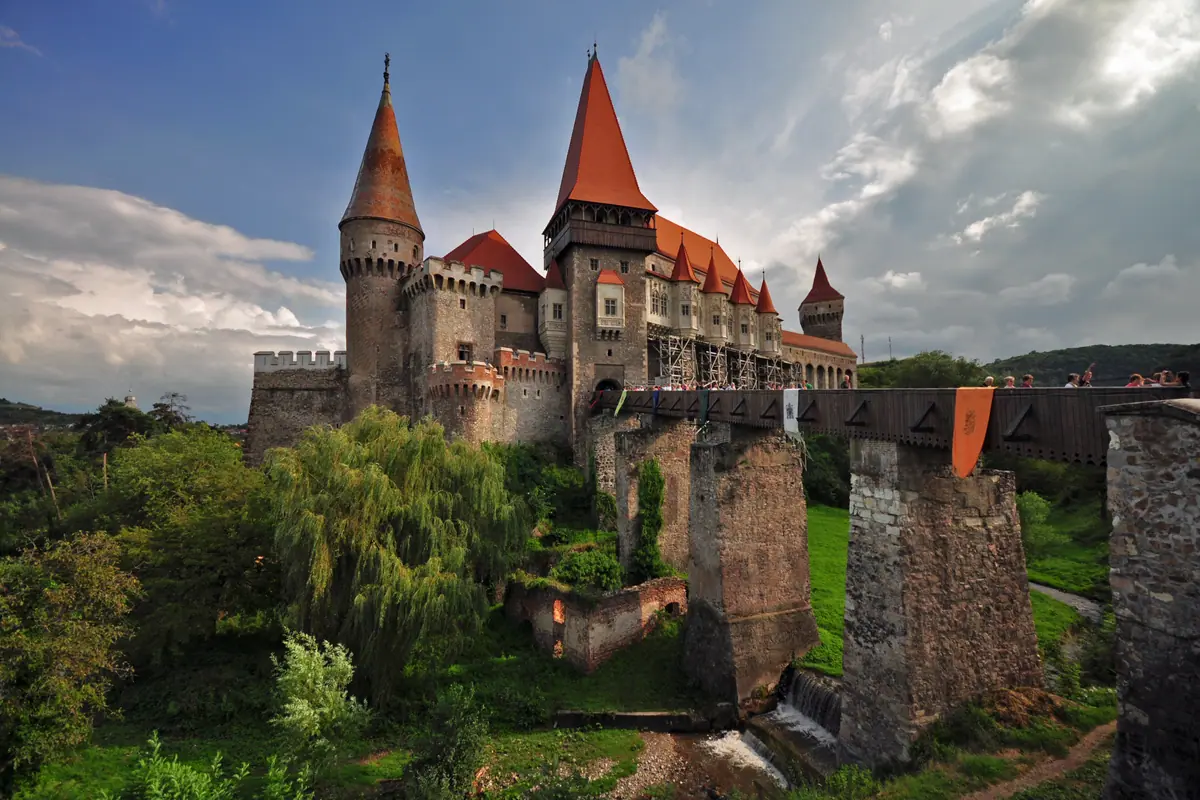
September and October may be Romania's finest travel window. The Carpathian beech forests turn copper and gold, daylight is still generous, and the summer crowds thin out almost overnight once schools return. Corvin Castle in Hunedoara — a Gothic showpiece on its moat-ringed rock — and the Clock Tower of Sighișoara look their best under low autumn sun, and the wooden churches and carved gates of Maramureș, including the famously painted Merry Cemetery at Săpânța, are far easier to enjoy without summer coach groups.
This is also harvest season in the wine country around Dealu Mare, north of Bucharest, and near Recaș outside Timișoara, where cellars open for tastings and vineyard lunches. In Transylvania, September and October are the classic months for guided wildlife watching, with brown bears and wolves most reliably spotted before they settle into winter routines. Further east, the Bicaz Gorge and neighbouring Red Lake in the Eastern Carpathians, with the Ceahlău massif rising nearby, deliver some of the country's most dramatic autumn scenery.
Hotel pricing reflects that calm: with coastal resorts shutting and ski season not yet begun, city hotels in Bucharest, Sibiu and Cluj-Napoca, plus spa resorts such as Băile Felix near Oradea, are more negotiable, and you can usually find good rooms on short notice outside festival weekends. The Danube Delta is at its absolute best in September, when the light is golden, birdlife is abundant and the heat has broken.
Winter: Christmas Markets, Ski Slopes and Spa Hotels
Winter in Romania divides neatly into three experiences. The first is the city Christmas market: Bucharest's old town and the area around the immense Palace of the Parliament, one of the largest administrative buildings on earth and still open for guided tours, glow with lights and stalls through December. Sibiu, Brașov — whose Piața Sfatului is dominated by the Gothic Black Church — and Cluj-Napoca's Union Square all stage handsome, smaller-scale versions that feel less commercial than their western European counterparts.
The second is skiing. Poiana Brașov, Sinaia, Predeal and the smaller resort of Straja offer accessible slopes under two hours from Bucharest or Brașov, though snow cover is variable and artificial snowmaking carries much of the season. High in the Făgăraș range, the ice hotel built each winter from blocks cut from frozen Bâlea Lake is a genuine curiosity, reached by cable car when the mountain road is closed. Mountain cabanas and pensions fill fast around New Year and school holidays, so book those weeks far ahead.
The third is thermal. Romania has a deep spa tradition, from the warm lakes and salt-water bathing of Sovata and the treatments at Băile Felix to the historic springs around Băile Herculane. Winter days are short — sunset in December can fall before 4:45pm — so plan sightseeing for the morning and save afternoons for spa time, long lunches and museums. Note that many small guesthouses in rural areas are quiet or closed from January to March, so check ahead rather than turning up.
Where to Sleep, and When to Book It
Romania's accommodation splits broadly into four types, each with its own season. City boutique hotels cluster in Bucharest's Lipscani quarter and around the main squares of Sibiu, Brașov, Cluj-Napoca and Timișoara, and they are most affordable and most available in April, May, late September and October. Coastal hotels and apartment rentals on the Black Sea run only from roughly late May to mid-September and charge their peak rates in July and August. Mountain pensions and cabanas are busiest at Christmas, New Year and the February half-term weeks. Rural agrotourism farm stays, strongest in Maramureș, Bukovina and around Sighișoara, are best in spring through autumn.
As a rule of thumb, book the coast two to three months ahead for summer, ski lodges and Christmas-market city hotels one to two months ahead for December, and leave the shoulder months flexible so you can chase good weather. Festival weekends in Cluj-Napoca and Bucharest can spike demand out of nowhere, so check local event calendars before assuming a quiet date. If you are travelling by train between Bucharest, Brașov, Sibiu and Cluj-Napoca, prioritise hotels within walking distance of the station or the historic centre — rural buses are infrequent and slow.
A few practical details make a real difference. Many older buildings lack air conditioning, which matters in July and August in the lowlands; in winter, ask about heating and whether the road to a mountain property is cleared. Family-run guesthouses often prefer cash and may have limited English, so a few phrases in Romanian go a long way. Finally, build in a buffer: a two-night stay in any one region rarely does Romania justice, and the roads between the castles, monasteries and gorges are slower than the map suggests.
Frequently asked questions
What is the best month to visit Romania overall?
For the widest mix of good weather, open roads and manageable crowds, aim for late May, June or September. These months give long daylight, dry conditions for hiking, comfortable city sightseeing and hotels that are neither at coastal peak rates nor fully booked for the holidays.
When should I book hotels for a summer trip to the Black Sea coast?
Book two to three months ahead for July and August, especially in Mamaia and Constanța. Weekend demand from Bucharest is intense, and the best seafront rooms go first. Outside mid-May to mid-September, many coastal hotels close entirely, so plan inland instead.
Is winter a good time to visit Romania?
Yes, if your priorities are Christmas markets, skiing or spa towns. Bucharest, Sibiu, Brașov and Cluj-Napoca all host atmospheric December markets, and Poiana Brașov and Sinaia are the main ski bases. Expect short days, with sunset before 5pm in December, and check that rural guesthouses are open.
When does the Transfăgărășan road open?
It typically opens between late June and early July once snow is cleared, and closes again in late October or early November when the first heavy snow falls. Dates shift each year, so treat any planned drive over the Făgăraș range as weather-dependent and have a lower-altitude alternative ready.
Which attractions should a first-time visitor not miss?
Bran Castle and Peleș Castle for the classic Transylvania circuit, the medieval citadel of Sighișoara, Corvin Castle in Hunedoara, Sibiu's Large Square and Bridge of Lies, Brașov's Black Church and Piața Sfatului, Bucharest's Palace of the Parliament and Lipscani old town, the painted monasteries of Bukovina, the Merry Cemetery at Săpânța, Salina Turda and the Danube Delta.
Sort the rest of your trip
Everything for Romania, in one place
Transfer in Romania
Private driver waiting on arrival — no queues, no surprises.
Book a transfer
Things to do in Romania
Skip-the-line tickets, guided tours and standout experiences.
See experiences
Stay online in Romania
Travel eSIM — data the moment you land, no roaming bills.
Get an eSIMMore guides in Romania

Best Things to Do in Romania: Castles, Carpathians and the Danube Delta

Best Places to Visit in Romania: Castles, Carpathians and the Danube Delta

Romania Food, Culture and Local Experiences: A Tour Guide to Castles, Villages and Flavours