Croatia runs on a rhythm set by the Adriatic: a coast that glitters from May to October, islands that empty out in winter, and inland cities that come alive when the sea goes quiet. Choose your month well and you get warm water, walkable old towns and hotel rooms that feel like a bargain rather than a ransom.
Croatia's Seasons at a Glance: Why Timing Beats Budget
Croatia is a long, thin country, and its climate is really three climates stitched together. The Dalmatian coast from Split down to Dubrovnik enjoys hot, dry summers and mild, rainy winters, with sea temperatures climbing to around 25°C by late July. Istria and the Kvarner Gulf to the north are slightly cooler and greener, while inland Zagreb and the Slavonian plains have proper continental seasons — snow in January, sticky heat in August. That variety means there is no single 'best' month, only the best month for the trip you have in mind.
The coast effectively has two peak seasons, not one. The obvious one is mid-July to late August, when European school holidays collide and Dubrovnik's Stradun, Hvar's harbour and the ferry terminals at Split all groan under the weight of visitors. The second, quieter peak runs from late May to mid-June and again through September into early October — same bright light, same swimmable sea in September, roughly half the pressure and far more choice of hotel rooms.
If your priorities are hiking, waterfalls and city sightseeing rather than sunbathing, April, May and October are superb. Plitvice Lakes National Park is at its most theatrical after spring rain, the trails are cool, and you are not shuffling along boardwalks behind a hundred other people. Winter is for Zagreb's cafés, Advent markets, oyster villages and empty stone towns where you can hear your own footsteps echo.
Late Spring (May–June): The Golden Window for the Coast
May and June are the sweet spot for most first-time visitors. Days are long, the maestral breeze keeps the afternoons pleasant, and the Adriatic is warming fast — pleasant for a quick dip by early June, genuinely inviting by the end. Hotel rates in Split, Zadar and Šibenik have not yet jumped to high-season levels, ferries to Hvar, Brač and Korčula are easy to book, and the old towns feel like living places rather than parade grounds.
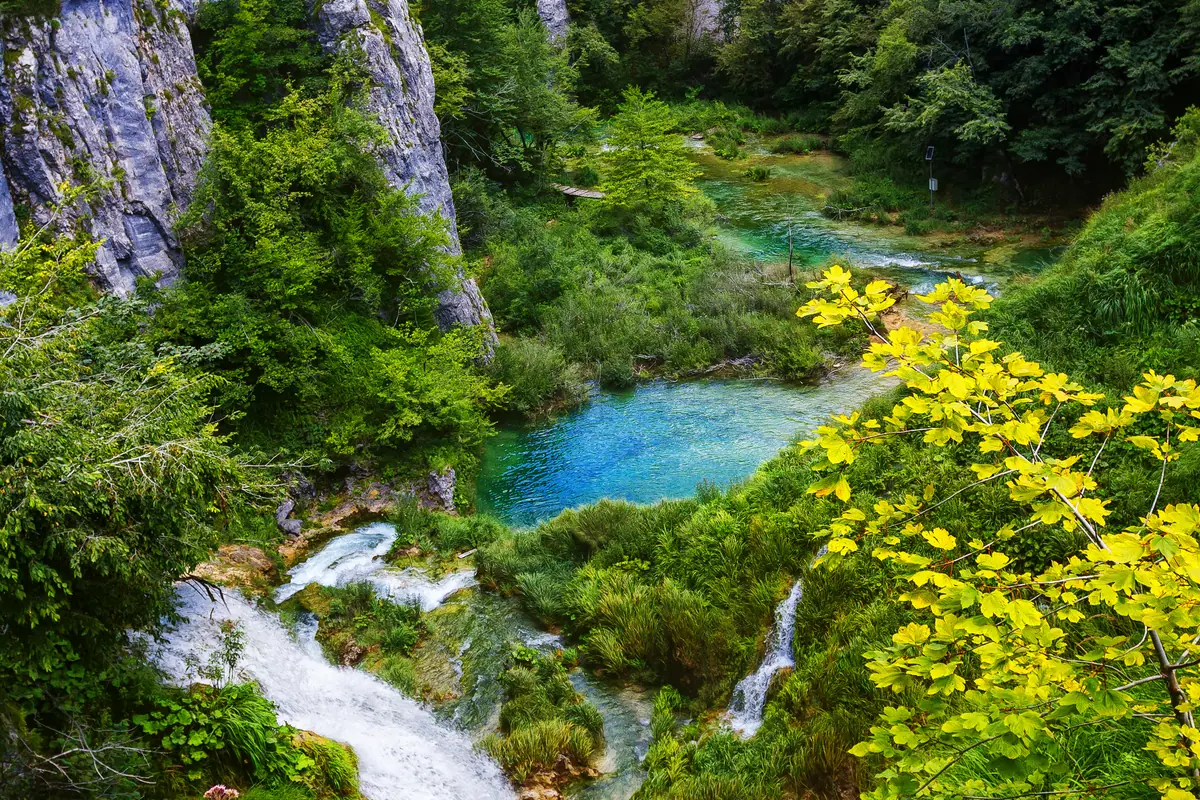
This is also the best window for the country's inland treasures. Plitvice Lakes National Park, with its terraces of turquoise water and 90-odd waterfalls, is at peak flow in May and early June; go at opening time and you can walk the upper lakes almost alone. Nearby, the waterfalls of Krka National Park near Šibenik are similarly generous, and you can combine them with the UNESCO-listed old town of Trogir and the cathedral of St James in Šibenik on a single relaxed loop.
Base yourself somewhere with parking and a pool if you plan to day-trip; coastal hotels in smaller towns like Trogir, Primošten or Omiš offer better value and easier driving than Dubrovnik's walled core. Book by March or April for late-May arrivals — not because the coast is full, but because the good small hotels with sea-view terraces sell out first.
High Summer (July–August): Heat, Ferries and the Crowded Icons
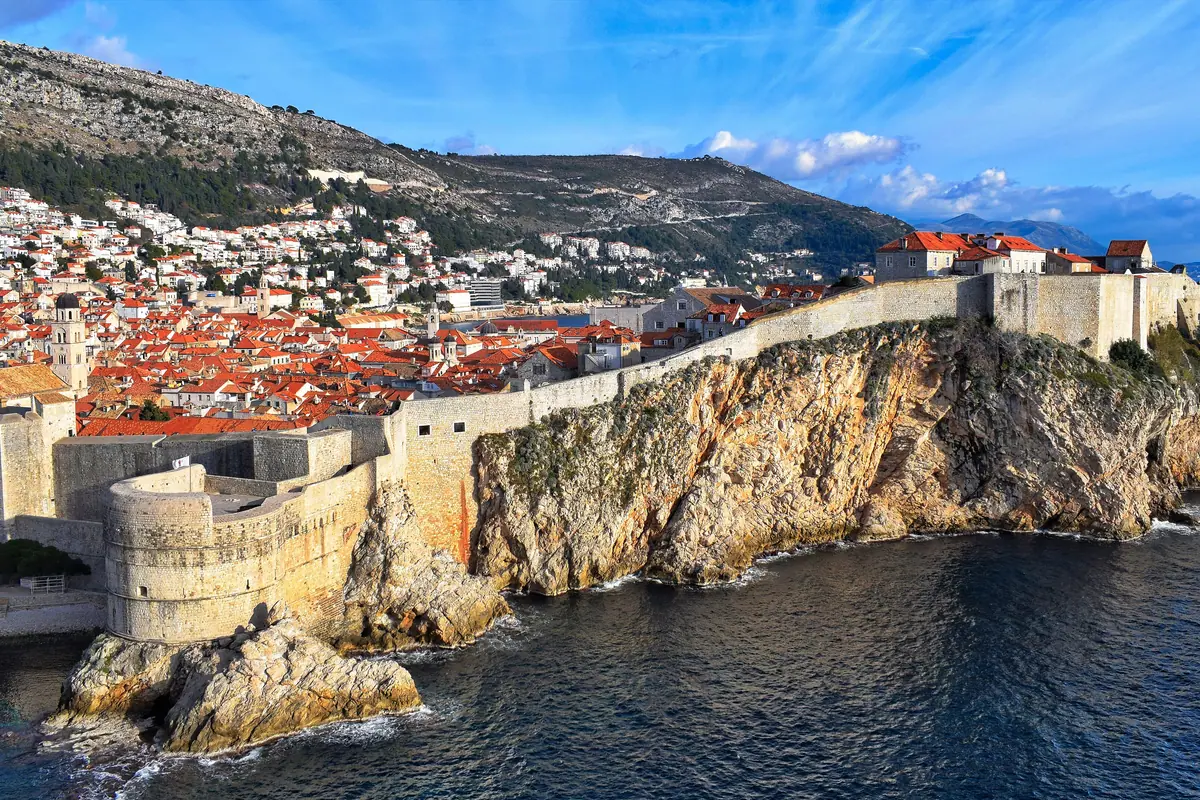
July and August are what most people picture: blazing light on limestone, cicadas at full volume, swimming before breakfast and again at dusk. The sea is at its warmest and calmest, island hopping is at its most convenient, and the festival calendar — Split's summer theatre, Dubrovnik's music evenings, open-air cinema on the islands — is in full swing. It is also the most expensive, most crowded and hottest stretch, with inland temperatures regularly pushing past 35°C and Dubrovnik's City Walls and cable car queuing from mid-morning.
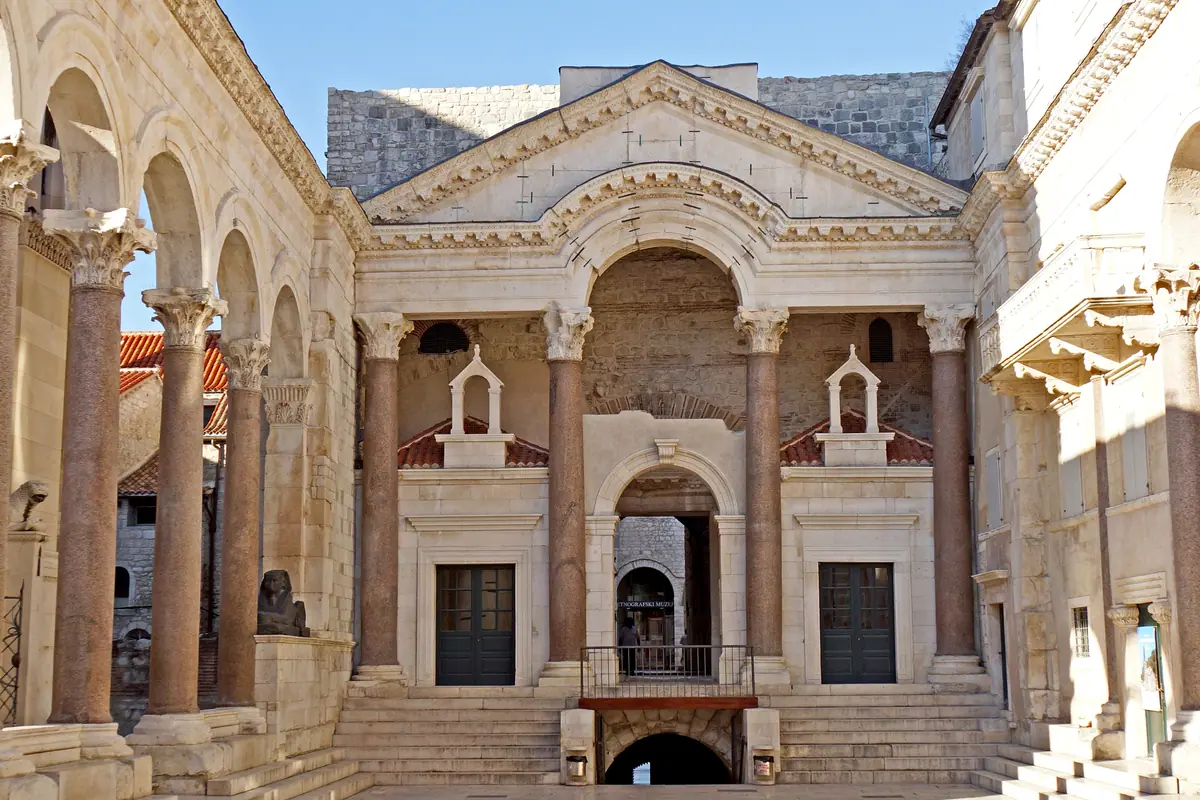
The trick is to invert the day. Walk the Dubrovnik walls at opening time or after 5pm, when the heat softens and the cruise groups have retreated to their ships; save midday for swimming at Banje beach below the walls, or at Lokrum island, a short boat ride away. In Split, explore Diocletian's Palace early, then take the ferry or bus to Marjan hill for shade and views. Zadar's Sea Organ and Greeting to the Sun are best at sunset, when the whole waterfront turns into a slow, celebratory promenade.
Hotel logistics matter most in August. Coastal hotels often require multi-night minimum stays, island rooms on Hvar and Korčula book out months ahead, and anything with air conditioning, parking and a lift to the old town commands a premium. Consider staying just outside the historic cores — in Lapad or Babin Kuk rather than Dubrovnik's old town, in Žnjan or Meje rather than central Split — and use buses or taxis to reach the sights. You will sleep better and pay less.
Early Autumn (September–October): Warm Sea, Fewer People
September may be Croatia's single best month. The Adriatic holds its summer warmth into late September, the light turns golden, the bura wind clears the haze, and the crowds thin dramatically after the first week. Hotel prices drop toward shoulder-season levels even as beach weather continues, and you can finally get a table on the waterfront without a reservation. Ferries to the islands still run on a full schedule, though some island connections taper after mid-September.
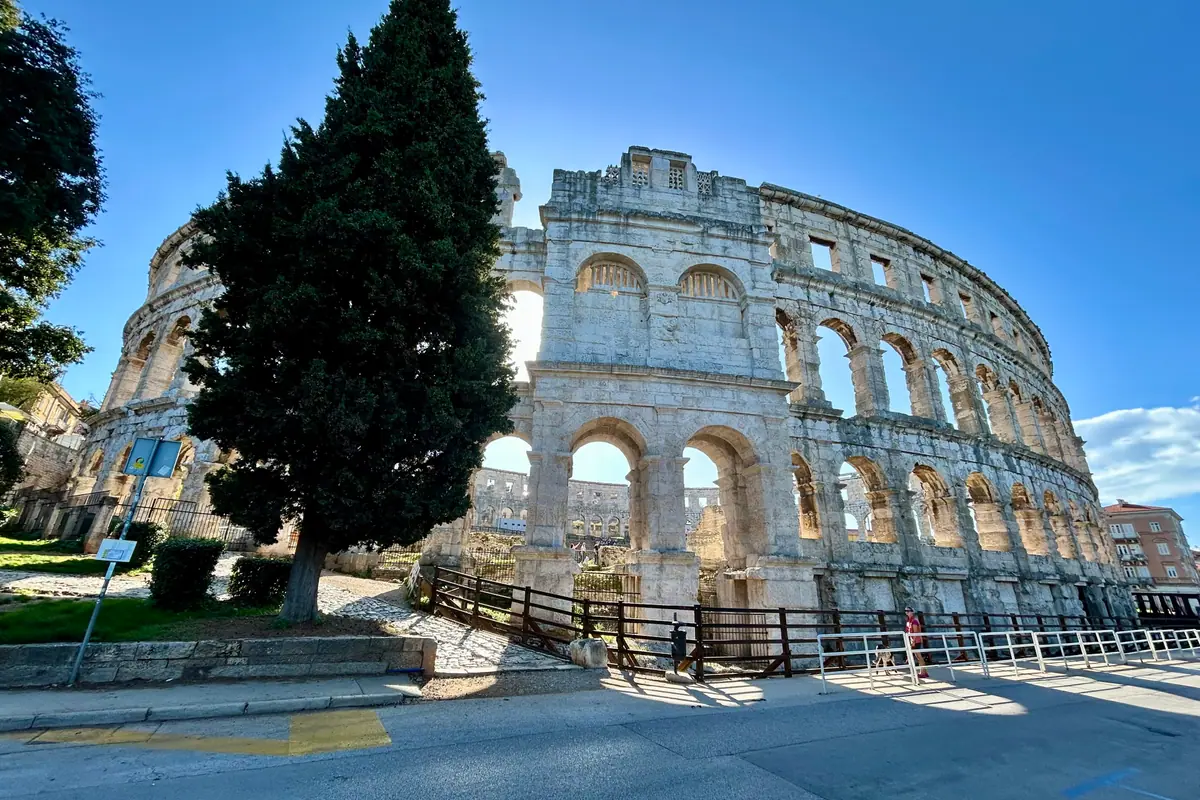
Autumn is also harvest time, and that reshapes where you should stay. In Istria, truffle season begins in late September, and hilltop towns like Motovun, Grožnjan and Rovinj fill with food travellers; the Roman amphitheatre in Pula, one of the best-preserved in the world, is blissfully quiet. Further south, the Kornati archipelago and the vineyards of Pelješac reward a slow drive, and Korčula's walled town and supposed birthplace of Marco Polo take on a mellow, off-season charm.
October is more of a gamble — still lovely on the coast, increasingly grey and wet as you move north. It is, however, a fantastic month for city breaks: Zagreb's museums and Dolac Market, Zadar's Roman forum, and the Plitvice and Krka lakes under autumn colour. Pack a light rain shell, choose hotels with generous cancellation policies, and keep your plans flexible if you are chasing sunshine late in the season.
Winter (November–March): Cities, Advent and Bargain Rooms
Winter empties the coast. Many island hotels and restaurants close from November until Easter, ferry timetables shrink, and Dubrovnik returns to being a real town of a few thousand residents rather than a stage set. For some travellers this is the point — you can have the City Walls, the Rector's Palace and the Stradun almost to yourself, at hotel rates that would not cover a night in July. Expect rain, occasional strong wind, and short daylight hours, but also dramatic skies over the sea.
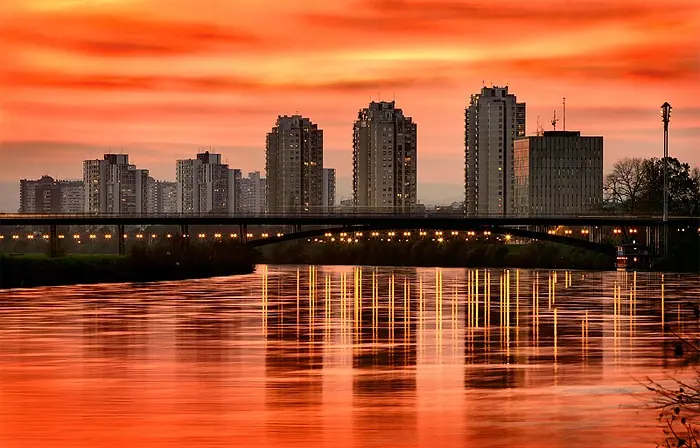
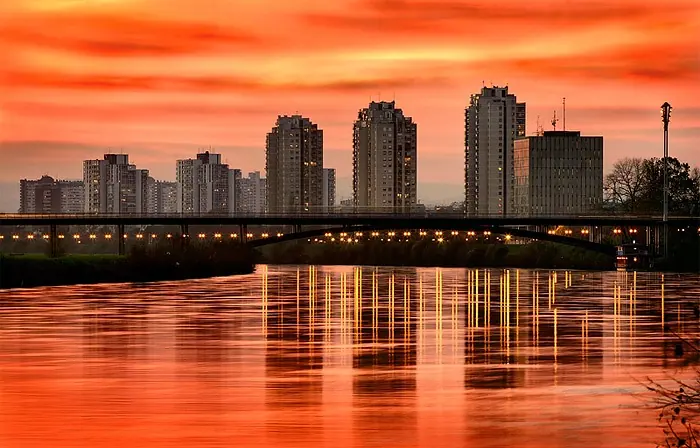
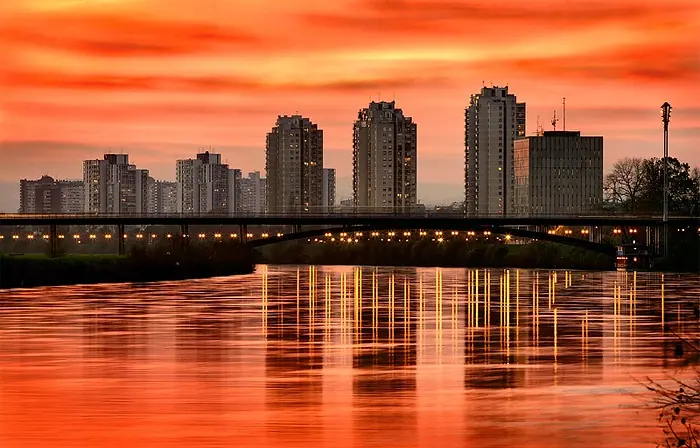
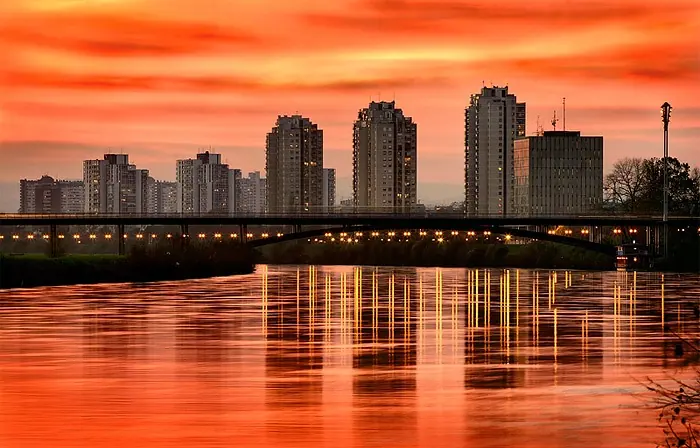
Inland, winter belongs to Zagreb. The Upper Town's St Mark's Church with its tiled roof, the funicular down to Ilica street, the crumbling medieval stone gate and the Dolac Market make a compact, walkable break. From late November into early January the Advent season turns the city into a long, lantern-lit street party of mulled wine and open-air stages. If you want snow, head to Sljeme on the slopes above the city.
Winter is also the season for eating. Oysters from Ston, cured ham, sheep's cheese, hearty pašticada stew and fritule doughnuts are all cold-weather food, and Kvarner's grand old resort town of Opatija keeps a genteel, year-round hotel scene that suits a long weekend of spas and sea walks. Check opening hours carefully, though: outside Zagreb, Split and Dubrovnik, many places run reduced winter schedules.
Booking Smart: How Season Shapes Where You Sleep
Where you stay should be driven by the season as much as by your itinerary. In high summer, prioritise hotels with air conditioning, a pool or direct sea access, and confirmed parking — these three things decide whether an August trip feels luxurious or sticky. In spring and autumn, prioritise location: a small guesthouse inside a walled town like Trogir, Korčula or Rovinj lets you enjoy the streets in the quiet early mornings and evenings that day-trippers never see.
Island stays need a bit more planning. Hvar, Brač and Korčula are wonderful from May to early October, but ferry crossings thin out in winter and some hotels shut entirely. If you want a single base for a whole week, the mainland coast — Split, Zadar, Šibenik, Makarska — is more resilient, with better connections to Plitvice, Krka and the airports. If you want island atmosphere, book early and stay at least two nights; day-trippers get the crowds without the calm.
Finally, think about the shape of the day you actually want. Croatia rewards slow travel: swim in the morning, sightsee in the cooler hours, eat late. Choose a hotel near water and a short walk from an old town, and the best time to visit becomes almost any month you can get away.
Frequently asked questions
What is the best month to visit Croatia overall?
For most travellers, late May, June and September are ideal: warm sea, long days, full ferry schedules and noticeably thinner crowds than July and August. September offers the best balance of swimmable water and calmer sightseeing.
When is the sea warm enough to swim in Croatia?
The Adriatic generally reaches comfortable swimming temperatures from mid-June through early October, peaking in late July and August. June and September are pleasantly refreshing rather than bathtub-warm, which suits many visitors better.
Do I need to book hotels in Croatia in advance?
In July and August, yes — especially on Hvar, Korčula and in Dubrovnik, where good rooms and multi-night minimums sell out months ahead. For May, June and September, booking two to three months ahead is usually enough; winter coastal stays can often be arranged at short notice.
When is the best time to visit Plitvice Lakes and Krka?
Late spring (May to early June) brings the fullest waterfalls and greenest scenery, while September and October offer autumn colour and fewer visitors. Both parks are busiest in July and August, so arrive at opening time whenever you go.
Is Croatia worth visiting in winter?
Yes, if you adjust expectations. Zagreb's Advent season, city museums and food-focused breaks are excellent from November to January, and Dubrovnik and Split are far cheaper and quieter. Many island hotels and ferries, however, shut down until spring.
Sort the rest of your trip
Everything for Croatia, in one place
Transfer in Croatia
Private driver waiting on arrival — no queues, no surprises.
Book a transfer
Things to do in Croatia
Skip-the-line tickets, guided tours and standout experiences.
See experiences
Stay online in Croatia
Travel eSIM — data the moment you land, no roaming bills.
Get an eSIM