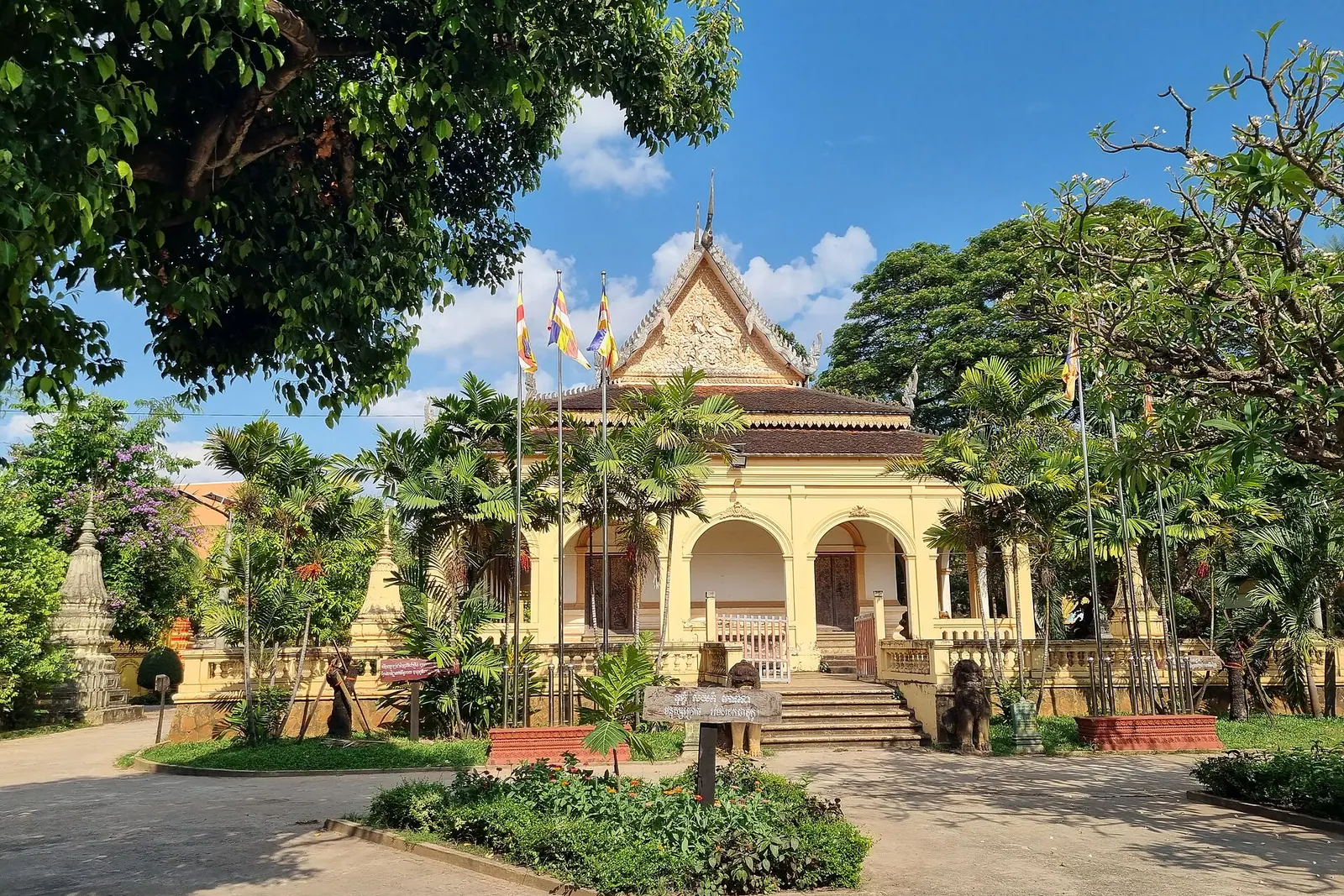
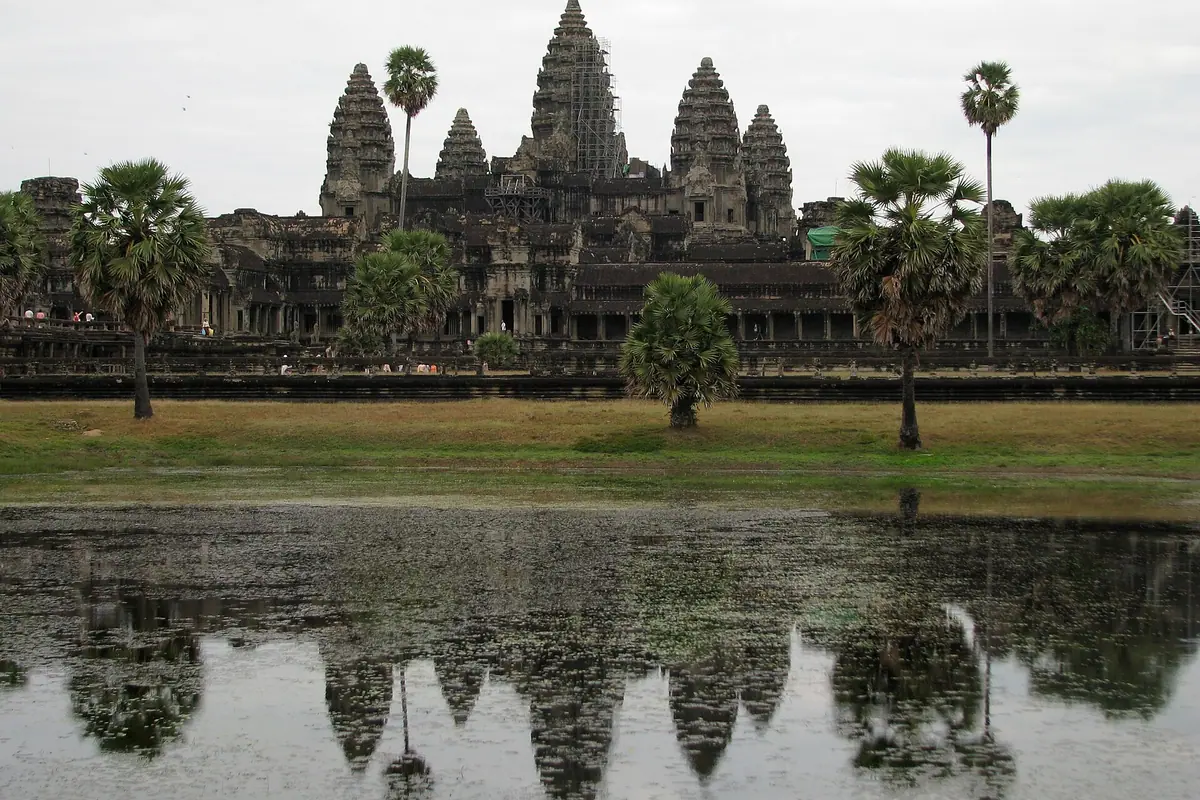
Cambodia runs on monsoon rhythm, not on the calendar of the northern hemisphere. Get the season right and you get glassy reflections in the moats of Angkor Wat, dry roads out to the far-flung temples and a hotel pool that feels like a reward rather than a necessity. Get it wrong and you get 38-degree afternoons, waterlogged dirt tracks and a room you booked three months too late.
Cambodia's Seasons at a Glance — and Why They Decide Your Hotel
Cambodia has three practical seasons rather than four. The cool, dry window from November to February brings temperatures that hover comfortably between 22°C and 30°C, clear skies and the country at its most photogenic. March to May is the hot dry stretch, when the mercury nudges 40°C in the plains around Siem Reap and Battambang and dust hangs over the laterite roads. From June to October the southwest monsoon arrives, greening the rice fields, filling the temples' moats and cutting hotel rates in half.
That rhythm dictates everything about accommodation. In peak season, rooms around Siem Reap's old market and along Phnom Penh's Sisowath Quay sell out weeks ahead, and the best riverside or pool properties command their highest rates. In the green season the same rooms are available on short notice and often at a fraction of the price — the trade-off is a daily downpour, usually a spectacular afternoon deluge that lasts an hour or two rather than an all-day washout.
A useful rule: book two to four months ahead for travel between mid-November and February, and three to six months ahead if your dates collide with Khmer New Year in mid-April or the Christmas period. Outside those windows you can often decide a week before you fly.
What you're really choosing between is a guarantee of dry sightseeing against a softer, cheaper, emptier Cambodia. Both are wonderful; they simply suit different travellers.
Late November to February: Cool, Clear and Busy — The Peak Window
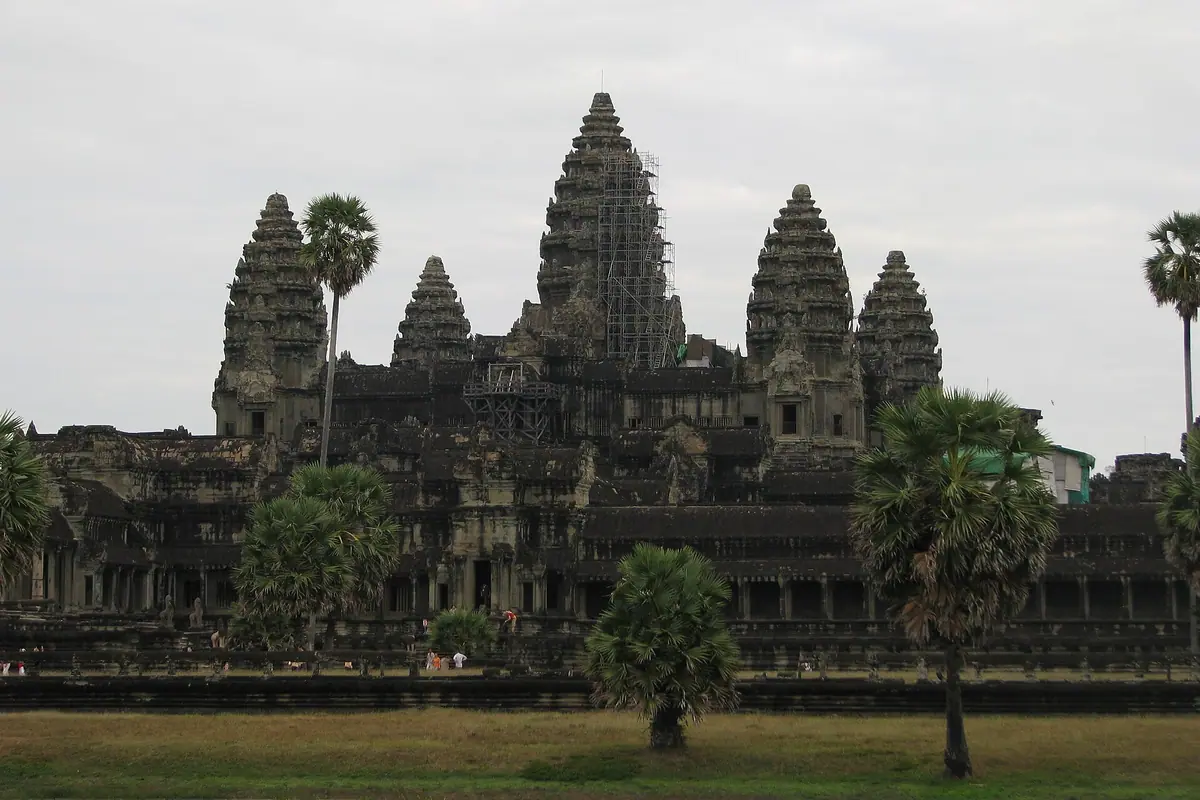
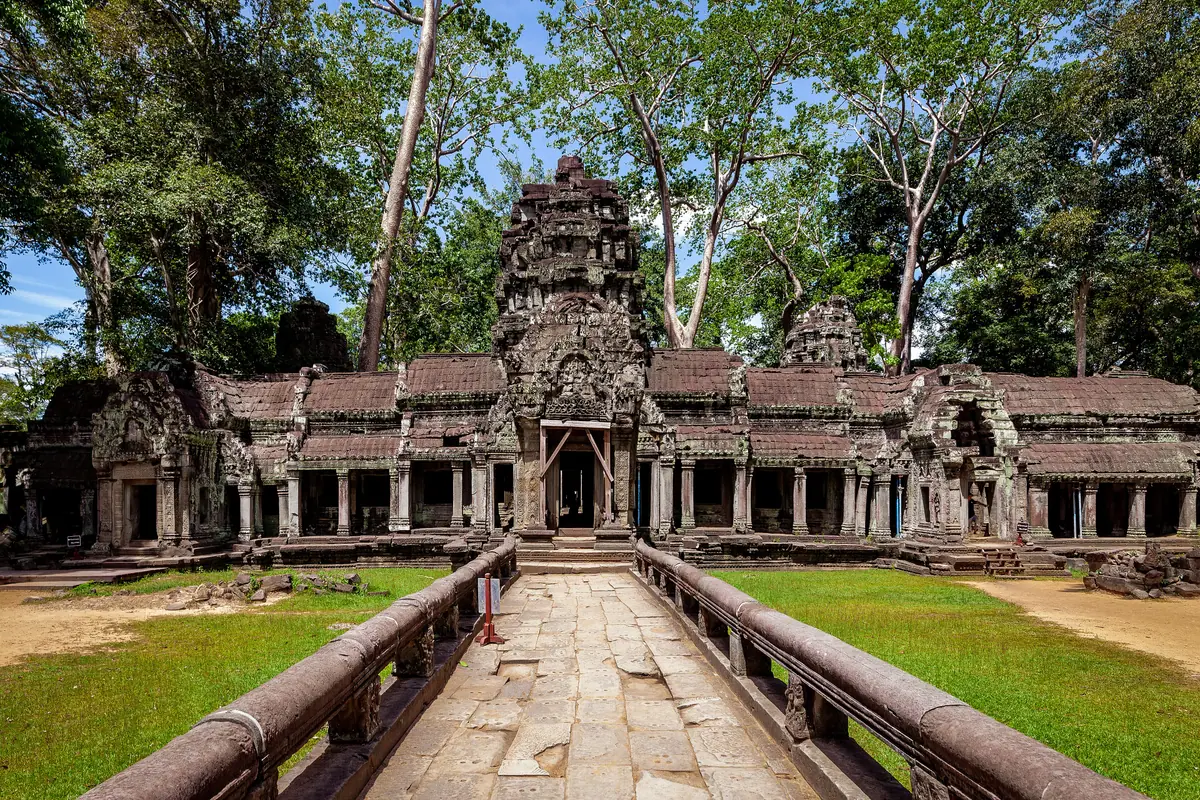
This is the season everyone pictures. Dawn at Angkor Wat means standing beside the reflecting pool on the western causeway as five towers surface through the mist, and in December and January you'll be sharing that view with a few hundred other early risers. The same months are ideal for the temples that demand stamina: the sprawling face towers of Bayon at the heart of Angkor Thom, the strangler-fig ruins of Ta Prohm, and the pink sandstone carvings of Banteay Srei, 30 kilometres out of town on a road that stays firm and dust-free.
Further afield, the cool season opens up places that are miserable in the heat. You can climb the hilltop clifftop temple of Preah Vihear near the Thai border, wander the jungle-swallowed towers of Koh Ker and Beng Mealea, and take a boat across the vast Tonle Sap lake to the stilted village of Kampong Khleang, where houses perch several metres above the water on wooden legs. In Phnom Penh, the Royal Palace and the Silver Pagoda's solid silver floor tiles are far more pleasant to visit before the heat builds.
Expect the highest room rates of the year and genuine competition for the good ones. The annual Water Festival in November, when the Tonle Sap reverses its flow and crowds line Sisowath Quay for boat races, is the single busiest week in the capital; accommodation near the riverfront is booked out long in advance.
The one thing to watch is the north-east. Mornings in Mondulkiri and Ratanakiri can drop to 15°C or lower — pack a fleece if you're heading for the elephant sanctuaries and minority villages around Sen Monorom and Banlung.
March to May: Hot, Dry and Surprisingly Rewarding
The hot season is brutal by midday and beautiful at the edges. Between about 6am and 10am, and again from 4pm until dusk, the light over the sandstone of Angkor is extraordinary and the crowds are noticeably thinner than in January. Temples that stay open later, like the terraces of the Leper King and the Elephant Terrace inside Angkor Thom, reward a late-afternoon visit when the heat has eased.
This is the season to build your days around water. Hotels with real pools, shady gardens and strong air conditioning justify their rates in March and April, and the riverside guesthouses of Kampot and Kep become appealing boltholes. On the coast, the Gulf of Thailand is calm and clear, making it a fine time for the islands off Sihanoukville — Koh Rong and its quieter neighbour, Koh Rong Sanloem, where bungalows sit almost on the sand.
The exception to the bargain rule is mid-April, when Khmer New Year sends the whole country travelling. Cambodians return to their home provinces, buses fill, and hotels in Siem Reap, Battambang and Phnom Penh are booked solid by domestic visitors for the three-day holiday. Book well ahead, or do the opposite and enjoy the strange quiet of the cities once everyone has left.
It's also the best window for spotting the Irrawaddy dolphins in the Mekong near Kratie, where low water concentrates them into deep pools north of town.
June to October: Green Season, Lush Temples and Bargain Rooms
The monsoon doesn't ruin Cambodia; it transforms it. Rice fields turn emerald, the moats at Angkor fill and reflect, and Ta Prohm's roots drip with moisture while the surrounding jungle steams. You'll need to dodge rain — typically a heavy burst in the afternoon and occasional overnight storms — but mornings are often bright, and the temple crowds thin dramatically. Photographers will find the saturated greens and dramatic cloudscapes worth the inconvenience.
The Tonle Sap is at its most alive. From around July, the lake swells enormously, and the flooded forest near Siem Reap becomes navigable by small boat — the floating villages of Kampong Phluk and Chong Kneas are at their most atmospheric when the water is high and the trees stand in water. This is the season when hotel rates fall hardest, often by half compared with January, and when you can upgrade to a garden villa or a boutique courtyard property for the price of a standard room.
September and October are the rainiest months, with October often bringing the heaviest downpours and, occasionally, late-season storms tracking in from the coast. Pchum Ben, the festival of the ancestors, falls in this period and brings Cambodians to the temples in force; it's a wonderful cultural moment but again a busy one for transport.
Bring quick-dry clothing, a light rain shell and sandals you don't mind soaking — and don't bother with an umbrella you'll only leave in a tuk-tuk.
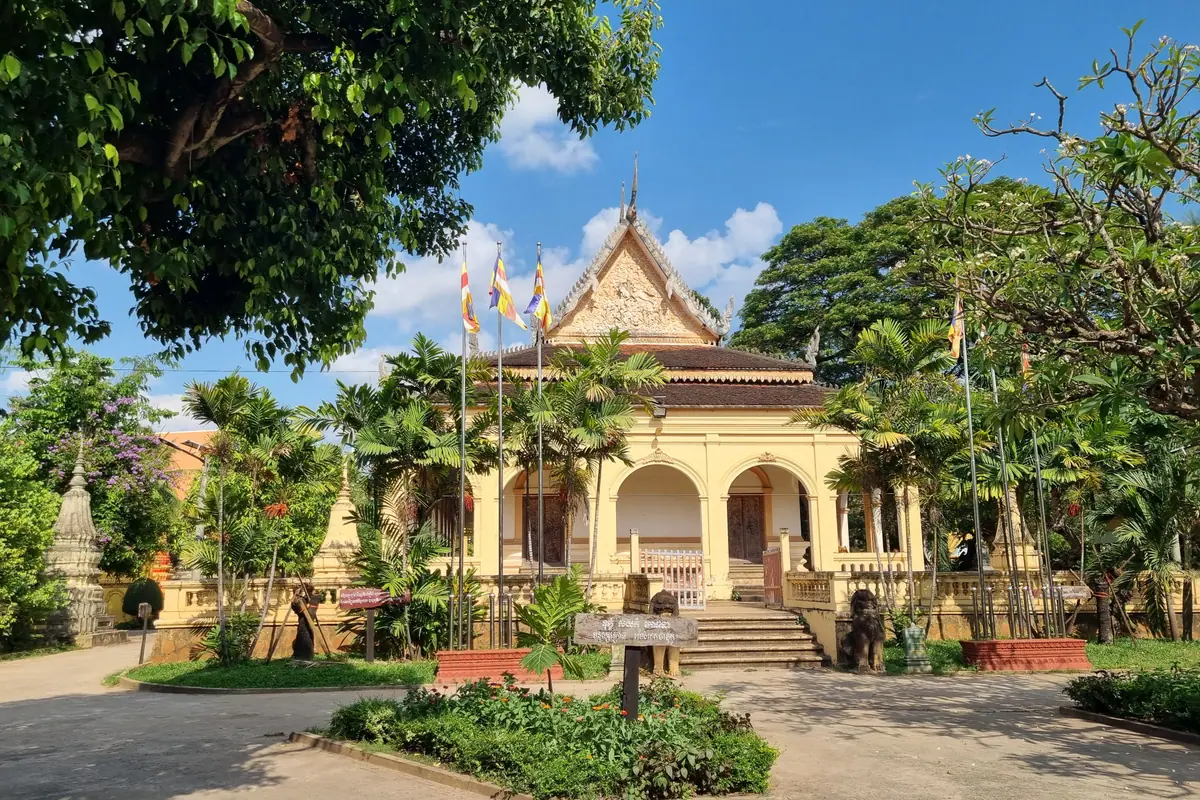
The Coast, the Islands and the North-East: Where the Seasons Differ
Southern Cambodia plays by slightly different rules. The Gulf coast around Sihanoukville, Kep and Kampot is wettest between roughly May and October, with the heaviest rain in July and August, and driest from December through March, when the sea is flat and the islands are at their most inviting. If your trip is mainly beach-focused, aim for January to March and base yourself in a beachfront bungalow on Koh Rong Sanloem or a colonial-era shophouse conversion in Kampot.
The cool season is also the only sensible time for the highlands. The misty plateau of the Cardamom Mountains and the Bokor Hill Station, with its abandoned French-era buildings clinging to a fog-wrapped ridge above Kampot, is best visited between November and February. The same applies to the wild north-east: the forests, waterfalls and crater lakes around Banlung in Ratanakiri, and the pine-clad hills of Mondulkiri, where trails turn to glue in the wet months.
Battambang, with its French shophouses, lively arts scene and the famous bamboo train, is comfortable almost year-round, though the surrounding countryside is at its loveliest just after the rains, when the rice is ripening and the light is soft.
Wherever you choose, remember that Cambodia's internal transport — buses, private cars, boats on the lake — is slower and less reliable in the wet months. Build slack into your itinerary.
Must-See Landmarks and How to Time Them
Angkor Wat, Bayon, Ta Prohm, Banteay Srei and the wider Angkor archaeological park around Siem Reap are the reason most visitors come, and they reward a three-day pass minimum. Sunrise at Angkor Wat works year-round, but the reflection is most reliable in the cool season when the pool is full and the sky is clear. In the green season you'll get fewer people and moodier light, with the occasional dramatic break in the clouds.
Phnom Penh's essential sights are less weather-dependent but demand cooler hours: the Royal Palace and the adjacent Silver Pagoda, the National Museum's serene courtyard, and the sobering Tuol Sleng Genocide Museum and the Killing Fields at Choeung Ek, both of which are best visited in the morning before the heat and emotion of the day pile up. Elsewhere, the hill temple of Preah Vihear, the jungle ruins of Beng Mealea and Koh Ker, the dolphins at Kratie and the colonial streets of Battambang all sit comfortably in the November-to-February window.
For hotel planning, the geography matters as much as the season. Siem Reap suits temple-focused trips; Phnom Penh works for a two-night city stop; Kampot, Kep and the islands are for the coastal half of a trip; and Battambang or Kratie make rewarding overnight breaks between the two. Build your route first, then book — and if your dates fall in peak season or around a festival, book early and lock in free cancellation where you can.
Whenever you come, the country rewards an unhurried pace. Two or three nights per base, mornings for sights, afternoons for pools and hammocks — that's the Cambodian rhythm, whatever the forecast says.
Frequently asked questions
What is the best month to visit Cambodia?
December and January offer the most reliable combination of cool temperatures, clear skies and dry roads, which makes them ideal for Angkor Wat and Phnom Penh. November is nearly as good and slightly less crowded, while February stays dry but begins to heat up.
Is the rainy season a bad time to visit Cambodia?
Not at all. June to October brings short, heavy afternoon downpours rather than constant rain, lush green landscapes, high water on the Tonle Sap and hotel rates that can be roughly half of peak-season levels. Just allow extra time for road and boat travel.
When should I book a hotel in Siem Reap?
For travel between mid-November and February, book two to four months ahead, and earlier for Christmas and New Year. If your trip overlaps Khmer New Year in mid-April, book three to six months ahead — domestic travel fills the city fast. In the green season, a week or two of notice is usually enough.
Which part of Cambodia has the best weather in the wet season?
The north-central plains around Siem Reap and Battambang often see less persistent rain than the Gulf coast, which is wettest from May to October. The Cardamom Mountains and the north-east are best avoided in the heaviest months due to muddy trails and washed-out roads.
How hot does Cambodia get in the dry season?
March and April are the hottest months, with daytime temperatures commonly reaching the mid-to-high 30s Celsius and occasionally touching 40°C. Sightseeing is best done early morning and late afternoon, with a pool or air-conditioned break in the middle of the day.
Sort the rest of your trip
Everything for Cambodia, in one place
Transfer in Cambodia
Private driver waiting on arrival — no queues, no surprises.
Book a transfer
Things to do in Cambodia
Skip-the-line tickets, guided tours and standout experiences.
See experiences
Stay online in Cambodia
Travel eSIM — data the moment you land, no roaming bills.
Get an eSIMMore guides in Cambodia
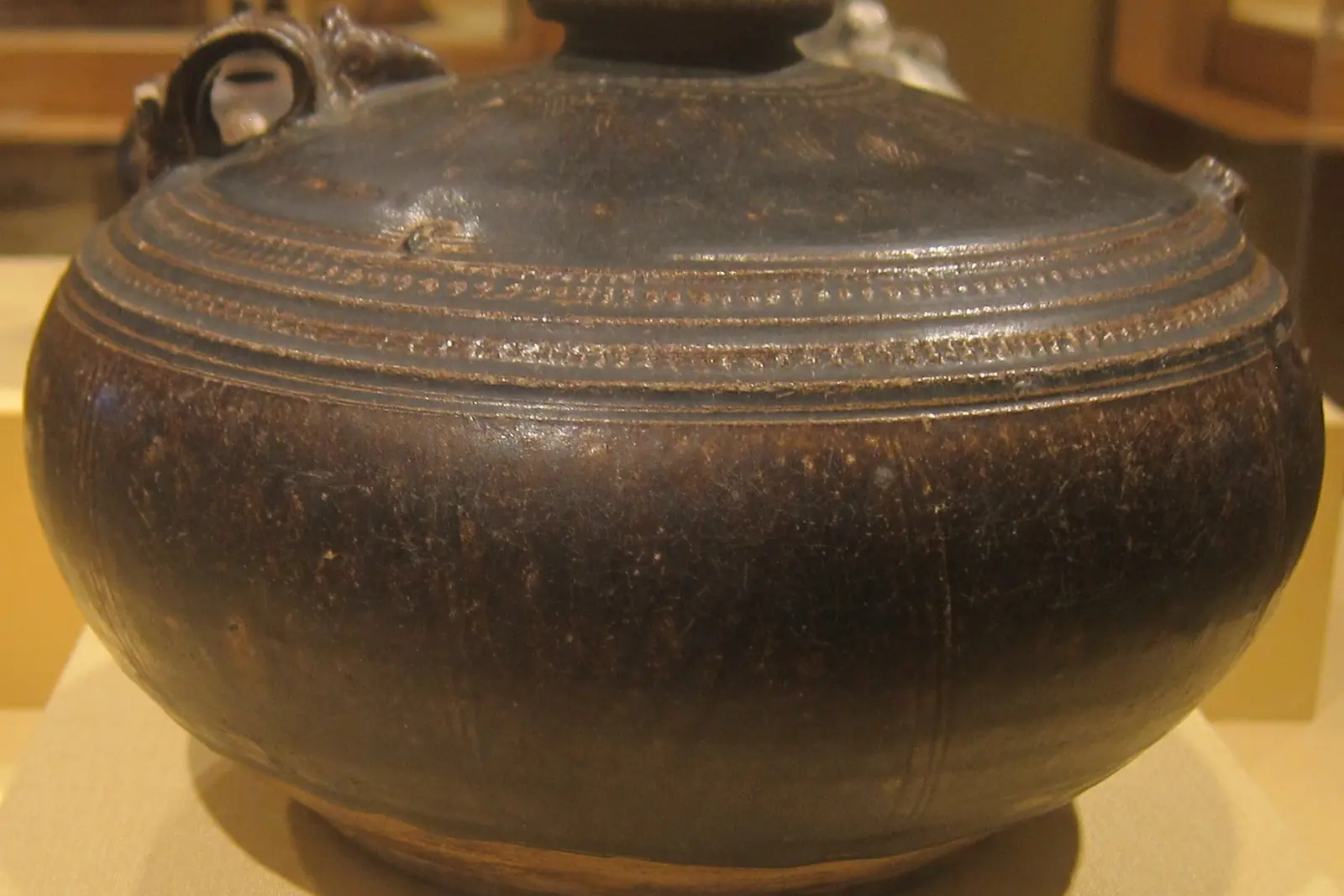
Best Places to Visit in Cambodia: Temples, Coast and Wild Northeast
Cambodia Food, Culture and Local Experiences: An In-Depth Tour Guide
Things to Do in Cambodia: Must-Visit Temples, Cities and Islands
Cambodia in 7 Days: A Flight Itinerary from Phnom Penh to Angkor and the Coast