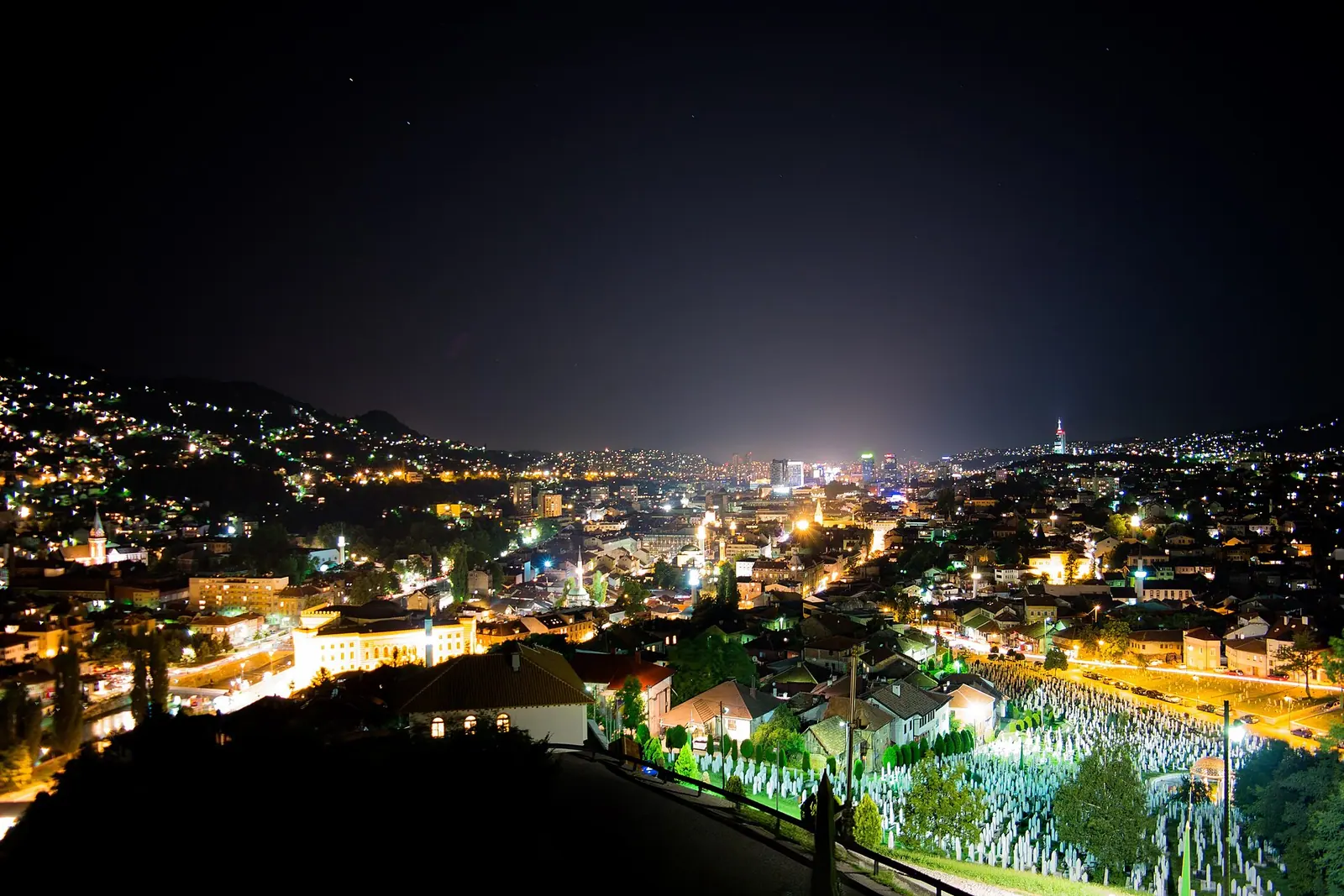
Bosnia and Herzegovina packs Mediterranean stone towns, Ottoman bazaars, deep river gorges and Olympic ski slopes into a country you can cross in a day. The trick is matching your dates to the landscape you actually want — because a July afternoon in Mostar and a January morning on Bjelašnica could not feel further apart.
Why the Calendar Matters So Much Here
This is a country where geography changes fast. Herzegovina, the southern wedge around Mostar and Trebinje, catches a Mediterranean rhythm of hot, dry summers and mild, bright winters. Central Bosnia and the Sarajevo basin sit on a continental pattern instead, with four distinct seasons, crisp autumns and real snowfall. Drive two hours from the Neretva valley and you are in alpine pasture country where the roadside snow poles are taller than the car.
The practical upshot is that there is no single best window for everyone. If you want boat trips under waterfalls and dry hiking trails, aim for late May, June or September. If your priority is snow under skis and a bazaar under lamplight, December to March delivers. July and August suit swimmers and festival-goers but punish anyone who hates heat: Mostar regularly climbs towards 35°C and beyond, while Sarajevo stays a few degrees kinder at around 30°C.
Your accommodation plan should follow the same logic. Mountain lodges and ski hotels around Jahorina and Bjelašnica have two lives — packed in winter, half-empty and cheap in June, when they are excellent bases for hiking. Old-town guesthouses in Sarajevo and Mostar fill first on spring and autumn weekends, so a week or two of lead time is wise outside the deep off-season.
Rooms in Sarajevo's old town tend to be small, characterful and arranged around courtyards; rooms in Mostar frequently come with a view of a minaret or a stone roofscape, and those specific rooms sell out first. If a particular balcony or terrace matters to you, ask directly when booking rather than assuming it comes with the category.
Spring: Waterfall Season and Quiet Old Towns (April to June)
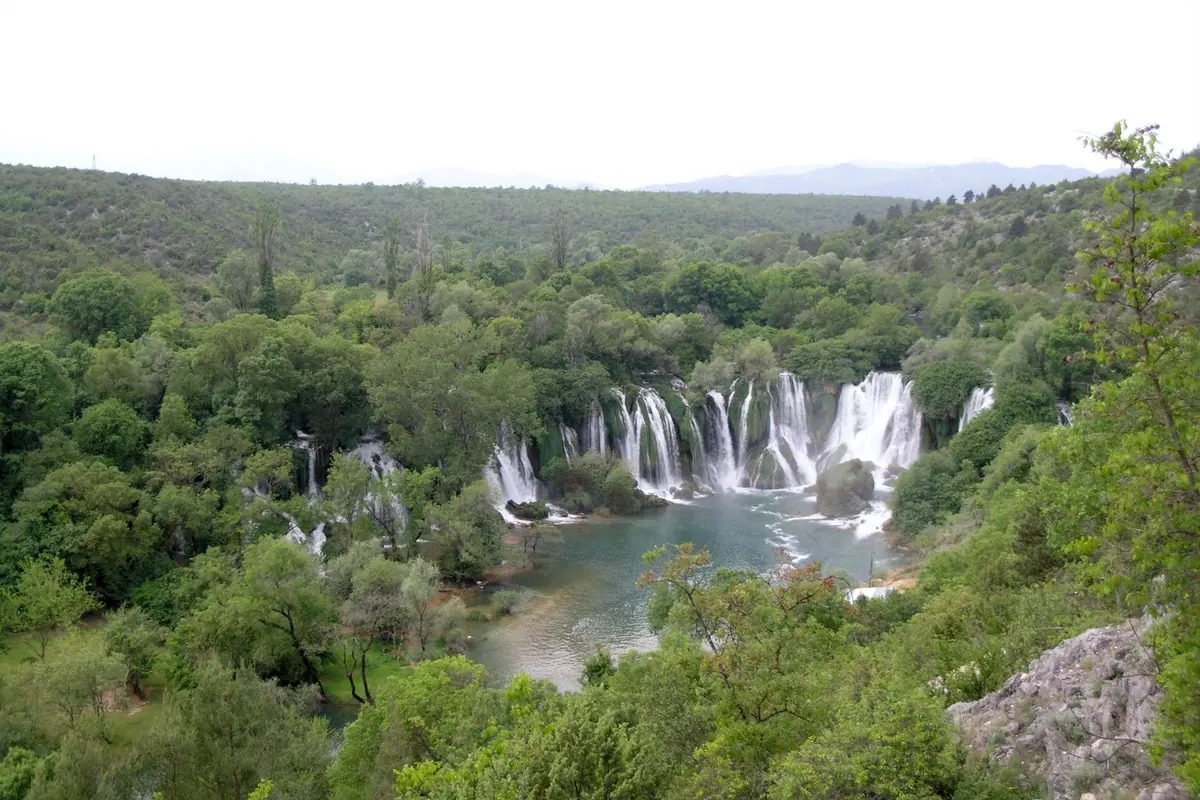
Snowmelt from the Dinaric peaks turns spring into the country's great water show. Kravice Waterfalls on the Trebižat river, south of Mostar, thunders at its widest in April and May, with mist rising off the amphitheatre of tufa and a rough path down to the pools. The same weeks bring the Pliva waterfall in Jajce to full force, set beside a medieval fortress and catacombs, and fill Una National Park near Bihać, where Štrbački buk is at its most dramatic.
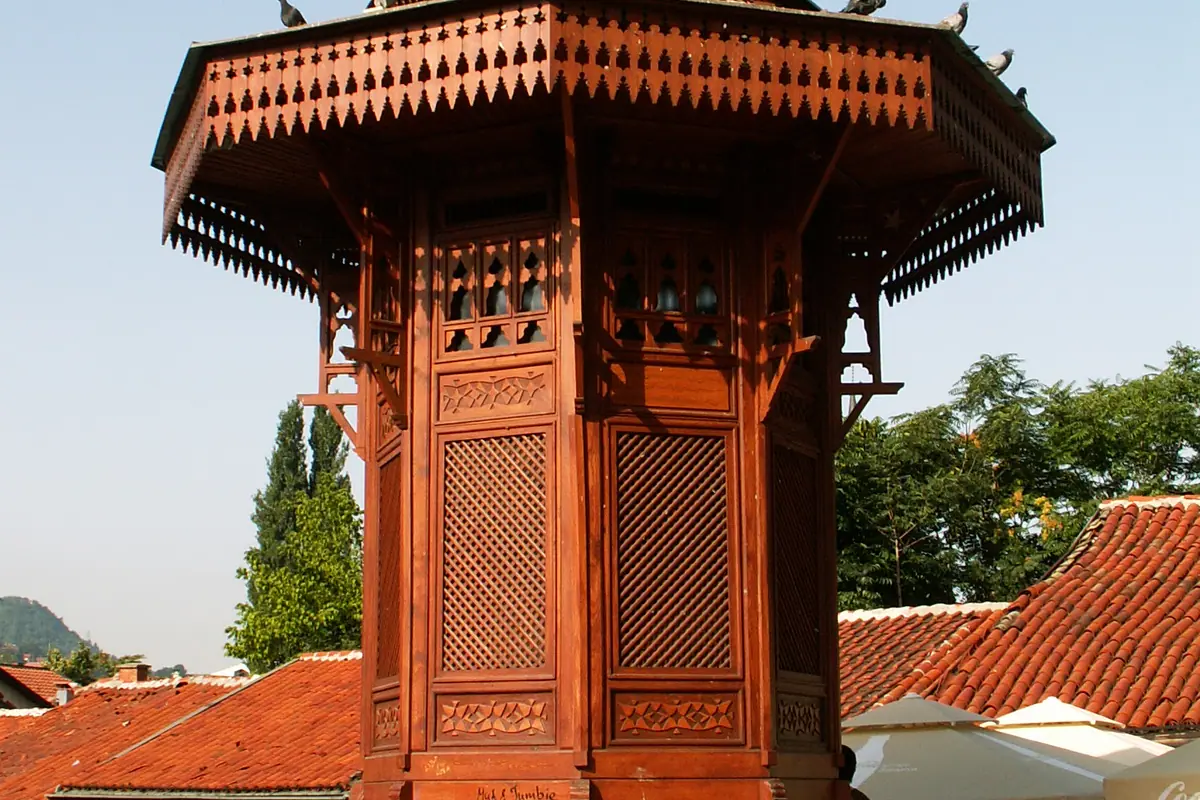
Spring also softens the cities. Sarajevo's Baščaršija, the Ottoman bazaar at the heart of the old town, is pleasant in April and glorious by mid-May: copper coffeepots, pigeons around the Sebilj fountain, and café tables spilling into the lanes. Herzegovina greens early, so the cliff-hung Blagaj Tekke above the Buna spring and the stone stairways of Počitelj are at their most photogenic before the summer glare arrives.
Be realistic about altitude. Trails above 1,500 metres around Bjelašnica and Lukomir, the country's highest village, usually stay snowbound into late April and sometimes May. April itself is changeable, with wet days and cool evenings, so pack a waterproof shell and treat every sunny forecast as a bonus. Guesthouses in the villages often open for the season in May, which is worth checking before you build an itinerary around one.
City hotels in Sarajevo and Mostar are pleasantly unpriced in April and early May, then jump for the last week of May and June as European holidaymakers arrive. Book early for the first warm weekends of the year, when locals head for the same riverside terraces you will want.
Summer: Blazing Mostar, Cool Mountain Air (July and August)
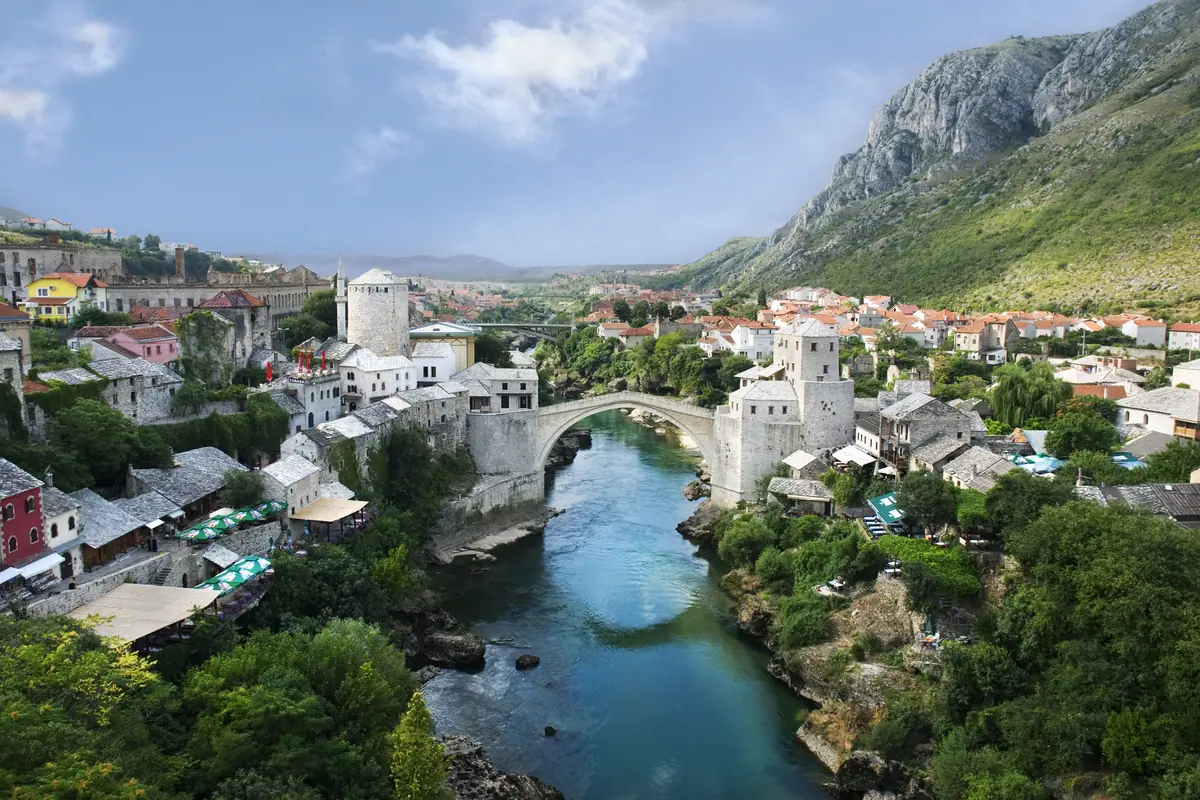
High summer splits the country in two. Mostar becomes a white-hot amphitheatre of stone; the Neretva running beneath Stari Most is shockingly cold and utterly welcome, and the bridge's famous divers wait for the crowds to build before leaping. Sightseeing works best in two shifts: Kujundžiluk bazaar and the old bridge before nine in the morning, then a long shaded lunch, then the lanes again after six. Trebinje, further south, is hotter still and best paired with a pool or a mountain escape.
The escape routes are excellent. Bjelašnica and Igman, both within an hour of Sarajevo, sit 10°C cooler than the city, and the Trebević cable car lifts you from the edge of the old town to a ridge of pine and abandoned Olympic relics with the whole valley laid out below. Further south, Sutjeska National Park protects the Perućica rainforest, one of Europe's last wild woodlands, and the trails towards Maglić are best walked between June and September.
Sarajevo itself is lively rather than unbearable, and mid-August brings its biggest cultural week, when the city fills with screenings, concerts and late-night crowds. Book accommodation well in advance for those dates. Along the 20-kilometre coastline at Neum, the only stretch of sea the country has, the water reaches a comfortable 25°C or so and hotel demand peaks in the last two weeks of July and all of August.
Air conditioning is not a luxury in Herzegovina in July — it is the difference between sleeping and not. Rooms with thick stone walls and shutters do surprisingly well, but confirm cooling before you book anywhere in Mostar or Trebinje.
Autumn: Golden Light, Harvest and the Best Value (September to October)
Ask seasoned travellers to name the single best month and September usually wins. The heat breaks, the light turns honey-coloured, and the coast-bound crowds thin out while the sea at Neum stays warm enough for a swim into the middle of the month. Herzegovina's vineyards around Trebinje and the Mostar hinterland are in harvest, with Žilavka whites and Vranac reds poured at long tables in the village taverns.
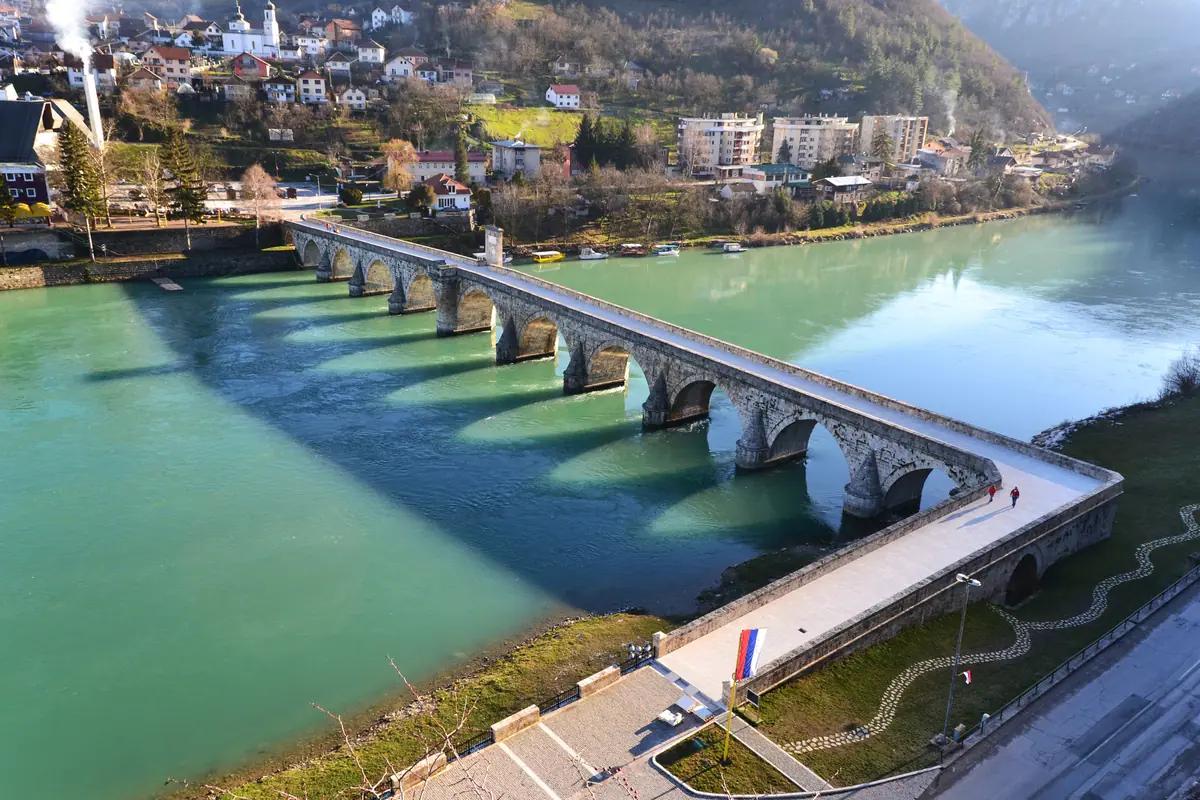
October is for colour and river towns. The Drina gorge around Višegrad, with its elegant multi-arch Ottoman bridge, and the wooded slopes of Sutjeska and Blidinje turn amber and rust. Rain starts to return in the second half of the month, arriving properly in November, which is the wettest stretch of the year — a good moment for indoor Sarajevo: the ornate Vijećnica city hall, the war tunnel museum at the end of the airport runway, and long coffees in Baščaršija.
This is also the sweet spot for hotel value. Rates in Sarajevo and Mostar usually ease after the first half of September, then dip again in late October, with weekends remaining busier than weekdays. Mountain hotels that command winter premiums switch to cheap hiking rates. If you are flexible, a midweek stay in early October buys a better room for less than the same room would cost in August.
Shoulder season does bring one annoyance: some riverside restaurants, boat operators and small family guesthouses close from November until spring. Check opening dates in the countryside rather than assuming everything runs year-round.
Winter: Olympic Ski Slopes and Snowy Bazaars (December to March)
Winter is far better here than most first-time visitors expect. Jahorina, the largest ski area and a legacy of the 1984 Winter Olympics held on these mountains, plus neighbouring Bjelašnica and Igman, offer groomed runs, rental shops and a genuinely affordable ski holiday compared with Western Europe. The season typically runs from mid-December to late March, with the most reliable snow in January and February.
Accommodation around the resorts books out over Christmas, New Year and school holidays, often months ahead, and prices roughly double in those weeks. Outside them, you can find comfortable ski-in lodgings at short notice. Meanwhile Sarajevo itself turns atmospheric: snow settles on the Sebilj fountain, the Gazi Husrev-beg Mosque courtyard and the coppersmiths' lanes of Baščaršija, and the Yellow Fortress viewpoint gives you the whole white bowl of the city at sunset.
Herzegovina stays mild and often sunny through winter, which makes Mostar, Počitelj and Blagaj Tekke far more enjoyable than their summer versions for anyone who dislikes heat. Daytime temperatures here are frequently in double digits, though nights fall cold. It is a fine season to see Stari Most without a shoulder-to-shoulder crowd on the bridge.
If the weather turns truly grim, head for the spa towns — Fojnica, Olovo and Ilidža near Sarajevo — where thermal water has been drawn for centuries and winter is the high season for soaking.
The Must-See Sights, and When Each One Shines
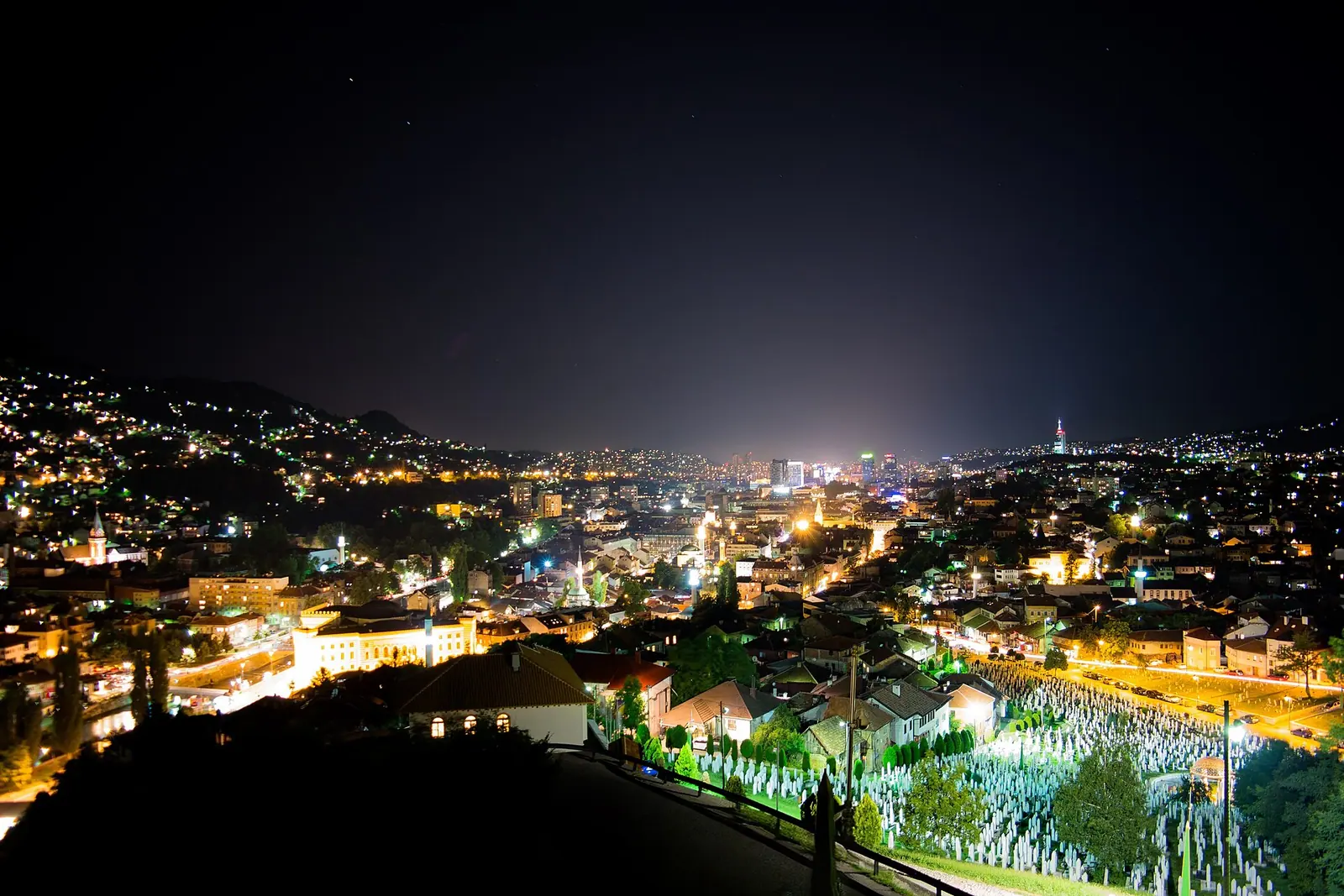
Sarajevo concentrates its landmarks within a walkable core. Start at Baščaršija and the Sebilj, the wooden fountain that marks the bazaar's centre, then the Gazi Husrev-beg Mosque complex and the Latin Bridge, where the 1914 assassination that lit the First World War took place. The Vijećnica and the Yellow Fortress belong to spring and autumn evenings, when the light is soft; the Tunnel of Hope and the city's museums work in any weather and are ideal for November rain or February snow.
Outside the capital, timing is everything. Kravice Waterfalls and Blagaj Tekke are spring and early-summer wonders, before the flow drops and the heat rises. Stari Most and the Kujundžiluk bazaar in Mostar reward early mornings from April to June or in September, while Počitelj's hillside fortress is best in the same windows. Jajce's Pliva waterfall and fortress combine well with a summer drive, and the Mehmed Paša Sokolović Bridge at Višegrad is most beautiful in autumn, framed by turning woods.
For wilder country, plan June to September. That is when Sutjeska National Park and the Perućica forest are walkable, when Lukomir's highland village welcomes visitors on the Bjelašnica plateau, and when Una National Park near Bihać is warm enough for rafting. Winter, conversely, is when the ski resorts and the Sarajevo bazaar under snow make the strongest case for a cold-weather trip.
Matching Your Trip Length to the Season
In four or five days you can comfortably cover Sarajevo and Mostar with day trips to Blagaj, Počitelj and Kravice. That itinerary works year-round, though in January you should swap the waterfalls for skiing and in August for morning starts and long siestas. A week to ten days allows a loop through Jajce, Travnik, Višegrad, Sutjeska and Una, and that wider circuit is genuinely at its best between May and early October.
Transport shapes the rest. Buses and the scenic rail links between Sarajevo and Mostar are cheap and reliable, but reaching Kravice, Lukomir, Blagaj or Una by public transport is slow and sometimes impossible. Renting a car for the rural legs gives you the freedom to chase good weather — a real advantage in a country where a storm over one valley rarely reaches the next.
Whatever month you choose, layer your packing and keep one waterproof item within reach. Sarajevo can be cool and damp while Mostar, two hours away, is baking, and mountain evenings drop sharply even in July. Locals drink their coffee slowly and plan around the weather rather than against it — a habit worth copying while you are here.
Come in May or September for the most balanced version of the country, and you will understand why so many visitors leave planning a second trip for the season they missed.
Frequently asked questions
What is the single best month to visit Bosnia and Herzegovina?
September is the most reliable all-round choice: warm but not scorching, dry in Herzegovina, colourful in the mountains, and quieter than August with lower hotel rates. Late May is a close second, especially if you want Kravice and Una's waterfalls at full flow.
Is winter a good time to visit, or should I wait for summer?
Winter is excellent if you want skiing at Jahorina and Bjelašnica, snowy bazaars in Sarajevo and mild, uncrowded days in Mostar. It is a poor choice if your priority is hiking high trails or swimming, since mountain routes above 1,500 metres are snowbound and many rural guesthouses close.
How far ahead should I book hotels?
For Christmas, New Year, February school holidays and the big Sarajevo cultural week in August, book one to three months ahead — ski lodges and old-town rooms sell out first. In the shoulder months of April, late October and early November, a few days' notice is usually enough.
How hot does it get in Mostar in summer, and how do I cope?
July and August afternoons commonly exceed 35°C, with stone streets radiating heat well into the evening. Sightsee before nine and after six, choose accommodation with air conditioning or thick stone walls, and use the cold Neretva and the mountain towns near Sarajevo as your midday refuge.
Do I need a car to see the main sights?
Not for Sarajevo, Mostar, Jajce or Višegrad, which are linked by buses and trains. But a car makes Kravice Waterfalls, Blagaj Tekke, Lukomir and Una National Park far easier and lets you dodge bad weather. Outside the cities, rural roads are narrow and often unlit at night, so avoid driving after dark.
Plan it — hotels in Bosnia and Herzegovina
Live search, booked directly with trusted providers.
Sort the rest of your trip
Everything for Bosnia and Herzegovina, in one place
Transfer in Bosnia and Herzegovina
Private driver waiting on arrival — no queues, no surprises.
Book a transfer
Things to do in Bosnia and Herzegovina
Skip-the-line tickets, guided tours and standout experiences.
See experiences
Stay online in Bosnia and Herzegovina
Travel eSIM — data the moment you land, no roaming bills.
Get an eSIMMore guides in Bosnia and Herzegovina
Best Places to Visit in Bosnia and Herzegovina: Ottoman Bazaars, Wild Rivers and Balkan Peaks
Bosnia and Herzegovina in 7 Days: Flights, Sarajevo, Mostar and Beyond
Top Things to Do in Bosnia and Herzegovina: Landmarks, Old Bridges and Wild Rivers