Bahrain is a small island with a big personality — a place where a 400-year-old pearling house, a Unesco-listed fort and a glittering skyline all sit within a half-hour drive of each other. The catch is the climate: for roughly four months of the year the Gulf turns genuinely pleasant, and for the other eight it turns into a furnace. Choose your dates well and everything else falls into place.
Bahrain's Climate at a Glance: When the Gulf Turns Bearable
Bahrain sits low in the Arabian Gulf, connected to the Saudi mainland by the King Fahd Causeway, and its weather is dictated almost entirely by the sea around it. Winter, from December to February, brings days around 18–24°C with cool, sometimes breezy evenings that call for a light jacket — this is the window when walking the old streets of Manama is a pleasure rather than a punishment. Spring, roughly March and April, warms to the high twenties and low thirties, still comfortable in the mornings but increasingly sticky by late afternoon.
The heat arrives properly in May and peaks from June through September, when daytime highs regularly push past 40°C and humidity can make the air feel heavier than the thermometer suggests. October is a transition month that often fools visitors: it can still be fiercely humid, before November finally delivers the first genuinely lovely evenings. Rain is rare — a handful of short, dramatic showers between December and March, occasionally enough to flood a road for an hour or two — and spring can bring a shamal, a dusty wind that hazes the sky and softens the horizon.
The practical upshot: November to March is the season for sightseeing, December and January are the coolest and busiest, and June to August is the season for air conditioning, pools and deep hotel discounts. If you have flexibility, aim for late November or February, when the weather is at its best but the crowds and rates are one notch below the Christmas peak.
Winter: Peak Season for Forts, Souqs and the Old Capital
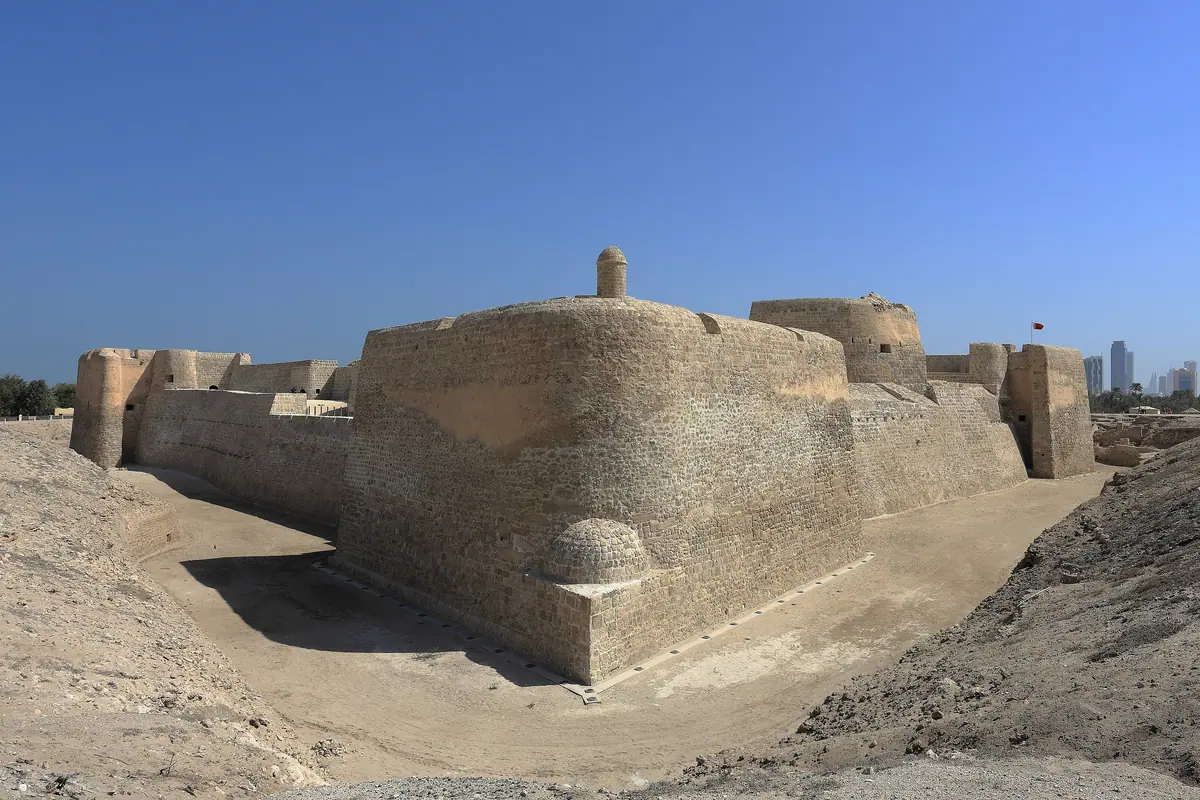
Winter is when Bahrain shows off. The headline sight is Qal'at al-Bahrain, the archaeological tell and Portuguese-era fort on the northern coast, where you can walk the ramparts above a site occupied for four thousand years and then wander the on-site museum. Nearby, the A'ali burial mounds scatter the desert like fossilised waves. In Manama itself, the Bahrain National Museum gives you the full sweep of Dilmun, Tylos and pearl-diving history in a couple of unhurried hours, and the Al Fateh Grand Mosque — one of the largest in the world, with a fibreglass dome and room for thousands of worshippers — offers guided visits in cool indoor comfort.
Winter is also souq season. Bab Al Bahrain, the arched gateway that marks the entrance to the old commercial district, leads straight into the Manama Souq: narrow lanes of spices, incense, textiles and gold, best explored in the late morning or after dark when the lights come on and the crowds thin into something more atmospheric. Nearby, the restored houses of Muharraq's Pearling Path trace the route of the merchants and divers whose fortunes built the island, and the courtyard cafés there are at their most appealing on a mild January afternoon.
Expect the highest hotel rates of the year in this window, especially along the Manama seafront and in the Diplomatic Area, and expect the big-ticket weeks — the New Year period and the run-up to the Grand Prix at Bahrain International Circuit — to sell out weeks or even months ahead. Book two to three months early for the sweet spot between Christmas and mid-February, and pack layers: evenings by the water genuinely get cool.
Spring and Autumn: The Shoulder Seasons That Reward the Flexible
March, April and November are the connoisseur's months. Daytime temperatures sit in the comfortable-to-warm band, mornings are made for outdoor exploring, and hotel prices soften once the winter rush ends. This is prime time for the Tree of Life, the lonely mesquite standing in the Sakhir desert that has survived for decades without any obvious water source, and for the quieter archaeological sites such as Barbar Temple and the Dilmun burial fields.
Spring is also motorsport season. The Bahrain International Circuit, out in the desert at Sakhir, hosts the island's biggest annual sporting weekend, and the entire country's accommodation fills accordingly — if you are not attending, either embrace the buzz or avoid those dates entirely. Spring can also bring dust: a shamal blowing in from the north-west can turn the sky milk-white for a day or two, so keep a mask or scarf handy and save indoor attractions such as the National Museum for those days.
Autumn works in reverse. Late September and October often remain oppressive, but from mid-November the humidity collapses almost overnight and the beaches at Zallaq and the Amwaj Islands become genuinely inviting again. If you want warm sea without the summer mugginess, aim for the second half of November.
Summer: Hot, Humid and Surprisingly Good Value
From June to September, Bahrain moves indoors and, in the evenings, onto the water. Daytime sightseeing is best limited to early mornings; the Al Fateh Grand Mosque, the Bahrain National Museum and the country's large air-conditioned shopping complexes in Seef and Manama become the day's itinerary, and hotel rates drop to their lowest point of the year. If your priority is a resort pool, a spa afternoon and a long, lazy lunch rather than a walking holiday, summer can be excellent value.
Evenings, though, belong to the Gulf. Dhow cruises leave Manama's waterfront after sunset, when the breeze finally arrives, and the restaurant district around Adliya's Block 338 — Bahrain's most concentrated strip of independent dining — fills up late and stays busy. Traditional coffee houses in the old souq are lively after dark, and the causeway to Saudi Arabia hums with weekend traffic.
Do plan around the heat: hydrate constantly, treat midday as siesta time, and consider Al Areen Wildlife Park or the desert fringe only at dawn. For birdwatchers, the Hawar Islands and the mangroves around Tubli Bay are far better in the cooler months, so if wildlife is your goal, summer is the wrong season.
Where to Stay: Choosing a Base for Your Season
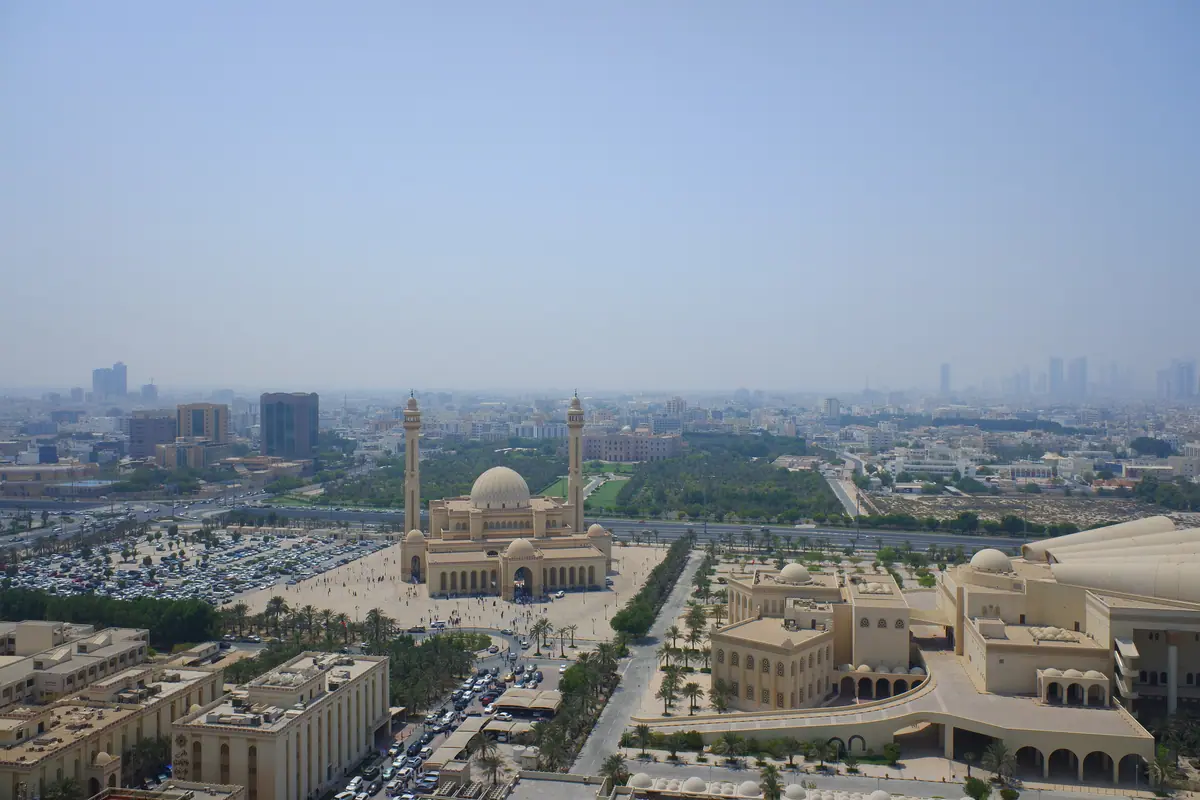
Manama is the default for first-timers. The Diplomatic Area and seafront put you within walking distance of the National Museum and a short taxi ride from Bab Al Bahrain and the souq; the Juffair district is denser with mid-range and business hotels and has the liveliest evening restaurant scene. Adliya suits travellers who care more about food and nightlife than sightseeing, and it stays convenient year-round.
Muharraq, Bahrain's old capital, is where to go for character: restored pearling-era houses have been converted into small boutique stays along the Pearling Path, a short hop from the airport and the Arad Fort. It is the most rewarding base in the cooler months, when wandering the alleys is a pleasure, and the least practical in high summer.
For beach and resort holidays, look to Zallaq and Al Areen on the west coast, or the Amwaj Islands in the north-east, where villas and waterfront hotels sit beside lagoons. These make sense from October to April; in July and August you will mostly be admiring the sea from indoors. Rates across the island track the weather tightly — peak in December and January, a dip in the shoulder months, and the deepest discounts in midsummer.
Timing Your Trip Around Ramadan, Events and the Weekend
Bahrain's calendar shifts each year because Ramadan moves roughly eleven days earlier annually. During the holy month, daytime eating, drinking and smoking in public are restricted, some restaurants close or reduce hours, and business rhythms slow — but evenings come alive with iftar gatherings and long, festive dinners, and hotel rates often fall. Eid al-Fitr, at the end of Ramadan, is the opposite: a short, intense holiday period when Gulf families travel and accommodation fills fast.
The national weekend runs Friday and Saturday, which shapes everything from causeway traffic to brunch bookings — Friday brunch is a Bahrain institution, and the best tables need reserving days ahead. National Day on 16 and 17 December brings celebrations and another spike in demand.
Practical timing notes: three full days is enough to cover Manama, Muharraq, the fort and the desert sights at a relaxed pace, and five lets you add a beach day or the Hawar Islands in season. Fly in midweek if you can, book winter accommodation early, and keep one indoor day in reserve for dust or rain.
Frequently asked questions
What is the best month to visit Bahrain?
Late November through February offers the most comfortable weather, with daytime temperatures around 18–25°C and cool evenings. December and January are the coolest and busiest, so late November or February often gives the best balance of pleasant weather, availability and value.
Is summer too hot to visit Bahrain?
It is hot — highs above 40°C with high humidity from June to September — but the island adapts. Sightsee early in the morning, spend midday in the National Museum, the Al Fateh Grand Mosque or the air-conditioned malls in Seef, and head out again after sunset for dhow cruises or dinner in Adliya. Hotel prices are at their lowest then.
When are hotels in Bahrain cheapest?
Mid-summer (June to August) brings the deepest discounts, since few visitors brave the heat. Shoulder months such as late April, May and October are a middle ground, while the Christmas period, the Grand Prix weekend at Bahrain International Circuit and Eid holidays are the most expensive and the first to sell out.
Does Ramadan affect a visit to Bahrain?
It does. Ramadan moves about eleven days earlier each year, and during it daytime eating and drinking in public are restricted and some venues adjust their hours. Evenings are festive and atmospheric, with iftar and late dinners, and rates are often lower — but the following Eid holiday period is extremely busy.
How many days do you need in Bahrain, and do you need a car?
Three days covers Manama's souq and Bab Al Bahrain, the Bahrain National Museum, Qal'at al-Bahrain and Muharraq's Pearling Path; five days adds the Tree of Life, the Dilmun burial mounds and a beach day at Zallaq or the Hawar Islands in season. Taxis and ride-hailing work well in Manama, but a rental car makes the desert and coastal sights far easier.
Sort the rest of your trip
Everything for Bahrain, in one place
Transfer in Bahrain
Private driver waiting on arrival — no queues, no surprises.
Book a transfer
Things to do in Bahrain
Skip-the-line tickets, guided tours and standout experiences.
See experiences
Stay online in Bahrain
Travel eSIM — data the moment you land, no roaming bills.
Get an eSIM