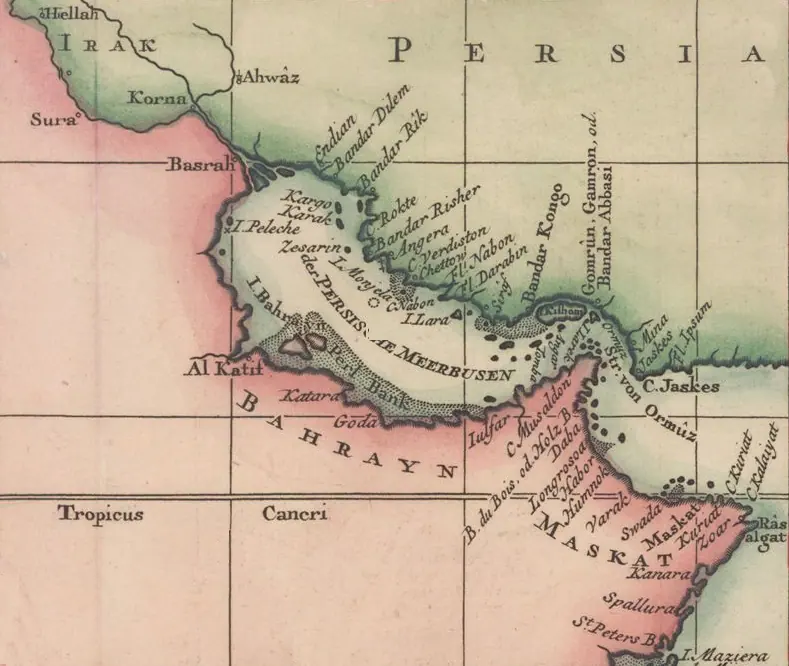
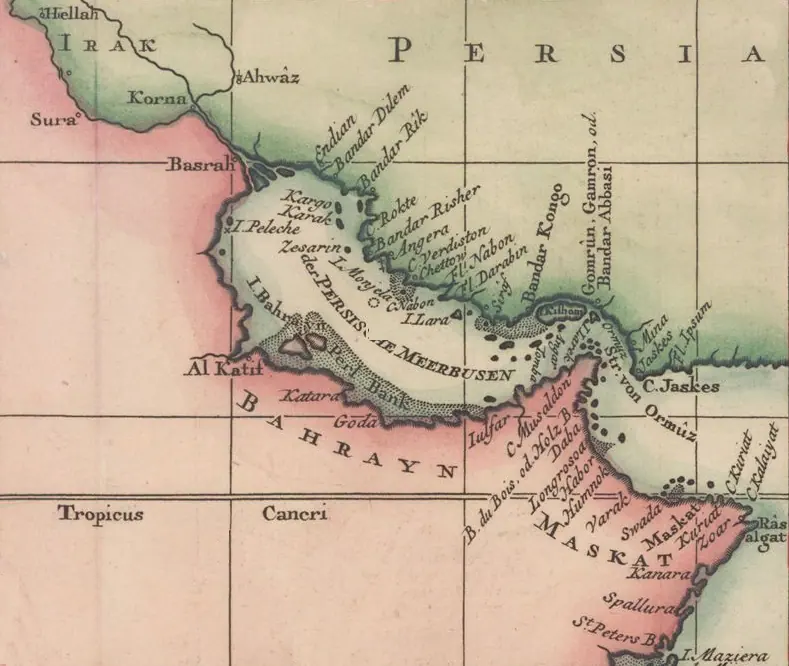
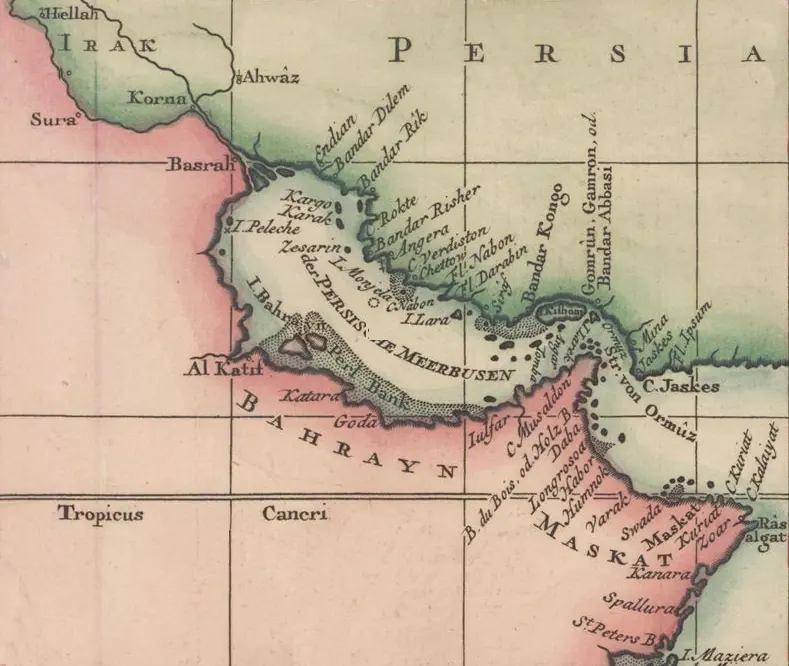
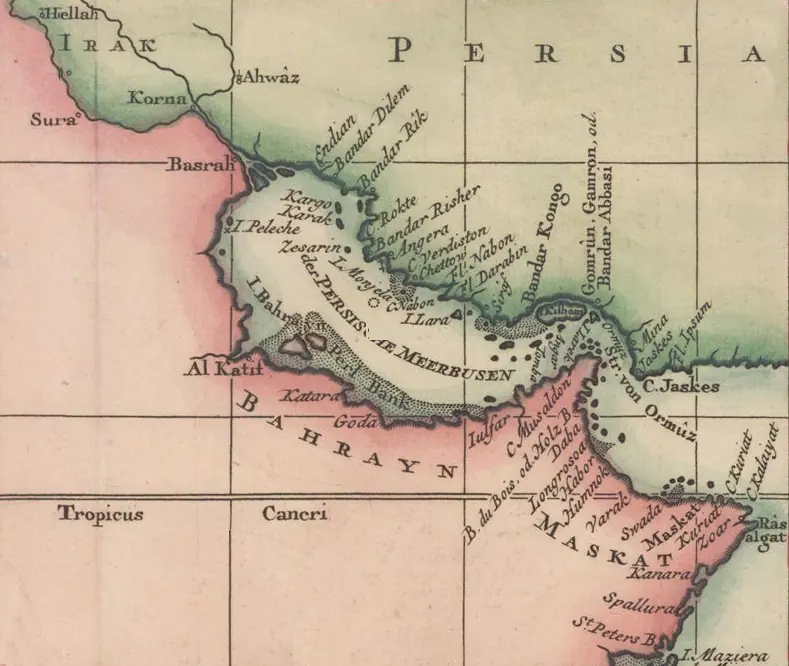
Bahrain packs a Dilmun-era fortress, a pearl-divers' quarter, a desert tree that refuses to die and a Formula 1 circuit into an island you can cross in under an hour. It is the Gulf's smallest kingdom and its most layered one — somewhere a morning of Bronze Age archaeology ends with coffee in a spice-scented souq. This is where to go, and how to fit it all in.
Manama's Old Quarter: Souq, Museum and the Grand Mosque
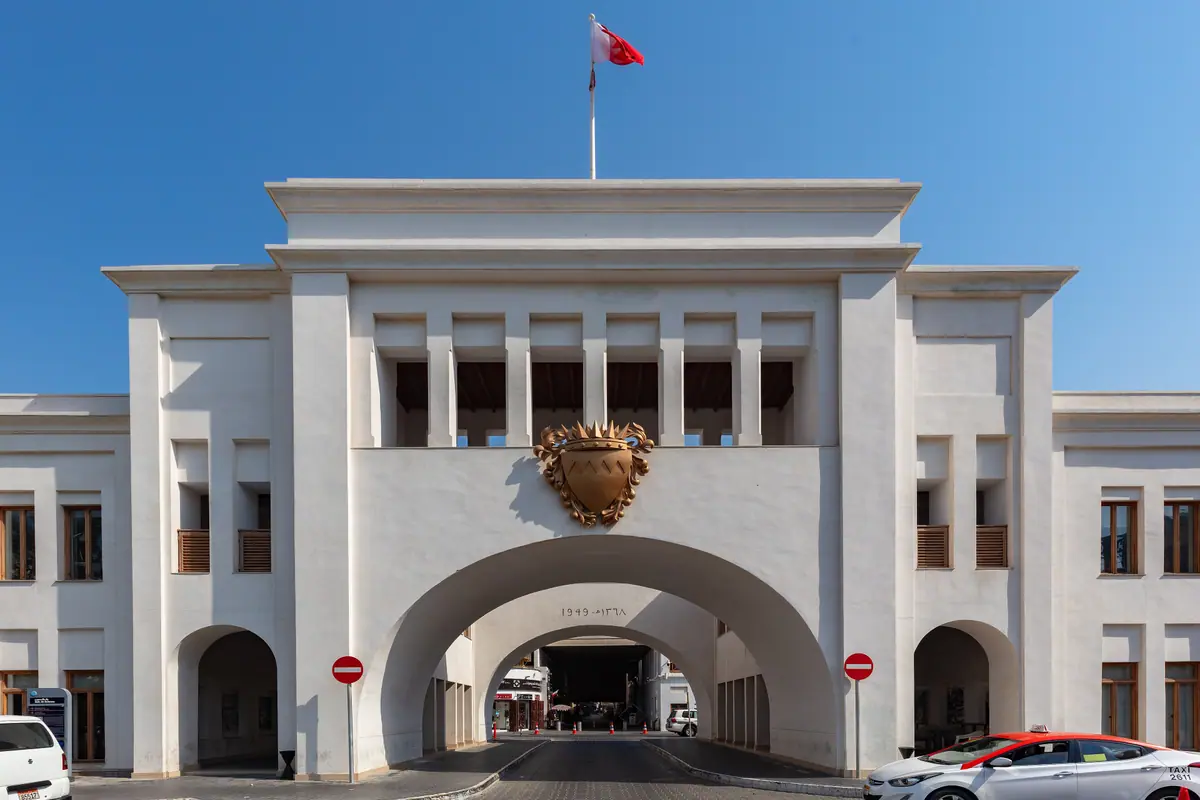
Start where the city itself starts. Bab Al Bahrain, the arched gateway built in the 1940s as a customs house, still marks the seam between the modern financial district and the warren of lanes behind it. Step through and you are in Manama Souq: gold shops glittering under fluorescent light, sacks of cardamom, dried lime and saffron, fabric sellers, tailors and hole-in-the-wall cafés. The surrounding blocks are known locally as Little India, and the smells of frying samosas and incense follow you for blocks. Come in the late afternoon when the heat drops and the alleys fill up, and give yourself two hours to wander without a destination.
A short walk along the waterfront brings you to the Bahrain National Museum, a calm, marble-floored complex that walks you through the island's story in chronological order: Dilmun seals and burial artefacts, the Hellenistic Tylos period, Islamic calligraphy, and a reconstructed traditional souq and pearl merchant's house. Allow about two hours. Next door, the Bahrain National Theatre sits on its own promontory over the water and is worth a look even if you are not catching a performance.
Finish at Al Fateh Grand Mosque, one of the largest mosques in the world and the country's most visited non-archaeological landmark. The vast prayer hall holds thousands of worshippers beneath a dome of fibreglass — among the biggest of its kind anywhere — and the Italian marble, teak doors and crystal chandeliers are genuinely impressive. Non-Muslim visitors are welcomed on guided tours, women are lent a black abaya and headscarf at the entrance, and shoes come off at the door. Aim for late morning, and dress so your shoulders and knees are covered.
Qal'at al-Bahrain and the Dilmun Trail
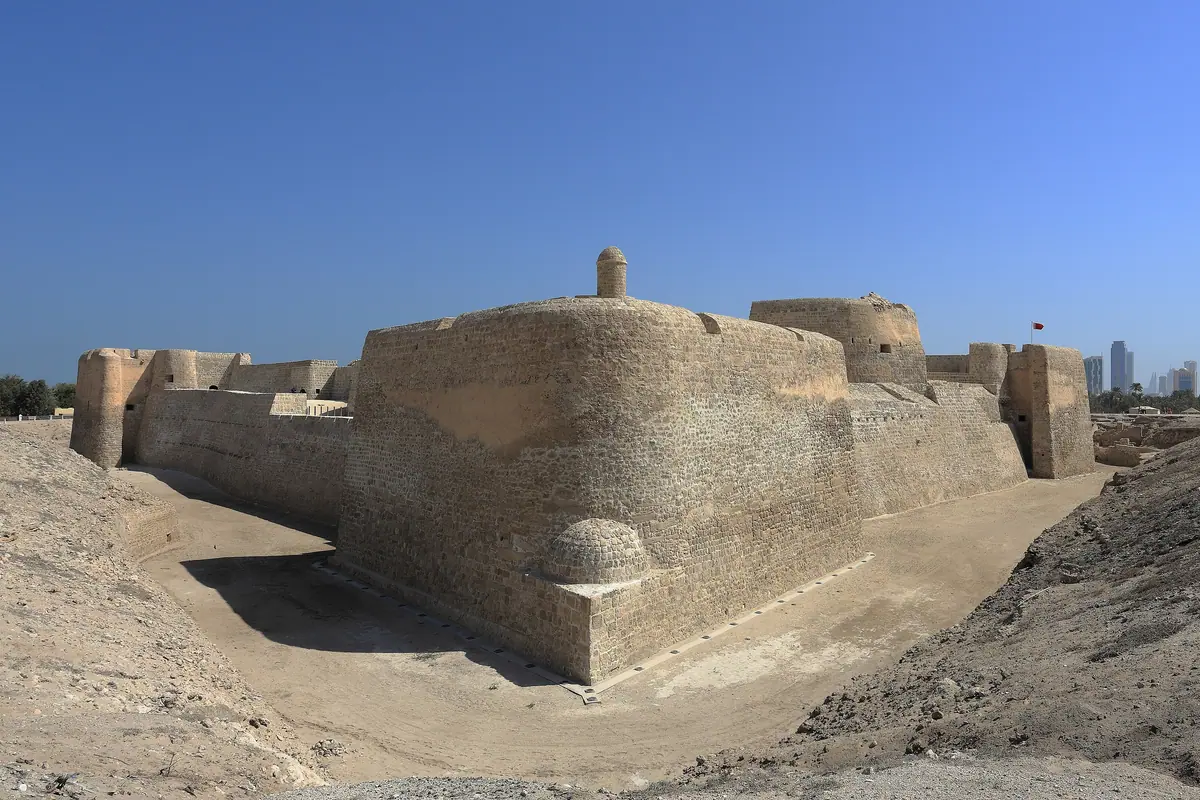
The single sight no first-time visitor should skip is Qal'at al-Bahrain, the sprawling fort and tell on the northern coast, a short drive west of central Manama. A Portuguese-era sea fort crowns the mound, but the real story is underneath: seven layers of settlement stacked on top of one another, from a Dilmun capital to a Hellenistic city, with excavated streets, walls and a city gate you can walk through. It earned World Heritage status in 2005, and it deserves at least two hours — plus the small site museum at the entrance, which makes sense of the ruins before you see them. Go in the late afternoon: the light on the sea is beautiful and the stone stops radiating heat.
Bahrain's Bronze Age past continues inland. The Dilmun burial mounds around A'ali and Hamad Town number in the thousands, low honey-coloured humps scattered between housing blocks, with the largest royal mounds fenced and signposted. Further west, the Barbar Temple is a quiet, strangely moving site: three temples built one atop the other and dedicated to a Dilmun god of fresh water, with a spring-fed stone basin still visible. It is small, unshaded and easy to miss — read up before you go, and bring water.
Round off the history circuit at Al Khamis Mosque, whose twin minarets rise over a palm-lined road on the edge of the city. It is one of the oldest mosques in the region, founded over a thousand years ago and rebuilt many times since; the ruins of the original prayer hall sit beside the working modern mosque. It is a fifteen-minute stop, best paired with a drive out towards Riffa Fort, the 19th-century stronghold perched above a rocky valley in the middle of town.
Muharraq: The Pearling Path and Arad Fort
Across the causeway from Manama, Muharraq was the engine of the Gulf's pearl trade for centuries, and its old quarter has been carefully stitched back together as the Pearling Path — a walking trail of around three and a half kilometres linking pearling houses, warehouses, the seashore and the fort from which the divers' boats once set off. It is a World Heritage Site, and it is also a living neighbourhood: laundry hanging between coral-stone walls, men playing cards in the shade, cats on every step.
Two houses on the trail are unmissable. Siyadi House belonged to a wealthy pearl merchant and shows off carved gypsum ceilings, stained glass and a private majlis that explains how pearl money built this town. The Sheikh Isa bin Ali House, nearby, is a rambling 19th-century residence with a wind tower, cool interior courtyards and rooms furnished as they would have been when the ruling family lived there. Entry to most of the trail buildings is free or token-priced, but opening hours are short and inconsistent — aim for mid-morning to early afternoon, and not on Friday mornings.
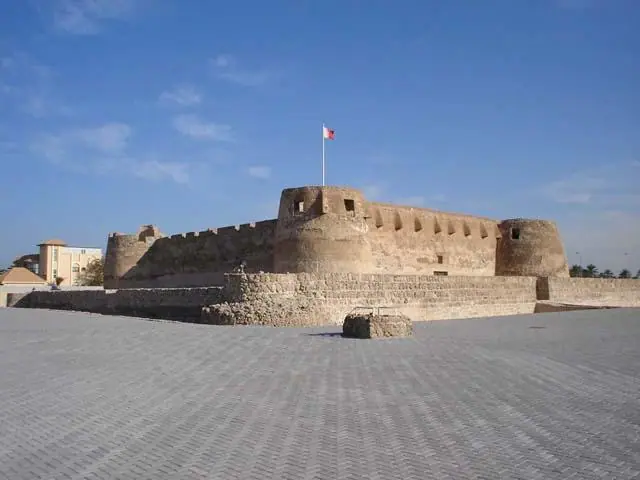
Finish at Arad Fort, a compact 15th-century stronghold right by the water on Muharraq's eastern edge, its thick walls floodlit at night. It takes twenty minutes to walk around, but the combination of palm trees, sea breeze and arrow slits is worth it. Nearby, the Muharraq souq is a low-key alternative to Manama's, good for cheap eats and fabric.
Desert, Coastline and the Tree of Life
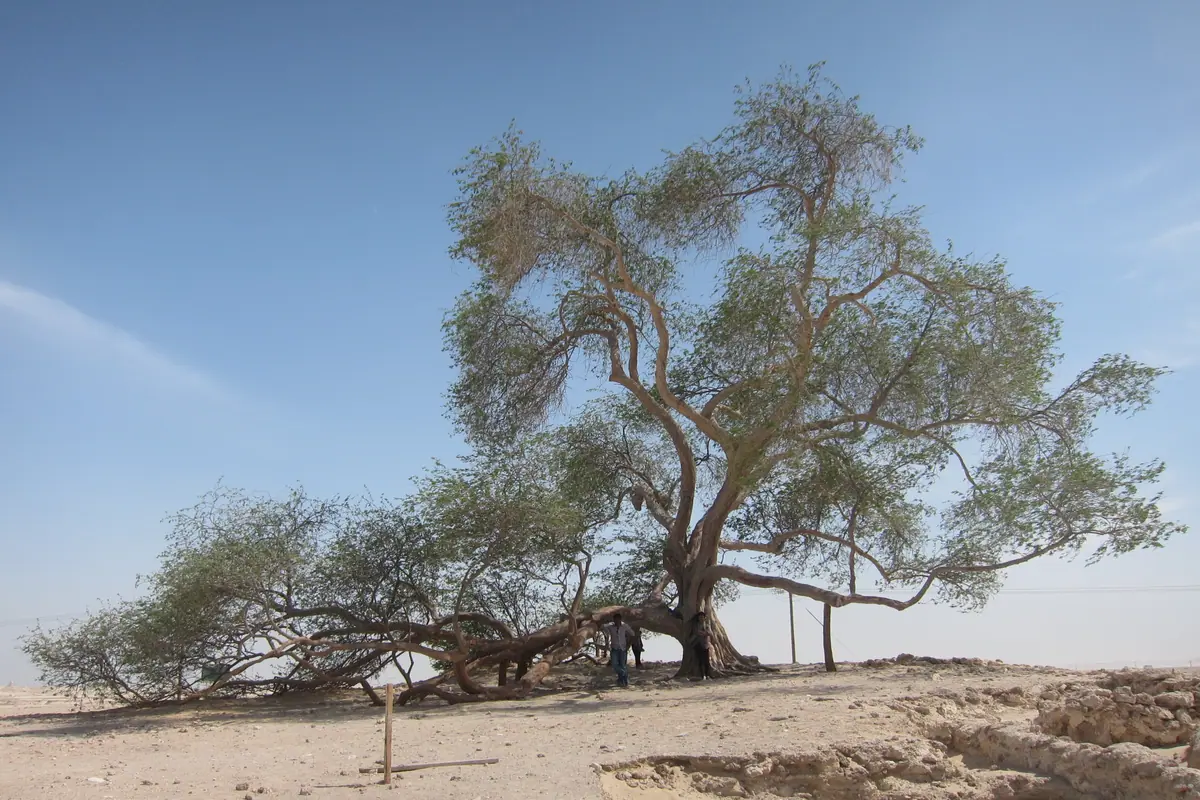
Bahrain's south is empty, sandy and full of oddities. The star is the Tree of Life — Shajarat al-Hayat — a gnarled, solitary mesquite standing alone on a rise in the desert near Sakhir with no obvious water source for miles. Nobody is quite sure how old it is; estimates run to several centuries. It is a twenty-minute visit, but it is genuinely strange and beautiful at sunset, when the sand turns apricot and the tree casts a long shadow. Combine it with the nearby Bahrain International Circuit, the Royal Camel Farm where hundreds of camels are corralled in the open, and Al Areen Wildlife Park, a fenced reserve with Arabian oryx, gazelle and flamingos that is a good bet with children.
The coast is where Bahrainis go to unwind. Al Dar Islands, reached by a short boat ride from the Sitra area, offers shallow swimming, sun loungers and simple seafood; Jarada Island is a pure sandbar that emerges at low tide and disappears at high, accessed by boat. Closer to town, the beaches along the Zallaq and Al Jazayir strip fill up on Friday afternoons with picnicking families and jet skis.
If you want wilder coastline, the Hawar Islands off the south-east coast are a protected archipelago known for dugongs, sea turtles and huge colonies of cormorants; visits are tightly controlled and usually arranged in advance as part of an organised boat trip. It is the opposite of a resort beach — no shade, no facilities, extraordinary wildlife.
Modern Bahrain: Grand Prix, Bahrain Bay and Amwaj
Bahrain was the first country in the Middle East to host a Formula 1 race, and the Bahrain Grand Prix at the Sakhir circuit in the desert south of Manama is still the biggest event on the calendar — usually staged in March or April, run under floodlights, with the stands and after-parties filling with visitors from across the region. Even outside race weekend, the circuit runs driving experiences and track days if you have ever wanted to floor it on a real grand prix straight.
Downtown, the skyline is its own attraction. The Bahrain World Trade Center's twin sail-shaped towers famously carry three wind turbines suspended between them, and the Bahrain Bay boardwalk around them is a pleasant evening stroll with restaurants facing the water. A little further east, the Amwaj Islands are a man-made archipelago of lagoons, cafés and waterfront apartments — the easiest place in the country to spend a lazy afternoon over a long lunch.
This is also where Bahrain's social life happens: Thursday nights are the big night out, hotel restaurants serve lavish brunches on Fridays, and licensed venues in hotels and in Amwaj are the only places alcohol is served. If you have come across the King Fahd Causeway from Saudi Arabia for the weekend, plan around the causeway traffic — it can add hours at peak times.
When to Go and How to Plan Your Days
The best months to visit are November through March, when daytime temperatures sit comfortably in the low twenties and you can walk around forts and souqs all day. December and February are the sweet spots; bring a light jacket for evenings, which can get surprisingly cool and breezy on the coast. April and October are shoulder season — hot but manageable if you sightsee early and stay indoors at midday. From May to September, expect 38–45°C with heavy humidity; this is the time for malls, museums, early-morning swims and long air-conditioned lunches, not desert drives.
Bahrain is small — you can drive from the Saudi border in the south to the northern tip in well under an hour — so a car makes everything easy, and rental desks at the airport are straightforward. Metered taxis and ride-hailing apps work well in Manama but are thin on the ground out at Qal'at al-Bahrain or the Tree of Life. Remember the weekend runs Friday to Saturday, so many shops and smaller museums open late or close entirely on Friday morning, and the whole country shifts its rhythm during Ramadan, when daytime eating in public is discouraged but evening iftar gatherings are genuinely worth experiencing.
A comfortable three-day trip covers it: day one in Manama for the souq, National Museum and Al Fateh Grand Mosque; day two for Qal'at al-Bahrain, the Barbar Temple and the afternoon in Muharraq on the Pearling Path; day three for the desert — Tree of Life, the camel farm, Al Areen and the circuit — finishing with seafood by the water. Dress modestly everywhere outside hotels and beaches, keep a bottle of water in the car, and leave one evening free for an unscheduled drive along the coast.
Frequently asked questions
How many days do you need to see Bahrain?
Three days is enough to cover the highlights at a relaxed pace: one day in Manama, one for Qal'at al-Bahrain and Muharraq's Pearling Path, and one for the desert and coast. Four or five days lets you add a beach day on the islands, a track experience at the Sakhir circuit and a proper look at the smaller archaeological sites.
When is the best time of year to visit Bahrain?
November to March, with December and February the most pleasant — daytime temperatures in the low twenties and cool evenings. April and October are shoulder months that work if you get out early. From May to September it is fiercely hot and humid, so plan indoor sights, malls and museums rather than desert or fort visits.
What should I wear in Bahrain?
Lightweight, loose clothing that covers shoulders and knees is the polite default everywhere outside hotel pools and beaches. Women visiting Al Fateh Grand Mosque are loaned an abaya and headscarf at the entrance, and everyone removes their shoes. Swimwear is fine at beach clubs and resort pools, but not on public streets.
Do I need a car in Bahrain?
It helps a great deal. The island is compact and driving is easy, with rental cars available at the airport and in Manama. Taxis and ride-hailing apps are reliable in the city but harder to find at outlying spots like the Tree of Life, the Barbar Temple or the Hawar Islands boat jetty.
Is the Tree of Life worth the drive?
On its own it is a twenty-minute stop, so pair it with the southern desert sights — the camel farm, Al Areen Wildlife Park and the Sakhir circuit — and go in the late afternoon or at sunset when the light is at its best. It is free to visit, but there are no facilities, so bring water and fuel up beforehand.
Plan it — experiences in Bahrain
Live search, booked directly with trusted providers.
Sort the rest of your trip
Everything for Bahrain, in one place
Stay in Bahrain
Hotels, guesthouses and apartments — compared in one search.
Search hotels
Transfer in Bahrain
Private driver waiting on arrival — no queues, no surprises.
Book a transfer
Stay online in Bahrain
Travel eSIM — data the moment you land, no roaming bills.
Get an eSIM