Azerbaijan packs fire temples, mud volcanoes, snow-capped ski slopes and a Caspian capital of pale stone into a country you can cross in a day. Timing your trip well decides whether you spend it sipping tea on a sunlit Baku boulevard or watching snow settle on the Caucasus ridges — and when you should book your room.
What Each Season Actually Feels Like in Azerbaijan
Azerbaijan sits where the Caucasus collapses into the Caspian Sea, and that geography splits the year cleanly. Baku, the wind-scoured capital, is mild rather than extreme from December to February, hovering around 3–8°C, but the gusts off the sea make it feel far colder than the numbers suggest. Snow is rare on the waterfront yet routine a few hours north in Quba and Qusar, where winter means proper ski country.
Spring arrives fast. By late March the Absheron Peninsula is warm enough for outdoor tea houses, and April and May bring 15–24°C days, blossom in the orchards around Gabala and Sheki, and long, soft evenings. This is the sweet spot most travellers aim for.
Summer turns Baku genuinely hot and humid — low-to-mid thirties and sticky — while the mountain towns of Gabala, Quba and Sheki stay comfortably cool. Autumn then delivers the year's best light: September and October hover in the low twenties, the Caspian stays swimmable into early September, and the beech forests of the northwest go gold.
The practical rhythm: April–June and September–October for sightseeing, July–August for mountains and beaches, December–March for skiing and city culture.
Spring: Novruz, Old Baku and the Return of the Terraces
Spring in Azerbaijan is bookended by celebration. Novruz, the Persian New Year marked at the March equinox, is the biggest date in the calendar — bonfires in the streets, families jumping over flames for luck, tables loaded with semeni wheat sprouts, painted eggs and sticky baklava. Baku's Fountain Square and the pedestrian stretch of Nizami Street fill with music. It is also the single busiest week of the year for accommodation, so reserve weeks ahead.
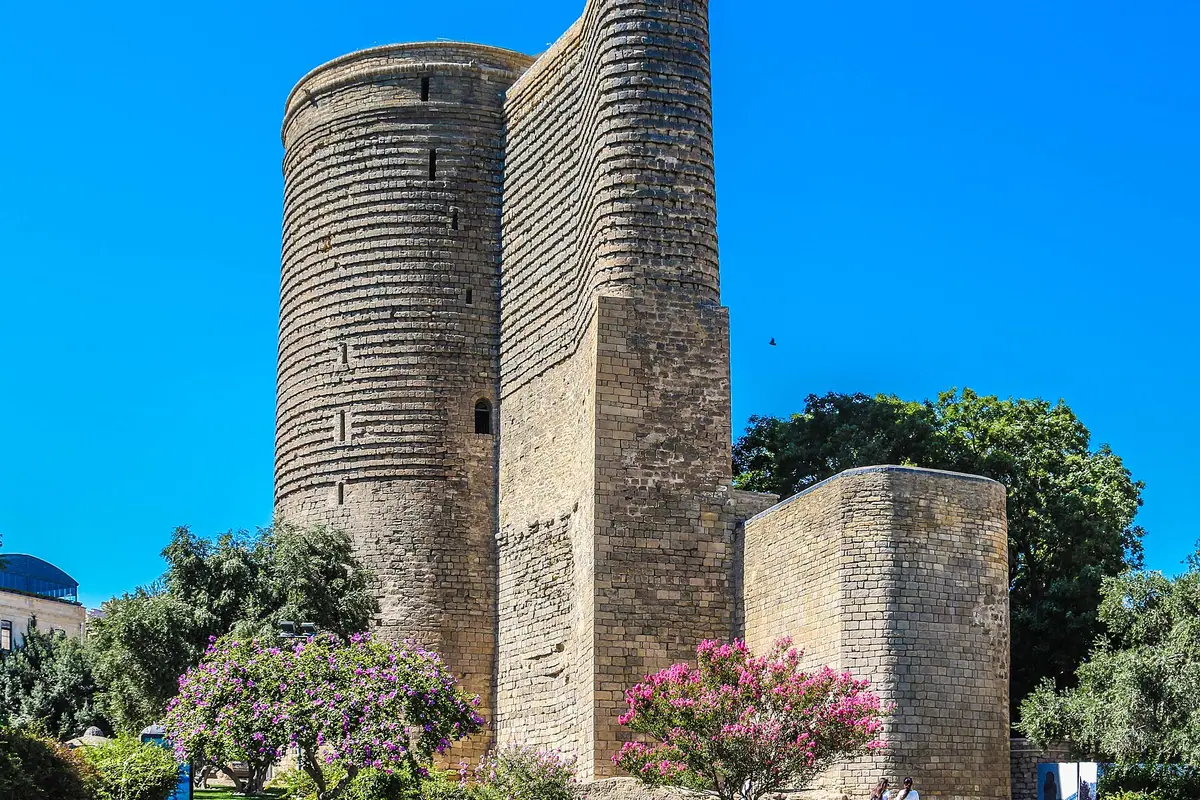
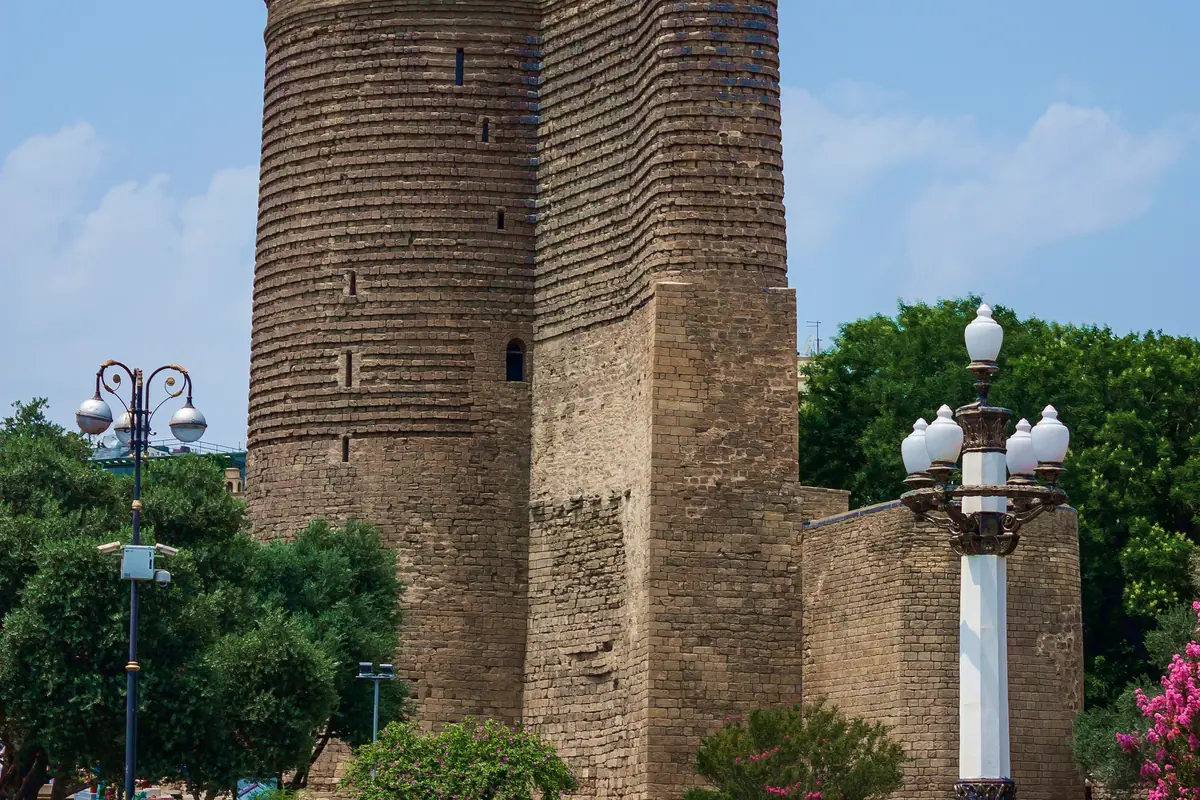
Once the holiday crowds thin, April and May are ideal for the capital's historic core. Icherisheher, the walled Old City, is a maze of caravanserais, hammams and shuttered courtyards you can wander in three or four unhurried hours. Climb the 12th-century Maiden Tower for a compressed view of the bay, then step into the Palace of the Shirvanshahs, whose mausoleum, divankhana and ornate portal are the finest surviving example of the medieval Shirvan school.
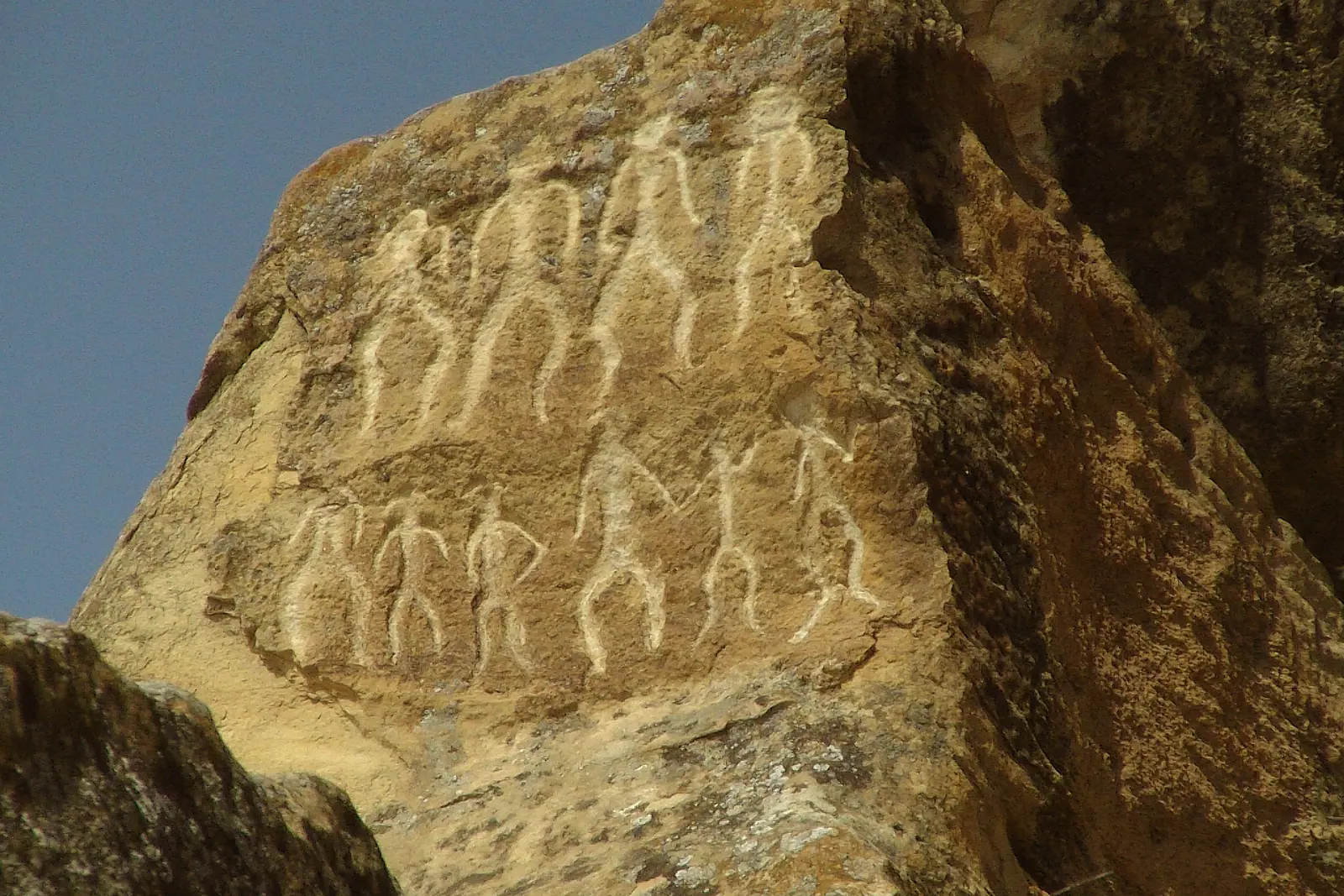
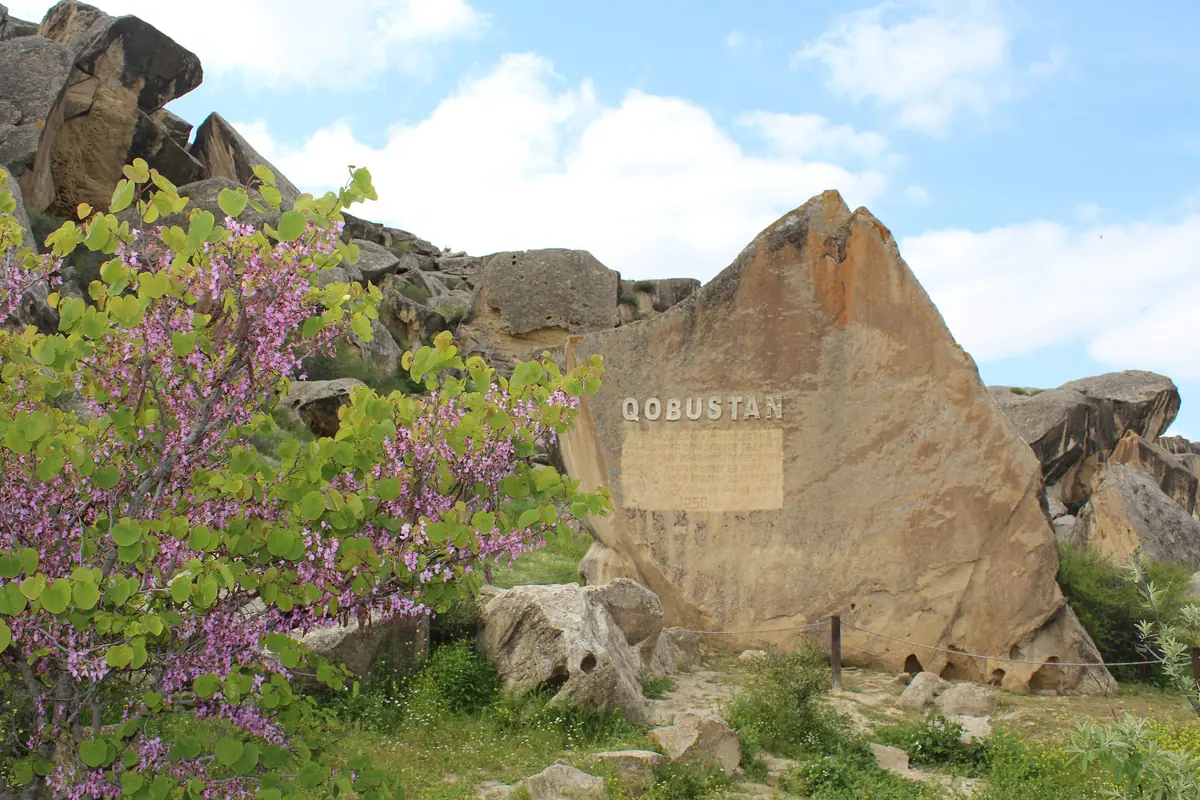
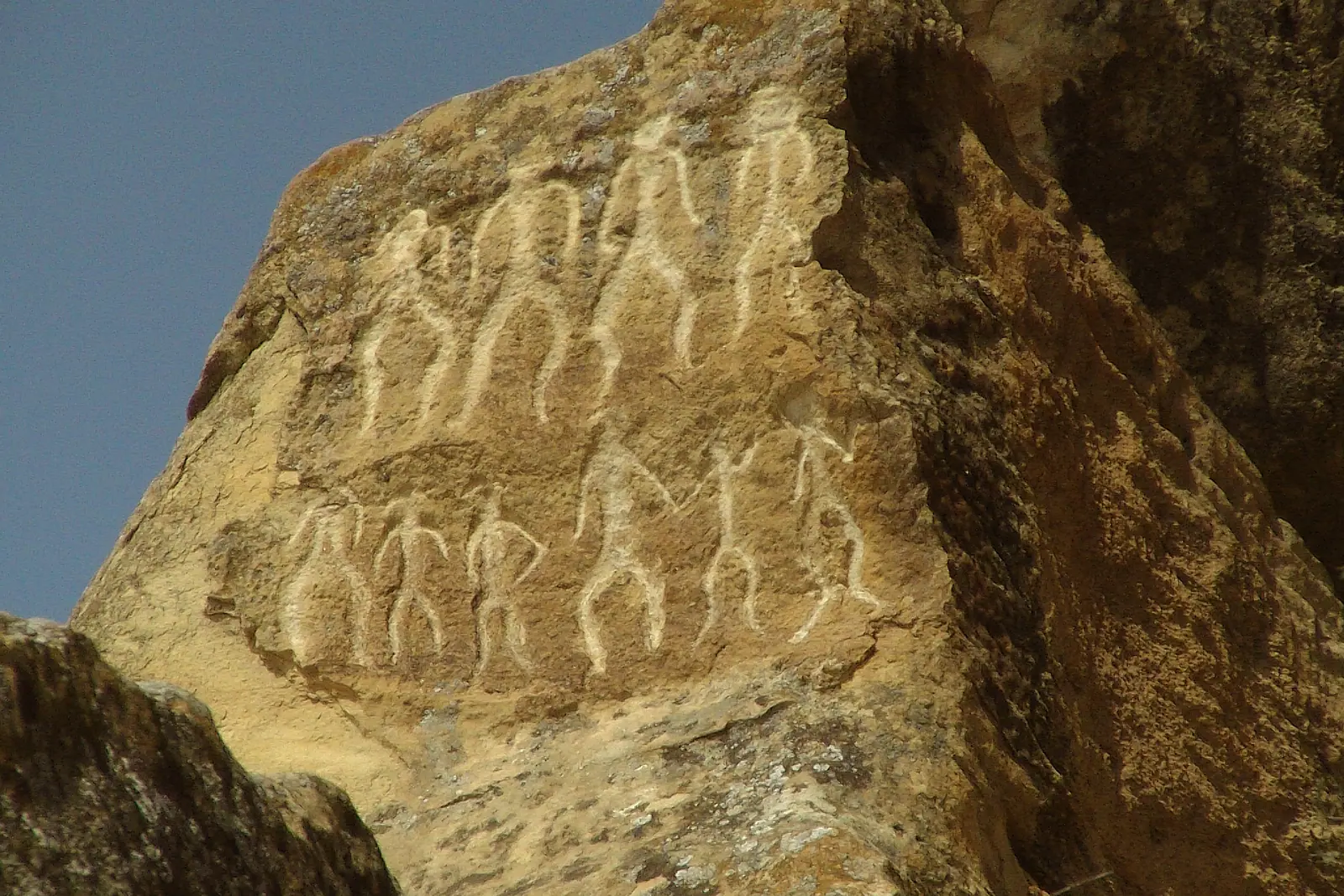
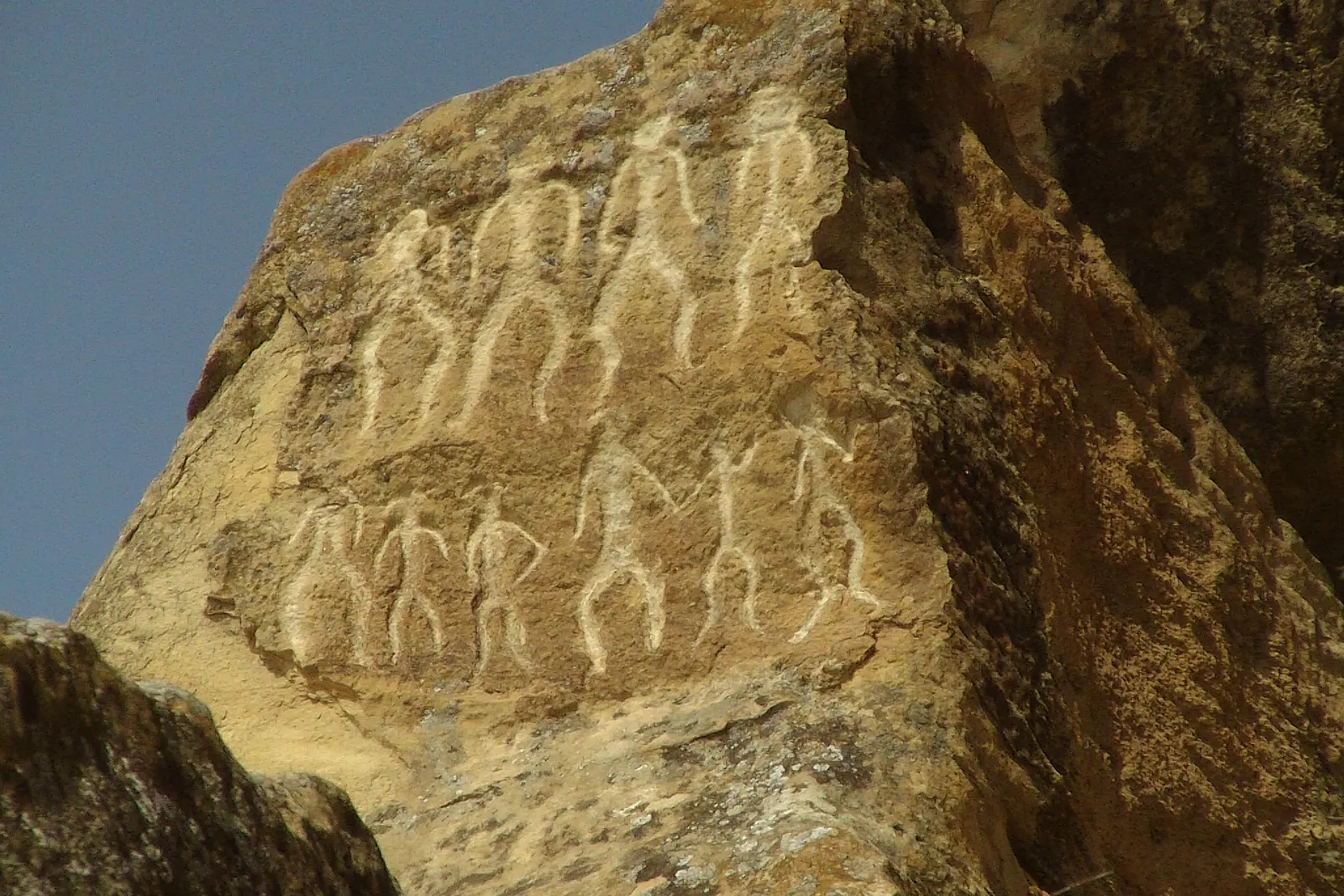
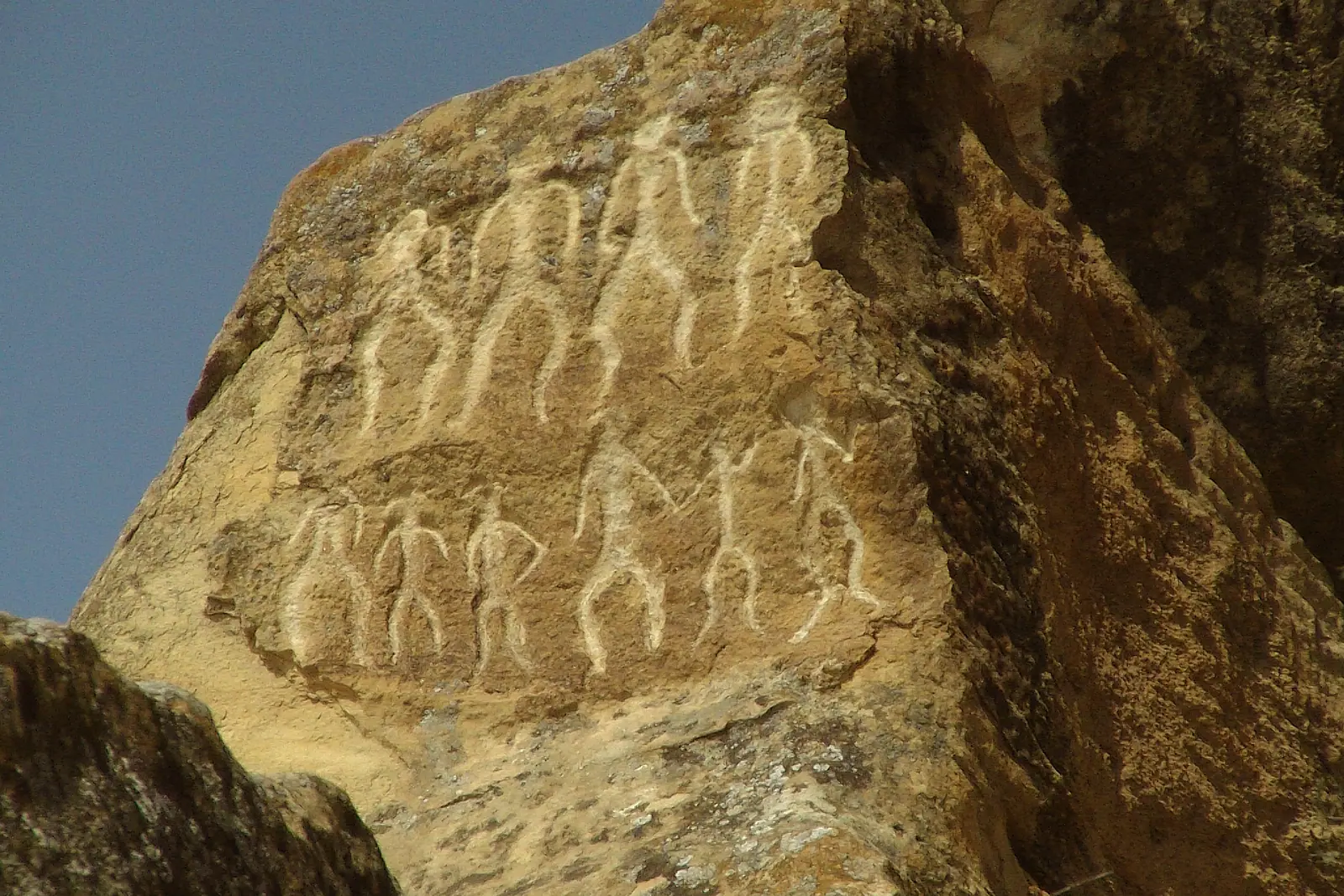
Give yourself two extra days for the Absheron day trips: Gobustan National Park, an hour southwest, where thousands of petroglyphs and bubbling mud volcanoes sit on the same bare plateau, and the fire temple at Surakhany with its eternal flame. Add Yanar Dag, a hillside that has burned continuously for decades, on the drive back. All three are half-day outings and all three are far pleasanter before the summer heat sets in.
Spring also means wind and occasional sharp showers, so pack a light waterproof and something windproof. The upside is that hotel rates in the Old City and along the seaside boulevard soften noticeably in the weeks after Novruz and before mid-June.
Summer: Caspian Beaches, Mountain Escapes and Early Starts
July and August are the months to leave Baku rather than stay. The capital becomes a hot, humid bowl, and sightseeing is best done before 9am or after 6pm — the Heydar Aliyev Center, the Carpet Museum shaped like a curling wave and the tree-lined Baku Boulevard all come into their own at dusk, when locals promenade until midnight.
Escape routes are plentiful. The Caspian beaches at Novkhani, Buzovna and the northern coast are at their warmest in July and August, and the beach clubs fill on weekends. Four to five hours northwest, Gabala offers cable cars up Tufandag, cool pine air and riverside restaurants; a little further, Sheki sits among forested foothills that rarely top 30°C.
Summer is also the best window for the southern subtropics. Lankaran and Astara, near the Iranian border, are humid, green and full of tea plantations, citrus groves and the birdlife of Hirkan National Park. Inland, Nakhchivan bakes — skip it in August unless you like dry, blazing heat.
Book mountain accommodation for weekends well in advance, and consider weekday stays for better availability and quieter trails.
Autumn: Harvest Light and the Northwest at Its Best
September and October are when Azerbaijan photographs best. The haze lifts, the light turns amber, and temperatures settle into the low twenties — ideal for long days of walking through Sheki, Ganja and the northern villages.
Sheki is the star of the season. The Sheki Khan's Palace is a small masterpiece of stained-glass shebeke windows and mirrored interiors, and the surrounding caravanserai quarter, silk workshops and sweet halva shops are made for slow afternoons. Nearby, the mountain village of Kish and the old Albanian church make an easy half-day.
Further west, Ganja pairs the Nizami Mausoleum and its avenue of poets with the Bottle House and lively bazaar streets, while Lake Göygöl — a deep, green crater lake ringed by forest about 20 km outside the city — is at its most beautiful as the leaves turn.
October and early November bring the pomegranate harvest around Goychay and the persimmon season in the south, with markets overflowing. Rain becomes more likely toward late November, especially in Baku, where the wind returns with a vengeance.
Autumn is also the last comfortable stretch for the high villages. Khinalug, perched above 2,300 m in the Greater Caucasus, is reachable on clear days into October before snow closes the access road.
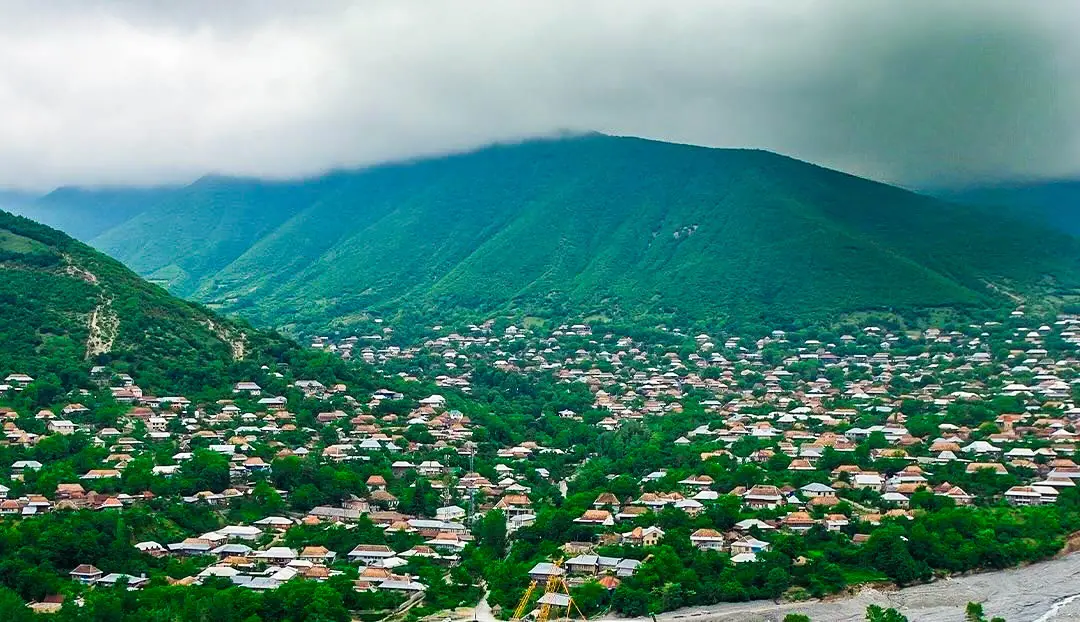
Winter: Ski Slopes, Museums and Cosy Old-City Rooms
Winter in Azerbaijan splits into two very different holidays. In Baku, December to February means grey skies, short days and a raw Caspian wind — but also empty attractions, low hotel rates and the pleasure of ducking from a stone-walled boutique room into a caravanserai tea house. This is the season for the city's museums and for the carpet-weaving displays along the boulevard.
The mountains are the other half of the story. Shahdag, near Qusar in the far north, and Tufandag above Gabala both run proper ski operations from roughly mid-December to late March, with groomed runs, rental gear and hotels built right at the base. Snow conditions vary year to year, but January and February are the safest bets.
Winter is also the season for Azerbaijan's odder attractions: the naphthalene-rich oil springs around Naftalan, long used for medicinal bathing, and the steam rising off the geothermal pools of the southern lowlands. Pack proper boots and a windproof shell — the wind chill on the Absheron Peninsula is no joke.
Note that some rural roads, including the climb to Khinalug and parts of the Quba highlands, can close after heavy snow. Build flexibility into any winter itinerary beyond the main highways.
Booking Your Hotel: Timing, Bases and Local Holidays
Where you stay depends on how you want to spend your days. The Old City rewards anyone who wants to wake up inside the walls — small stone guesthouses and courtyard hotels sit within metres of the Maiden Tower and the Shirvanshahs' Palace. Around Fountain Square and Nizami Street you get restaurants, bars and late-night bustle. Along the Caspian boulevard, business-style hotels trade character for sea views and easy airport access.
Timing matters more than location in a few specific windows. Novruz in late March empties hotel shelves nationwide. The Azerbaijan Grand Prix turns central Baku into a street circuit, closing roads and spiking rates — check the race dates before you fix your travel dates. New Year and the first week of January are also busy, and summer weekends in Gabala and Shahdag fill fast with local families.
Outside those peaks, the shoulder seasons are kind: book two to four weeks ahead for Baku, and a little longer for mountain lodges, caravanserai-style stays in Sheki or family homestays in Quba and Lankaran.
A sensible shape for a first trip: four or five nights in Baku with day trips to Gobustan, Yanar Dag and the fire temple, then three or four nights in the northwest covering Sheki and Gabala, adding Ganja or Lankaran if you have a full week and a half.
Frequently asked questions
What is the best month to visit Azerbaijan?
April, May, September and October are the most comfortable months for sightseeing, with mild temperatures, manageable crowds and the best light. Late March is spectacular for Novruz celebrations but very busy for hotels.
Is Baku worth visiting in winter?
Yes. Winters are mild by regional standards — roughly 3–8°C — and the city's museums, Old City caravanserais and tea houses are far quieter and cheaper than in summer. Expect strong Caspian winds and bring a proper coat.
Can you ski in Azerbaijan?
Yes. Shahdag in the far north and Tufandag above Gabala both offer ski runs, rentals and slope-side lodging from around mid-December to late March, with January and February the most reliable months for snow.
When should I book hotels in Azerbaijan?
Book well ahead for Novruz in late March, the Grand Prix street race in Baku, New Year week, and summer weekends in Gabala or Shahdag. At other times, two to four weeks' notice is usually plenty for Baku, and a little more for mountain lodges.
How many days do you need in Azerbaijan?
Five days covers Baku and the Absheron day trips comfortably. Allow eight to ten days to add Sheki, Gabala and Ganja, or longer if you want the southern subtropics around Lankaran or the high villages of the Greater Caucasus.
Plan it — hotels in Azerbaijan
Live search, booked directly with trusted providers.
Sort the rest of your trip
Everything for Azerbaijan, in one place
Transfer in Azerbaijan
Private driver waiting on arrival — no queues, no surprises.
Book a transfer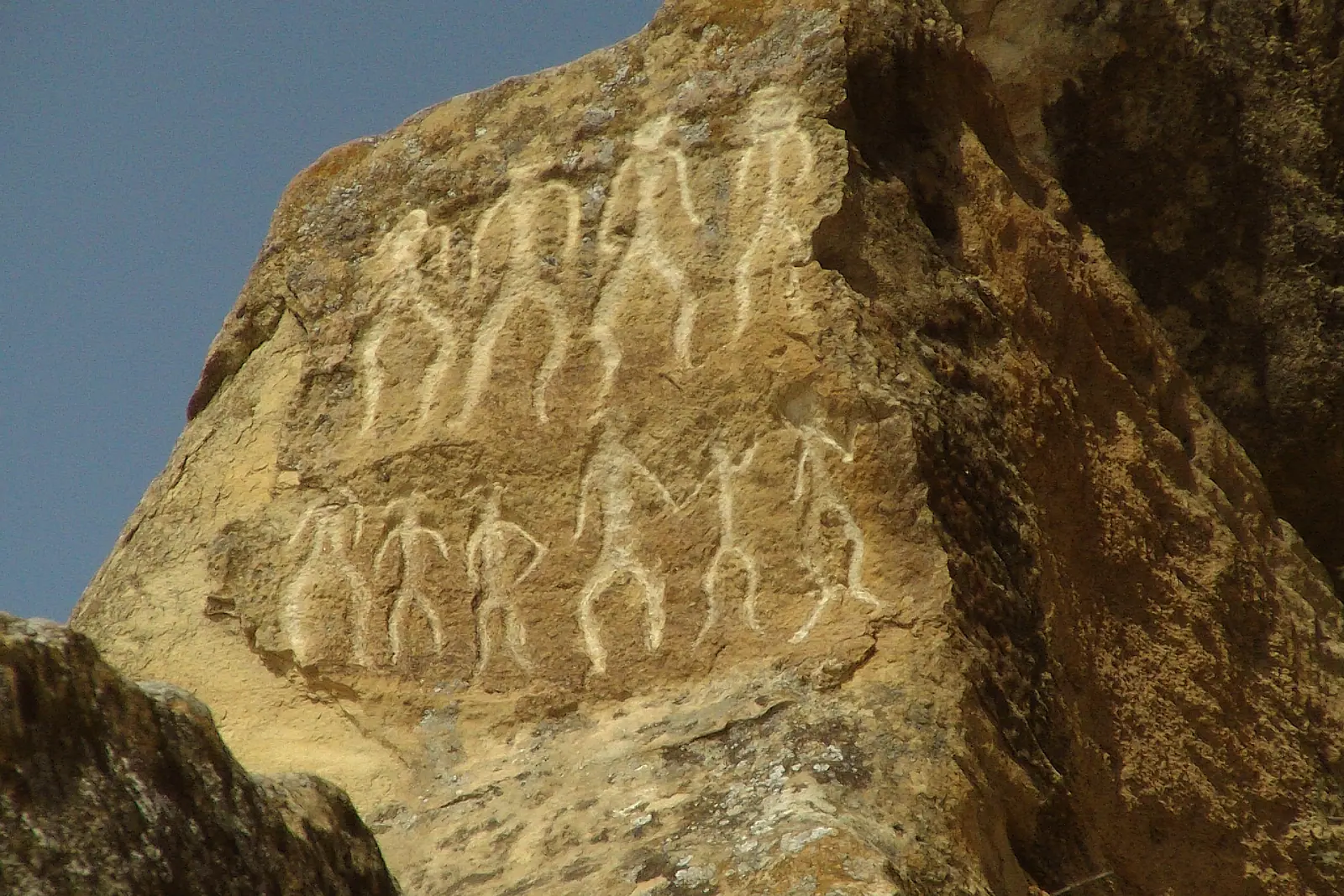
Things to do in Azerbaijan
Skip-the-line tickets, guided tours and standout experiences.
See experiences
Stay online in Azerbaijan
Travel eSIM — data the moment you land, no roaming bills.
Get an eSIMMore guides in Azerbaijan
Top Things to Do in Azerbaijan: Landmarks, Fire Temples and Mountain Villages
Best Places to Visit in Azerbaijan: Baku, Sheki, Gobustan and the High Caucasus
Hotels in Azerbaijan: Where to Stay in Baku, Sheki and the Caucasus