Azerbaijan compresses Caspian beaches, semi-desert badlands, silk-road caravanserais and snow-creased mountain villages into a country you can cross in a single long day of driving — and the places you sleep change as dramatically as the landscape. Choosing the right base is the difference between a trip of bland city rooms and one where you wake up inside a stone caravanserai or above a valley of apple orchards.
Azerbaijan by Region: Choosing the Right Place to Sleep
The country divides into a handful of genuinely different overnight experiences. Baku and the Absheron Peninsula deliver polished high-rise hotels, design boutique rooms inside the walled old city and apartment-style stays in the newer White City district. The north-west holds Sheki and Ganja, where restored caravanserais and merchant houses have become small hotels. The Greater Caucasus, running up toward Quba, Qusar and Gabala, is guesthouse and mountain-lodge country, while the humid south around Lankaran trades on tea plantations, forest and hot springs. Far to the west, the Nakhchivan exclave is reached by air from Baku and rewards a night or two with its own mausoleums and cave shrines.
Distances are modest but roads are slow. Baku to Sheki runs roughly 300 kilometres, or four and a half to five and a half hours depending on traffic leaving the capital; Baku to Gabala is shorter, around three hours. Modern express trains link Baku with Ganja in about four hours, with westward services continuing on the same corridor, which makes a car-free loop between the capital and the silk-road towns surprisingly easy. April to June and September to October are the sweet spots for comfortable temperatures everywhere; July and August push Baku past 35°C with strong Caspian winds, while December to March blankets Quba, Gabala and Shahdag in reliable snow and turns them into ski and fireplace territory.
Baku and the Absheron Peninsula: Old-City Boutiques and Seaside Towers
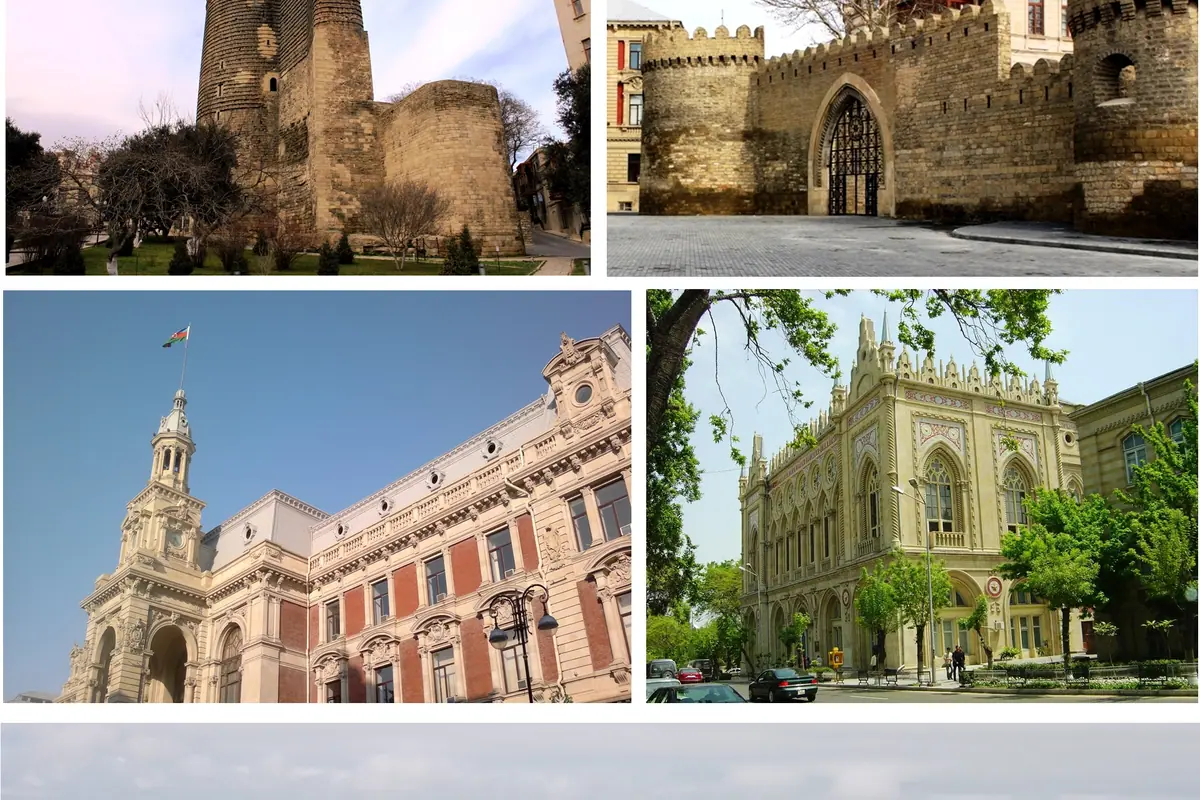
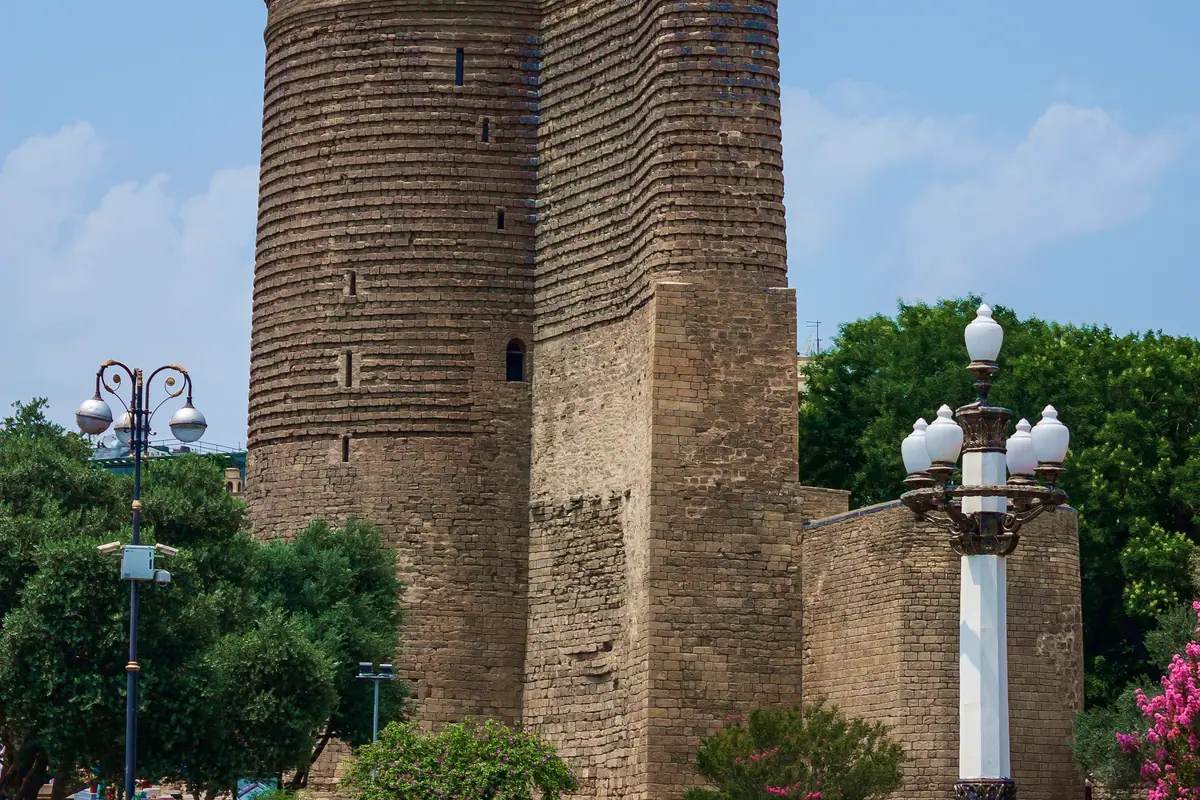
Baku rewards a split stay. Spend one or two nights inside Icherisheher, the walled medieval core, where narrow lanes thread between the Maiden Tower, the Palace of the Shirvanshahs and caravanserai courtyards converted into intimate hotels with thick stone walls and courtyard breakfasts. Then move to the seaside boulevard strip along Neftchilar Avenue for the full panorama of glass towers, rooftop pools and Caspian views, or to the streets around Fountain Square and pedestrian Nizami Street for mid-range rooms within walking distance of cafés, tea houses and the best people-watching in the country.
The city's headline sights sit within a short drive of any of these bases. The Heydar Aliyev Center, an unbroken white wave of a building, is the architectural showstopper; the Carpet Museum, shaped like a half-rolled rug on the boulevard, pairs well with a waterfront walk; and Highland Park gives you the postcard view over the bay and the trio of flame-shaped towers that light up after dark. Give Baku a full two days before adding the peninsula.
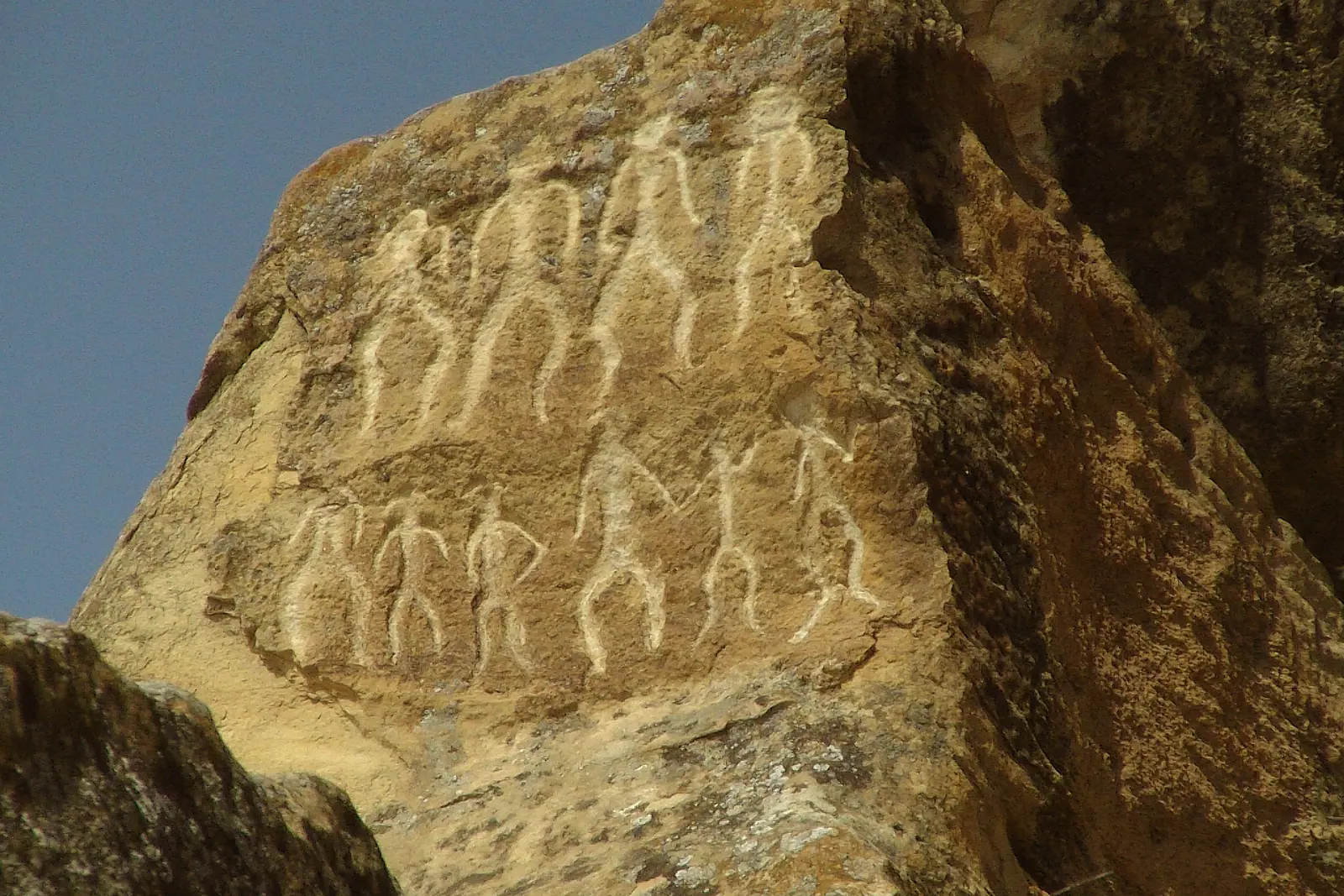
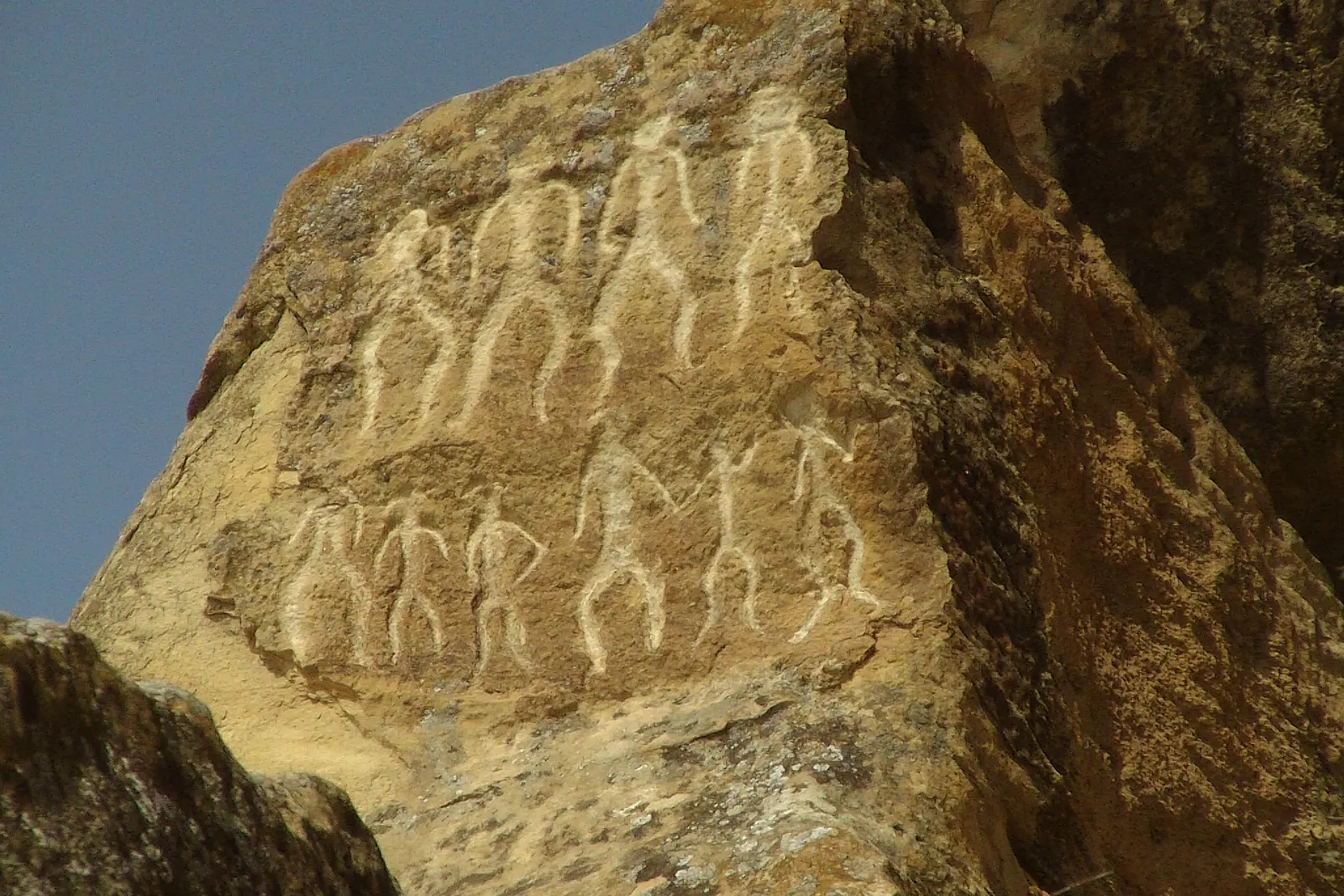
Beyond the city, the Absheron Peninsula is where Azerbaijan gets strange and unforgettable. Ateshgah, a fire temple complex in Surakhani, preserves altars where natural gas once fed perpetual flames, and Yanar Dag is a low hillside that still burns steadily, rain or shine. Further south-west, Gobustan National Park holds thousands of prehistoric rock engravings of hunters, boats and dances, with bubbling mud volcanoes scattered across the same reserve — a half-day trip that pairs archaeology with a landscape that looks borrowed from another planet.
Sheki, Ganja and the Silk Road North-West
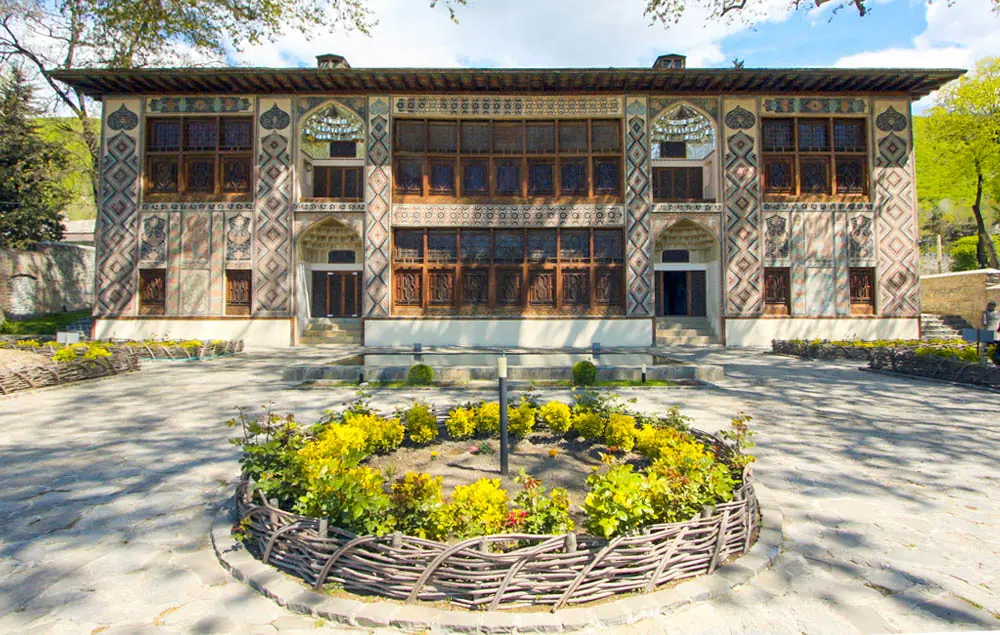
Sheki is the most atmospheric overnight stop outside Baku. The town's centrepiece is the Palace of the Sheki Khans, a riot of painted ceilings, mirrored niches and shebeke stained-glass windows assembled without nails, set inside a walled garden. Two merchant caravanserais flank the old bazaar nearby, and both have been adapted into hotels where you sleep in vaulted stone cells around a courtyard — the closest thing in the country to bedding down on the historic silk route. Mornings here mean fresh bread, honey and the town's famous halva, sold from stalls a few minutes' walk from the khan's palace.
Ganja, Azerbaijan's second city, is worth a night on the way. Its Nizami Mausoleum, a tall ribbed monument to the celebrated poet, anchors a leafy park, while the Shah Abbas Mosque, the curious Bottle House built entirely of embedded glass containers and the remains of old bathhouses give the centre a lived-in, unhurried feel. From Ganja, Goygol Lake sits an hour away in a national park of beech forest and deep blue water, born of a landslide-triggered earthquake and easily combined with a stop at the copper-working village of Lahij or the ancient Albanian church at Kish on the way back toward Sheki.
Mountain Lodges of the Greater Caucasus: Quba, Khinalug and Gabala
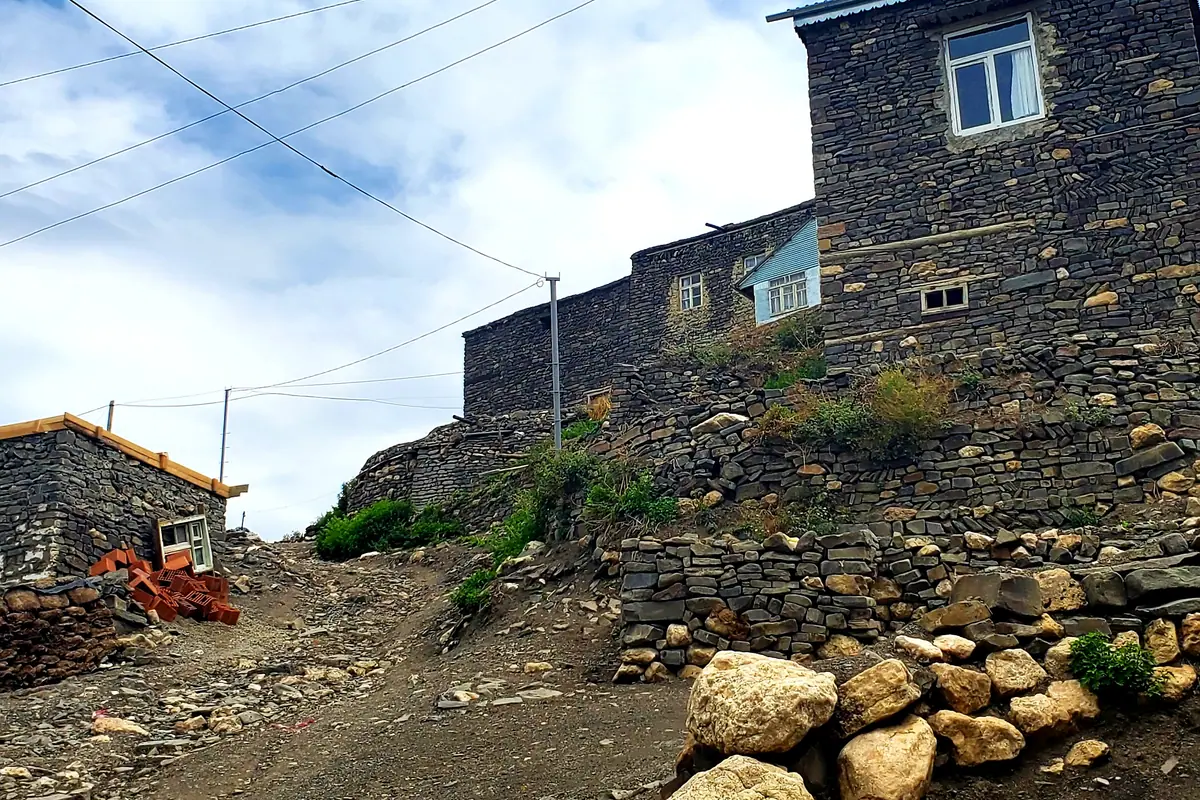
North of Baku the road climbs into the Greater Caucasus, and with it the accommodation shifts to wooden balconies, orchard gardens and family-run guesthouses. Quba is the gateway: a tidy town of low houses along the Qudyal river, surrounded by apple and hazelnut orchards, with the neighbouring Red Village preserving a centuries-old mountain Jewish community and its synagogues. East of town, the road deteriorates into a slow, dramatic climb to Khinalug, a stone village perched above 2,300 metres where shepherds still move with the seasons and homestays serve herb-filled qutab flatbreads beside a wood stove.
Gabala offers a softer mountain experience. The resort slopes of Tufandag are linked by a long cable car that climbs from the valley floor to ridge-line views, with hotels and chalets clustered at the base and around the town. Nearby, the village of Nij is home to the Udi people, one of the Caucasus' oldest surviving communities, with a church and a handful of simple guesthouses. Book mountain accommodation well ahead for weekends and the winter ski season; outside July and August, evenings at these altitudes turn genuinely cold, so ask about heating before you commit to a cheap room.
The Subtropical South and Naftalan's Oil-Bath Sanatoriums
South-east of Baku, the climate turns humid and green. Lankaran sits among tea plantations and citrus groves, with the Talysh mountains rising behind it and Hirkan National Park protecting a relict forest of ironwood trees found almost nowhere else. Guesthouses here specialise in slow evenings of grilled fish, rice-stuffed dolma and endless glasses of tea poured into pear-shaped armudu glasses, served with sour cherry or white cherry jam instead of sugar. Inland, the village of Lerik has long been associated with remarkable longevity, and its small museum and mountain air make a quiet overnight detour.
Two very different kinds of healing stay round out the country. Naftalan, in the western lowlands, is built around a single resource: a thick, naphthalene-rich crude oil used in supervised bath treatments for joint and skin complaints, with sanatoriums where guests check in for week-long courses rather than single nights. Far to the west, the Nakhchivan exclave is reached by a short flight from Baku and feels like a separate country, with the brick Momine Khatun Mausoleum, the cave shrine of Ashabi-Kahf and the hillside tomb attributed to Noah among its landmarks — a two-night stay is plenty and rarely crowded.
Practical Wisdom: Seasons, Trains and What to Expect at Check-In
Timing shapes everything. Late April through mid-June is the most rewarding window: Absheron is warm without being punishing, the Caucasus passes are open and the tea terraces around Lankaran are at their greenest. September and October bring pomegranates, hazelnuts and grape harvests, plus clear light for Gobustan and Sheki. High summer is best spent in the mountains rather than Baku, and winter belongs to the ski slopes and to Naftalan's indoor spa routines. Whatever the season, pack layers — the temperature difference between the Caspian shore and a mountain village an hour's drive inland can exceed fifteen degrees in a single afternoon.
Practicalities are straightforward. Most nationalities can obtain an electronic visa before travel, and hotels in Baku are used to registering foreign guests with the migration service, which matters for stays beyond fifteen days. Azerbaijani is the official language; Russian is widely understood, and English is common in Baku hotels and among younger staff elsewhere, though a translated address for your driver is always useful. Tipping is appreciated but not obligatory, cash in the local manat helps in villages and bazaars, and shoes come off at the door in many homes. Book Baku and the mountain resorts early for public holidays, and treat the caravanserais of Sheki as the one stay you genuinely should not skip.
Frequently asked questions
What is the best time of year to visit Azerbaijan?
April to June and September to October suit almost every region, with mild temperatures in Baku, open mountain roads and good conditions for Gobustan, Sheki and the Absheron fire sites. July and August are hot and windy on the Caspian but ideal in Gabala, Quba and Shahdag, while December to March is ski season in the Greater Caucasus and spa season in Naftalan.
How many days do I need in Azerbaijan?
Four to five days covers Baku, Icherisheher and the Absheron Peninsula including Gobustan. Seven to ten days lets you add Sheki, Ganja and Goygol, or a mountain stay in Gabala or Quba with Khinalug. Two weeks allows the subtropical south around Lankaran and a short flight to Nakhchivan.
Can I stay in a historic caravanserai?
Yes. The two merchant caravanserais in Sheki's old bazaar have been converted into hotels with vaulted rooms arranged around stone courtyards, and several places inside Baku's walled old city occupy restored merchant buildings. They fill quickly in spring and autumn, so reserve well in advance.
Do I need a visa to visit Azerbaijan?
Many nationalities can apply for an electronic visa online before departure, and some travellers can obtain one on arrival at Baku's airport. Rules change, so confirm your own eligibility before booking. If you stay longer than fifteen days, registration with the migration service is required — hotels normally handle this for their guests.
Is it easy to travel outside Baku without speaking Azerbaijani?
Express trains and intercity buses link Baku with Ganja and the western towns, and private drivers can be hired for day trips anywhere. English is common in Baku hotels but thinner in villages; downloading offline maps, having your destination written in Azerbaijani or Russian, and booking guesthouses in advance makes everything much smoother.
Plan it — hotels in Azerbaijan
Live search, booked directly with trusted providers.
Sort the rest of your trip
Everything for Azerbaijan, in one place
Transfer in Azerbaijan
Private driver waiting on arrival — no queues, no surprises.
Book a transfer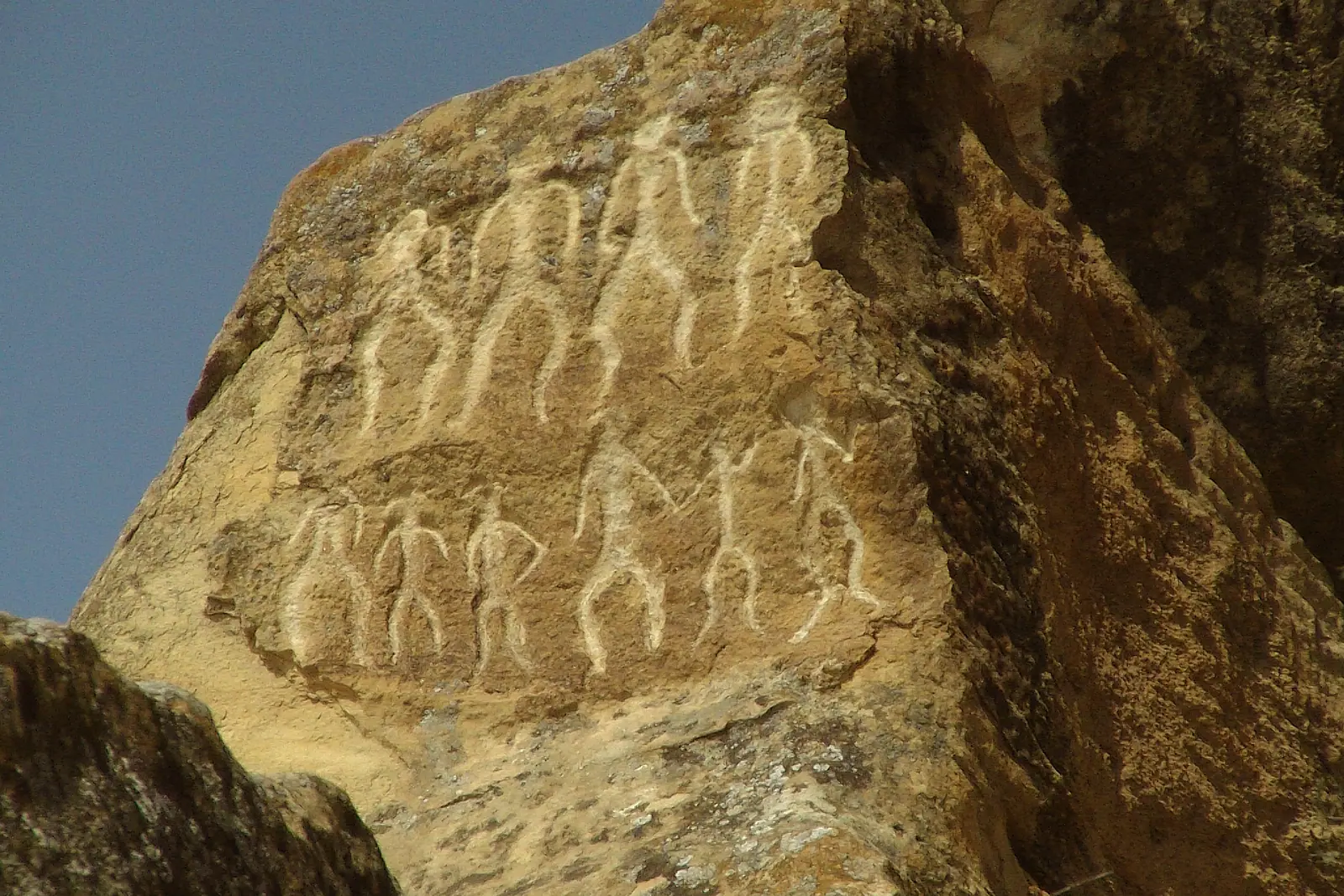
Things to do in Azerbaijan
Skip-the-line tickets, guided tours and standout experiences.
See experiences
Stay online in Azerbaijan
Travel eSIM — data the moment you land, no roaming bills.
Get an eSIMMore guides in Azerbaijan
Best Time to Visit Azerbaijan: A Season-by-Season Guide to Hotels and Sights
Top Things to Do in Azerbaijan: Landmarks, Fire Temples and Mountain Villages
Best Places to Visit in Azerbaijan: Baku, Sheki, Gobustan and the High Caucasus