Albania packs an Adriatic coastline, Ottoman-era stone towns and snowbound alpine valleys into a country you can cross in a day — but each of those worlds has its own ideal window. Choose the season with your hotel in mind, not just your sightseeing list, because on the Riviera the difference between May and August is the difference between a quiet balcony and a packed beach bar.
Albania's Seasons at a Glance
Albania sits where the Mediterranean meets the Balkans, and that geography splits the calendar in two. The coast from Vlorë down through Saranda and Ksamil behaves like a mild Mediterranean strip: dry, bright summers and short, grey winters that rarely bite. Inland, the story changes fast — Tirana bakes in July, Korça freezes in January, and the Accursed Mountains above Theth and Valbona hold snow well into spring.
That means there is no single best month, only a best month for the trip you are planning. Roughly speaking, April to June and September to October are the sweet spots for sightseeing and hotel value, July and August are peak sea-and-sun season, and November through February is city-break territory. Shoulder months also bring fewer tour groups to the big archaeological and castle sites, which genuinely changes how those places feel.
Hotels reflect this rhythm closely. Coastal properties from Dhërmi to Ksamil charge their highest rates for six to eight weeks and sometimes close entirely in winter, while city hotels in Tirana and guesthouses in Berat and Gjirokastër stay open year-round and drop rates in the quiet months.
Spring: Wildflowers, Empty Beaches and the Best Hotel Value
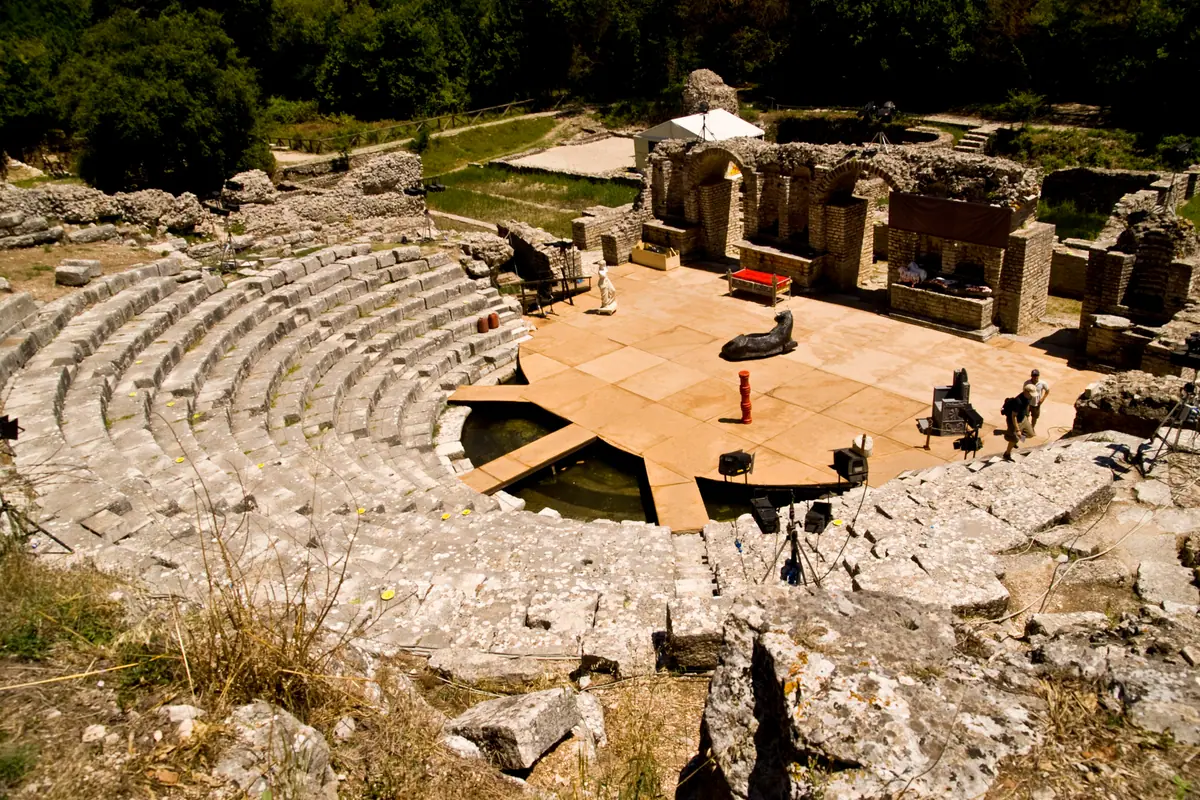
March is still cool and unpredictable, with rain sweeping across the lowlands and snow lingering on the passes. By April the country turns green and generous: almond and fruit blossom in the valleys, wildflowers along the Llogara Pass, and daytime temperatures inland that are perfect for walking around Berat's Mangalem and Gorica quarters without breaking a sweat. May is arguably Albania's single finest month for a mixed itinerary — warm enough for a short swim at the southern end of the coast, cool enough to climb to Gjirokastër Castle or wander the ruins at Butrint without wilting.
The hotel maths works out beautifully in spring. Saranda and Ksamil properties are still charging shoulder-season rates, and you can often get a sea-view room in Ksamil within walking distance of the Ksamil Islands' sandbars without competing for it. The same applies inland: a restored stone guesthouse inside the walls of Berat Castle or in Gjirokastër's old bazaar is easy to book a few weeks ahead rather than months.
Expect some trade-offs. The sea is bracing until late May, some beach bars and boat services on the Riviera are still waking up, and mountain roads toward Theth and Valbona may not open until late spring. Bring layers, and treat any sunny day as a gift rather than a guarantee.
Summer: Riviera Peak Season and How to Handle It
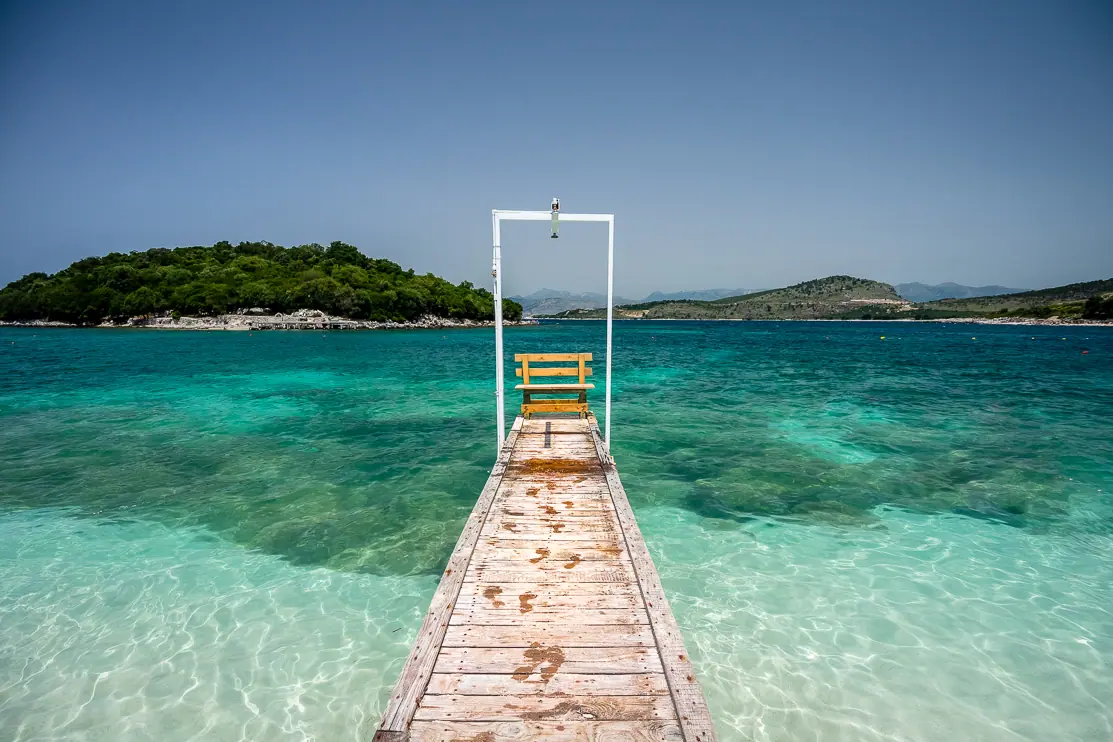
From mid-June to the end of August, Albania belongs to the sea. Water temperatures climb into the low-to-mid twenties, the Ionian turns that improbable turquoise around Ksamil and Gjipe, and Albanian families abroad return en masse in August, filling every coastal town. This is when the Albanian Riviera is at its most alive and its most crowded, and when hotel bookings need to be made weeks or months in advance, especially for the stretch between Himarë, Dhërmi and Saranda.
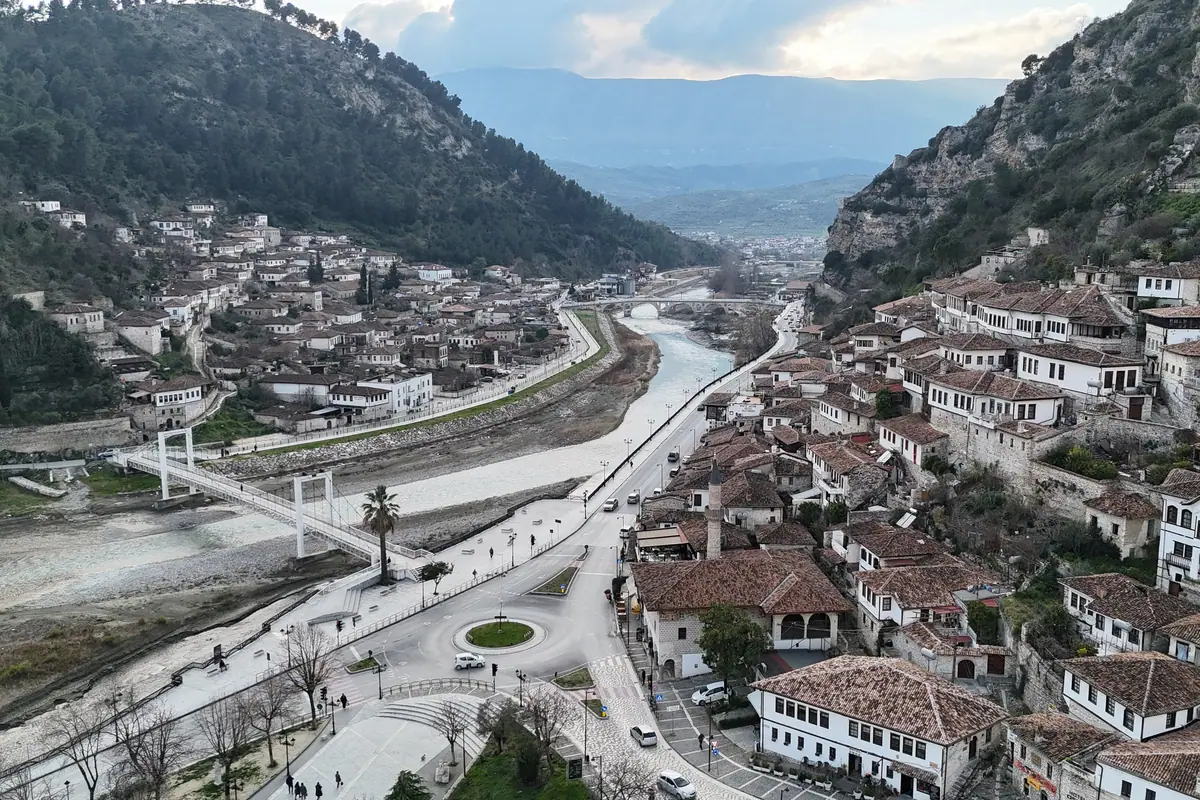
Inland, July and August are a different kind of hot. Tirana regularly pushes past 30°C, which is the perfect argument for riding the cable car up to Mount Dajti in the morning and retreating to air-conditioned museums such as the National History Museum in the afternoon. Berat and Gjirokastër are best explored at dawn or after 5pm, when the white stone houses stop radiating heat and the light turns golden on the castle walls.
Practical summer advice: drive the Llogara Pass early in the day to avoid slow traffic, book ferries and beach clubs ahead if you want a specific spot, and consider basing yourself in Saranda and day-tripping to Ksamil, Butrint and the Blue Eye Spring rather than staying in the busiest village itself. Hotels with their own parking are worth prioritising if you are renting a car.
Autumn: The Locals' Favourite Window
September is the connoisseur's month. The crowds thin out after the first week, hotel rates fall sharply, and the sea stays warm enough for long swims well into the month. You can explore the Butrint Archaeological Park in soft morning light, take a boat out to the Ksamil Islands without jostling for space, and drive the coastal road to Vlorë with the windows down. October keeps much of that warmth inland but brings more rain and shorter days, and by November the Riviera is largely shuttered.
Autumn is also harvest season in the hills, which suits Albania's inland towns beautifully. Berat and the surrounding villages press grapes and make raki, Korça holds its beer and food culture close, and Përmet's Benja thermal baths are at their most appealing as the first cold evenings arrive. Guesthouses in those areas stay open and are rarely full.
If your priority is hiking, September and early October are excellent for lower-altitude trails and for Lake Ohrid around Pogradec, while high alpine routes in the Valbona Valley close as snow returns. Pack a rain shell regardless — autumn storms on the coast can arrive quickly and dramatically.
Winter: City Breaks, Thermal Baths and Snowbound Valleys
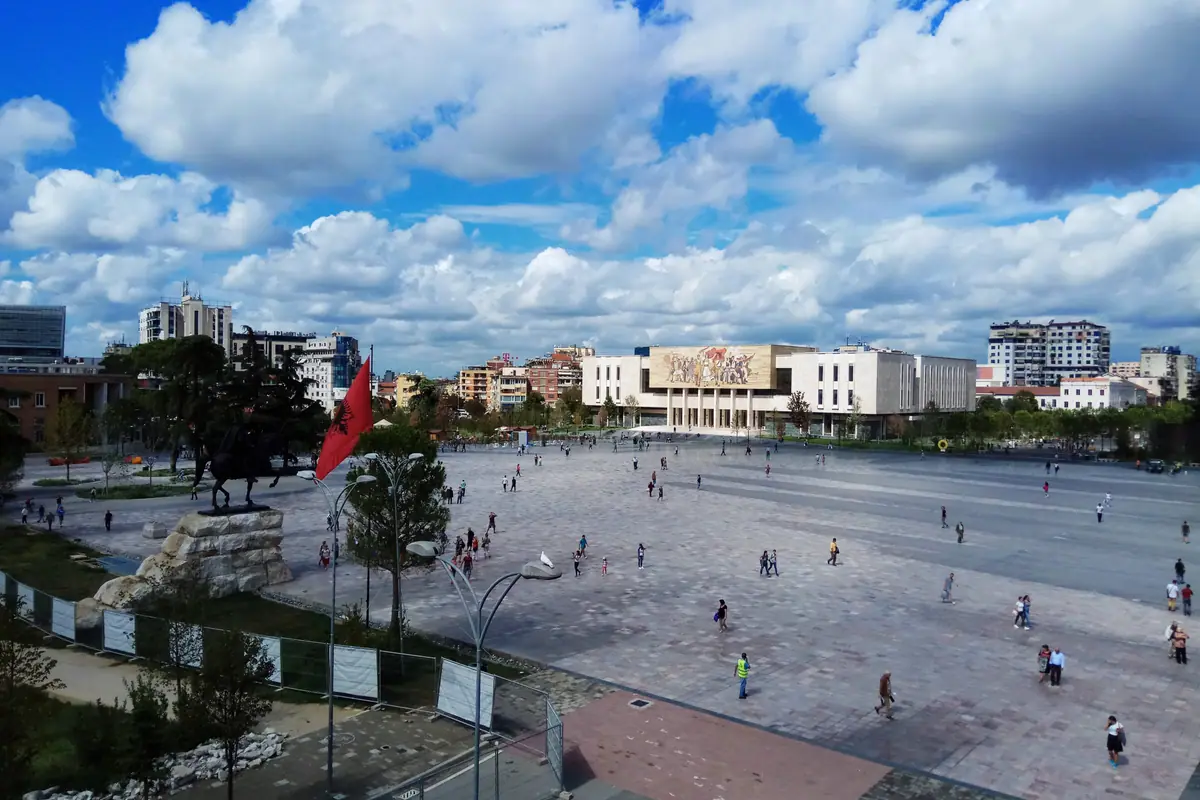
Winter in Albania is split between a mild, damp coast and a genuinely cold interior. Tirana rarely drops below freezing, making December and January comfortable for city sightseeing: Skanderbeg Square, the Et'hem Bey Mosque, the National History Museum and the colourful facades of the Blloku district are all pleasant on a crisp day, and hotel rates are at their lowest of the year. The Dajti cable car still runs on clear days, giving you snow-dusted views over the capital without the summer queues.
Head east and the mood changes. Korça, with its cobbled Old Bazaar and Resurrection Cathedral, becomes a proper winter town, with snow on the surrounding mountains and a ski area at Dardha. Gjirokastër's slate-roofed houses look their most atmospheric in the cold, and its guesthouses lean into wood fires and long, slow meals. Përmet's Benja thermal springs are at their best when steam rises off the water into freezing air.
Do not plan alpine hiking now. The Theth and Valbona valleys are snowbound, the Lake Koman ferry that links them runs only in the warmer months, and some mountain guesthouses close entirely. Coastal hotels from Dhërmi to Ksamil largely shut from November to March, so winter travellers should base themselves in Tirana, Shkodër, Berat, Gjirokastër or Korça instead.
Choosing Where to Stay, by Region and Season
Tirana works all year and makes the best winter base, with the biggest range of hotels and easy access to Krujë Castle and its bazaar just north of the city. Berat and Gjirokastër are year-round destinations whose charm is entirely in their old quarters — book a traditional stone guesthouse inside Berat Castle or in Gjirokastër's bazaar for atmosphere, and accept that steep lanes come with the territory. Shkodër, near Rozafa Castle and the gateway to the northern mountains, is a solid spring and autumn stop.
The coast demands a seasonal strategy. Saranda, Himarë and Dhërmi have the widest hotel choice from May to October, while Ksamil's cluster of small beach hotels fills fastest in July and August. Lake Ohrid's Albanian shore around Pogradec is lovely from late spring through early autumn. For the Accursed Mountains, plan for June to September, when the Valbona–Theth trail and the ferry across Lake Koman operate.
Whichever season you choose, book directly with smaller family-run properties where you can — many close for winter and reopen with fresh enthusiasm in spring, and a direct conversation often tells you more about road conditions and ferry schedules than any listing will.
Frequently asked questions
What is the best month to visit Albania overall?
May and September are the two standout months. Both offer warm, swimmable-enough seas, comfortable temperatures for visiting Berat, Gjirokastër and Butrint, and hotel rates well below the July–August peak. May is greener and quieter; September has the warmest water and the best light.
Can you swim on the Albanian Riviera in May or October?
In late May the Ionian around Saranda and Ksamil is usually cool but manageable for a quick dip, and by early June it is genuinely pleasant. October is the reverse — the first half of the month often still feels like summer, while the second half cools quickly and many beach facilities close.
When are hotels in Albania cheapest?
Rates bottom out from November to March almost everywhere except ski-season Korça and the winter holidays. Coastal hotels from Dhërmi to Ksamil often close entirely in that window, while city and inland guesthouses drop to their lowest prices of the year.
Do hotels on the Albanian coast close in winter?
Many do. Smaller beach hotels and guesthouses along the Riviera typically shut from November until April or May, and some restaurants and beach bars follow the same pattern. Saranda and Vlorë retain a few year-round options, but Tirana, Berat, Gjirokastër, Shkodër and Korça are safer winter bases.
When can you hike the Valbona to Theth trail?
The classic window is June to September, when snow has cleared from the passes and the Lake Koman ferry connecting the valleys is running. July and August are busiest; late June and early September offer the same scenery with fewer walkers and easier guesthouse availability.
Sort the rest of your trip
Everything for Albania, in one place
Transfer in Albania
Private driver waiting on arrival — no queues, no surprises.
Book a transfer
Things to do in Albania
Skip-the-line tickets, guided tours and standout experiences.
See experiences
Stay online in Albania
Travel eSIM — data the moment you land, no roaming bills.
Get an eSIM


