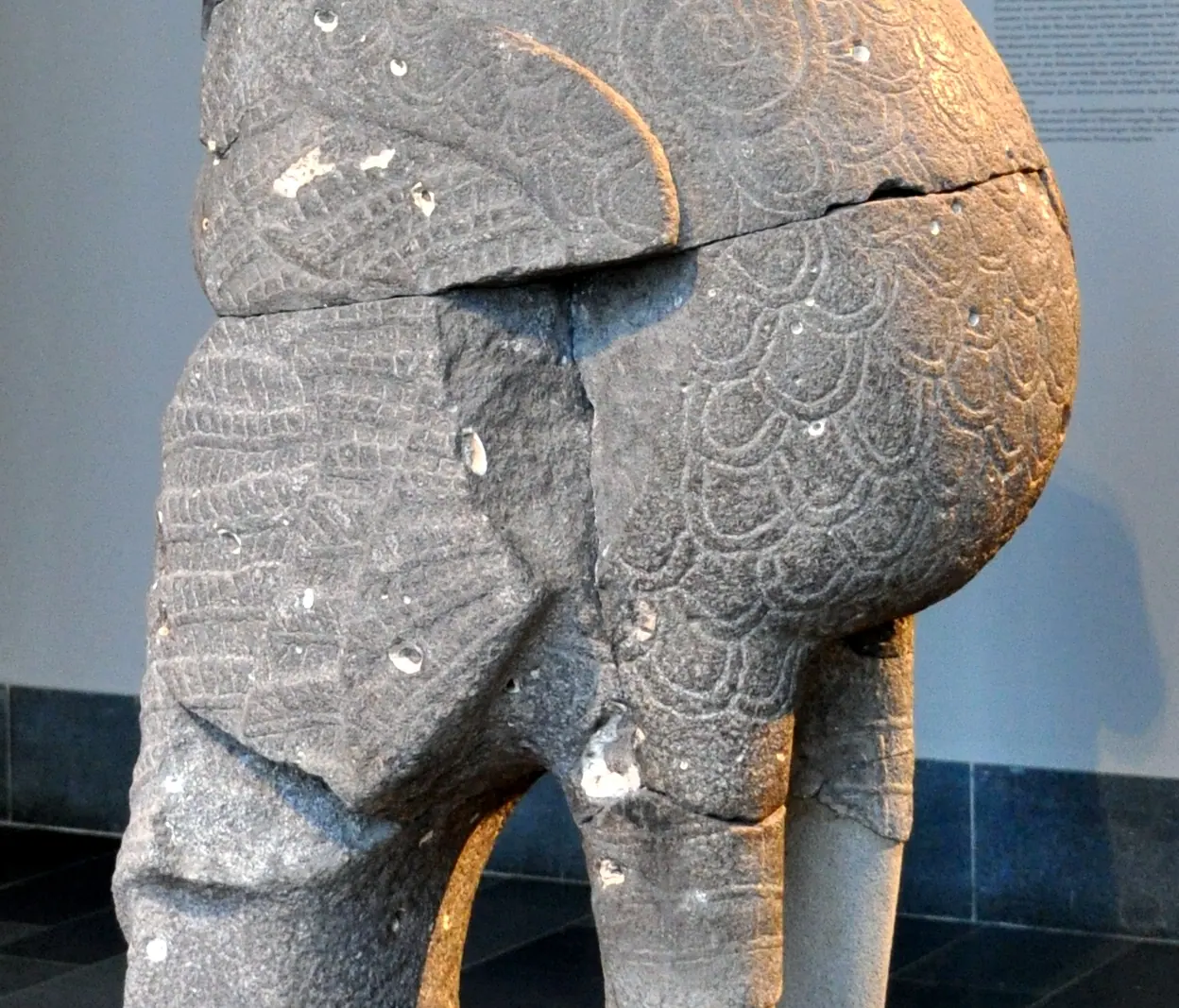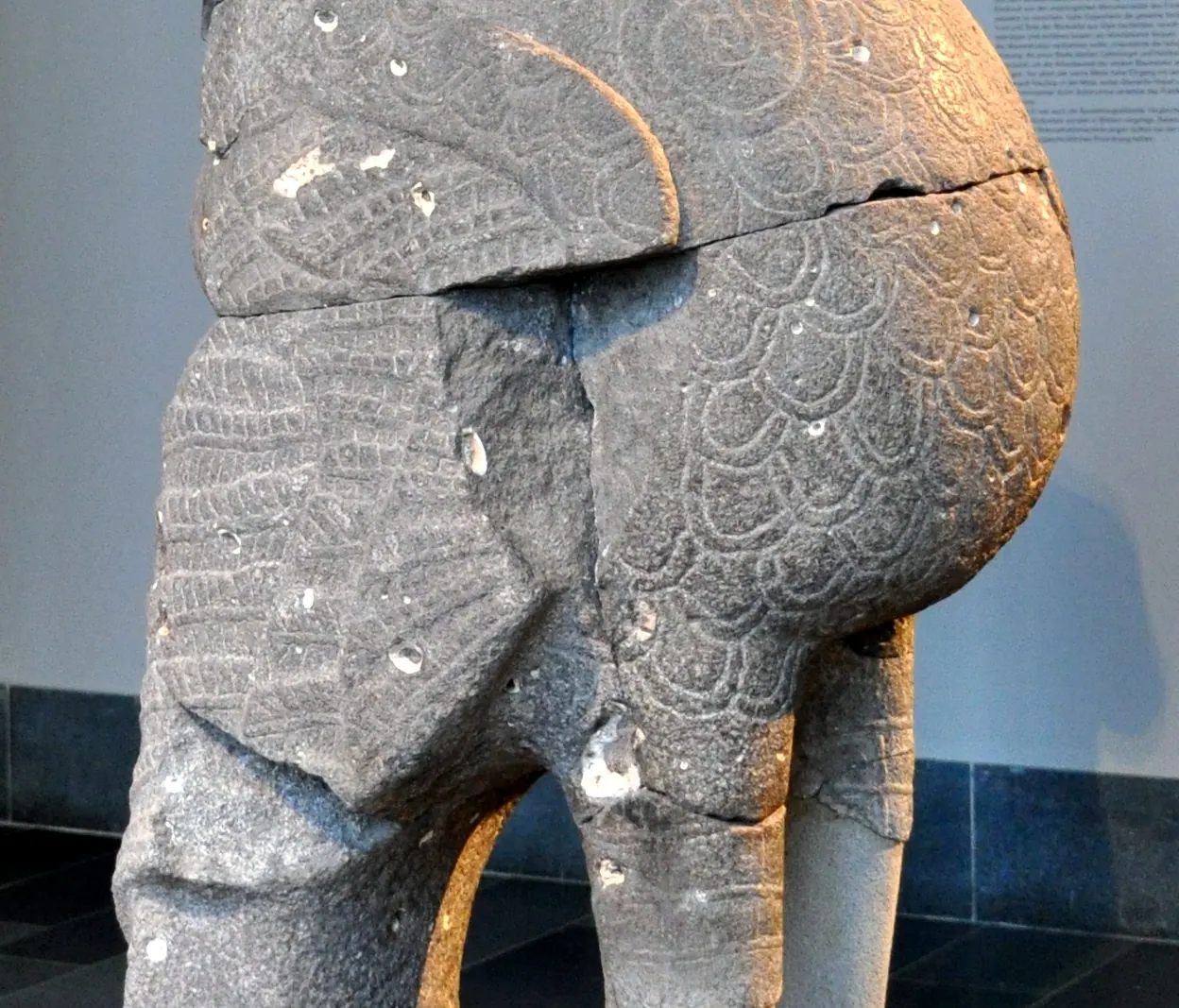
Syria holds some of the oldest and most astonishing architecture on earth, from a mosque paved in gold mosaic to a Crusader fortress that still looks ready for a siege. This is a country of covered souqs, desert columns, water wheels groaning on the Orontes and a table loaded with small dishes. What follows is a route through its essential places, with honest notes on timing, seasons and what conditions to expect.
Damascus: A Walled Old City Built for Slow Wandering
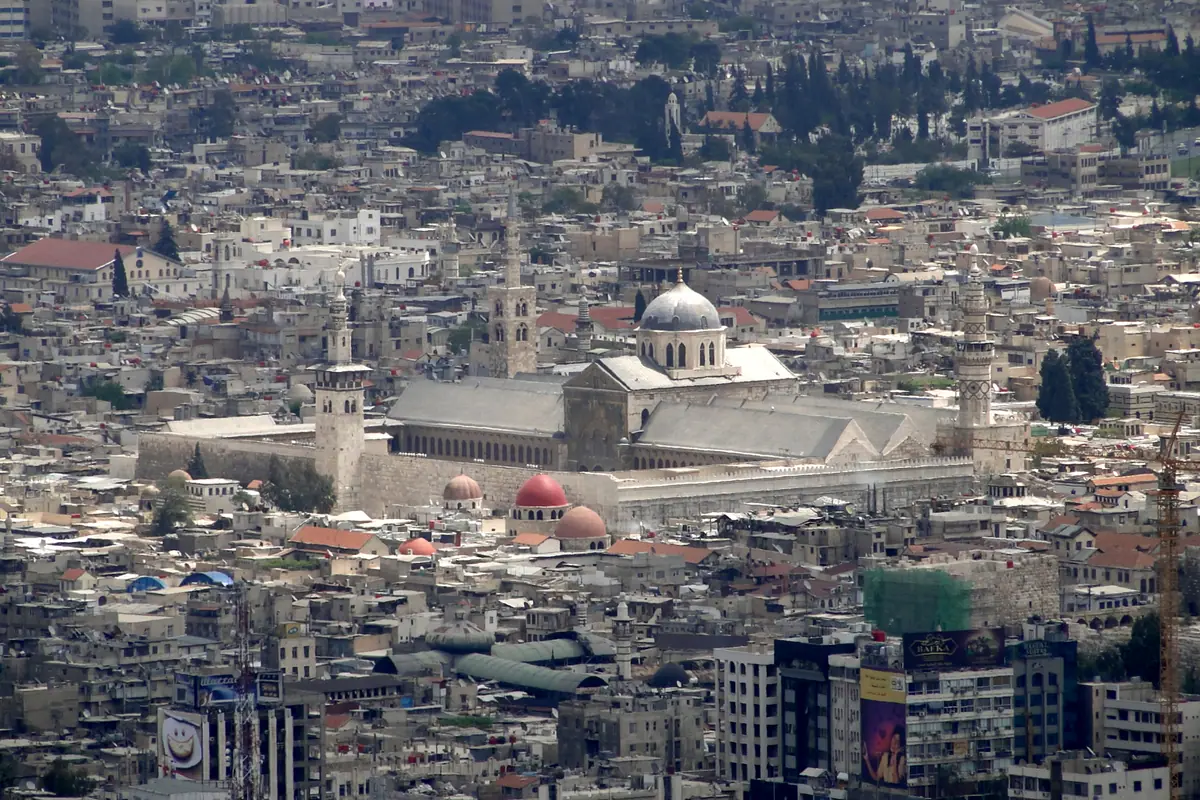
Damascus rewards the traveller who puts the map away. The Old City is compact and largely pedestrian, its basalt-and-limestone lanes opening without warning onto courtyards, workshops and tea houses. At its heart stands the Umayyad Mosque, one of the great monuments of the Islamic world: a vast marble courtyard, gilded mosaics of trees and palaces, and the shrine that draws pilgrims of two faiths. Walk out through the northern gate and you are immediately in Al-Hamidiyah Souq, a long vaulted street of sweets, brocade, spices and copper, which runs towards the Roman arch and Bab Sharqi. A few minutes off it, down a flight of steps, the tiny underground Chapel of Saint Ananias marks the house linked to the baptism of Paul.
Give yourself three unhurried days. Mornings are for the monuments, afternoons for the souqs. The Azm Palace, an 18th-century governor's residence of striped stone, courtyards and shaded iwans, is now a museum of domestic life and craft, and the Damascus Citadel's Ayyubid walls and gates are worth an hour. The National Museum of Damascus holds finds from across the country, from Bronze Age Ebla to Roman sculpture. Spice-scented Souq al-Buzuriyah is where locals buy dried flowers and herbs, and at dusk the whole city seems to tilt towards Mount Qasioun for the view over the minarets and the lights coming on below.
Day Trips from Damascus: Maaloula, Saidnaya and the Qalamoun Hills
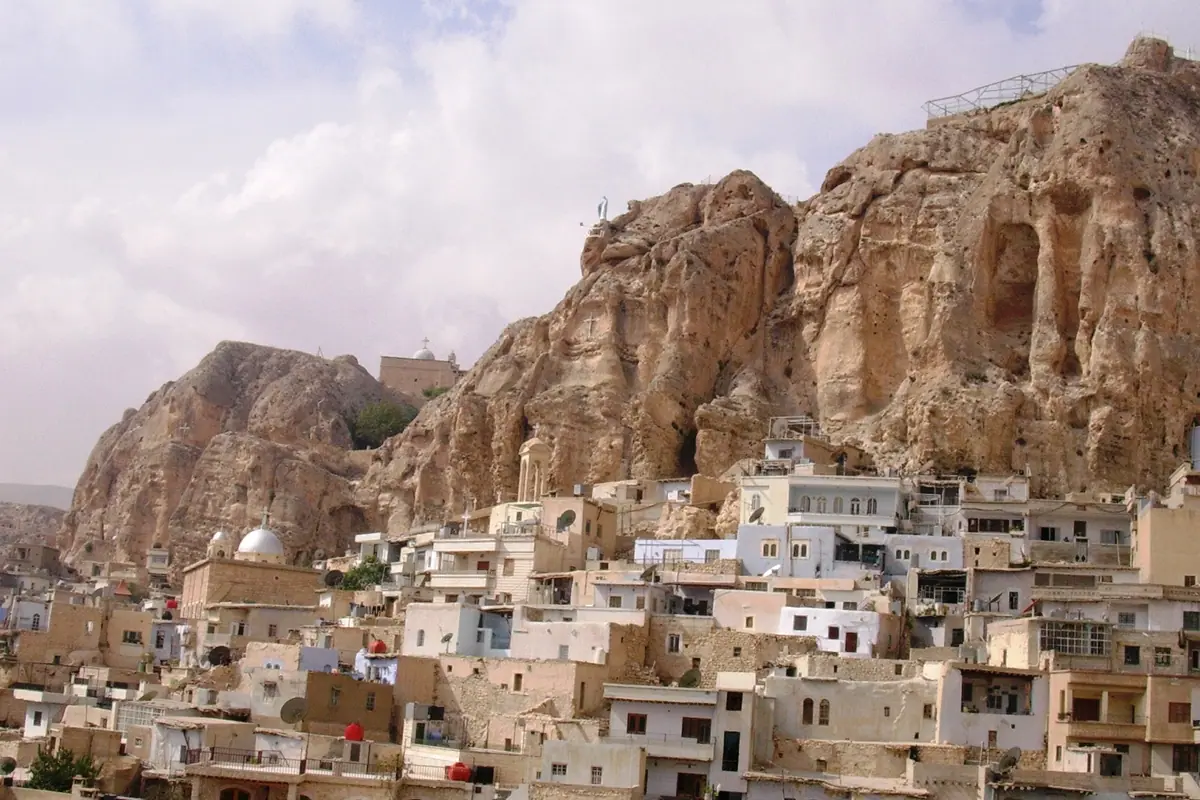
An hour north of the capital, Maaloula clings to a cliff face in a gorge, its houses stacked one above another and its churches cut into the rock. The village is one of the last places where a form of Aramaic is still spoken, and the Convent of Saint Sergius and Bacchus and the monastery of Saint Taqla are both working religious sites rather than museums. The walk up the narrow defile between the two halves of the village is the reason most people come, and the light late in the afternoon is extraordinary.
Further north, Saidnaya draws pilgrims to the Convent of Our Lady of Saidnaya, set high on a ridge with long views back towards the Anti-Lebanon. For a change of air, head west into the Qalamoun mountains to Bloudan and Zabadani, summer hill towns of orchards, cafés and cool evenings; in winter there can be snow on the slopes and the same cafés fill with people escaping the city chill, which is real in Damascus from December to February.
Aleppo: Citadel, Souq and the Stone Houses of Al-Jdayde
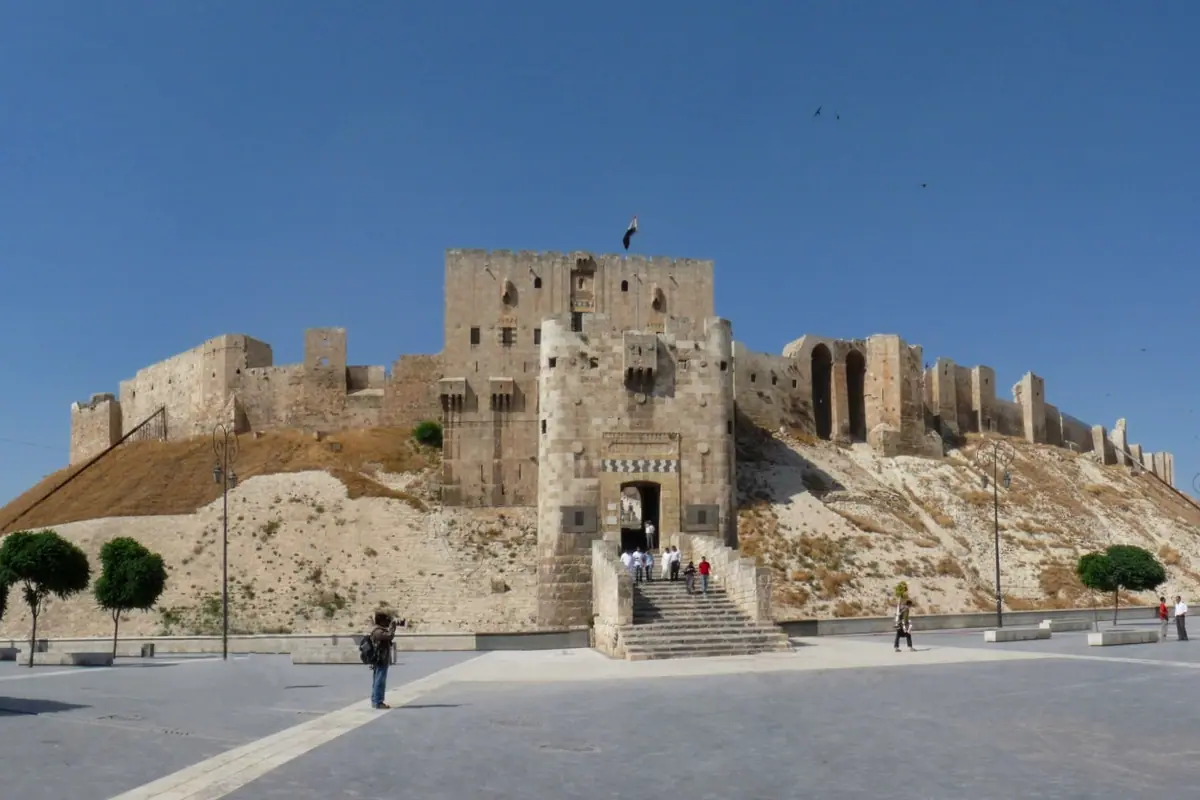
Aleppo's silhouette is dominated by its citadel, a fortified hill rising out of the middle of the city, entered across a bridge over a deep moat and through a bent Ayyubid gate that was designed to slow attackers down. Inside are vaulted halls, a mosque and a throne room, and the view from the ramparts takes in the whole sprawl of the old quarters. Below, the Great Mosque of Aleppo and the vast covered souq — kilometres of lanes lined with soap sellers, tailors, spice merchants and khans such as Khan al-Wazir — form one continuous, half-lit world that has been trading for centuries.
East of the souq lies Al-Jdayde, the old Christian and merchant quarter, where 17th- to 19th-century houses of pale stone hide courtyards, fountains and painted reception rooms behind heavy doors. Beit Ajiqbash is the classic example, now a museum of popular traditions, and the quarter's churches — Armenian, Syriac, Maronite — sit among cafés in restored houses. Aleppo is also the country's gastronomic capital: come hungry for kibbeh in every form, muhammara, and the sour-cherry kebab that locals insist you try. Two or three days is right, and the city pairs well with a loop down to Hama and Homs.
Palmyra and the Desert: Columns, Tombs and an Oasis of Palms
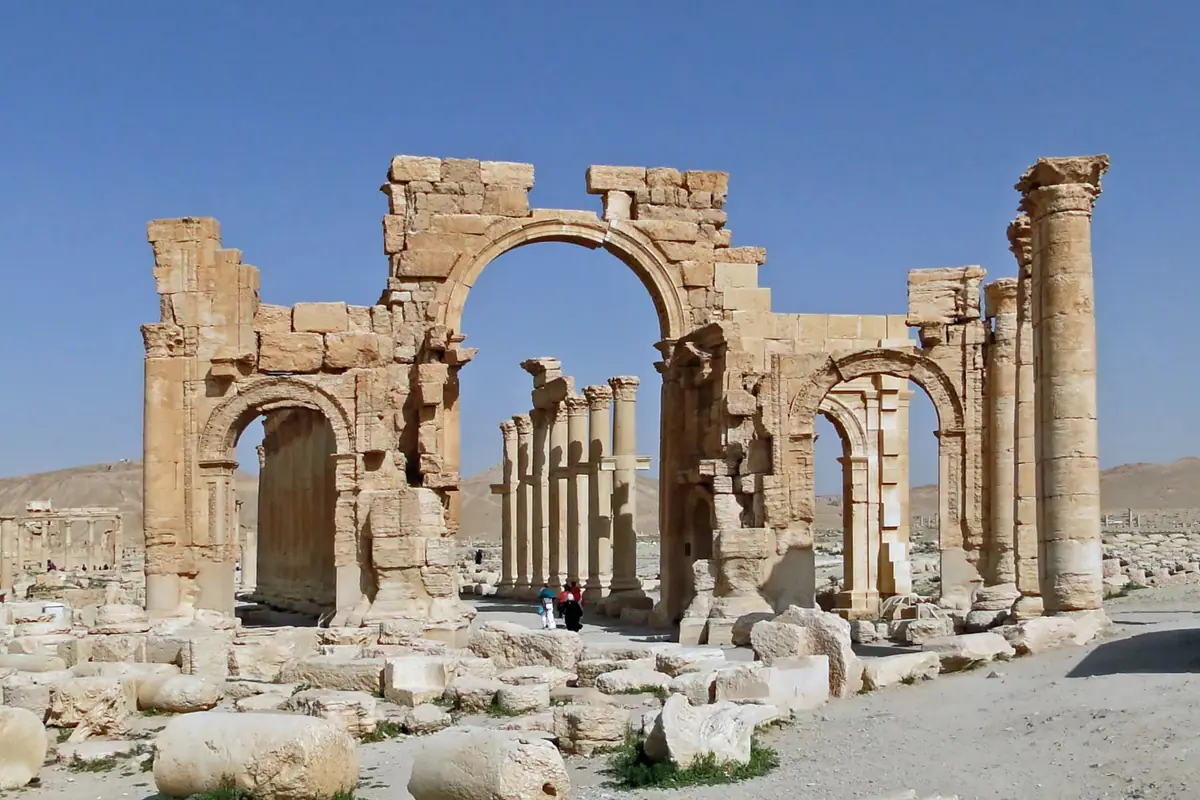
Palmyra is the image most people carry of Syria before they arrive: a mile of honey-coloured columns marching across an empty plain, with a ruined oasis town of mudbrick and palms beside it. The site is enormous. The great colonnade, the theatre, Diocletian's camp and the funerary towers of the Valley of the Tombs spread over several square kilometres, and some of the most famous structures, including the Temple of Bel, were badly damaged in the conflict, so what you see is partly archaeology and partly absence. Above it all sits the hilltop castle known as Qalaat Ibn Maan, the best spot for sunset, when the columns turn amber and the oasis below goes dark.
Practicalities matter here. Palmyra sits roughly halfway between Damascus and the Euphrates, and most visitors come on a long day trip or stay a night in the modern town of Tadmur. Spring and autumn are the only comfortable seasons; summer heat in the desert is punishing and shade almost non-existent, so start at dawn. Access to the site and the surrounding desert has fluctuated with the security situation, and it is wise to travel with a local guide who knows current conditions. If you continue east, the Euphrates brings Dura-Europos, the Bronze Age city of Mari, and the fortress of Halabiye, known as Zenobia, guarding a bend in the river.
Krak des Chevaliers, Apamea and the Byzantine Dead Cities
The castle of Krak des Chevaliers, west of Homs, is the most complete Crusader fortress anywhere, a concentric stronghold of sloping walls, round towers and a great vaulted hall whose Gothic chapel still carries faint frescoes. It is a place you can genuinely walk for two hours without exhausting, climbing from the outer ward to the top of the south tower for views across the gap in the mountains towards the coast. Saladin's castle near Latakia and the hilltop fortress of Masyaf are quieter alternatives with equally dramatic settings.
Near Hama, Apamea preserves one of the longest colonnaded streets in the Roman world, its two kilometres of twisted columns running across a plateau of thistles and wheat. Further north, the so-called Dead Cities — Serjilla, Al-Bara, Ruweiha and dozens more — are limestone villages abandoned centuries ago and never rebuilt over, leaving villas, churches, wine presses and olive crushers standing in open fields. Spring is the time to see them: the plateau turns green and flowering, and the walking is easy and cool.
Hama's Water Wheels, the Coast at Arwad and the Roman South
In Hama, the Orontes runs through the middle of town beneath a row of norias, wooden water wheels several storeys high that have been creaking and groaning since Ottoman times. They no longer irrigate much, but the sound is the sound of the city, and the riverside cafés and the small Azem Palace make Hama a good overnight between Homs and Aleppo. West of here the country turns Mediterranean: Latakia and Tartus are coastal cities of citrus groves and seafood, and from Tartus a short boat ride reaches Arwad, Syria's only inhabited island, a tight knot of fishing harbour, boatyards and a Crusader cathedral turned mosque. Inland from Latakia, the low mound of Ugarit at Ras Shamra is where one of the world's earliest alphabets was found.
In the far south, the black basalt town of Bosra holds a Roman theatre built into a fortress, one of the largest and best preserved anywhere, with tiers of seating that still swallow sound. The surrounding streets are paved in dark volcanic stone, and there are Roman baths and Nabataean remains scattered through the modern town. Nearby Shahba, ancient Philippopolis, keeps fine floor mosaics, and Sweida, at the heart of the volcanic plateau, is mate-drinking, apple-growing country with cool summers and a distinctive Druze culture. If you have a week to ten days in total, this is the arc that shows you the most: Damascus and its mountains, Homs and Hama, Aleppo, the coast, and if conditions allow, the desert and the south.
Frequently asked questions
Can you actually travel in Syria right now?
Travel is possible in parts of the country but it depends entirely on current security conditions, which change quickly and vary by region. Check your own government's latest travel advice before booking anything, expect some sites to be closed, damaged or reachable only with permission, and arrange your trip through a local guide or operator who can advise on routes and paperwork day by day. Independent, unaccompanied travel is not advisable everywhere.
What is the best time of year to visit Syria?
March to May and late September to November are the sweet spots: mild days, green hills in the north and comfortable walking at desert sites like Palmyra. Summer is genuinely hot inland, with Damascus and the desert often well above 35°C, while the coast is humid. Winter brings rain to Damascus and the coast, cold nights, and occasional snow in the mountains around Bloudan.
How many days do you need in Syria?
A week is a minimum for the classics: three days in Damascus with a day trip to Maaloula, a night in Homs or Hama, two or three days in Aleppo, and a day for Palmyra or Krak des Chevaliers. Ten days to two weeks lets you add the coast at Latakia and Arwad, Apamea and the Dead Cities, and the Roman south around Bosra and Shahba.
What should I eat and drink in Syria?
Start with breakfast: foul, fatteh and falafel with pickles. Then work through fattoush, muhammara, shawarma, and the grilled meat and kibbeh that Aleppo is famous for, including its sour-cherry kebab. Sweets are serious business — knafeh and baklava are sold by the tray in the souqs. Drink fresh pomegranate or lemon juice in summer, tea everywhere, and mate in Sweida. Bring cash; card payments are unreliable outside a few city hotels, and the local currency is the Syrian pound.
What should I know about dress and etiquette?
Dress modestly and you will be comfortable everywhere: covered shoulders and knees, and a headscarf for women when entering mosques — robes are often available at the entrance to the larger ones. Shoes come off at religious sites, and non-Muslims are usually asked to wait outside during prayer times, particularly on Fridays, when many shops also close for part of the day. Always ask before photographing people, and avoid photographing military or official buildings.
Plan it — experiences in Syria
Live search, booked directly with trusted providers.