Rovaniemi sits just shy of the Arctic Circle, where the Kemijoki and Ounasjoki rivers braid together beneath a sky that either barely darkens or barely brightens. That setting writes the menu: open-fire smoke, sour bog berries, cream, rye and reindeer. Eat your way through the city and you will understand Lapland far better than any museum placard could explain it.
A Larder at 66 Degrees North
Everything edible in Rovaniemi is shaped by a growing season that barely lasts a hundred days and a winter that feels endless. The two rivers deliver whitefish, vendace, pike and salmon; the forests give mushrooms, lingonberries and the small, precious cloudberry; the surrounding fells and bogs support reindeer herding, which remains a working livelihood rather than a performance for visitors. Because so little grows for much of the year, the local kitchen learned to preserve — salt-curing, cold-smoking, drying and freezing — and to turn milk into cheese and butter that keep through the dark months.
Flavour here is sour, smoky and buttery rather than spicy: rye in every form, lingonberry and cloudberry jam, dill, cream, and a dark malty edge to puddings. The city centre was rebuilt in the 1940s after wartime destruction, laid out on a reindeer-antler street plan, and its food scene is similarly pragmatic. Market stalls, hotel dining rooms, family-run halls and a few log cabins along the rivers do the heavy lifting; there is very little fine-dining theatre, and nobody minds.
Market Square, Market Hall and the Lunch Ritual
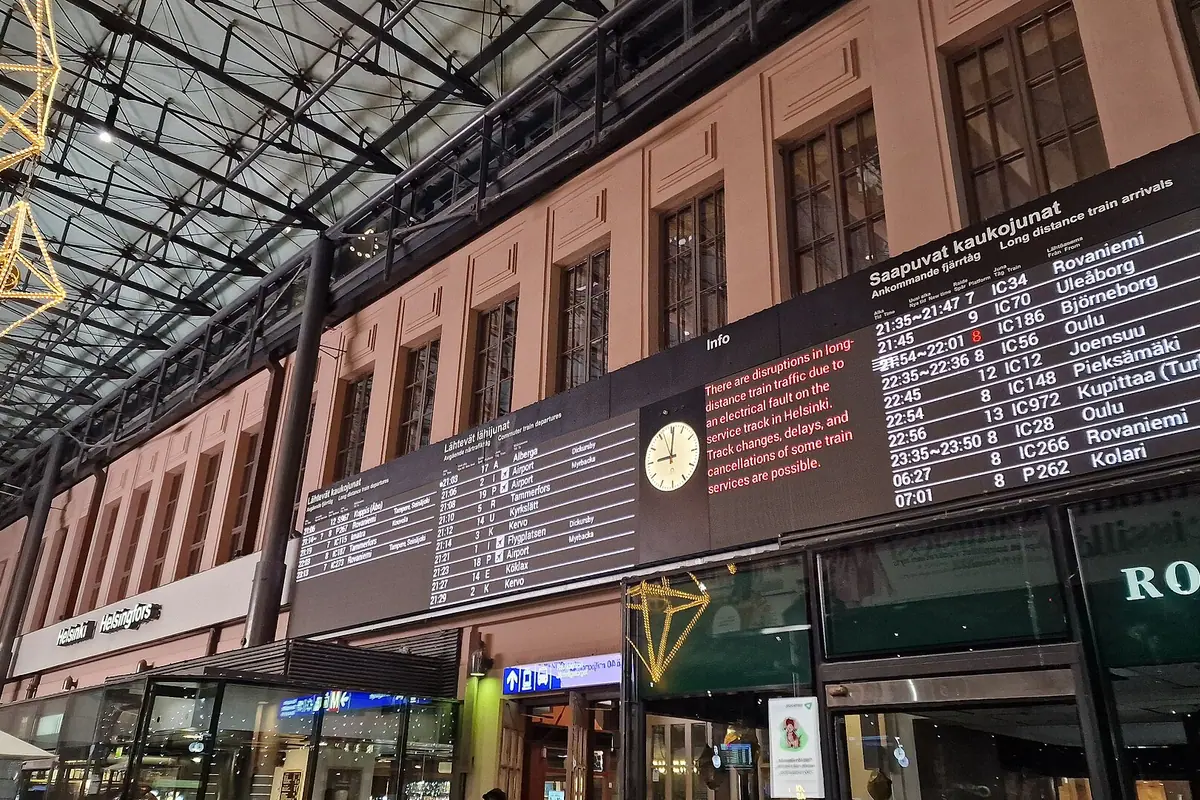
Start in the middle of town. The market square fills with stalls during the warmer half of the year — smoked fish, tubs of berries, knitted mittens, and at least one counter ladling salmon soup into paper bowls for people who forgot their gloves. Late July and August bring crates of cloudberries and bilberries straight off the bogs; September brings mushrooms and the first lingonberries. A short walk away, a covered market hall gathers small kitchens, a fish counter, cheese, bakery bread and reindeer meat under one roof — the best single stop for assembling a picnic or tasting three Lapland classics in twenty minutes.
Learn the word lounas. Between roughly 11am and 2pm on weekdays, most kitchens serve a fixed-price lunch: a main dish, a salad bar, bread and coffee. It is by far the cheapest proper meal of the day, and the food is often the same reindeer stew or salmon soup you would pay much more for after dark. Outside those hours Rovaniemi eats early — many kitchens stop taking orders by 8 or 9pm — and during public holidays or the quiet early-November lull, some places close entirely.
The market hall keeps weekday business hours and goes quiet or shuts on Sundays, when supermarkets and hotel restaurants become the reliable fallback. Cards work almost everywhere, even at a stall selling cloudberry jam, so you rarely need cash.
The Winter Table: Reindeer, Salmon and Long-Cooked Comfort
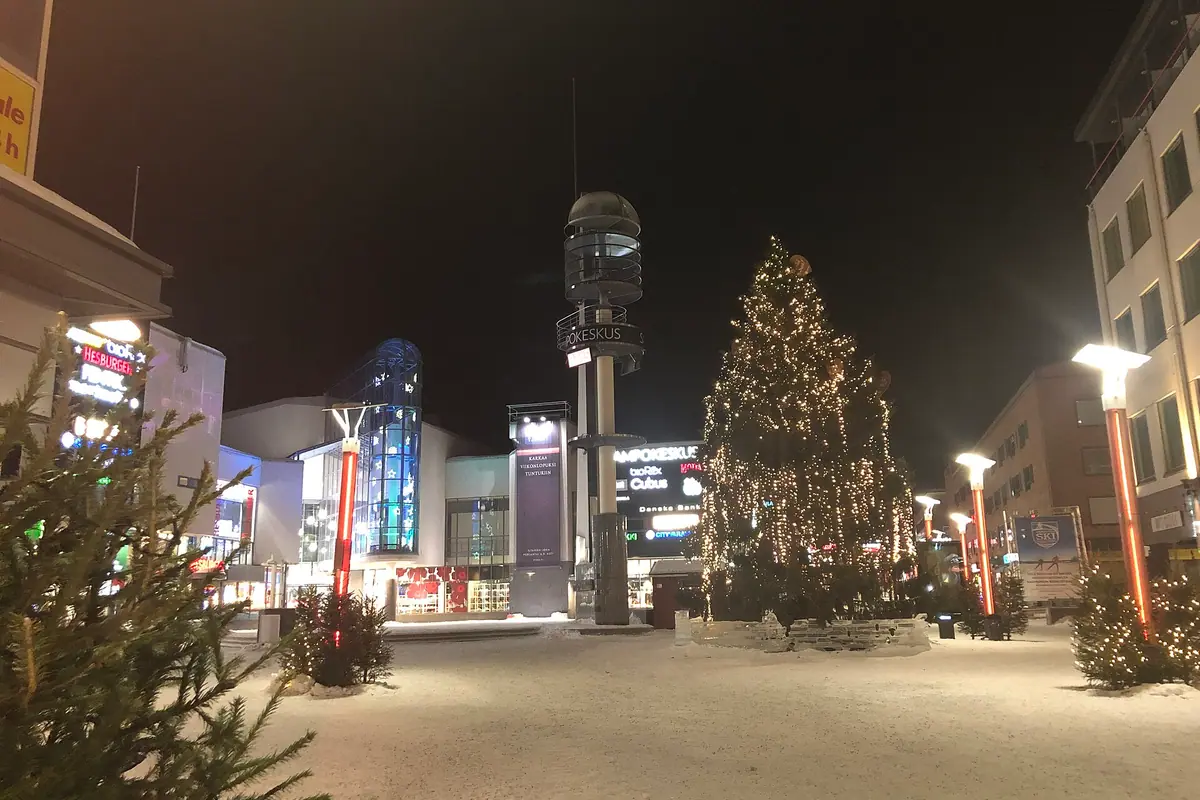
Winter food in Rovaniemi is designed to warm you from the inside of your boots upwards. The signature plate is sautéed reindeer: thin shavings of meat browned with onion, served with mashed potato and a spoonful of lingonberry jam whose acidity cuts the richness. Look too for slow-braised reindeer shank, reindeer sausage and cold-smoked reindeer with mustard. Creamy salmon soup with potato and dill arrives with dark rye bread and butter, and it is the dish most visitors remember long after they fly home.
For something more theatrical, head eight kilometres north to the Arctic Circle line, where the Santa Claus Village complex sits. Several kitchens there serve set winter menus, but the most atmospheric meal is grilled salmon cooked over an open fire in a wooden shelter while snow falls outside. These places fill months ahead in December, so book early if you are travelling over Christmas.
Between meals, watch for Karelian pasties — thin rye crusts filled with rice porridge — and bread cheese, a squeaky griddled cheese served warm with cloudberry jam. Both are everyday food in Lapland, sold in bakeries and supermarkets for a fraction of restaurant prices, and both travel well in a rucksack on a long walk.
Midnight Sun, Crayfish and Berry-Stained Hands
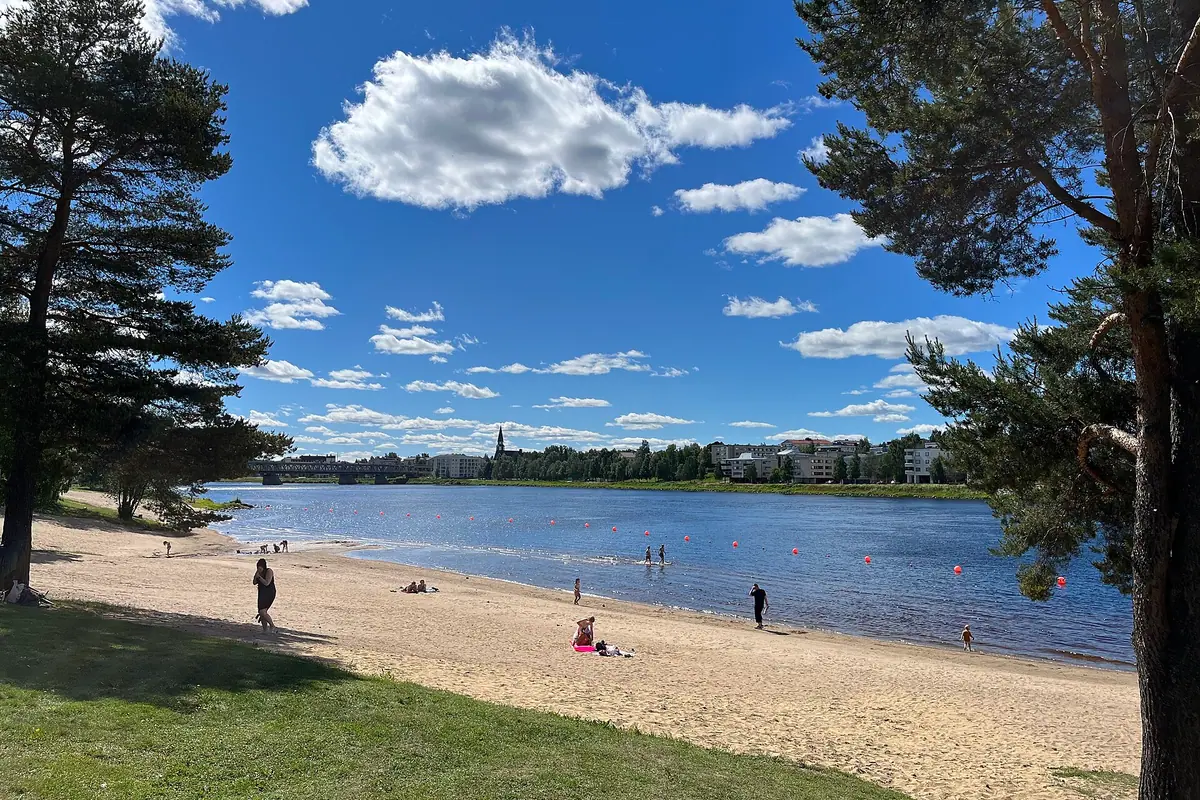
From mid-June to mid-July the sun refuses to set and Rovaniemi moves outdoors. This is the season for fresh fish: vendace fried in rye flour until crisp, Arctic char, whitefish, and salmon smoked in small riverside smokehouses. Menus turn lighter, terraces open along the Kemijoki, and a late supper at 10pm in broad daylight feels completely normal.
Late July brings crayfish and, with it, the crayfish party — dill-boiled crustaceans eaten cold with toast, generous schnapps and a repertoire of drinking songs. Restaurants around town put on their own versions; if a local invites you to a private one, accept. August and September are the serious berry months, with cloudberries from the bogs, bilberries from the forest floor and lingonberries after the first cold nights.
Under Finland's everyman's right, you may pick berries and mushrooms on uncultivated land that is not somebody's garden, provided you leave no mess. Mid-July onwards is cloudberry time — bring rubber boots and mosquito repellent, because the best bogs are wet and swarming. September's ruska, when the fells turn copper and red, doubles as prime mushroom season, with funnel chanterelles, porcini and birch boletes all growing within a short drive of the centre.
Coffee, Buns and the Sweet Calendar
Finland runs on coffee, and Rovaniemi is no exception. A kahvit break is a genuine institution: light-roast filter coffee with a cardamom-scented pulla bun, a cinnamon korvapuusti or a sugar-dusted doughnut. Mid-afternoon is the busiest hour in the cafés around the central square, and nobody will hurry you out of your seat.
The sweet year keeps its own rhythm. February brings the Runeberg torte; Shrove Tuesday brings the cream-and-almond bun; Easter brings mämmi, a dark rye-malt pudding eaten cold with cream and sugar that divides visitors sharply. At Christmas, rice porridge hides a single almond — whoever finds it traditionally wins a small prize — while gingerbread and mulled glögi appear in every café from November onwards.
If you have been skiing or snowshoeing on the Ounasvaara fell on the edge of town, finish with a bun and coffee at the bottom of the slopes. In summer, swap that for ice cream and a bag of freshly picked bilberries.
What to Drink: River Water, Lonkero and Cloudberry Liqueur
Order tap water without guilt. Rovaniemi's water comes from the Kemijoki and tastes better than most bottles; it arrives free in restaurants and nobody raises an eyebrow. For something alcoholic and unmistakably Finnish, try lonkero, a ready-mixed gin and grapefruit long drink sold in cans and treated as the standard post-sauna refreshment. Small Lapland breweries also produce solid lagers and seasonal ales, and winter menus list glögi and hot chocolate by the pot.
After dinner, the local speciality is a shot of cloudberry liqueur, often kept in the freezer and poured ice-cold, or Arctic bramble liqueur, which tastes like a raspberry raised in a cold climate. At crayfish parties, expect schnapps and singing. Grocery shops may sell drinks up to 8 per cent alcohol; anything stronger comes from the state alcohol shops, which shut on Sundays and close early on Saturdays, so plan ahead. Bars call last orders surprisingly early by Mediterranean standards — often before 1.30am — though nightclubs with extensions run later.
Frequently asked questions
What is the one dish I should not leave Rovaniemi without trying?
Creamy salmon soup with rye bread is the dish most visitors remember, closely followed by sautéed reindeer with mashed potato and lingonberry jam. Order both, then finish with warm bread cheese and cloudberry jam.
When is the best time of year for a food-focused trip to Rovaniemi?
September is the sweet spot for ruska colours, mushrooms and berries, while August is crayfish season and mid-June to mid-July brings midnight sun and fresh river fish. December is magical but crowded and requires bookings months ahead, and early November is a quiet lull when some kitchens close.
Do I need to book restaurants in advance?
For December to February, and for weekends in September, yes — especially anywhere serving a set winter menu. Outside peak periods you can usually walk in, but remember that many kitchens stop taking orders by 8 or 9pm, so aim to eat by 6pm.
Can I pick berries and mushrooms around Rovaniemi myself?
Yes. Under everyman's right you may pick on uncultivated land that is not a garden or cultivated field. Cloudberries ripen from mid-July, bilberries soon after, lingonberries in late August, and mushrooms peak in September — bring rubber boots, a bucket and mosquito repellent.
Is reindeer meat available year-round, and where should I buy it?
Reindeer is sold all year in the covered market hall and in supermarkets, and it appears on most restaurant menus. Herding is a genuine Lapland livelihood, so the meat is a regional staple rather than a novelty — cold-smoked and dried versions travel well if you want to take some home.
Plan it — experiences in Rovaniemi
Live search, booked directly with trusted providers.
Sort the rest of your trip
Everything for Rovaniemi, in one place
Stay in Rovaniemi
Hotels, guesthouses and apartments — compared in one search.
Search hotels
Transfer in Rovaniemi
Private driver waiting on arrival — no queues, no surprises.
Book a transfer
Stay online in Finland
Travel eSIM — data the moment you land, no roaming bills.
Get an eSIM