Finland is a country that changes character with the light: granite cities and island fortresses in the south, endless lake chains in the middle, and a far north where the sun refuses to set in June and vanishes for weeks in December. These are the places that reward the journey, from Senate Square to the fells above Saariselkä.
Helsinki: A Capital of Granite, Islands and Sea Air
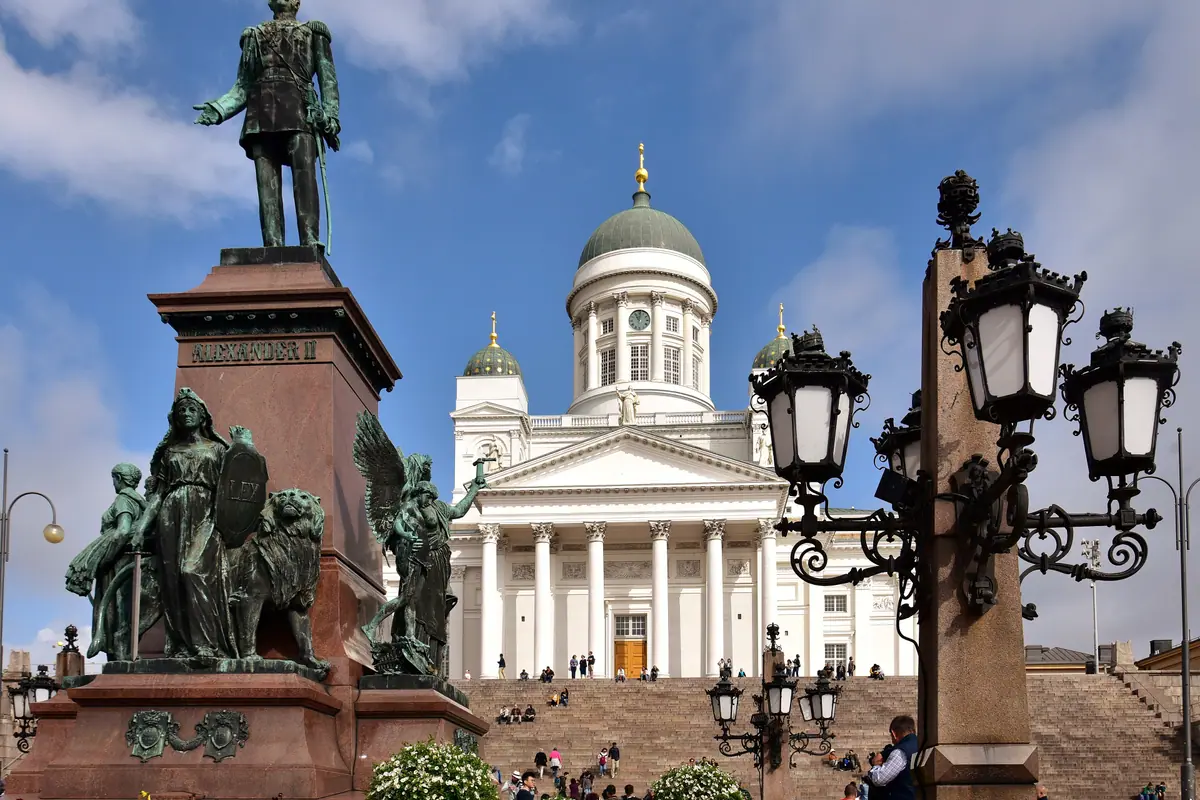
Helsinki packs an entire country's personality into a walkable peninsula. Start at Senate Square, where the gleaming white Helsinki Cathedral rises over a cobbled plaza, then walk ten minutes to the red-brick, gold-domed Uspenski Cathedral — the two landmarks stand almost back to back, one Lutheran and one Orthodox. Market Square on the harbour edge sells salmon soup, new potatoes and cloudberries all summer, and it doubles as the launch point for ferries heading out to the islands.
Suomenlinna, a sea fortress begun in 1748 across a cluster of rocky islands, is a UNESCO World Heritage Site and worth half a day: ramparts, tunnels, dry docks and a handful of small museums, reached by a 15-minute ferry ride. Back in the city, Temppeliaukio Church is blasted directly into solid granite, with a copper ceiling and daylight pouring through a ring of skylights — one of Europe's strangest and most beautiful sacred spaces.
Allow three or four days for Helsinki, longer if you want the Design District in Punavuori, the Ateneum and Kiasma art museums, and the Esplanadi park where locals sprawl on the grass in June. May to September is the sweet spot, with light lingering absurdly late into the evening. Porvoo, about an hour east, has a wooden old town and red-ochre riverside warehouses that make an easy day trip.
Lapland: Arctic Circle, Aurora and Reindeer Country
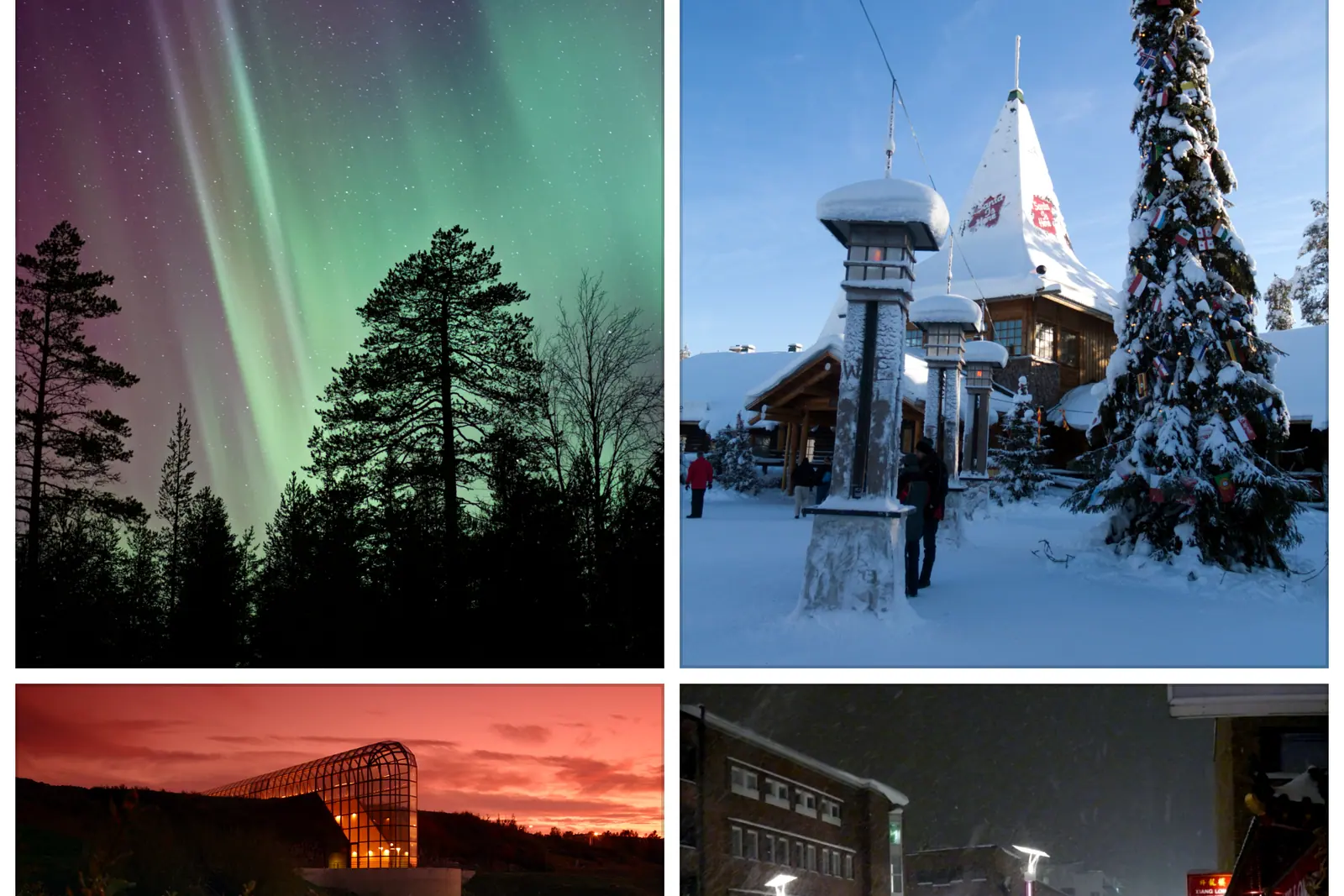
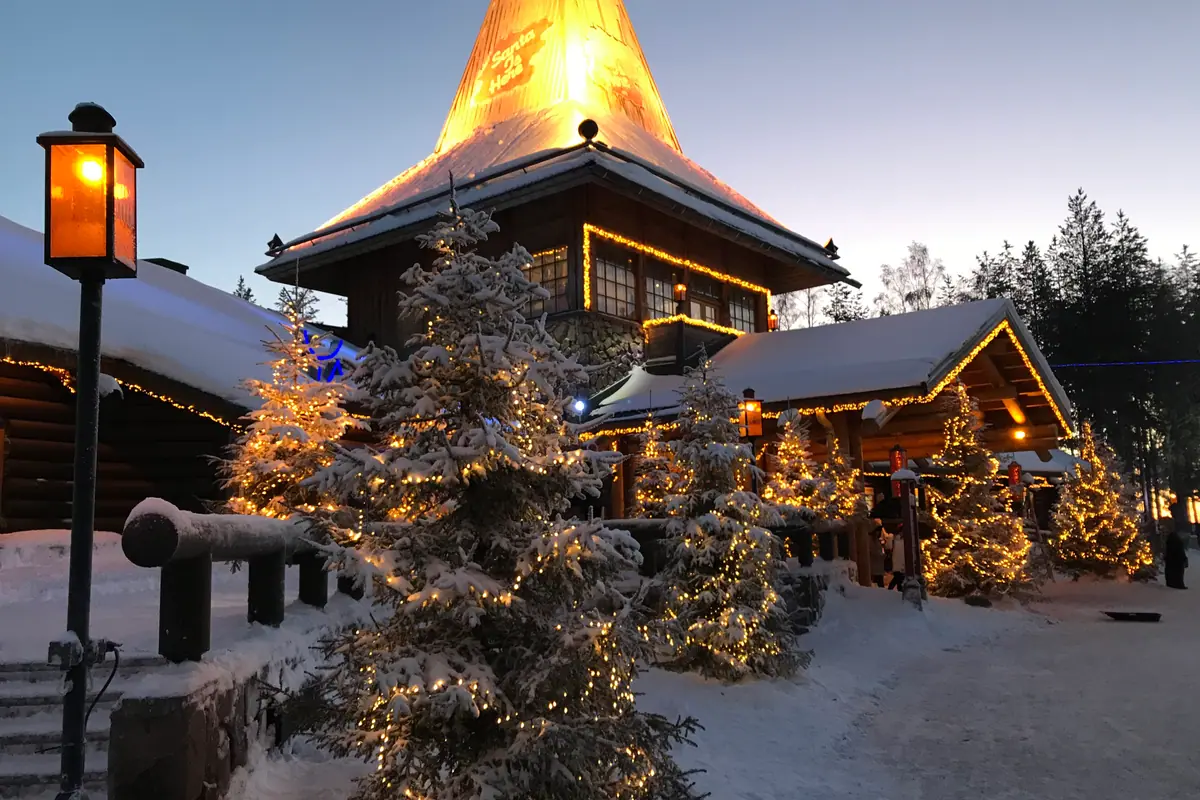
Cross the Arctic Circle at Rovaniemi, the self-declared hometown of Santa Claus, where Santa Claus Village sits on the line itself and a post office sends cards with an Arctic postmark. The Arktikum museum explains northern nature and the history of Lapland inside a long glass-roofed building on the Ounasjoki riverbank. Further south, Ranua Wildlife Park keeps brown bears, lynx and polar bears in forest enclosures.
Aurora season runs roughly from late August to early April, with the best odds on clear, moonless nights between September and March. Head north of Rovaniemi — Inari, Saariselkä, Levi, Ylläs — and book three or four nights, because cloud cover is the real enemy. In deepest winter the sun barely clears the horizon for weeks, and in Utsjoki it disappears for around two months, replaced by the blue twilight locals call kaamos.
Inari village is the cultural heart of Sámi Finland, and the Siida museum pairs a fine collection of northern craft with an open-air section of traditional dwellings. Winter brings husky sledding, snowmobile trails and reindeer sleigh rides; summer brings the midnight sun, when Lake Inari turns glassy at two in the morning and nobody bothers going to bed.
The Finnish Lakeland: Saimaa, Savonlinna and Slow Water
Finland holds around 188,000 lakes, and Saimaa — the largest at roughly 4,400 square kilometres — is a maze of islands, eskers and channels in the southeast. It is the only home of the Saimaa ringed seal, a freshwater seal numbering barely 400 animals, most often spotted by boat in late spring as the ice breaks up.
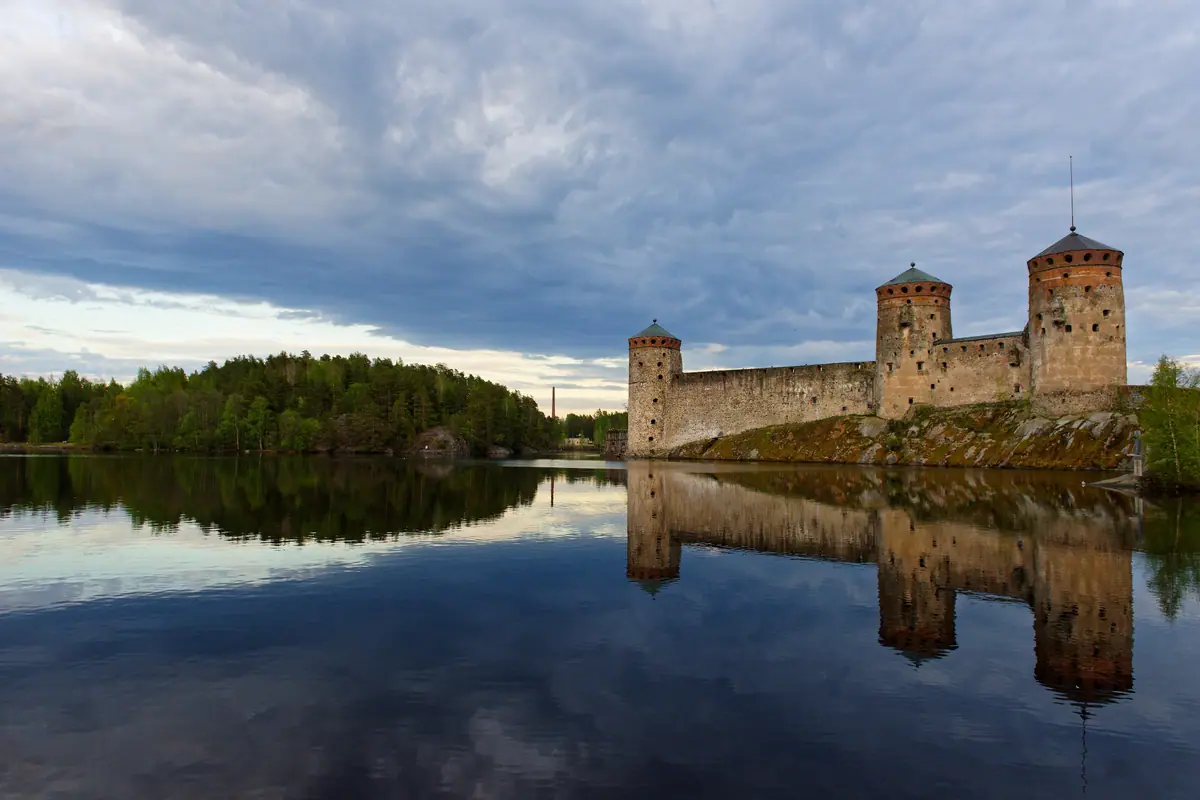
Savonlinna is the natural base. Olavinlinna, a 15th-century castle built on a rock in the middle of the water, hosts a celebrated opera festival every July, and the town's historic steamers thread between islands. Nearby, the Punkaharju esker is a narrow pine-covered ridge with water on both sides — the classic Finnish postcard. Elsewhere, rent a cottage with its own jetty and sauna and swim at midnight.
Kuopio adds a city stop, with the Puijo Tower looking over Lake Kallavesi and a market-hall specialty called kalakukko — fish baked inside a rye loaf. June to August is lake season, when the water reaches a swimmable 18–22°C; September then brings ruska, the autumn colour that turns birch woods gold and rust.
Turku, Porvoo and the Archipelago: Finland's Historic Coast
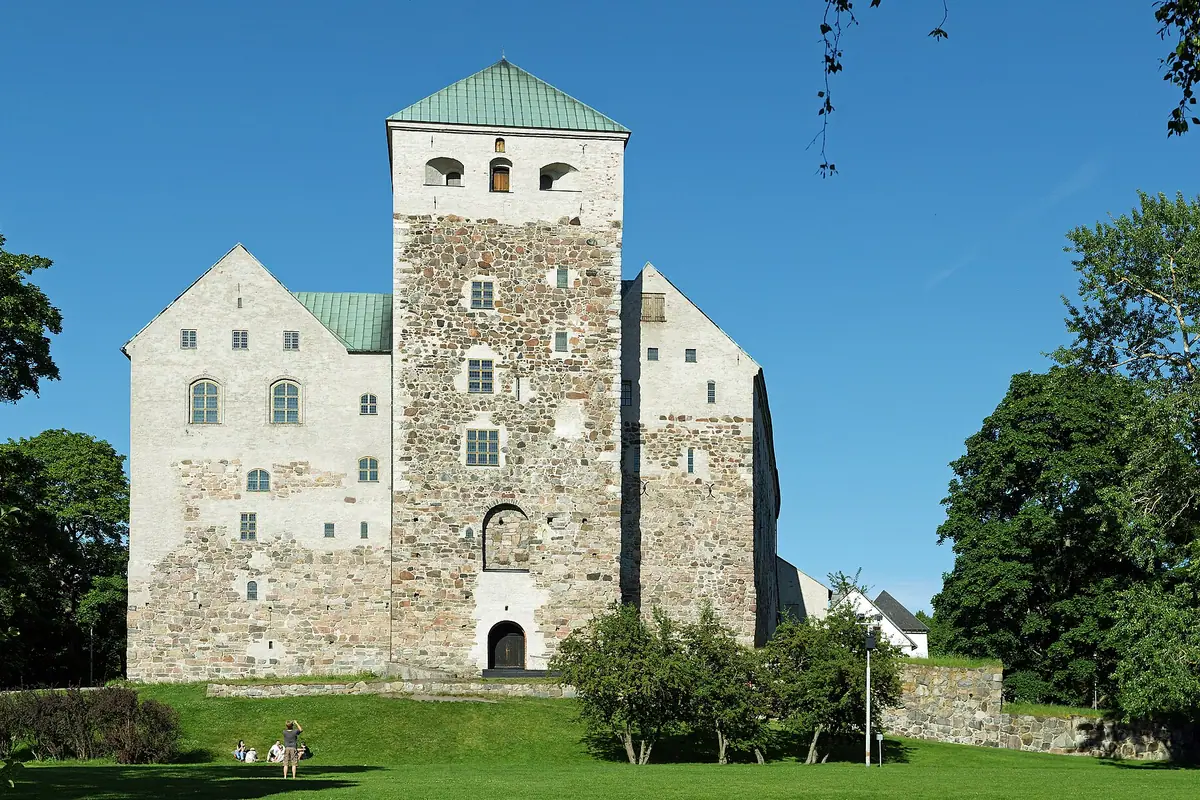
Turku, Finland's oldest city and former capital, is where the country's history is most visible. Turku Castle has stood at the mouth of the Aura River since the 13th century and now holds medieval and Renaissance rooms; Turku Cathedral, consecrated around 1300, is the mother church of Finnish Lutheranism. The two are a short walk apart, with riverside cafés in between.
West of Turku, Naantali's wooden old town and the Moomin World theme park make it a family favourite in summer, while ferries from the harbour connect to the Åland Islands — an autonomous, Swedish-speaking archipelago of some 6,700 islands with its own flag, quiet cycling paths and the medieval Kastelholm Castle. Mariehamn is the main town.
On the west coast near Vaasa, the Kvarken Archipelago is a UNESCO site in motion: the land is still rising after the last ice age, so new islands literally emerge from the sea decade by decade. Add Hanko's long sandy beaches and the eastern archipelago off Kotka, and the coastline becomes a summer itinerary in its own right.
National Parks: Koli, Oulanka and the Right to Roam
Finland protects 41 national parks, from Nuuksio, half an hour from central Helsinki, to Lemmenjoki, where gold has been panned since the 19th century. Koli in North Karelia is the most famous: from Ukko-Koli, 253 metres above Lake Pielinen, the view of forest and water stretches to the horizon and has inspired generations of Finnish painters and composers.
Oulanka National Park, near Kuusamo in the northeast, is the start of the Karhunkierros, an 82-kilometre hiking trail that follows rivers, suspension bridges and rapids — usually walked in four to six days. Urho Kekkonen National Park, at 2,550 square kilometres one of the largest, surrounds Saariselkä and offers marked winter ski routes alongside summer trails.
Everyman's right lets anyone walk, ski, camp temporarily and pick berries and mushrooms on uncultivated land, which makes hiking here unusually free. Carry your own water, expect mosquitoes in June and July, and mark mid-September to early October for ruska, when the hillsides turn orange and the light becomes impossibly soft.
Sauna, Ice and Midnight Sun: Experiencing Finland by Season
There are roughly three million saunas for 5.5 million people, and you are expected to use one. The ritual is simple: heat, sweat, cool off — ideally in a lake, or in winter through a hole cut in the ice. Historic public saunas such as Kotiharjun Sauna in Helsinki's Kallio district have been running since 1928; smoke saunas are the connoisseur's choice.
Winter delivers the most distinctive activities. Icebreaker cruises from Kemi let you float on frozen sea in a survival suit, and the town's snow castle is rebuilt with a new design each year. Cross-country skiing and ice fishing are everyday pastimes rather than tourist novelties. In summer the calendar flips: Midsummer bonfires in late June, May Day picnics in Helsinki, and the August crayfish season.
Timing matters more here than almost anywhere. January and February mean deep snow and dark skies; March and April combine sunshine with good skiing; May and June bring endless light; July is warm and busy; late August onward is aurora season again. Pack layers whatever the month — a Finnish summer day can drop ten degrees when the wind shifts.
Frequently asked questions
When is the best time to see the northern lights in Finland?
Aurora season runs from late August to early April, with the strongest odds in September–October and February–March. You need dark, clear skies and a location well north of the Arctic Circle, such as Inari, Saariselkä, Levi or Ylläs. Plan at least three or four nights so that cloud cover doesn't spoil your only chance.
How many days do you need in Helsinki?
Two or three days comfortably covers Senate Square, Helsinki Cathedral, Uspenski Cathedral, Temppeliaukio Church and Suomenlinna, with time for the Design District and a public sauna. Add a day for Porvoo. Many travellers then head north to Lapland or east into the Lakeland by train or plane.
What is everyman's right in Finland?
It is a legal right to roam: anyone may walk, ski, cycle, camp overnight temporarily and pick wild berries and mushrooms on uncultivated land, as long as you don't disturb homes, damage property or light open fires without permission. It applies to privately owned land too, which is why hiking and foraging feel so unrestricted.
Do you need a car to explore Finland?
Not for Helsinki, Turku, Rovaniemi or the main Lakeland towns, which are linked by trains and buses, with ferries out to Suomenlinna and Åland. A car does help in the countryside — national parks such as Koli, Oulanka and Lemmenjoki, and remote lakeside cottages, are much easier to reach on four wheels.
What should I pack for a Finnish lake or Lapland trip?
Layers, always. Lapland in winter demands a down jacket, thermal base layers, insulated boots and gloves, though many activity operators lend snow overalls. For summer, bring a swimsuit, mosquito repellent for June and July, and a light jacket, because evenings by the water turn cool even in high summer.
Plan it — experiences in Finland
Live search, booked directly with trusted providers.
Sort the rest of your trip
Everything for Finland, in one place
Stay in Finland
Hotels, guesthouses and apartments — compared in one search.
Search hotels
Transfer in Finland
Private driver waiting on arrival — no queues, no surprises.
Book a transfer
Stay online in Finland
Travel eSIM — data the moment you land, no roaming bills.
Get an eSIM