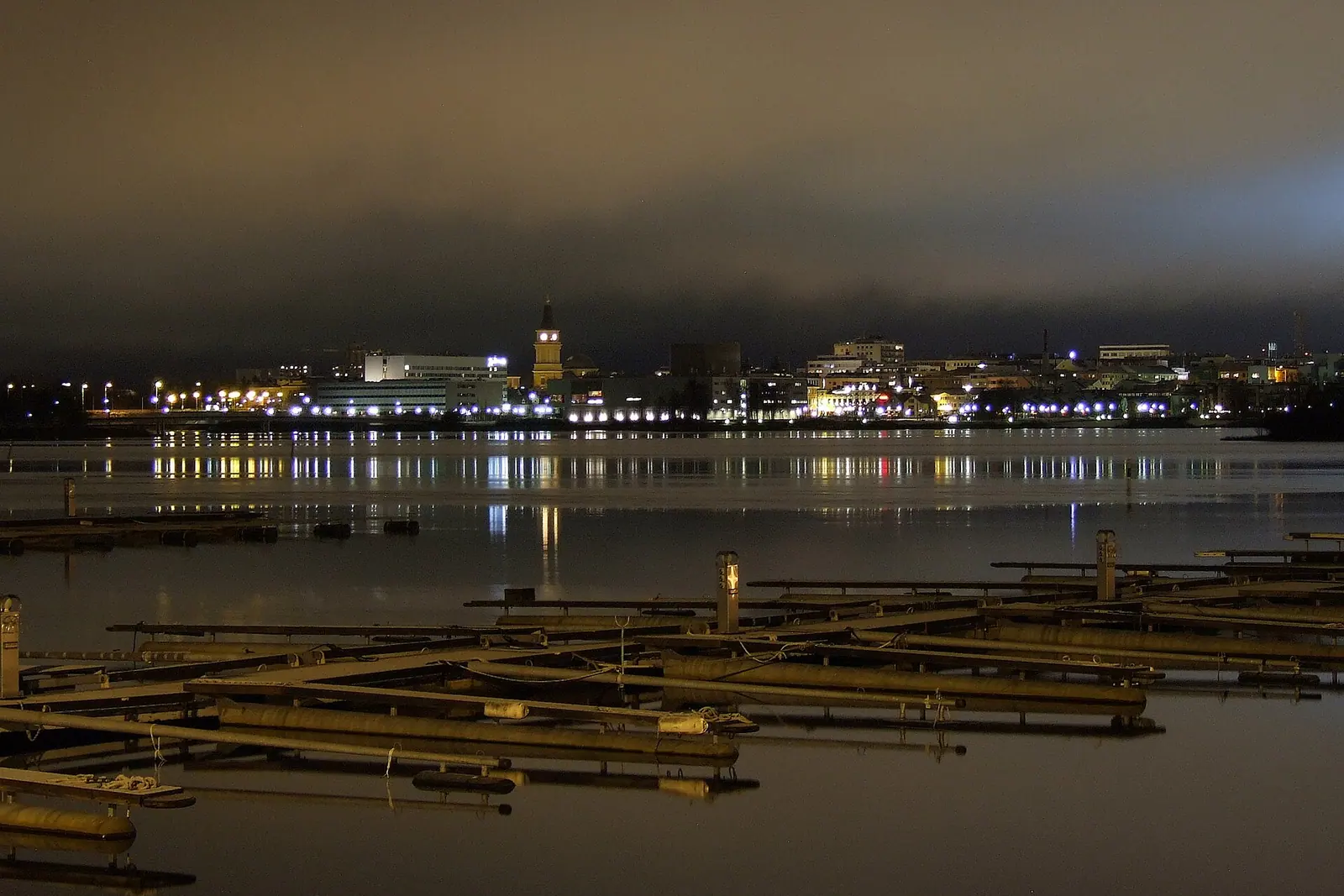
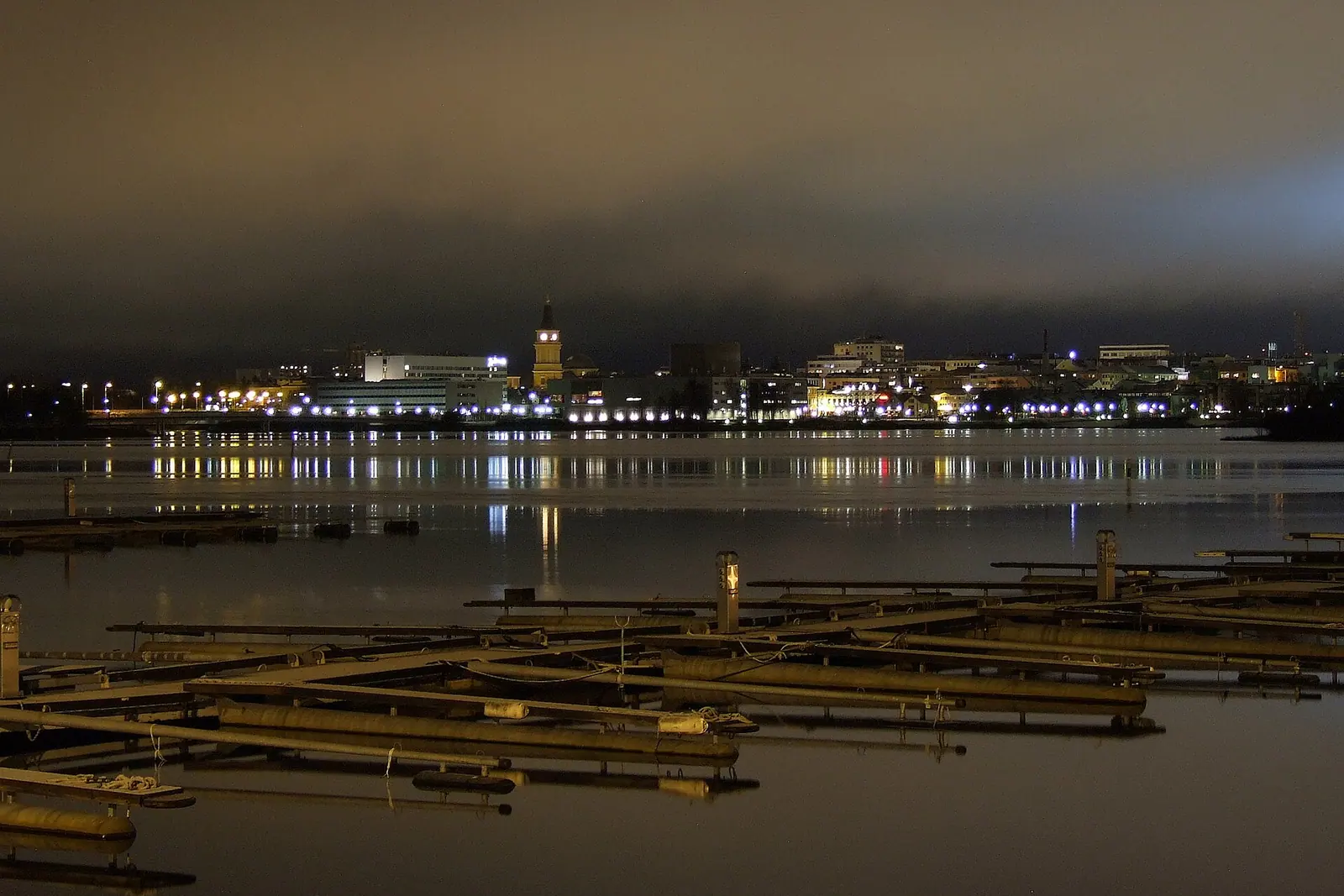
Finland is a country that reveals itself slowly — first in the steam of a lakeside sauna, then in a plate of salmon soup at a harbour stall, and finally in the violet flicker of the aurora over Lapland. Travel here is less about ticking off monuments than about entering a rhythm of light, silence and season that shapes everything Finns eat, build and celebrate.
Helsinki: Must-See Landmarks on the Baltic Edge
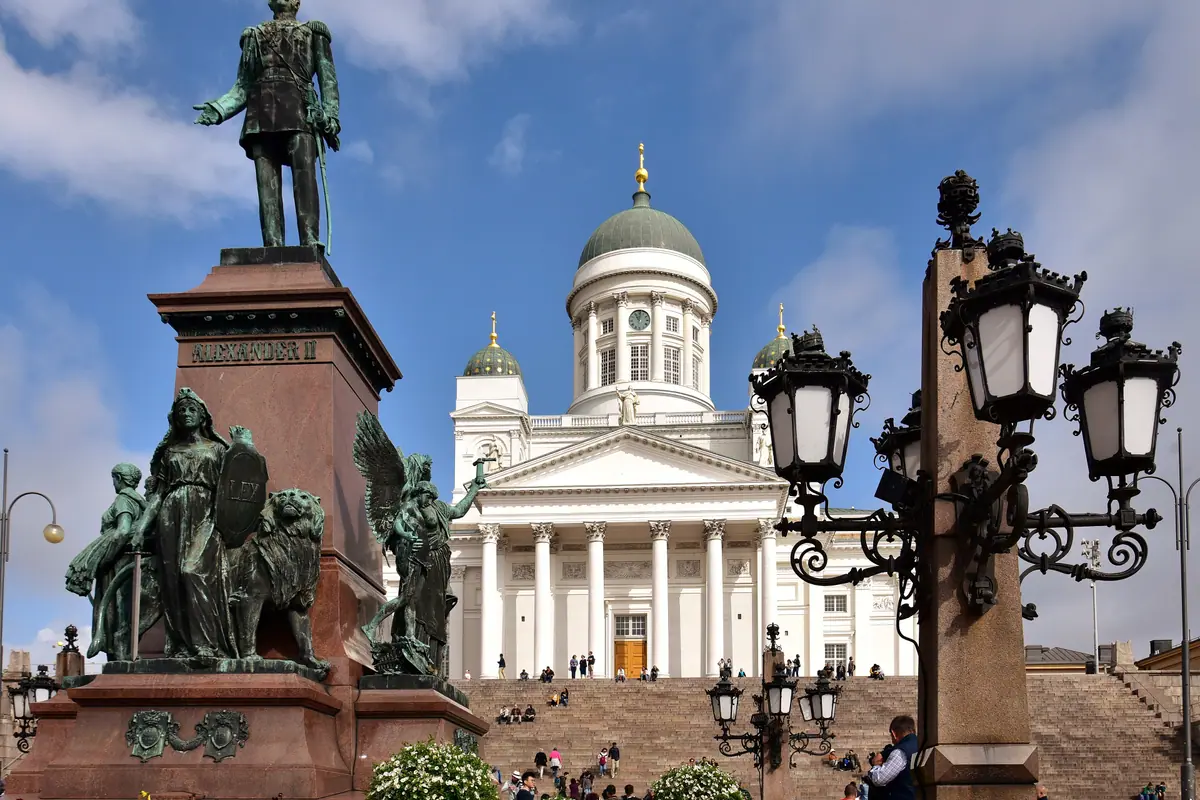
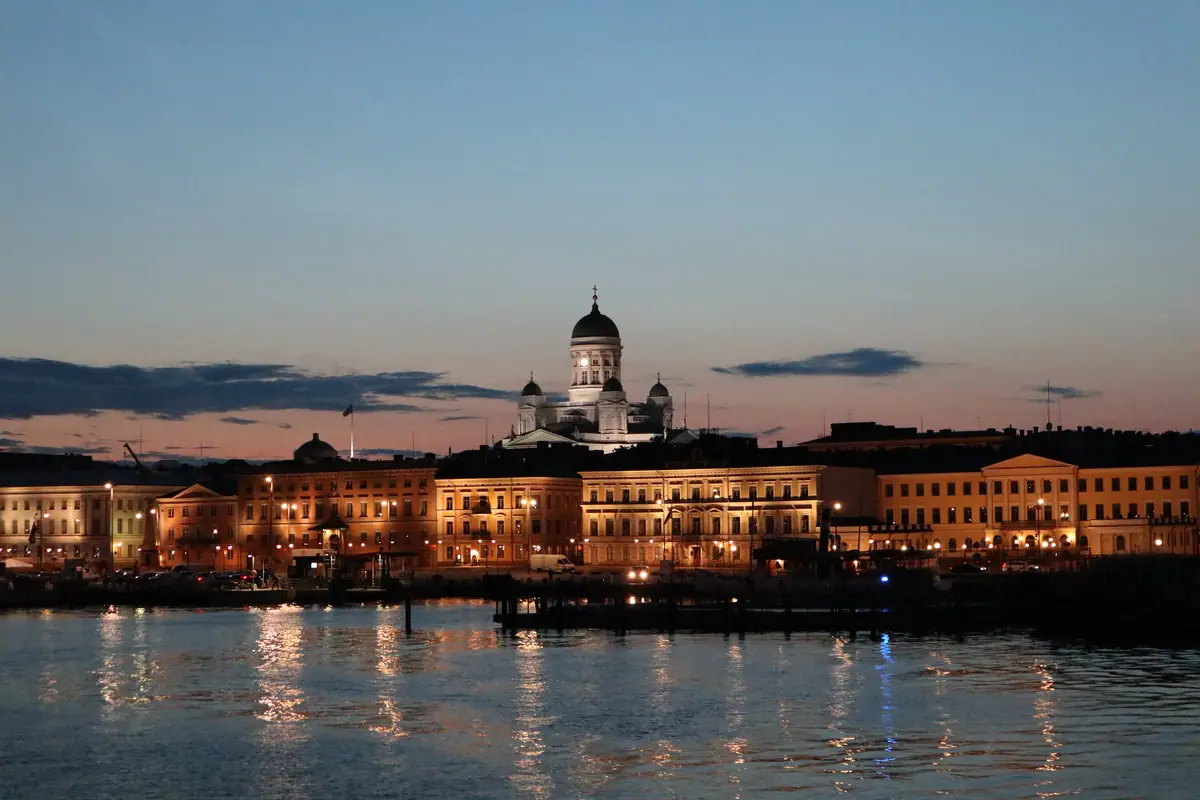
Helsinki is compact enough to cross on foot in an afternoon, which makes its big sights feel close together rather than ticked off one by one. Start at Senate Square, where the blindingly white Helsinki Cathedral sits above a sweep of neoclassical buildings, then walk ten minutes east to the red-brick Uspenski Cathedral, perched on its rock above the harbour with views over the rooftops. The Esplanadi park, running between the market end of town and the design district, is where the city takes its coffee breaks, and it fills with brass bands and picnics on summer evenings.
Helsinki's seafront is the real headline. At Market Square, vendors sell new potatoes, peas, berries and fried vendace straight from the Baltic in summer, and the ferry to Suomenlinna leaves from the same quay — a fifteen-minute crossing to a UNESCO-listed sea fortress spread across a handful of islands, with ramparts, tunnels, museums and windy picnic rocks worth a half day, or a full one if the weather is kind. Inland, Temppeliaukio Church is carved directly into solid granite, its copper ceiling catching daylight from a ring of skylights; a few kilometres away, the leafy island of Seurasaari preserves old Finnish farmsteads and churches as an open-air museum, and Nuuksio National Park offers proper forest trails within an hour of the centre.
Two or three days is the honest minimum for the capital, more if you want the Ateneum art museum and the contemporary collections at Kiasma. Summer brings long, bright evenings when the terraces never seem to close; winter trims the daylight to a few pearly hours, which is exactly when the city's candlelit cafés and saunas make the most sense.
Sauna: Finland's Sacred Ritual, Not a Spa Treatment
In Finland the sauna is not an add-on to a hotel or a wellness trend — it is routine, and it is social. Public saunas sit on waterfronts and in ordinary neighbourhoods, families have them in apartment buildings, and lakeside cottages are built around theirs. The ritual is simple: shower first, carry a small towel to sit on, then ladle water onto the hot stones (the löyly, or steam) until the heat wraps around you and you step outside to cool off. Conversation is welcome but not compulsory; silence in a sauna is perfectly normal.
The cooling-off part is where Finland gets serious. In summer you walk into a lake; in winter you lower yourself through a hole cut in the ice — the avanto — and the shock is followed by a warmth that feels almost chemical. Traditional smoke saunas, heated for hours without a chimney, give a softer, smokier heat and are usually found in the countryside. Some saunas are mixed, some are separate by gender, and etiquette varies: follow what the locals around you do, and ask if you're unsure.
Allow an hour and a half to two hours for the full cycle of heat, cool, rest and repeat, ideally in the evening. Helsinki has outstanding public saunas along the water, Tampere has one of the country's deepest traditional sauna cultures, and any cottage rental in Lakeland will come with its own. If you only do one Finnish thing on your trip, do this one.
A Taste of Finland: Karelian Pasties, Salmon Soup and Salmiakki
Finnish food is built for a cold, forested country: rye, root vegetables, lake fish, berries and milk. The emblem is the karjalanpiirakka, a thin rye crust filled with rice porridge and eaten warm with munavoi, a whipped butter and boiled egg spread. Alongside it come creamy salmon soup (lohikeitto), dark sour rye bread, and endless cups of coffee with a korvapuusti, the cardamom-scented cinnamon bun. Market halls are the best introduction — the historic halls in Helsinki at the harbour and in the Kallio district serve everything from herring plates to pastries under one roof, and the weekday lunch buffets in ordinary restaurants are famously generous.
Head north and the menu changes. In Lapland you'll find poronkäristys, sautéed reindeer served with mashed potato and lingonberry jam, plus Arctic char, willow grouse and cloudberry desserts. Kuopio in the east is the home of kalakukko, a rye loaf baked around whole fish and pork, while Tampere claims mustamakkara, a dark sausage eaten with lingonberry jam. Leipäjuusto, a squeaky baked cheese, is served with cloudberry jam as a dessert, and salmiakki — salty liquorice — divides visitors sharply. At Easter, look for mämmi, a dark malted rye pudding; on Thursdays, many cafeterias serve pea soup and pancake.
Berry and mushroom season runs from late July into September, and everyman's rights let anyone pick in most forests — bilberries, lingonberries, cloudberries and chanterelles included, which is why autumn restaurant menus suddenly sprout forest flavours. Stronger alcohol is sold only in the state alcohol shops, so plan around that if you want wine with a cottage dinner.
Finnish Lakeland and the Eastern Wilds
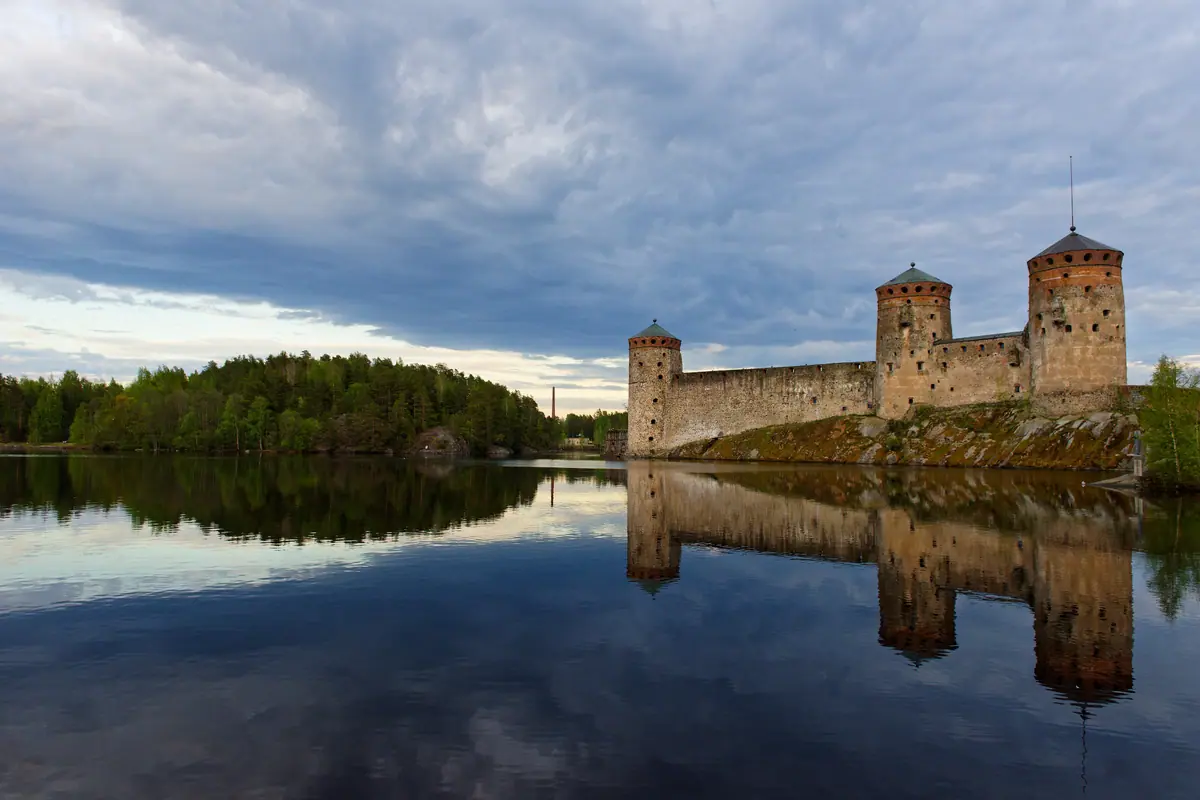
The blue heart of Finland is a maze of tens of thousands of lakes, islands and eskers between Tampere and the Russian border. Its centrepiece is Lake Saimaa, the largest lake system in the country and home to the endangered Saimaa ringed seal, which you might spot from a kayak or a slow lake steamer. The lakeland town of Savonlinna is defined by Olavinlinna, a medieval castle on an island in the middle of the water; every July its courtyards host an opera festival that draws audiences from across Europe, and the surrounding archipelago is best explored by boat.
Further north in Karelia, Koli National Park offers what many Finns consider the national landscape: a white-barked hilltop looking out over the vast spread of Lake Pielinen, especially glorious in September when the ruska turns the hillsides red and gold. Kuopio combines a lively market with the Puijo Tower, whose viewing deck and revolving café overlook a patchwork of islands, and the ridge at Punkaharju, a narrow esker between two lakes, is a classic drive or cycle. Renting a cottage with a rowing boat and a wood-fired sauna is the quintessential lakeland experience, and canoe routes range from easy day paddles to multi-day wilderness trips.
Tampere, a couple of hours north of Helsinki, works well as a gateway: the Pyynikki observation tower serves its famous doughnuts beside a ridge with two lakes on either side, and the city also has the Moomin Museum and a striking cathedral. In the southwest, Turku holds the country's oldest castle and cathedral, with a ferry network threading out through the archipelago toward Åland; Häme Castle at Hämeenlinna, meanwhile, is a red-brick medieval fortress on the lake shore.
Lapland: Auroras, Reindeer and the Midnight Sun
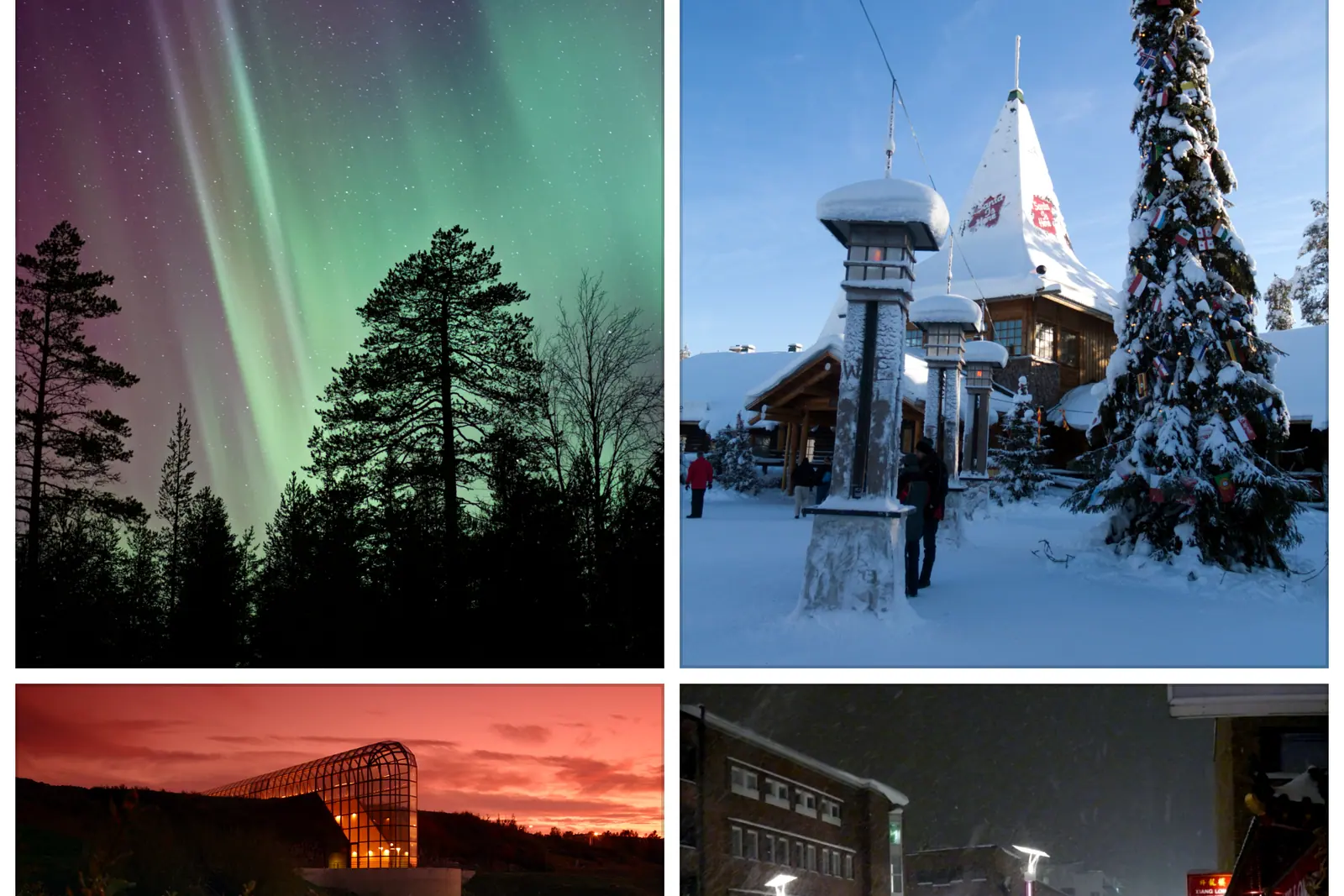
Lapland begins where the Arctic Circle crosses the country, marked just north of Rovaniemi at Santa Claus Village, where you can step across the line and post a card from the onsite post office. Rovaniemi itself is a good first stop: the Arktikum museum explains northern nature and Arctic life, and Ranua Wildlife Park, an hour south, is the place to see brown bears, lynx and wolverines. From there, roads and an overnight train line run north to ski centres such as Levi and Saariselkä, and on to the far north at Kilpisjärvi and Utsjoki.
Aurora season runs from late August to early April, with the darkest and most reliable viewing from September through March. You need clear skies and patience rather than extreme cold, though winter nights drop far below freezing; many travellers split their evenings between guided snowshoe or snowmobile trips and simply standing outside their cabin. Around Inari, the Sámi museum and reindeer herding culture give important context to the landscape, and in Utsjoki the sun stays above the horizon for roughly ten weeks in summer — the mirror image of the polar night, when daylight never fully arrives.
Winter here means cross-country skiing, ice fishing, husky and reindeer sled rides and frozen lakes crossed by snowmobile. September brings ruska, the autumn colour that sets the fells alight, and summer opens hiking in Urho Kekkonen and Lemmenjoki national parks, when the light barely fades and mosquitoes are a genuine packing consideration.
When to Go and How to Travel Like a Finn
Finland changes character completely with the season. June to August brings long, mild days and midnight sun in the far north, ideal for lakeland cottages, festivals and city terraces, with July the warmest and busiest month. September is short and spectacular, with ruska colour in Lapland and berry-picking in the forests. December to March is deep winter: snow, auroras, ski centres and the polar night, while April and May offer spring skiing, melting ice and the exuberant May Day celebrations that fill Helsinki's streets with picnicking students in white caps.
Getting around is easy without a car on the spine routes — trains connect Helsinki, Tampere, Turku and Oulu, with an overnight service continuing to Rovaniemi and beyond, and buses reach most smaller towns. For Lapland and the lakeland, though, a car unlocks far more, especially if you want to chase clear skies for auroras or stop at a roadside smoke sauna. Ferries hop between islands along the southwest coast and out to Åland.
A few local habits go a long way: take your shoes off when you enter a home, be punctual, keep your voice down on public transport, and never refuse an offered coffee. Tipping is not expected, cards and phones pay for almost everything, and everyman's rights allow you to walk, ski and camp responsibly on uncultivated land — just leave no trace and keep your distance from private yards. If you have spare days, the wooden old town of Porvoo is an hour from Helsinki, and Turku Castle makes an easy heritage detour on the way west.
Frequently asked questions
Do I need to speak Finnish to travel in Finland?
No. English is very widely spoken, especially among anyone under 60, and service in hotels, restaurants, stations and tour offices is almost always available in English. Finnish and Swedish are the two official languages, and Sámi languages are spoken in parts of the north. Learning a few words — kiitos for thank you, hei for hello — is appreciated but never required.
When is the best time to see the northern lights in Finland?
Aurora viewing is possible from late August to early April, but the strongest window is September to March, when nights are long and dark. December and January offer the most darkness, while September and March often bring clearer skies and milder temperatures. Head north of the Arctic Circle to places like Saariselkä, Levi, Kilpisjärvi or Inari, and allow several nights — cloud cover, not the aurora itself, is usually what spoils a trip.
What should I pack for a Finland trip?
Layers are everything. For summer, bring a light waterproof shell, comfortable walking shoes and mosquito repellent for lakeland and Lapland evenings, plus a eye mask if you're travelling north near midsummer. For winter, invest in thermal base layers, insulated waterproof boots with grip, a down or padded jacket, hat, gloves and a scarf — and consider renting heavier gear on arrival if you're only doing a short Arctic trip.
Is Finland expensive, and how can I keep costs down?
Finland is a high-cost country, but plenty of it is free: forests, lakes, national parks, public saunas are inexpensive, and city walking, swimming and berry-picking cost nothing. Food is where budgets stretch furthest — the weekday lunch buffets served in ordinary restaurants are excellent value, market halls are cheaper than restaurants, and self-catering in a cottage or apartment brings costs right down.
What is sauna etiquette for first-timers?
Shower before you enter, sit on a small towel rather than the bench itself, and pour water on the stones sparingly until you know how much heat you enjoy. Swimwear rules vary — some public saunas require it, others are textile-free with separate sessions for men and women — so follow the signs or ask. Cool off in a lake, an ice hole or simply outside, drink water, and don't feel obliged to stay in longer than is comfortable.
Sort the rest of your trip
Everything for Finland, in one place
Stay in Finland
Hotels, guesthouses and apartments — compared in one search.
Search hotels
Transfer in Finland
Private driver waiting on arrival — no queues, no surprises.
Book a transfer
Stay online in Finland
Travel eSIM — data the moment you land, no roaming bills.
Get an eSIM