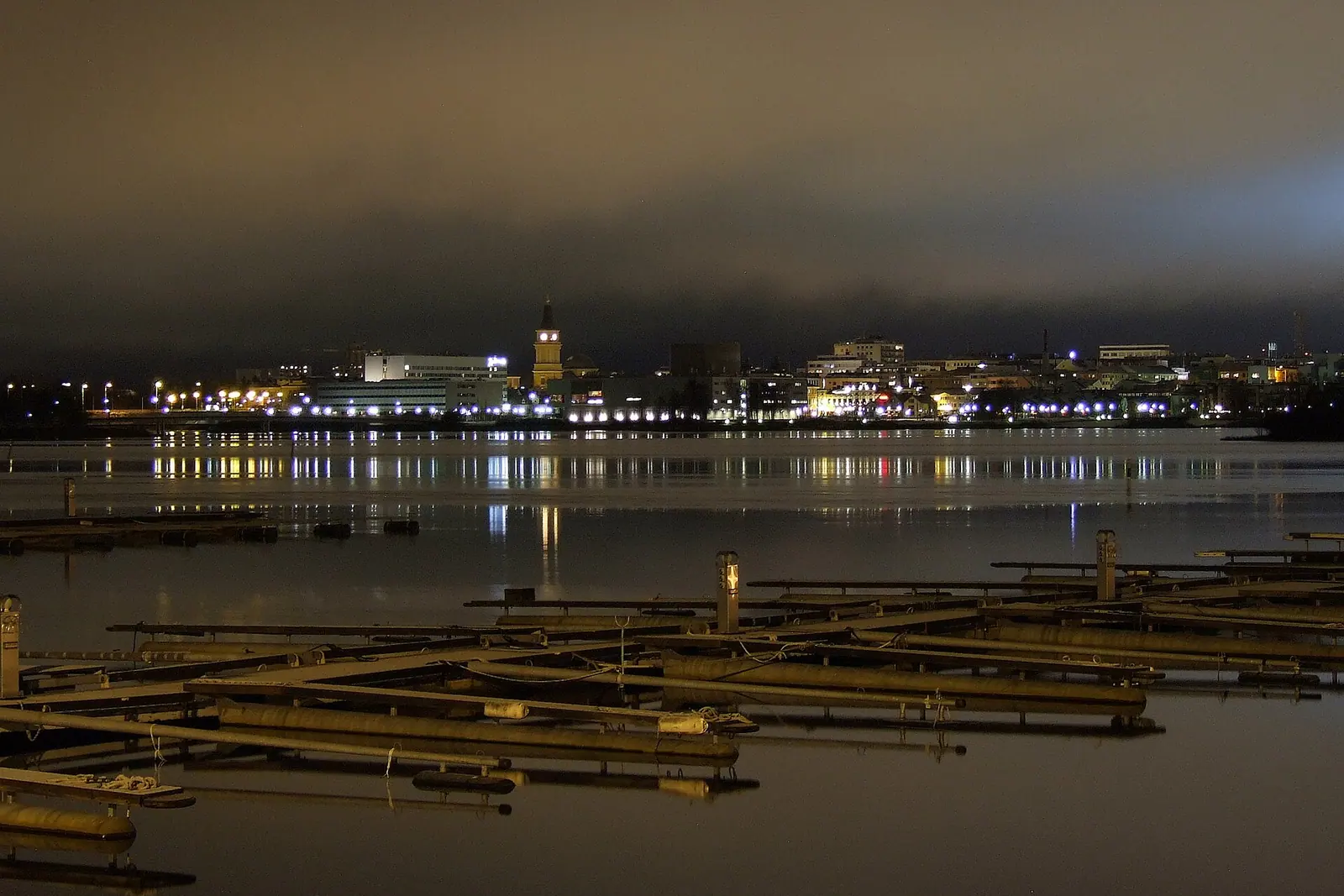
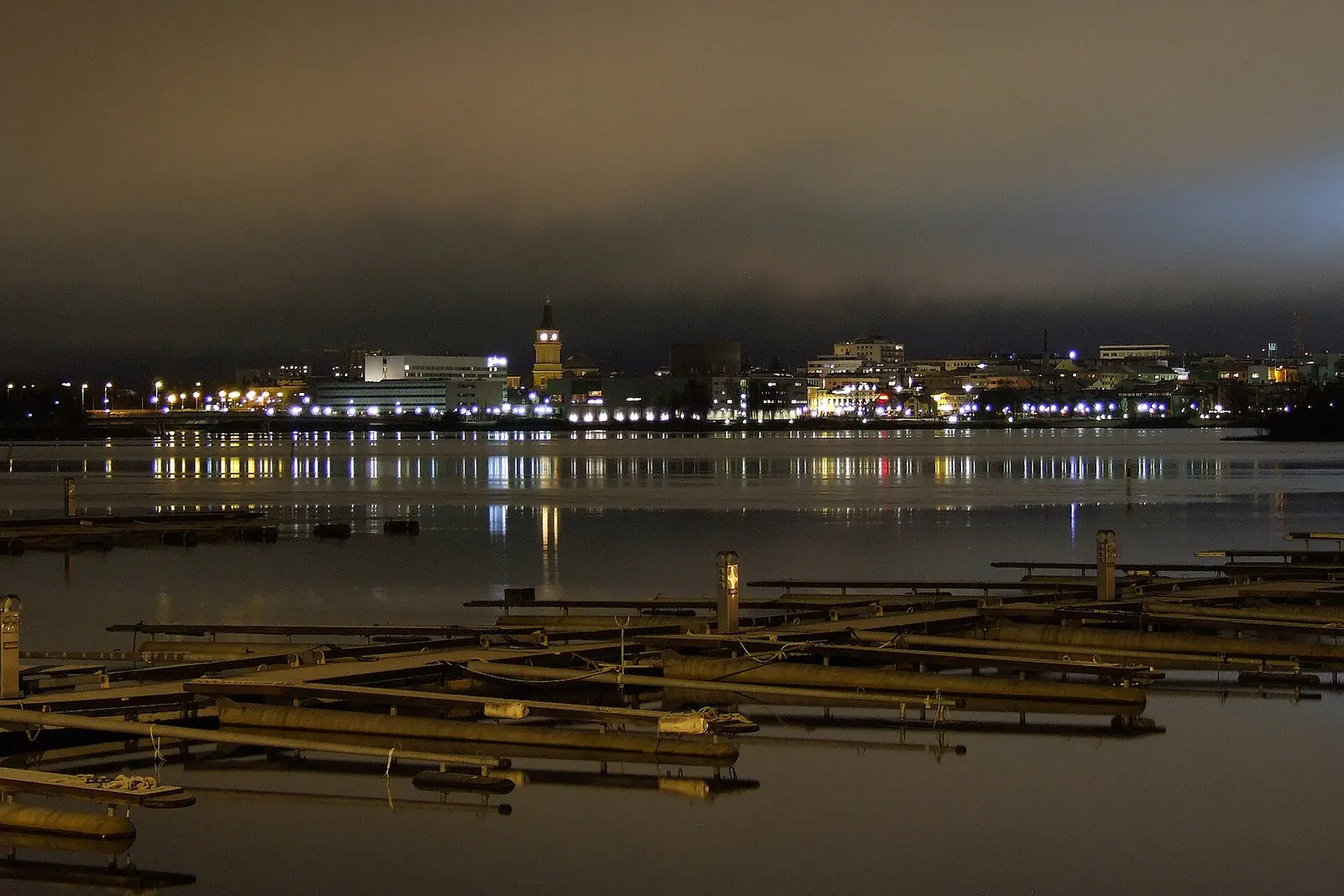
Finland is a country you experience through the window of wherever you sleep — a harbour-facing room in Helsinki, a glass-roofed cabin under the aurora, or a lakeside cottage with its own jetty and sauna. Choose the region first, then the bed, and the trip almost plans itself.
How to Choose Where to Stay in Finland
Finland runs roughly 1,150 kilometres from the Gulf of Finland up to the Arctic edge, and where you base yourself changes everything about the trip. The south holds Helsinki, Turku, Porvoo and Rauma, where you sleep in design hotels, converted warehouses and handsome 19th-century townhouses within walking distance of museums and harbours. The east is Lakeland — a maze of islands and inland seas where the accommodation of choice is a rented cottage or a lakeside spa hotel. The north is Lapland, where fell-side lodges, log cabins and glass-roofed igloos sit under some of the darkest skies in Europe.
The seasons do the rest of the work. June to August brings the midnight sun, lakeland boat traffic, Midsummer bonfires and the country's biggest festivals, but also the highest room rates in Helsinki. September and October deliver ruska — the explosion of red and gold foliage across Lapland — and the aurora season restarts. December to March is proper winter: snow-covered forests, ski resorts open from November to May in places like Levi and Ylläs, and the polar night, when the sun barely clears the horizon for weeks. April and May are quiet, bright and noticeably cheaper, though many rural hotels shut between the snow and the summer season.
A practical rhythm for a first visit is three nights in Helsinki, an overnight train or a short flight north, then three or four nights in Lapland or Lakeland. Two details catch people out: Midsummer in late June and the Christmas period in Rovaniemi can sell out nearly a year ahead, and countryside cottages often have minimum stays and no public transport, so a rental car matters as much as the booking itself.
Helsinki: Harbour Views, Design Hotels and Island Fortresses
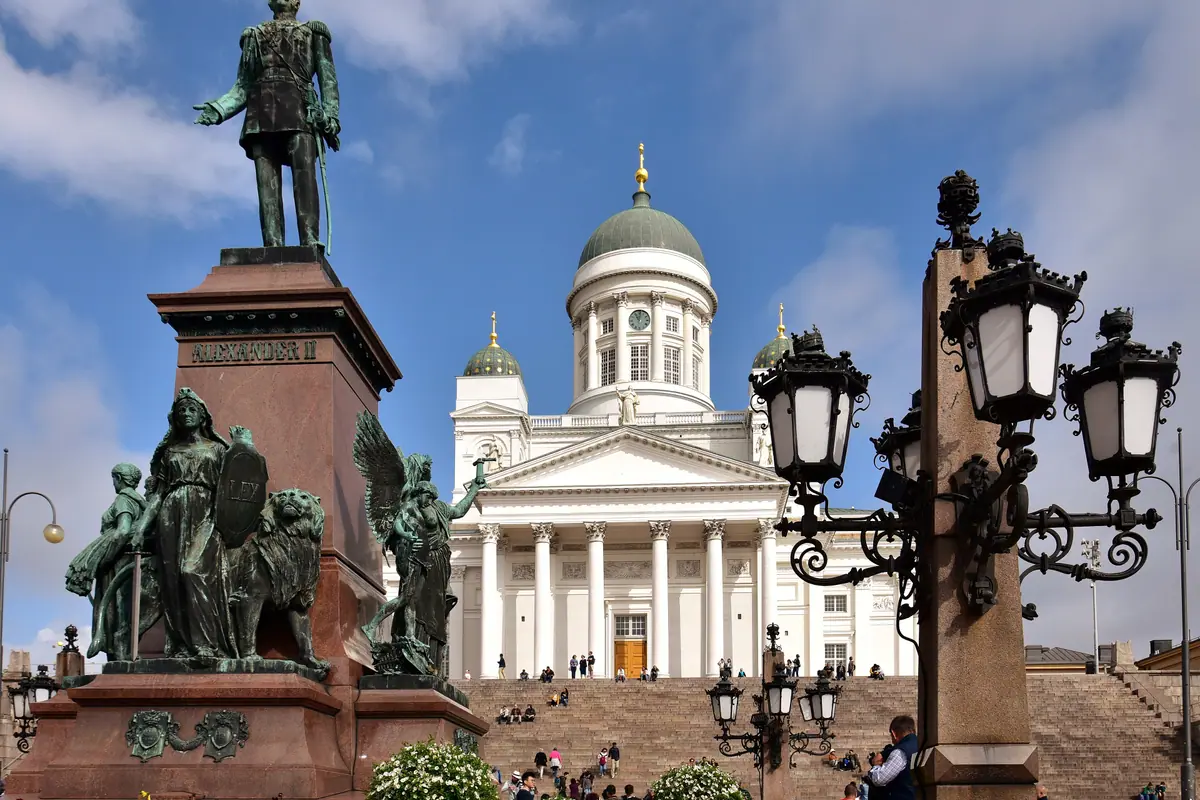
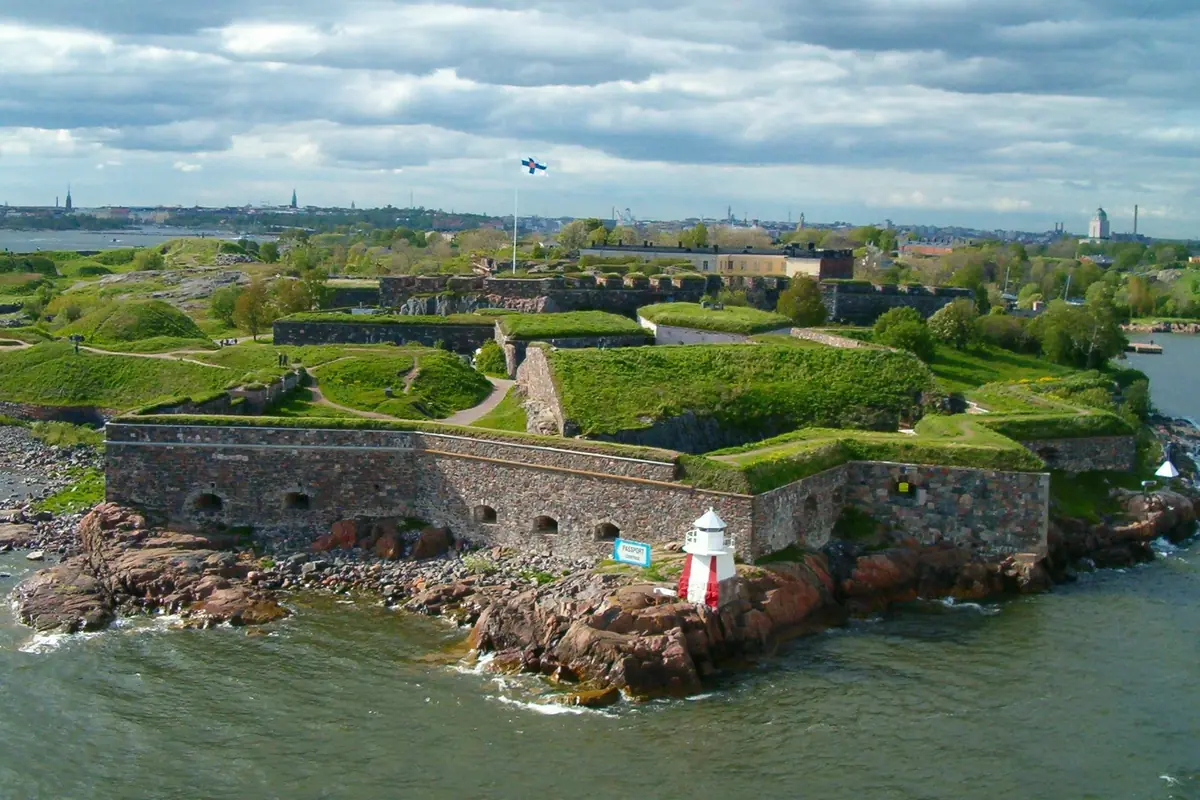
Most visitors start in Helsinki, and the smartest first-timer base is around Senate Square, where the white neoclassical Helsinki Cathedral presides over the city's oldest streets and the Uspenski Cathedral, its red-brick Orthodox counterpart, rises a few minutes east on Katajanokka. From the Market Square at the harbour you can walk to Esplanadi park, catch the ferry to the Suomenlinna sea fortress — a UNESCO-listed island complex of ramparts, tunnels and gardens that deserves at least half a day — and reach the Design District, whose boutiques and galleries fill the streets of Punavuori.
Beyond that core, Helsinki rewards wandering. Temppeliaukio Church is carved directly into solid granite and doubles as a concert hall; the Ateneum holds the country's classic art collection while Kiasma covers contemporary work; Seurasaari, reached by a footbridge, is an open-air museum of transplanted wooden farmsteads. If you want forest rather than pavement, Nuuksio National Park is an easy day trip from the centre, with marked trails past small lakes and camping shelters.
Where to stay depends on your taste for noise. Punavuori and Ullanlinna suit people who want restaurants and bars on the doorstep; Kruununhaka and Katajanokka are calmer and prettier; Kallio is the budget option, with apartments and simple guesthouses a short tram ride from the centre. Boutique design hotels cluster around the Design District, while larger harbour-front properties trade character for views and spa facilities. Summer is the busiest and priciest stretch, December brings Christmas lights along Aleksanterinkatu, and the shoulder weeks of late May and early September are arguably the sweet spot.
Lapland and Rovaniemi: Glass Igloos, Auroras and the Arctic Circle
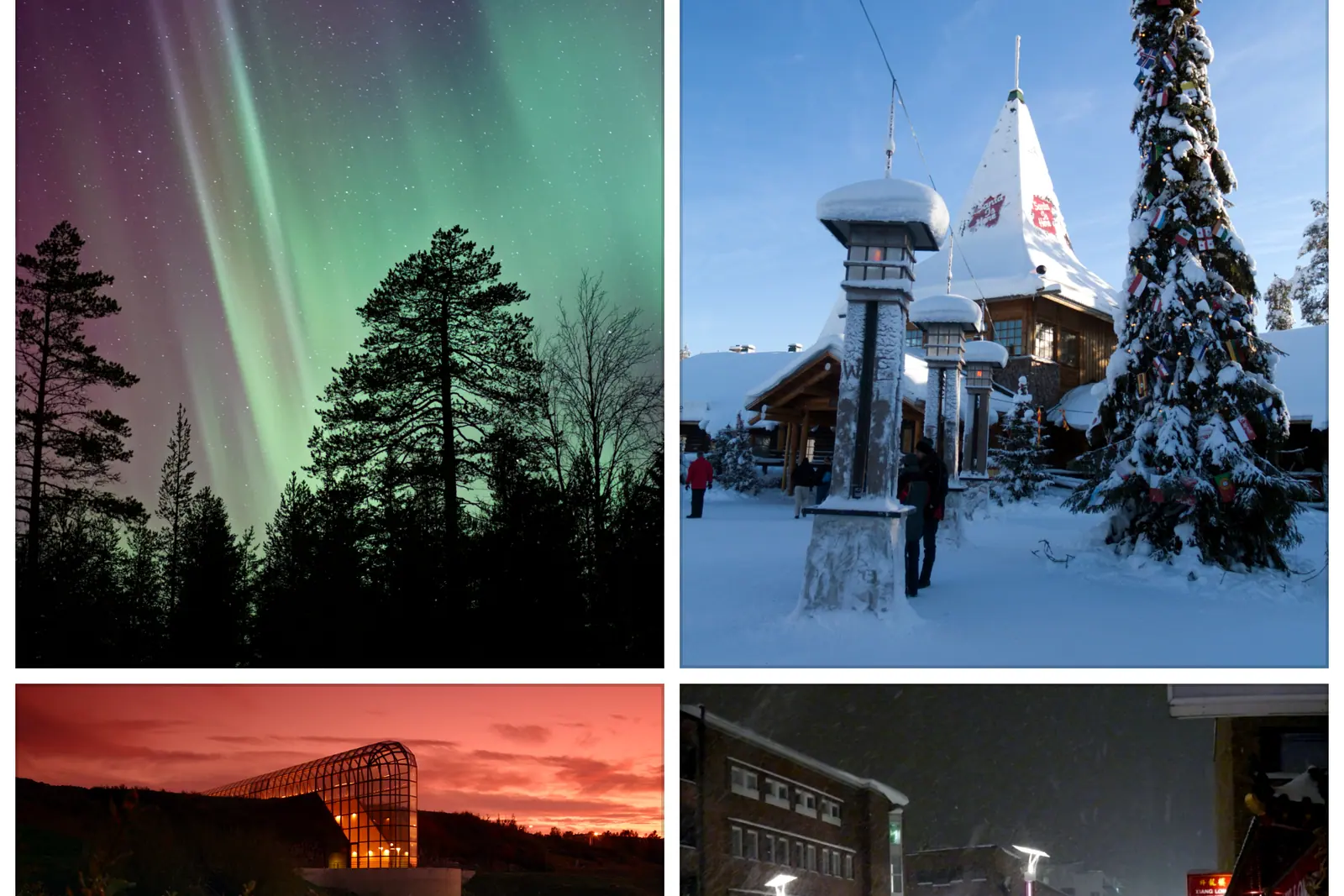
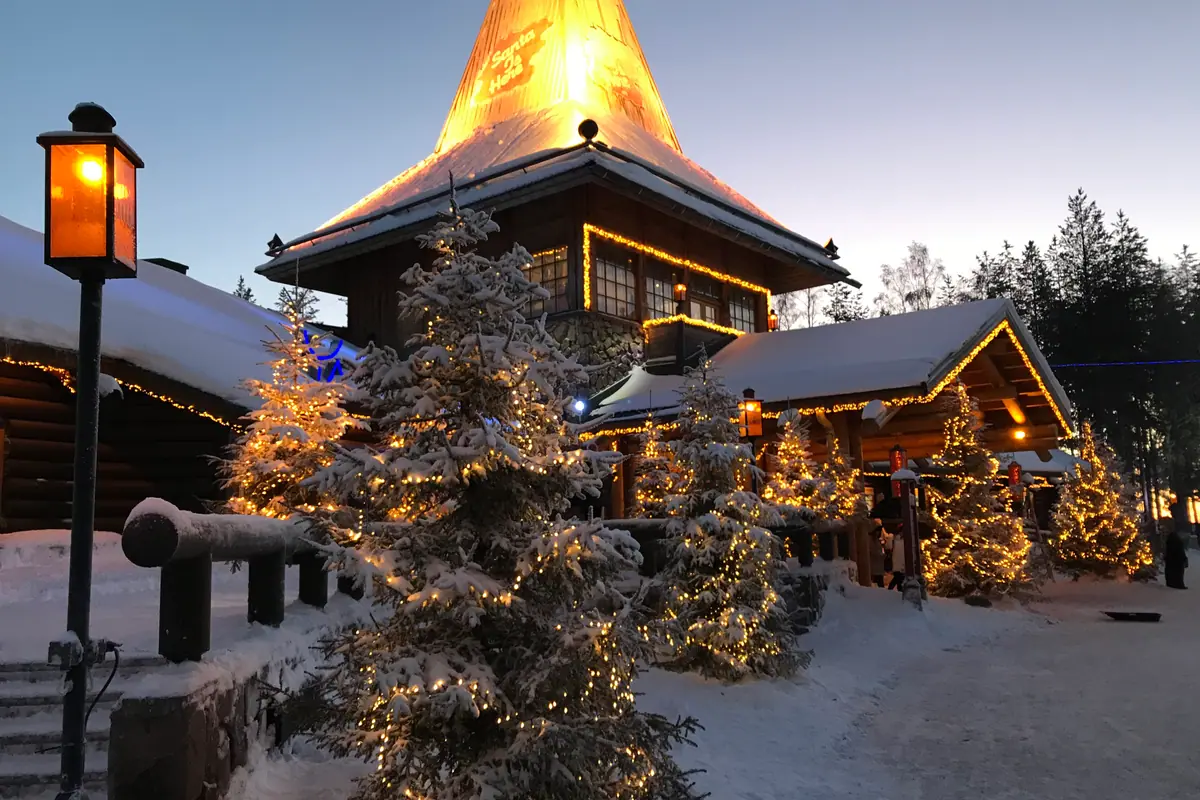
Cross the Arctic Circle and the accommodation becomes part of the attraction. Rovaniemi, the regional capital, sits right on the line: Santa Claus Village marks the spot with its post office and reindeer, the Arktikum museum explains northern nature and culture under a glass-roofed gallery, and Ounasvaara hill offers winter trails and views over the Kemijoki river. Hotels here range from city-centre rooms to fell-top resorts, and Rovaniemi is the easiest Lapland base to reach, with direct winter flights and an overnight sleeper train from Helsinki.
Further north, the choices get wilder and quieter. Saariselkä, Levi, Ylläs and Kilpisjärvi all sit inside the aurora belt, and it is here that glass-roofed igloos, aurora cabins and log lodges make sense — you can watch the sky from under a duvet instead of standing in the snow. The aurora season runs from late August to early April, with the darkest, most productive nights between September and March, and a three- or four-night stay gives you a fair chance if the sky is clear. In December and January the polar night dims the days to a few blue hours; in June and July the sun refuses to set at all.
Come prepared for real cold. Temperatures can drop below minus 30°C, so layers, insulated boots and gloves are essential, and many hotels lend snowsuits and boots for safaris. Winter activities — husky sledding, snowmobiling, cross-country skiing, ice fishing — are usually booked as packages through your accommodation, and the northern lights are best chased away from village lights with a guide who reads the cloud forecast.
Lakeland and the East: Tampere, Savonlinna and Lake Saimaa
Tampere makes an excellent bridge between the south and the lakeland. The city's landmark is the Näsinneula observation tower, which rotates above Särkänniemi and looks out over two lakes; below it, the Pyynikki ridge offers a forest walk and a famous doughnut café, while the Vapriikki museum complex occupies a former factory beside the rapids. From Tampere, trains and roads run east into a landscape of water, eskers and summer cottages.
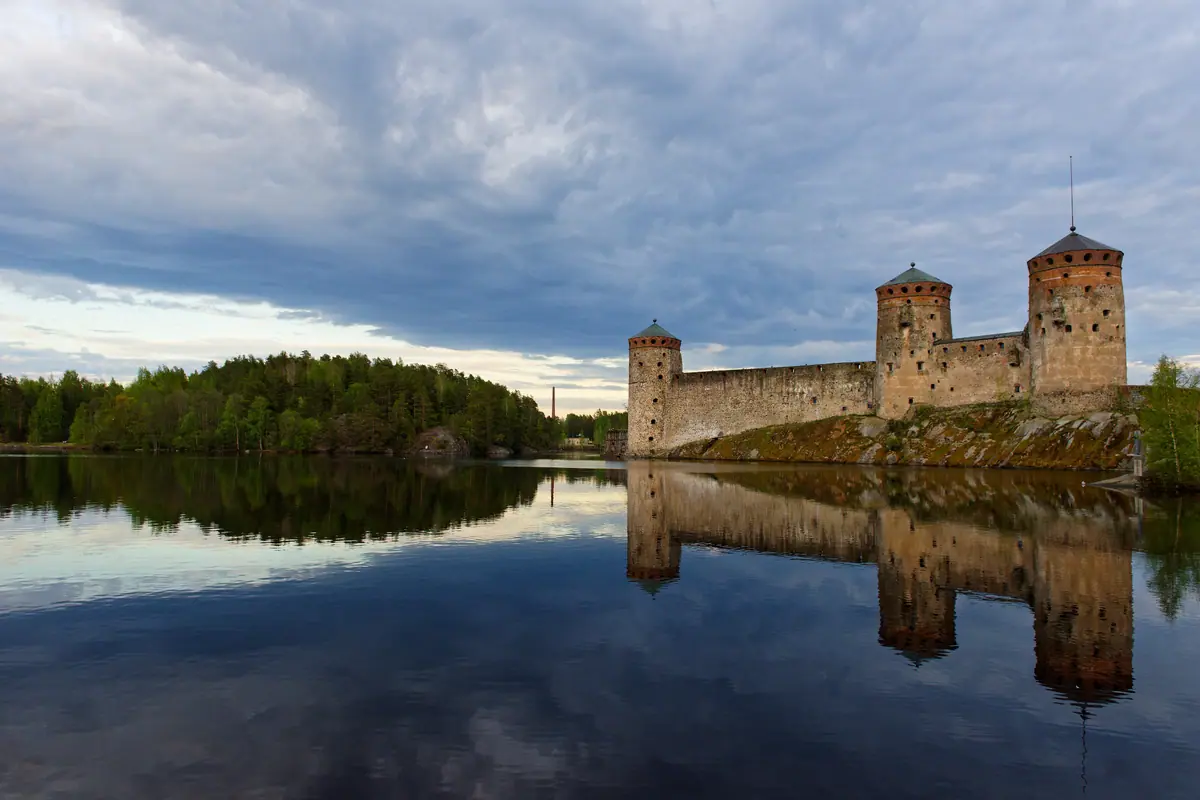
Savonlinna is the region's showpiece, built around Olavinlinna, a 15th-century castle rising from a rocky island in the middle of the water and hosting an international opera festival every July. The surrounding Lake Saimaa is home to the endangered Saimaa ringed seal, and the Punkaharju ridge — a narrow sliver of land with water on both sides — is one of the country's most photographed drives. Lappeenranta, further south, adds a harbour, a fortress and a sandy lakeside park.
In Kuopio, the Puijo Tower gives a panoramic view over the archipelago-like lake system, and Koli National Park, a couple of hours north, delivers the classic Finnish landscape painting view from Ukko-Koli across Lake Pielinen. This is cottage country: most stays are rented log houses with a private sauna, a rowing boat and a jetty for swimming, or spa hotels on the water that fill up at Midsummer. A car is close to essential here, and stays of a week are common — this is where Finns themselves go to slow down.
The Southwest Coast and Archipelago: Turku, Porvoo and Åland
Finland's oldest city, Turku, pairs a medieval castle with a cathedral and a riverfront of boats turned into cafés. Turku Castle is one of the country's largest surviving medieval buildings, and the Aura riverbank makes a pleasant base for a night or two before a ferry across to Sweden or out into the archipelago. Nearby Naantali, a small wooden town with a spa and a family theme park, and the thousands of islands strung between the mainland and Åland reward slow travel by bike or ferry.
East along the coast, Porvoo's old town is the postcard image of Finland: cobbled lanes, a hilltop cathedral and red-painted shorehouses along the river. Rauma, further north-west, preserves a UNESCO-listed wooden old town of narrow streets and lace-making traditions, while Hanko at the southern tip offers long beaches and a summer regatta atmosphere. Åland, an autonomous and demilitarised archipelago between Finland and Sweden, has its own flag, its own parliament and Mariehamn as its harbour capital, plus Kastelholm Castle and some of the best cycling in the Baltic.
Accommodation here leans towards manor houses, archipelago guesthouses and small spa hotels, many of them open only from late spring to early autumn. The season is short — roughly June to August for swimming and island ferries — and the light in late June is extraordinary, with usable daylight close to 19 hours in Helsinki. Off-season, the coast is quiet, atmospheric and considerably easier on the wallet, though you should check that your chosen guesthouse is actually open.
What to Expect: Sauna, Breakfast and Finnish Hotel Habits
The sauna is not an amenity in Finland, it is the point. Almost every hotel, from a Helsinki design property to a Lakeland cottage, has one, usually with separate booking slots for men and women or a private hour for your room. Etiquette is simple: shower first, sit on a towel, expect 80–90°C, stay 10–15 minutes, then cool off — under a shower, in a lake, or through a hole cut in the ice, which is bracing and entirely normal. Birch whisks, called vihta or vasta, are used to stimulate circulation, and the whole ritual is repeated two or three times with rest and drinks in between.
Finnish hotel breakfasts are a highlight and rarely an afterthought: dark rye bread, porridge, berries, cold cuts, cheese, boiled eggs and Karelian pasties with egg butter. Rooms tend to be compact but well organised, with good heating, blackout curtains that matter enormously in June, and uncomplicated check-in. Rural hotels often close entirely in the shoulder months, and many are a drive from the nearest shop, so plan food and fuel before you arrive.
Timing your trip around what you actually want to do is the last piece. Northern lights: September to March. Midnight sun and lake swimming: June and July, but book early. Autumn foliage in Lapland: late September. Skiing: roughly November to May, depending on latitude. Christmas atmosphere: December, at a premium. Whenever you come, layers beat luggage, the train network covers the spine of the country comfortably, and the further north you go, the more the accommodation itself becomes the memory.
Frequently asked questions
When is the best time to visit Finland to see the northern lights?
The aurora season runs from late August to early April, with the darkest and most reliable nights between September and March. Base yourself in Lapland — Rovaniemi, Saariselkä, Levi, Ylläs or Kilpisjärvi — and plan at least three or four nights, since cloud cover, not solar activity, is usually what spoils a sighting. Clear, cold, moonless nights away from village lights give the best odds.
Do hotels in Finland have saunas, and what is the etiquette?
Most do, from city hotels to lakeside cottages, often with reservable time slots. Shower before entering, sit on a towel, expect temperatures around 80–90°C and limit each session to 10–15 minutes, then cool off under a shower, in a lake or in an ice hole. Two or three rounds with rests in between is the normal pattern, and swimwear is optional in single-sex or private saunas.
How many days should I spend in Helsinki versus Lapland?
Two or three nights in Helsinki covers Senate Square, the Uspenski Cathedral, Suomenlinna and the Design District without rushing. Then allow three or four nights in Lapland for aurora chasing, husky or snowmobile safaris and a visit to Santa Claus Village and the Arktikum museum. An overnight sleeper train connects Helsinki with Rovaniemi, saving a hotel night and a day of travel.
Are glass igloos worth it, and how far ahead should I book?
Glass-roofed igloos and aurora cabins are genuinely memorable because you can watch the sky from bed, but they are small, popular and expensive between December and March, so book six to twelve months ahead for winter dates. Log cabins and fell-side lodges cost less, give you more space and a private sauna, and you can still step outside when the aurora appears.
How do I get around Finland and what should I pack?
Trains link Helsinki, Tampere, Oulu and Rovaniemi, with sleeper services heading north; buses cover most Lapland villages and ferries connect the southwest archipelago and Åland. A rental car is the practical choice for Lakeland cottages. Pack moisture-wicking base layers, wool, a windproof outer shell, insulated waterproof boots, gloves, a hat and buffs — winter temperatures can fall below minus 30°C, and many hotels lend snowsuits for excursions.
Sort the rest of your trip
Everything for Finland, in one place
Transfer in Finland
Private driver waiting on arrival — no queues, no surprises.
Book a transfer
Things to do in Finland
Skip-the-line tickets, guided tours and standout experiences.
See experiences
Stay online in Finland
Travel eSIM — data the moment you land, no roaming bills.
Get an eSIM