Uruguay is small enough to cross in a single day and varied enough to fill a week — a country where a 1930 World Cup stadium, Portuguese-era cobbles, a giant hand rising out of the sand and a lighthouse run on generators all sit within a few hours of each other. This seven-day loop starts in Montevideo, slips into the riverside past at Colonia del Sacramento, then follows the Atlantic through Punta del Este and the empty dunes of Rocha. You will travel mostly by bus, sleep everywhere from city art-deco rooms to beach shacks, and develop an unexpected opinion about mate.
Arrival in Montevideo: Planning a Week in a Country You Can Cross by Bus
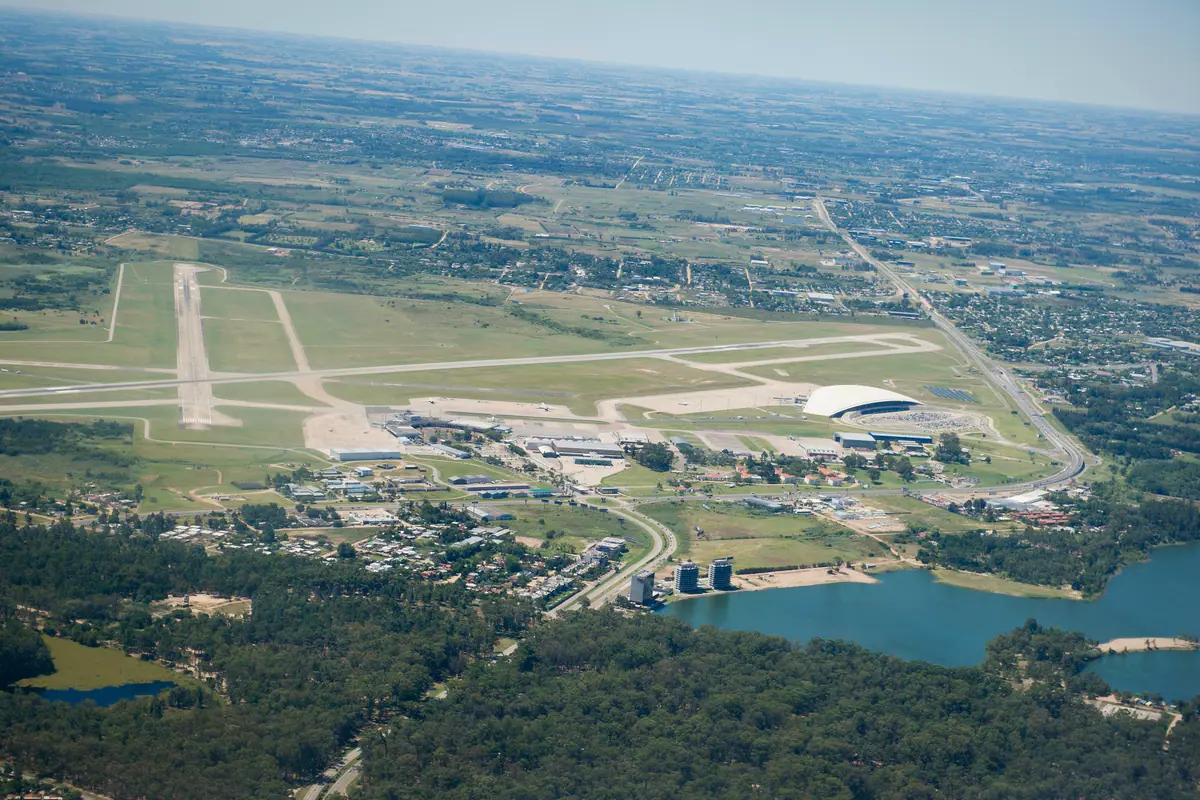
Almost every trip begins at Carrasco International Airport, a low, calm terminal about 20 kilometres east of downtown Montevideo. Flight times set the tone for how close Uruguay is to everything: roughly 40 minutes from Buenos Aires, two and a half hours from São Paulo, three from Santiago, and an overnight hop from Madrid. What surprises first-timers is that you rarely need a domestic flight at all — the whole country is a bus ride wide, with Montevideo to Punta del Este taking about two hours and Montevideo to Colonia del Sacramento around two and a half.
Timing matters more here than in most places, because Uruguay swings hard between seasons. December to February is hot, bright and packed, with beach towns charging peak rates and filling weeks ahead. March and April bring warm water, softer light and half the people. May to August is cool, green and quiet — this is when whale-watching peaks off the Atlantic coast and when Montevideo's cafés and theatres come into their own. October and November may be the sweet spot: wildflowers inland, empty beaches east, and a sea that has finally warmed up.
Pack for wind. The pampero, a cold front that sweeps across the pampas and down the coast, can turn a 30°C afternoon into a jacket evening within hours. Bring cash in Uruguayan pesos for the small coastal villages, where cards are patchy and ATMs scarce, and keep a flexible bus timetable in mind — long-distance coaches are comfortable, frequent and the default way locals move around.
Days 1–2 in Montevideo: Plaza Independencia, the Rambla and Mercado del Puerto
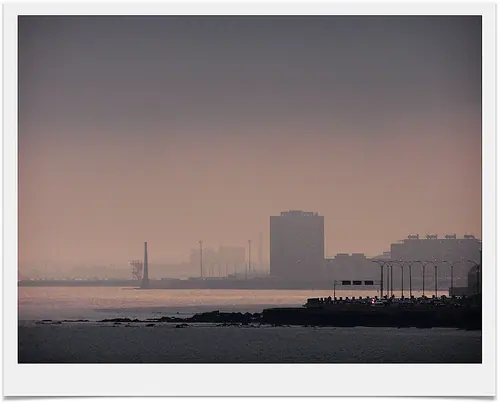
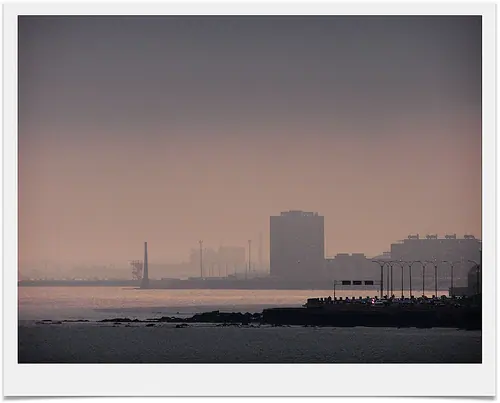
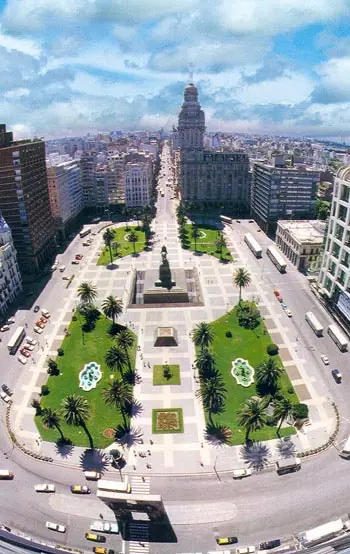
Give the capital two full days. Start at Plaza Independencia, the city's ceremonial heart, where the Palacio Salvo — a 1920s tower that looks like a wedding cake designed by an optimist — looms over the mausoleum of national hero José Gervasio Artigas. Walk through the old gate into Ciudad Vieja, the colonial grid of the original city, and visit the Teatro Solís, a restored 19th-century opera house with excellent guided tours. A few blocks away, the Museo del Carnaval explains the drums and costumes behind Montevideo's February celebrations, while the Mercado del Puerto, a cast-iron market hall by the docks, is the place to eat grilled meat and drink wine at a counter while someone plays guitar beside you.
Day two belongs to the water. The Rambla, the city's promenade, runs for more than 20 kilometres along the Río de la Plata, linking sandy beaches at Ramírez, Pocitos and Carrasco with fishermen, joggers and couples sharing a thermos of mate at sunset. Inland, the Mercado Agrícola offers a more modern market experience with local cheese, wine and craft stalls, and football pilgrims should detour to the Estadio Centenario, the 1930 World Cup stadium that still hosts matches and houses a museum of the tournament's history.
Come evening, head to Barrio Sur and Palermo, where comparsas — neighbourhood drumming groups — rehearse candombe rhythms in the streets, especially on weekend nights. Montevideo is a walkable, unshowy city: you will not find a checklist of blockbuster monuments, but you will find bookshops, wine bars, a working port and a football culture that borders on religion. Sleep in Ciudad Vieja or Pocitos, and use the second evening to eat at a parrilla rather than rush to the bus station.
Day 3: Colonia del Sacramento and the Calle de los Suspiros
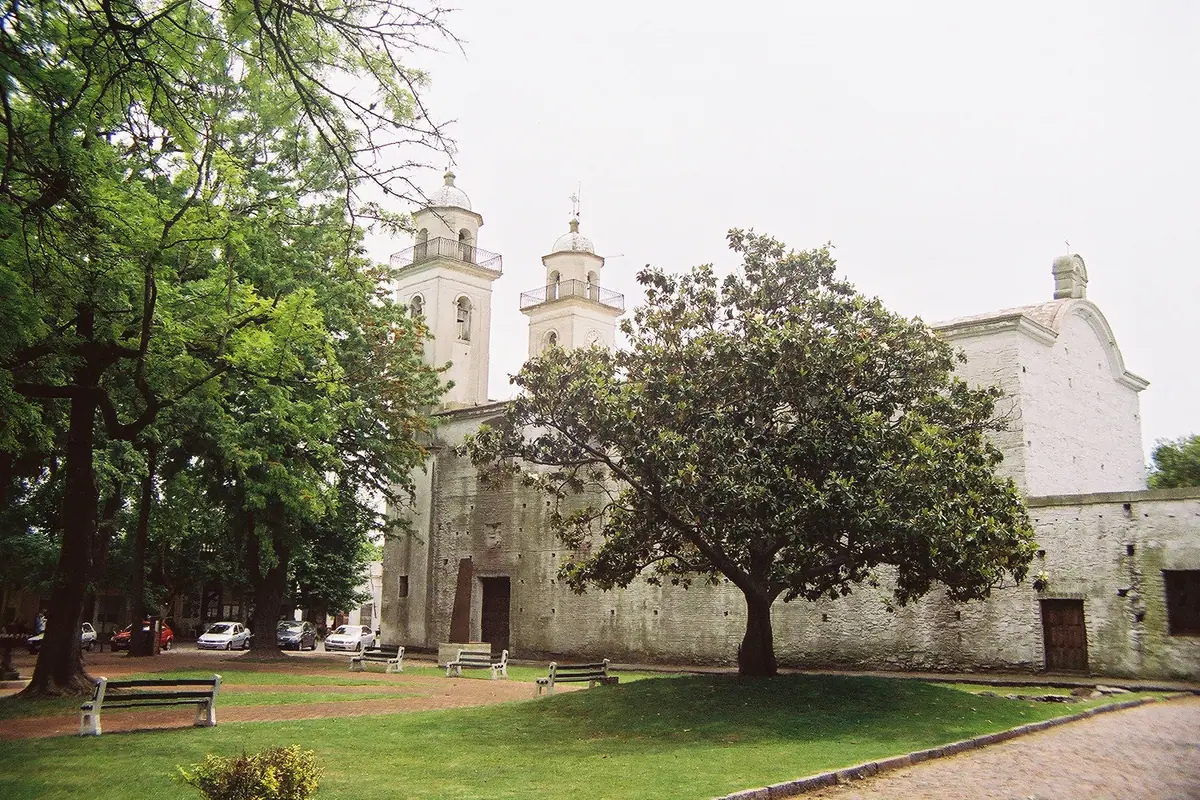
Take an early bus west to Colonia del Sacramento, a UNESCO-listed town founded by the Portuguese in 1680 and fought over by Spain for a century. The Barrio Histórico is small enough to cover on foot in an afternoon but layered enough to hold your attention for a full day: uneven cobbles, low whitewashed houses with terracotta roofs, flowering patios and the river lapping at the edge of the streets. The Puerta de la Ciudadela marks the old entrance, and the Basílica del Santísimo Sacramento, one of the oldest churches in the country, anchors the main square.
The most photographed lane is the Calle de los Suspiros, a narrow, sloping street of stone and shadow that leads down toward the water. Climb the Faro, the 19th-century lighthouse, for a view over the rooftops and the wide brown expanse of the Río de la Plata, then walk out along the Costanera to watch the sun drop behind the river — sunsets here are famously slow and orange. Bicycles and scooters are easy to rent for exploring the quieter streets and the old bullring ruins on the town's edge.
Colonia also works as an entry or exit point: fast ferries cross from Buenos Aires in roughly one to three hours, making it the natural first stop if you arrive from Argentina. Stay overnight if you can — the day-trippers leave by late afternoon and the town becomes almost silent, with lanterns on the cobbles and a handful of restaurants serving river fish and local Tannat wine.
Days 4–5: Punta del Este, La Mano and Casapueblo
Two hours east of Montevideo, Punta del Este is where Uruguay's quietness gives way to gloss: high-rises, marinas, beach clubs and a summer population that swells enormously in January and February. The town has two coasts and two moods. Playa Mansa, facing the river, is calm and family-friendly; Playa Brava, facing the open Atlantic, has the surf, the widest sand and the sculpture everyone comes to photograph — La Mano, a giant concrete hand emerging from the dunes, built in 1982 and now the icon of the resort.
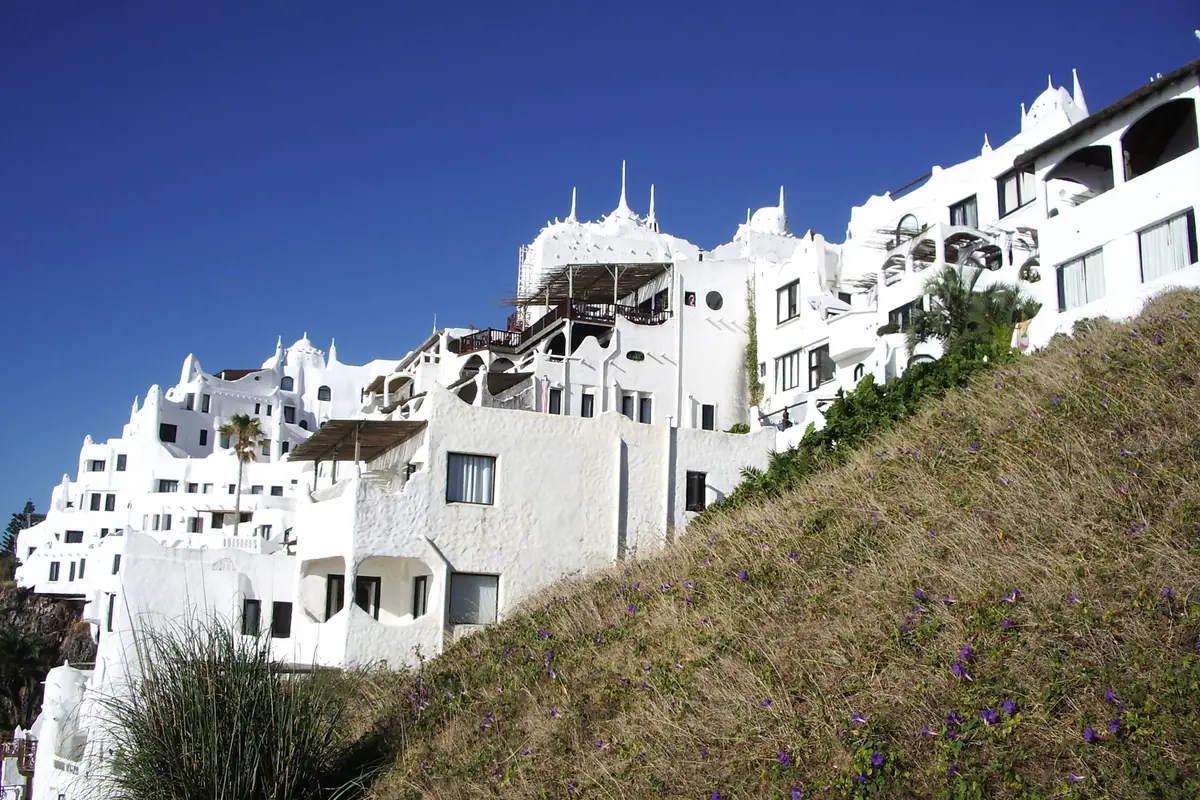
From the peninsula you can take a small boat to Isla Gorriti for a quiet beach and a lighthouse, or continue west to Punta Ballena, where Casapueblo clings to a cliff above the sea. Designed by artist Carlos Páez Vilaró as a home, studio and hotel, the whitewashed, cave-like building is best visited in late afternoon so you can stay for the sunset ritual, when a crowd gathers on the terraces and someone reads a poem to the sinking sun. Between July and October, boats leave from the Maldonado area for whale-watching, when southern right whales calve in the bay.
If you want the scenery without the crowds, base yourself in La Barra or José Ignacio, both a short drive up the coast, and visit Punta del Este as a day trip. Outside high season — March, April, October, November — prices fall, restaurants relax and the beaches feel like they belong to you. Rent a car for these two days if your budget allows; it turns the coastline between the resort towns into a series of spontaneous stops rather than a timetable.
Days 6–7: The Wild East — Punta del Diablo, Santa Teresa and Cabo Polonio
Keep going east along Ruta 10 and Uruguay changes character completely. Punta del Diablo is a fishing village turned low-key surf town, with wooden shacks, sandy lanes and beaches where you can walk for an hour without meeting anyone in the off-season. Nearby sits the Fortaleza de Santa Teresa, an 18th-century fortress begun by the Portuguese and finished by the Spanish, with grassy ramparts, a moat and cannons pointing out to sea — one of the most atmospheric historic sites in the country and easily combined with a beach afternoon.
The highlight of this stretch is Cabo Polonio, a settlement with no roads, no grid electricity and no pretence of convenience. You park at the entrance and ride in over the dunes in a 4x4 truck or walk the sand track, arriving at a cluster of shacks below a working lighthouse, with a colony of sea lions barking on the rocks. Stay overnight if you can: after the day-trippers leave, the sky fills with stars, generators hum faintly, and the whole place feels like a country within a country.
A little further west along the coast, La Pedrera, Barra de Valizas and the Laguna de Rocha offer gentler versions of the same wildness — dunes, wetlands, flamingos and birdlife. Bring cash, insect repellent and a headlamp, book accommodation well ahead for January, and accept that buses along this coast are slower and less frequent than on the main Montevideo routes.
Inland Uruguay: Hot Springs, Gaucho Country and How to Get Around
If you have a spare day, or if you are visiting in winter, trade one beach day for the interior. In the northwest around Salto, the Termas del Daymán and Termas del Arapey are natural hot springs in the 38–42°C range, open year-round and especially appealing when the coast is cold and grey. Further east, near Treinta y Tres, the Quebrada de los Cuervos is a protected canyon of native forest with walking trails and viewpoints — proof that Uruguay is not only coastline and cattle.
Gaucho culture is the other inland draw. Working estancias in the departments of Florida, Durazno and Tacuarembó welcome guests for horseback rides, sheep herding, asado cooked over embers and long evenings with guitars. Canelones, just outside Montevideo, is wine country, where family wineries pour Tannat, the robust red that has become the national grape. Any of these makes a rich half-day or overnight contrast to the beaches.
Getting around is refreshingly simple. Long-distance buses connect all the towns on this route, with the Montevideo–Punta del Este and Montevideo–Colonia services running almost hourly; a couple of small regional airports link the capital with Punta del Este and Salto if you want to save time. A rental car makes sense for the Rocha coast and the wine routes, but is not essential. Learn the local rhythms — late dinners, mate under the arm, lunch that stretches past three — and a week here feels considerably longer than it is.
Frequently asked questions
How many days do you need in Uruguay?
A week is enough for the classic loop: two days in Montevideo, a day in Colonia del Sacramento, two around Punta del Este, and the Rocha coast for the remainder. Add three or four days if you want the hot springs near Salto, an estancia stay or wine touring in Canelones.
When is the best time to visit Uruguay?
December to February is beach season, hot and busy, with January the peak. March, April, October and November offer warm weather with far fewer people. July to October is best for whale-watching off the Atlantic coast, while June to August is cool, quiet and good for cities, wine and hot springs.
Do I need to take domestic flights in Uruguay?
Rarely. Buses are frequent and comfortable, covering Montevideo to Punta del Este in about two hours and Montevideo to Colonia in around two and a half. A few small regional airports connect the capital with Punta del Este and Salto, which can save time if your schedule is tight.
How do you get to Colonia del Sacramento?
Fast passenger ferries cross the Río de la Plata from Buenos Aires in roughly one to three hours, and buses from Montevideo take about two and a half hours. Colonia is a convenient first or last stop on an Argentina–Uruguay trip.
Is Uruguay safe and easy for independent travellers?
Yes — it is one of the safest and most straightforward countries in South America, with reliable buses, good roads and widely spoken Spanish. Use normal precautions in Montevideo's nightlife districts, carry pesos for the small coastal villages where cards and ATMs are limited, and book beach accommodation early for January.
Sort the rest of your trip
Everything for Uruguay, in one place
Stay in Uruguay
Hotels, guesthouses and apartments — compared in one search.
Search hotels
Transfer in Uruguay
Private driver waiting on arrival — no queues, no surprises.
Book a transfer
Travel insurance
Medical cover, delays and lost baggage — sorted before you go.
Get covered