Uruguay is a small country with a big seasonal swing: the same coastline that buzzes with beach umbrellas in January can feel like a private wilderness by July. Knowing when to go decides whether you pay peak rates for a Punta del Este balcony or glide into a quiet estancia for half the price. Here is how the year actually unfolds, month by month, for travellers who care about hotels as much as highlights.
How Uruguay's Seasons Shape Your Trip
Uruguay sits firmly in the southern hemisphere, so the calendar flips: January is high summer and July is the depth of winter. That single fact reorganises everything — beach crowds, hotel rates, restaurant hours, even which towns feel alive. The coast from Montevideo east through Maldonado and Rocha fills up from mid-December to late February, when Argentinians and Brazilians arrive en masse, while the interior of Salto, Paysandú and Tacuarembó has its own rhythm built around hot springs, cattle country and long weekends.
The climate is temperate rather than tropical. Summer days along the Río de la Plata and the Atlantic commonly climb past 30°C with humidity that makes an afternoon siesta genuinely appealing, and the sea is warm enough for real swimming. Winter is mild by European standards — rarely freezing, often damp, frequently windy — with temperatures hovering between roughly 5°C and 15°C. Spring and autumn are the golden compromise: soft light, fewer people, and a hotel market willing to negotiate.
One more thing shapes timing: Uruguayans travel domestically with enthusiasm. Semana de Turismo, the national holiday week around Easter, and the Carnival dates in February can empty coastal hotels faster than any foreign high season, so those weeks need to be treated as peak even when the weather is only shoulder-season pleasant.

High Summer (December–February): Beaches, Carnival and Peak Prices
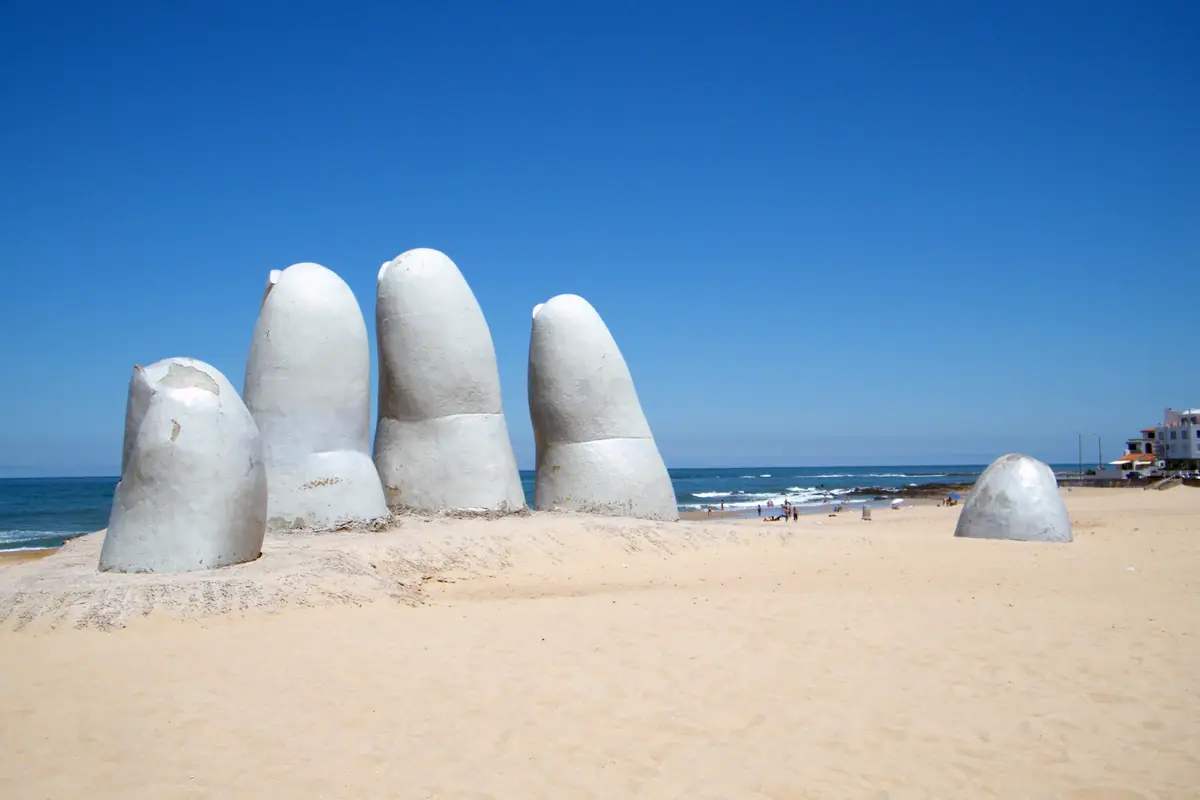
This is Uruguay at its most extroverted. Punta del Este becomes a stage set of yachts and high-rises, with Playa Brava's famous sculpture of a giant hand emerging from the sand — La Mano — as its most photographed landmark, and the calmer Playa Mansa stretching toward the peninsula. Further east, José Ignacio and Manantiales draw a quieter, design-conscious crowd, while Punta del Diablo and Barra de Valizas in Rocha keep things rustic with wooden shacks and dirt roads. In Montevideo, Carnival takes over late January and February, with the drumming parade of the Llamadas rolling through Barrio Sur and Palermo.
Hotels behave predictably: coastal properties in Maldonado and Rocha charge their highest rates of the year, often with minimum-stay requirements over New Year and the first weeks of January. Book three to six months ahead if you want a specific beach town, and expect the same property to cost noticeably less by mid-February. Montevideo itself is easier — the city has business and cultural travellers year-round, so its hotels in Ciudad Vieja and around the Rambla stay more balanced, though Carnival weekend still spikes.
Practical summer advice: reserve beach restaurants and long-distance buses early, carry cash for small coastal towns where card machines are unreliable, and plan outdoor sightseeing for before 11am or after 5pm. The Atlantic can be surprisingly brisk even in January thanks to cold currents, so the warmer swimming is usually on the river beaches west of Montevideo or on Playa Mansa rather than the open ocean side.
Autumn (March–May): The Smartest Window for Hotels and Wine Country
By March the crowds thin, the water is still swimmable into April, and room rates drop sharply outside the Semana de Turismo holiday week. This is arguably the best all-round window for a first visit. Days are warm and less humid, the light is golden, and you can combine coast and interior without fighting for reservations. Grape harvest in the wine areas around Canelones, Montevideo's rural edge and the hills of Maldonado adds cellar visits and vineyard lunches to the itinerary.
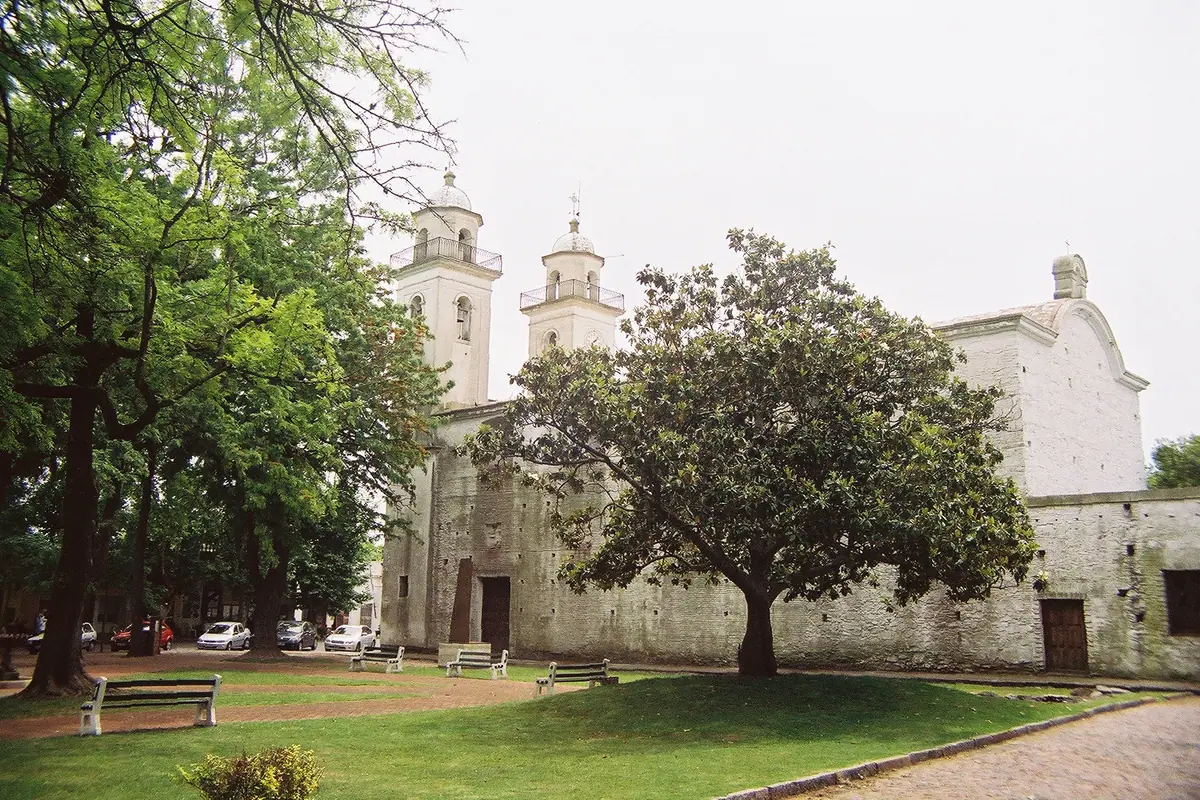
Autumn is also the ideal season for Uruguay's most rewarding historic town. Colonia del Sacramento's Barrio Histórico, a UNESCO-listed jumble of cobblestones and Portuguese colonial houses, is far more enjoyable without January's crush. Walk the Calle de los Suspiros, climb the lighthouse for river views, and pass through the Puerta de la Ciudadela, the old city gate. Because Colonia sits just across the water from Buenos Aires, weekend demand is intense — Friday and Saturday nights can cost more than weeknights, so midweek stays are the value play.
In Montevideo, autumn means outdoor theatre, football season in full swing and long walks along the Rambla, the waterfront promenade that curves for miles past beaches and parks. Stop at the Mercado del Puerto for grilled meats and a glass of Tannat, and look up at the Palacio Salvo looming over Plaza Independencia.
Winter (June–August): Whales, Hot Springs and the Lowest Rates
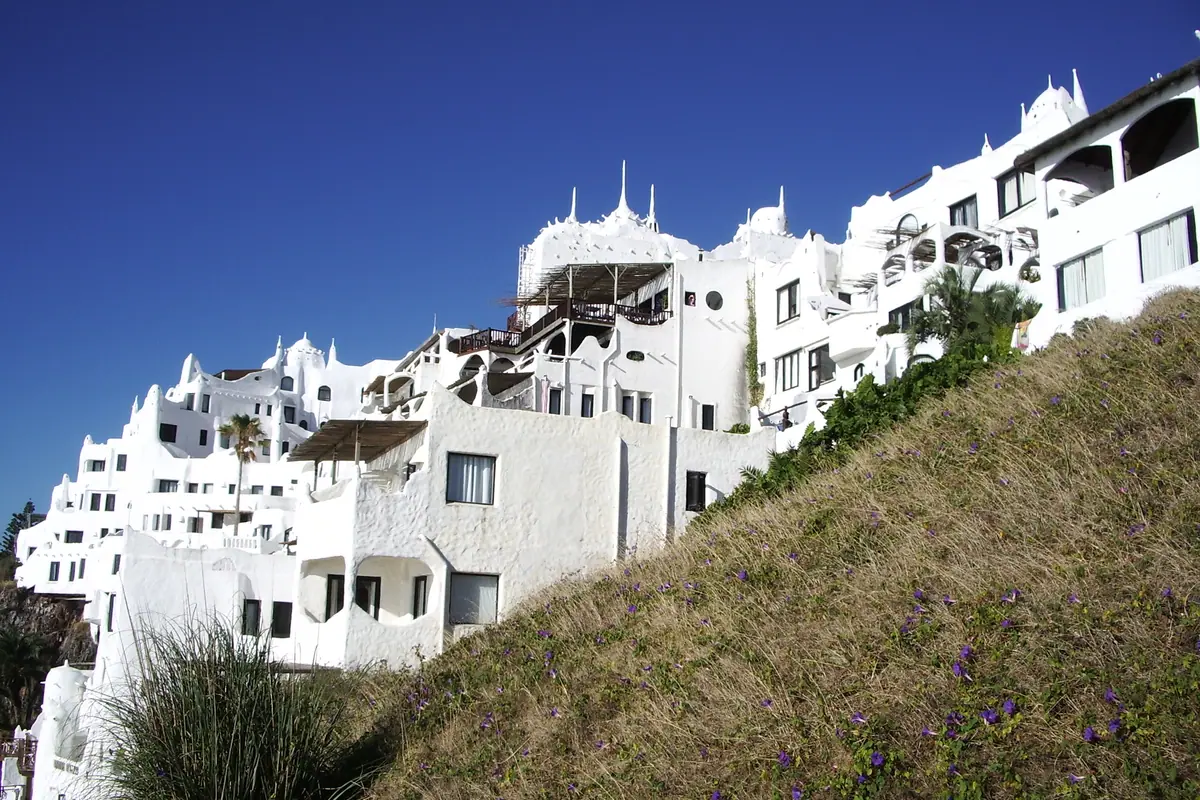
Winter is Uruguay's bargain season, and it comes with two spectacles that summer visitors miss entirely. From roughly June to September, southern right whales gather off the Maldonado coast, and boat trips leaving from Punta del Este harbour toward Isla de Lobos — the rocky island crowned by a lighthouse and a huge sea lion colony — offer some of the best whale-watching in South America. The clifftop galleries of Casapueblo, the whitewashed sculptor's house at Punta Ballena, are a superb rainy-day stop, warmed by fireplaces and framed by dramatic sunsets.
Inland, winter belongs to the hot springs. The thermal complexes around Salto and Paysandú, with Termas del Daymán the best known, are at their most appealing when the air is chilly and steam rises off the pools; nearby Salto Grande dam and the citrus groves make a pleasant half-day. This is also estancia season in Tacuarembó and Durazno, where working cattle ranches offer riding, asado and log fires at prices that would barely cover a beach hotel in January.
Expect grey skies, wind and rain, especially along the coast, and pack accordingly. On the plus side, Montevideo's cultural calendar is strong — the Teatro Solís, the museums of Ciudad Vieja and the Sunday market at Tristán Narvaja all thrive in the cooler months — and hotel rates in Punta del Este can fall to a fraction of their summer peak, though many beach-facing restaurants close for the season.
Spring (September–November): Shoulder Value and the Wild Coast
Spring arrives with jacaranda blossom, warming days and a coast that is beautiful but still empty. Hotel rates remain moderate through October, climbing only in the final weeks of November as the summer season primes itself. For travellers who want the Rocha coast without the crowds, this is the moment: Cabo Polonio, reached only by 4x4 across the dunes, with its lighthouse, sea lions and off-grid cabins, is magical in spring light and blissfully quiet.
Combine it with Santa Teresa National Park near Punta del Diablo, where the colonial fortress of Santa Teresa and its gardens sit among pine forest and empty beaches, and with the dune fields behind Barra de Valizas. The wildlife is excellent in spring, the walking is comfortable and accommodation — a mix of simple guesthouses, cabins and a handful of upscale posadas — is easy to secure at short notice.
Spring is also a good time for Uruguay's interior oddities: the palm groves and hot springs of the eastern wetlands, the rugged Quebrada de los Cuervos canyon in Treinta y Tres, and the rural villages of the north. Just be prepared for changeable weather; a warm shirtless afternoon can turn into a windy 12°C evening within hours.
Booking Timing, Regional Differences and What to Expect
Uruguay is small enough to visit year-round, but the booking strategy changes with the season. For Punta del Este, José Ignacio and Punta del Diablo, reserve three to six months ahead for late December through January and for Semana de Turismo, and check whether a minimum stay applies. Montevideo is far more forgiving — with steady year-round demand, you can usually find good rooms a few weeks out, except during Carnival. Colonia del Sacramento rewards midweek bookings almost any month; the town's proximity to Buenos Aires inflates weekend rates.
Think about how you want to split your time, too. The classic route — Montevideo, Colonia, the Maldonado coast, then east into Rocha — works in every season, but the balance shifts: summer is for beaches and nightlife, autumn for wine and colonial towns, winter for whales and thermal baths, spring for the wild coast and national parks. Trying to do all of it in one trip usually means choosing either the coast or the interior rather than both.
Finally, expect the elements to matter. Coastal Uruguay is windy and rain can arrive quickly in any month; summer heat and humidity peak in January; winter days are cool and short. Pack layers, a light waterproof, strong sunscreen and mosquito repellent for the humid months, and you will be comfortable whenever you decide to come.
Frequently asked questions
What is the cheapest month to stay in a hotel in Uruguay?
June, July and August are generally the lowest-rate months, especially in beach destinations such as Punta del Este, where winter prices can drop to a fraction of January levels. Excluding holiday weeks, late April, May and August offer the best combination of low rates and tolerable weather.
When is the best time to visit Punta del Este?
December through February delivers the full beach experience, warm sea temperatures and a lively restaurant scene, but also the highest prices and minimum-stay rules over New Year. March and April give you warm days and swimmable water with noticeably cheaper hotels, while July to September is prime time for whale watching off the coast.
Do I need to book hotels far in advance for Carnival or Semana de Turismo?
Yes. Montevideo's Carnival in late January and February, and the Semana de Turismo holiday week around Easter, are the two periods when Uruguayans travel domestically in huge numbers. Reserve two to four months ahead, particularly in Montevideo, Colonia del Sacramento and any coastal town.
What is the weather like in Uruguay in winter?
Winter runs from June to August and is mild but damp and windy, with temperatures typically between about 5°C and 15°C. Rain is common and coastal winds can be sharp, so layers and a waterproof jacket are essential. It is an excellent season for hot springs, estancia stays and whale watching.
Can I visit Uruguay's beaches and wineries in the same trip?
Yes, and autumn is the ideal time. The wine areas of Canelones and Maldonado are within a few hours of Montevideo and the coast, so you can pair vineyard visits with beach time. March to May offers harvest activity, warm days and lower hotel rates than the summer peak.
Sort the rest of your trip
Everything for Uruguay, in one place
Transfer in Uruguay
Private driver waiting on arrival — no queues, no surprises.
Book a transfer
Things to do in Uruguay
Skip-the-line tickets, guided tours and standout experiences.
See experiences
Stay online in Uruguay
Travel eSIM — data the moment you land, no roaming bills.
Get an eSIM