Uruguay is the quiet overachiever of South America: a small country with a long, surf-battered Atlantic edge, a Portuguese-Spanish old town you can walk in an afternoon, and an interior of hot springs and cattle country where the gaucho tradition is still a working way of life. It rewards slow travel — days spent on the Rambla, evenings over a parrilla, and long empty beaches where the only traffic is a horse cart heading home.
Montevideo: The Rambla, the Old City and a Market Built for Meat
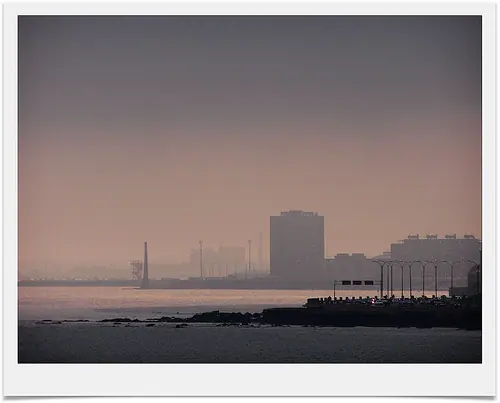
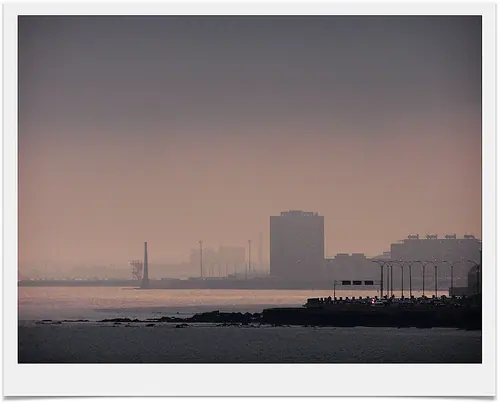
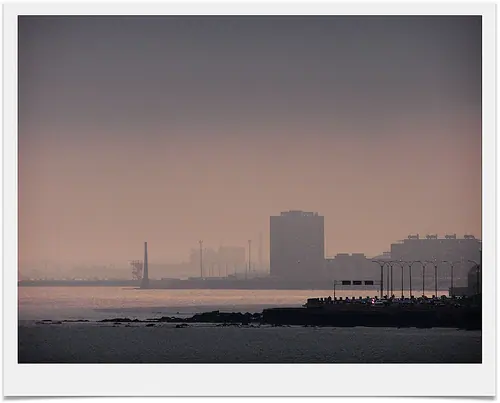
Start in the capital, where the city unrolls along the Río de la Plata in a single long curve. The Rambla de Montevideo is the spine of local life — a waterfront promenade that runs for kilometres past fishing jetties, football pitches wedged between road and river, and clusters of people passing a mate gourd back and forth at sunset. Walk it early in the morning or at dusk, when the river turns the colour of pewter and the whole city seems to be out walking a dog.
Inland from the water lies Plaza Independencia, the ceremonial heart of the country, guarded by the mausoleum of national hero José Gervasio Artigas and flanked by the Palacio Salvo, a 1920s tower that still dominates the skyline. From there, the gate to Ciudad Vieja opens onto the Teatro Solís, a restored nineteenth-century opera house, and streets of faded colonnades, small galleries and bookshops. Push on to the Mercado del Puerto, a cast-iron market hall near the docks where every stall is a grill and the smell of wood smoke and chorizo hits you from a block away.
Give Montevideo two or three days. Time a visit for February and you'll catch Carnival, one of the longest in the region, when murga troupes and candombe drumming take over the streets and the Llamadas parade fills the southern barrios with drums. Outside carnival, the city is unhurried and easy to like — a place that never tries too hard.
Colonia del Sacramento: Cobblestones, Sighs and a Lighthouse
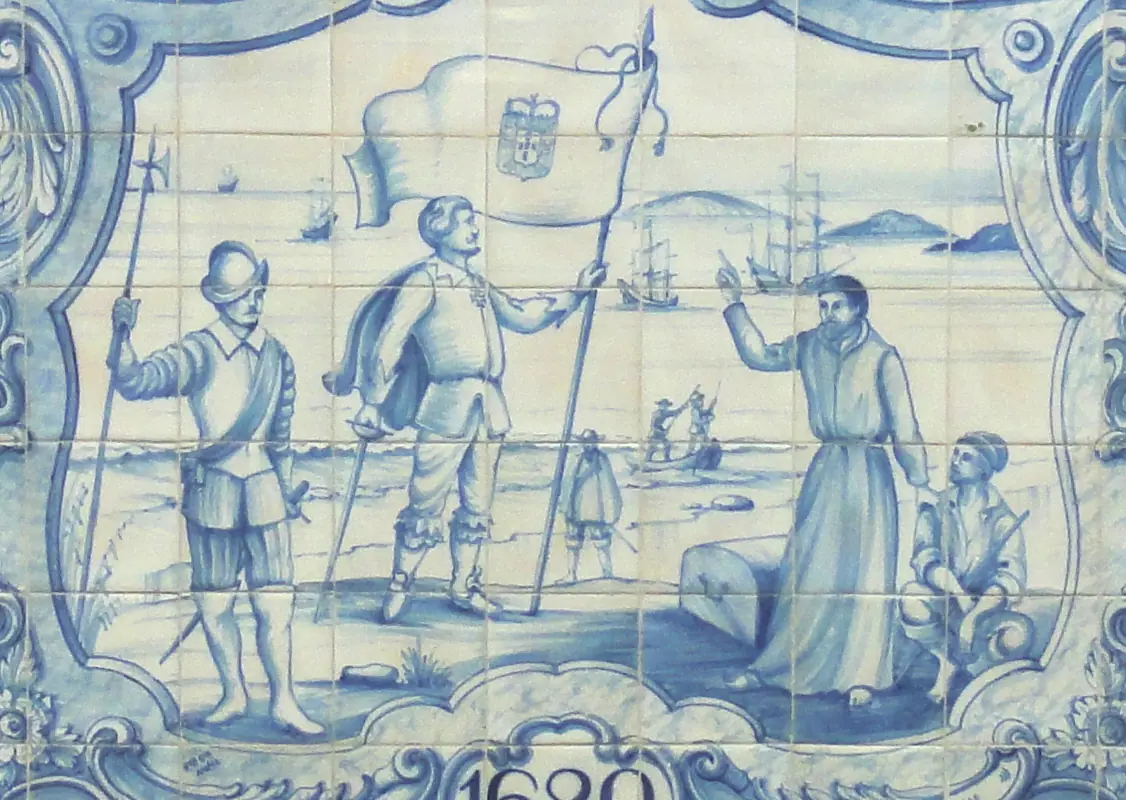
West of the capital, across the river from Buenos Aires, Colonia del Sacramento is the postcard Uruguay puts on the front of the album. Its Barrio Histórico, a UNESCO World Heritage site, was founded by the Portuguese in 1680 and spent a century being fought over by two empires, which is why you find low colonial houses with tiled roofs, Portuguese stone walls and Spanish grid planning in the same few blocks.
The set piece is the Calle de los Suspiros — the Street of Sighs — a narrow, uneven lane of whitewashed walls and bougainvillea that runs down toward the water. Follow it to the Puerta de la Ciudadela, the surviving fragment of the old city gate, and then climb the Faro de Colonia, the lighthouse whose spiral staircase delivers the best view over the river and the tiled rooftops. Nearby stands the Basílica del Santísimo Sacramento, one of the oldest churches in the country, sitting quietly on the plaza.
Colonia is compact enough to see in a day, but it's better with a night: the day-trippers leave in the late afternoon and the town goes soft and quiet, lantern-lit and smelling of river. Bring flat shoes — the streets are cobbled and uneven, and heels are a genuine hazard. Bicycles are the local way to reach the beaches and the old bullring beyond the historic quarter.
Punta del Este and the Maldonado Coast
Uruguay's best-known resort occupies a peninsula where two very different beaches meet. Playa Mansa faces the calm river side and is good for families and long swims; Playa Brava, on the Atlantic side, has real surf and a rougher, windier character. On Brava, half-buried in the sand, sits La Mano — a giant sculpted hand of fingers rising from the beach, the most photographed object in the country and genuinely odd in the best way.
A few kilometres west, at Punta Ballena, Casapueblo spills down a cliff in a jumble of white curves and stairways. Built by the artist Carlos Páez Vilaró as a studio and home, it's now a museum and hotel, and its terrace is the classic place to watch the sun drop into the sea. Offshore, boat trips run out to Isla de Lobos, where sea lions haul out on the rocks in noisy numbers.
The coast has quieter alternatives too. José Ignacio, further east, is a former fishing village turned low-key stylish, with a lighthouse, a scattering of restaurants and a beach that stays empty outside January. Note the seasons: high summer is December to February, when prices and crowds both peak and everything is booked out well ahead. Visit in November or March and you get warm water and space to move.
The Rocha Coast: Punta del Diablo, Cabo Polonio and Fortaleza de Santa Teresa
East of Punta del Este, the coast turns wild. Punta del Diablo is a fishing village of brightly painted shacks and low wooden houses built into the dunes, with Playa de los Pescadores at its centre where the boats still come in. It's relaxed, sandy and cheap by resort standards, and the surrounding shoreline stretches for kilometres without a high-rise in sight.
The real showstopper is Cabo Polonio, a settlement with no streets, no grid electricity and no road access — you arrive by 4x4 truck from the highway or on foot over the dunes. What you find is a scatter of huts around a lighthouse, a colony of sea lions barking from the rocks offshore, and the kind of night sky you forget exists. Take a torch, cash and warm layers; the wind never stops. Between Punta del Diablo and Cabo Polonio, Barra de Valizas offers huge dunes you can climb for a view that takes in the whole coast.
Inland from here, Fortaleza de Santa Teresa is a star-shaped eighteenth-century fort that switched hands between the Portuguese and Spanish, now sitting inside Santa Teresa National Park among pine woods thick with birds. From December to March the whole Rocha shoreline fills with Uruguayan families on holiday; in the shoulder months you may have a beach to yourself.
The Interior: Hot Springs, Gaucho Country and Canyons
Uruguay's inland is a different country — rolling grassland, cattle, and small towns where a mate gourd is standard equipment. In the north, around the city of Salto, thermal springs bubble up warm enough to soak in year-round. Termas del Daymán is the closest to town and the busiest, with pools of varying temperatures; Termas del Arapey further north is quieter and greener. Winter, counter-intuitively, is the best time to visit: cool air, warm water, steam rising off the surface.
Further east, in the hills of Lavalleja, the Salto del Penitente waterfall drops through a rocky gorge, and the strange, half-forgotten hill village of Villa Serrana was laid out in the 1940s as a planned retreat among granite outcrops. In Treinta y Tres department, the Quebrada de los Cuervos is a protected ravine cut by a rushing stream, with trails along the rim and a genuine sense of remoteness.
For gaucho culture, head to Tacuarembó in the north, where the Fiesta de la Patria Gaucha fills the town each March with horse breaking, traditional dress and campfire cooking. And don't overlook the wine country around Canelones, just outside Montevideo, where the Tannat grape — the country's signature red — is grown on family estates, many of them open for tastings and long lunches.
When to Go, What to Eat and How to Get Around
Uruguay sits in the southern hemisphere, so the seasons run opposite to Europe and North America. December to February is beach season: hot, busy, and at its most expensive over New Year and January. March to May and September to November are the sweet spots — mild, cheaper, and comfortable for cities and countryside. June to August is cool and damp, ideal for hot springs and for whale watching off the Maldonado coast, when southern right whales come close to shore.
Food here is built on the grill. Seek out an asado or parrillada — beef ribs, chorizo, sweetbreads and provolone — and order the house wine, often Tannat. Chivito, a towering steak sandwich, is the national fast food, and the afternoon routine of mate, bizcochos and a sit in the sun is worth adopting. In smaller towns, the bakery-and-grill combination is where you'll find the best value meals.
Getting around is straightforward. Montevideo's Carrasco airport is the main international gateway, and comfortable long-distance buses connect nearly every town, which suits the capital, Colonia and the coast well. For Rocha's villages, the hot springs and hill country, a rental car makes life much easier — the roads are good, traffic is light, and distances are short. Carry some cash for the smallest coastal spots, and book accommodation well ahead for January.
Frequently asked questions
What is the best time of year to visit Uruguay?
For beaches and coastal life, December to February is prime, with January the busiest and most expensive. October–November and March–April offer mild weather, fewer people and better rates, and are ideal for Montevideo, Colonia and the wine country. If you're heading for the hot springs or whale watching off the Maldonado coast, the cooler months from June to August are the best choice.
How many days do you need in Uruguay?
Five to seven days covers Montevideo thoroughly plus an overnight in Colonia del Sacramento. Allow ten days to two weeks to add Punta del Este, José Ignacio, the Rocha coast around Punta del Diablo and Cabo Polonio, and either the northern hot springs or the hill country of Lavalleja and Treinta y Tres.
Do you need a car to get around Uruguay?
Not for the classic route — frequent buses link Montevideo, Colonia and the coastal resorts, and the distances are short. A rental car becomes genuinely useful for Rocha's scattered villages, the northern thermal springs, and the inland hill towns, where public transport is thin and schedules are limited.
Is Uruguay expensive compared with its neighbours?
It's on the pricier side for South America, particularly in Punta del Este and José Ignacio during January, when accommodation rates spike hard. Outside peak season it's manageable: eat at market grills and neighbourhood parrilladas, travel by bus, and stay in small guesthouses or cabañas rather than resort hotels.
Is Uruguay a safe destination?
It's generally considered one of the safer countries in the region, and small towns and coastal villages are very relaxed. In Montevideo, take the usual precautions after dark around the port and bus station areas, keep valuables out of sight on the beach, and use common sense in the Ciudad Vieja at night.
Plan it — experiences in Uruguay
Live search, booked directly with trusted providers.
Sort the rest of your trip
Everything for Uruguay, in one place
Stay in Uruguay
Hotels, guesthouses and apartments — compared in one search.
Search hotels
Transfer in Uruguay
Private driver waiting on arrival — no queues, no surprises.
Book a transfer
Stay online in Uruguay
Travel eSIM — data the moment you land, no roaming bills.
Get an eSIM