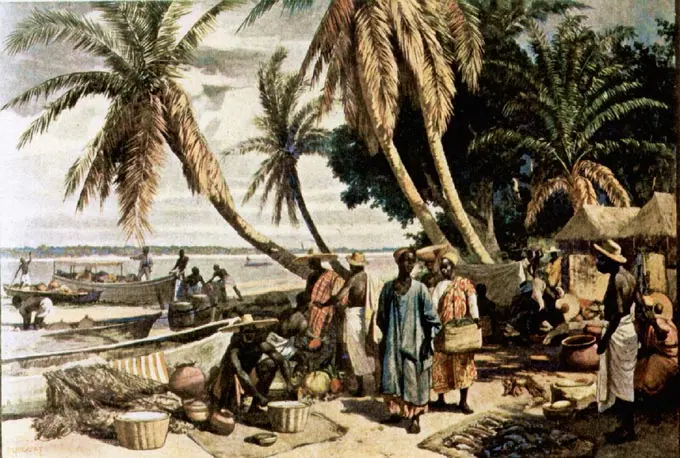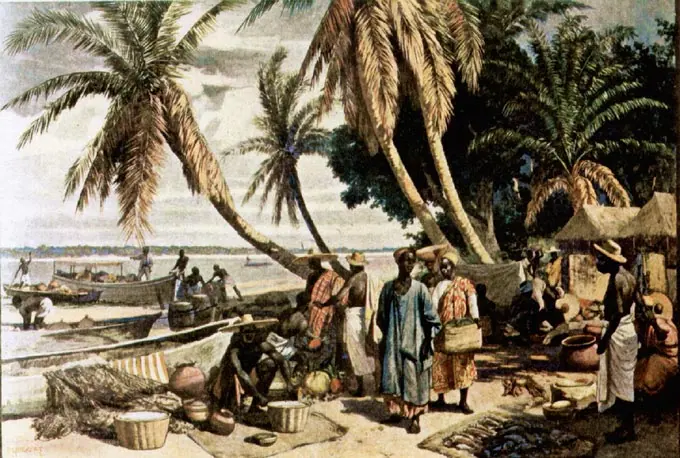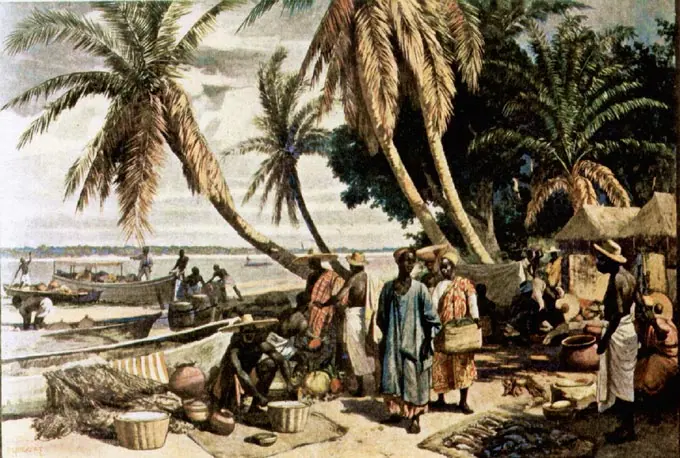
Togo is West Africa compressed into a sliver — barely 100 kilometres wide at its waist, yet stretching from Atlantic surf to savanna hills in a single day's drive. Arrive by air at Lomé, and within a week you can trade market cloth for waterfall spray, lake shrines for mud-built castles, without ever feeling rushed off your feet.
Arrival by Air: Touching Down in Lomé and Finding Your Feet
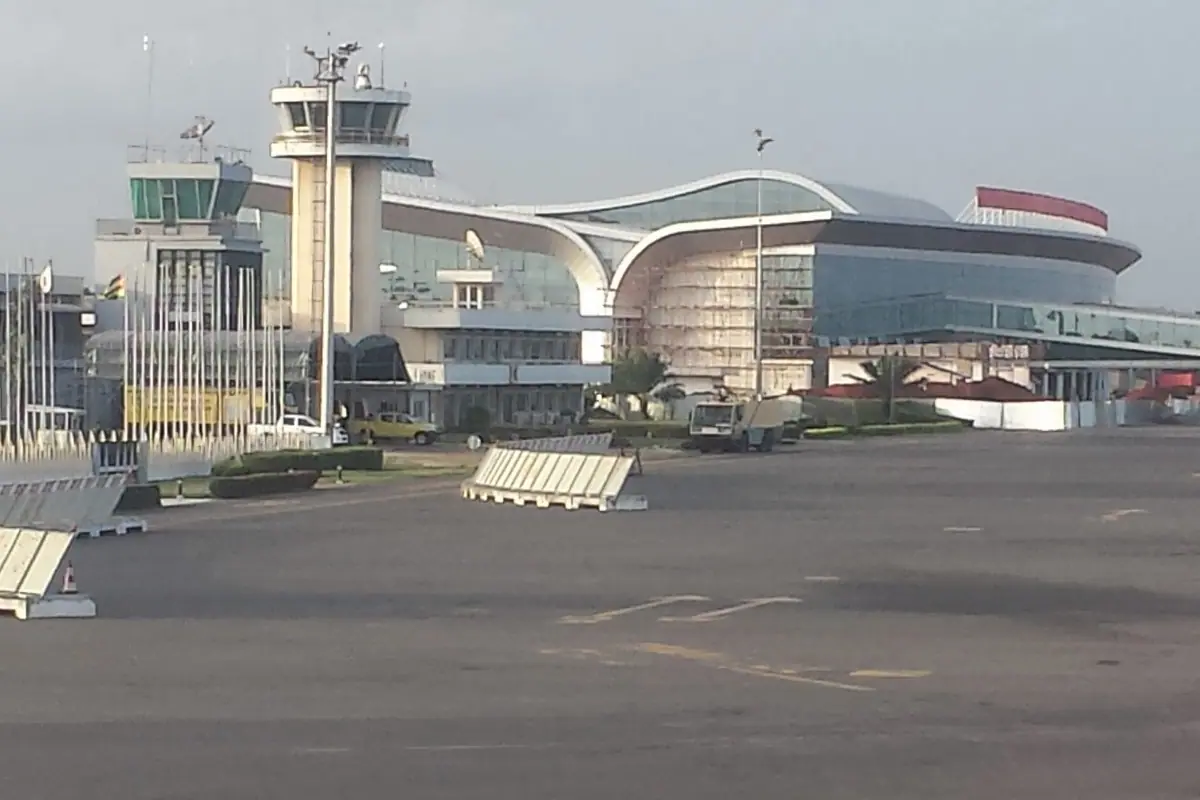
Almost every international flight into Togo lands at Lomé–Tokoin International Airport, a compact, low-slung terminal on the northern edge of the capital. Immigration is usually brisk, but build in a buffer: paperwork can slow down when two wide-body arrivals overlap, and the taxi touts outside the doors are persistent. Agree on a fare before you get in, or arrange a hotel pickup in advance — a ride into the city centre takes roughly 20 to 30 minutes depending on traffic on the Boulevard du 13 Janvier.
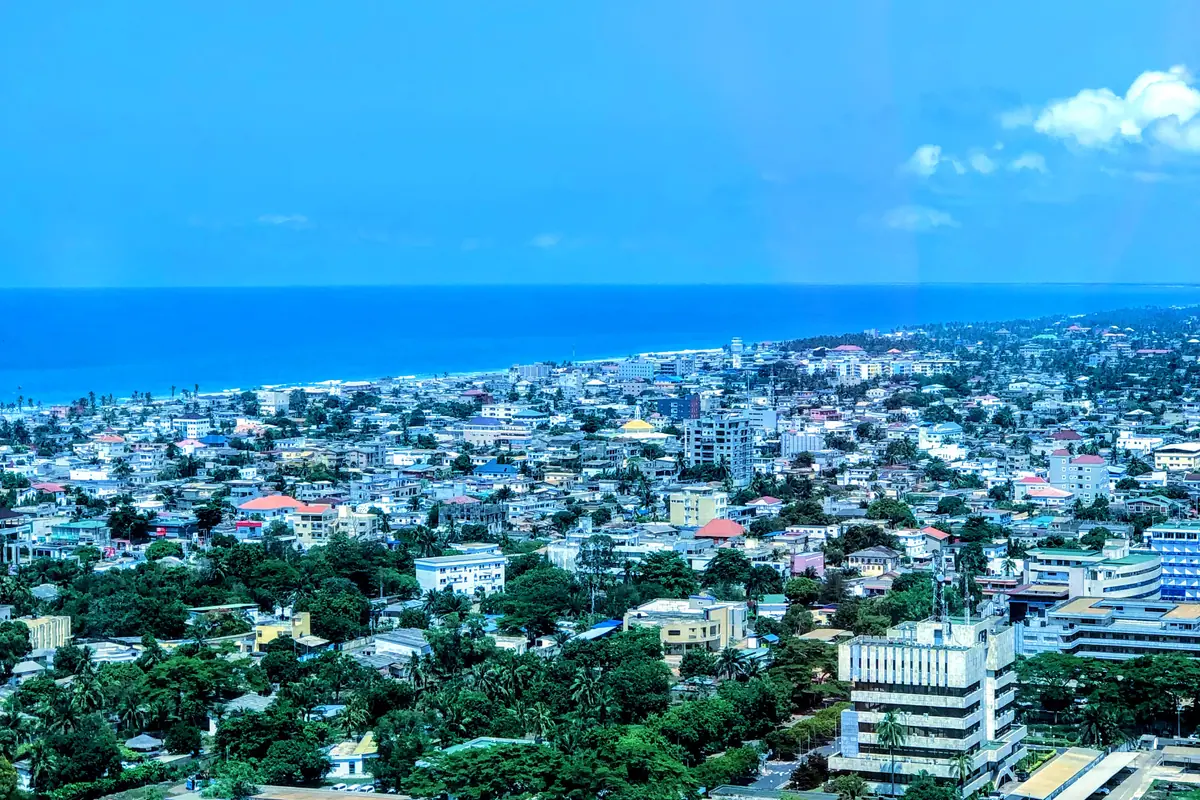
Your first afternoon is best spent gently. Check in somewhere along the coastal boulevard, then walk the palm-lined beach road as the light goes gold and the fishing pirogues come in. Lomé's sea breeze is a relief after a long-haul flight, and the city's rhythm — motorbikes, market chatter, the smell of grilled tilapia — is the real welcome. Change money at a bank or an exchange bureau rather than on the street, and pick up a local SIM card; coverage is decent along the main north–south corridor, patchier in the far north.
Timing matters here. November to February is the sweet spot: dry, slightly cooler, though the harmattan haze can soften the horizon in December and January. The far south has two rainy seasons, roughly April to July and September to October, while the north sees one, from June to September. If your trip revolves around waterfalls, aim for the weeks just after the rains; if it revolves around roads and photography, aim for the dry months.
Days 1–2: Lomé's Grand Marché, Palais de Lomé and the Fetish Market
Give Lomé a full day and a half. Start at the Grand Marché, the city's beating commercial heart, where the famous Nana Benz cloth traders once built fortunes on Dutch wax prints. The upper floors are a kaleidoscope of pagne fabric; the ground level is a crush of produce, hardware and noise. Walk ten minutes to the Independence Monument and the nearby Lomé Cathedral, a red-brick landmark with a striking facade, then continue to the Palais de Lomé, the restored colonial-era governor's residence that now houses a contemporary art centre set in botanical gardens. It is easily the most elegant hour you will spend in the capital.
Save your second morning for the Akodessewa Fetish Market, the largest of its kind in the region, where stalls are piled with dried animal parts, carved figures, bells and bottles used in vodun practice. It is confronting, and it is real — vodun is a living faith for a large share of Togolese, not a performance. Ask before photographing anyone, and consider going with a guide who can explain what you are looking at. Pair it with the nearby Village Artisanal for woodcarving and batik, and the National Museum for a grounding in the country's pre-colonial kingdoms.
Afternoons are for the beach strip at Baguida, a short drive east, where you can eat grilled fish with your feet nearly in the sand. Sleep in Lomé again — you will want an early start for Lake Togo the next day, and the capital's guesthouses range from simple fan-cooled rooms to comfortable air-conditioned hotels along the shore.
Day 3: Lake Togo, Togoville and the Slave House at Agbodrafo
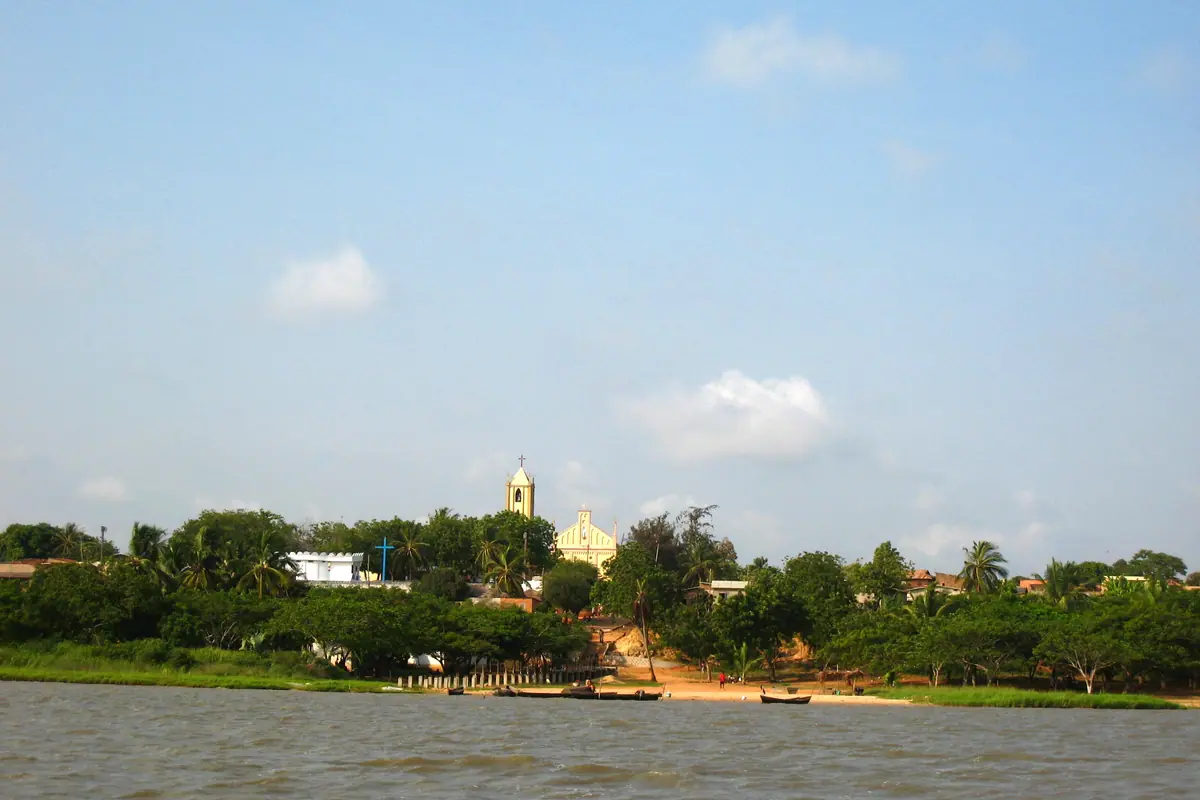
Drive or take a shared taxi northeast for about an hour to the shores of Lake Togo, then cross by motorised pirogue to Togoville. This small town is where a German treaty of protection was signed in 1884, and its lakeside cathedral, dedicated to Our Lady of Lake Togo, draws pilgrims from across the region. The town is also a vodun centre — you may be asked to remove your shoes before entering certain shrines, and a small offering is customary. The boat crossing itself, past reed beds and fishermen casting nets, is worth the journey.
From Togoville, continue along the coast to Agbodrafo, home to the Maison des Esclaves, a surviving slave-trade compound with cellars where captives were held before being shipped across the Atlantic. It is a sobering, quietly powerful site, usually shown by a local custodian who tells the history without embellishment. Nearby Aného, once a colonial capital, is a faded, atmospheric town of Afro-Brazilian architecture, an old German cemetery and a fishing beach where canoes are painted with eyes and proverbs.
Overnight in Aného or head back toward Lomé — both are workable. If you stay, the reward is sunrise over the lagoon and a quieter, more intimate view of coastal Togo than the capital offers.
Day 4: Kpalimé's Waterfalls, Mount Klouto and the Tafi Atome Monkeys
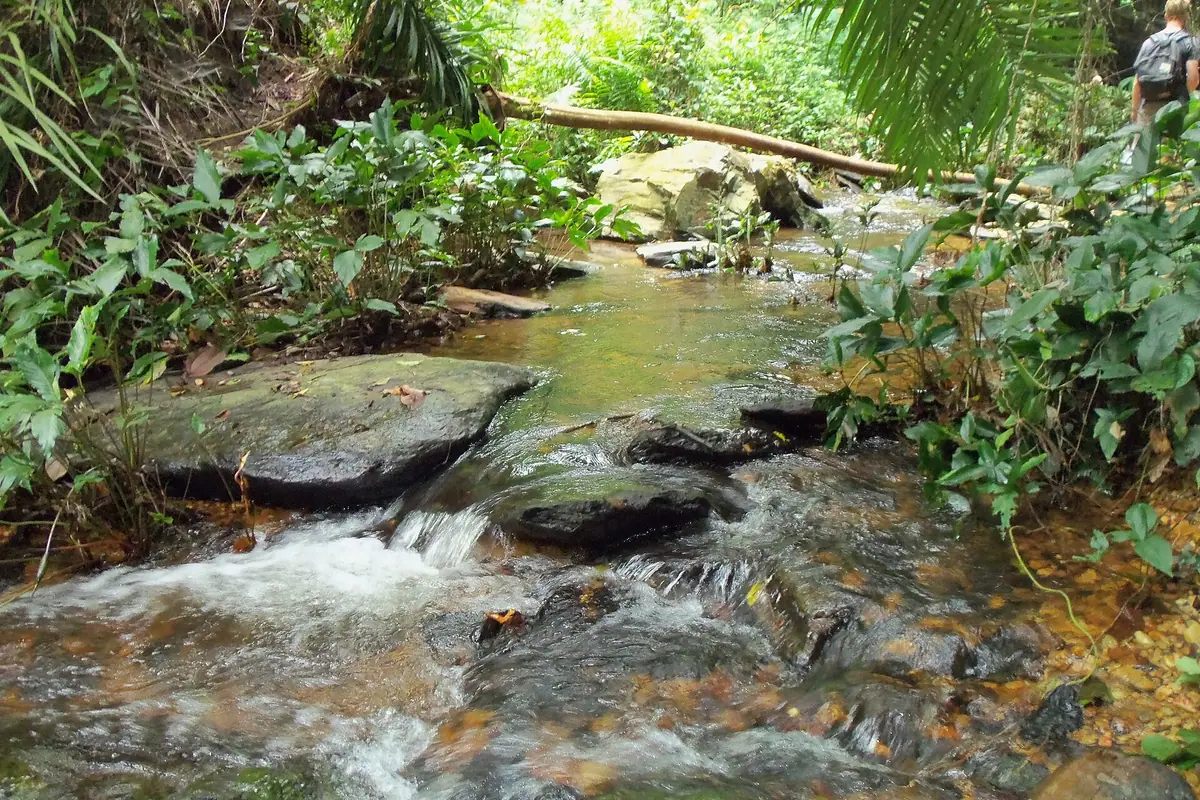
Kpalimé, about two hours northwest of Lomé, sits in Togo's greenest, wettest corner — coffee, cocoa and kola country, with the forested slopes of Mount Klouto rising behind it. This is the day for walking. The Cascade de Womé and the Cascade de Kpimé are the best-known falls, reached by short trails through farmland and secondary forest; expect an hour or two of walking each, some of it steep and slippery after rain, with local guides available at the trailheads for a modest fee. Bring shoes with grip and a swimsuit — the pools are swimmable when the water is not in spate.
In the afternoon, visit the Tafi Atome Monkey Sanctuary, where mona monkeys have been protected for generations in a sacred grove. The animals are habituated and curious, and the walk is gentle and family-friendly. Coffee and cocoa cooperatives around Kpalimé welcome visitors for tastings and short plantation tours, and the Saturday market in town fills with produce from the surrounding hills.
Stay overnight in Kpalimé or at a lodge near Mount Klouto. Nights here are noticeably cooler than the coast, which makes for good sleeping — and an early start for the long haul north.
Days 5–6: The Long Road North — Sokodé, Bassar and Koutammakou
Day five is a driving day. The paved north–south highway runs from Lomé through Atakpamé and Sokodé to Kara, roughly 400 kilometres and seven to nine hours depending on stops and police checkpoints, which are frequent but routine. If you prefer to skip the drive, there are occasional scheduled flights from Lomé to Niamtougou in the north — schedules shift, so confirm well ahead, and treat a seat as a bonus rather than a guarantee. Otherwise, comfortable air-conditioned coaches and shared seven-seater taxis cover the route daily.
Break the journey at Sokodé, a largely Muslim trading town with a distinct character and a lively central market, then detour to Bassar, long famous for traditional iron smelting and the blacksmiths who still work the metal. By evening you should be in Kara, the northern regional capital and a good base for the next day's highlight.
Day six belongs to Koutammakou, the land of the Batammariba people and a UNESCO World Heritage landscape. Its signature are the Tata Somba — two-storey mud-and-thatch tower houses, some with granaries and rooftop terraces, built as miniature fortresses. Visit the villages around Nadjoundi and Koussoumtou, where families still live in and maintain these structures. Go with a local guide, dress modestly, and ask before entering courtyards or photographing people. The landscape itself — rolling hills, baobabs, sorghum fields — is as memorable as the architecture.
Day 7: Fazao-Malfakassa, Mount Agou and the Flight Home
With one day left, choose your finale. Wildlife lovers can head to Fazao-Malfakassa National Park, Togo's largest protected area, a mosaic of savanna and forest with elephants, buffalo and antelope — sightings are never guaranteed, but the landscape and birdlife are superb. History and hiking fans can climb Mount Agou, at 986 metres the country's highest point, near Kpalimé, where the drive up passes coffee farms and the summit delivers views across the Ghanaian border hills on a clear day.
If you are flying home from Lomé, budget a full day to get back south from Kara — or take the northern flight from Niamtougou to Lomé and connect, which frees up an afternoon in the capital for last-minute shopping at the Grand Marché or the Village Artisanal. If you are departing from the north, allow extra time for check-in at the small Niamtougou terminal, which has limited facilities.
A few practicalities to carry with you: the currency is the West African CFA franc, cash is king outside the capital, and many visitors arrange an e-visa before departure — always verify current entry rules with an official source before you fly. Drink bottled water, use mosquito precautions year-round, and carry a photocopy of your passport. Togo rewards slow travel; a week is enough to skim three distinct worlds, but not enough to stop wanting more.
Frequently asked questions
When is the best time to visit Togo?
November to February is generally the most comfortable window — dry, slightly cooler, and easier for road travel, though December and January can bring harmattan dust haze. The south has two rainy seasons (roughly April–July and September–October) and the north one (June–September). If waterfalls and green landscapes are the priority, travel just after the rains.
Are there domestic flights within Togo?
International arrivals almost all come into Lomé–Tokoin International Airport. Domestic services are limited, with occasional flights linking Lomé to the northern airstrip at Niamtougou, but schedules are irregular and can be suspended. Most travellers cover the country by road on the main north–south highway, or by comfortable intercity coaches and shared taxis.
How do I get around Togo without a car?
Shared seven-seater taxis and intercity coaches run between major towns along the paved north–south corridor, and motorbike taxis handle short urban hops. For waterfalls, Koutammakou and smaller villages, hiring a car with a driver or joining a local guide is far more practical, since public transport rarely reaches the trailheads.
How many days do you need in Togo?
One week covers the coastal highlights and a taste of the north: Lomé, Lake Togo, Togoville, Aného and Kpalimé are comfortably done in four days, with two more for Koutammakou and one for travel. Two weeks lets you add Fazao-Malfakassa National Park, Mount Agou and the far north around Dapaong without long single-day drives.
Is Togo a good destination for a first trip to West Africa?
It is one of the more manageable introductions — small, with a short travel distance between coast and savanna, a well-travelled main highway, and a mix of beaches, markets, vodun culture and UNESCO-listed architecture. Standard precautions apply: check current entry and health requirements, take malaria precautions, drink bottled water, and arrange guides locally for village visits.