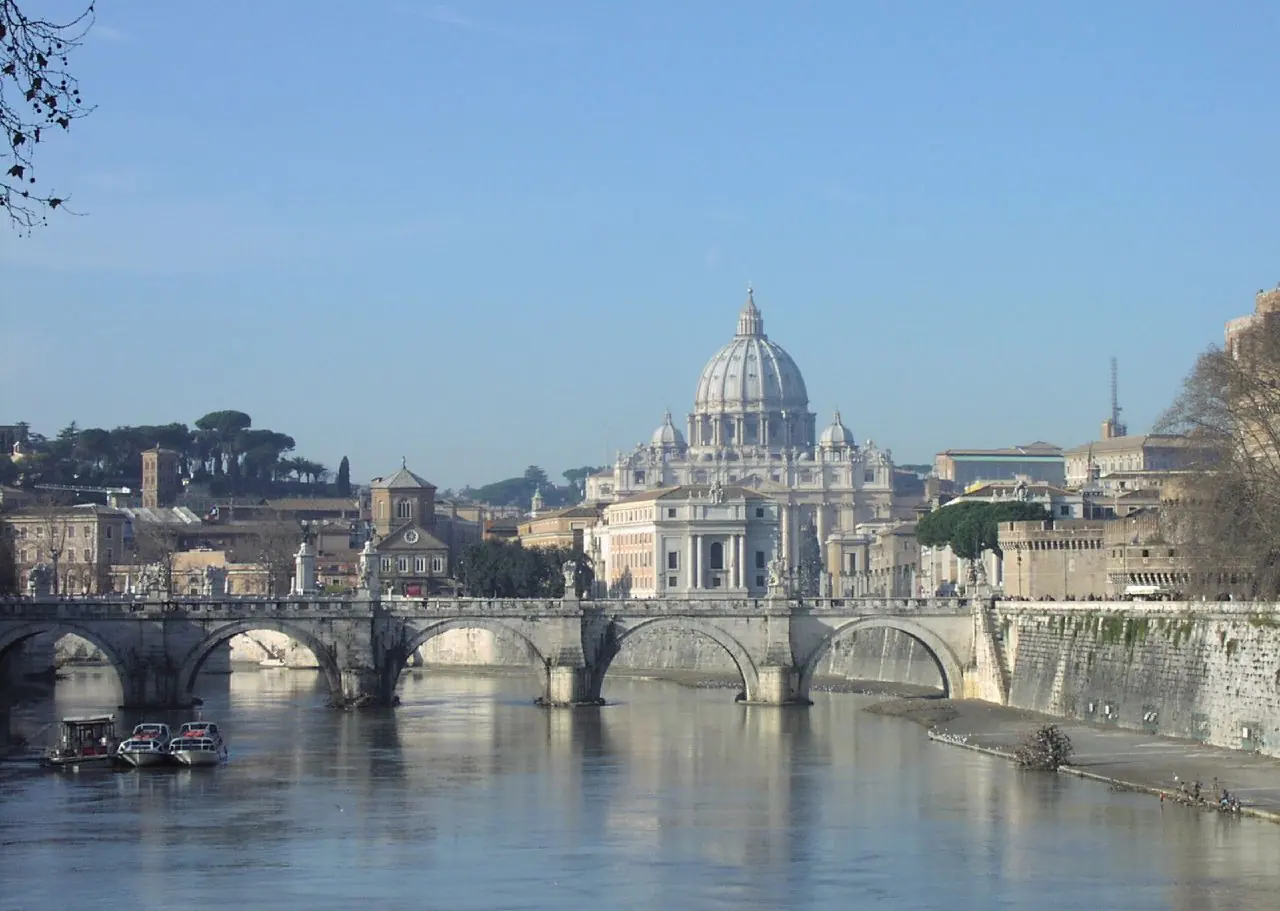
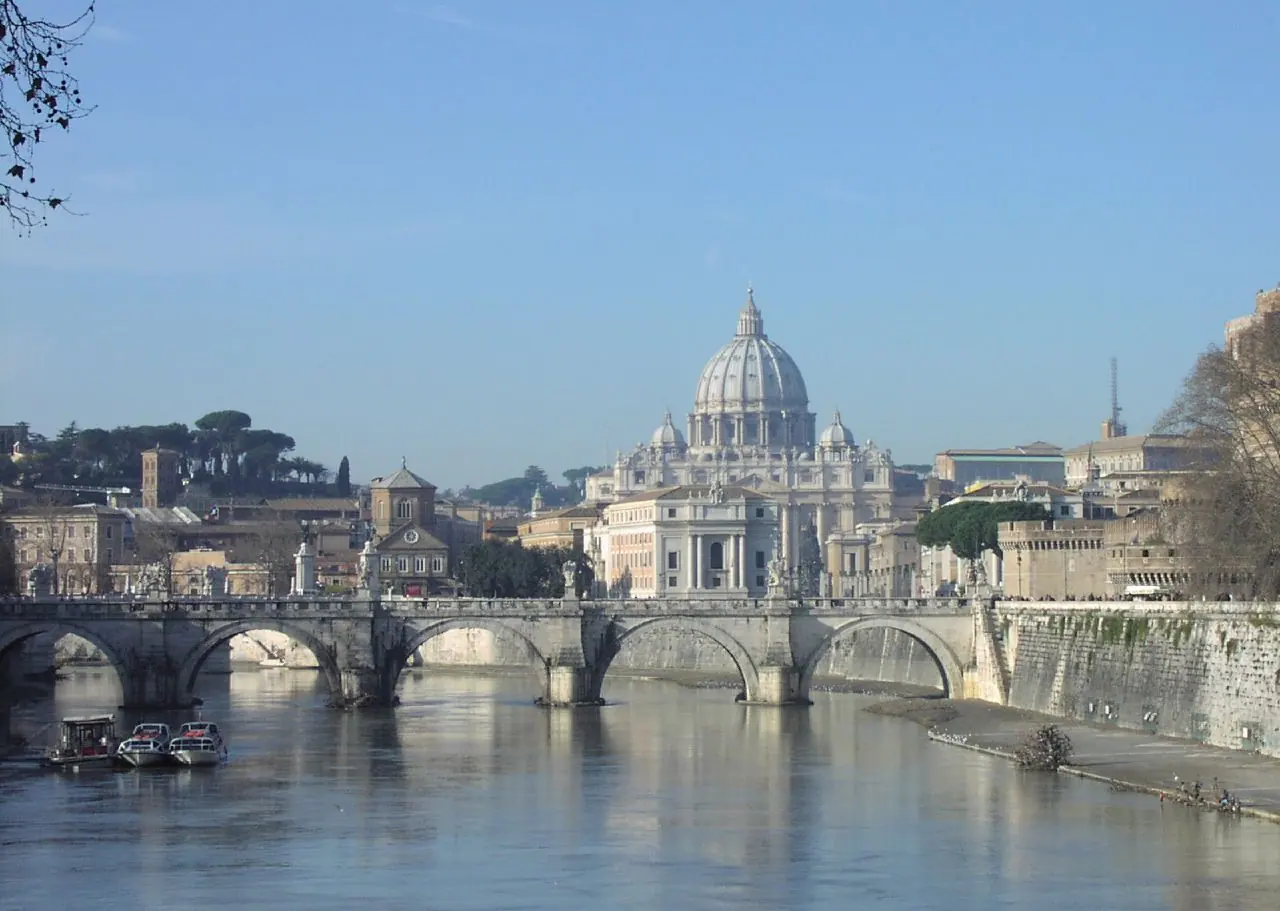
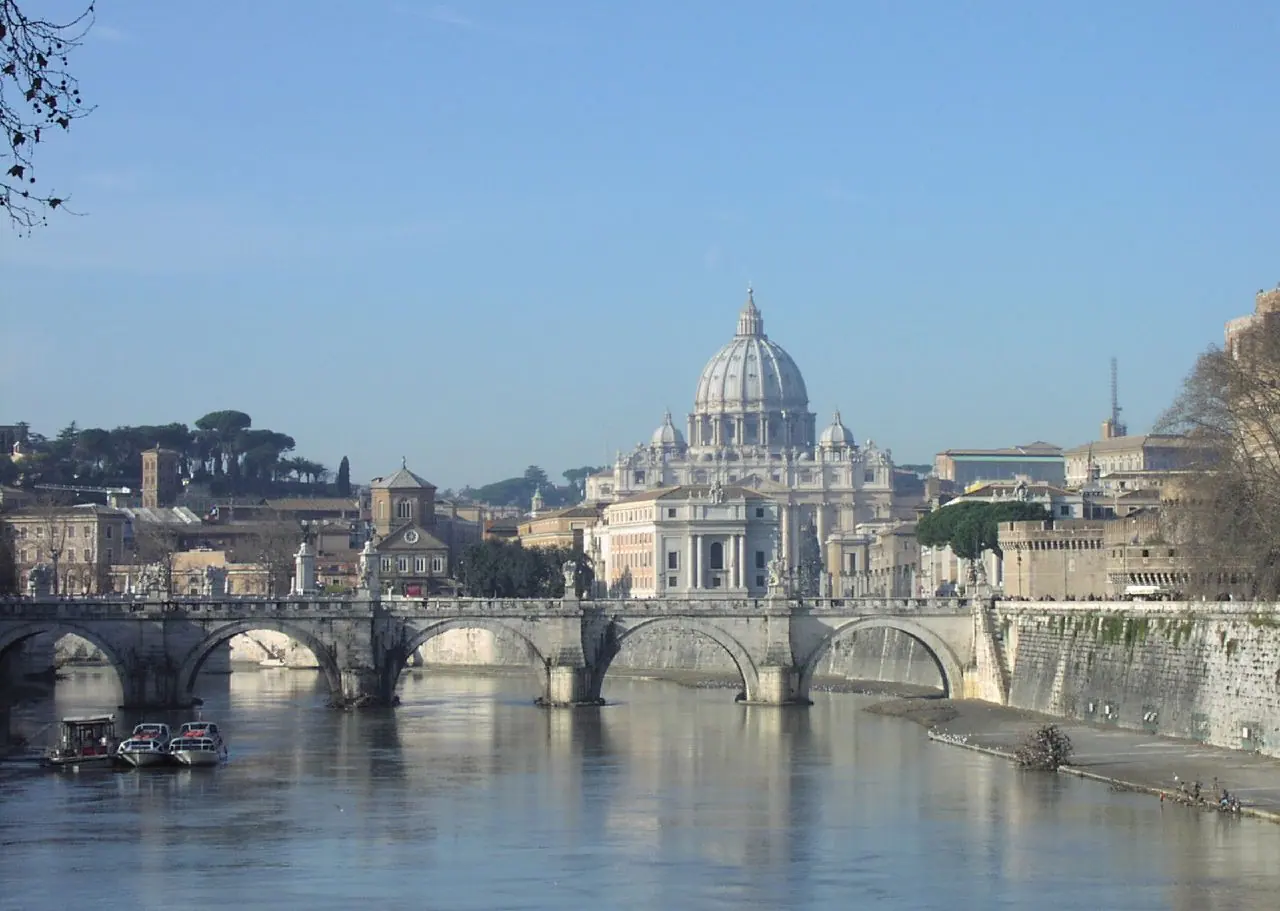
Vatican City squeezes an empire's worth of art, architecture and ritual into a walled patch of ground smaller than most city parks. Within a single day you can stand beneath Michelangelo's dome, wander galleries hung with Raphael and Caravaggio, and hear a blessing roll across Bernini's colonnade. The secret is knowing what to see first — and when to slip away from the crowds.
St. Peter's Square and the Basilica: Where the Vatican Begins
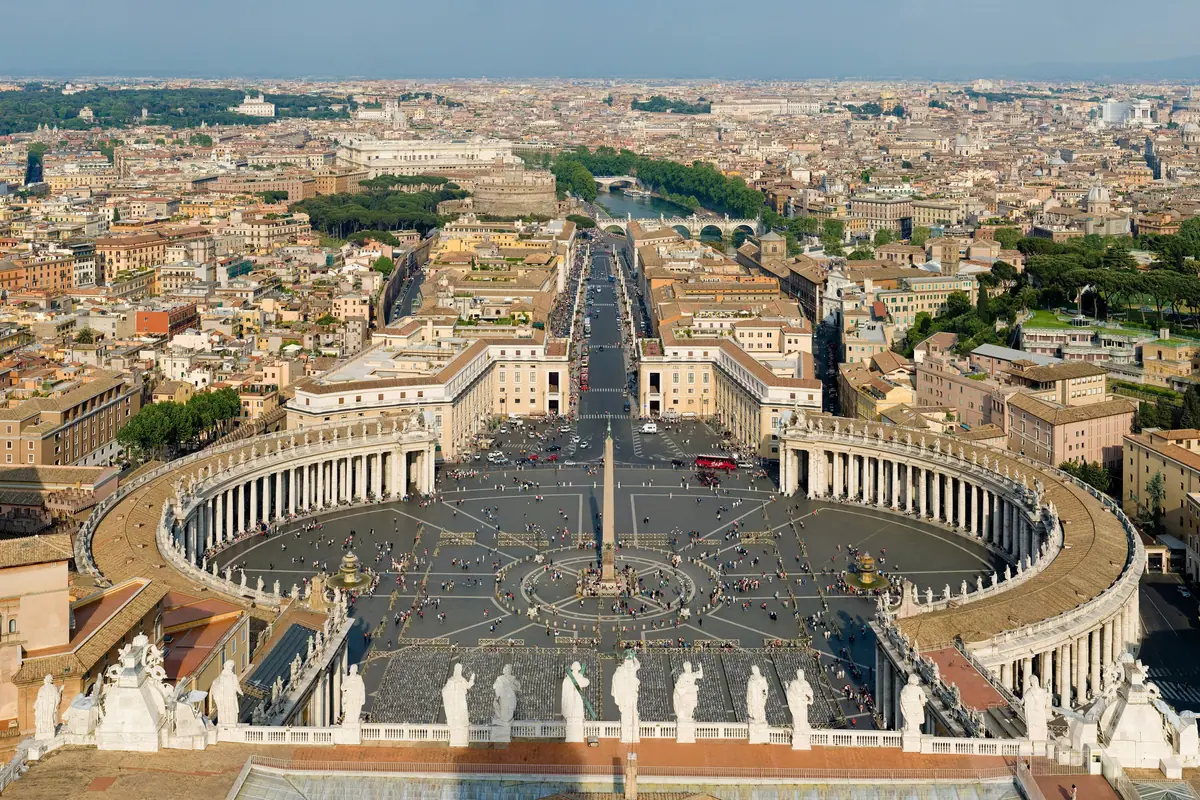
Everything starts in the piazza, an ellipse so perfectly proportioned that Bernini designed it as a pair of open arms. Four rows of columns — 284 of them, topped by 140 statues of saints — curve around the space, framing an Egyptian obelisk that once stood in the circus where St. Peter is said to have been martyred, and which took dozens of horses and a small army of workers to raise here in 1586. Look for the two marble discs set into the paving; stand on one and the colonnade snaps into a single line of columns. Two fountains, one by Maderno and one by Bernini, mirror each other across the square, and in the early morning the whole place is nearly empty.
The basilica itself is free to enter, but you'll pass through an airport-style security line, so arriving before 8am saves a long, shade-less wait. Inside, the scale is deliberately disorienting: the nave runs longer than a football pitch, and the letters running around the base of the dome are taller than a person. Michelangelo's Pietà sits behind glass in the first chapel on the right — carved when he was in his early twenties and the only work he ever signed. Further in, Bernini's bronze baldachin rises nearly 30 metres over the high altar, above the tomb of St. Peter, while the bronze statue of the saint to the left has had its foot worn smooth by centuries of touching.
Look up before you leave: the dome, completed by Giacomo della Porta after Michelangelo's death, spans almost exactly the width of the Pantheon. The Holy Door at the far right of the portico is bricked up between Holy Years and opened only for Jubilees, when pilgrims pass through it on their knees. Shoulders and knees must be covered for both women and men, and the guards at the door do enforce it — a scarf in your bag is the easiest fix.
The Vatican Museums: A March Through the Greatest Hits of Western Art
The museum entrance sits on Viale Vaticano, a 10- to 15-minute walk around the outside of the walls from the square — a detail that catches out plenty of first-timers who assume the basilica and the galleries share a door. Once inside, you join a long, one-way current of visitors through some of the most densely decorated rooms on earth. The Cortile della Pigna opens the show with its fourth-century bronze pine cone, once a fountain beside the Pantheon, and Arnaldo Pomodoro's fractured bronze sphere turning slowly nearby.
From there, the Museo Pio-Clementino's Octagonal Court holds two sculptures that shaped the entire history of European art: the writhing Laocoön and His Sons, dug up in a Roman vineyard in 1506, and the serene Apollo Belvedere. Further along, the Gallery of Tapestries gives way to the Gallery of Maps, a 120-metre corridor of hand-painted Italian regions commissioned in the 1580s, with a ceiling of gilded grotesques that is almost more distracting than the maps below.
Trying to see everything in one visit is a recipe for exhaustion — the galleries stretch for kilometres and no one, repeat visitors included, gets through them all. Pick two or three wings you genuinely care about, book one of the first entry slots of the day, and accept that you will walk past masterpieces without noticing. The collections close on Sundays except the last Sunday of each month, when entry is free and the crowds are correspondingly ferocious.
The Raphael Rooms and the Sistine Chapel: The Payoff at the End
Before you reach the chapel, the route funnels you through the Stanze di Raffaello, four rooms frescoed for Pope Julius II and his successors. The Stanza della Segnatura is the showstopper: on one wall, The School of Athens gathers Plato, Aristotle, Pythagoras and Euclid beneath a coffered vault, with a brooding Michelangelo apparently added as a nod to his rival working one floor above. In the Stanza di Eliodoro, light pours through Raphael's frescoes of divine intervention; in the Stanza dell'Incendio, the Fire in the Borgo shows a pope calming a burning city with a gesture.
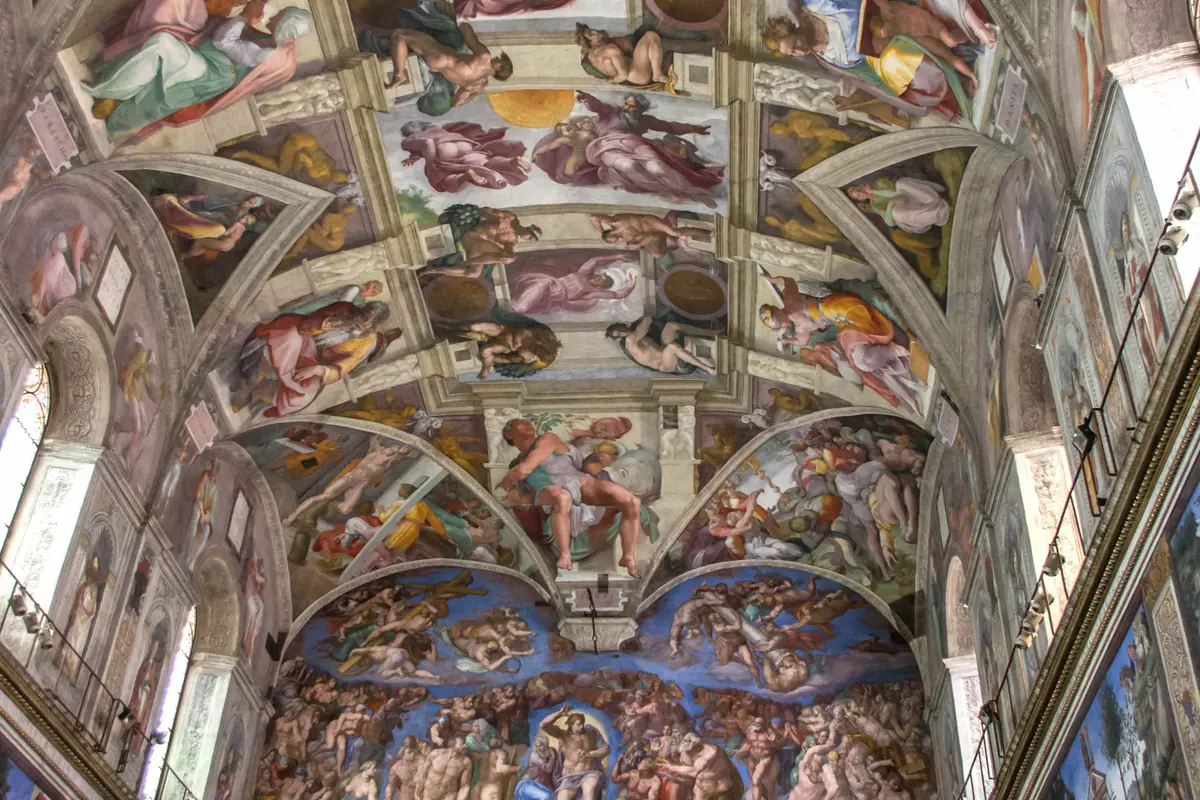
Then comes the Sistine Chapel, and no reproduction prepares you for it. Michelangelo painted the ceiling between 1508 and 1512, filling it with nine scenes from Genesis framed by muscular nude figures, prophets and sibyls. The Creation of Adam — that near-touch of two fingers — sits at the centre of the vault, while the vast Last Judgment on the altar wall, finished between 1536 and 1541, shows souls rising and tumbling in a swirl that still feels audacious. The chapel is also where cardinals gather in conclave to elect a new pope, which is why the atmosphere is monitored so strictly: silence is requested, photography is banned, and guards shush visitors constantly.
Because it is the final room on the route, most people arrive here at peak exhaustion and peak crowding. Going later in the afternoon, or taking advantage of the evening openings held on Fridays in the warmer months, means more space to sit on the benches along the walls and simply look up. Budget at least three hours for the museums and chapel together, and closer to four if you stop to read the labels.
Climbing Michelangelo's Dome and Descending Into the Necropolis
The dome climb is the best value view in Rome, and it comes in two versions. A lift takes you part of the way to the roof terrace, leaving 320 steps; walking the whole way from ground level is 551. Either route ends in a spiral that tilts with the curve of the drum, so you lean into the wall as you climb — not one for anyone badly claustrophobic. From the lantern at the top, the Vatican Gardens unroll behind the basilica, the Apostolic Palace sits off to one side, and the whole of Rome spreads out beyond the Tiber in a patchwork of ochre roofs and church domes.
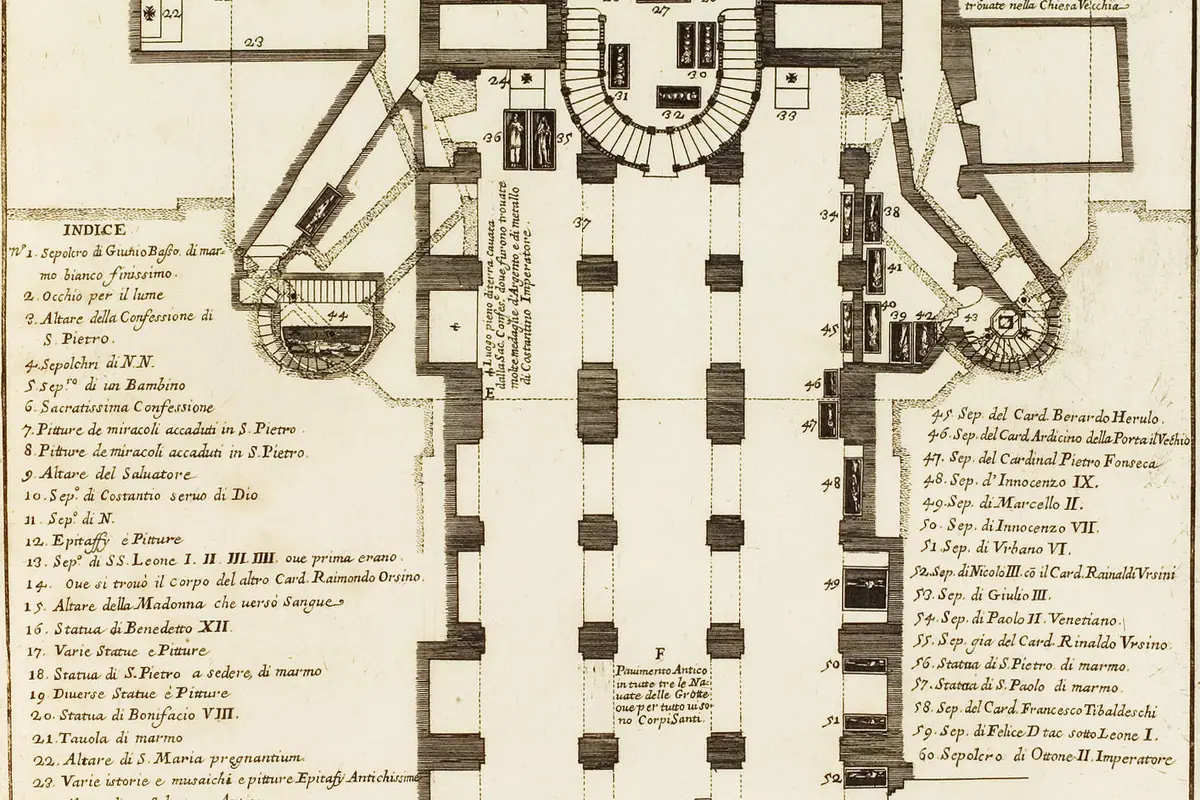
The roof terrace itself is worth lingering on: there's a small café, a post office counter where you can send mail with Vatican stamps, and a gift shop. Beneath the basilica floor, the Vatican Grottoes hold the tombs of a long line of popes, and just below that lies the Scavi — a Roman necropolis excavated in the 1940s and 1950s, complete with pagan mausoleums, early Christian graves and the second-century monument traditionally identified as the burial place of St. Peter.
Scavi visits are the hardest ticket in the city: small guided groups only, descending beneath the basilica by request made to the excavations office months in advance. If you can't get in, the Grottoes still give you a sense of what lies underfoot. Expect a temperature drop of several degrees underground, and leave large bags at the cloakroom before the security check.
Vatican Gardens, the Pinacoteca and the Corners Most Visitors Skip
Roughly half of Vatican City is garden, a green patchwork of clipped hedges, umbrella pines and fountains that most day-trippers never see. Access is by guided tour only, booked in advance, and the walk takes you past the replica of the Lourdes grotto, the Casina Pio IV with its stuccoed façade, and the radio transmission towers that carry papal broadcasts around the world. There's even a short railway line and a tiny station, relics of a time when popes travelled out by train. Tours run in the morning and take about two hours, mostly on foot and largely in the sun.
The Pinacoteca Vaticana, the picture gallery near the museum entrance, is the most underrated stop in the city. It holds Leonardo's unfinished St. Jerome in the Wilderness, Raphael's final altarpiece, the Transfiguration, and Caravaggio's Entombment, all in cool, quiet rooms that feel nothing like the crush upstairs. If you have any appetite left after the Sistine Chapel, this is where to spend it.
Beyond the blockbusters there's a whole constellation of smaller collections: the Gregorian Egyptian Museum with its mummies and funerary boats, the Etruscan Museum, the Missionary-Ethnological Museum, and the long Chiaramonti corridor lined with Roman inscriptions. Near the Sant'Anna gate you'll also find the Vatican pharmacy and post office, where you can buy stamps and send a postcard from the world's smallest sovereign state — a genuinely odd and satisfying souvenir.
Papal Audiences, Swiss Guards and How to Time Your Day
Seeing the pope is easier than most visitors assume. A general audience is held on Wednesday mornings in St. Peter's Square, or in the covered audience hall when the weather turns cold or wet; tickets are free but must be requested in advance, and you'll want to arrive a good two hours early to get through security and find a seat. On Sundays at noon, the Angelus is prayed from a window of the Apostolic Palace overlooking the square — no ticket required, just turn up and stand with the crowd.
The Swiss Guard, founded in 1506 and still the pope's personal army, are everywhere once you start noticing them: at the Arch of the Bells beside the basilica, at the Sant'Anna gate, and at ceremonial postings in their blue, red and yellow uniforms. Recruits must be Swiss, Catholic, unmarried and trained in the army back home, and the sight of them holding centuries-old pikes beside modern security scanners is one of the city's quiet pleasures.
For timing, aim for April to June or late September to October, when the light is soft and the queues are manageable; July and August are brutally hot, with almost no shade in the square. The basilica opens around 7am and closes in the early evening, with slightly shorter hours in winter. Wednesdays are the busiest mornings because of the audience, and the last Sunday of the month brings free museum entry and enormous crowds. Wear flat shoes for the marble, carry a refillable bottle for the public fountains, and keep a scarf or light jacket handy for the dress code. One unhurried day is enough for the basilica, the museums and the dome — just don't try to add the gardens and every gallery to the same afternoon.
Frequently asked questions
How long do you need for the Vatican Museums and the Sistine Chapel?
Three hours is a realistic minimum; four is comfortable if you want to read labels and pause in the Raphael Rooms. Many visitors combine the museums with St. Peter's Basilica on the same day and find it makes for a long but manageable six to seven hours, including security lines and a break.
Do you need to book tickets in advance?
Yes, especially between April and October and during Holy Years, when walk-up entry can mean hours of waiting. Timed entry slots are released well ahead, and the first slot of the morning is the calmest. Note that the museums close on Sundays except the last Sunday of the month, when entry is free and queues are at their worst.
What should you wear to enter the basilica and the chapel?
Shoulders and knees must be covered for everyone, and staff do turn people away at the door. A light scarf or wrap in your bag handles bare shoulders, and loose trousers or a long skirt work better than shorts. Comfortable flat shoes matter too — you'll be on hard marble for hours.
Is St. Peter's Basilica free to enter?
Yes, entry to the basilica itself costs nothing, though you still pass through a security screening. The dome climb involves a small charge, with a cheaper rate for the stairs-only route and a higher one that includes the lift part of the way. The Scavi necropolis tour beneath the basilica is separate and must be requested far in advance.
How can you see the pope during a visit?
The Wednesday morning general audience is open to anyone with a free ticket, which needs to be arranged ahead of time; arrive early for a good spot. The Sunday Angelus at noon, delivered from a window of the Apostolic Palace, requires no ticket at all — simply be in St. Peter's Square a little before midday.
Plan it — experiences in Vatican City
Live search, booked directly with trusted providers.
Sort the rest of your trip
Everything for Vatican City, in one place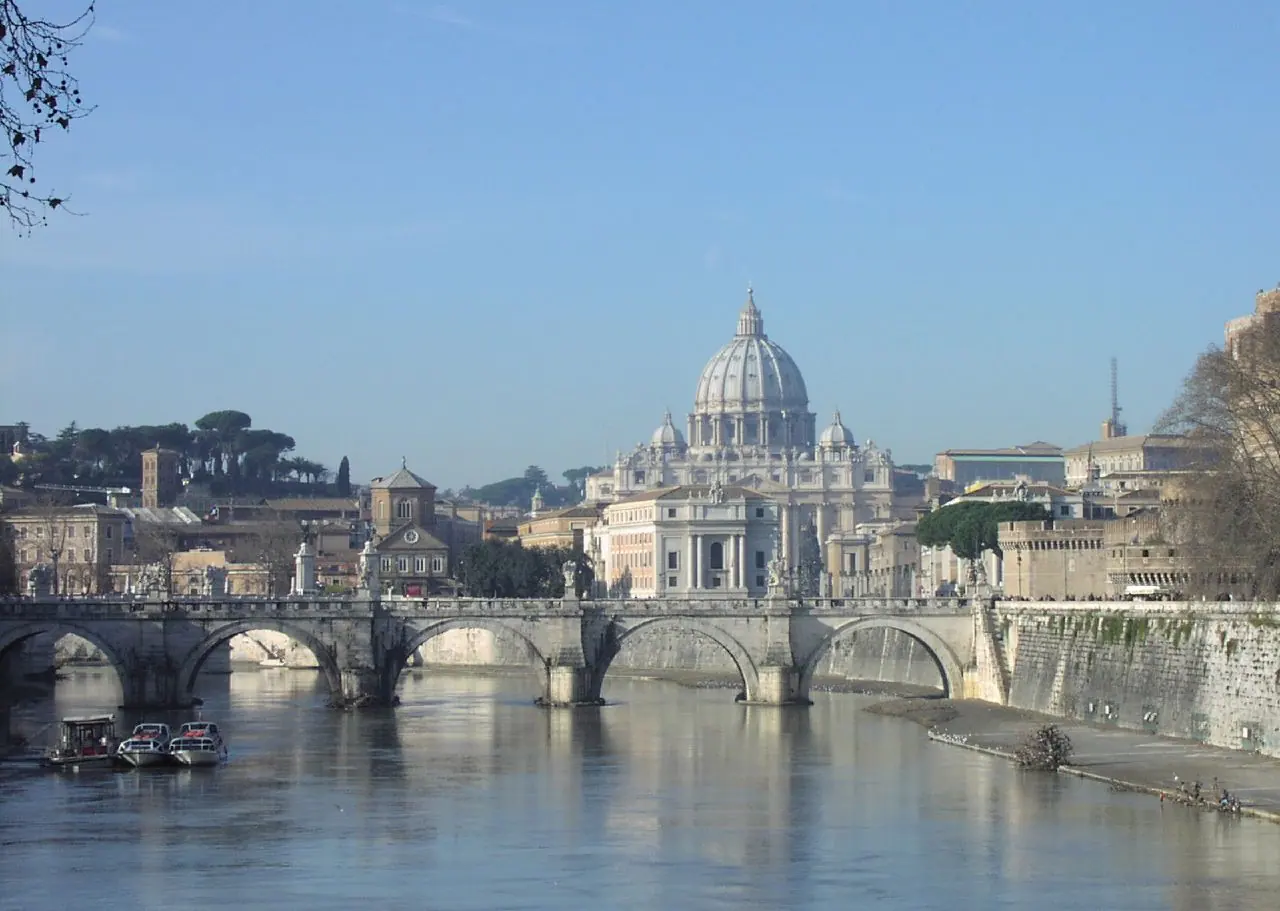
Stay in Vatican City
Hotels, guesthouses and apartments — compared in one search.
Search hotels
Transfer in Vatican City
Private driver waiting on arrival — no queues, no surprises.
Book a transfer
Stay online in Vatican City
Travel eSIM — data the moment you land, no roaming bills.
Get an eSIM