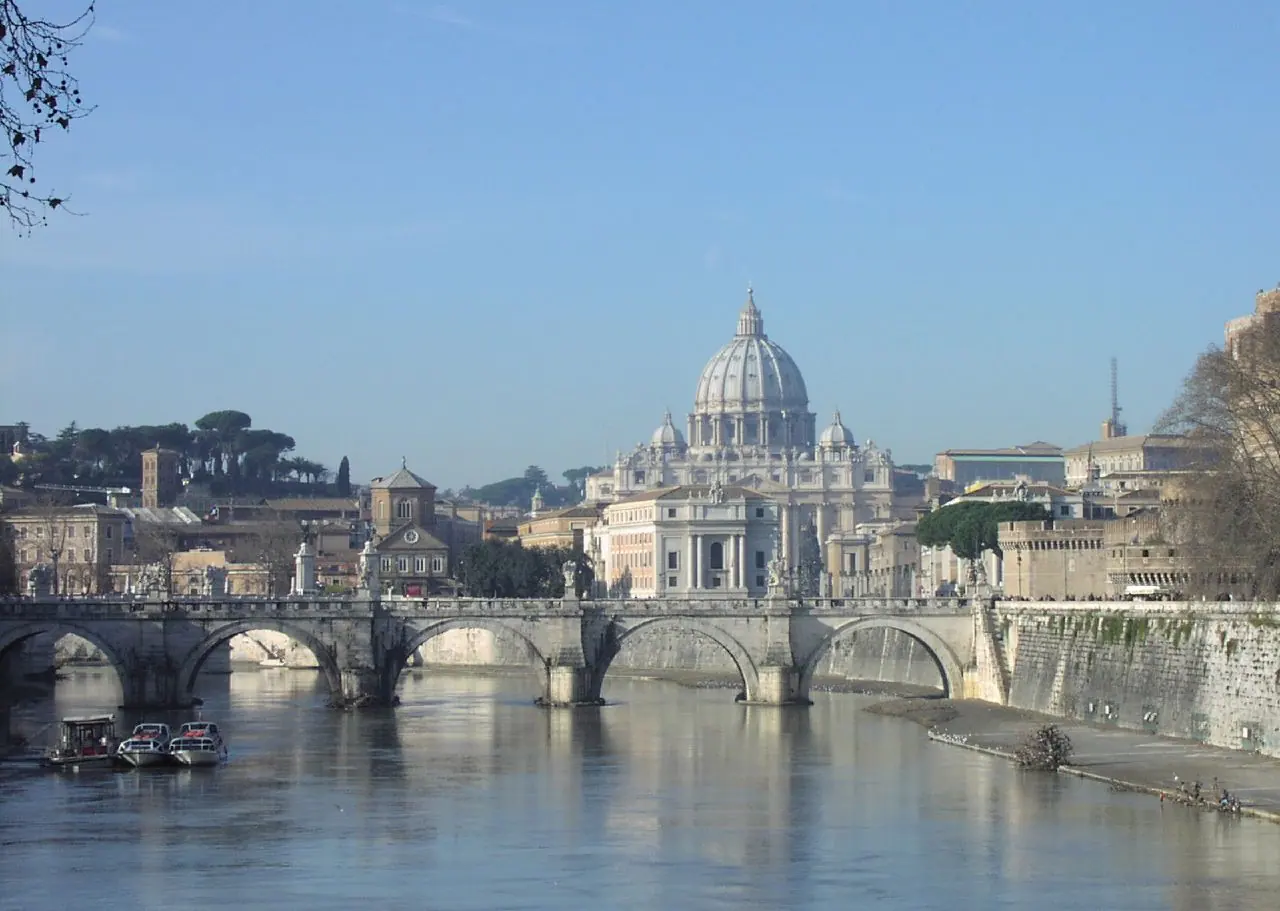
Vatican City keeps no ordinary seasons — it borrows Rome's weather, then bends everything around a calendar of audiences, canonizations and jubilees that no other destination on earth follows. That calendar, more than the thermometer, decides what a room a five-minute walk from St. Peter's Square costs on any given night. Time it well and you'll climb the dome at dawn with the square almost to yourself; time it badly and you'll pay Easter rates for a wet Tuesday in March.
Where Vatican Hotels Actually Are — and Why the Calendar Rules
The world's smallest state covers barely half a square kilometre, so almost nothing is lodging inside the walls themselves. The Vatican's own guesthouse, the Domus Sanctae Marthae, sits beside St. Peter's Basilica housing clergy and, during a conclave, the cardinals who elect a pope — it is not open to travellers. In practice, a "hotel in Vatican City" means a room in the narrow ring of streets that touch the walls, where you can walk to Bernini's colonnade in under ten minutes.
Three pockets do most of the work. Borgo Pio, Borgo Vittorio and Via di Porta Angelica are cobbled, restaurant-lined and closest of all, with the best odds of a window facing the basilica's dome. Via della Conciliazione, the ceremonial avenue running to St. Peter's Square, is grander and pricier with the fewest rooms. The Prati district, the 19th-century grid east of the Vatican, is where value lives: boutique stays, family-run guesthouses and larger hotels cluster around the Ottaviano–San Pietro and Cipro–Musei Vaticani metro stops, five to fifteen minutes on foot from the museums' entrance.
Because supply is tiny and demand is event-driven, prices swing more violently here than anywhere else in Rome. A Wednesday general audience, a Sunday Angelus, a canonisation or a Holy Year can lift rates by half again for a two-night window — and the same Tuesday a week later can be remarkably cheap.
Spring: Holy Week, Canonisations and the Year's Highest Rates
Early March is the quietest bargain of the year: temperatures hover between 12°C and 17°C, rain showers pass through, and the Vatican Museums, the Raphael Rooms and the Gallery of Maps can be walked without shuffling shoulder to shoulder. Rates are still low, and the basilica at opening time, around 7am, belongs almost entirely to you.
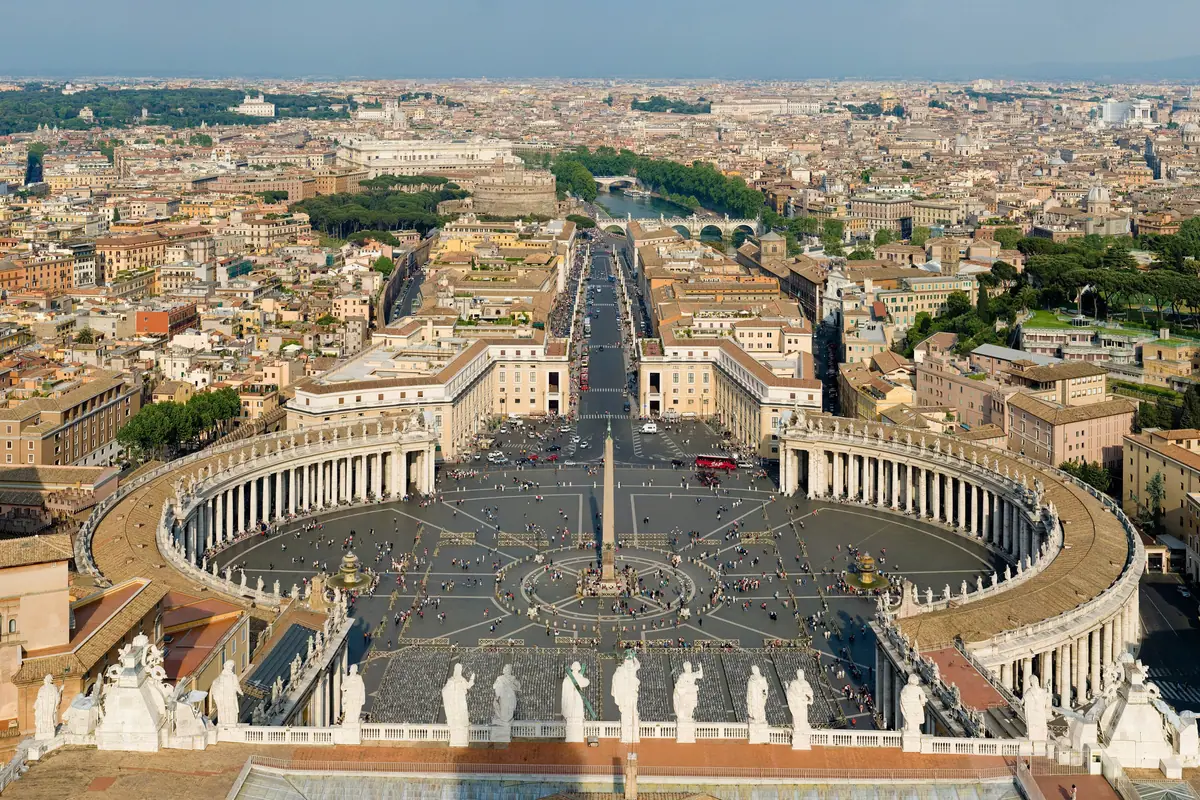
Then Holy Week arrives, and everything changes. From Palm Sunday to Easter Sunday, pilgrims flood St. Peter's Square for the liturgies and the Urbi et Orbi blessing delivered from the loggia of St. Peter's Basilica. Accommodation within walking distance is booked out six months ahead, minimum-stay rules appear, and prices hit their annual ceiling. If Easter falls late, the squeeze spreads through mid-April.
Late April and May deliver the finest weather of the year — 18°C to 24°C, long golden evenings — but also a run of canonisations and the Swiss Guard's swearing-in ceremony on 6 May, both of which fill Prati. Book four to six months out for this window, or aim for the second half of May once the Easter tide has receded.
Summer: Heat, Queues and Indoor Papal Audiences
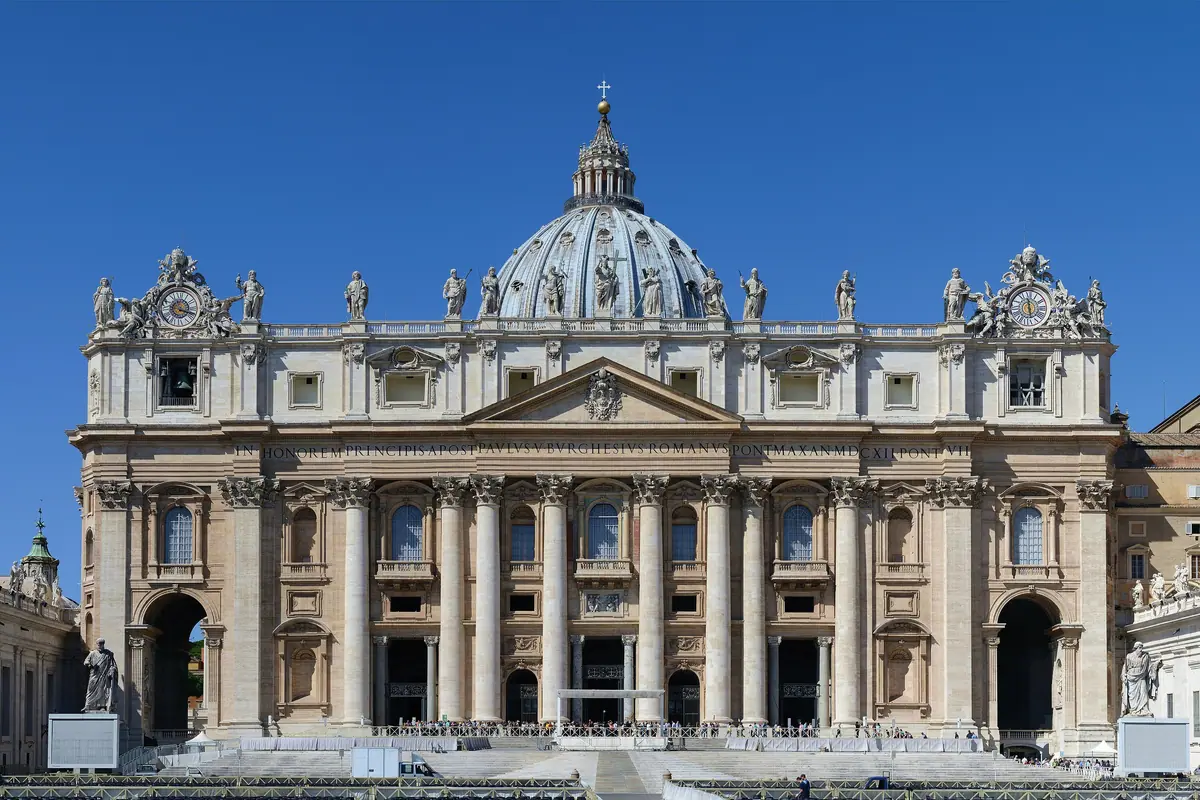
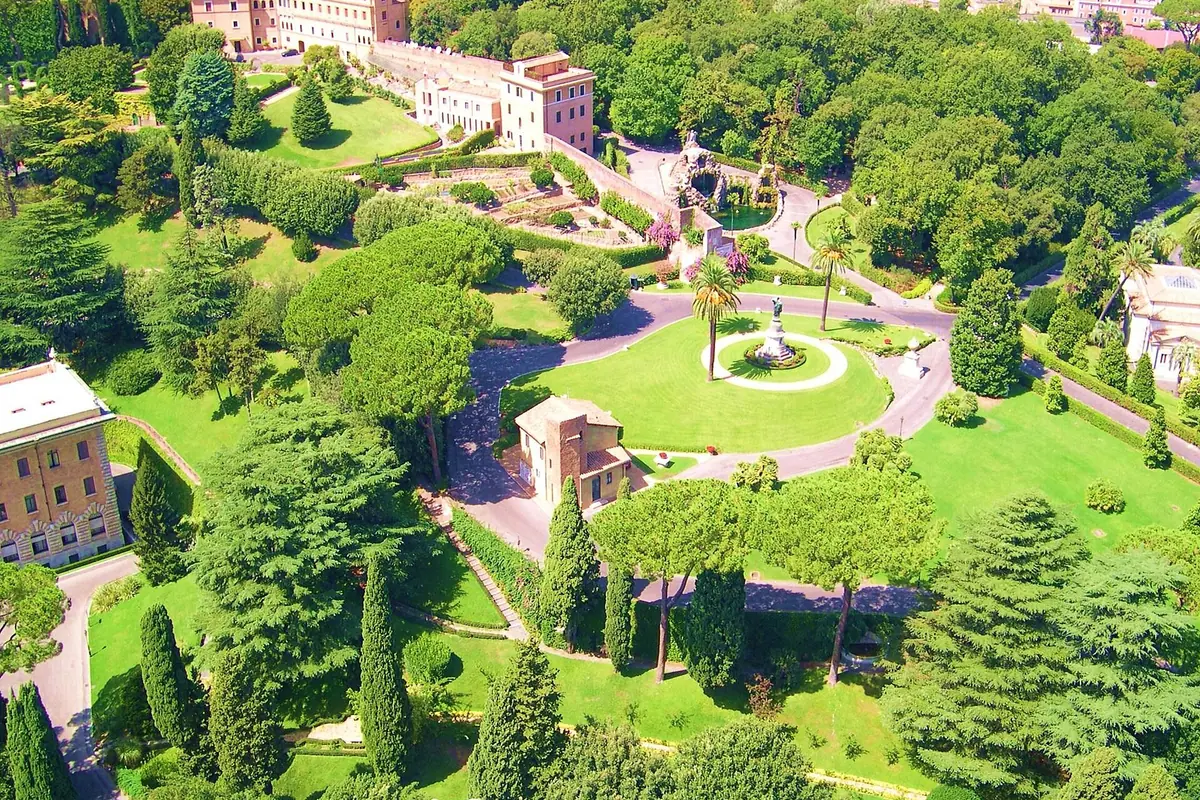
June through August means 30°C to 35°C and heavy humidity. The queue for St. Peter's Basilica and the dome forms before 7:30am, and the cupola climb — elevator for the first stretch, stairs for the final curve — is genuinely punishing after nine. Do it at opening anyway: the view across the square, the Apostolic Palace and the green sweep of the Vatican Gardens is worth the early alarm.
One summer quirk works in your favour: in July the Wednesday general audience moves into the air-conditioned Paul VI Audience Hall, thinning the outdoor crowds around the square. Hotel rates peak from June to mid-July and soften only slightly in August, when Romans leave the city but visitors do not. Air conditioning is non-negotiable, and a rooftop terrace facing the dome is the single upgrade worth paying for.
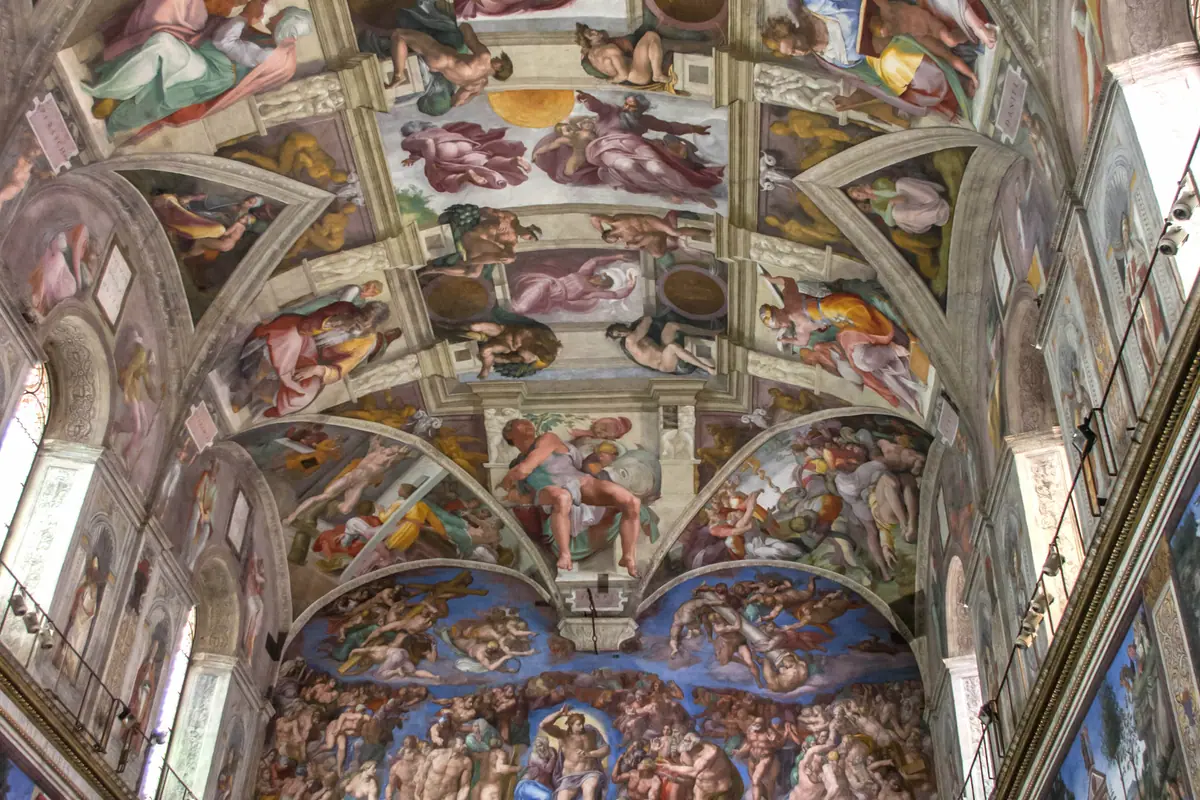
A sensible summer rhythm: basilica at 7am, the Vatican Necropolis — the Roman burial ground beneath the basilica, where the tomb traditionally identified as St. Peter's lies — as a cool midday refuge (small groups, booked months in advance), and the Sistine Chapel in a late-afternoon slot when the galleries have emptied out.
Autumn: The Sweet Spot for Vatican Stays
Mid-September to late October is the connoisseur's choice. Temperatures settle between 20°C and 26°C, the light turns honey-coloured on the travertine, and the crowds thin noticeably after mid-October. Room rates drop 20% to 30% below the spring peak, often for better weather than May delivers.
Early autumn still carries event risk. Synods, canonisations and large pilgrim gatherings can fill the Borgo and Prati at short notice, so check the calendar before locking in a non-refundable rate. Late September through the third week of October is the safest bet.
November is the year's underrated month. Rain arrives, days shorten, but rates are the cheapest outside deep winter and the museums become a pleasure — the Laocoön, the Belvedere Torso and the Vatican Pinacoteca with room to stand back. Just note that 1 November closes the museums, so plan the visit either side of it.
Winter: Christmas in St. Peter's Square and the Cheapest Rooms
From 8 December, St. Peter's Square fills with a towering Christmas tree and a life-size nativity scene, and the basilica hosts Midnight Mass — free to attend, but ticketed, with requests placed months ahead. Hotel rates stay moderate until Christmas itself, then surge from 26 December to Epiphany as Romans and visitors combine the holidays.
January and February are the quietest, cheapest months of the year: 5°C to 14°C, occasional snow flurries, warm museums and midweek galleries you can wander almost alone. Epiphany on 6 January brings a brief wave of pilgrims, after which the city exhales. Bear in mind the museums shut on 1 January, 6 January and 11 February, the anniversary of a 1929 treaty, so build a little slack into a short trip.
One caveat overshadows every winter calculation: Holy Years. A jubilee — the most recent opened in 2025 — can double demand, add pilgrim traffic and push rates up even in the rain. Check whether your dates fall inside one before assuming January will be a bargain.
Timing Your Booking Around Audiences, Closures and the Dome
The general audience takes place on Wednesday mornings, usually around 9:30, in St. Peter's Square or the Paul VI Audience Hall depending on the season; tickets are free, and hotel demand peaks on Tuesday and Wednesday nights. The Sunday Angelus at noon draws a smaller but still significant crowd. Any canonisation Mass is a city-wide event — book a year ahead if you intend to be there.
The Vatican Museums close on Sundays except the last Sunday of each month, when entry is free and the queues are the longest of the month; they also shut on 1 and 6 January, 11 February, 19 March, Easter Sunday and Monday, 1 May, 29 June, 15 August, 1 November, 8 December and 25–26 December. St. Peter's Basilica typically opens at 7am, the dome around 8am, and the Necropolis tours must be reserved well in advance. Shoulders and knees covered is enforced at both basilica and museums, and a scarf in your bag solves it.
For location, choose Borgo Pio for atmosphere and a doorstep view of the basilica, or Prati for value, metro access and better food at lower prices. Two to three nights covers the essentials; ask about left luggage or a late checkout, since many flights out of the city leave in the evening after the museums have closed their doors.
Frequently asked questions
What is the cheapest time to stay near Vatican City?
Mid-November to mid-December and most of January and February, excluding the Christmas-to-Epiphany peak and major feast days. Rooms within walking distance of St. Peter's Square can cost a fraction of their Holy Week rates, and midweek nights in winter are the quietest of the year.
How far in advance should I book a Vatican-area hotel?
Three to four months is comfortable for most of the year. For Holy Week, a canonisation, a jubilee year or the days around a major papal event, book six to twelve months ahead — the number of rooms within a ten-minute walk of the basilica is genuinely small.
Are there any hotels inside Vatican City itself?
Practically none. The Vatican's own guesthouse inside the walls, the Domus Sanctae Marthae, lodges clergy and is not open to travellers. Visitors stay in the surrounding streets of Rome — Borgo Pio, Via della Conciliazione and the Prati district — which put you a five- to fifteen-minute walk from St. Peter's Square.
When are the Vatican Museums closed?
On Sundays except the last Sunday of the month, when entry is free and crowds are heaviest, plus 1 and 6 January, 11 February, 19 March, Easter Sunday and Monday, 1 May, 29 June, 15 August, 1 November, 8 December and 25–26 December. St. Peter's Basilica generally opens daily around 7am.
Which month offers the best combination of weather and manageable crowds?
Late April to May and late September to October. You get 18°C to 26°C, dry, bright days and far thinner queues than in high summer or at Easter — while the Sistine Chapel, Raphael Rooms and the dome remain fully open.
Plan it — hotels in Vatican City
Live search, booked directly with trusted providers.
Sort the rest of your trip
Everything for Vatican City, in one place
Transfer in Vatican City
Private driver waiting on arrival — no queues, no surprises.
Book a transfer
Things to do in Vatican City
Skip-the-line tickets, guided tours and standout experiences.
See experiences
Stay online in Vatican City
Travel eSIM — data the moment you land, no roaming bills.
Get an eSIM