Tajikistan is Central Asia's high-altitude secret: a country where the Pamir Mountains scrape the sky, turquoise lakes sit above 2,000 metres, and Silk Road fortresses watch over rivers that mark the Afghan border. Whether you have one week or one month, it rewards slow travel on rough roads with landscapes and hospitality that stay with you long after you leave.
Drive the Pamir Highway: The Roof of the World
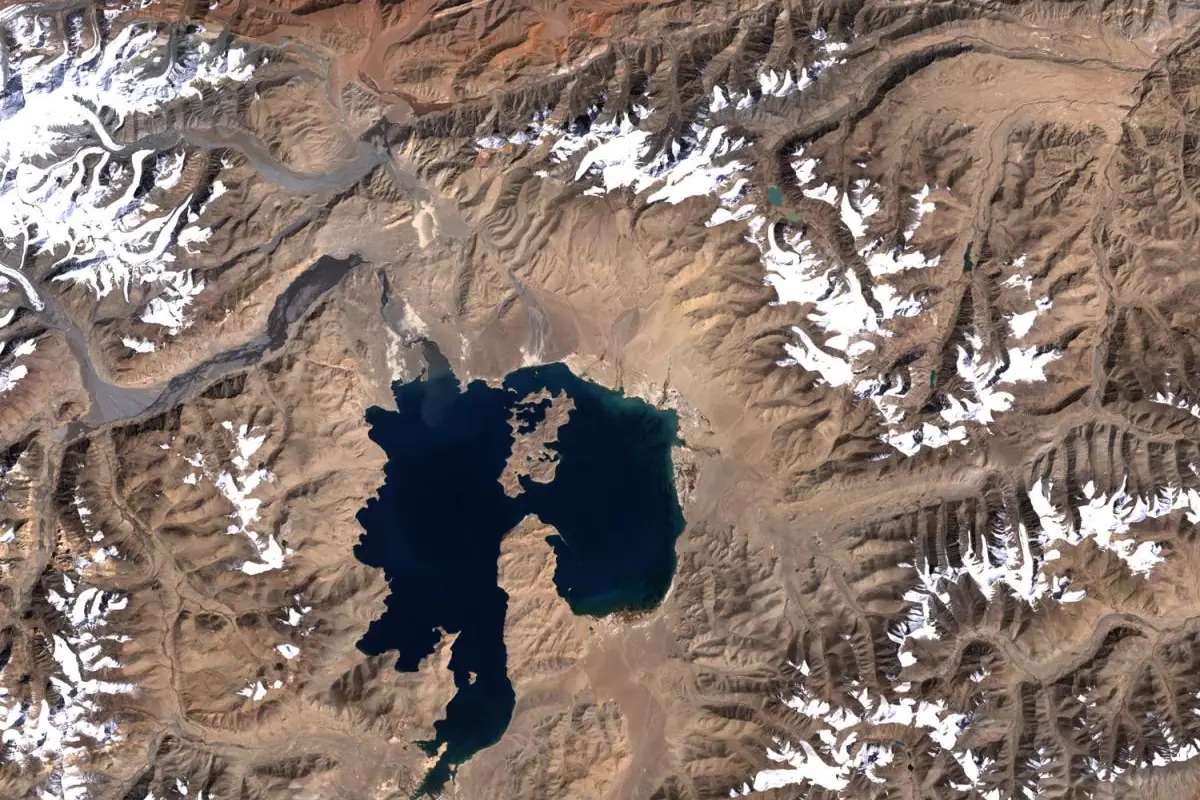
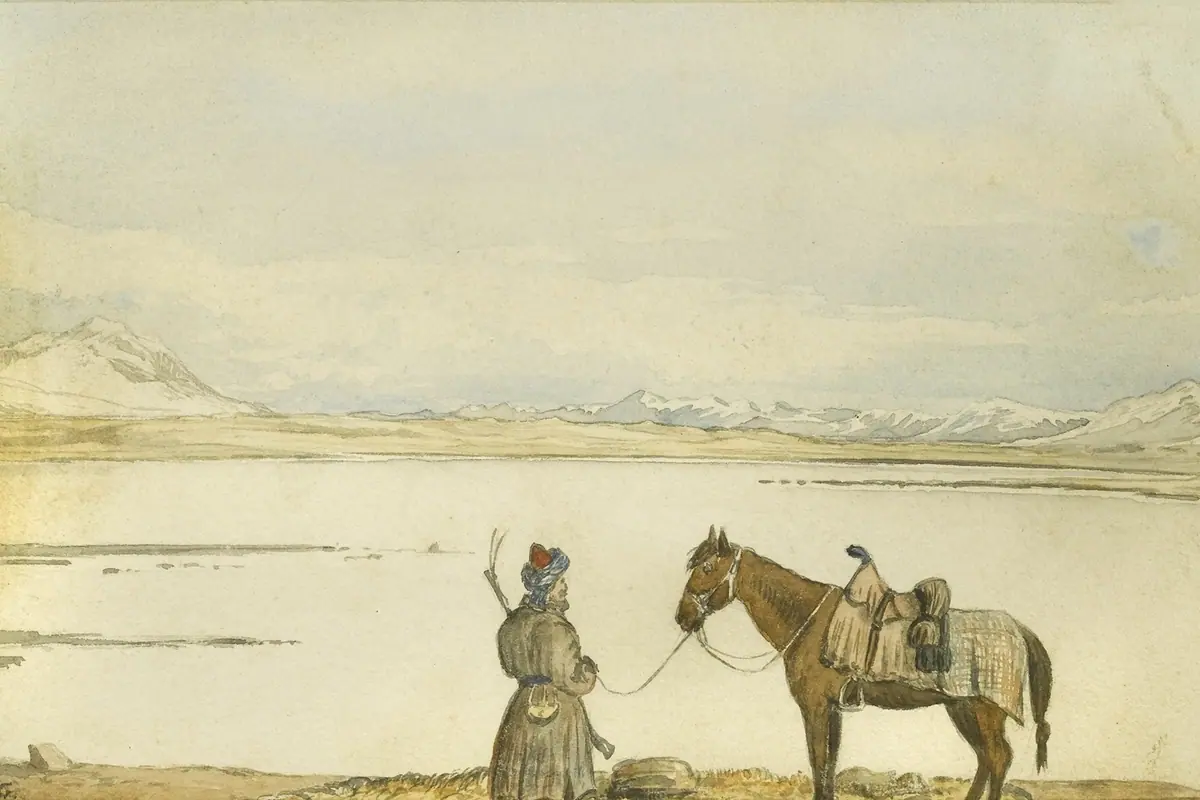
Stretching more than 1,200 kilometres from Dushanbe through the Pamir plateau to Murghab and on towards Osh, the Pamir Highway is less a road than a ribbon of gravel and asphalt laid across some of the highest inhabited terrain on earth. This is the journey most travellers come for, and it rewards patience: the route climbs over the Ak-Baital Pass at 4,655 metres, skirts the deep blue expanse of Karakul Lake at around 3,900 metres, and threads through the windswept town of Murghab, where yurts and weathered trucks share the roadside. Allow five to seven days if you want to stop, acclimatise and actually see the place rather than just tick off kilometres.
Expect basic but welcoming homestays and guesthouses in Kalaikhum, Khorog and Murghab, plus a night or two in a yurt camp beside Karakul Lake. Cash is essential — there are no reliable ATMs outside the main towns — and a GBAO permit, arranged alongside your visa, is required for the autonomous region. The road is usually open from July to September; snow can close the high passes from October through May. Give yourself time to acclimatise in Dushanbe or Khorog before sleeping above 3,600 metres.
The rewards are constant: the turquoise Panj River, hot springs at Garm Chashma near Khorog, and the Sunday animal market in Murghab where Kyrgyz herders trade sheep, yaks and horses. Even if you never leave the vehicle, the Pamir Highway delivers landscapes that feel genuinely otherworldly.
Wakhan Valley: Fortresses, Hot Springs and Afghan Views
The Wakhan Valley is the Pamir Highway's greatest detour, a two- to three-day side trip that follows the Panj River along the Afghan border. From Khorog, the road turns south and the landscape shifts: irrigated fields, poplar groves and a string of ancient forts perched on cliffs above the river. The standout is Yamchun Fortress, a sprawling third-century BCE stronghold with sweeping views across to the Hindu Kush, but Khaakha Fortress and the Buddhist stupa at Vrang are just as atmospheric.
Below Yamchun, the Bibi Fatima hot springs offer a soak in mineral-rich water at around 40°C; men and women bathe at separate times, and the setting — a stone chamber built into the hillside — is unforgettable. Further along, villages such as Langar and Vrang welcome travellers into simple homestays where you'll eat plov, drink endless green tea and wake up to views of Afghanistan's snow-capped peaks.
Travel here is slow and rough; a 4x4 is strongly recommended, and some sections are only passable in the dry months. June to September is the sweet spot, though May and October can be rewarding if you pack for cold nights and check that guesthouses are open.
Iskanderkul and the Fann Mountains: Alpine Lakes and Trekking
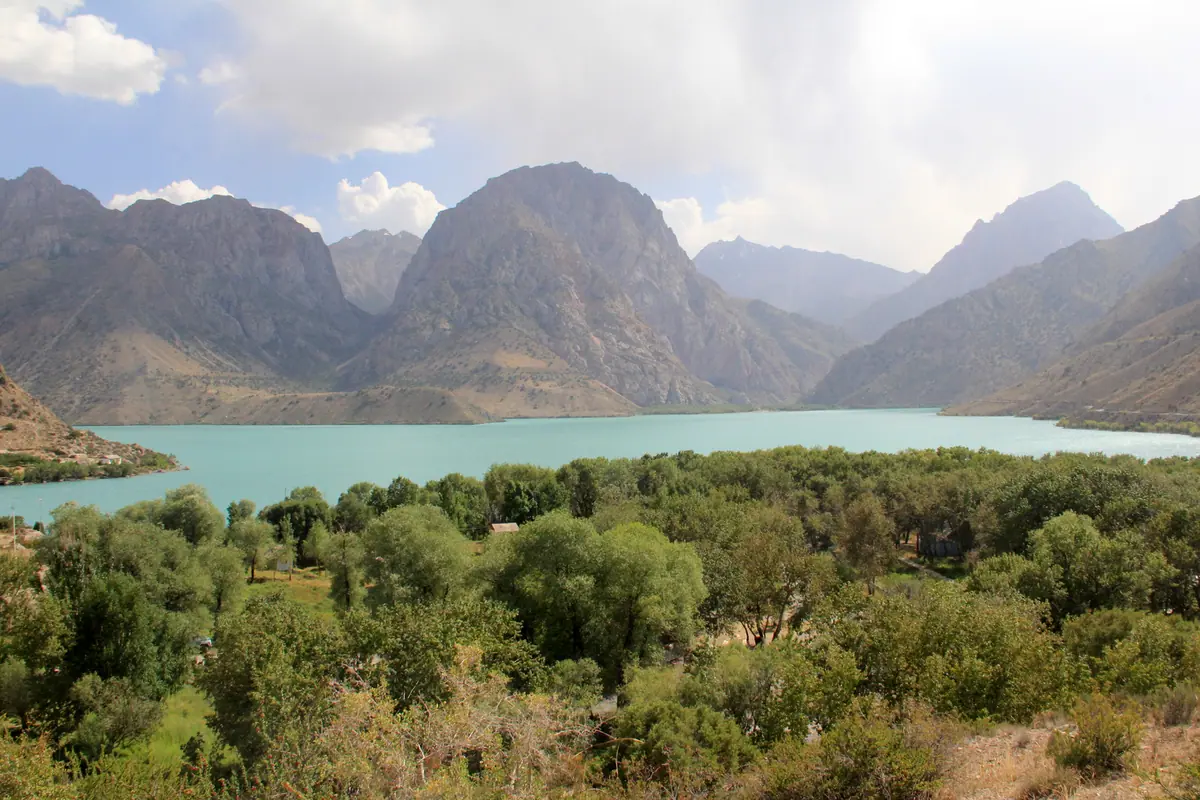
Iskanderkul, named after Alexander the Great, sits at 2,195 metres in the Fann Mountains, about two and a half hours from Dushanbe via the five-kilometre Anzob Tunnel. The lake is a deep, cold turquoise, framed by bare peaks and juniper slopes. Walk to the 38-metre waterfall known locally as the Fann Niagara, then follow the shoreline path for quieter views. It works as a long day trip, but an overnight stay in a nearby guesthouse lets you see the lake at dawn and dusk, when day-trippers have gone.
The wider Fann Mountains are a trekker's playground. The Alauddin Lakes and Kulikalon Lakes are reached on three- to five-day routes from the village of Artuch, while the Seven Lakes — Haft Kul, also called Marguzor — string up the Zeravshan Valley like a chain of sapphires, each a different shade of blue and green. You can hike between them in two or three days or drive the rough road in a single, bumpy day.
Beyond walking, the Fanns offer horse riding, rock climbing and rafting on the Zeravshan River, plus paragliding above the lakes. The season runs from late June to September; July and August are warmest and busiest, while early September brings crisp air and fewer people.
Dushanbe and Hisor Fortress: Capital Museums and Silk Road Ruins
Dushanbe is a low-rise, leafy capital that rewards a day or two of wandering. Start on Rudaki Avenue, the city's main boulevard, and stroll through Rudaki Park with its fountains and rose beds. Nearby, the National Museum of Tajikistan holds a remarkable collection, including a 13-metre reclining Buddha recovered from the ancient site of Ajina Teppa. A short walk away, the Gurminj Museum of Musical Instruments packs traditional lutes, drums and flutes into a small, fascinating space.
For a bird's-eye view, climb to Victory Park, where a ferris wheel and viewing platform overlook the city and the mountains beyond. The world's tallest flagpole — 165 metres — rises from a plaza near the museum, and Dushanbe's green bazaars are good for dried fruit, nuts and spices.
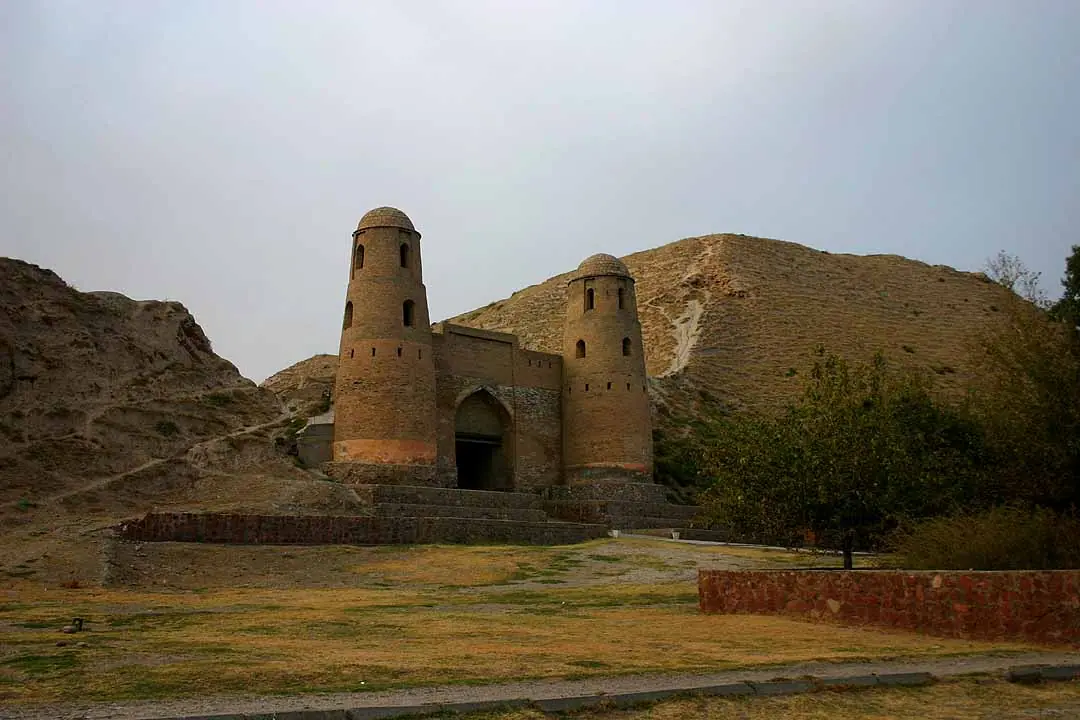
The best half-day escape is Hisor Fortress, about 30 minutes west of the city. Its reconstructed gate, madrasa and mausoleum sit on a hill above a valley; the site dates back centuries and pairs well with the nearby old caravanserai. Farther afield, the ancient Sogdian city of Penjikent and the proto-urban site of Sarazm, occupied more than 5,000 years ago, make a rewarding overnight trip west. Spring and autumn are the most comfortable seasons for Dushanbe, with April and May bringing mild days and blossoming trees.
Khujand, Istaravshan and the Northern Silk Road
Northern Tajikistan is Silk Road country, and Khujand is its lively capital. The Panjshanbe Bazaar — Thursday Market — is the heart of the city, a sprawling covered hall where vendors sell pomegranates, honey, flatbread and mountains of dried apricots. Step outside and you're in the middle of a working city that claims descent from Alexandria Eschate, the farthest city founded by Alexander the Great. Don't miss the Timurmalik Fortress and the riverside park along the Syr Darya.
An hour's drive south, Istaravshan is one of the oldest cities in the region, with the Mug Teppe citadel mound and the Hazrati Shoh complex of mausoleums and a mosque. The surrounding bazaar is quieter than Khujand's but no less atmospheric.
Getting north from Dushanbe means the Anzob Tunnel — dark, smoky and long — or the longer, prettier route over the Shahristan Pass, which is only open in summer. Spring and autumn are ideal for this region: warm days, cool nights and markets overflowing with fruit. In winter, the lowlands are cold and grey, though Khujand remains the mildest corner of the country.
Peak Climbing, Glacier Treks and Remote Valleys
For serious mountaineers, Tajikistan is a high-altitude prize. Ismoil Somoni Peak, at 7,495 metres, is the highest mountain in the former Soviet Union and a demanding technical climb; Lenin Peak, at 7,134 metres, is considered one of the most accessible 7,000-metre peaks and is usually approached from the Pamir plateau near Karakul Lake. Both are climbed in July and August, when base camps operate and the weather is most stable. The Fedchenko Glacier, 77 kilometres long, is one of the largest outside the polar regions and can be seen on trekking routes in the eastern Pamirs.
For something wilder and lower, head to the Yagnob Valley, a remote gorge north of Dushanbe where families still speak Yaghnobi, an ancient Sogdian language, and live in stone villages without road access. Treks of two to four days combine homestays, river crossings and high passes; local guides can be arranged in Dushanbe or at the valley entrance.
Other active options include rafting on the Zeravshan and Panj rivers, mountain biking along sections of the Pamir Highway, and skiing at a small ski area in the Varzob gorge above Dushanbe, usually open from January to March. Whatever you choose, build in buffer days: weather, road conditions and altitude often rewrite the best-laid plans.
Frequently asked questions
When is the best time to visit Tajikistan?
For the Pamir Highway, Wakhan Valley and Fann Mountains, aim for July to September, when high passes are clear and guesthouses are open. For the lowland cities such as Dushanbe, Khujand and Istaravshan, spring (April–May) and autumn (September–October) are ideal. Winter suits skiing near Dushanbe, but many mountain roads close.
Do I need a permit for the Pamir Highway and Wakhan Valley?
Yes. The Gorno-Badakhshan Autonomous Region requires a GBAO permit, which you can usually add to your e-visa application or arrange in Dushanbe. Carry several paper copies, as checkpoints along the Pamir Highway and Wakhan Valley often ask to see it.
Is Tajikistan safe for travellers?
Tajikistan is generally peaceful and crime rates are low. The main risks are road conditions, altitude and remote mountain weather rather than personal safety. Avoid border areas with Afghanistan and Kyrgyzstan unless you have up-to-date local advice, and check your government's current travel guidance before booking.
How do I get around Tajikistan?
Shared taxis and marshrutkas connect most towns, but for the Pamir Highway and Wakhan Valley you'll want a private 4x4 and driver, arranged in Dushanbe or Khorog. There are also domestic flights between Dushanbe and Khorog, though they are weather-dependent and can be cancelled at short notice.
How can I avoid altitude sickness on the Pamir Highway?
Ascend gradually and spend a night or two in Khorog (around 2,000 metres) before pushing higher. Drink plenty of water, avoid alcohol for the first days, and consider asking your doctor about acetazolamide. If symptoms such as severe headache or breathlessness worsen, descend immediately rather than waiting it out.
Plan it — experiences in Tajikistan
Live search, booked directly with trusted providers.
Sort the rest of your trip
Everything for Tajikistan, in one place
Stay in Tajikistan
Hotels, guesthouses and apartments — compared in one search.
Search hotels
Transfer in Tajikistan
Private driver waiting on arrival — no queues, no surprises.
Book a transfer
Stay online in Tajikistan
Travel eSIM — data the moment you land, no roaming bills.
Get an eSIM